Are largemouth bass native to Nevada?
It's a question many of us anglers ponder when we're out on the water, reeling in a feisty largemouth: "Has this species always called Nevada home?" It's easy to assume that such a prevalent game fish is native, thriving naturally in our waters, but the truth often holds a more complex story. This guide is here to untangle that narrative, offering a deep dive into the historical journey of largemouth bass in the Silver State, their current strongholds, and why understanding their origins matters for every angler.
The Big Question: Are Largemouth Bass Native to Nevada?
Let's cut right to the chase, because this is a common point of curiosity for many anglers, especially when you consider how widespread and successful largemouth bass are across the state. The simple, straightforward answer is no, largemouth bass are not native to Nevada. This might come as a surprise to some, given their strong presence in many of our popular fishing spots, from vast reservoirs to smaller urban ponds. They've become so synonymous with freshwater fishing here that it's easy to forget they weren't always part of the natural ecosystem.
Dispelling the Myth: The True Origins
For a species to be considered "native" to a region, it means they evolved there and have naturally inhabited those waters without human intervention for a very long time, typically thousands of years. They are part of the original, untouched ecological balance. Largemouth bass, on the other hand, are indigenous to the eastern and central parts of North America, extending through the Great Lakes region and down to Florida and parts of Mexico. Their natural range simply didn't include the arid landscapes and specific water systems found in Nevada.
So, how did they become such a dominant force in Nevada's angling scene? Their introduction was entirely human-driven, a result of widespread stocking programs that aimed to enhance sport fishing opportunities across the western United States. These efforts, which began well over a century ago, transformed many lakes and rivers, making them home to a species that was never intended by nature to be there.
What "Native" Really Means in an Ecosystem
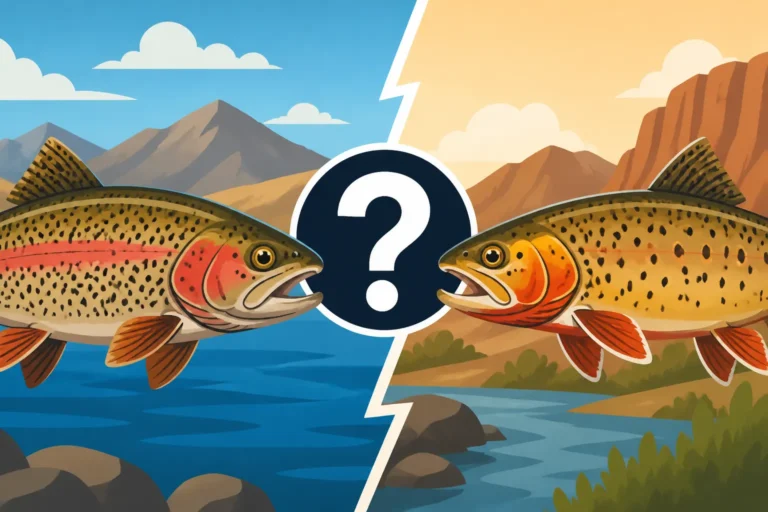
Understanding the distinction between native and non-native species isn't just an academic exercise; it has real implications for the health of an ecosystem. A native species has evolved alongside other local flora and fauna, forming intricate relationships that support a balanced food web and habitat structure. Think of species like the Lahontan cutthroat trout, which is truly native to parts of Nevada and has a unique ecological role. Lahontan Cutthroat Trout in Nevada delves into their specific characteristics.
When a non-native species like the largemouth bass is introduced, it can sometimes disrupt these delicate balances. While largemouth bass are undeniably fantastic sport fish, their predatory nature and adaptability can impact smaller native fish populations or compete with other species for food and habitat. This isn't to say they are "bad" fish, but rather that their presence fundamentally alters the original ecological blueprint of a given body of water.
A History of Introduction: How Largemouth Bass Arrived in Nevada Waters
The story of largemouth bass in Nevada is one of deliberate design, a testament to the ambitious efforts of early fish and game agencies and passionate anglers seeking to diversify fishing opportunities in the developing West. It wasn't a случайное event; it was a planned, often large-scale, biological relocation project.
Early Stocking Efforts and Their Impact
The late 19th and early 20th centuries saw a massive push across the United States to introduce popular game fish into waters where they didn't naturally occur. This era was driven by a strong desire to create recreational fisheries and provide food sources in newly settled areas. Largemouth bass, with their aggressive fight, rapid growth, and adaptability, were prime candidates for these programs. They were often transported by train, sometimes in milk cans, and then distributed to various lakes and rivers.
Nevada received its first largemouth bass stockings in the early 1900s, with many of the initial introductions proving successful. These fish found suitable conditions in the state's emerging reservoir systems and some natural ponds. The goal was simple: provide more angling options. And boy, did it work. These early introductions laid the groundwork for the thriving bass fisheries we enjoy today. Without these pioneering efforts, the prospect of catching a hefty largemouth at Lake Mead or an urban pond would be non-existent.
The Role of Reservoirs and Man-Made Habitats
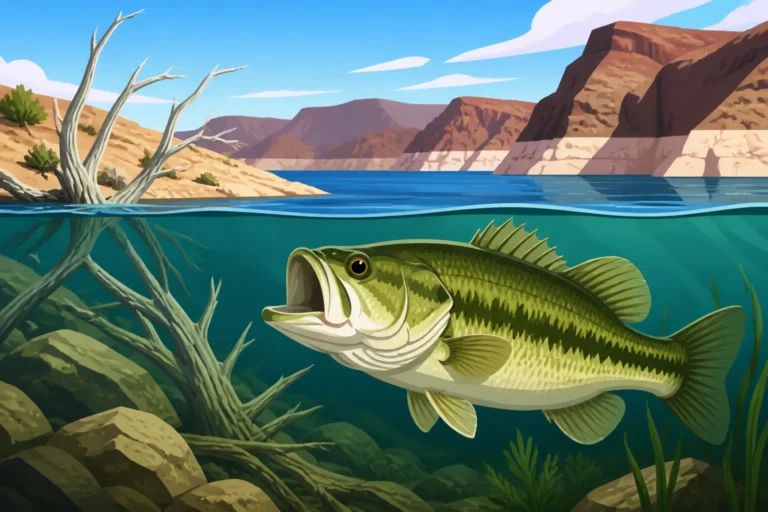
It's no coincidence that largemouth bass have found such success in Nevada, a state dominated by desert landscapes and man-made water bodies. Many of Nevada's most productive bass fisheries are, in fact, large reservoirs like Lake Mead and Lake Mohave. These expansive bodies of water, created by damming rivers, provided ideal conditions for largemouth bass to not just survive, but to truly thrive. Their structure – submerged brush, rocky points, and varying depths – mimicked the preferred habitats of bass in their native ranges.
The construction of these reservoirs, while providing much-needed water resources and recreation, also created entirely new ecosystems. These new environments were often perfect canvases for introduced species. Largemouth bass adapted remarkably well to the warm, often turbid waters of these impoundments, establishing self-sustaining populations that continue to draw anglers from all over. You can explore more about these magnificent fisheries in Lake Mead Nevada Fishing Guide and Lake Mohave Nevada Fishing Guide. Without these artificial environments, it's highly unlikely largemouth bass would have found a foothold in the Silver State.
Where Largemouth Bass Thrive in Nevada Today
Despite not being native, largemouth bass have truly made themselves at home in Nevada. They are a cornerstone of the state's warmwater fishing scene, offering exciting opportunities for anglers of all skill levels. From trophy hunting to a casual day with the family, these fish deliver.
Key Nevada Largemouth Bass Fisheries
When you think of largemouth bass fishing in Nevada, a few prominent names immediately come to mind. Lake Mead, a massive reservoir on the Colorado River, is arguably the most famous. It boasts a robust population of largemouth, with anglers often targeting them in the numerous coves, submerged structure, and rocky points. Other significant fisheries include Lake Mohave, just downstream from Lake Mead, which also offers excellent bass fishing, particularly in its northern reaches. You can find more targeted information on techniques in Largemouth Bass Fishing in Nevada.
Beyond these giants, many smaller reservoirs and even urban ponds are teeming with largemouth. Places like the Las Vegas urban ponds – think Floyd Lamb Park or Sunset Park – are regularly stocked and managed, providing accessible fishing, especially for families and new anglers. These smaller, more manageable waters are fantastic places to learn the ropes of bass fishing without needing extensive gear or travel. A good search for "bass fishing gear" on Amazon can get you started with an affordable rod and reel combo perfect for these ponds.
Preferred Habitat and Forage
Largemouth bass are ambush predators, and their preferred habitats reflect this hunting style. They love structure – anything that provides cover from which they can dart out and surprise their prey. This includes submerged timber, rock piles, weed beds, docks, and even shaded areas under overhanging trees. In Nevada's reservoirs, you'll often find them lurking near drop-offs, points, and transition areas where different types of bottom meet. Understanding these preferences is key to successful How to Fish for Bass in Nevada.
Their diet is quite varied, making them adaptable eaters. Young bass will feed on insects and small crustaceans, while adults become more piscivorous, meaning they primarily eat other fish. In Nevada, their diet often includes shad, smaller panfish like bluegill, crayfish, and even other juvenile bass. This abundant forage base in many Nevada waters is a major reason for their success and impressive growth rates. Having a variety of lures that mimic these food sources can make a big difference, and there's a huge selection available on Amazon to fill your tackle box.
Fishing Strategies for Introduced Bass
Successfully targeting largemouth bass in Nevada requires understanding their behavior and adapting your techniques to the local conditions. Since they are an introduced species, their behavior is largely driven by their inherent predatory instincts and the specific environment of the reservoir or pond. For instance, in the warmer months, bass will often seek deeper, cooler water during the day, moving shallower during dawn, dusk, or overcast conditions. During spring, they'll be found in shallower coves for spawning.
Common techniques include using soft plastic baits like worms and jigs fished slowly along the bottom, crankbaits retrieved to mimic fleeing baitfish, and topwater lures for exciting surface strikes in low light. Flipping and pitching into heavy cover is also highly effective. Understanding the Best Lures for Nevada Bass is crucial for a productive outing. Whether you prefer a spinning setup or a baitcasting reel, having the right gear, which you can easily find on Amazon, will certainly enhance your chances of landing a trophy.
Understanding Native vs. Non-Native Species for Nevada Anglers
The presence of non-native species like largemouth bass in Nevada's waters is a complex topic with both benefits and challenges. For anglers, it primarily means more diverse fishing opportunities. However, for the ecosystem, it introduces a new dynamic that requires careful management and understanding.
Ecological Implications of Non-Native Species
When a non-native species establishes itself, it can have various ecological effects. In some cases, like with largemouth bass in large reservoirs, they fill an ecological niche that might not have been fully occupied by native species, providing a new sport fishery without overtly destroying existing populations. However, in more sensitive ecosystems or smaller bodies of water, introduced species can outcompete native fish for food and habitat, or even prey upon them. This is a delicate balance that fishery biologists constantly monitor.
Consider the case of Pyramid Lake, home to the endangered cui-ui fish and the unique Lahontan cutthroat trout. The careful management of this unique fishery, which includes specific permits and regulations, highlights the importance of protecting native species from potential negative impacts of non-native introductions. While largemouth bass aren't present in Pyramid Lake, it serves as a stark example of how native ecosystems must be safeguarded. Pyramid Lake Tribal Fishing Permit and Pyramid Lake Fishing Permit Guide are crucial reads for anyone planning a trip there.
Why This Matters for Conservation and Management
Understanding the native status of a fish species is vital for conservation efforts. Native species are often a priority for protection and restoration because they are integral to the original biodiversity of a region. When non-native species are introduced, fishery managers must weigh the recreational benefits against the potential ecological risks. This often leads to different management strategies, such as stocking programs for non-native game fish while simultaneously working to restore native populations. Nevada Fishing Regulations Explained often reflect these considerations.
For instance, while largemouth bass are widely encouraged and managed for sport fishing in many Nevada waters, efforts are also underway to conserve and restore native fish populations in other specific areas. This dual approach ensures that anglers have diverse opportunities while also protecting Nevada's unique natural heritage. Anglers can support these efforts by practicing responsible catch-and-release, especially with native species, and by following all regulations designed to protect fish populations.
Your Role as a Responsible Angler
As anglers, we have a significant role to play in the health of our fisheries, regardless of whether the fish we target are native or introduced. First and foremost, always adhere to Nevada Fishing Regulations Explained, including bag limits, size restrictions, and season dates. These rules are in place to manage fish populations sustainably. Second, avoid introducing any live bait or fish from one body of water to another, as this can inadvertently spread non-native species or diseases.
Finally, practice good stewardship. Pack out all your trash, use proper catch-and-release techniques when appropriate, and be mindful of your impact on the environment. Whether you're chasing trophy bass in Lake Mead or enjoying a leisurely afternoon at a local pond, understanding the origins of the fish you pursue adds another layer of appreciation to the experience. For further reading on all the different species you might encounter, check out our Nevada Fish Species Guide.
| Feature | Native Species | Introduced/Non-Native Species |
|---|---|---|
| Origin | Evolved naturally in the specific ecosystem. | Originated elsewhere, brought in by human activity. |
| Ecological Role | Integrated into the natural food web & habitat. | May disrupt existing ecological balances. |
| Management Focus | Conservation, protection, habitat restoration. | Sport enhancement, population control, monitoring. |
| Example in Nevada | Lahontan Cutthroat Trout, Cui-ui | Largemouth Bass, Rainbow Trout (in many areas) |
| Human Impact | Minimal direct human influence on initial presence. | Deliberate stocking or accidental release. |
Disclaimer
This article is for general informational purposes only and does not constitute professional advice. Laws, prices and regulations vary by location and change over time. Consult a qualified professional for guidance on your specific situation.