Can you catch saltwater fish in Nevada?
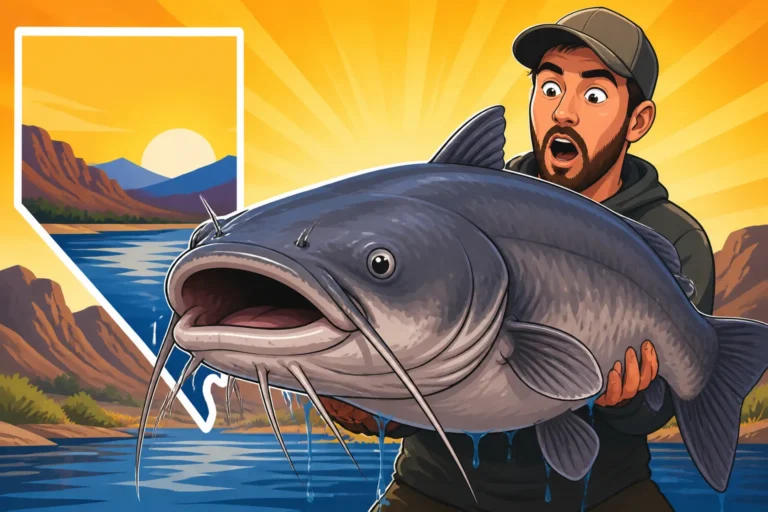
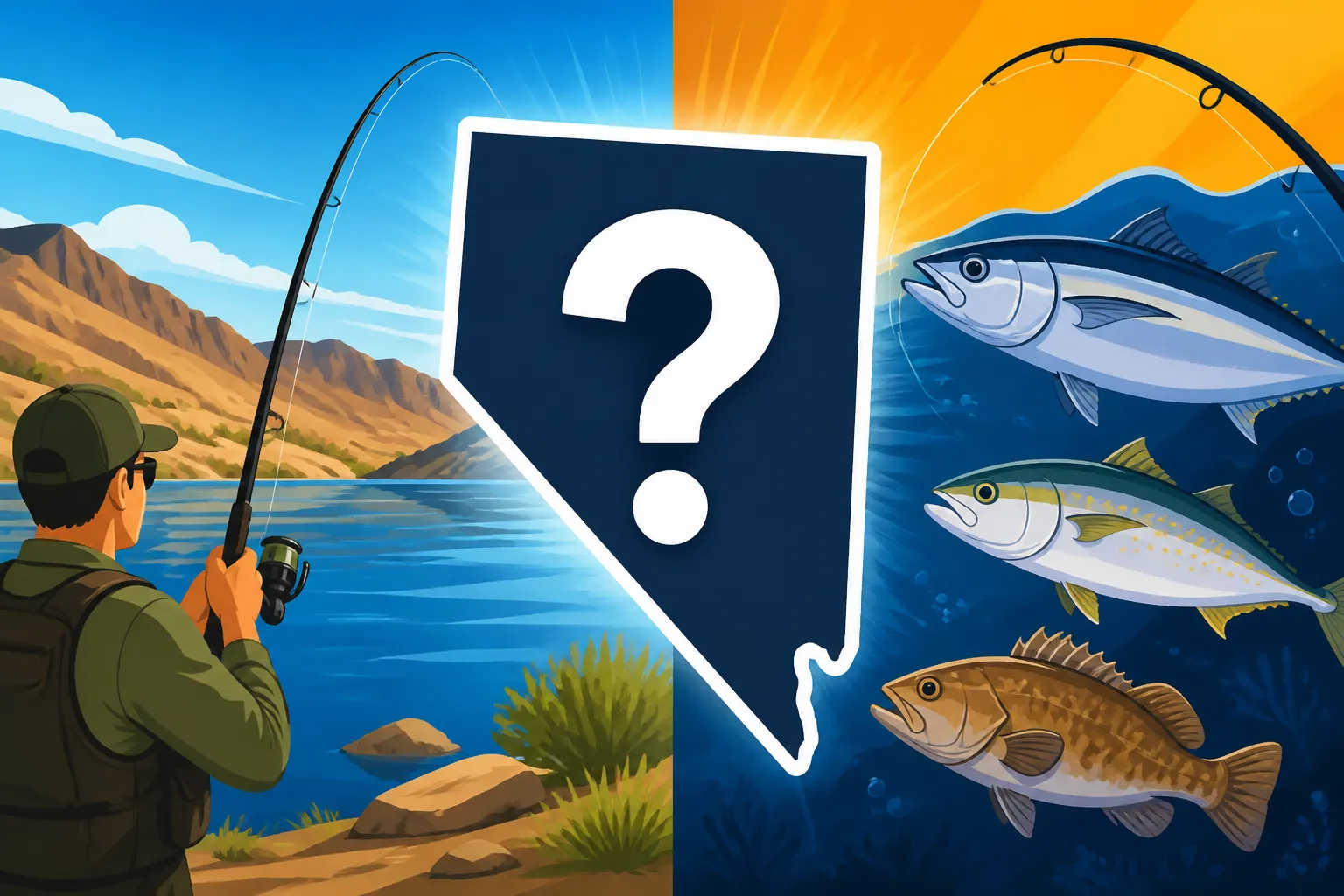
One of the most common questions I hear from folks new to the Silver State, or even longtime residents who are just getting into fishing, is about saltwater opportunities. It’s a completely fair question, especially with all the talk about massive striped bass in our reservoirs. But let's cut to the chase: can you actually catch saltwater fish in Nevada? This guide will clear up that common confusion and help you understand what unique angling experiences our beautiful desert state truly offers.
Nevada's Landlocked Reality and Freshwater Bounty
Let's address the elephant in the room right away: Nevada is a landlocked state. We don't have a coastline, an ocean, or any direct access to the salty sea. This fundamental geographic fact means that, no, you cannot catch true saltwater fish like tuna, sharks, mahi-mahi, or red snapper in Nevada's natural waters. There's no ocean for them to swim in! It might seem obvious to some, but for those dreaming of deep-sea thrills, it’s a necessary clarification.
What we do have in abundance, however, are incredible freshwater fishing opportunities. From vast reservoirs like Lake Mead and Lake Mohave to pristine alpine lakes in the Sierra Nevada, and even unique desert lakes like Pyramid Lake, Nevada is teeming with diverse freshwater species. We have world-class trout fishing, explosive bass action, and even some species that can really throw you for a loop, making you wonder if they might have a touch of saltwater in their lineage, even if they don't.
The Geographic Truth: No Ocean Here
Nevada sits proudly in the Great Basin and Mojave Desert regions, hundreds of miles from the nearest ocean. Our water sources are primarily snowmelt from mountain ranges that feed into rivers and then coalesce into lakes and reservoirs. This journey means the water is fresh, not saline. Unlike coastal states where estuaries might mix fresh and saltwater, creating brackish zones, Nevada simply doesn't have that environment. It’s a pure freshwater playground for anglers.
Thinking about the sheer distance helps put it into perspective. Imagine driving from Las Vegas or Reno all the way to the Pacific Coast; that's the kind of distance between us and the ocean. Our ecosystems have evolved to support fish species adapted to freshwater environments, from the cold, oxygen-rich waters of mountain streams to the warmer, nutrient-dense reservoirs that dot our landscape. Understanding this basic geography is the first step to truly appreciating the unique fishing Nevada has to offer.
Why the Confusion? Striped Bass and Unique Adaptations
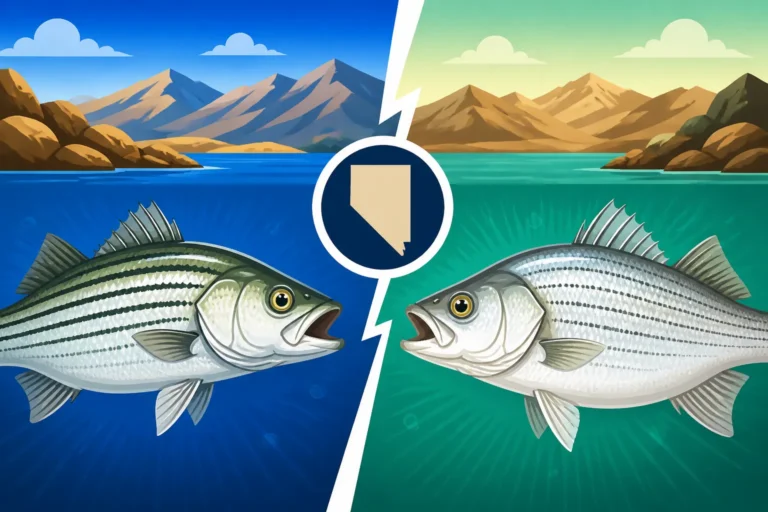
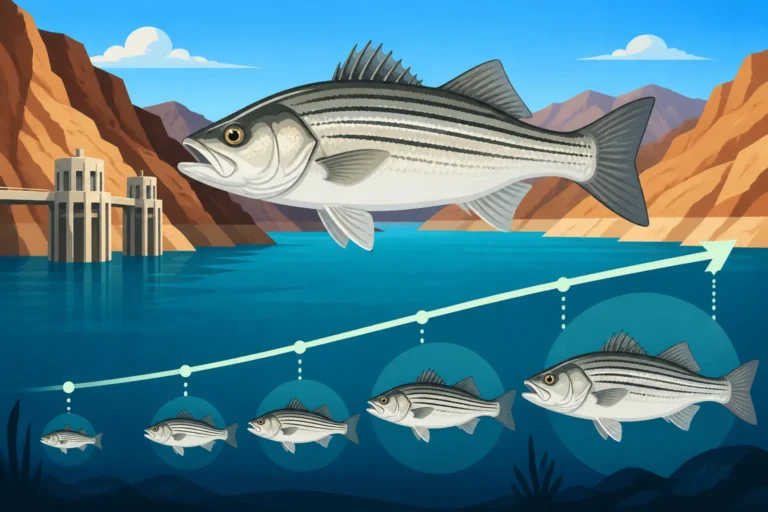
So, if Nevada is landlocked, why do so many people ask about saltwater fish? The answer largely lies with one particular species: the striped bass. Striped bass are anadromous, meaning they naturally migrate from saltwater to spawn in freshwater rivers. While they are native to the Atlantic Ocean, they've been successfully introduced into many landlocked freshwater systems across the country, including Nevada's Lake Mead and Lake Mohave. Here, they've adapted to living their entire lives in freshwater, even though their ancestors were ocean dwellers.
These fish grow to impressive sizes, fight hard, and are often referred to as "stripers," just like their ocean-dwelling cousins. This can easily lead newcomers to believe they are true saltwater fish being caught in a freshwater lake. It's a testament to their adaptability and the robust ecosystems of our larger reservoirs. It's truly incredible to see these fish thriving so far from their ancestral ocean homes, offering a unique angling experience that feels a bit like a taste of the sea, even though it's technically freshwater. For more details on these fighters, check out our guide on Striped Bass Fishing in Nevada.
Understanding Different Fish Types in Nevada Waters
While we don't have true saltwater species, Nevada's freshwater fish diversity is pretty remarkable. We have cold-water species like trout, warm-water species like bass and catfish, and even some truly unique native species that have adapted to very specific, and sometimes slightly saline, desert environments. It's worth diving into these categories to really grasp what's biting in our state.
True Freshwater Fish: Our Angling Mainstays
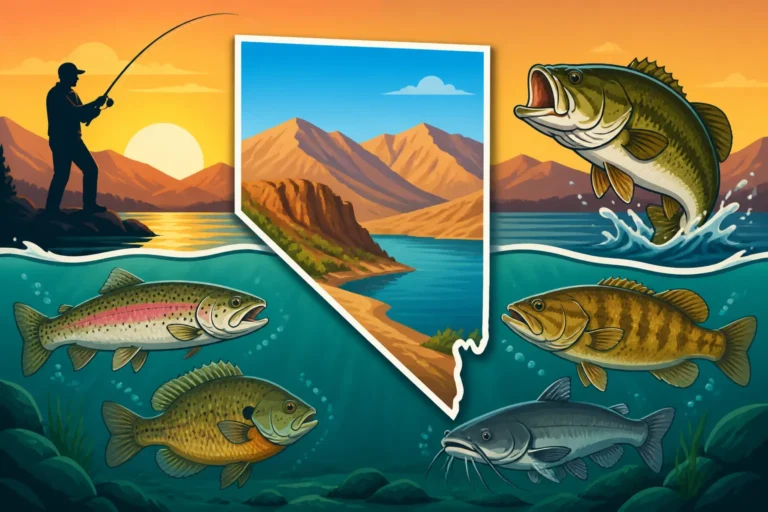
The vast majority of fish you'll encounter in Nevada are true freshwater species. This includes several species of trout – rainbow, brown, brook, and even some tiger trout hybrids – found in our mountain lakes, streams, and many stocked urban ponds. Then there are the various bass species, like largemouth and smallmouth, which dominate the warmer, larger reservoirs and provide incredible sport. Crappie, bluegill, catfish, and perch are also common in many of our waters, providing diverse angling opportunities for everyone from beginners to seasoned pros.
These fish have spent generations, if not millennia, evolving to thrive in the specific freshwater conditions of Nevada. They have adapted their physiology to absorb oxygen and regulate salts within their bodies in a dilute, non-saline environment. This is a stark contrast to true saltwater fish, which have entirely different biological mechanisms to cope with a high-salinity environment. Understanding these basic differences helps us appreciate the natural adaptations of our local fish. If you're looking to explore the different species you can encounter, our Nevada Fish Species Guide is a great resource.
The Special Case of Pyramid Lake: A Salty Twist
Now, if there's one place in Nevada that might make you wonder if you're catching a "saltwater" fish, it's Pyramid Lake. This ancient, terminal lake, located northeast of Reno, is indeed saline. It's an endorheic basin, meaning water flows into it but doesn't flow out to the ocean; instead, it evaporates, leaving salts behind. Over thousands of years, this has led to a brackish, slightly salty environment. However, it's still not ocean saltwater.
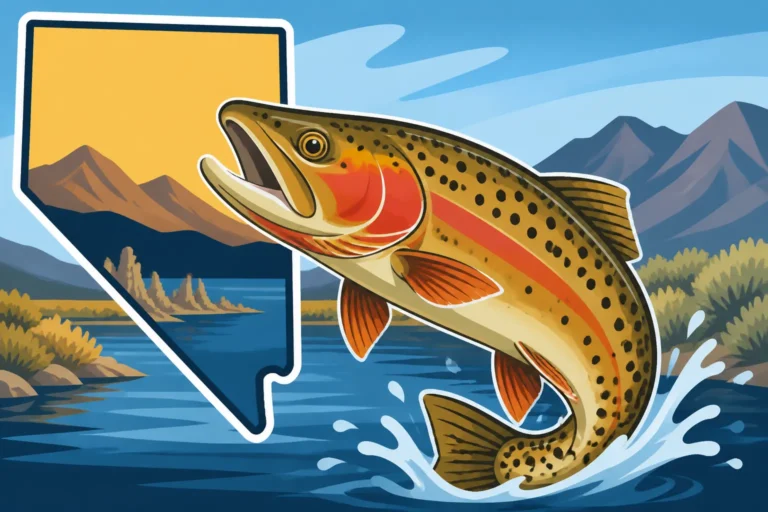
The superstar of Pyramid Lake is the Lahontan cutthroat trout, a magnificent, prehistoric-looking fish that can grow to truly enormous sizes. These fish are incredibly unique, having adapted to the specific conditions of the lake. While they tolerate salinity, they are still considered a freshwater species that has evolved to thrive in a specific saline freshwater environment, rather than being a true ocean fish. Fishing for these giants is an experience unlike any other, and it requires a special tribal permit in addition to a state fishing license. You can learn more about this unique fishery in our Pyramid Lake Fishing Permit Guide and our deep dive into Lahontan Cutthroat Trout in Nevada.
Here's a quick comparison of what you might encounter versus true ocean dwellers:
| Feature | Nevada's "Salty-ish" Freshwater Fish (e.g., Striped Bass, Lahontan Cutthroat Trout) | True Saltwater Ocean Fish (e.g., Tuna, Snapper) |
|---|---|---|
| Primary Habitat | Large freshwater lakes/reservoirs, some with elevated salinity (e.g., Pyramid Lake) | Ocean, seas, coastal estuaries |
| Physiological Adaptation | Adapted to freshwater; some can tolerate or thrive in brackish/saline freshwater | Adapted to high salinity; cannot survive long in pure freshwater |
| Origins | Freshwater-adapted populations of anadromous species (Striped Bass) or species evolved in saline lake (Lahontan Cutthroat) | Born and live solely in marine environments |
| Examples in Nevada | Striped Bass, Lahontan Cutthroat Trout, Cui-ui | None |
Exotic Fish and What Not to Expect
While it's fun to imagine, Nevada's strict regulations and natural geography make it impossible to encounter true ocean fish outside of very specific, controlled circumstances. It's important for anglers to understand the difference and help protect our native and established freshwater ecosystems.
The Myth of Hidden Saltwater Pockets
Some might wonder if there are any hidden geothermal springs or unique geological formations that create pockets of saltwater. The answer is simply no, not in a way that would support a saltwater fishery. While there are saline hot springs and mineral-rich pools, these are not connected to any ocean or suitable for supporting complex marine life like fish. Our desert environment is harsh, and only the most resilient freshwater species have managed to thrive here, let alone anything from the deep blue sea.
You might find some ornamental goldfish or koi in urban ponds (often illegally released), but these are not native, nor are they saltwater species. Protecting our waters from invasive species is a huge deal, and introducing any non-native fish, especially from a completely different ecosystem, can have devastating consequences. The Nevada Department of Wildlife (NDOW) works tirelessly to manage our fisheries and prevent such introductions. Remember, part of being a responsible angler is understanding and respecting the local ecosystem. Nevada Fishing Regulations Explained covers this and more.
What About Stocked Aquariums or Private Holdings?
Of course, if you visit an aquarium, you'll see plenty of saltwater fish! Places like the Shark Reef Aquarium at Mandalay Bay in Las Vegas are incredible for viewing marine life from around the world. But that's a controlled, artificial environment, not a natural fishing spot. Similarly, private individuals might keep saltwater fish in elaborate home aquariums. These are pets, not wild fish available for angling. The intent of fishing regulations is always focused on wild populations in public and natural waters.
So, while you can see saltwater fish in Nevada, you definitely cannot catch them in the wild. This distinction is crucial for managing expectations and appreciating the fantastic fishing opportunities we do have. If you're looking for gear to enhance your freshwater fishing experience, from specific lures for bass to trout bait, platforms like Amazon offer a huge selection. For example, finding the right tackle for How to Fish for Bass in Nevada or How to Fish for Trout in Nevada is just a click away.
Embracing Nevada's Freshwater Wonders
Instead of lamenting the lack of ocean fishing, I encourage every angler to embrace the unique and thrilling freshwater opportunities Nevada provides. We have so much to offer, from chasing monster Lahontan cutthroat trout to battling feisty striped bass, or simply enjoying a peaceful afternoon reeling in rainbow trout with the family at one of our urban ponds.
From Desert Lakes to Mountain Streams
Think about the sheer variety: you can be casting for bass in the vastness of Lake Mead one day, and the next you could be fly fishing for wild trout in a serene high-mountain stream. Each location offers its own charm, challenges, and rewards. Our state parks, like Cave Lake or Spring Valley, often feature beautiful reservoirs stocked with trout, offering a picturesque setting for a day out. Even within the urban sprawl of Las Vegas, there are community ponds providing easily accessible fishing for kids and adults alike. Don't forget to check out Best Places to Fish in Nevada for some inspiration on your next trip!
Finding the right gear for these diverse environments is also part of the fun. Whether you need a specific rod for trolling at Lake Tahoe or a light setup for casting at a local pond, knowing what you need is key. Online retailers like Amazon are excellent resources for finding everything from fishing lines to tackle boxes to get you fully equipped for your Nevada angling adventures.
The Joy of the Catch (Freshwater Style!)
Ultimately, the joy of fishing comes from the experience itself – the anticipation, the challenge, the beauty of nature, and the satisfaction of a good catch. While Nevada might not have saltwater fish, it certainly doesn't lack in heart-pounding action or serene moments on the water. Our striped bass fight like freight trains, our Lahontan cutthroat trout are truly magnificent, and our rainbow trout are always a delight.
So, cast aside any notion of catching marlin or cod, and instead, grab your gear, get your Nevada Fishing License Guide, and prepare to discover the incredible freshwater angling that makes Nevada a truly special place to wet a line. Whether you're a seasoned pro or a complete beginner, there's a freshwater adventure waiting for you right here in the Silver State.
Disclaimer
This article is for general informational purposes only and does not constitute professional advice. Laws, prices and regulations vary by location and change over time. Consult a qualified professional for guidance on your specific situation.