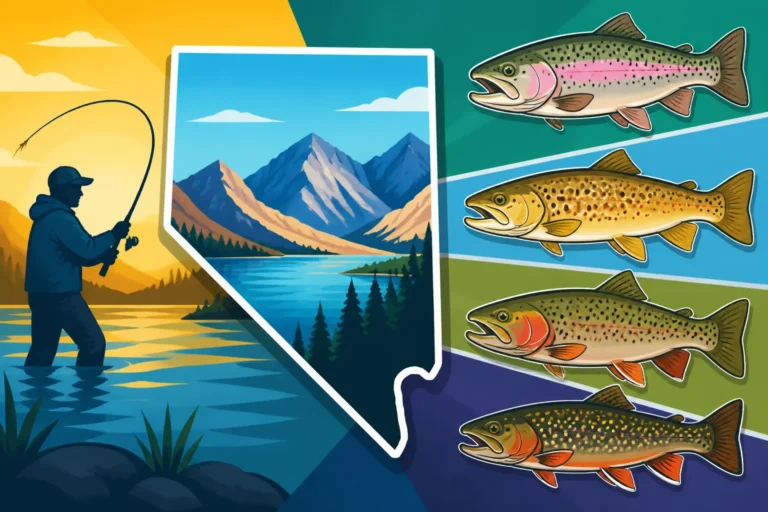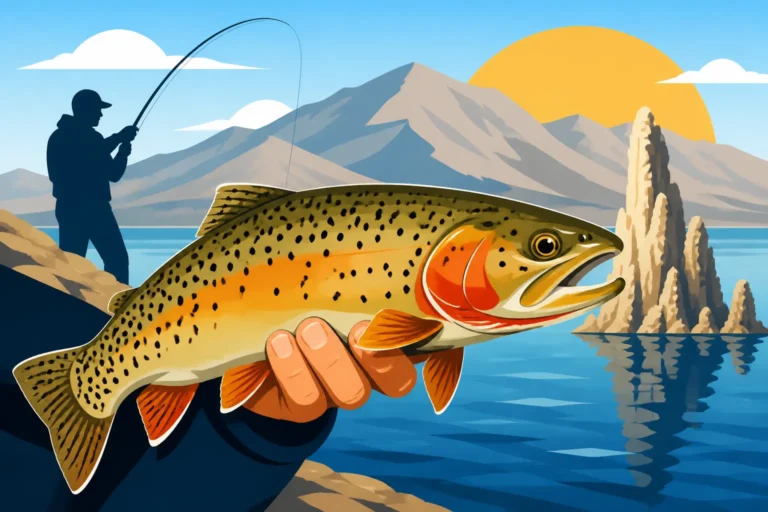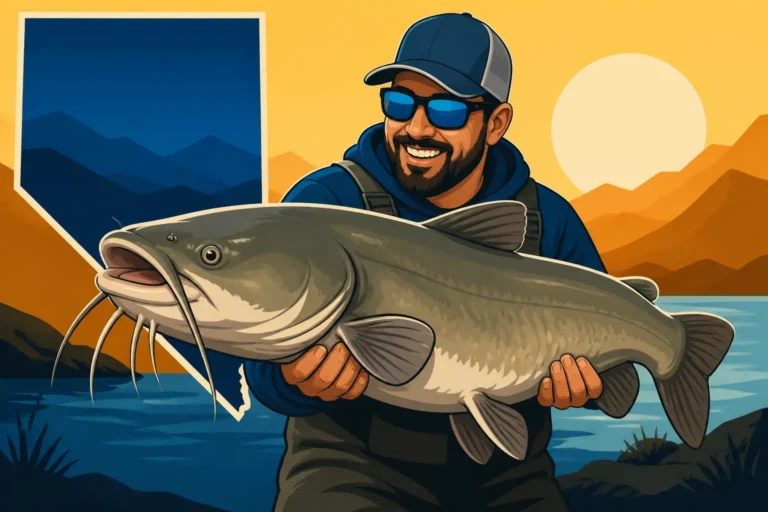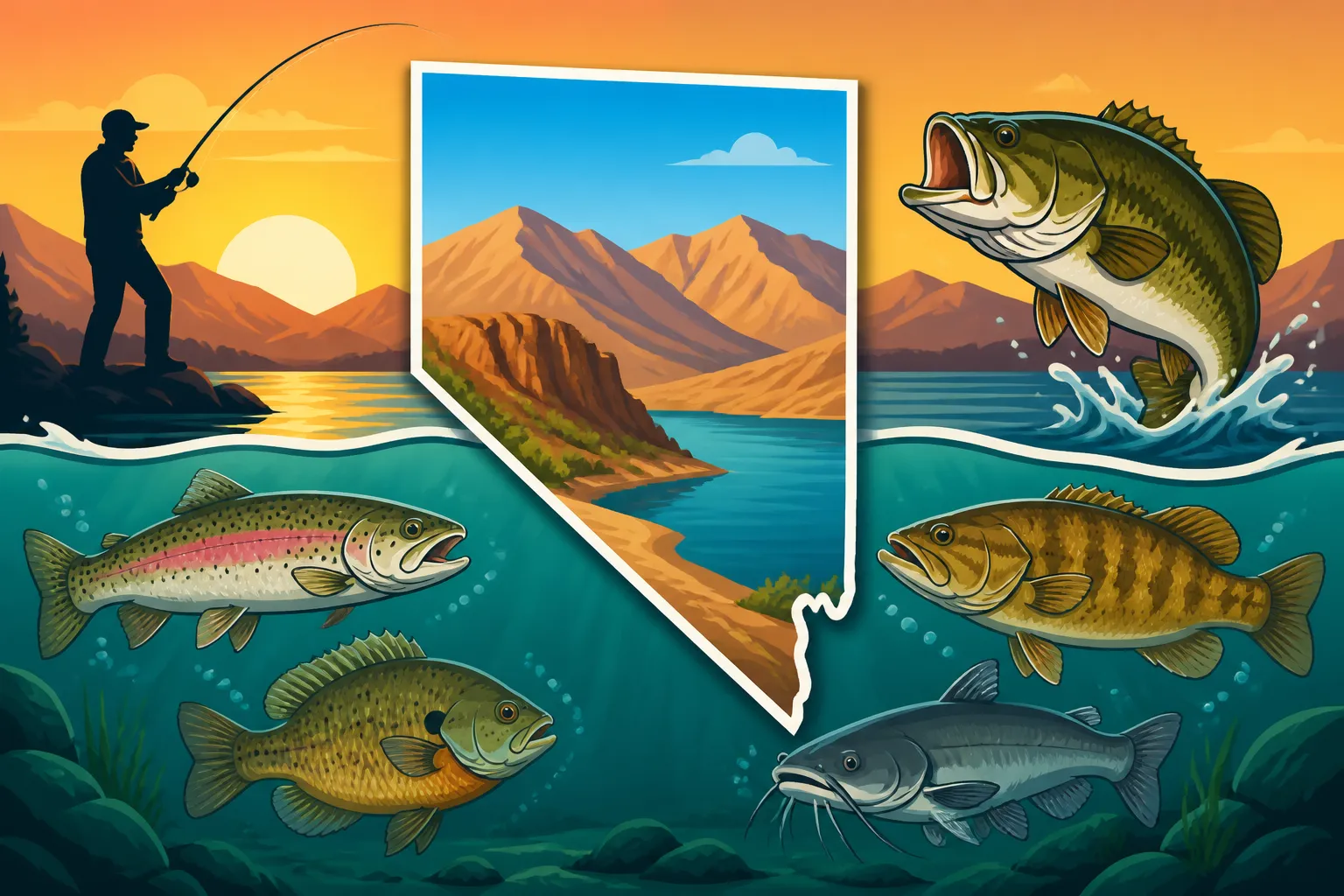
Best fish to target in warm water in Nevada
When the Nevada sun beats down and the mercury climbs, many anglers start to feel that familiar frustration. The trout fishing slows to a crawl, and those crisp mornings that make fishing so enjoyable seem to disappear, leaving behind scorching afternoons. But don't despair! Warm weather doesn't mean you have to hang up your rods. This guide is all about embracing the heat and discovering the best fish species that not only tolerate but thrive in Nevada's warmer waters, ensuring your fishing adventures continue all summer long.
Understanding Nevada's Warm Water Fishery
Nevada is a desert state, and that fact profoundly impacts our fishing. When the air temperatures soar, so do the water temperatures in many of our beloved lakes and reservoirs. This isn't just an inconvenience for us; it significantly changes how fish behave.
The Reality of Desert Heat and Water Temperatures
Imagine standing outside in the full Nevada sun in July or August. It's intense, right? Our lakes feel a similar intensity. The surface water can heat up considerably, especially in shallower areas or smaller urban ponds. While some fish, like trout, prefer cooler waters and will seek refuge in deeper, colder pockets or become lethargic, other species are built for the heat. They're often referred to as "warm water species" for good reason – their metabolism and activity levels actually increase as the water warms up.
This rise in temperature also affects oxygen levels. Warmer water holds less dissolved oxygen, which can stress certain fish. Knowing which species are more resilient to these conditions is key to successful warm-weather angling. It's truly a game of adapting to the environment, not fighting it.
General Warm Water Fish Behavior
When the water warms up, fish generally react in predictable ways. They'll often move from shallow, sun-exposed areas to deeper water where temperatures are more stable and cooler. You'll find them congregating around underwater structure like submerged trees, rock piles, drop-offs, and ledges. These spots offer both shade and cooler sanctuary.
Their feeding patterns also shift. Instead of actively feeding throughout the day, warm-water fish tend to become most active during the cooler parts of the day: early mornings, late evenings, and even into the night. This is when they'll venture out of their deeper haunts to forage. Targeting these specific times can dramatically increase your success rate. It's less about finding fish everywhere, and more about finding them in their comfort zones when they're ready to eat.
Top Warm Water Species to Target
Now that we understand the dynamics of Nevada's warm water, let's dive into the stars of the summer show: the fish species that offer thrilling action even when the sun is blazing.
Largemouth Bass: The Classic Warm Water Fighter
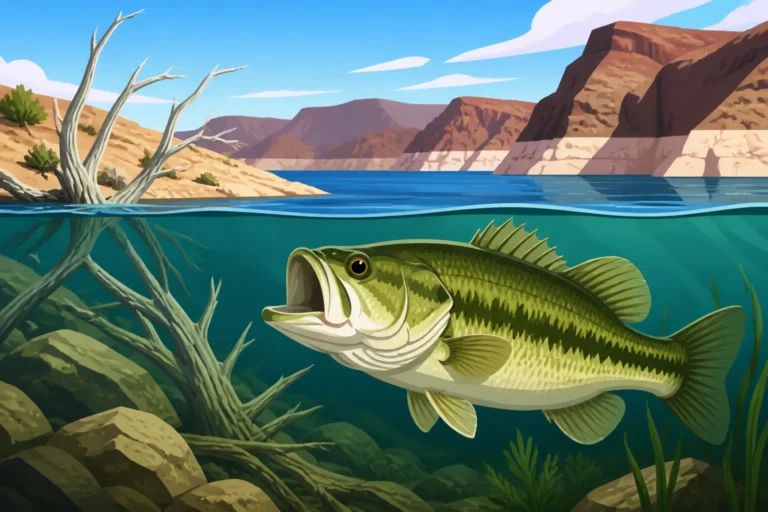
Ah, the largemouth bass! This iconic sport fish is perhaps the quintessential warm-water target. Known for their aggressive strikes and powerful fights, largemouth bass thrive in the warmer temperatures that often send other species into hiding. They love structure and cover – think submerged brush, weed beds, rocky points, and even shady docks. In Nevada, reservoirs like Lake Mead and Lake Mohave are prime largemouth territory, but you'll also find them in many other warmer ponds and lakes.
When the water warms up, largemouth often move to deeper cover during the brightest parts of the day. They might suspend near thermoclines or hug the bottom near ledges. During low light conditions, they'll push into shallower areas to ambush baitfish. Fishing techniques for warm-water largemouth often involve deep cranking baits, Texas-rigged worms fished slowly through heavy cover, or even topwater lures during those magical early morning or late evening bites. Don't be afraid to cast right up against a shady bank or into a dense patch of cattails. For more in-depth tips, check out our guide on Largemouth Bass Fishing in Nevada.
Smallmouth Bass: Rock Dwellers of Nevada's Reservoirs
While their largemouth cousins prefer dense cover, smallmouth bass are kings of the rocks. These feisty fighters, often found in the clearer, rockier sections of Nevada's larger reservoirs like Lake Mead and Lake Mohave, are another excellent warm-water target. Smallmouth bass are incredibly strong for their size, providing a memorable fight, often jumping clear of the water. They seek out rocky points, submerged humps, ledges, and transition zones where rock meets sand or gravel.
In warm water, smallmouth will typically move deeper, associating with those rocky structures. They'll position themselves to ambush crawfish and baitfish moving along the contours. Effective techniques include drop-shotting small worms or creature baits, shaky head jigs, or even tube jigs hopped along the bottom. Look for them where current breaks around points or where deep water is adjacent to shallower rocky areas. They're cunning and quick, making for an exciting challenge. Explore more about these spirited fish in Smallmouth Bass Fishing in Nevada.
Striped Bass: The Lake Mead and Mohave Powerhouses
If you're looking for sheer power and the chance at a truly trophy-sized fish in warm water, the striped bass is your go-to. Lake Mead and Lake Mohave are renowned for their striped bass populations, and these hard-fighting predators actually prefer the warmer temperatures, especially when their primary food source, shad, are active near the surface. Stripers are schooling fish, so when you find one, you're likely to find many! They'll chase baitfish in explosive feeding frenzies, often indicated by birds diving or boils on the surface.
In the heat of summer, stripers are often found suspended in open water, sometimes quite deep, following schools of shad. Early mornings and evenings are prime times for surface activity, but they can be caught throughout the day by targeting deeper schools. Popular techniques include trolling large swimbaits or spoons, casting topwater lures or walk-the-dog baits during surface activity, or jigging heavy spoons and plastic baits over deep structure. Some anglers even employ chumming techniques to bring schools closer to the boat. These fish are absolute freight trains once hooked, offering a challenging and rewarding experience. Dive deeper into the pursuit of these powerful fish with our Striped Bass Fishing in Nevada guide.
Channel Catfish: Bottom Dwellers of Warm Lakes and Ponds
For a more relaxed but equally rewarding warm-water fishing experience, you absolutely cannot overlook the channel catfish. These whiskered bottom-feeders are incredibly tolerant of warm, even murky, water conditions and can be found in a wide variety of Nevada's lakes, reservoirs, and urban ponds. They're a fantastic target for anglers of all ages, offering a strong, steady pull.
Catfish are primarily scavengers and will eat almost anything, making them relatively easy to catch. They are particularly active during warmer months, often feeding heavily throughout the day and into the night. Look for them in deeper holes, near submerged logs, brush piles, or along muddy bottoms. The beauty of catfish fishing is its simplicity: a basic bottom-fishing rig with bait is often all you need. Popular baits include prepared stink baits, cut bait (like pieces of shad or anchovies), chicken livers, and good old nightcrawlers. Don't be surprised if you hook into a hefty one; channel cats can grow quite large in Nevada's waters. They're a perfect choice for an evening outing with the family, and you can often find suitable baits on Amazon for your next trip. To learn more about where these whiskered wonders hide, read Channel Catfish Fishing in Nevada.
Panfish (Bluegill, Crappie): Fun for the Whole Family
When the goal is consistent action and smiles on faces, especially with younger anglers, panfish like bluegill and crappie are your best bet in warm water. These prolific little fish are abundant in many of Nevada's lakes and urban ponds, offering endless entertainment. While they don't reach trophy sizes, they provide a steady stream of bites and are generally easy to catch, making them perfect for beginners or a relaxing afternoon.
Bluegill are often found around shallow cover like docks, submerged brush, and weed lines, even in warm water. Crappie, on the other hand, tend to prefer slightly deeper structure, often suspending around brush piles, submerged trees, or bridge pilings. They'll move closer to cover as the sun gets higher. Simple tactics work best: a small hook tipped with a piece of worm, a tiny jig, or a beetle spin fished under a bobber is often all it takes. These fish are highly responsive to small baits and provide instant gratification. Consider bringing along an assortment of small jigs and a ultralight rod from Amazon to maximize your fun. For more on these accessible fish, check out our Bluegill and Sunfish in Nevada Ponds guide.
Essential Warm Water Fishing Strategies
Successfully targeting warm-water species in Nevada isn't just about knowing what to fish for, but also how and when to fish for them. A few strategic adjustments can make all the difference.
Timing is Everything: Early Mornings, Evenings, and Nights
This is perhaps the most crucial tip for warm-water fishing. As we discussed, the intense midday sun heats the surface water and sends most fish to deeper, cooler, often less accessible areas. Their activity levels also tend to slow down during this harsh period.
The magic truly happens during the "golden hours": those first few hours after sunrise and the couple of hours leading up to sunset. During these times, the air and water temperatures are at their coolest, light levels are lower, and many warm-water species, especially bass and stripers, will move into shallower feeding grounds. Topwater action can be explosive in the early morning, offering some of the most exciting bites you'll experience.
Don't discount night fishing either, especially for channel catfish and even some striped bass. Many species become much bolder and more active under the cover of darkness. Just be sure to bring proper lighting, safety gear, and always let someone know where you're going. Understanding these prime windows is key to maximizing your time on the water. For more details on this, our Best Time of Day to Fish in Summer Heat article is a great resource.
Going Deep: Finding Cooler Water and Structure
When fishing outside those prime low-light hours, or if you're specifically targeting deeper-dwelling species like big stripers or Mackinaw trout (though Mackinaw are typically a cold-water species, they are found deep in Lake Tahoe year-round), you'll need to go deep. Modern electronics like fish finders are invaluable tools here. They help you locate thermoclines (the layer where warm surface water meets cooler deep water), submerged humps, ledges, and other underwater structures where fish seek refuge.
Fish will often suspend in or just above the thermocline, as this zone offers both cooler temperatures and better oxygen levels. They'll also hug the bottom near any significant structure that provides shade or ambush points. Techniques like deep cranking, jigging spoons, drop-shotting, and slow-trolling can be highly effective in these deeper zones. Learning to "read" your fish finder and understand underwater contours is a skill that will pay dividends, especially when it's hot. If you're tackling these deeper challenges, you'll find great information in Deep Water Techniques for Lake Mead Bass.
Gear Up for the Heat: Protecting Yourself and Your Catch
Fishing in warm Nevada conditions means you need to be prepared for the heat, not just for the fish, but for yourself! Sun protection is non-negotiable. Wear wide-brimmed hats, high-quality polarized sunglasses to cut glare off the water, and long-sleeved, lightweight shirts with UPF protection. Sunscreen on all exposed skin is a must. Hydration is also incredibly important – bring plenty of water or electrolyte drinks. Nobody wants to cut a trip short because of heat exhaustion.
Equally important is properly handling your catch in warm water. Fish, especially those intended for release, are more stressed in warm water and can struggle to recover. Minimize their time out of the water, use wet hands when handling them, and consider using a landing net that is fish-friendly. If you're keeping fish, a good cooler with plenty of ice is essential to preserve their quality. Many essential items, from hats to specialized coolers, are readily available on Amazon to ensure a safe and enjoyable trip. Be sure to read up on Desert Fishing Gear and Sun Protection for a comprehensive checklist.
Warm Water Fishing Locations in Nevada
Nevada offers some fantastic warm-water fishing opportunities across the state, from its sprawling southern reservoirs to its smaller, more intimate ponds. Knowing where to go makes all the difference.
Southern Nevada Hotspots
The southern part of Nevada, with its lower elevation and hotter climate, naturally boasts some of the best warm-water fisheries.
- Lake Mead: This massive reservoir is a renowned warm-water fishery, particularly famous for its striped bass. Stripers roam the open water, chasing shad, while largemouth and smallmouth bass hug the abundant structure along its vast shoreline and numerous coves. Channel catfish are also plentiful throughout the lake. Whether you're trolling the main channel or casting into a shady cove, Lake Mead offers incredible opportunities. It's a vast body of water, so focus your efforts on areas known for specific species, such as Hemenway Harbor or Government Wash for bass. Learn more about fishing this incredible lake in Lake Mead Nevada Fishing Guide.
- Lake Mohave: Located downstream from Lake Mead, Lake Mohave offers similar, albeit often clearer, warm-water fishing. It's an excellent destination for both largemouth and smallmouth bass, especially around its rocky coves and ledges. Striped bass are also abundant, offering thrilling battles. Willow Beach, at the northern end, is particularly known for its larger rainbow trout, but the rest of the lake provides fantastic warm-water action. Explore the possibilities at Lake Mohave Nevada Fishing Guide.
- Las Vegas Urban Ponds: Don't overlook the accessible and family-friendly urban ponds scattered around the Las Vegas Valley, such as those at Floyd Lamb Park, Lorenzi Park, and Sunset Park. While these are often stocked with trout in cooler months, they hold robust populations of channel catfish, largemouth bass, and various panfish like bluegill year-round. These ponds are perfect for a quick evening or weekend trip, especially for introducing kids to fishing in warmer conditions. Find out more about these convenient spots in Las Vegas Nevada Urban Pond Fishing Guide.
Northern and Eastern Nevada Options
While the higher elevations in Northern and Eastern Nevada offer cooler trout streams and lakes, there are still excellent warm-water opportunities to be found in the lower-elevation reservoirs.
- Topaz Lake: Straddling the Nevada-California border south of Gardnerville, Topaz Lake is well-known for its trout, but it also heats up in summer and provides good fishing for largemouth bass and various panfish. The lake features extensive rocky shoreline and some weed beds where bass can be targeted. It's a beautiful spot that offers diverse fishing even when temperatures rise. You can learn more about this popular destination in Topaz Lake Fishing.
- Lahontan Reservoir: Near Fallon, Lahontan Reservoir is another excellent warm-water choice. It's home to good populations of walleye (though they are cool water fish, they tolerate warmer temps), white bass, largemouth bass, and channel catfish. The reservoir's often turbid water and abundant structure make it ideal for these species. Anglers often do well here by targeting submerged timber and the deeper channels.
- Rye Patch Reservoir: Further north, near Lovelock, Rye Patch Reservoir offers fishing for smallmouth bass, wipers, white bass, and channel catfish, all of which thrive in warmer conditions. The reservoir is known for its fluctuating water levels, which can create dynamic fishing environments around newly flooded cover. It's a great spot to try different warm-water techniques. Read more about this diverse fishery in Rye Patch Reservoir Fishing.
| Fish Species | Preferred Warm Water Habitat | Best Warm Water Techniques |
|---|---|---|
| Largemouth Bass | Submerged brush, weed beds, shady docks, deep ledges, coves | Deep cranking, Texas-rigged plastics, jigs, early morning/late evening topwater |
| Smallmouth Bass | Rocky points, humps, ledges, deep rock piles, clear water | Drop-shotting, shaky heads, tube jigs, small swimbaits, jerkbaits |
| Striped Bass | Open water, deep schools following bait, main lake channels | Trolling large swimbaits/spoons, jigging spoons, surface lures during low light, chumming |
| Channel Catfish | Deep holes, muddy bottoms, submerged timber, brush piles | Bottom fishing with stink baits, cut bait, worms, chicken livers |
| Panfish | Shallow cover, docks, weed lines, submerged brush | Small jigs, worms under a bobber, tiny spinnerbaits, beetle spins, ultra-light tackle |
Warm water in Nevada doesn't have to mean no fishing. It simply means adapting your approach and targeting the species that are ready to bite. By understanding fish behavior, picking the right spots, and using effective techniques, you can have incredibly rewarding days on the water all summer long. So grab your gear, stay hydrated, and embrace the heat!
Disclaimer
This article is for general informational purposes only and does not constitute professional advice. Laws, prices and regulations vary by location and change over time. Consult a qualified professional for guidance on your specific situation.