Best fish to target in cold water in Nevada
When the chill hits the air and the water temperature drops across Nevada, many anglers might be tempted to put their rods away for the season. But that would be a huge mistake! While fair-weather fishing certainly has its charm, the colder months and the deep, cool waters of the Silver State offer some of the most rewarding and unique fishing experiences, especially if you know which species are built to thrive in the cold. This guide will dive deep into the best fish to target when the mercury drops, giving you the insights and strategies to keep your lines tight all year long.
Deciphering Nevada's Cold Water Fisheries
Understanding what "cold water" means in a state as diverse as Nevada is the first step to success. It's not just about winter; it's about the environments where fish are actively feeding even when the thermometer dips.
What Qualifies as "Cold Water" in the Silver State?
When we talk about cold water fishing in Nevada, we're really talking about a few distinct scenarios. First, there are the high-elevation lakes and streams, particularly in ranges like the Ruby Mountains or the Schell Creek Range, where the water stays remarkably cold even during summer. These are often pristine, oxygen-rich environments that trout absolutely adore. Think about those crystal-clear alpine lakes you hike to – they're cold all year!
Then, we have Nevada's deep reservoirs and larger lakes. Iconic bodies of water like Lake Tahoe, certain sections of Pyramid Lake, and even the deeper basins of Lake Mead and Lake Mohave experience significant cold-water stratification, especially in the winter months. While the surface might warm up in summer, the deeper layers remain consistently chilly, providing a sanctuary for cold-loving species. During the winter, these large bodies of water, along with many smaller state park lakes and urban ponds, see their entire water column cool down, making it prime time for species that become more active as temperatures drop. The fish are often more sluggish, yes, but they're still there, and they're still feeding, just perhaps not as aggressively or in the same places they were in July.
Year-Round Opportunities and Seasonal Shifts
It's a common misconception that fishing slows to a halt when winter arrives. In Nevada, it often just shifts. Many of our waters, particularly those at higher elevations, are naturally cold year-round, offering consistent opportunities for species like trout. But for the majority of the state's popular fishing spots, cold water fishing comes alive in the late fall, winter, and early spring.
During these cooler seasons, the metabolic rate of many fish species slows down. This means they might not chase a fast-moving lure with the same gusto they would in warmer water, but they still need to eat. This shift requires anglers to adjust their tactics, often employing slower presentations, smaller baits, and focusing on areas where fish can conserve energy while still finding food. You'll find that these seasonal shifts create unique challenges and rewards. For a detailed look at when specific species are active throughout the year, be sure to check out our guide on Nevada Fishing Seasons by Month. It really helps to plan your trips around the natural rhythms of the fish.
Prime Cold Water Fish Species to Target
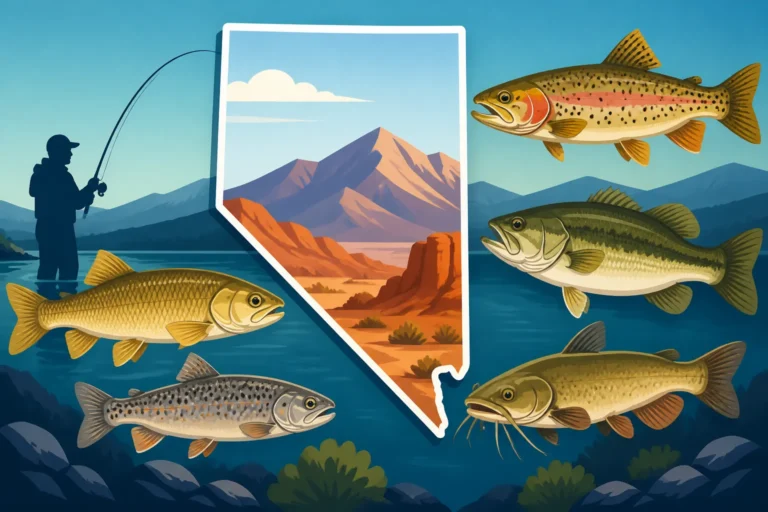
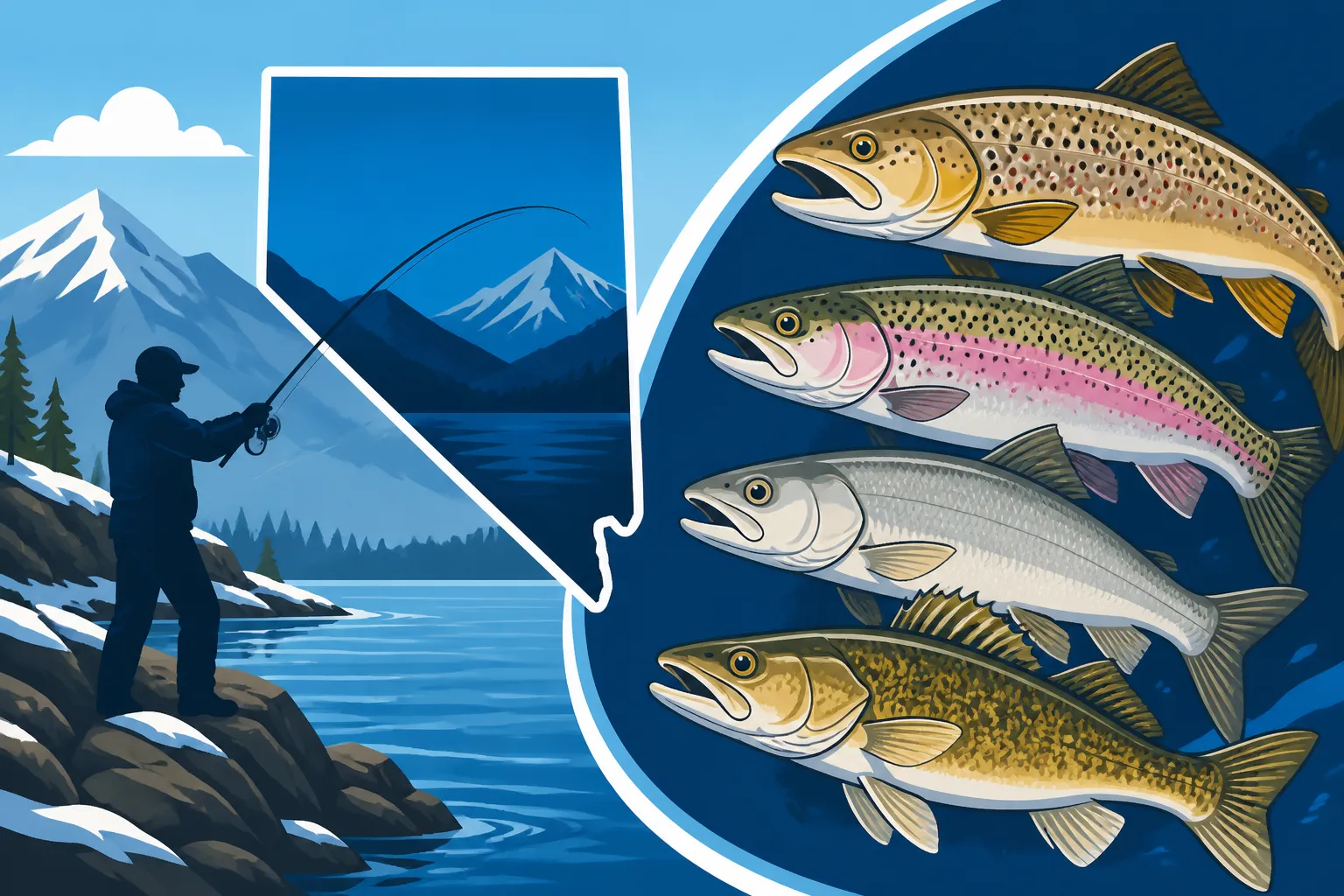
Now for the exciting part! Knowing which fish are most likely to bite when the water is cold can make all the difference between a frustrating outing and a memorable one. In Nevada, the trout family reigns supreme in these conditions, but a few other species also stand out.
The Resilient Trout Family
When the water gets cold, trout are often your best bet. Nevada is blessed with a fantastic variety of trout, many of which thrive in cooler temperatures.
Rainbow Trout
These beauties are arguably the most ubiquitous cold-water target in Nevada. Rainbow trout are hardy, grow to respectable sizes, and are actively stocked throughout the state, making them accessible to almost everyone. From urban ponds in Las Vegas and Reno that receive regular winter stockings to high-desert reservoirs and mountain streams, rainbows are often present and willing to bite, even when ice forms on the edges of the water. They'll cruise the shallower, cooler sections of lakes and rivers, often hugging the bottom or structure. For anglers, this means adjusting to a slower retrieve or still-fishing methods. If you're keen on catching these vibrant fish, our Rainbow Trout Fishing in Nevada guide provides excellent tips and locations.
Lahontan Cutthroat Trout
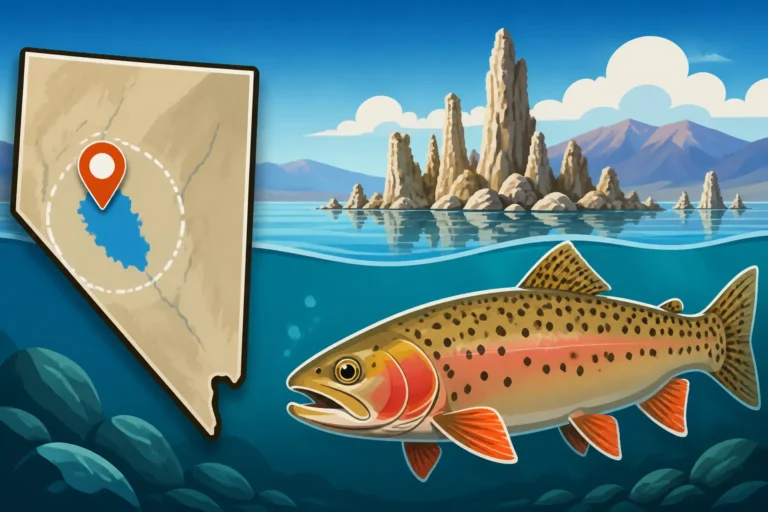
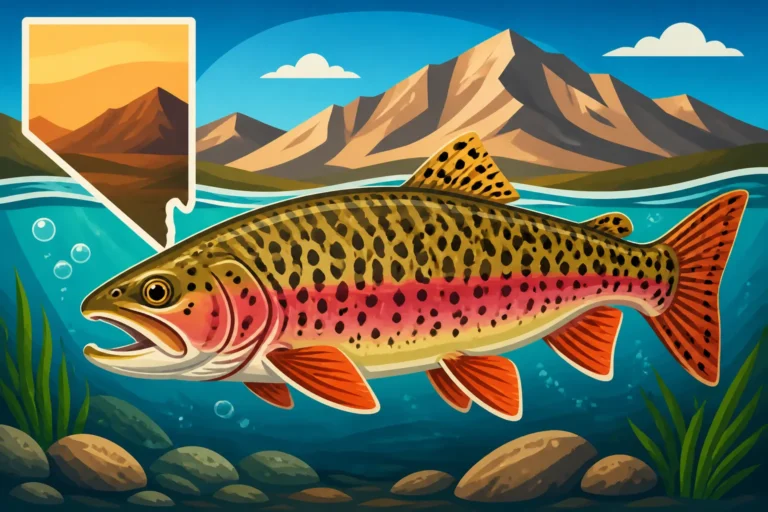
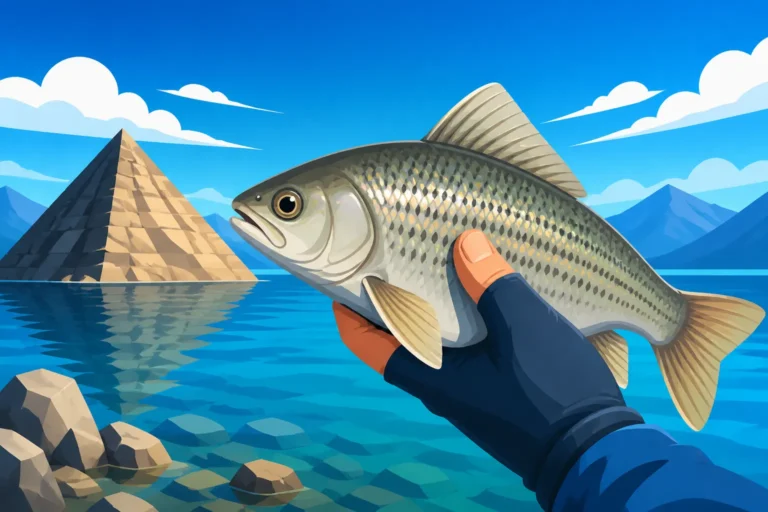
A true gem of the Silver State, the Lahontan cutthroat trout is a native species renowned for its size and fighting spirit, particularly in its stronghold, Pyramid Lake. These fish are perfectly adapted to the cold, alkaline waters of Pyramid Lake and remain active throughout the colder months, often moving into shallower shelves and beaches to feed. Winter and early spring are prime times to target these magnificent fish, requiring specialized techniques like stripping large streamers or slow-jigging heavy spoons. There's nothing quite like the tug of a trophy cutthroat in chilly weather. To truly understand these unique fish, explore Lahontan Cutthroat Trout in Nevada.
Brown Trout
Brown trout, while not as widely stocked as rainbows, are prized by many anglers for their elusive nature and often larger size. They tend to be more solitary and aggressive, especially in colder water, where they often hunker down in deeper pockets of rivers or around structure in reservoirs. Brown trout are opportunistic feeders and will key in on larger baitfish or even smaller trout. In cold conditions, slow-moving jerkbaits, spoons, or natural baits like minnows can be very effective. They require a bit more patience and finesse, but the reward of a big, dark brown trout from a cold Nevada stream or reservoir is truly something special.
Mackinaw (Lake Trout)
If deep, cold water is your game, then the Mackinaw, or Lake Trout, is your ultimate target. These giants inhabit the frigid depths of Lake Tahoe, where they spend their lives in pursuit of baitfish. They are perfectly adapted to the deep, cold, oxygen-rich waters of this majestic lake. In winter, and throughout the year in Tahoe's depths, Mackinaw are caught by deep-water jigging or slow trolling with large spoons or plugs. It's a specialized form of fishing that often requires good electronics to locate them, but landing a massive Lake Tahoe Mackinaw is an unforgettable experience. Our Mackinaw Lake Trout at Lake Tahoe article will give you the full scoop on these incredible fish.
Hardy Panfish and Other Cold-Loving Species
While trout dominate the cold-water scene, a few other species offer fantastic opportunities, especially for those looking for consistent action or something a little different.
Yellow Perch
Often overlooked, yellow perch are a fantastic cold-water species, especially when ice fishing is an option. They thrive in many of Nevada's reservoirs, including Wildhorse Reservoir and Rye Patch Reservoir. Yellow perch are schooling fish, so when you find one, you often find many! They are active feeders in cold water and will readily hit small jigs tipped with bait, like a piece of worm or a mealworm. For family outings or just a fun day on the ice, perch fishing can be incredibly rewarding. Learn more about these feisty panfish in our Yellow Perch Fishing in Nevada guide.
Strategies for Success in Cold Water Conditions
Catching fish in cold water isn't just about knowing what to target, but how. Your approach needs to change significantly from warmer months.
Essential Gear and Tackle Adjustments
Cold water generally means fish are less aggressive, so finesse is often the name of the game.
- Lighter Lines: Fish tend to be more line-shy in clear, cold water. Fluorocarbon leaders in lighter test weights (4-6 lb for trout, 8-10 lb for larger species like cutthroat or Mackinaw) can make a big difference.
- Sensitive Rods: You'll need to feel those subtle bites. A sensitive graphite spinning rod with a fast action is ideal. For those deep-water Mackinaw, a stout jigging rod is essential.
- Smaller Baits and Lures: Downsizing your offerings is key. Think tiny jigs, small spoons, or compact soft plastics. For natural baits, smaller pieces of worm or a single salmon egg often outperform larger presentations.
- Layered Clothing: This isn't about the fish, but it's crucial for your comfort and safety. Dressing in layers, with good waterproof and insulated outer layers, is non-negotiable for cold-weather fishing. Don't forget insulated boots, gloves, and a warm hat. You can find a huge selection of quality fishing apparel and gear on Amazon to keep you comfortable in these conditions.
- Insulated Cooler/Jug: Keep your bait from freezing and your hot drinks hot!
For more specific recommendations, our Best Tackle for Nevada Trout Fishing article offers a great starting point for rigging up correctly.
Locating Fish and Presenting Baits
Finding fish in cold water often means thinking about their energy conservation. They're not going to expend a lot of effort chasing food.
- Slower Presentations: This is perhaps the most important tip. Whether you're casting lures or jigging, slow down your retrieve significantly. Let jigs sit on the bottom for extended periods, or twitch crankbaits with long pauses. For still-fishing, allow your bait to soak for longer.
- Target Deep Water and Structure: In lakes and reservoirs, fish often retreat to deeper basins, channels, or near submerged structures (like old creek beds, rock piles, or ledges) where water temperatures are more stable. They might also congregate near warmer inflows if available.
- Schooling Behavior: Many cold-water species, especially perch and some trout, will school up tightly. If you find one, you've likely found a group. Your fish finder will be your best friend in locating these schools.
- Baits and Scents: Natural baits like PowerBait, salmon eggs, nightcrawlers, or live minnows (where permitted) are often highly effective. Adding a strong scent to your artificial lures can also entice sluggish fish. Our Best Bait for Nevada Trout guide has more detailed advice on bait selection.
- Ice Fishing: When lakes freeze over, Ice Fishing in Nevada becomes a prime method. Fish are often right under the ice, or in the deepest parts of the lake. Small jigs, grubs, and tiny spoons are excellent choices, often fished vertically just above the bottom.
Safety First: Staying Warm and Prepared
Cold weather fishing comes with inherent risks, so preparation is paramount. Hypothermia can set in quickly if you're not careful. Always check the weather forecast before you go, and be prepared for rapidly changing conditions. Dress in layers, tell someone where you're going and when you expect to return, and carry emergency supplies. If you're heading out onto the ice, ensure you know the ice thickness and have appropriate safety gear like ice picks and a throwable flotation device. Staying hydrated with warm liquids also helps immensely.
Top Nevada Cold Water Fishing Destinations
Nevada offers a wealth of cold-water fishing destinations, each with its own unique charm and target species.
Iconic Deep Lakes and Reservoirs
These larger bodies of water are the strongholds for many of Nevada's most prized cold-water fish.
- Lake Tahoe: This colossal alpine lake on the Nevada-California border is famous for its crystal-clear, deep, and perpetually cold waters. It's the undisputed kingdom of the Mackinaw trout, but also holds robust populations of rainbow and brown trout, and even Kokanee salmon which can be targeted in colder months.
- Pyramid Lake: Located north of Reno, this stunning, ancient lake is home to the world-famous Lahontan cutthroat trout. Its deep, cold waters allow these magnificent fish to grow to immense sizes. While open year-round, the colder months from fall through spring are often considered prime time, with fish moving closer to shore. Make sure you understand the unique permit requirements here by reading our Pyramid Lake Nevada Fishing Permit Guide.
- Wildhorse Reservoir: Up in northeastern Nevada, near Elko, Wildhorse Reservoir is a gem for cold-water species. It offers excellent fishing for rainbow and brown trout, particularly in the colder seasons. It's also one of the best spots in the state for yellow perch, which really turn on when the water chills. For more information on this great location, check out our Wildhorse Reservoir Nevada Fishing Guide.
High Mountain Lakes and Stocked Waters
Don't overlook the smaller, often more accessible, cold-water spots across the state.
- Ruby Mountains and other Alpine Lakes: For the adventurous angler, the countless high mountain lakes nestled in Nevada's various ranges, particularly the Ruby Mountains, offer incredible opportunities for wild trout in pristine, cold environments. These often require a hike, but the solitude and beauty, combined with active trout, are worth every step.
- Stocked Urban Ponds and State Park Lakes: Throughout the fall, winter, and spring, the Nevada Department of Wildlife (NDOW) generously stocks many urban ponds and state park lakes with rainbow trout. These waters, found in places like Las Vegas, Reno, and Boulder City, provide fantastic, easy-access cold-water fishing, especially for families and beginners. Always check the latest Nevada Trout Stocking Schedule to plan your trips.
- Tailwaters and Cold-Water Inflows: Certain rivers, particularly those below dams, maintain consistently cold temperatures year-round, offering excellent trout fishing. Examples include sections of the Truckee River or the Colorado River below Hoover Dam. Always be mindful of local regulations and specific sections open to fishing. Remember, regardless of where you fish, understanding the rules is essential. A great place to start is our Nevada Fishing Regulations Explained article.
Fishing in Nevada's cold waters can be incredibly rewarding, offering a unique challenge and the chance to hook into some truly spectacular fish. Don't let the chilly weather deter you; instead, embrace the season and discover a whole new side of fishing in the Silver State!
Disclaimer
This article is for general informational purposes only and does not constitute professional advice. Laws, prices and regulations vary by location and change over time. Consult a qualified professional for guidance on your specific situation.