Game fish illegal to possess in Nevada
Navigating the fishing regulations in Nevada can sometimes feel like trying to decipher an ancient scroll, especially when it comes to understanding which fish you absolutely cannot keep. The fear of accidentally landing in trouble for possessing a fish you thought was perfectly fine is a real anxiety for many anglers. This comprehensive guide is designed to clarify the often-confusing world of "illegal to possess" game fish in Nevada, helping you fish with confidence and stay on the right side of the law.
Understanding Nevada's Conservation Philosophy
Nevada's diverse and often fragile aquatic ecosystems mean that protecting fish species is a serious business. The rules aren't just there to make your life harder; they're vital for maintaining healthy fish populations, preventing the spread of harmful species, and preserving the unique angling opportunities that make fishing in the Silver State so special. It’s all about balance and ensuring that future generations can enjoy these same waters.
Why Certain Fish Are Illegal to Possess
The reasons behind specific possession prohibitions are multi-faceted and rooted deeply in ecological conservation. Firstly, some native species are either endangered or protected, and strict regulations are in place to help their populations recover or remain stable. Catching one might be an exciting moment, but possessing it could directly harm conservation efforts. Think of it like a delicate ecosystem balancing act, and every fish plays a role.
Secondly, controlling invasive species is a huge concern. Many non-native fish, once introduced, can outcompete native species for food and habitat, destroy sensitive environments, or introduce diseases. While you might legally catch and keep certain invasive species, others are strictly prohibited from live possession or transport to prevent their further spread into new waterways. This distinction is critical and often overlooked by anglers.
Finally, even for common game fish, specific regulations around size, daily limits, and season closures exist. Possessing a fish outside these parameters — say, a trout that's too small or too large, or exceeding your daily bag limit — makes that otherwise legal game fish "illegal to possess" in that moment. It's about sustainable harvesting and ensuring there are enough fish left to reproduce and grow.
The Role of NDOW in Regulation
The Nevada Department of Wildlife (NDOW) is the authoritative body that crafts and enforces these intricate fishing regulations. They conduct extensive research, monitor fish populations, and manage stocking programs to ensure the health of Nevada's fisheries. The regulations they publish, often found in a comprehensive booklet, are your ultimate source of truth. It's not just a suggestion; it's the law.
NDOW’s dedicated game wardens are out on the lakes, rivers, and urban ponds, ensuring that these rules are followed. Their presence isn't meant to be intimidating, but rather a reminder of the importance of responsible angling. Understanding the spirit behind these regulations, as outlined in guides like Nevada Fishing Regulations Explained, can help you grasp why certain rules are in place and make it easier to follow them. They are constantly evaluating and adjusting rules based on scientific data and environmental conditions, so staying informed is key.
Identifying the "Illegal" Game Fish Categories
When we talk about "illegal to possess" game fish in Nevada, it's not always about a species that is universally off-limits. Often, it's about specific circumstances that make possession unlawful. Understanding these categories is paramount to avoid fines and contribute to conservation.
Protected Native Species (with Specific Rules)
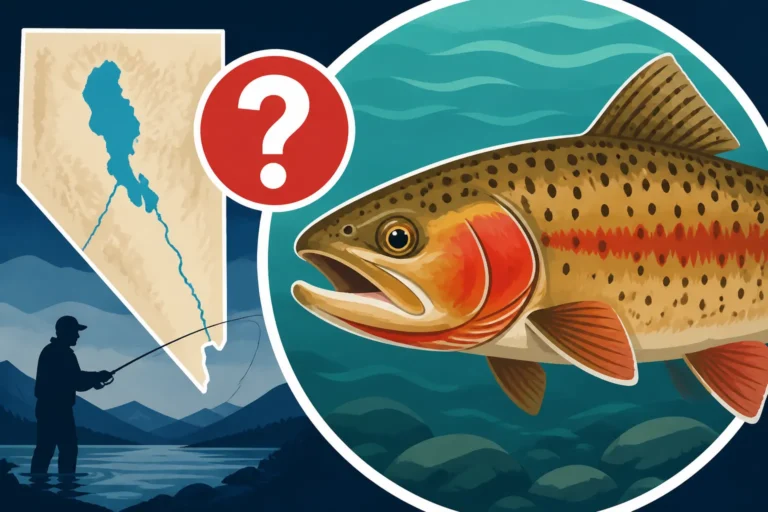
The most prominent example here is the Lahontan cutthroat trout, especially the native strain found in places like Pyramid Lake. While you can fish for and possess Lahontan cutthroat trout at Pyramid Lake, there are incredibly strict rules regarding size limits (a slot limit), daily limits, and tackle restrictions. Possessing a fish outside of the legal slot, or more than your allowed daily take, immediately makes it illegal. This is vital for protecting this unique and historically significant trout. Lahontan Cutthroat Trout in Nevada details how precious this species is.
For example, at Pyramid Lake, you might have a slot limit that protects certain sizes of fish, meaning anything under a specific length or over another specific length must be immediately released. If you're out there and mistakenly keep a fish that falls within the protected slot, even by an inch, you've broken the law. This is where a reliable measuring device, easily found on Amazon, becomes an indispensable part of your tackle box. Other rare or sensitive native fish, while perhaps not traditionally "game fish" that you'd intentionally target, may also be illegal to possess if caught accidentally, with strict catch-and-release mandates. The Cui-ui sucker at Pyramid Lake, for instance, is an endangered species and must be released immediately if caught.
Invasive Species Prohibited from Live Transport
This category is less about keeping a fish you've caught for dinner and more about preventing ecological disaster. Nevada has a significant problem with various aquatic invasive species that threaten its native waters. While you might be allowed to catch and even kill certain invasive species (like certain carp or even some non-native bass in specific areas), the crucial "illegal to possess" aspect often revolves around live possession or live transport.
Imagine you catch a common carp in a desert reservoir. While many anglers don't consider it a "game fish" in the traditional sense, it's a non-native species. If you decide to keep it alive in a livewell and then attempt to transport it to another body of water, perhaps thinking you're doing a good deed by moving it, you would be in violation. The goal is to stop the spread. Any live fish that is not immediately released back into the same waterbody where it was caught, or legally harvested and killed, can fall under scrutiny if it's an invasive species. This includes species like certain types of carp or even bullfrogs in their tadpole stage, which might seem harmless but pose significant threats. Always check the specific regulations for the water you are fishing, as these rules can vary.
Species with Strict Catch-and-Release Rules or No-Take Zones
Sometimes, a fish that is typically considered a game fish might be under a temporary or permanent catch-and-release mandate in certain areas or during specific times of the year. If you're fishing in a designated "catch-and-release only" section of a river or lake, then possessing any fish from that area, regardless of species or size, becomes illegal. These rules are often implemented to protect spawning fish, allow populations to rebound, or manage highly pressured fisheries.
For instance, certain trout streams or specific sections of rivers might have catch-and-release rules in place for brown trout or rainbow trout at certain times of the year to protect them during critical spawning periods. Violating these rules means the possession of an otherwise legal fish becomes illegal. Always refer to the most recent NDOW fishing guide for the specific body of water you intend to fish. Understanding Nevada Statewide Bag Limits Explained is a good start, but localized rules are just as, if not more, important. Sometimes, fishing regulations might even delineate specific "no-take zones" within a larger fishery, such as sensitive ecological areas or areas around dams where fish congregate, making any possession from these zones illegal.
Navigating the Nuances: Accidental Catches and Identification
Let's be realistic: sometimes, you're just fishing, and something unexpected ends up on your line. Knowing how to react, especially if it's a fish you're not supposed to keep, is crucial. This is where solid knowledge and quick thinking come into play.
What to Do if You Catch a Prohibited Fish
The golden rule here is immediate and careful release. If you reel in a fish and quickly realize it's a species or size you cannot legally possess, whether it's an undersized bass, an over-slot Lahontan cutthroat, or a protected native species you accidentally hooked, your first action should be to release it as quickly and gently as possible. Minimize its time out of water. This is where a good pair of fishing pliers (also available on Amazon) can be a lifesaesaver for quickly removing hooks with minimal harm.
If you're unsure about the species, but suspect it might be protected or outside regulations, err on the side of caution and release it. Trying to identify it while it's struggling on the bank for minutes is far more harmful than a quick, safe release. Carry a good fish identification guide, which you can easily purchase from Amazon or download a reliable app. This way, if you catch something unfamiliar, you can attempt to identify it after it's safely back in the water, and then adjust your tactics if necessary. Never put a prohibited fish into your livewell or cooler, even if you intend to release it later. The act of retaining it, even temporarily, can be considered possession.
The Importance of Accurate Fish Identification
Misidentification is a common pitfall for anglers, and it can lead to unintentional violations. The difference between a rainbow trout and a Lahontan Cutthroat Trout Identification, for example, can be subtle to the untrained eye but carries significant legal weight. Knowing the distinguishing features – fin color, spotting patterns, presence of a red slash under the jaw – is incredibly important.
Regularly reviewing resources like the Nevada Fish Species Guide and keeping a copy of the current regulations handy can prevent many headaches. Many experienced anglers study fish charts and images before heading out, especially when fishing new waters where different species might reside. Even if you only target one type of fish, understanding what other species might bite your line is a sign of a responsible and informed angler. The nuances can sometimes be region-specific, so a general knowledge of Nevada fish isn't always enough; you need to know the specific fish in the specific waters you are fishing.
Penalties and Prevention
Ignorance of the law is never an excuse, especially when it comes to protecting Nevada's precious natural resources. Understanding the potential repercussions of illegal possession and adopting preventative measures are critical components of responsible angling.
Consequences of Illegal Possession
The penalties for illegally possessing game fish in Nevada can range from significant fines to the confiscation of your fishing gear, your boat, and even your vehicle in severe cases. It's not a slap on the wrist. Depending on the species, the number of fish, and whether it's a repeat offense, you could be facing substantial legal trouble. For highly protected or endangered species, the penalties are understandably much more severe. A game warden has the authority to issue citations on the spot, and in some instances, you might even face court appearances.
Beyond the immediate financial and legal ramifications, there's also the ethical cost. Violating fishing regulations undermines conservation efforts and can tarnish the reputation of the angling community. We all share these waters, and it's our collective responsibility to ensure they remain healthy and vibrant. The seriousness of these consequences is outlined further in resources like Nevada Fishing Violation Penalties. It’s a stark reminder that these rules are in place for a reason and are enforced with dedication.
Best Practices for Staying Compliant
The best way to avoid any trouble is to be proactive and informed. Before every fishing trip, especially to a new body of water, take a few minutes to review the most current Nevada fishing regulations. These are readily available on the NDOW website, and many tackle shops also carry free printed copies. Think of it as your pre-trip checklist – just as important as checking your tackle and bait.
Always carry a valid Nevada Fishing License Guide and any required stamps, like a trout stamp, if you plan to fish for trout. Carry a physical or digital copy of the regulations with you while you're fishing. Having it handy allows you to quickly verify rules about bag limits, size restrictions, and specific bait or lure prohibitions for the water you're on. A simple retractable measuring tape, easily picked up at most sporting goods stores or on Amazon, is a must-have item to ensure your catches meet legal size requirements. When in doubt about a specific rule or identification, it's always best to err on the side of caution and release the fish unharmed. If you see something that looks suspicious or have questions, don't hesitate to contact NDOW directly. They are there to help educate and protect, not just to penalize.
Here's a quick reference table for common "illegal possession" scenarios to watch out for:
| Scenario Type | Example Situation | Key Regulation Point | What Makes it "Illegal" to Possess |
|---|---|---|---|
| Protected Native | Catching a Lahontan cutthroat trout at Pyramid Lake | Strict slot limits (e.g., 17-20 inches must be released) | Retaining a fish within the protected size range |
| Exceeding Limits | Catching more than the daily limit of bass | Daily bag limit (e.g., 5 bass per day) | Keeping a sixth bass |
| Under/Oversized | Keeping a rainbow trout shorter than the minimum size | Minimum/maximum size limits | Possessing a fish outside the legal size window |
| Live Invasive Species | Transporting live common carp to a new body of water | Prohibition on live transport of specific invasives | Moving a live invasive species |
| Closed Season/Area | Keeping a fish from a river section designated "catch & release only" during spawning season | Seasonal or area-specific closures | Possessing any fish from a closed area/season |
| Endangered Species | Accidentally catching a Cui-ui at Pyramid Lake | Strict protection and immediate release required | Retaining the endangered Cui-ui |
Disclaimer
This article is for general informational purposes only and does not constitute professional advice. Laws, prices and regulations vary by location and change over time. Consult a qualified professional for guidance on your specific situation.