Yellow Perch Fishing in Nevada
There’s a unique joy that comes with chasing panfish in Nevada, especially when it comes to the feisty and flavorful yellow perch. Many anglers focus on the big bass or elusive trout, and while those pursuits are certainly rewarding, overlooking yellow perch means missing out on some truly fantastic fishing, particularly if you’re looking for consistent action and a delicious meal. This guide is dedicated to helping you unlock the secrets of yellow perch fishing in the Silver State, covering everything from where to find them to how to land them.
The Allure of Yellow Perch in Nevada's Waters
Yellow perch might not get the same star treatment as some of Nevada's more prominent game fish, but they offer an incredibly rewarding fishing experience. They're often abundant, relatively easy to catch, and their delicate, flaky white meat is absolutely delicious. For families, beginners, or anyone looking for a relaxing day on the water with a high probability of success, yellow perch are an absolute gem.
Why Yellow Perch are a Great Catch
Think about it: how many times have you gone fishing, battled the elements, tried every lure in your box, and come home empty-handed? It's a common frustration, and it can really dampen your enthusiasm. Yellow perch, however, are often much more cooperative. They tend to school, so when you find one, you've often found a whole lot more. This means steady action, which is fantastic for keeping kids engaged or simply boosting your confidence as an angler. They're also not terribly picky eaters, which makes selecting bait and lures a bit simpler. Plus, their mild flavor and firm flesh make them a favorite for many tableside fish fries, providing a tangible reward for your efforts. They're a truly underrated species that offers consistent fun and a tasty meal, making them a perfect target for a leisurely day trip.
Identifying Nevada's Yellow Perch
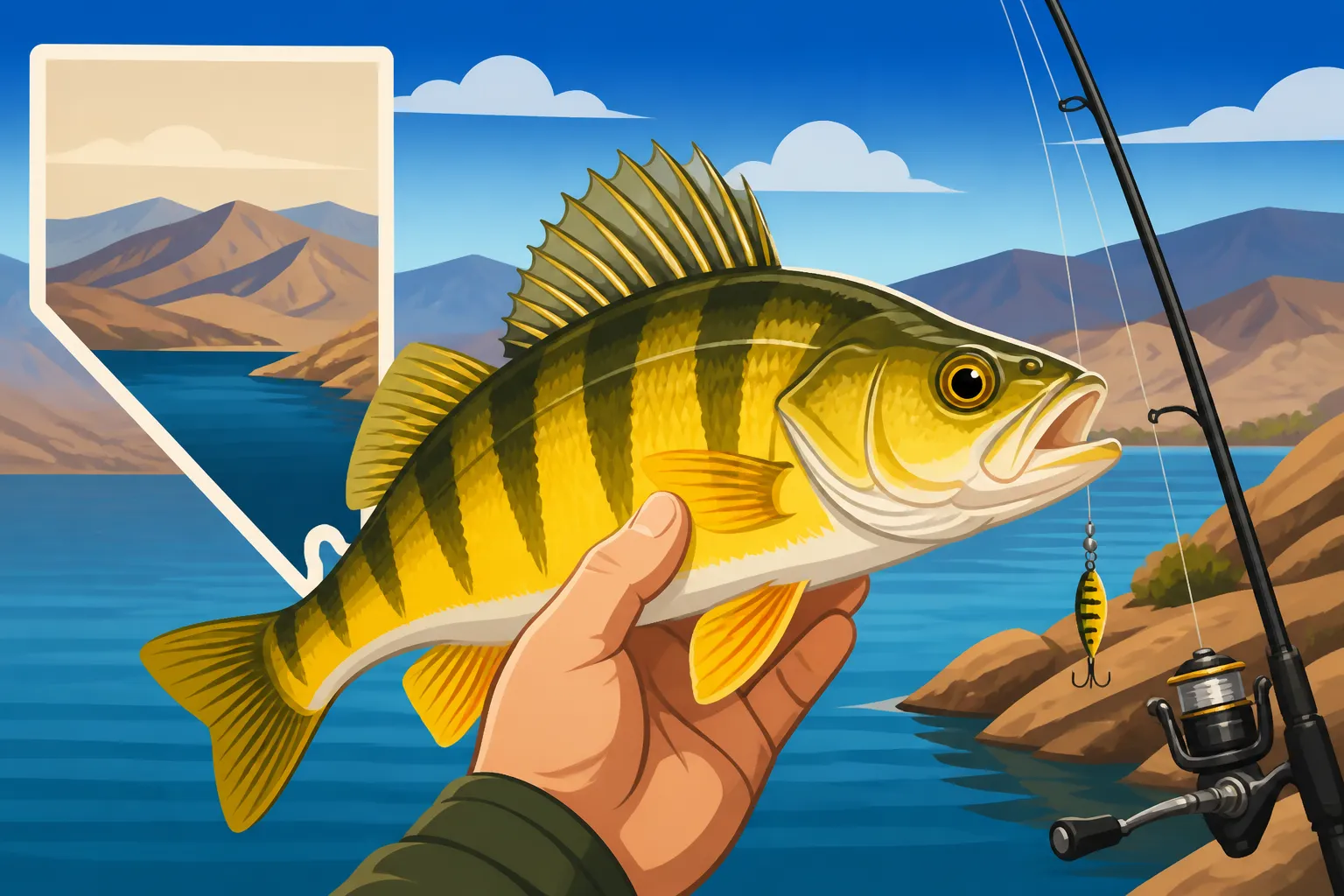
Recognizing a yellow perch is usually pretty straightforward, even for novice anglers. They have a distinctive appearance that sets them apart from other panfish. The most obvious feature is their vibrant, brassy yellow to golden-green body color, which often becomes paler on their belly. What really makes them stand out are the 6 to 8 dark, vertical bars or stripes that extend from their back down their sides. These bars provide excellent camouflage in weedy or structured environments. They typically have two dorsal fins, with the first being spiny and the second softer-rayed. Their anal fin also has some spines. While their size can vary, especially depending on the body of water and food availability, most anglers will catch them in the 6- to 10-inch range, though bigger ones certainly exist. When you pull one of these beauties out of the water, there's no mistaking its vibrant color and striped pattern. You can learn more about all the different fish species in the state by checking out our Nevada Fish Species Guide.
Where to Find Yellow Perch in Nevada
Finding yellow perch in Nevada means looking for specific types of environments. While they might not be as widespread as, say, rainbow trout, the waters where they do thrive often hold healthy populations. Understanding their preferred habitats is key to a successful outing.
Prime Nevada Waters for Perch
When you're targeting yellow perch in Nevada, one name comes up more often than any other: Wildhorse Reservoir. Located in northeastern Nevada, Wildhorse is arguably the state's premier destination for these tasty panfish. The reservoir offers ideal conditions with plenty of submerged vegetation, rocky points, and varying depths that perch absolutely love. Anglers often report excellent catches here, especially through the ice in winter. Other potential spots might include some of the smaller, shallower reservoirs or even larger lakes with ample coves and structure, though Wildhorse remains the undisputed champion. It's a fantastic spot for both boat and shore anglers, offering diverse opportunities to find those schooling perch. For a more detailed look at this hotspot, consult our Wildhorse Reservoir Nevada Fishing Guide.
Beyond Wildhorse, perch can sometimes pop up in unexpected places, especially in calmer sections of larger reservoirs that have adapted to other fish species like bass. These areas might include protected coves, shallower flats with submerged brush, or near drop-offs where they can ambush smaller prey. Always check the latest local fishing reports or regulations booklet for specific water bodies, as fish populations can change over time. While not every Nevada lake will hold perch, the ones that do, like Wildhorse, often offer consistent and exciting opportunities.
Targeting Specific Locations and Habitats
Yellow perch are true structure lovers. They rarely hang out in open water unless they're actively chasing baitfish. Instead, you'll find them congregating around submerged vegetation, brush piles, rock formations, docks, and drop-offs. These areas provide both cover from predators and ambush points for their prey. During warmer months, look for them along weed lines in 5-15 feet of water. If the water is clearer, they might go a bit deeper during the brightest parts of the day. In cooler months, or during winter ice fishing, they often move to deeper flats or channel edges, sometimes concentrating in large schools.
When approaching a new spot, start by looking for visual cues like weed beds or old dock pilings. If you have a fish finder, scan for schools of baitfish or distinct clusters of fish hugging the bottom or suspended near structure. Perch schools can sometimes look like dense clouds on your sonar. Don't be afraid to move around if you're not getting bites. Perch can be finicky about their exact location, but once you find a school, the action can be non-stop. Fishing near transition areas, where a shallow flat drops off into deeper water, is also a classic perch strategy, as they use these contours to move between feeding and resting areas.
Essential Gear for Yellow Perch Fishing
While yellow perch aren't gear hogs, having the right setup can make a huge difference in your success and enjoyment. You don't need heavy-duty saltwater tackle, but a balanced, sensitive setup will help you detect their often subtle bites.
Rods, Reels, and Line for Perch
For yellow perch, a light to ultralight spinning rod is your best friend. A rod in the 5 to 6.5-foot range, with a fast action tip, provides the sensitivity needed to feel those light bites and enough backbone to manage a feisty perch. This lighter setup makes the fight more enjoyable, too. Pair that with a small spinning reel, something in the 1000 to 2000 series. A smooth drag is always a plus, even for smaller fish, as it helps prevent line breaks. Many excellent rods and reels can be found on Amazon, offering good value and performance for panfishing.
When it comes to line, keep it light. 2 to 6-pound test monofilament or fluorocarbon is usually perfect. Monofilament is forgiving, with a bit of stretch that helps absorb sudden tugs, while fluorocarbon offers greater sensitivity and is nearly invisible underwater. Some anglers prefer braided line for its incredible sensitivity and strength-to-diameter ratio, but if you go this route, consider a fluorocarbon leader to reduce visibility, as perch can sometimes be line-shy in clear water. Light line allows your smaller baits and lures to present more naturally and increases your feel for the subtle takes. Best Spinning Reels for Trout Fishing offers some great insights into lighter reel options that work wonderfully for perch, too.
Tackle Box Essentials: Baits, Lures, and Rigs
Yellow perch aren't overly picky, which is great news for your tackle box. Live bait is often king, with small minnows, worms (especially red wigglers or nightcrawlers cut into pieces), and maggots or wax worms being top producers. These natural baits appeal directly to a perch's opportunistic nature. Artificial lures also work wonders. Small jigs, particularly those 1/32 to 1/8 ounce, tipped with a tiny plastic grub, a piece of a soft plastic worm, or even a small piece of live bait, are incredibly effective. Colors like chartreuse, white, orange, and natural browns often produce well. Small spoons, blade baits, and even tiny crankbaits can also entice bites, especially when fish are actively feeding.
Your rigging will typically be simple. A basic jig head presentation, a small bobber rig with a bait suspended at the right depth, or a bottom rig with a small weight and hook are all you'll usually need. Sometimes a simple dropper loop rig with two small hooks works wonders when they're schooling thick. Having a variety of small hooks (sizes 6-10) and small split shot weights in your Best Tackle Box Setup for a Day on the Water will ensure you're ready for any situation. Remember, perch have relatively small mouths, so matching your hook size to your bait and their mouth size is crucial for good hook sets.
Must-Have Accessories for a Successful Trip
Beyond the rod, reel, and tackle, a few accessories will make your yellow perch fishing trip much more enjoyable and efficient. A good pair of needle-nose pliers or a dedicated hook remover is essential for safely extracting hooks, especially from smaller fish. A small cooler with ice will keep your catch fresh if you plan on taking them home for dinner. Sun protection, including a wide-brimmed hat, sunglasses, and sunscreen, is non-negotiable in Nevada's often intense sun. A small tackle bag or vest can help keep your essential lures and tools organized and easily accessible.
If you're fishing from shore, a comfortable chair or bucket to sit on is a luxury you'll appreciate. For those fishing from a boat, a fish finder, even a basic portable one, can be incredibly helpful for locating those schooling perch, especially in deeper water. Don't forget a small mesh net to quickly land your fish and a stringer or livewell if you plan to keep them. A good multi-tool, readily available on Amazon, can also come in handy for unexpected repairs or adjustments.
Mastering Yellow Perch Fishing Techniques
Yellow perch fishing isn't overly complicated, but understanding a few key techniques can significantly boost your catch rate. Whether you're fishing from shore, a boat, or through the ice, subtle movements and proper presentation are key.
Jigging and Vertical Presentation
Jigging is one of the most effective techniques for yellow perch, especially when they're schooled up. The idea is to present your bait or lure vertically in the water column, directly over where the fish are holding. This is particularly deadly from a boat or kayak, or when ice fishing. Drop your small jig (tipped with live bait or a plastic grub) down to the bottom, then slowly lift it a few inches and let it fall back. The goal is to imitate a struggling baitfish or insect. Sometimes a series of quick, short jerks followed by a pause works best; other times, a slow, gentle lift-and-drop is what they're looking for.
Pay close attention to your line and the rod tip. Perch bites can be incredibly subtle – sometimes just a slight tap, a feeling of weight, or your line going slack. If you see any unusual movement, set the hook! Experiment with the height you're jigging and the speed of your retrieve. If you mark fish on your fish finder at a certain depth, try to keep your lure in that strike zone. This active technique is engaging and highly productive, often leading to multiple fish from a single school.
Bobber Fishing for Perch
For a more relaxed approach, or when fishing from shore or a dock, bobber fishing is a classic and very effective method for yellow perch. The visual cue of a bobber disappearing or dipping is incredibly satisfying, especially for new anglers. Simply rig a small bobber a foot or two above a small hook (sizes 6-10) baited with a worm, minnow, or maggots. Add a small split shot weight a few inches above the hook to help the bait sink and keep it stable.
Cast your rig near weed lines, submerged cover, or drop-offs. The key is to suspend your bait at the depth where the perch are feeding. If you're not getting bites, adjust the depth of your bobber. Perch often feed close to the bottom, but they will come up a bit to hit a suspended bait. The bobber acts as a visual strike indicator, but also as a slow, natural presentation, allowing your bait to drift enticingly in the water. This technique is particularly great for family outings or when you just want to kick back and enjoy the scenery.
Ice Fishing Strategies for Winter Perch
Nevada might be a desert state, but its higher elevation lakes like Wildhorse Reservoir often freeze over, offering fantastic ice fishing opportunities for yellow perch. Ice fishing for perch is an art in itself. You'll need specialized Ice Fishing Gear for Nevada Lakes, including a good ice auger to drill holes, and an ice fishing rod, which is much shorter and stiffer than a conventional rod, designed for jigging. Many anglers also use a small portable fish finder or flasher to locate fish under the ice.
When ice fishing for perch, drill several holes in promising areas – over submerged humps, along weed edges (if visible), or near old creek channels. Jigging remains the most productive method, often with tiny jigs tipped with wax worms, maggots, or small pieces of cut bait. Dead-sticking a minnow under a bobber in a nearby hole can also be effective. Perch tend to school tightly in winter, so if you catch one, keep working that hole. If the action slows, move to a new hole until you find another school. Safety on the ice is paramount, so always check ice thickness and conditions before venturing out. For comprehensive guidance on winter angling, refer to our Ice Fishing in Nevada guide.
Best Times and Seasons for Yellow Perch
Understanding the seasonal and daily patterns of yellow perch can significantly impact your success. While they can be caught year-round in Nevada's open waters, certain times of year and specific conditions are definitely more productive.
Seasonal Movements and Feeding Patterns
Yellow perch are active feeders throughout the year, but their behavior changes with the seasons. Spring, right after ice-out, can be excellent as they move into shallower waters to spawn. They're often hungry and aggressive, making them easier to target with a variety of baits and lures. As summer progresses and water temperatures rise, perch might move to deeper, cooler waters during the heat of the day, often suspending over structure or near thermoclines. Early mornings and late evenings are often the most productive times in summer.
Fall is another fantastic season for perch. As water temperatures cool down, they become very active, feeding heavily in preparation for winter. They'll often school up and aggressively chase baitfish, making them a great target for jigging or small crankbaits. Winter, as mentioned, is prime time for ice fishing for perch in places like Wildhorse. They tend to school tightly and remain in consistent areas, making them predictable targets once located. Always check Nevada Fishing Season Dates and Limits as well as the Best Time of Year to Fish in Nevada for general guidance on seasonal patterns.
Understanding Daily Cycles and Weather Impacts
Like most fish, yellow perch are influenced by daily cycles and weather. On a typical day, especially during warmer months, dawn and dusk are often the most productive periods. Low light conditions provide cover for perch to ambush prey, and they'll often move into shallower areas to feed. During the brightest parts of the day, especially in summer, they tend to retreat to deeper water or dense cover to avoid intense sunlight and higher temperatures. Overcast days can sometimes extend the productive morning and evening bites throughout the day.
Weather fronts also play a role. Before a cold front moves in, perch (and many other fish) might feed aggressively, sensing the change. Immediately after a strong cold front, fishing can slow down significantly as fish become lethargic and less willing to bite. Stable weather conditions, especially for a few days, often lead to more consistent fishing. Wind can also be a factor; a light chop on the water can actually be beneficial, as it breaks up the surface and can disorient baitfish, making perch more comfortable feeding in shallower areas. However, too much wind can make boat control and bite detection difficult.
Regulations and Responsible Perch Angling
Even though yellow perch are a panfish, it's crucial to be aware of and abide by Nevada's fishing regulations. Responsible angling ensures that these fisheries remain healthy and productive for generations to come.
Nevada's General Fishing Regulations for Panfish
Before you even cast a line, make sure you have a valid Nevada fishing license. You can find comprehensive information in our Nevada Fishing License Guide. Specific regulations regarding yellow perch, including daily limits and possession limits, can vary by water body. While many panfish species often have generous limits, it’s always best to consult the current Nevada Department of Wildlife (NDOW) fishing regulations booklet or website. This document will outline any specific size restrictions, tackle limitations (like barbless hooks in certain areas), or seasonal closures that might apply to the body of water you're fishing.
For example, while there might not be a specific "perch season" in most waters, the general fishing season for a particular lake will apply. It's not uncommon for panfish to have a generous daily limit, sometimes up to 25 fish, but verify this for your chosen destination. Always remember that regulations are put in place to protect fish populations and ensure sustainable fishing, so understanding them is a fundamental part of responsible angling. Many local tackle shops also have copies of the regulation booklet or can guide you to the correct information.
Practicing Catch and Release and Conservation
While yellow perch are excellent table fare, practicing selective harvest and catch and release when appropriate is a vital part of conservation. If you're catching a lot of smaller perch, consider releasing the majority of them to allow them to grow. If you're targeting larger "trophy" perch, you might choose to release those bigger specimens to ensure they have a chance to reproduce. This doesn't mean you can't keep a limit of eating-sized fish; it just means being mindful.
When practicing catch and release, handle fish gently with wet hands. Avoid prolonged exposure to air, especially on hot days. Use a de-hooking tool to minimize damage, and if a fish is deeply hooked, it's often best to cut the line as close to the hook as possible rather than trying to rip it out. Releasing fish properly increases their chances of survival. Promoting healthy fish populations benefits all anglers in the long run. Good fishing stewardship ensures that the joy of catching yellow perch in Nevada can be experienced for years to come.
Beyond the Catch: Handling and Enjoying Your Perch
After a successful day on the water, there’s nothing quite like bringing home a fresh catch. Yellow perch are renowned for their delicate flavor, making them a fantastic fish to prepare and share.
Cleaning and Preparing Your Fresh Perch
Cleaning yellow perch is a relatively straightforward process, even for beginners. Their scales can be a bit tenacious, so some anglers prefer to skin them rather than scale them. If you scale them, using a dedicated fish scaler or the back of a knife in a sink filled with a little water can help contain the mess. Once scaled (or skinned), you'll want to fillet the fish. Using a sharp, flexible fillet knife, make a cut behind the gill plate down to the backbone. Turn the knife flat and slide it along the backbone towards the tail, separating the fillet. Flip the fish over and repeat on the other side.
After you have your two fillets, you can choose to remove the rib bones. Many perch fillets are small enough that the rib bones are easy to snip out. If you prefer to remove any remaining skin, lay the fillet skin-side down, hold the tail end firmly, and slide your knife between the flesh and the skin at a shallow angle. Rinse the fillets in cold water and pat them dry with paper towels. They're now ready for cooking or freezing. Proper handling from the moment they're caught until they're in your cooler ensures the best possible flavor.
Simple and Savory Perch Recipes
Yellow perch are incredibly versatile in the kitchen, but their delicate flavor truly shines with simple preparations. One of the most classic and beloved ways to enjoy them is to pan-fry them. Dredge your fillets in a seasoned flour mixture (salt, pepper, garlic powder, paprika are good starts), then pan-fry in a shallow amount of hot oil (vegetable, canola, or even butter for richness) until golden brown and flaky. Serve with a squeeze of lemon and a side of tartar sauce, and you've got a meal that tastes like pure fishing bliss.
Another fantastic option is to bake or broil them. Lay the fillets on a baking sheet, drizzle with olive oil, season with your favorite herbs (dill, parsley, and thyme work well), and bake at about 400°F (200°C) for 10-15 minutes, or until the fish flakes easily with a fork. You can also get creative with tacos, fish sandwiches, or even a simple fish stew. Because of their mild taste, perch readily absorb the flavors of whatever spices and sauces you choose, making them a joy to cook for any palette.
Disclaimer
This article is for general informational purposes only and does not constitute professional advice. Laws, prices and regulations vary by location and change over time. Consult a qualified professional for guidance on your specific situation.