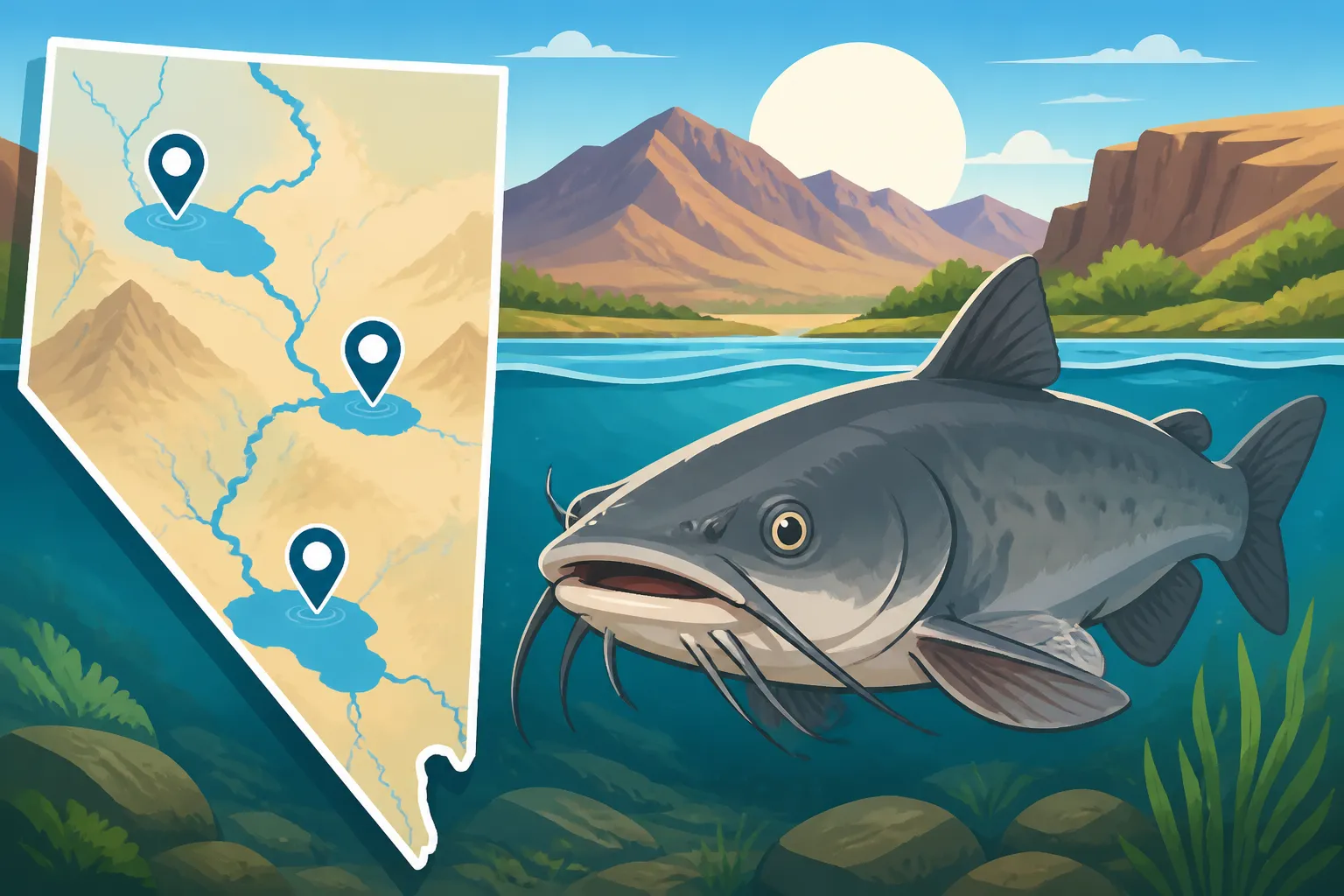
Where channel catfish live in Nevada
You're in Nevada, and you've got a hankering for some whiskered fighters, but the vast, diverse waters of the Silver State can make finding those elusive channel catfish feel like a real treasure hunt. It's frustrating to drive all the way out to a beautiful lake only to discover it's prime trout country when your heart is set on landing a big cat. This guide is here to cut through the confusion and pinpoint exactly where channel catfish thrive in Nevada, helping you spend less time searching and more time reeling in those hard-fighting, delicious fish.
Understanding Channel Catfish Habitat Preferences in Nevada
Channel catfish are incredibly adaptable, but like any fish, they have their preferred living arrangements. In a state like Nevada, where water can range from crystal clear alpine lakes to warm, silty desert reservoirs, knowing what makes a catfish happy is half the battle. They're not going to be hiding in the same places you'd find a Lahontan cutthroat trout.
Warm, Murky Waters are Key
If there's one thing a channel catfish loves, it's a bit of warmth and a bit of murk. Unlike trout that prefer cold, oxygen-rich, clear waters, catfish are perfectly content, even thriving, in warmer temperatures. This is a huge advantage in Nevada's desert climate, where many reservoirs heat up significantly during the long summer months. That murkiness isn't just a coincidence; it provides them with cover from predators, and it's often associated with softer, muddier bottoms where their food sources, like insect larvae, crayfish, and smaller fish, are abundant. Their excellent sense of smell and touch, aided by those prominent whiskers (barbels), allow them to navigate and hunt effectively even when visibility is low. You’ll often find them lurking where the water is a bit discolored, especially near creek mouths or areas with runoff.
Structure and Depth for Catfish
Even in their preferred warm, murky environments, channel catfish are creatures of habit and seek out structure. This can mean a lot of different things depending on the body of water. In larger reservoirs, look for submerged timber, rock piles, ledges, and drop-offs. These features offer ambush points and protection from the sun during the day. They also congregate in deeper holes or channels, especially when temperatures soar or plummet, seeking thermal refuge. During the heat of a Nevada summer day, they might retreat to these cooler, deeper spots, becoming more active and moving shallower as dusk approaches. Don't overlook weed lines, either. While not as common in extremely murky areas, a healthy weed bed near deeper water can hold plenty of catfish, as it provides both cover and a buffet of smaller prey. When you're scouting new water, use your sonar, or even just look for visible signs of structure from shore.
Top Nevada Lakes and Reservoirs for Channel Catfish
Nevada boasts a surprising number of prime catfish spots, particularly in its larger, warmer reservoirs. These big bodies of water offer the expansive habitat and abundant food sources that allow channel catfish to grow to impressive sizes. Targeting these locations will significantly increase your chances of a successful outing.
Southern Nevada Hotspots: Lake Mead and Lake Mohave
When it comes to southern Nevada, Lake Mead and Lake Mohave are undeniably the titans for channel catfish. These vast reservoirs, formed by the Colorado River, offer immense expanses of warm water and varied depths that catfish absolutely adore. At Lake Mead, you'll find channel catfish scattered throughout, but many anglers focus on the shallower, warmer coves, especially those with some sort of structure like submerged brush or rocky ledges. Areas around Hemenway Harbor, Callville Bay, and Government Wash are often mentioned by local anglers as good starting points. The abundant forage, including shad and other baitfish, helps these catfish grow large and feisty. While Lake Mead is famous for its striped bass, the channel catfish population is robust and often overlooked by those chasing faster-moving predators.
Lake Mohave, just downstream from Lake Mead, offers similar excellent opportunities. The water here is often a bit clearer than Mead, but it still maintains the warmth that catfish prefer, especially in its southern reaches. Look for them in the shallower bays and points, particularly where there's a mix of rock and softer bottom. Willow Beach and Cottonwood Cove are popular access points where anglers have consistent success. The deeper sections of the lake also hold catfish, especially during the day when they seek cooler temperatures. Both Lake Mead and Lake Mohave require careful navigation due to their size and fluctuating water levels, but the reward of a big channel cat is well worth the effort. For a deeper dive, check out our Lake Mead Nevada Fishing Guide and Lake Mohave Nevada Fishing Guide.
Central and Northern Nevada Opportunities
While the southern giants often steal the spotlight, central and northern Nevada have their own fantastic catfish destinations. Lahontan Reservoir, located east of Carson City, is arguably one of the state's best-kept secrets for channel catfish. This large reservoir, fed by the Carson River, warms up nicely in the summer and features plenty of shallow, murky areas with soft bottoms – perfect catfish habitat. Anglers here often report catching good numbers of channel cats, sometimes quite large. The reservoir also offers diverse fishing opportunities, but for catfish, focusing on the slower-moving, shallower coves and the upper reaches of the Carson River arm can be very productive.
Further north, Rye Patch Reservoir, on the Humboldt River, is another excellent option. Known for its warm water and sometimes turbid conditions, it's a natural fit for channel catfish. This reservoir is a great place to bank fish for cats, particularly after sundown during the warmer months. Look for areas with submerged structure and soft bottoms along the shoreline. Both Lahontan and Rye Patch offer camping and amenities, making them great destinations for a weekend catfish hunt. You might also find them in sections of the Humboldt River itself, particularly in slower pools and oxbows. When preparing for a trip to these spots, a search on Amazon for specific catfish baits or heavy-duty tackle can give you an edge.
Urban Ponds and Smaller Bodies of Water
For those looking for a more accessible or family-friendly fishing experience, Nevada's urban ponds and smaller community waters are hidden gems for channel catfish. These spots might not produce state-record breakers, but they offer consistent action and are perfect for a quick evening trip.
Las Vegas Area Ponds
The Las Vegas Valley, despite its arid surroundings, is home to several well-maintained urban ponds that are regularly stocked with various fish species, including channel catfish. These ponds are a fantastic resource for locals and visitors alike, offering easy access and a high chance of success, especially for beginners or those fishing with kids. Floyd Lamb Park, Lorenzi Park, and Sunset Park are prime examples. These ponds often have designated fishing areas, paved paths, and amenities, making for a comfortable outing. The Nevada Department of Wildlife (NDOW) actively manages these fisheries, and their stocking programs ensure a healthy population of catfish, particularly through the spring and summer.
While these ponds are smaller, the catfish within them still exhibit typical cat behavior. They'll often cruise the shallower edges during dawn and dusk, or after dark, and retreat to slightly deeper water or around any available structure during the bright daylight hours. Using stink baits, chicken livers, or nightcrawlers fished on the bottom can yield excellent results. For comprehensive details on these spots, check out our Las Vegas Nevada Urban Pond Fishing Guide. Remember to always check the specific park rules and Nevada Fishing Regulations Explained for any daily limits or special restrictions.
Other Community Ponds
Beyond the major urban centers, Nevada has several other smaller community ponds and state park waters that can hold channel catfish. These might not be stocked as heavily or as frequently as the Las Vegas ponds, but they can still provide fun and rewarding fishing experiences. Places like Boulder City Pond, for instance, offer a quiet, local alternative. These smaller impoundments often warm up quickly, creating ideal catfish conditions.
The key to success in these smaller waters is often research and local knowledge. A quick search online or a chat with a local tackle shop can often reveal which small ponds might hold a decent population of channel cats. Always be sure to check the current Nevada statewide bag limits explained and any specific rules for that particular body of water, as regulations can sometimes differ for smaller, managed ponds. While less heralded than the big reservoirs, these community ponds are perfect for honing your catfish techniques and enjoying a relaxing day by the water without the need for a boat or extensive travel.
Rivers and Other Moving Water
While reservoirs are generally the prime territory for channel catfish in Nevada, certain river systems, particularly the slower-moving and warmer sections, can also hold good numbers of these whiskered predators. Fishing rivers for catfish offers a different challenge and a unique experience compared to stillwater impoundments.
The Colorado River System
The mighty Colorado River, which feeds Lake Mead and Lake Mohave, is a natural conduit for channel catfish. Below Hoover Dam and Davis Dam, in the slower-moving sections, particularly where there are deeper pools, eddies, and brushy banks, you can find a healthy population. The tailwaters below dams often release cooler water, but as the river flows downstream and widens, the water warms up, creating more favorable conditions for catfish. Look for areas where the current slows significantly, allowing silt and organic matter to settle, which in turn supports the invertebrates and baitfish that catfish feed on.
Fishing the Colorado River for catfish often involves different techniques than stillwater. You might need heavier weights to keep your bait on the bottom in the current, and paying attention to subtle bites is crucial. The channel catfish here can sometimes grow quite large, especially in the deeper, less disturbed sections. Remember that fishing regulations can change as you move along the river, so always consult the latest guide.
Lesser-Known River Stretches
Beyond the main stem of the Colorado, Nevada has other river systems where channel catfish might make an appearance, though usually in smaller numbers and concentrated in specific areas. Rivers like the Humboldt, particularly in its slower, deeper sections and oxbows, can hold catfish that have migrated from downstream reservoirs like Rye Patch. The Carson River also flows into Lahontan Reservoir, and the river sections above the reservoir can hold catfish that have moved upstream.
However, it's important to understand that most of Nevada's rivers are primarily trout fisheries, especially in their upper, colder, and faster-moving reaches. You're unlikely to find channel catfish in the high-elevation streams of the Ruby Mountains or the swift currents of the Truckee River. When fishing these lesser-known river stretches for catfish, focus on the warmest, slowest, and deepest pools you can find, especially those with muddy bottoms or submerged logs. It's often more of a bonus catch in these areas, but a welcome one!
Seasonal Movements and Best Times to Fish
Understanding the seasonal patterns and daily habits of channel catfish is paramount to consistently finding them in Nevada's diverse waters. These fish are highly influenced by water temperature, making timing a critical factor in your angling success.
Warm Water, Active Catfish
The general rule of thumb for channel catfish in Nevada is: the warmer the water (within reason, of course!), the more active they become. This means late spring, summer, and early fall are prime times to target them. As water temperatures climb into the 70s and 80s, catfish's metabolism speeds up, making them hungrier and more willing to chase down a meal. This is when they really spread out across a reservoir or pond, actively patrolling shallower flats and cruising along shorelines in search of food. During these warmer months, you might find them in depths ranging from just a few feet to 20 or 30 feet, depending on the availability of food and cover.
Conversely, once water temperatures drop significantly in late fall and winter, channel catfish become much less active. They'll typically move to deeper, more stable water, often congregating in large schools in deep holes or channels, where they enter a semi-dormant state. While you can still catch them in winter, it usually requires a more subtle approach, and bites will be few and far between. For the most consistent action, definitely plan your Best Time of Year to Fish in Nevada for catfish during the warmer half of the year.
Night Fishing for Catfish
If you're serious about catching channel catfish in Nevada, especially during the scorching summer months, then night fishing isn't just an option—it's often the best option. As the sun sets and the intense desert heat begins to dissipate, catfish, being primarily nocturnal feeders, really come alive. The cooler water temperatures make them more comfortable moving into shallower areas to forage, and the cover of darkness provides them with an advantage over their prey. Many anglers report catching their biggest catfish after dark.
You'll find that the same spots that were quiet during the day can suddenly become incredibly productive at night. Areas like shallow flats, points, and even beach zones that warm up throughout the day will attract catfish as they cruise for food. Setting up your fishing station with some reliable lighting – a headlamp or lantern – and settling in for a few hours after sunset can yield impressive results. This strategy is highly effective in all of Nevada's catfish waters, from the vastness of Lake Mead to the intimacy of urban ponds. For those venturing out after dark, our Best Bait for Channel Catfish at Night and Night Fishing Techniques for Striped Bass (many principles apply to catfish!) can offer invaluable tips.
Here's a quick overview of some top Nevada catfish spots:
| Water Body | Region | Primary Water Type | Habitat Notes | Typical Size Range | Best Season |
|---|---|---|---|---|---|
| Lake Mead | Southern Nevada | Large Reservoir | Warm, often murky coves; submerged structure, ledges, creek mouths. | 2-10 lbs (larger possible) | Spring, Summer, Fall |
| Lake Mohave | Southern Nevada | Large Reservoir | Warmer southern end, shallow bays, rocky points, deeper channels. | 2-8 lbs (larger possible) | Spring, Summer, Fall |
| Lahontan Reservoir | Central Nevada | Large Reservoir | Warm, shallow, turbid areas; soft bottoms, Carson River arms. | 2-15 lbs (trophy potential) | Spring, Summer, Fall |
| Rye Patch Reservoir | Northern Nevada | Medium Reservoir | Warm, often turbid water; submerged structure, Humboldt River channel. | 1-6 lbs | Spring, Summer, Fall |
| Floyd Lamb Park Ponds | Las Vegas | Urban Pond | Stocked, accessible, varied depths, some aquatic vegetation. | 1-3 lbs | Spring, Summer |
| Sunset Park Pond | Las Vegas | Urban Pond | Stocked, easy access, weed lines, deeper center. | 1-3 lbs | Spring, Summer |
| Colorado River (lower) | Southern Nevada | River | Slower currents, deep pools, brushy banks. | 2-12 lbs | Spring, Summer, Fall |
Disclaimer
This article is for general informational purposes only and does not constitute professional advice. Laws, prices and regulations vary by location and change over time. Consult a qualified professional for guidance on your specific situation.