Where Sacramento perch live at Pyramid Lake
It's easy to get swept up in the pursuit of the legendary Lahontan cutthroat trout when you visit Pyramid Lake, and for good reason—they're magnificent! But tucked away in the same ancient waters is another incredible, often overlooked species: the Sacramento perch. Many anglers arrive eager to catch anything and might not even realize this unique fish is swimming below their feet. This guide will take you deep into the specific haunts of the Sacramento perch, helping you understand their preferred living spaces and giving you the knowledge to successfully target them in the vast expanse of Pyramid Lake.
The Unique Appeal of Sacramento Perch in Pyramid Lake
Before we dive into their specific addresses, let's appreciate why the Sacramento perch is such a special resident of Pyramid Lake. Unlike many fish species introduced to new waters, the Sacramento perch is native to California's Central Valley, but due to habitat changes, Pyramid Lake has become one of its most important strongholds. This makes catching one here not just a fishing achievement, but a connection to a truly unique and significant population. They’re a beautiful, hardy fish that can offer a completely different angling experience from the more common trout pursuit.
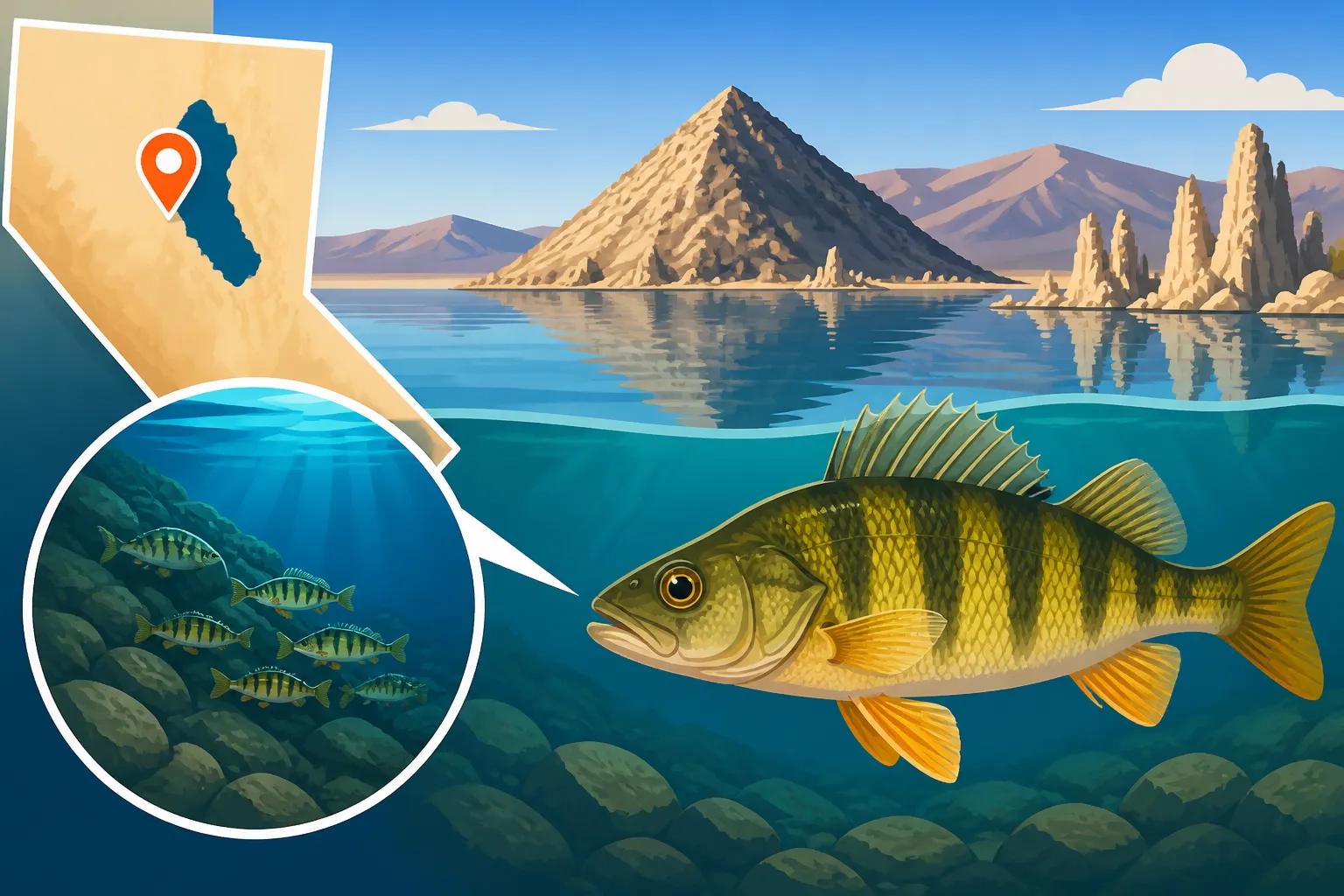
Imagine showing up to a body of water and only knowing one type of fish exists, only to discover a whole other world beneath the surface! Sacramento perch are often described as having a deep, somewhat compressed body, often with a mottled, olive-bronze coloration that helps them blend into their surroundings. They're not enormous, usually ranging from hand-sized up to a couple of pounds, but they're aggressive biters and put up a surprisingly good fight on light tackle, making them a fantastic target for anglers of all skill levels, including families with kids. Their presence here is a testament to the resilience of native species and the unique ecological role Pyramid Lake plays.
Understanding Sacramento Perch Habitat Preferences
When you're looking for Sacramento perch at Pyramid Lake, you're looking for specific conditions. These fish aren't just swimming everywhere; they have preferences, just like we all do for our living spaces. They tend to favor warmer, shallower water compared to the deep, cold havens of the Lahontan cutthroat trout. Think of areas where the sun can really penetrate the water column, warming things up.
Shallow Bays and Rocky Points
Sacramento perch are often found congregating in the shallower bays and along rocky points. These areas offer a few critical things: protection from the elements, structure for ambush points, and often a higher concentration of the invertebrates and smaller fish they feed on. Look for areas where the depth gradually slopes from the shore into about 5 to 20 feet of water. These shallower zones warm up faster in the spring and stay warmer longer into the fall, which is ideal for perch activity.
Consider locations like the various points and coves along the east side of Pyramid Lake, particularly in the southern half of the lake. These areas often feature a mix of rocky outcrops, submerged boulders, and sometimes even sparse aquatic vegetation if the water levels permit. The rockier bottom provides cover and an ideal foraging ground. When fishing from shore, target those distinct points that jut out into the lake, or the inside bends of protected bays. The confluence of currents around these points can bring food right to them.
Submerged Structure and Drop-offs
While they like shallower water, Sacramento perch are still drawn to structure. This means submerged rocks, old brush piles, ledges, and abrupt drop-offs. If you have access to a boat with a fish finder, pay close attention to any sudden changes in bottom contour. A subtle hump, a rocky reef, or even a sunken tree can hold a whole school of perch. They use these structures for cover and to ambush prey.
Anglers fishing from shore should look for visual cues – areas where the shore itself is rocky, or where there are obvious submerged boulders near the bank. Cast your line parallel to these structures or slightly beyond them, letting your bait or lure sink down. Remember, these fish are often holding tight to cover, so getting your offering right into their living room is key. Even seemingly barren stretches of shore can have hidden ledges just a few feet out that hold fish. Using a pair of Best polarized sunglasses for spotting fish in clear water can really help you identify these subtle features from above the water, allowing you to cast more effectively.
Seasonal Movements
Just like us, Sacramento perch change their habits with the seasons. Their preferred depths and locations will shift throughout the year based on water temperature and spawning cycles.
- Spring: As water temperatures begin to rise in late spring, perch move into very shallow areas for spawning. You might find them in just a few feet of water, often tucked away in protected coves. This is an excellent time for shore anglers.
- Summer: During the heat of summer, they might move slightly deeper than their spring haunts, perhaps to 10-25 feet, but they will still be associated with structure or cooler thermoclines within the shallower zones. Early mornings and late evenings will be prime fishing times.
- Fall: As water temperatures begin to cool, perch often become very active, feeding heavily in preparation for winter. They can be found in similar areas as spring, perhaps a bit deeper in the early fall, but moving shallower as the cooling trend continues.
- Winter: In winter, perch become less active and typically move to deeper parts of their preferred shallow bays, often holding in 20-30 feet of water, close to structure, where the water temperature is more stable. They can still be caught, but often require more patience and slower presentations.
This table provides a quick reference for Sacramento perch habitat preferences in Pyramid Lake:
| Season | Preferred Depth Range (approx.) | Typical Locations | Key Considerations |
|---|---|---|---|
| Spring | 3-15 feet | Shallow, protected coves; rocky points | Spawning activity, highly active, good for shore fishing |
| Summer | 10-25 feet | Structured areas in bays; deeper edges of points | Early morning/late evening bites, look for thermoclines |
| Fall | 5-20 feet | Similar to spring; active feeding near structure | Aggressive feeding, can be found shallower than summer |
| Winter | 20-30 feet | Deeper sections of bays; stable temps near structure | Less active, slower presentations required |
Techniques and Gear for Targeting Sacramento Perch
Now that we know where they live, let's talk about how to entice them. Sacramento perch are not particularly finicky, but using the right approach will significantly increase your success. They respond well to both bait and small lures, and a lighter tackle setup is usually more enjoyable.
Baits and Lures That Work
When it comes to bait, the classics are often the best. Small pieces of nightcrawler, mealworms, or even corn can be incredibly effective. Perch have a keen sense of smell, and natural baits often draw them in. For artificials, think small. Tiny jigs (1/16 to 1/8 ounce) tipped with a small grub or a piece of Gulp! bait can be deadly. Look for colors that mimic natural forage, like olive green, brown, or white. Small spinnerbaits or inline spinners are also excellent choices, especially when retrieved slowly along submerged structure. Don't be afraid to experiment with different presentations. Sometimes a slow, steady retrieve is all it takes, other times a stop-and-go twitch will trigger a strike. You can find a fantastic selection of these smaller baits and lures on Amazon to stock your tackle box.
One thing to keep in mind, however, is that while Pyramid Lake is known for its incredible Lahontan cutthroat trout fishing, with specific rules about Are barbless hooks required at Pyramid Lake? and Best Bait for Pyramid Lake Cutthroat, the focus for perch is usually less restrictive. Always check the current Pyramid Lake Season and Bag Limit Rules for any specific regulations pertaining to Sacramento perch or general bait use.
Rods, Reels, and Line
For Sacramento perch, lighter is definitely more fun. A light to ultralight spinning rod, around 5 to 6 feet in length, paired with a small spinning reel (size 1000 or 2000) spooled with 4 to 6-pound test monofilament or fluorocarbon line is perfect. This setup allows you to feel even the slightest nibble and makes the fight of a good-sized perch much more exciting. The lighter line is also less visible in Pyramid Lake's often clear waters, which can make a difference on wary fish.
You don't need heavy-duty gear designed for trophy Lahontan cutthroat here. In fact, using appropriate light tackle will enhance your experience immensely. Many anglers might already have a suitable panfish or trout setup that would work great for perch. If you're looking to upgrade or start fresh, researching Best Spinning Reels for Trout Fishing can also give you ideas for perch setups. Investing in a good quality, but not necessarily expensive, rod and reel combo will serve you well. Many reliable options are available on Amazon that won't break the bank.
Fishing Methods
- Still Fishing with Bait: This is a fantastic method, especially for beginners or those fishing from shore. Use a simple slip-sinker rig or a small bobber setup. Cast your bait into a likely looking area (a rocky point, a drop-off) and let it sit. Watch your line or bobber for any movement. This passive approach often works wonders when perch are gathered in a specific spot.
- Casting and Retrieving Lures: For more active fishing, cast those small jigs or spinners and retrieve them slowly. Experiment with varying speeds and depths until you find what the perch are hitting. A jig-and-pause retrieve can often trigger a strike from fish hiding in structure.
- Bottom Bouncing: If you suspect perch are holding tight to the bottom structure, a Carolina rig with a small worm or plastic grub can be very effective. This rig keeps your bait just off the bottom, making it easily visible to perch without getting snagged as often.
Remember, Pyramid Lake has specific access rules and a Pyramid Lake Tribal Fishing Permit is required, separate from a state license. Make sure you have all your permits in order before heading out.
Conservation and Coexistence: Perch in the Pyramid Lake Ecosystem
While Sacramento perch are not the primary target species for many at Pyramid Lake, they play a vital role in the ecosystem. Their survival in this unique environment, where they coexist with the iconic Lahontan cutthroat trout, is a remarkable story of adaptation and resilience. They represent a connection to the historical waterways of the region and are a testament to Pyramid Lake's diverse aquatic life.
Anglers targeting Sacramento perch should always practice responsible fishing. While they are not typically under the same intense conservation spotlight as the Lahontan cutthroat, it’s good practice to understand and respect bag limits and handle fish with care, especially if practicing catch and release. Releasing smaller perch ensures a healthy future population, allowing them to grow and reproduce.
The health of the entire Pyramid Lake ecosystem is intertwined. Changes in water levels, water quality, and the presence of invasive species can affect all residents, including the perch. By understanding and respecting the lake's unique characteristics and regulations, we contribute to the long-term sustainability of all its fish, from the colossal cutthroat to the feisty Sacramento perch. Exploring more about the diverse Nevada Fish Species Guide can give you a broader appreciation for the aquatic life in the Silver State.
The pursuit of Sacramento perch also offers a quieter, often more relaxed fishing experience compared to the hustle and bustle of chasing trophy trout. It’s an opportunity to appreciate the subtle beauty of Pyramid Lake and the smaller wonders it holds. So, next time you're planning a trip, consider dedicating some time to finding these incredible native perch in their preferred Pyramid Lake hideouts.
Disclaimer
This article is for general informational purposes only and does not constitute professional advice. Laws, prices and regulations vary by location and change over time. Consult a qualified professional for guidance on your specific situation.