Tiger Trout Hybrid at Wildhorse Reservoir
There's nothing quite like the thrill of chasing a unique fish, and for anglers in Nevada, the tiger trout at Wildhorse Reservoir offers just that kind of adventure. These striking, sterile hybrids, a cross between a brown trout and a brook trout, have carved out a special niche in the high desert waters of Wildhorse. If you've ever found yourself wondering about these beautiful, elusive fish, or how to successfully target them, you're in the right place. This comprehensive guide will unravel the mysteries of the tiger trout at Wildhorse, covering everything from their unique biology to the best strategies for a successful day on the water.
Understanding the Enigma: What Exactly is a Tiger Trout?
Before we dive into the specifics of fishing for them at Wildhorse, let's clear up exactly what makes a tiger trout so special. Many anglers hear the name and picture something fierce and exotic, and while they certainly have a wild appearance, their origins are even more fascinating. These aren't just another species of trout; they're a deliberate, intriguing crossbreed with a very specific purpose.
The Genetic Marvel: Brown Trout Meets Brook Trout
A tiger trout is a hybrid, meaning it's the offspring of two different species – specifically, a male brook trout (Salvelinus fontinalis) and a female brown trout (Salmo trutta). This isn't a naturally occurring phenomenon in the wild, or at least it's extremely rare. When it does happen, it's typically in controlled hatchery environments. The combination creates a fish that inherits traits from both parents, resulting in a unique set of characteristics that make them both visually stunning and a tenacious fighter on the end of a line. Because they are sterile, they can't reproduce, which has some significant implications for fisheries management, as we'll explore later.
The process of creating these hybrids is quite meticulous, involving careful fertilization and rearing in specialized facilities. The goal is often to introduce a robust, non-reproducing predator species into specific ecosystems where overpopulation of certain baitfish or other trout might be an issue, or simply to offer anglers a novel and exciting fishing experience. Nevada's Wildhorse Reservoir is one such location where this stocking strategy has proven quite popular.
Distinctive Markings and Identification Tips
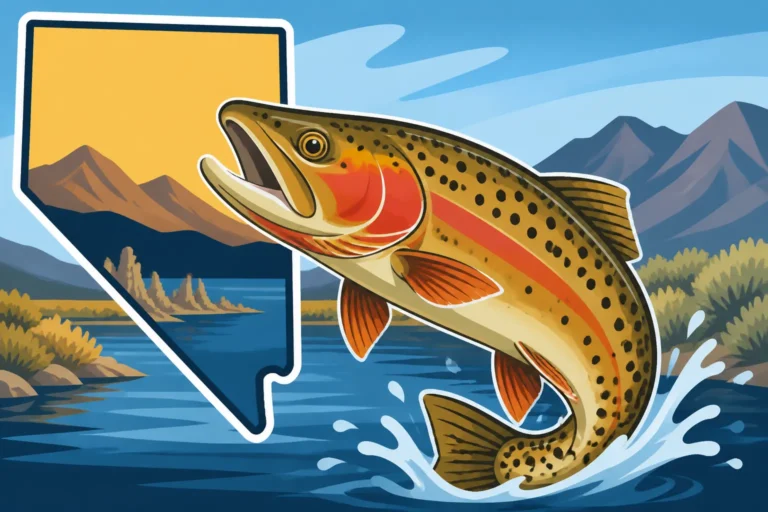
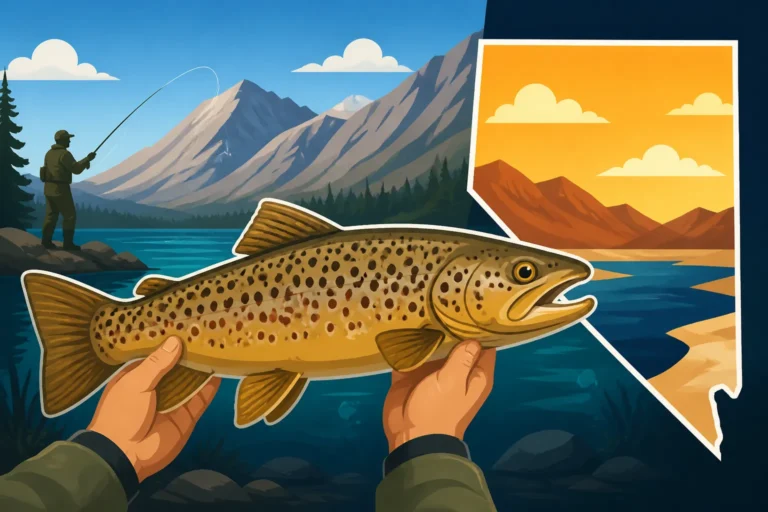
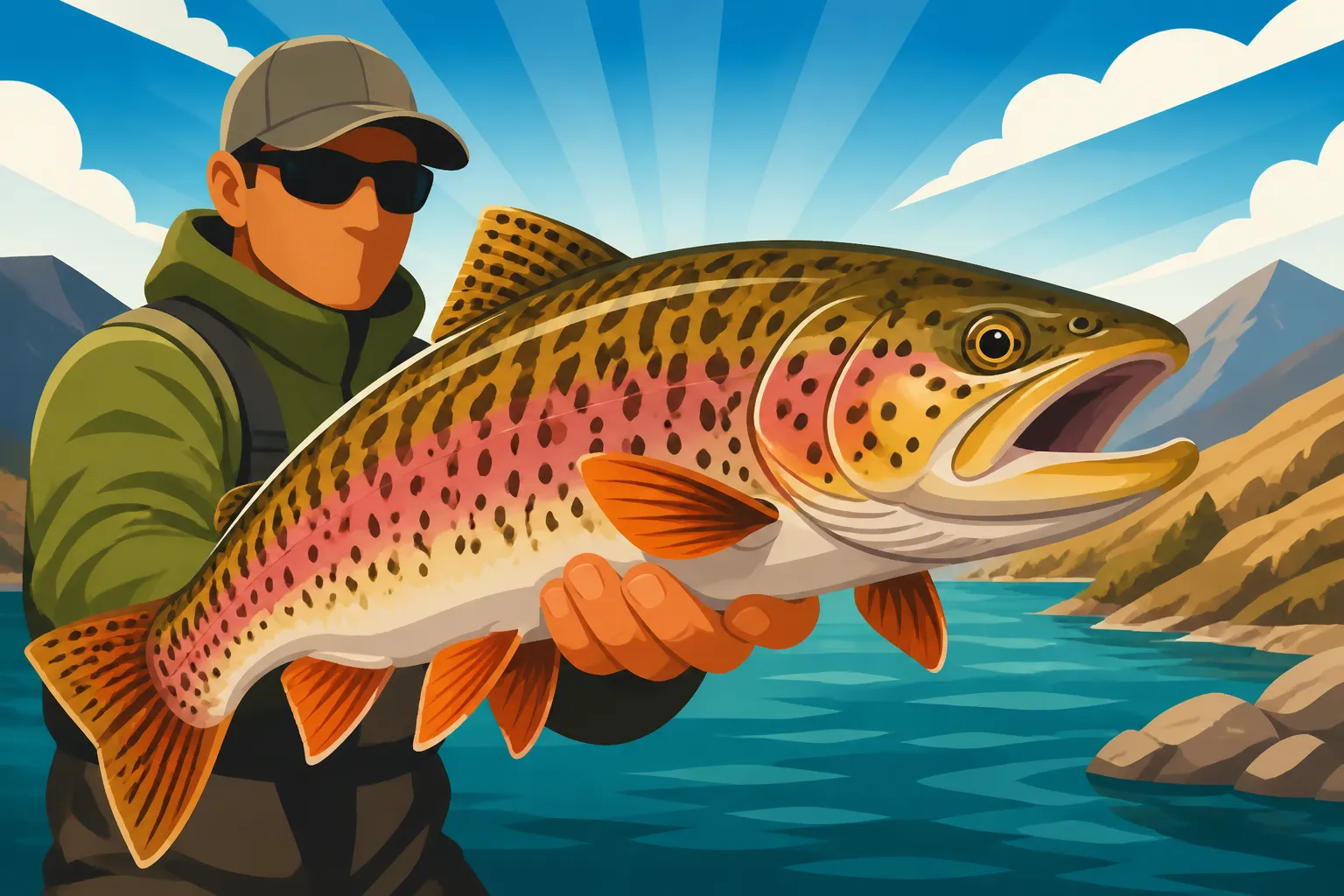
One of the most captivating aspects of the tiger trout is its appearance, which gives it its evocative name. They possess a striking, vermiculated pattern across their flanks, reminiscent of a tiger's stripes or a maze. These patterns are often a dark, mossy green or brown, contrasting sharply with a lighter, yellowish or golden background. It's a truly beautiful fish to behold, and spotting one underwater or landing one is an unforgettable experience.
Beyond the "tiger" pattern, you'll notice other features. They tend to have a more streamlined body shape, similar to a brown trout, but often retain some of the reddish-orange fins (particularly the lower fins) that are characteristic of brook trout, sometimes tipped with white. When you're out on the water, especially in the clear waters of Wildhorse, their distinct markings often make them easy to differentiate from standard rainbow or brown trout. There's really no mistaking that unique striped camouflage!
Why Hybrids Like This Exist
The primary reasons for creating and stocking hybrid trout like the tiger trout are rooted in fisheries management. First, their sterility is a huge advantage. It means they won't compete with native trout populations for spawning grounds or accidentally interbreed with them, preserving the genetic integrity of wild strains. Second, they're known for their aggressive feeding habits and rapid growth rates. They can be excellent predators for controlling populations of undesirable baitfish, or even smaller, overpopulated trout species, helping to balance the aquatic ecosystem.
Third, and perhaps most importantly for anglers, they offer a thrilling sport fishing opportunity. Their aggressive nature often translates into hard strikes and powerful fights, making them a challenging and rewarding catch. For a place like Wildhorse Reservoir, where anglers might already be familiar with rainbow and brown trout, introducing a tiger trout adds an exciting new dimension to the fishing experience, drawing more visitors and adding to the local angling economy.
Wildhorse Reservoir: Home to Nevada's Striped Wonders
Now that we understand what a tiger trout is, let's talk about its special home in Nevada: Wildhorse Reservoir. This northern Nevada gem is a beloved destination for many anglers, known for its diverse fishery and picturesque surroundings.
A High Desert Oasis with a Purpose
Wildhorse Reservoir is nestled in the high desert country of northeastern Nevada, roughly 60 miles north of Elko. It's an expansive body of water, offering plenty of room for anglers to explore, whether from shore or by boat. The surrounding landscape is characterized by sagebrush-dotted hills and distant mountain ranges, providing a serene and scenic backdrop for a day of fishing. While it might feel remote, it's a popular spot, especially during the warmer months and when ice fishing conditions are right.
This reservoir plays a crucial role not just for recreation, but also for irrigation in the surrounding agricultural areas. Its creation transformed a segment of the Owyhee River into a significant body of water, making it a vital resource for both wildlife and human activity in the region. The cold, clear waters, fed by the Owyhee River, create an ideal environment for trout, including our striped friends. You can find more general information about this great spot in our Wildhorse Reservoir Nevada Fishing Guide.
Why Tiger Trout Were Introduced Here
The introduction of tiger trout into Wildhorse Reservoir was a calculated move by fisheries managers. Initially, the reservoir was known for its abundant rainbow and brown trout populations, and it continues to be a fantastic spot for these species. However, the aggressive, sterile nature of the tiger trout makes them an ideal candidate for specific roles within the ecosystem.
One key reason for their stocking is to add another exciting game fish to the mix, diversifying the angling experience. But it's also believed that their predatory habits can help manage populations of other fish, potentially reducing competition for resources among the various trout species, or even helping to control less desirable fish populations. They also tend to grow quickly, providing a substantial target for anglers looking for a challenging fight and a potentially large catch. It's a win-win: a healthier, more balanced fishery, and an exciting new species for anglers to pursue.
Wildhorse's Unique Ecosystem for Trout
Wildhorse Reservoir's ecosystem is perfectly suited for sustaining a healthy trout population, including tiger trout. The reservoir's depth provides cold water refugia during the warmer summer months, crucial for trout survival. The inflow from the Owyhee River ensures a continuous supply of fresh, oxygenated water. Furthermore, the reservoir features a variety of underwater structures, from rocky points and submerged humps to deeper channels, all of which provide excellent habitat for trout to forage, ambush prey, and seek shelter.
The food sources are also plentiful. Wildhorse supports a robust population of aquatic insects, crustaceans, and various baitfish, which are the primary diet for growing trout. The tiger trout, being aggressive predators, take full advantage of this bounty, which contributes to their impressive growth rates and fighting prowess. Understanding this rich ecosystem is key to figuring out where these fish might be holding at different times of the year, which brings us to the exciting part: catching them!
Mastering the Hunt: Techniques for Catching Tiger Trout at Wildhorse
Chasing tiger trout at Wildhorse Reservoir is a truly rewarding experience, but it often requires a blend of traditional trout tactics and a bit of specific hybrid intuition. These fish are aggressive, but they're also smart, so having the right gear and strategy makes all the difference.
Best Baits and Lures: What Tigers Can't Resist
Tiger trout, much like their brown trout parentage, can be predatory and opportunistic feeders. This means they respond well to a variety of presentations.
- Artificial Lures: Small, flashy spoons and spinners are often irresistible. Think about brands that offer spoons in sizes from 1/8 to 1/4 ounce, in colors like silver, gold, brass, or even brightly painted patterns. Spinners with a Colorado or Indiana blade, often with a dressed treble hook, can also be very effective. Try retrieves that vary in speed and incorporate pauses to mimic wounded baitfish. For those who prefer to shop for a wide selection, places like Amazon often carry a vast array of these types of lures. You can often find great deals on multiple sizes and colors there to experiment with what the tigers are biting on a given day.
- Soft Plastics and Jigs: Smaller soft plastic swimbaits or tube jigs, especially those in natural baitfish colors (silver, perch-like patterns, dark green) or bright attention-grabbing colors (chartreuse, orange), can be deadly. Rig them on a small jig head (1/16 to 1/8 ounce) and retrieve with a slow, erratic twitching motion.
- Live and Prepared Baits: While artificials are popular, don't discount bait. PowerBait, especially in bright colors like chartreuse, orange, or rainbow, fished off the bottom with a small split shot or sliding sinker rig, is a classic trout getter that tiger trout will also hit. Worms, particularly nightcrawlers, can also be effective, either fished under a bobber or on the bottom. For more general advice, check out Best Bait for Nevada Trout.
- Fly Fishing: For the fly angler, streamers that imitate baitfish are very effective. Patterns like Woolly Buggers, Clouser Minnows, or even smaller articulated streamers in black, olive, white, or brown can entice a strike. Nymphs and even dry flies can work, especially if there's a hatch, but streamers tend to be the most reliable for targeting these aggressive hybrids.
Strategic Spots and Seasonal Savvy
Knowing what to throw is one thing; knowing where and when is another. Tiger trout at Wildhorse will move throughout the reservoir depending on the season, water temperature, and available food.
- Spring: As the ice melts and water temperatures begin to rise, tiger trout become very active. They'll often be found in shallower coves and along points, especially near the inflows of the Owyhee River, where they're actively foraging for baitfish and emerging insects. Casting spoons, spinners, or slowly retrieving streamers in these areas can be very productive.
- Summer: During the heat of summer, tiger trout will seek deeper, cooler waters. Look for them around submerged structures, drop-offs, and in the main lake basin. Trolling with spoons or deep-diving crankbaits can be effective, as can vertical jigging with tube jigs or spoons. Early morning and late evening bites are often best when the sun is high. If you're planning a summer trip, read up on Summer Fishing Techniques for Hot Desert Lakes.
- Fall: Fall is another prime season. As water temperatures cool again, tiger trout will move back into shallower areas, often along rocky shorelines and points. They'll be feeding heavily in preparation for winter. This is a great time for casting a wide array of lures, and sometimes even a well-presented worm can be irresistible.
- Winter (Ice Fishing): Wildhorse Reservoir often freezes over solid enough for safe ice fishing, and tiger trout are a prime target during this season. They'll typically be found suspended in the water column or near the bottom in deeper sections. Jigging with small spoons, tube jigs, or even a minnow on a tip-up can yield excellent results. Always prioritize safety when ice fishing; consult Ice Fishing in Nevada for more information.
Reading the Water: Depths and Structure
Like all trout, tiger trout relate heavily to structure and depth changes. Understanding how to "read" the water will significantly increase your success.
- Points and Drop-offs: These are classic ambush spots for predatory trout. As the bottom contours change rapidly, fish can hide in deeper water and dart out into shallower feeding lanes to intercept prey.
- Submerged Humps and Islands: These underwater features act like magnets for baitfish, and where the baitfish go, the predators follow. A good fish finder can be invaluable for locating these hidden structures.
- Inflows and Outflows: The moving water near the Owyhee River inflow or the reservoir's outflow can concentrate bait and oxygen, making them prime feeding areas, especially during periods of active current.
- Rocky Shorelines: These areas provide cover and also attract insects and smaller fish, making them excellent spots for tiger trout, particularly in spring and fall.
- Weed Beds: If Wildhorse has any significant submerged weed beds, these can also hold fish, providing cover and food sources.
When bank fishing, look for visible signs of these structures or use maps (often available on fishing apps or even from the Nevada Department of Wildlife) to identify promising areas. For boat anglers, a good depth finder is your best friend for pinpointing these hotspots. Don't be afraid to move around and experiment with different depths and retrieves until you find what the tiger trout are keying in on. Your general approach to how to target them can be found in our How to Fish for Trout in Nevada guide.
Rules of the Game: Regulations for Tiger Trout at Wildhorse
Fishing in Nevada, especially for unique species like tiger trout, always comes with specific rules and regulations. It's not just about compliance; it's about protecting the fishery for everyone and ensuring sustainable angling opportunities for years to come. Always consult the official Nevada Department of Wildlife (NDOW) regulations booklet before heading out, as rules can change.
Bag Limits and Size Restrictions
Like most game fish, tiger trout at Wildhorse Reservoir are subject to specific daily bag and possession limits. These limits are put in place to manage the population, prevent overfishing, and distribute the catch among anglers. For instance, there might be a combined trout limit for various species, but sometimes tiger trout have their own distinct size or creel limit. It's crucial to know these numbers before you start fishing. Catching and keeping more than the legal limit, or keeping fish outside the legal size slot, can result in significant fines and penalties.
The NDOW often publishes an annual fishing guide that details these regulations. You can usually pick one up at any license vendor, like larger sporting goods stores or even some convenience stores, or download a digital version. Always double-check any special regulations for Wildhorse Reservoir, as certain waters sometimes have more restrictive rules than the general statewide regulations. You can get a good overview in our Nevada Fishing Regulations Explained article.
Specific Gear and Method Considerations
While Wildhorse generally allows common angling methods, it's worth noting if any specific gear or method restrictions apply to tiger trout or the reservoir as a whole. For instance, some waters may have restrictions on the use of live bait, the number of rods an angler can use, or even specific hook types (e.g., single barbless hooks only). While these are more common for highly sensitive wild trout streams, it's always good practice to verify for any specific body of water.
Most recreational anglers will use standard spinning or casting gear, and these are perfectly suitable for tiger trout. For those interested in Best Fishing Rods for Nevada Lakes, a medium-light to medium action rod, around 6 to 7 feet in length, paired with a reliable spinning reel spooled with 6-10 lb test monofilament or braided line, makes for a versatile setup. Ensure your tackle box is well-equipped with the necessary lures and baits for your chosen method, many of which can be found at local tackle shops or online at places like Amazon.
Nevada Fishing License Guide and Other Permit Needs
This might sound obvious, but you absolutely need a valid Nevada fishing license to fish for tiger trout (or any fish) at Wildhorse Reservoir, unless you fall under one of the specific exemption categories (e.g., Nevada Free Fishing Day, or certain age groups). There are different types of licenses available, including annual, short-term (like a 1-day or 5-day permit), and resident/non-resident options.
Make sure you purchase the correct license for your residency status and the duration of your trip. You can typically buy licenses online through the NDOW website, at authorized license vendors across the state, or even in some instances, at the reservoir's convenience store if one is available nearby. For a detailed rundown, be sure to read our Nevada Fishing License Guide and understand the requirements for Nevada Fishing License Age Requirements and Nevada Resident Fishing License Types or Nevada Nonresident Fishing License Types if you're visiting from out of state. Always carry your license with you while fishing – a digital copy on your phone is usually acceptable, but a physical copy provides peace of mind.
Beyond the Stripes: A Broader Look at Wildhorse Fishing
While tiger trout are certainly a unique draw, Wildhorse Reservoir offers a rich and varied fishing experience that extends far beyond just these striped hybrids. Knowing about the other species and overall amenities can help you plan a truly unforgettable trip.
Other Prized Species: Rainbows, Browns, and Perch
Wildhorse is a thriving multi-species fishery. Alongside the tiger trout, you'll find healthy populations of:
- Rainbow Trout: These are probably the most commonly caught fish at Wildhorse, thanks to regular stocking by NDOW. They are strong fighters and excellent table fare. Anglers catch them using similar methods to tiger trout, often with PowerBait, worms, spinners, and flies. You can often check the Nevada Trout Stocking Schedule to see when the reservoir is due for a new batch of rainbows.
- Brown Trout: The brown trout at Wildhorse can grow to impressive sizes, offering a real challenge. They are known for being a bit more elusive than rainbows but reward persistent anglers with powerful runs. They share much of the same habitat and dietary preferences as tiger trout, making them a frequent bycatch when targeting hybrids.
- Yellow Perch: A fantastic bonus species, yellow perch are abundant in Wildhorse and provide excellent action, especially for kids or during the ice fishing season. They're delicious panfish and readily bite on small jigs, worms, or even tiny pieces of PowerBait. For more on these, check out Yellow Perch at Wildhorse Reservoir.
- Smallmouth Bass: While not as famous for bass as some southern Nevada lakes, Wildhorse does have a population of smallmouth bass, particularly around rocky areas. They offer a great fight and can be targeted with small crankbaits, jigs, or soft plastics.
This diversity means that even if the tiger trout aren't biting, there's always something else to pursue, keeping your lines tight and spirits high.
Seasonal Highlights and Best Times to Visit
Wildhorse Reservoir truly shines in different ways throughout the year, and the "best time" often depends on what you're hoping to experience.
- Spring (April-May): As the ice comes off and temperatures rise, fishing heats up for all species. This is arguably one of the best times for consistent trout action, including tiger trout, as they move into shallower waters. The weather can be unpredictable, but the fishing often makes up for it.
- Summer (June-August): While the heat can drive trout deeper, early mornings and late evenings can still be highly productive. This is also a fantastic time for camping, boating, and enjoying the scenic beauty of the reservoir. Perch fishing can be excellent through the day.
- Fall (September-November): Many consider fall to be the absolute prime time for trophy trout at Wildhorse. As water cools, all trout species become incredibly active, feeding aggressively before winter. The crowds thin out, and the scenery with changing foliage is often stunning.
- Winter (December-March): Ice fishing is a major draw here, offering a unique opportunity to target trout and perch through the ice. It's a peaceful experience, but requires specialized gear and strict attention to safety. For more details, consult Best Time of Year to Fish in Nevada.
Wildhorse Reservoir Boat Ramp and Camping and Facilities
Wildhorse Reservoir is designed with anglers and outdoor enthusiasts in mind. There are several facilities available to make your trip comfortable and convenient.
- Boat Ramps: The reservoir features accessible boat ramps, allowing easy launch and retrieval for various types of boats, from small fishing craft to larger pleasure boats. It's important to check the water levels, especially during dry years, as ramp accessibility can sometimes be affected. You can learn more about specific access points and amenities in Wildhorse Reservoir Boat Ramp and Camping.
- Camping: Several camping areas, including developed campgrounds and more primitive dispersed camping options, are available around the reservoir. These often include amenities like restrooms, picnic tables, and fire rings, making it an ideal spot for a multi-day fishing adventure. It's always a good idea to check for reservation requirements and current conditions before you go.
- Day-Use Areas: For those just visiting for the day, there are picnic areas and shoreline access points perfect for bank fishing or simply enjoying the view.
- Nearby Services: While the reservoir itself is a bit remote, the town of Mountain City is a short drive away and may offer limited services like gas or basic groceries. Elko, being a larger town, will have more extensive resources for supplies, tackle, and dining.
Ensuring the Future: Conservation and Responsible Angling
The opportunity to catch a tiger trout at Wildhorse Reservoir is a privilege, one that comes with a responsibility to protect this unique fishery. Our actions on the water today directly impact the quality of fishing for tomorrow.
The Role of Stocking Programs
The presence of tiger trout at Wildhorse is a direct result of Nevada's thoughtful stocking programs. The Nevada Department of Wildlife (NDOW) carefully manages these efforts, using hybrids like tiger trout for specific ecological and recreational purposes. These programs are vital for maintaining healthy fish populations, especially in waters like reservoirs that might not support extensive natural reproduction for all species, or where specific management goals (like predator control) are in play.
It's important to remember that these stocked fish are an investment in our angling future. The funding for these programs often comes directly from fishing license sales and excise taxes on fishing equipment (like those you might purchase from Amazon). So, when you buy a license or new gear, you're directly contributing to these efforts!
Catch and Release Practices for Hybrids
Given that tiger trout are sterile and often stocked for specific purposes (like trophy potential or population control), catch and release can be a valuable practice, especially for larger specimens or if you've already met your creel limit. Proper catch and release techniques minimize stress and injury to the fish, significantly increasing their chances of survival.
This means handling the fish as little as possible, keeping it in the water, using a rubberized net, and wetting your hands before touching it. If you plan to take a photo, do so quickly and get the fish back into the water promptly. Learning How to properly release a trout without hurting it is an essential skill for any responsible angler. Every fish you safely release lives to fight another day, contributing to a robust and exciting fishery for everyone.
Protecting Wildhorse for Generations
Beyond the fish themselves, responsible angling extends to protecting the entire Wildhorse Reservoir ecosystem. This means practicing "Leave No Trace" principles: packing out all your trash, respecting wildlife, and minimizing your impact on the shoreline and surrounding areas. Avoid disturbing nesting birds or other animals, and be mindful of fire restrictions, especially in the dry Nevada climate.
By being responsible stewards of our natural resources, we ensure that Wildhorse Reservoir remains a pristine and productive fishery, offering the thrill of chasing tiger trout and other species for generations of anglers to come. Your adherence to regulations, mindful practices, and appreciation for the natural beauty of the area are what keep places like Wildhorse so special.
Disclaimer
This article is for general informational purposes only and does not constitute professional advice. Laws, prices and regulations vary by location and change over time. Consult a qualified professional for guidance on your specific situation.