Wildhorse Reservoir Boat Ramp and Camping
There’s nothing quite like the dream of a peaceful escape to a Nevada reservoir, rod in hand, with the promise of a good catch and a cozy camp setup waiting for you. But let's be honest, finding that perfect spot that offers reliable boat access and comfortable camping can sometimes feel like searching for a desert oasis. It's frustrating to drive all that way only to find a launch ramp unusable due to low water or a campground packed beyond capacity. That's why we’re diving deep into Wildhorse Reservoir, a true gem in Northeastern Nevada, to give you all the nitty-gritty details about its boat ramps and camping facilities, ensuring your next fishing adventure is smooth sailing from start to finish.
Getting to Know Wildhorse Reservoir
Nestled in the high desert of Elko County, Wildhorse Reservoir is a beloved destination for anglers and outdoor enthusiasts seeking solitude and fantastic fishing. It’s a place where the air feels cleaner, the stars shine brighter, and the trout are always eager to bite. But beyond its undeniable charm, understanding what makes Wildhorse tick is key to a successful trip, especially when planning your boat launch and overnight stays.
Location and General Overview
Wildhorse Reservoir is situated about 65 miles north of Elko, Nevada, in the picturesque Owyhee Desert. The drive itself is part of the adventure, winding through sagebrush flats and rolling hills that give way to stunning mountain vistas. The reservoir is a relatively large body of water, offering plenty of room for anglers to spread out, whether they're fishing from a boat or the shore. It's fed primarily by the Owyhee River, which helps maintain a healthy ecosystem for a variety of fish species. The surrounding Wildhorse State Recreation Area provides essential infrastructure while still preserving the natural, rugged beauty of the region, making it an ideal spot for those looking to combine fishing with a true wilderness experience.
The tranquility here is palpable, a stark contrast to some of Nevada’s more bustling lakes. It’s a place where you can genuinely disconnect and immerse yourself in nature. Many visitors come specifically for the diverse fishing opportunities, while others appreciate the chance to camp under vast, open skies, enjoying campfires and quiet mornings. It truly embodies the spirit of a high-desert escape, far from the neon lights and city clamor.
Primary Fish Species
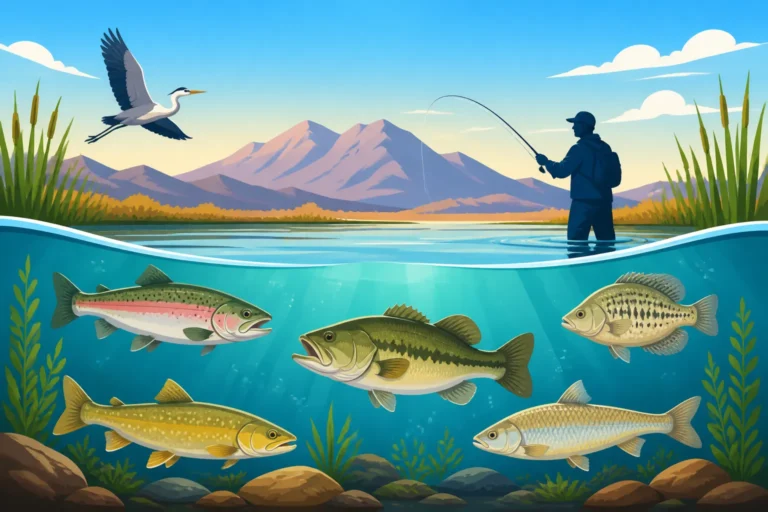
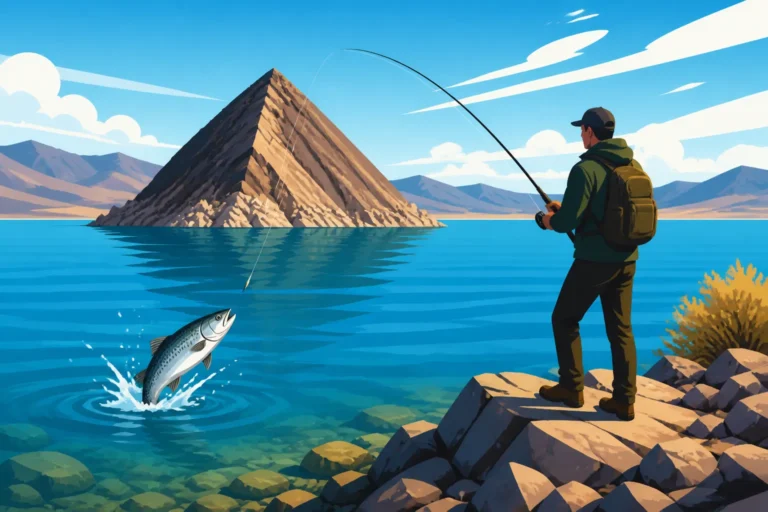
Wildhorse Reservoir is primarily known for its excellent trout fishing, particularly for rainbow trout and brown trout, which are regularly stocked by the Nevada Department of Wildlife (NDOW). Anglers often find success targeting these feisty fish throughout the year. Beyond the trout, the reservoir also boasts healthy populations of smallmouth bass, yellow perch, and a unique hybrid called the tiger trout, a sterile cross between a brown trout and a brook trout, known for its aggressive fighting style and striking markings.
The variety of species means you can tailor your fishing strategy depending on what you're hoping to catch. For instance, if you're keen on trout, different techniques and baits might be more effective than if you're chasing the hard-fighting smallmouth bass. Understanding the resident fish and their habits will significantly enhance your chances of a rewarding day on the water. For more details on what you can expect to catch, check out our comprehensive guide on Wildhorse Reservoir Fish Species.
Best Times to Visit for Anglers
The fishing at Wildhorse Reservoir can be fantastic year-round, but each season offers a distinct experience and presents different challenges and rewards for anglers. Spring is often considered prime time, especially for trout, as the fish become more active after the winter chill and before the summer heat truly sets in. This is also when the water levels are typically at their highest, making boat launch access easier. The cool mornings and mild afternoons create ideal conditions for both fishing and camping.
Summer can be productive, but you'll want to adjust your strategy to target fish in deeper, cooler waters, especially during the middle of the day. Early mornings and late evenings often yield the best results for species like smallmouth bass and deeper-dwelling trout. Fall is another favorite, as the weather cools, the crowds thin out, and the fish, particularly brown trout and tiger trout, become very active as they prepare for winter. Even winter, with its potential for ice fishing, draws dedicated anglers. Always check the Nevada Fishing Seasons by Month and local conditions before heading out, as weather can change rapidly in this high desert environment.
Navigating Wildhorse Reservoir's Boat Ramps
One of the biggest concerns for boaters heading to any reservoir is the condition and accessibility of the boat ramps. Nobody wants to haul their boat all that way only to find the launch is high and dry or too steep for their vehicle. Wildhorse Reservoir offers dependable options, but understanding their nuances is key to a stress-free launch and retrieve.
Main Boat Launch Facilities
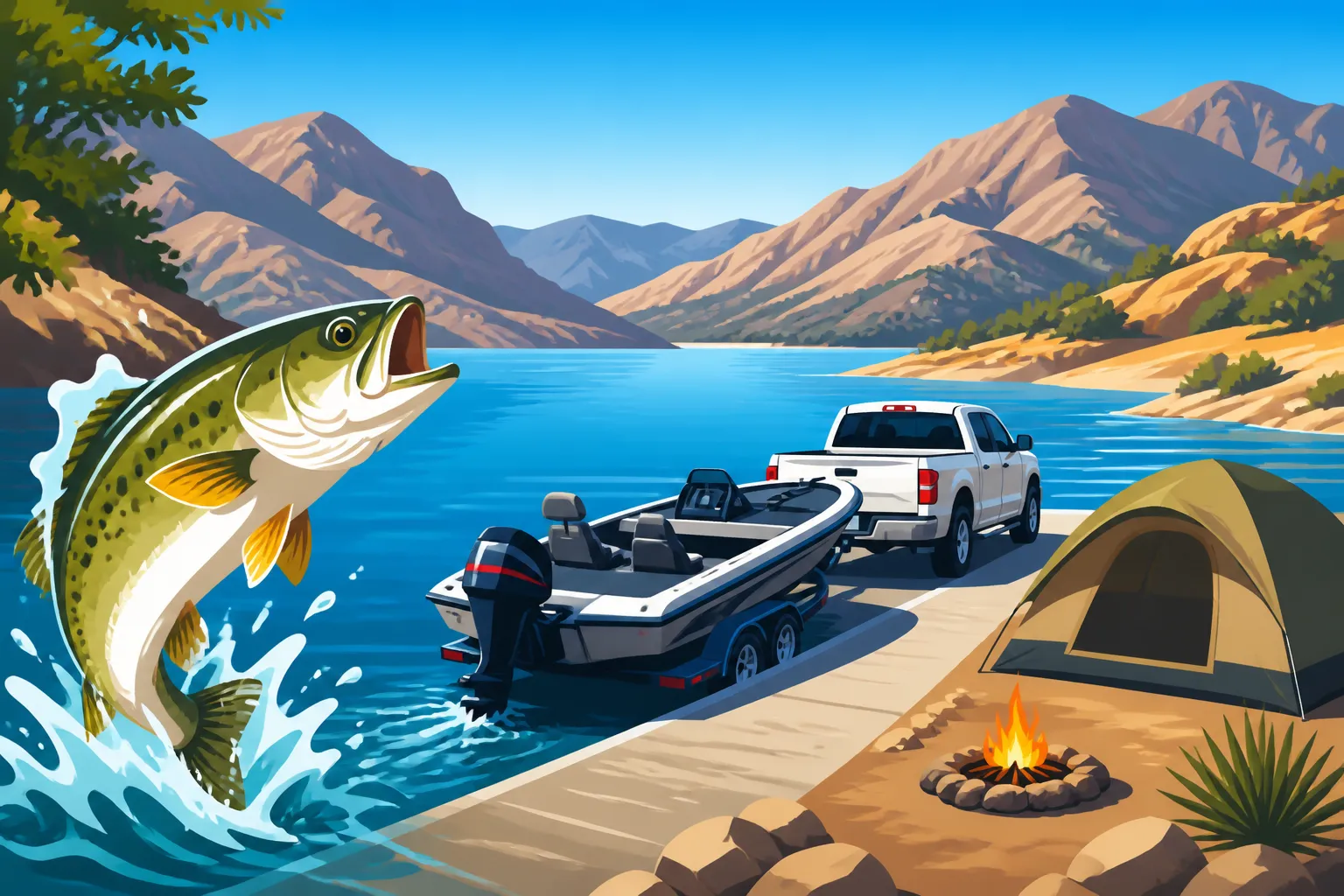
The primary boat launch at Wildhorse Reservoir is located within the Wildhorse State Recreation Area. This ramp is paved and generally well-maintained, designed to accommodate a wide range of watercraft, from small fishing boats and pontoon boats to larger bass boats. There's ample parking available, which is a huge relief when you're trying to maneuver a trailer. The launch area itself is spacious enough to allow for multiple boats to launch and retrieve simultaneously, reducing wait times during busier periods.
While the main ramp is robust, it's always a good idea to scout the area when you arrive. Water levels in Nevada reservoirs can fluctuate significantly, impacting the length and steepness of the ramp. A lower water level might expose more of the ramp, making for a longer push to get your boat into deeper water. Conversely, high water could mean a shorter ramp section but also potentially more debris in the water. Always exercise caution and use common sense when launching your vessel.
Seasonal Access and Water Level Considerations
As with many desert reservoirs, water levels at Wildhorse Reservoir can be a fickle thing, and they play a critical role in boat ramp accessibility. Typically, spring and early summer, when snowmelt feeds the Owyhee River, see the highest water levels, offering the easiest access. However, by late summer and into fall, especially during drought years, the levels can recede, shortening the usable portion of the ramps or even making some side access points difficult for larger boats.
It’s prudent to check current conditions before you make the long drive. The Nevada Department of Wildlife (NDOW) or the Wildhorse State Recreation Area often provide updates on water levels and boat ramp status. A quick call to the park office or a check of their online resources can save you a lot of hassle. If water levels are particularly low, you might need to use a 4×4 vehicle to ensure you have enough traction on the potentially muddy or sandy lakebed at the end of the ramp. Be prepared for varying conditions, and always prioritize safety over getting your boat into the water quickly.
Boat Ramp Etiquette and Safety
Using public boat ramps efficiently and safely is a shared responsibility among all anglers. A little courtesy goes a long way. Before you even get to the ramp, ensure your boat is prepped: plugs in, lines untied, safety gear stowed, and all fishing tackle ready. This "pre-staging" helps keep the ramp clear for others. When it's your turn, launch quickly and move your vehicle and trailer promptly to the designated parking area.
Safety is paramount, especially on a reservoir that can experience sudden winds. Always have enough life jackets for everyone on board, and ensure they are worn, especially by children. It's also wise to carry a spare prop, basic tools, a first-aid kit, and a fire extinguisher. Remember, all motorized boats in Nevada require registration, and depending on your age, you might need a Nevada Boater Education Card Requirement. Be aware of no-wake zones near the ramps and shorelines to prevent erosion and ensure everyone's safety. Always keep an eye out for other boaters and swimmers, and respect speed limits, particularly in coves and congested areas.
| Boat Ramp Feature | Wildhorse State Park Main Ramp | Considerations for Other Access Points |
|---|---|---|
| Surface | Paved | Unimproved, natural dirt/gravel |
| Accessibility | Generally good, even for larger boats | Varies greatly with water levels; 4×4 often needed |
| Parking | Ample designated parking | Limited, roadside parking or none |
| Ease of Use | High (when water levels are good) | Moderate to difficult |
| Ideal for | All boat types, busy times | Smaller boats, kayaks, less crowded areas |
| Maintenance | Regularly maintained by State Parks | None |
Camping Opportunities at Wildhorse Reservoir
After a long day of casting and reeling, there's nothing quite as satisfying as retreating to a comfortable campsite. Wildhorse Reservoir offers various camping options, from developed state park facilities to more rustic, dispersed sites, catering to different preferences and levels of adventure.
Wildhorse State Recreation Area Campground
The official campground within the Wildhorse State Recreation Area is the most popular choice for many visitors, and for good reason. It offers well-defined campsites, many with picnic tables, fire rings, and shade structures, which are a godsend during the warmer months. These sites are designed to accommodate both tents and RVs, with some offering electrical hookups for those who prefer a few more creature comforts. Restrooms with flush toilets and showers are available, making it a much more pleasant experience than roughing it entirely.
Booking ahead, especially during peak season (spring and fall weekends), is highly recommended, as these spots fill up quickly. You can often reserve sites through the Nevada State Parks website. While staying here, you're close to the main boat ramp and often have easy access to the shoreline for bank fishing. The security of a managed campground, combined with the amenities, makes it an excellent base camp for families or anyone looking for convenience after a full day of fishing. For general information on where to fish, consider our guide on Best Places to Fish in Nevada.
Dispersed Camping and Primitive Sites
For those who crave a more rugged, off-grid experience, Wildhorse Reservoir and the surrounding Bureau of Land Management (BLM) lands offer opportunities for dispersed camping. These are undeveloped sites where you won't find picnic tables, fire rings, or restrooms, so you'll need to be entirely self-sufficient. This option allows for greater solitude and a chance to truly immerse yourself in the wilderness, often with stunning views and direct access to less-frequented fishing spots.
However, dispersed camping comes with added responsibilities. You must practice Leave No Trace principles rigorously: pack out everything you pack in, minimize your impact, and properly dispose of human waste. Fire restrictions are common, especially during dry seasons, so always check local regulations. Building rock rings for campfires is usually prohibited, and campfires may be entirely banned. Bring your own water, or be prepared to filter and treat water from the reservoir. While the freedom is exhilarating, be mindful of the fragility of the high desert environment and do your part to protect it for future generations.
Preparing for a Camping Trip
Regardless of whether you choose a developed campground or a dispersed site, proper preparation is crucial for a comfortable and safe camping trip at Wildhorse. The weather in Northern Nevada can be unpredictable, with significant temperature swings between day and night, even in summer. Pack layers of clothing, including warm items for evenings. A sturdy tent, quality sleeping bags, and comfortable sleeping pads are essential.
If you're dispersed camping, a portable water filter or ample supply of drinking water is critical. A reliable cooler, packed with plenty of ice, will keep your food fresh. Always have a first-aid kit readily accessible, and be aware of local wildlife, including snakes, coyotes, and potential bear activity in higher elevations or near water sources. Know how to properly store food to avoid attracting unwanted guests. Before you head out, make sure your vehicle is in good shape and you have a full tank of gas, as services are sparse once you leave Elko. For more camping ideas and fishing spots, you might explore the Wildhorse Reservoir Warm Water Fishing Areas.
Essential Gear and Supplies for Your Trip
A successful fishing and camping trip to Wildhorse Reservoir hinges on having the right gear. It's not just about what you bring, but making sure it's appropriate for the conditions and the type of fishing you plan to do. Being prepared means less time worrying and more time enjoying.
Fishing Gear Recommendations
For trout fishing at Wildhorse, a light to medium-light spinning rod and reel combo spooled with 4-8 pound test monofilament or fluorocarbon line is usually ideal. Popular baits include PowerBait, worms, salmon eggs, or corn. Small spoons, spinners (like Panther Martin or Mepps), and Kastmaster lures in silver, gold, or brass colors can also be very effective, especially for freshly stocked trout. If you're targeting the larger brown or tiger trout, consider slightly heavier tackle and larger lures or even drifting minnows.
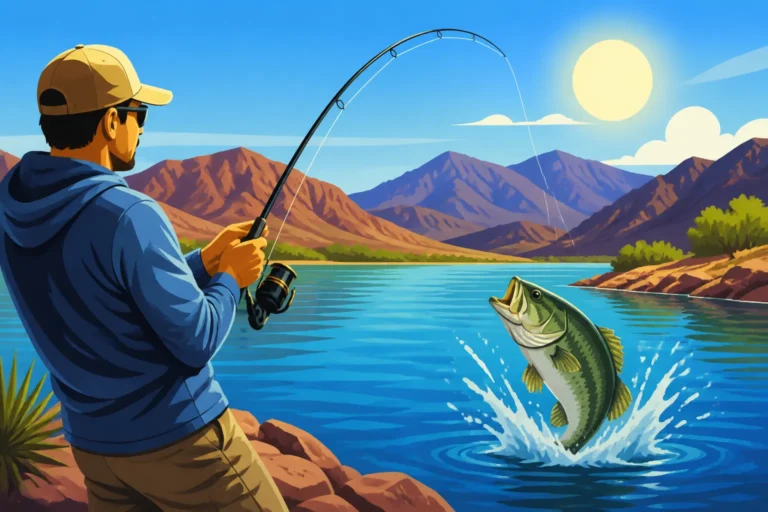
When it comes to smallmouth bass, a medium-action spinning or baitcasting setup with 8-12 pound line is a good choice. Lipless crankbaits, spinnerbaits, jigs with soft plastic trailers, and tubes are all productive. Fishing around rocky points, submerged structures, and drop-offs is often where you'll find these aggressive fighters. Remember to check the Nevada Fishing Regulations Explained before you go, as limits and specific rules can vary by species and location.
Boating and Safety Equipment
Beyond your fishing setup, a comprehensive boat safety checklist is non-negotiable. This includes personal flotation devices (PFDs) for everyone on board, a sound-producing device (whistle or horn), visual distress signals (flares or a distress flag), and a fire extinguisher. A well-stocked first-aid kit, a paddle (even if you have a motor), and a repair kit for your boat are also highly recommended. Don't forget a sturdy anchor with enough rope for deeper sections of the reservoir, especially if it gets windy.
Always ensure your boat registration is current, and keep your Nevada Fishing License Guide readily accessible. Consider bringing a marine radio or a fully charged cell phone (though service can be spotty in remote areas) for emergencies. A good depth finder or fish finder can also be invaluable for locating fish-holding structures and navigating safely, especially if you're exploring new areas of the reservoir.
Camping Comforts and Necessities
For camping, beyond your shelter and sleeping gear, think about your cooking setup. A portable camp stove is essential for cooking meals, especially if fire restrictions are in place. Bring plenty of fuel! A large cooler for food and drinks, cooking utensils, and biodegradable soap for dishwashing are also critical. Don't forget trash bags to pack out all your waste.
Lighting is important for evenings: a headlamp for each person, lanterns for the campsite, and extra batteries. Insect repellent is a must, particularly during warmer months, as mosquitoes can be prevalent near the water. A comfortable camp chair makes relaxing by the fire (if allowed) much more enjoyable. A good multi-tool or knife, rope, and duct tape can be lifesavers for minor repairs or unexpected needs. Finally, a portable power bank for charging phones or other small electronics can provide peace of mind.
Nearby Amenities and Local Information
While Wildhorse Reservoir feels wonderfully remote, it's not entirely isolated. Knowing where to find essential services can make a big difference, especially if you forget something crucial or need an emergency repair.
Services in Elko and Surrounding Areas
The nearest major town for comprehensive services is Elko, located about an hour's drive south of Wildhorse Reservoir. In Elko, you'll find several large grocery stores, sporting goods stores like Sportsman's Warehouse or local tackle shops where you can stock up on bait, tackle, and any forgotten camping or fishing supplies. There are also gas stations, auto repair shops, and medical facilities. It's highly advisable to do all your major shopping and fueling in Elko before heading up to the reservoir, as options become scarce once you're on the road to Wildhorse.
Smaller towns like Owyhee, located north of the reservoir on the Duck Valley Indian Reservation, might offer basic services like gas or a small convenience store, but their offerings are far more limited. Don't rely on finding specialized gear or a wide selection of groceries there. Always plan to be self-sufficient for the majority of your trip to Wildhorse.
Fishing Regulations and Permits
Staying informed about current fishing regulations is not just good practice, it's legally required. Before you cast a line at Wildhorse, ensure you have a valid Nevada fishing license. You can purchase these online, at various sporting goods stores in Nevada, or at authorized vendors. For detailed information on costs and types of licenses, refer to our guide on Nevada Fishing License Cost Breakdown.
Beyond the general license, be aware of specific bag limits, size restrictions, and bait regulations for Wildhorse Reservoir, which can sometimes differ from statewide rules. For example, the daily limit for trout might be specific, or there could be a slot limit for certain species. These regulations are designed to protect fish populations and ensure sustainable fishing for everyone. Always carry a copy of the current Nevada Fishing Regulations booklet, which can usually be obtained where licenses are sold or downloaded from the NDOW website. Failing to follow regulations can result in hefty fines and ruin an otherwise perfect trip.
Making the Most of Your Wildhorse Experience
Wildhorse Reservoir is more than just a fishing hole; it's an entire ecosystem waiting to be explored. To truly appreciate its beauty and make lasting memories, consider how to integrate fishing with other activities and ensure you're a responsible visitor.
Combining Fishing with Other Activities
While fishing might be the main draw, Wildhorse offers plenty of other activities to round out your trip. The Wildhorse State Recreation Area features several hiking trails that wind through the sagebrush hills, offering panoramic views of the reservoir and surrounding landscapes. Birdwatching is also popular, with many species of waterfowl, raptors, and migratory birds frequenting the area. Keep an eye out for mule deer, pronghorn antelope, and other desert wildlife.
Photography enthusiasts will find endless opportunities to capture the stunning sunrises and sunsets over the water, the rugged high desert scenery, and the diverse wildlife. If you're camping, simple pleasures like stargazing become an extraordinary experience away from city lights. The lack of light pollution here makes the Milky Way truly pop. Consider bringing a kayak or paddleboard to explore quiet coves, offering a different perspective of the reservoir and access to areas larger boats can't reach. For those who enjoy winter sports, if the ice gets thick enough, Ice Fishing in Nevada can be a unique experience.
Respecting the Environment and Wildlife
The beauty and solitude of Wildhorse Reservoir are precious, and it's up to every visitor to help preserve them. Always practice Leave No Trace principles. This means packing out everything you pack in, including all trash, food scraps, and even fish guts (dispose of them far from shore or in designated bins). Use established campsites and trails whenever possible to minimize your impact.
Respect the local wildlife by observing them from a distance and never feeding them. Proper food storage is essential to prevent attracting animals to your campsite. When fishing, be mindful of catch and release best practices, especially for fish you don't intend to keep or those protected by slot limits. Handle fish gently with wet hands, and release them quickly to maximize their survival chances. By being a responsible steward of this incredible natural resource, you ensure that Wildhorse Reservoir remains a pristine and productive destination for generations to come.
Disclaimer
The information provided in this guide is for general informational purposes only and is subject to change. Fishing regulations, water levels, and park amenities can vary based on season and conditions. Always check with official sources such as the Nevada Department of Wildlife (NDOW) and Wildhorse State Recreation Area directly for the most current and accurate information before planning your trip. Fishing and outdoor activities carry inherent risks, and participants should always prioritize safety and be prepared for potential challenges.