Wildhorse Reservoir Warm Water Fishing Areas
Feeling the desert sun beating down and hearing stories about the incredible trout fishing at Wildhorse Reservoir might make you think it's only a cold-water haven. But if you've ever felt that particular frustration of trying to find the best spots for species that thrive when the temperatures rise, or if you're keen on catching something beyond the typical trout, you're in the right place. This guide is all about unlocking the secrets to Wildhorse Reservoir's fantastic warm water fishing areas, helping you understand where to go and what to do to hook into some truly exciting species.
Understanding Wildhorse Reservoir's Warm Water Zones
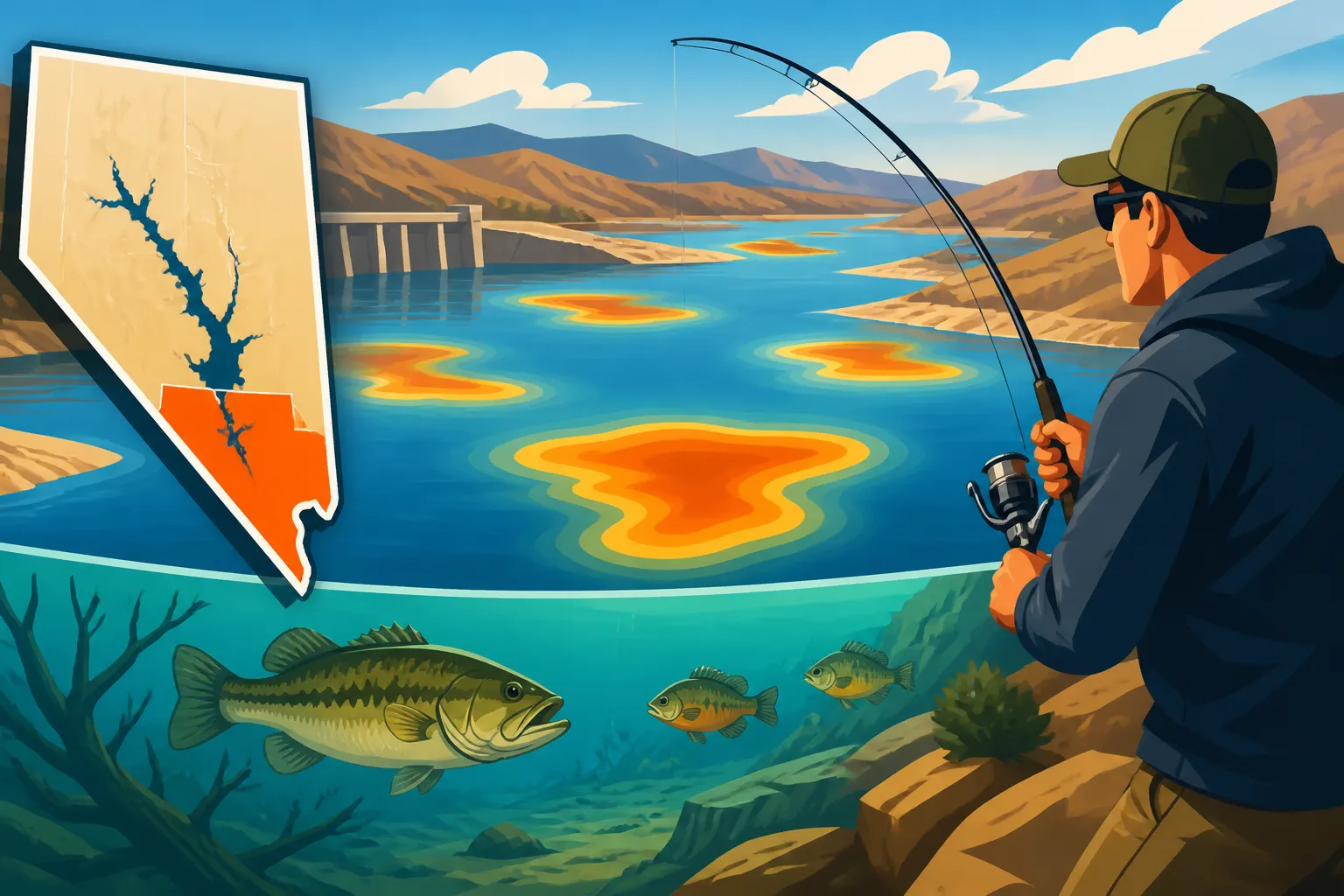
Wildhorse Reservoir, nestled in northeastern Nevada, is often celebrated for its fantastic trout fishing, especially for rainbow and brown trout, and even its unique tiger trout hybrids. But beneath the surface, when the Nevada sun truly begins to bake, certain areas of this beautiful reservoir transform into prime habitat for a whole different class of fish – those that prefer a bit more warmth in their fins. Understanding these zones is the first step to expanding your Wildhorse angling horizons beyond just trout.
The Nature of Warm Water Species at Wildhorse
When we talk about warm water species at Wildhorse, we're primarily looking at feisty fish like Smallmouth Bass, the ever-popular Channel Catfish, and sometimes impressive Yellow Perch. These species have adapted perfectly to the warmer, shallower sections of the reservoir, often congregating in areas where the sun's rays penetrate deepest or where nutrient-rich inflows create a comfortable environment. Unlike the trout that prefer cooler, oxygen-rich depths, these fish become more active as the water temperatures climb, offering a different kind of angling challenge and reward.
Smallmouth Bass, for instance, are ambush predators that love rocky structures and points where they can hide and dart out to strike unsuspecting prey. They’re known for their powerful fights and acrobatic leaps, making them a thrilling catch. Channel Catfish, on the other hand, are bottom dwellers, often found in deeper pools or along softer, muddier bottoms, and are famous for their strong pulls and excellent table fare. Yellow Perch, while often smaller, can be incredibly fun to catch in numbers, especially for families or beginners, and they too thrive in the slightly warmer, weedy areas, often schooling together. Knowing what you're targeting helps you narrow down where to cast and what baits to use, transforming a hit-or-miss day into a productive adventure. You might be surprised at the variety lurking just below the surface!
Seasonal Shifts and Water Temperature Dynamics
The key to unlocking Wildhorse's warm water potential truly lies in understanding the seasonal shifts and how they impact water temperatures. While trout fishing can be great year-round, the warm water bite kicks into high gear typically from late spring through early fall. As the ice recedes and spring rains melt the last of the snow, the reservoir's shallower coves and bays are the first to warm up. This triggers the feeding and spawning behaviors of species like smallmouth bass. By summer, the entire reservoir's surface warms significantly, pushing trout deeper, but making the shallower, sun-drenched areas perfect for bass, catfish, and perch.
Even within the warmer months, diurnal temperature swings play a role. Early mornings and late evenings during the summer often present the most comfortable fishing conditions for both anglers and fish, as the peak midday heat can make both a bit sluggish. However, overcast days or periods immediately following a warm rain can stir up activity. The inflow from the Owyhee River, which feeds Wildhorse, can also influence localized water temperatures and current, creating unique micro-habitats that attract warm water species. Keeping an eye on local weather forecasts and water temperature reports, if available, can give you a significant advantage, helping you pinpoint the exact times and places where the warm water action is at its best.
Prime Locations for Warm Water Angling
Finding the right spot is half the battle when it comes to fishing, and Wildhorse Reservoir is no exception. While the entire lake holds potential, certain areas consistently produce better results for warm water species due to their unique geological features, depth contours, and exposure to the sun. It's not just about throwing a line in; it's about understanding the underwater landscape.
Key Coves and Shallow Flats
The expansive shoreline of Wildhorse Reservoir is dotted with numerous coves and shallow flats that are absolute magnets for warm water fish. These areas often feature softer bottoms, some submerged vegetation, and are generally less exposed to the main body's deeper, cooler currents. Think of the large, shallow bay on the south end of the reservoir, or the protected coves along the eastern shore. These spots warm up quickly in the spring, making them prime locations for bass to move in for spawning and early season feeding. As summer progresses, they continue to offer ample forage and comfortable temperatures for various species.
When approaching these areas, look for visual cues like weed lines, standing timber that might have been submerged as water levels rose, or subtle changes in bottom composition that indicate a transition from soft mud to gravel. Casting parallel to shore in these coves can be incredibly effective, allowing you to cover various depths and structures where fish might be holding. For an idea of the terrain, you could even check out resources like FishingBooker to see if local guides highlight specific coves in their trip descriptions, giving you a hint on where to start exploring, especially if you're new to the reservoir. Remember, patience is key, and slowly working different presentations across these flats can often entice a bite when nothing else will.
Submerged Structures and Rocky Points
While shallow flats are great, don't overlook the power of submerged structures and rocky points. Smallmouth bass, in particular, are notorious for associating with these types of features. Wildhorse Reservoir, being a natural basin that was later dammed, has plenty of ancient creek beds, submerged foundations, and rock piles that offer perfect ambush points and cover for predators. Any point that extends out into deeper water, especially those with a rocky composition, will act like a highway for fish moving between shallow feeding grounds and deeper holding areas.
These submerged structures can be harder to locate without a good fish finder, but once you find them, they can be highly productive. Look for abrupt depth changes, underwater humps, or scattered boulders. Rocky points, on the other hand, are often visible from the surface and offer excellent shore fishing opportunities. Casting jigs, crankbaits, or soft plastics around these structures, allowing your lure to bump along the bottom, can often trigger aggressive strikes from territorial bass. Knowing the Wildhorse Reservoir Boat Ramp and Camping options will help you access some of these less-fished points if you have a boat. These areas are not just holding spots; they’re entire ecosystems teeming with baitfish and insects, providing a consistent food source for larger game fish.
Shoreline Access and Boat Launch Considerations
Wildhorse Reservoir offers decent shoreline access in many areas, particularly around the state park and campgrounds. For bank anglers, focusing on the accessible coves and points, especially those with some rocky features, can yield excellent results. The areas near the developed campgrounds often provide easy entry points to fishable sections. However, to truly explore the full potential of the warm water zones, a boat (or kayak) offers significant advantages.
The main boat ramp at Wildhorse State Recreation Area provides convenient access to the entire reservoir. From here, you can venture to the far reaches of the lake, targeting specific submerged structures or exploring less-pressured coves. Whether you're in a full-sized bass boat, a nimble jon boat, or a quiet kayak, having the mobility to move between different types of warm water habitat dramatically increases your chances of success. Just be mindful of wind conditions, as the open expanse of Wildhorse can get quite choppy. Always check for current conditions before heading out, especially if you're using smaller craft. Having the flexibility to cast to both the visible shoreline features and the hidden underwater topography is a game-changer for serious warm water anglers.
Essential Gear and Techniques for Success
Stepping up your warm water game at Wildhorse means having the right tools and knowing how to use them effectively. It’s a different ballgame than finesse trout fishing; these are often more aggressive, heavier-hitting species that require a slightly different approach. Don't worry, you don't need a whole new arsenal, just a few key adjustments to your setup and technique.
Rods, Reels, and Line for Warm Water Species
For smallmouth bass and channel catfish, you'll want a setup that offers a good balance of sensitivity and power. A medium to medium-heavy action spinning rod, around 6'6" to 7' in length, paired with a reliable 2500 or 3000 series spinning reel, is a fantastic all-around choice. This combo gives you enough backbone to fight a strong fish but still allows for accurate casting of various lures. For line, consider a 8-12 lb monofilament or fluorocarbon main line, or a 15-20 lb braided line with a fluorocarbon leader. Braided line offers incredible sensitivity and casting distance, which can be a huge advantage when fishing deeper structures or battling windy conditions.
When targeting yellow perch, a lighter setup can be more enjoyable. A light to medium-light action rod, perhaps 5'6" to 6' long, with a smaller 1000 or 2000 series reel, spooled with 4-6 lb monofilament or fluorocarbon, will provide the finesse needed to feel their lighter bites. The lighter gear also makes even a modest perch feel like a trophy. Remember, a good quality fishing rod and reel combo, like those found when researching Best Fishing Rods for Nevada Lakes, can make a significant difference in your enjoyment and success on the water.
Baits and Lures That Get Bites
Warm water species at Wildhorse Reservoir respond well to a variety of baits and lures. For smallmouth bass, artificials are often the most productive. Top choices include:
- Crankbaits: Medium-diving crankbaits in shad or crayfish patterns are excellent for covering water and bumping off rocky structures.
- Soft Plastics: Grubs, tubes, and Ned Rigs are deadly on smallmouth, especially when fished slowly around rocks and points. Colors like green pumpkin, watermelon, and brown are often effective.
- Spinnerbaits & Chatterbaits: These can be great for covering shallow flats or retrieving through sparse vegetation, especially on overcast days.
For channel catfish, nothing beats natural bait. Stink baits, cut bait (like pieces of shad or anchovy), chicken livers, and even nightcrawlers are highly effective. A simple bottom rig with an egg sinker above a swivel, leading to a 12-18 inch leader and a 2/0 to 4/0 circle hook, is a classic and proven setup.
Yellow perch often fall for small jigs tipped with a piece of worm, minnows, or tiny artificial grub lures. They are aggressive eaters and will often hit anything resembling a small insect or baitfish. Knowing what attracts each species will greatly improve your catch rate.
Best Fishing Methods for Different Conditions
The best methods for warm water fishing at Wildhorse will often depend on the specific conditions you encounter.
- Active Lure Presentation: For smallmouth bass, an active retrieve is often key. Whether you're cranking, jigging, or twitching a soft plastic, varying your retrieve speed and incorporating pauses can trigger strikes. Early mornings or late evenings in summer, when the bass are more aggressive, are ideal for this.
- Still Fishing/Bottom Fishing: When targeting channel catfish, a patient approach is usually best. Find a likely hole or a flat with a soft bottom, cast out your bait, and let it sit. Catfish rely heavily on scent, so giving your bait time to work its magic is crucial. This method also works well for perch if you're using bait.
- Drifting/Trolling: If you have a boat, slowly drifting or trolling certain lures (like crankbaits) along contours or over submerged structures can be an effective way to locate schools of active fish, especially for smallmouth bass or even the elusive Yellow Perch at Wildhorse Reservoir. On a calm day, a quiet electric trolling motor can allow you to cover significant warm water areas without spooking fish.
- Reading the Water: Pay attention to how the wind is blowing, where the sun is hitting the water, and any signs of baitfish activity. These subtle clues can tell you where the fish might be hiding. If you notice a particular area consistently holding fish, mark it on your GPS for future reference. For more general advice on fishing conditions, considering the Best Time of Year to Fish in Nevada can help align your expectations.
Navigating Regulations and Best Practices at Wildhorse
Fishing at Wildhorse Reservoir isn't just about catching fish; it's also about respecting the environment and adhering to the rules that keep this fishery healthy for everyone. Nevada has specific regulations in place to protect its aquatic resources, and Wildhorse is part of that system.
Understanding Wildhorse-Specific Rules and General Nevada Guidelines
Before you even wet a line, it's absolutely crucial to have a valid Nevada fishing license. You can find detailed information on how to obtain one in the Nevada Fishing License Guide. Beyond that, Wildhorse Reservoir falls under general Nevada fishing regulations, but it's always wise to check the current Nevada Department of Wildlife (NDOW) fishing proclamation, as specific rules can change annually or for certain bodies of water. For instance, while Wildhorse is known for its trout, it's important to differentiate between regulations for cold water species and the warm water species we're discussing.
Generally, you'll need to pay close attention to bag limits, possession limits, and any size restrictions for species like bass, catfish, and perch. While most warm water species at Wildhorse don't have the same strict slot limits as the Lahontan Cutthroat Trout found elsewhere, it’s always better to be informed. You can review the Nevada Statewide Bag Limits Explained for a comprehensive overview. There might also be rules about bait usage, especially concerning live bait, to prevent the introduction of invasive species. For example, some bodies of water restrict the use of live baitfish to prevent the spread of undesirable species. Always ensure you're using approved bait and understand the local rules.
Ethical Angling and Conservation Efforts
As responsible anglers, we all have a role to play in preserving the fantastic fishing opportunities at Wildhorse Reservoir. Practicing ethical angling means more than just following the law; it means making conscious choices to protect the resource.
- Catch and Release: While you can certainly keep a legal limit of warm water species for consumption, consider practicing catch and release, especially for larger bass. These larger fish are important breeders and contribute significantly to the health of the fishery. When releasing fish, handle them gently, minimize their time out of water, and use wet hands to protect their slime coat.
- Leave No Trace: Pack out everything you pack in. This includes fishing line, bait containers, food wrappers, and anything else you bring to the shore or on your boat. Wildhorse is a beautiful natural area, and it's up to us to keep it that way.
- Prevent Invasive Species: Be diligent about cleaning, draining, and drying your boat and gear after each outing. This "Clean, Drain, Dry" protocol is critical in preventing the spread of aquatic invasive species, which can devastate local ecosystems. Nevada takes this very seriously, and it's a simple step that has a massive positive impact.
By adhering to these best practices and being mindful of the regulations, we can ensure that Wildhorse Reservoir continues to offer incredible warm water fishing opportunities for generations to come.
Planning Your Wildhorse Warm Water Fishing Trip
Getting ready for your trip to Wildhorse Reservoir, especially when focusing on warm water species, involves a bit more than just grabbing your rod and heading out the door. A well-planned outing can make the difference between a frustrating day and a memorable catch. From deciding when to go to what to bring, every detail counts.
Optimal Times for Warm Water Action
As discussed earlier, the optimal time for targeting warm water species at Wildhorse Reservoir generally spans from late spring through early fall.
- Spring (April-May): This is a fantastic time, especially for smallmouth bass, as they move into shallower areas for spawning. The water is warming up, and fish are actively feeding after the colder winter months. This period can offer some of the most aggressive bites.
- Summer (June-August): While the midday sun can be intense, early mornings and late evenings often provide excellent fishing. Bass will retreat to deeper structures during the heat of the day but will venture into shallower feeding grounds when temperatures are more moderate. Catfish activity often peaks at night during the summer, making for unique angling opportunities. For advice on dealing with the heat, look into Summer Fishing Techniques for Hot Desert Lakes.
- Fall (September-October): As temperatures begin to drop, many warm water species enter a pre-winter feeding frenzy, bulking up for the lean months ahead. This can lead to another surge in activity, with fish aggressively chasing lures.
Considering factors like moon phase and local weather fronts can also subtly influence fish behavior. A steady period of warm, stable weather is often ideal, but don't discount fishing immediately after a warm rain, which can stir up nutrients and stimulate feeding.
Accommodations and Services Near Wildhorse Reservoir
Wildhorse State Recreation Area offers various amenities that make a fishing trip convenient and enjoyable. The park provides campsites suitable for tents and RVs, many with hookups and close proximity to the water. This allows you to stay right on site, maximizing your fishing time. There are also day-use areas, picnic spots, and restrooms.
For those preferring more creature comforts, the nearest town with additional services like motels, restaurants, and larger grocery stores is Mountain City, a short drive from the reservoir, or the larger community of Elko, which is about an hour's drive away. Elko offers a broader range of accommodations, tackle shops, and dining options. It's always a good idea to check availability and make reservations, especially during peak fishing seasons or holidays. If you're looking to enhance your trip, a quick search on platforms like FishingBooker can sometimes reveal local guides who specialize in warm water species at Wildhorse, offering expert knowledge and equipment for a seamless experience.
Packing Your Essential Warm Water Fishing Kit
Beyond your rods, reels, and bait, a successful warm water fishing trip to Wildhorse requires a few other essentials:
- Sun Protection: The Nevada sun is no joke. Wide-brimmed hats, polarized sunglasses, long-sleeved UPF clothing, and plenty of high SPF sunscreen are absolute must-haves. You'll thank yourself later.
- Water and Snacks: Staying hydrated is critical, especially during warmer months. Pack more water than you think you'll need.
- First-Aid Kit: Minor cuts, scrapes, or hook mishaps can happen. A basic first-aid kit is always a good idea.
- Pliers and Net: Pliers are invaluable for safely removing hooks, especially from toothy catfish. A landing net can help secure your catch, particularly for larger bass, reducing stress on the fish.
- Cooler and Ice: If you plan on keeping fish, a cooler with plenty of ice is essential to keep your catch fresh, especially in the desert heat.
- Navigation: A map of the reservoir, a GPS device, or a reliable fishing app on your phone can help you navigate to promising spots and stay oriented on the water.
- Chair for Bank Fishing: If you're bank fishing, a comfortable folding chair can make those patient waits for a catfish bite much more enjoyable.
Remember, preparation is key. Having the right gear, knowing the best spots, and understanding the regulations will set you up for a fantastic warm water fishing experience at Wildhorse Reservoir.
Disclaimer
Please be aware that fishing regulations, conditions, and availability of services can change. Always check the latest Nevada Department of Wildlife (NDOW) regulations and local advisories before planning your trip. The information provided here is for general guidance and informational purposes only.