Yellow Perch at Wildhorse Reservoir
If you've ever felt that itch to explore beyond the usual trout and bass havens in Nevada, you're not alone. Many anglers are starting to discover the unique charm and fantastic fishing opportunities for panfish, especially the feisty yellow perch. While they might not get the same glamour as a trophy cutthroat or a monster striper, yellow perch offer consistent action, make for delicious table fare, and provide a different kind of angling challenge. This guide is all about helping you unlock the secrets to finding and catching these often-overlooked gems, with a special focus on the prime location: Wildhorse Reservoir.
The Allure of Yellow Perch in Nevada's Waters
Yellow perch might not be the first fish that comes to mind when you think of Nevada fishing, but for those in the know, they represent a fantastic opportunity for consistent action and some truly tasty fillets. They're a schooling fish, which means if you find one, you're likely to find many, making for an exciting day on the water.
The Appeal of Yellow Perch for Anglers
What's so great about yellow perch? Well, for starters, they're incredibly cooperative. Unlike some of the more finicky game fish, perch are generally willing to bite, making them a superb target for anglers of all skill levels, from seasoned veterans to families with kids just starting out. They don't typically grow to massive sizes, but what they lack in individual heft, they make up for in sheer numbers. Landing a dozen or more perch in an hour isn't uncommon when you're on a good school, and that kind of steady action keeps everyone engaged and excited.
Beyond the thrill of the bite, yellow perch are renowned for their culinary quality. Their white, flaky meat is mild and delicious, often considered superior to many other freshwater species. Frying them up fresh from the lake is a time-honored tradition for many anglers, making them a rewarding catch in more ways than one. Plus, their schooling behavior means that harvesting a few for dinner doesn't usually impact the overall population significantly, as long as you adhere to bag limits.
Where Yellow Perch Thrive in Nevada
While yellow perch can be found in a few scattered locations across Nevada, they truly thrive in specific environments that offer a good balance of cool water, ample forage, and suitable habitat. These fish prefer clear to moderately clear waters, often associating with submerged vegetation, woody debris, or rocky structures where they can ambush smaller prey and hide from predators. Lakes and larger reservoirs that have a healthy insect population, along with smaller baitfish, are ideal.
In Nevada, one body of water stands out above the rest for its exceptional yellow perch fishery: Wildhorse Reservoir. This reservoir provides the perfect conditions for perch to flourish, and its remote, high-desert location only adds to its mystique and appeal for those looking for a unique fishing adventure. While other species exist in Nevada, the yellow perch in Wildhorse offer a special experience, far different from targeting Nevada Bass Daily Limit and Size Rules in warmer southern waters, or trying to understand Nevada Trout Stocking Schedule for rainbow trout.
Wildhorse Reservoir: A Yellow Perch Haven
Nestled in the high desert of northeastern Nevada, Wildhorse Reservoir is a true gem, especially for those seeking yellow perch. It's a place where the landscape is as captivating as the fishing, offering a serene escape for anglers willing to make the journey.
Location and Accessibility
Wildhorse Reservoir is situated in Elko County, about 65 miles north of the city of Elko. Getting there typically involves a drive through scenic, open country, often on well-maintained but sometimes remote roads. The journey itself is part of the adventure, offering glimpses of Nevada's stunning natural beauty. Once you arrive, you'll find a state recreation area that provides various amenities for visitors, including camping, boat ramps, and day-use areas. It’s a popular destination, but its size usually allows for plenty of space for everyone, even during peak seasons.
The reservoir is accessible year-round, though access can be challenging during heavy winter snows, especially for those without four-wheel drive. Most anglers visit during the spring, summer, and fall, when the weather is more forgiving and the roads are clear. For detailed information on reaching this incredible spot, our Wildhorse Reservoir Nevada Fishing Guide offers even more specifics. Make sure your vehicle is prepared for the drive, and always check weather and road conditions before heading out, especially if you plan to visit in the colder months.
Habitat and Water Conditions
Wildhorse Reservoir is a relatively large body of water, formed by the damming of the Owyhee River. Its character is defined by its high-desert environment, with fluctuating water levels being a common feature, much like many western reservoirs. The water itself is generally clear, though it can take on a slight tint depending on runoff and seasonal conditions. The reservoir features a mix of rocky shorelines, gradual sloping banks, and areas with submerged timber and remnants of old river channels, all of which provide excellent habitat for yellow perch.
The health of the fishery is directly tied to these conditions. Perch rely on these underwater structures for cover, foraging, and spawning. During warmer months, they might be found deeper, seeking cooler temperatures, while in spring and fall, they'll often move into shallower areas to feed. Understanding these movements in relation to the reservoir's varied depths and structures is key to consistent success. The nutrient-rich waters support a strong forage base of invertebrates and smaller baitfish, providing the abundant food source that allows the yellow perch population to thrive and grow to impressive sizes for the species.
Other Species in Wildhorse Reservoir
While yellow perch are undeniably a star attraction at Wildhorse, they're not the only fish swimming in these waters. The reservoir is a diverse fishery, offering opportunities to catch several other popular species. Rainbow trout are regularly stocked and provide excellent fishing, especially during the cooler months. You might also encounter brown trout, which are known for their elusive nature and formidable fighting spirit, offering a challenge to experienced anglers.
Another interesting resident is the tiger trout, a sterile hybrid of brown and brook trout, which are also stocked and offer a unique catch. These distinctively patterned fish are highly prized for their beauty and aggressive strikes. While you're targeting perch, don't be surprised if one of these other species decides to take your bait. This adds an exciting element of surprise to every fishing trip, making Wildhorse a multifaceted destination for anglers who appreciate variety. For information on specific regulations concerning these other species, always consult the current Nevada Fishing Regulations Explained.
Targeting Yellow Perch: Techniques and Tackle
Catching yellow perch at Wildhorse Reservoir is a rewarding experience, and with the right approach, you can have a banner day. They're not overly complicated to catch, but a few specific techniques and the right tackle can make all the difference.
Best Baits and Lures
Yellow perch are opportunistic feeders, meaning they'll readily strike a variety of baits and lures. Live bait is often a surefire bet. Small minnows, especially fatheads or shiners, are incredibly effective when fished under a bobber or on a light bottom rig. Worms, particularly pieces of nightcrawlers or red wigglers, are also excellent choices, especially for smaller perch. Even small pieces of cut bait can entice a bite.
When it comes to artificial lures, small jigs are king. Think tiny grub jigs, tube jigs, or marabou jigs in colors like chartreuse, white, pink, or even natural browns and greens. Tipping these jigs with a small piece of worm or a Berkley Gulp! Alive minnow imitation can significantly increase your success. Small spoons, like Kastmasters or Swedish Pimples, especially when jigged vertically, can also be deadly, particularly through the ice or in deeper water. Many anglers find a good selection of these small lures and soft plastics on Amazon, making it easy to stock up before a trip.
Effective Fishing Techniques
The technique you employ will often depend on the season and whether you're fishing from shore, a boat, or through the ice.
- Shore Fishing: For bank anglers, a simple slip bobber rig is incredibly effective. This allows you to set your bait at a precise depth, suspending it just off the bottom or above submerged vegetation. Casting small jigs or even small inline spinners and retrieving them slowly can also work wonders. Focus on areas with structure like rocks, downed trees, or weed lines.
- Boat Fishing: From a boat, you have more flexibility. Vertical jigging is a prime method. Use your fish finder to locate schools of perch, then drop a small jig or spoon directly onto them. Drift fishing with live bait on a bottom rig or a weighted jig can also cover a lot of water and help you find concentrations of fish. Trolling with very small crankbaits or spinners can also be productive, though often less precise than jigging directly over schools.
- Ice Fishing: Wildhorse Reservoir is renowned for its ice fishing, and yellow perch are a major draw. Small jigs tipped with mealworms, wax worms, or even a small piece of perch eye (if legal) are deadly. Use a flasher or fish finder to see the fish and your lure, adjusting your depth and jigging cadence until you find what they like. Setting up a few tip-ups with small minnows can also increase your chances of a catch while you actively jig. Our Ice Fishing in Nevada guide can provide even more detail on this exciting winter pursuit.
Essential Gear for Perch Angling
You don't need heavy-duty gear to catch yellow perch; in fact, lighter tackle often makes the experience more enjoyable and allows for better bait presentation.
- Rods and Reels: A light to ultralight spinning rod, typically 5 to 6.5 feet in length, paired with a small spinning reel (size 1000 or 2000) spooled with 4 to 6-pound test monofilament or fluorocarbon line is ideal. This setup provides the sensitivity to detect subtle bites and makes even modest perch feel like a trophy. For ice fishing, specialized ultralight ice rods, often shorter, are perfect for working small jigs in tight spaces. You can find many great options for Best Spinning Reels for Trout Fishing on Amazon, which will work perfectly for perch as well.
- Terminal Tackle: A selection of small jigs (1/32 to 1/8 ounce), small spoons, hooks (size 8 to 12 for live bait), split shots, and bobbers (slip bobbers are versatile) should cover most situations. Don't forget a small pair of pliers for hook removal and a stringer or cooler to keep your catch fresh.
- Other Essentials: A small tackle box to keep your gear organized, a comfortable chair for bank fishing, and appropriate clothing for the weather are also important. If you're on a boat, ensure you have all required safety gear, including life jackets for everyone on board. Exploring Nevada Fishing Gear Essentials will give you a broader checklist for your trips.
Seasonal Strategies for Perch Fishing
Yellow perch behavior, and thus the best way to catch them, changes significantly with the seasons. Adapting your strategy to the time of year is crucial for consistent success at Wildhorse Reservoir.
Spring Perch Action
Spring is a fantastic time for yellow perch fishing, particularly during the pre-spawn and spawning periods. As the ice melts (if applicable) and water temperatures begin to rise, perch become very active, feeding heavily to prepare for spawning. They will often congregate in shallower bays, coves, and areas with submerged vegetation or woody debris, seeking warmer water and suitable spawning grounds.
During this time, you'll often find them in depths of 5 to 15 feet. Small jigs tipped with minnows or worms are incredibly effective. A slow retrieve or a subtle jigging motion can entice a strike. Shore anglers can have great success from easily accessible points. This period offers some of the most concentrated perch fishing, as the fish are grouped up and actively feeding. Don't overlook the margins of any lingering ice patches if you're fishing early in the season, as these can be warmer zones where fish gather.
Summer Perch Tactics
As the Nevada summer heat sets in and water temperatures climb, yellow perch tend to move to deeper, cooler waters. They'll often school up around main lake points, submerged humps, drop-offs, and along the old river channel within Wildhorse. Look for them in depths ranging from 15 to 30 feet, or even deeper during the hottest parts of the day.
Boat anglers will have an advantage during the summer, as they can use electronics to locate these deeper schools. Vertical jigging with small spoons or blade baits, often tipped with a piece of worm, becomes a highly productive technique. If fishing from shore, target deeper sections near accessible points, or consider using longer casts to reach deeper water. Early morning and late evening can bring perch into slightly shallower water to feed before retreating to the cooler depths during midday. Remember your sun protection; the Nevada sun is no joke, so hats, sunscreen, and polarized sunglasses, easily found on Amazon, are a must.
Fall and Winter Perch Opportunities
Fall is another prime season for yellow perch, often rivaling spring in terms of action. As water temperatures cool down, perch become incredibly active again, feeding aggressively to build up fat reserves for the coming winter. They often move back into shallower to mid-depth areas (10-25 feet) and can be found around similar structures as in spring and early summer. Large schools roam, making them susceptible to both vertical jigging and casting techniques. This is a great time for consistent limits of quality fish.
Winter, particularly when Wildhorse Reservoir freezes over, opens up the world of ice fishing. How to Ice Fish on a Nevada Reservoir at Wildhorse can be exceptional for yellow perch. The fish often concentrate in predictable areas, such as points, humps, and the edges of weed beds, at depths ranging from 10 to 40 feet. Small jigs and spoons, tipped with mealworms, wax worms, or PowerBait, are incredibly effective. Ice fishing for perch is an experience unto itself, requiring different gear and techniques, but offering steady action and the chance to fill a cooler with delicious fillets. Check out our guide on Ice Fishing Gear for Nevada Lakes for a comprehensive list of what you'll need.
Yellow Perch Biology and Behavior at Wildhorse
Understanding the biology and behavior of yellow perch can give you a significant edge, helping you predict where they'll be and what they'll be interested in eating. These fish, while common, have fascinating habits.
Diet and Foraging Habits
Yellow perch are true omnivores, with a diet that shifts as they grow. Younger perch primarily feed on zooplankton and aquatic insects. As they mature, their diet expands significantly to include a wide array of benthic invertebrates like insect larvae, crayfish, and snails. Crucially for anglers, larger perch also become highly piscivorous, meaning they eat smaller fish, including minnows, small sunfish, and even juvenile perch. This is why small minnows are such an effective bait for them.
Their foraging habits are heavily influenced by light conditions and water temperature. They often feed most actively during dawn and dusk, or on overcast days, when light penetration is reduced. In deeper waters, they might feed throughout the day. They are primarily sight feeders, which is why lure color and presentation can be important, especially in clearer waters like Wildhorse. They use their keen eyesight to spot prey and their schooling behavior helps them to corral and overwhelm baitfish, creating frenzies that can be a blast to fish into.
Spawning Behavior and Growth
Yellow perch typically spawn in the spring, shortly after ice-out when water temperatures range between 45 and 55 degrees Fahrenheit. They prefer shallow, vegetated areas, or rocky bottoms, where females lay long, ribbon-like strands of eggs that adhere to submerged branches, weeds, or rocks. This communal spawning makes them particularly vulnerable and easy to target during the spring, as they congregate in these shallow areas.
Growth rates for yellow perch can vary significantly depending on factors like water temperature, food availability, and population density. At Wildhorse Reservoir, with its rich food sources, perch can reach respectable sizes, often averaging 8 to 12 inches, with some individuals growing even larger. While not huge compared to a Lahontan cutthroat, a dozen 10-inch perch provide a hearty meal and a satisfying fight on light tackle. Their lifespan is typically 5 to 7 years, though some can live longer.
Identifying Wildhorse Perch
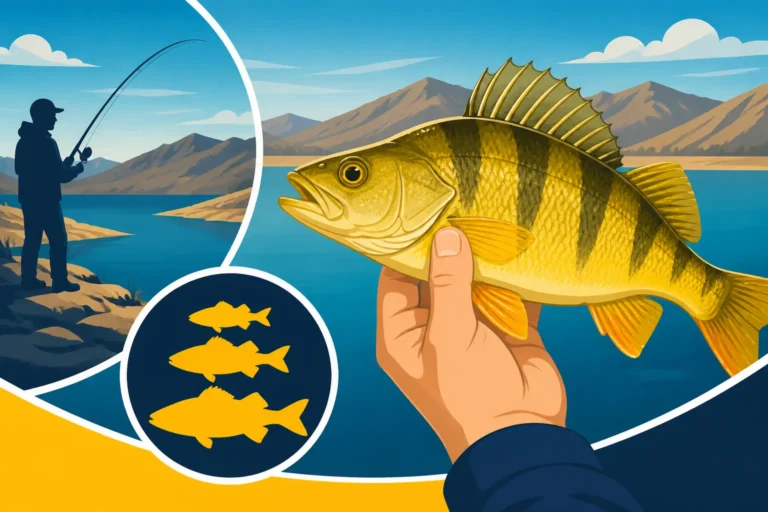
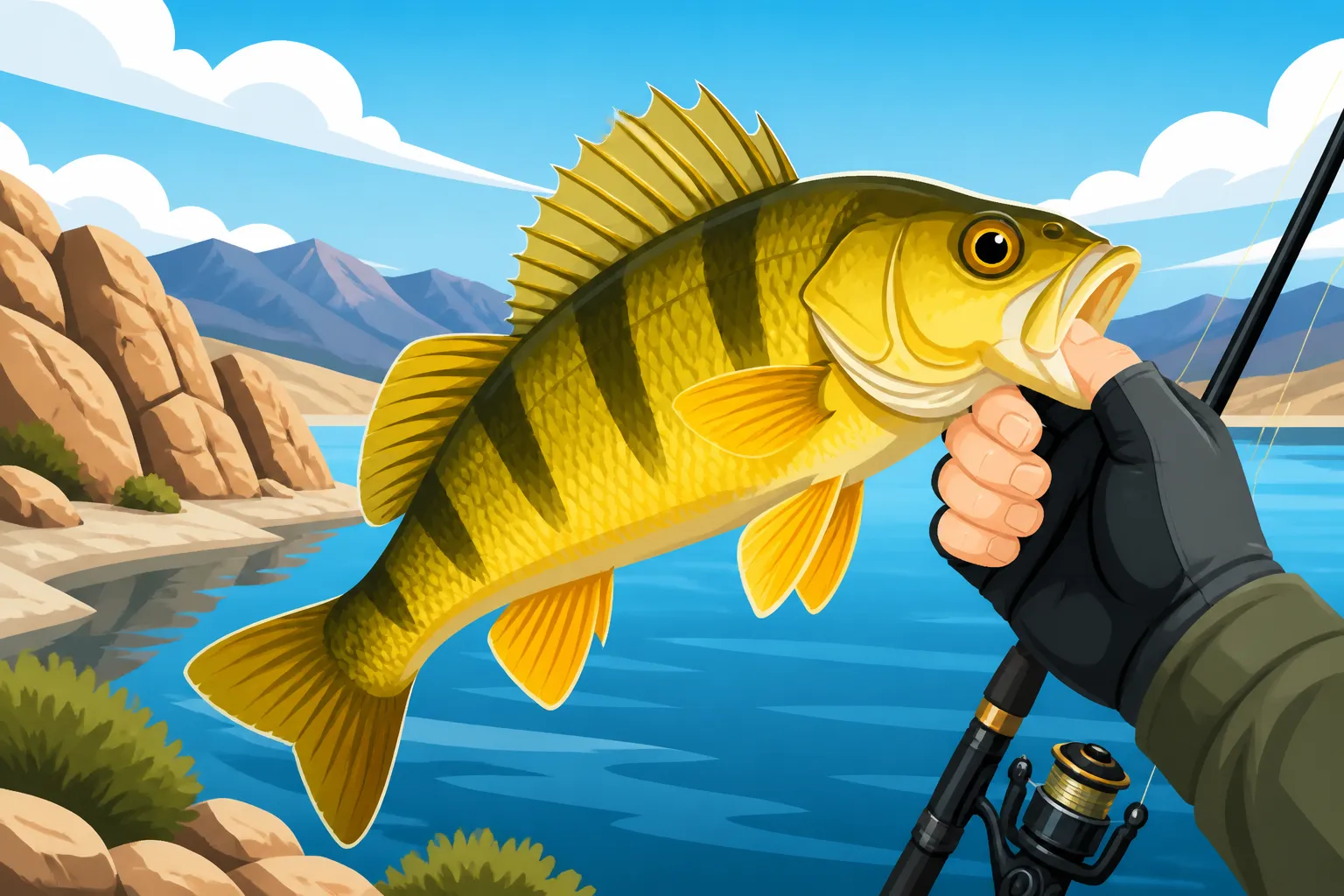
Identifying a yellow perch is usually straightforward. They have a distinctive appearance that sets them apart from other species. Their bodies are typically yellowish to golden-brown, with 6 to 8 prominent dark vertical bars or stripes running down their sides. Their fins often have a reddish or orange tint, especially the lower fins. They have two dorsal fins, the first being spiny and the second soft-rayed.
At Wildhorse, these characteristics hold true. Anglers will notice the vibrant colors, particularly the yellow hue, which stands out against the clear waters. The average size for perch at Wildhorse is quite good, often producing fish in the 9 to 12-inch range, with some reaching up to 14 inches or more, making for excellent eating fish. They're a healthy, robust population at Wildhorse, a testament to the reservoir's excellent conditions.
Conservation and Responsible Angling
While yellow perch are abundant at Wildhorse Reservoir, practicing responsible angling is crucial to ensure this fantastic fishery remains healthy for future generations. It’s about more than just catching fish; it’s about preserving the experience.
Regulations and Limits
Just like with any other fishery in Nevada, there are specific regulations governing yellow perch at Wildhorse Reservoir. These regulations are put in place to manage fish populations and ensure sustainability. While specific numbers can change, typically there are daily bag limits and possession limits for yellow perch. It's imperative that you check the most current Nevada Statewide Bag Limits Explained before you head out. You can usually find this information on the Nevada Department of Wildlife (NDOW) website or in their annual fishing regulations booklet.
These limits are not arbitrary; they are determined by fisheries biologists who study the population dynamics of the perch in Wildhorse. Adhering to them helps prevent overfishing and maintains a balanced ecosystem. It's also important to be aware of any special regulations specific to Wildhorse, such as tackle restrictions or seasonal closures, although these are less common for panfish like perch. Always carry your valid Nevada Fishing License Guide and be prepared to show it if requested by a game warden.
Practicing Catch and Release
Even when targeting a species like yellow perch, which is often harvested for food, practicing selective catch and release is a thoughtful approach. If you've caught enough for a meal, consider releasing the rest. Properly handling fish you intend to release minimizes stress and injury, giving them the best chance of survival.
Here are a few tips for responsible catch and release:
- Handle Fish Gently: Avoid squeezing fish, especially around their internal organs. If possible, keep them in the water while unhooking.
- Use Barbless Hooks: Barbless hooks (or hooks with crushed barbs) make it much easier to remove the hook quickly, reducing harm to the fish. Many anglers opt for these, and they're available at most sporting goods stores or through Amazon.
- Minimize Air Exposure: Fish need water to breathe. Keep their time out of the water to an absolute minimum, ideally just enough for a quick photo.
- Wet Your Hands: Always wet your hands before touching a fish to avoid removing their protective slime coat, which is vital for preventing disease.
By adopting these practices, we all contribute to the long-term health and vitality of the yellow perch fishery at Wildhorse Reservoir. It’s a simple way to give back to the waters that provide us with so much enjoyment.
Table: Seasonal Perch Fishing Overview at Wildhorse Reservoir
| Season | Primary Locations | Typical Depths (feet) | Recommended Baits/Lures | Key Techniques | Notes |
|---|---|---|---|---|---|
| Spring | Shallow bays, coves, vegetated areas, rocky banks | 5-15 | Minnows, worms, small jigs (tipped) | Slip bobber, slow retrieve | Pre-spawn/spawn, high activity, shore accessible. |
| Summer | Deep main lake points, humps, drop-offs, old river channel | 15-30+ | Small spoons, blade baits, jigs (tipped) | Vertical jigging, drift fishing | Deeper water, early/late bites, boat often preferred. |
| Fall | Mid-depth areas, points, weed lines | 10-25 | Minnows, worms, jigs, small crankbaits | Casting, vertical jigging, trolling | Aggressive feeding, excellent action, boat or shore. |
| Winter | Humps, points, weed edges, channel breaks | 10-40+ | Small jigs (tipped), ice spoons, minnows | Ice jigging, tip-ups | Prime ice fishing, concentrated schools, patience rewarded. |
Disclaimer
This article is for general informational purposes only and does not constitute professional advice. Laws, prices and regulations vary by location and change over time. Consult a qualified professional for guidance on your specific situation.