Nevada Bass Daily Limit and Size Rules
One of the trickiest parts of fishing in Nevada, especially when you're targeting popular species like bass, is keeping up with all the specific rules and regulations. It's easy to get confused about how many fish you can keep or what size they need to be, and nobody wants to accidentally break the law. This guide will clarify the daily limits and size restrictions for both largemouth and smallmouth bass across Nevada, helping you fish confidently and responsibly.
Understanding Nevada's Bass Management
Before we dive into the nitty-gritty of specific numbers, it’s really helpful to understand why these rules are even in place. It's not just to make things complicated for us anglers; there's a much bigger picture at play here, all focused on making sure Nevada's fantastic bass fishing stays that way for generations to come.
Why Regulations Exist for Bass
Think about it this way: bass are incredibly popular game fish. They're fun to catch, put up a great fight, and let's be honest, they're delicious! But with so many anglers out there, if everyone kept every bass they caught, our lakes and reservoirs would quickly be depleted. That's where the Nevada Department of Wildlife (NDOW) steps in. Their job is to manage these fisheries, and setting limits is a crucial tool in their toolkit. These rules help prevent overfishing, protect vulnerable populations (especially during spawning seasons), and maintain a healthy balance in the ecosystem. Without them, we'd see a significant decline in bass numbers and quality, which would be a huge loss for everyone who loves to hit the water. It’s all about sustainable fishing, ensuring there are plenty of fish for future trips.
Key Terms: Daily Limit vs. Possession Limit
This is where some of the confusion often starts, but it’s actually quite simple once you understand the difference. The daily limit refers to the maximum number of fish of a particular species you can catch and keep in a single calendar day. So, if the daily limit for bass is five, you can only keep five bass from midnight to midnight. The possession limit is the maximum number of fish you can have in your possession at any given time, whether that's in your livewell, cooler, or back at your campsite. For most bass species in Nevada, the daily limit and the possession limit are the same, meaning you can't accumulate more fish than the daily limit over multiple days. However, always double-check the specific regulations for the body of water you're fishing, as there can be exceptions. Knowing the difference is key to staying compliant with the Nevada Fishing Regulations Explained.
General Statewide Bass Rules
Nevada's diverse waters, from the vast reservoirs like Lake Mead to smaller urban ponds, mean that while there are general guidelines, specific bodies of water often have their own nuances. Generally, for bass species across most of the state's public waters, NDOW aims to strike a balance between providing angling opportunities and protecting the fishery. These general rules are the foundation, but they're always subject to specific lake or river regulations that might be more restrictive. It’s imperative to consult the most current NDOW Fishing Seasons by Month handbook before heading out, as regulations can and do change. This booklet is your best friend when it comes to understanding all the rules.
Largemouth Bass: Rules and Regulations
Ah, the largemouth bass – a true icon of Nevada fishing! These hard-fighting fish are a favorite among many anglers, especially in the warmer waters of southern Nevada. But with their popularity comes the need for clear rules to keep their populations thriving.
Statewide Largemouth Bass Daily Limit
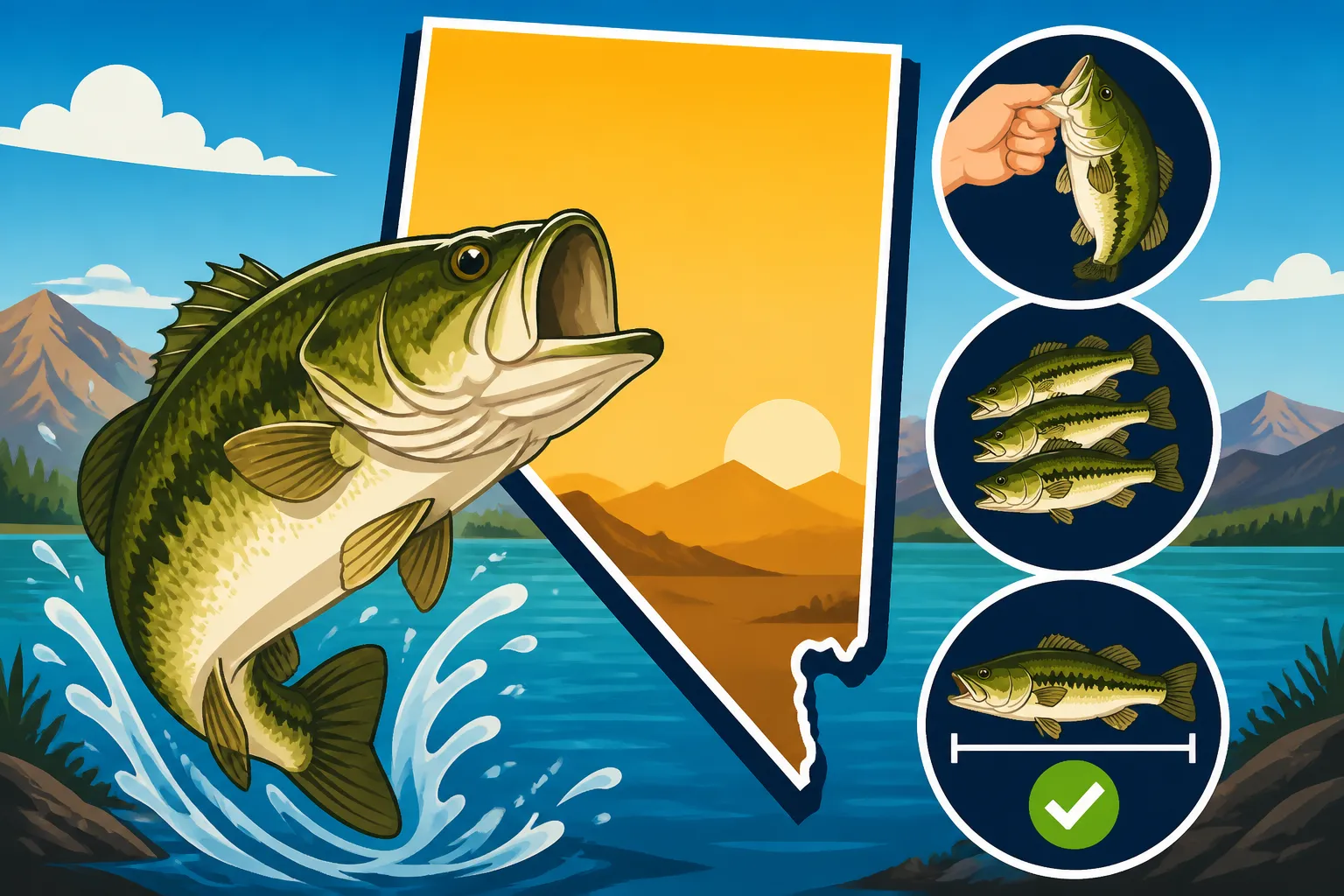
For the majority of Nevada's waters, the statewide daily limit for largemouth bass is five fish. This means that within a 24-hour period, you can only legally keep five largemouth bass. This limit is designed to allow anglers to enjoy a productive day on the water while still protecting the overall population from excessive harvesting. It encourages responsible angling and ensures that there are enough breeding fish left in the system to replenish stocks year after year. Remember, this includes any fish you might have released and then decided to keep later – once you hit five, your keeping for the day is done.
Minimum Size Requirements for Largemouth
Beyond just the number of fish, NDOW also sets minimum size limits for largemouth bass. For most waters, any largemouth bass you keep must be at least 13 inches in total length. This 13-inch minimum size is a critical conservation measure. It ensures that most bass have at least one opportunity to spawn before they are harvested. Larger, mature bass are vital for successful reproduction and contribute significantly to the health and vitality of the fishery. Catching a smaller bass is a blast, but you've got to carefully release them back into the water to grow larger and contribute to the next generation. Always carry a reliable measuring device – a simple bump board or a soft tape measure can be found on Amazon or at any local tackle shop – to accurately check your catch.
Specific Lake Mead Largemouth Bass Rules
Lake Mead is a behemoth, and its immense size and unique ecosystem mean it often has its own set of rules that might differ slightly from statewide regulations. For largemouth bass specifically, while the general 5-fish daily limit often applies, it's critical to know that there are occasionally variations or special slot limits implemented to address specific conservation goals. For example, some years might see a protective slot limit where fish between certain sizes must be released to protect a particular age class. This flexibility allows NDOW to fine-tune management based on population trends observed in this vast reservoir. Before you head out for some serious Largemouth Bass Fishing in Nevada on Lake Mead, always verify the latest regulations directly from the current NDOW fishing guide for the Colorado River system, which covers Lake Mead Nevada Fishing Guide. These specific rules are crucial for maintaining the quality of fishing in such a vital body of water.
Smallmouth Bass: Rules and Regulations
Smallmouth bass are another highly prized game fish in Nevada, especially in certain clear-water reservoirs and rivers where they thrive. Known for their acrobatic jumps and hard fights, smallmouth offer a different, but equally thrilling, challenge compared to their largemouth cousins. Just like with largemouth, understanding their specific regulations is paramount.
Statewide Smallmouth Bass Daily Limit
Similar to largemouth bass, the statewide daily limit for smallmouth bass is generally five fish in most of Nevada’s waters. This consistent limit helps simplify things for anglers who might be targeting both species in the same outing or across different parts of the state. The five-fish limit serves the same conservation purpose as with largemouth, ensuring that these vigorous fighters remain a sustainable resource for all. Whether you're catching them in the cooler, clear waters of Lake Tahoe or in the vast expanse of Lake Mohave, that five-fish daily maximum is the golden rule you need to remember.
Minimum Size Requirements for Smallmouth
When it comes to size, smallmouth bass often share the same minimum length requirement as largemouth: 13 inches in total length for most Nevada waters. This ensures that the majority of smallmouth also have the opportunity to spawn at least once, contributing to the recruitment of new fish into the population. Smallmouth bass, like all game fish, go through various life stages, and allowing them to mature and reproduce is essential for a healthy fishery. Releasing those feisty "footballs" that are just shy of the limit is an investment in future fishing adventures. It’s also worth noting that smallmouth often grow a bit slower than largemouth in some environments, making this size limit particularly important for their long-term health. Keep that measuring tape handy!
Lake Mohave Smallmouth Bass Rules
Lake Mohave, another significant body of water in the Colorado River system, is renowned for its excellent smallmouth bass fishing. Because of its unique characteristics and the health of its smallmouth population, the regulations here can sometimes have specific nuances. While the 5-fish daily limit and 13-inch minimum size are generally consistent, NDOW might introduce special rules if population dynamics require it. For instance, specific protective slot limits or different total possession limits could be implemented to enhance trophy potential or recover from environmental impacts. Anglers fishing Lake Mohave Nevada Fishing Guide for smallmouth should always consult the latest NDOW regulations specific to this body of water to ensure compliance. Being informed about these localized rules helps protect the excellent Smallmouth Bass Fishing in Nevada that Lake Mohave offers.
The Importance of Size and Daily Limits
You might occasionally grumble about having to measure every fish or stop keeping them when you’ve hit your limit, but these rules are far from arbitrary. They are carefully crafted by fisheries biologists and management experts to ensure that our cherished bass fisheries remain healthy and productive. Understanding the "why" behind the rules can help us all become better, more conservation-minded anglers.
Protecting Spawning Bass and Future Generations
One of the most critical reasons for size and daily limits is to protect bass during their spawning cycles. Bass typically spawn in the spring when water temperatures rise. During this time, they are often more concentrated and aggressive, making them easier to catch. If there were no limits, anglers could potentially decimate the spawning population, severely impacting the number of young bass that hatch and survive. The size limits, in particular, ensure that fish have reached sexual maturity and have had at least one chance to reproduce before they are harvested. This focus on protecting breeding fish is fundamental to guaranteeing future generations of bass and sustainable angling opportunities. It's a long-term investment that every angler benefits from.
Ensuring Sustainable Fisheries
Beyond just spawning, daily and size limits are foundational to the broader goal of sustainable fisheries management. Without these controls, it's a simple economic principle: demand would outstrip supply. Constant harvesting of all sizes of bass would quickly lead to a "boom and bust" cycle where fishing is great one year and terrible the next. By regulating the number and size of fish removed, NDOW helps maintain a stable population structure, ensuring there are enough fish of various age classes to keep the ecosystem healthy. This means consistent, quality fishing experiences for everyone, year after year. It's a balance of ecological health and recreational opportunity, and these limits are a key part of that delicate balance. This also aligns with the broader goals outlined in the Nevada Statewide Bag Limits Explained.
Avoiding Penalties and Violations
Let's be realistic: breaking fishing regulations, even unintentionally, can lead to some serious consequences. Nevada game wardens are out on the water to protect our natural resources, and they take violations seriously. If you're caught exceeding the daily limit or keeping undersized fish, you could face hefty fines, confiscation of your catch, loss of your fishing license, or even more severe penalties depending on the severity and frequency of the offense. These aren't just minor inconveniences; they can put a real damper on your fishing season and wallet. Understanding and adhering to the rules is not only good for the fish but also good for your peace of mind and your legal standing. Don't let a moment of confusion or carelessness lead to a costly mistake; always double-check the rules, especially the Nevada Fishing Violation Penalties.
Regional Variations and Special Considerations
While statewide rules provide a good starting point, Nevada is a vast and varied state, and its fisheries reflect that diversity. What applies to a small mountain reservoir might not apply to a massive desert lake. Being aware of these regional differences and special situations is crucial for any responsible angler.
Colorado River System Bass Rules
The Colorado River system, encompassing Lake Mead, Lake Mohave, and sections of the river itself, is a unique fishery with its own distinct dynamics. Due to the sheer size of these waters and their connection to a larger river system, NDOW often implements specific regulations tailored to these environments. For instance, while the general bass limits often hold, these waters are also home to striped bass, which have completely different limits and rules. Additionally, environmental factors like drought or water levels can sometimes lead to temporary emergency regulations in these areas. It’s always best to consult the specific Colorado River regulations booklet published by NDOW before fishing any part of this system, as it might contain details that supersede general statewide rules for species like largemouth and smallmouth bass. This vigilance helps protect the diverse aquatic life, including other species like those mentioned in the Nevada Fish Species Guide.
Exceptions for Urban Ponds and Other Waters
Not all fishing happens on vast lakes. Nevada also boasts a network of urban ponds, particularly around areas like Las Vegas, which are heavily stocked with trout and sometimes bass, especially for youth and community fishing events. These urban fisheries often have their own unique, and sometimes more relaxed, rules to encourage participation and provide easy access to fishing. For example, some ponds might have a "no size limit" rule for bass or a different daily limit, especially if the goal is to manage the population through harvest rather than long-term growth. Similarly, smaller, more remote reservoirs or high-mountain lakes might have specific rules based on their limited carrying capacity or unique ecological factors. Always check the specific regulations for any smaller or urban body of water you plan to fish, as the general statewide rules might not apply directly. This is especially true for waters like those detailed in the Las Vegas Nevada Urban Pond Fishing Guide.
Catch and Release Practices
While regulations dictate what you can keep, many anglers choose to practice catch and release, either exclusively or for certain sizes of fish. This practice is a cornerstone of modern conservation and can significantly enhance a fishery, particularly for trophy potential. When you release a bass, especially a healthy, larger one, you're allowing it to continue growing and to spawn again, contributing to the health of the population. If you choose to practice catch and release, it's vital to do so responsibly. Handle the fish minimally, use appropriate tools like needle-nose pliers for hook removal, and get them back in the water quickly. Knowing how to properly release a fish, minimizing stress and injury, is just as important as knowing the legal limits. For valuable resources on this, consider checking out Best Lures for Nevada Bass and Catch and Release Techniques for Trout for general fish handling practices.
Practical Tips for Adhering to Bass Regulations
Knowing the rules is one thing, but actually implementing them correctly on the water can sometimes feel like another challenge entirely. From accurately measuring your catch to keeping track of how many fish you've already kept, a few practical tips can make a world of difference and help you stay on the right side of the law and conservation.
Measuring Your Catch Accurately
One of the most common mistakes anglers make is misjudging a fish's length. What looks like 13 inches in the boat might only be 12.5 inches when measured correctly. To avoid this, always carry a reliable measuring device. A flat, rigid measuring board is ideal because it allows you to lay the fish flat, nose against the bumper, and get an exact measurement to the tip of the tail. If using a flexible tape measure, ensure the fish is straight and the tape follows its contour without stretching or crimping. Always measure total length, which is from the tip of the jaw to the tip of the tail. It’s a good habit to measure every fish that looks close to the legal limit, even if you intend to release it, just to build that eye for accuracy. Taking a moment to double-check saves a lot of potential headaches later.
Keeping Track of Your Daily Limit
It’s surprisingly easy to lose count when you’re having a great day of fishing. You catch a few, release a few, keep one, and suddenly you're not entirely sure how many are in the livewell. To avoid accidentally exceeding your daily limit, establish a system. Some anglers use a simple clicker counter, others clip a clothespin to their hat for each fish kept, and many use a designated livewell or stringer where only legal fish are placed. If you're fishing with friends or family, make sure everyone is clear on the group's total kept fish, as the limit often applies per angler, but sometimes rules apply to the boat's total catch. Being diligent about tracking your kept fish ensures you stay within the legal limits and contribute to the sustainable management of the fishery. A good practice is to make a mental note, or even a literal one, every time a fish goes into the cooler or livewell.
Resources for Staying Updated on Regulations
Regulations aren't static; they can and do change from year to year, and sometimes even mid-season if emergency measures are needed. The absolute best resource for the most current information is the Nevada Department of Wildlife (NDOW) website. They publish an annual fishing guide that details all statewide and specific waterbody regulations. You can usually download a PDF version or pick up a physical copy wherever fishing licenses are sold, like at sporting goods stores or general stores near popular fishing spots. Additionally, many tackle shops in Nevada are excellent resources, as they usually have the most up-to-date local information and are often happy to clarify any confusing rules. Don't rely solely on old guides or hearsay; always verify the current rules before each trip. This proactive approach ensures you're always fishing legally and responsibly, enjoying the vast opportunities Nevada fishing offers. You can also find information on topics like the Nevada Fishing License Cost Breakdown and where to find the Nevada fishing regulations booklet.
Bass Species in Nevada Waters
Nevada might be a desert state, but its lakes and reservoirs are home to thriving populations of various bass species. Each type of bass has its own unique characteristics and preferred habitats, offering different challenges and rewards for anglers. Understanding these species helps you target them more effectively and appreciate the diversity of Nevada's fisheries.
Largemouth Bass Characteristics and Habitat
The largemouth bass is probably the most recognized bass species, famous for its big mouth that extends past its eye and a distinct dark lateral line along its body. In Nevada, these fish thrive in warmer, often turbid waters with plenty of cover – think submerged vegetation, rocky points, fallen timber, and docks. They are ambush predators, often hiding in structure waiting to pounce on unsuspecting prey like baitfish, crawfish, and even frogs. You'll find healthy populations of largemouth bass in southern Nevada's larger reservoirs, particularly Lake Mead and Lake Mohave. Their preference for warmer water makes them a prime target during the spring and fall, but with the right techniques, you can catch them year-round. They're a fantastic fight on light tackle, and their pursuit is a cornerstone of many anglers' passion, making Largemouth Bass Fishing in Nevada incredibly popular.
Smallmouth Bass Characteristics and Habitat
The smallmouth bass, in contrast to its largemouth cousin, typically has a smaller mouth that doesn't extend beyond the eye. Their coloring is often more bronze or golden-brown with vertical bars rather than a distinct lateral line. Smallmouth prefer cooler, clearer water with rocky bottoms and ledges, making them common in deeper parts of larger reservoirs and some clear-flowing rivers. They are incredibly aggressive and known for their powerful, acrobatic fights, often leaping out of the water once hooked. You'll find strong smallmouth populations in Lake Mohave, Lake Tahoe (though less common and regulated differently for trout), and some of the state's other clear reservoirs. Targeting smallmouth often involves searching for rocky structure, drop-offs, and points, and they readily strike at jigs, crankbaits, and soft plastics. The thrill of catching these "bronze backs" is a huge draw for many, contributing to the rich Smallmouth Bass Fishing in Nevada scene.
Other Bass-like Species in Nevada
While largemouth and smallmouth are the primary "true" bass species targeted by many, Nevada waters also host other fish that anglers often refer to as bass or that offer similar angling experiences. The most prominent of these is the striped bass, which can grow to enormous sizes in Lake Mead and Lake Mohave, offering a completely different kind of power and fight. However, striped bass are not true freshwater bass but an anadromous species that has been successfully introduced and thrives in these large reservoirs. They have distinct regulations for daily limits and size. Another interesting species is the wiper hybrid bass, a cross between a striped bass and a white bass, found in a few Nevada waters like Lahontan Reservoir. While not as widespread, wipers offer a fantastic fight and are a unique target. Always be sure to correctly identify your catch to ensure you're following the correct regulations for that specific species, as detailed in the Nevada Fish Species Guide.
Comparative Overview of Nevada Bass Regulations
To help clarify the differences and similarities between largemouth and smallmouth bass regulations in Nevada, here's a quick comparison table for the general statewide rules. Remember that specific bodies of water, particularly the large Colorado River system lakes, might have unique exceptions that always take precedence.
| Regulation Category | Largemouth Bass (LMB) | Smallmouth Bass (SMB) | Common Exceptions / Notes |
|---|---|---|---|
| Statewide Daily Limit | 5 fish | 5 fish | May vary for specific urban ponds or limited waters. |
| Minimum Size Limit | 13 inches total length | 13 inches total length | Lake Mead and Lake Mohave may have special slot limits. |
| Possession Limit | Typically same as daily limit | Typically same as daily limit | Unless otherwise stated for a specific water body. |
| Primary Habitat | Warm, shallow, vegetated areas | Cooler, clear, rocky areas | Both can overlap in large reservoirs. |
| Key Identification | Mouth extends past eye, distinct lateral line | Mouth does not extend past eye, vertical bars/blotches | Consult NDOW guide for detailed ID. |
Always consult the current NDOW Fishing Regulations booklet for the most up-to-date and specific rules for your chosen fishing location.
Disclaimer
Please remember that fishing regulations, including daily limits and size rules, are subject to change. While we strive to provide the most accurate and up-to-date information, it is ultimately your responsibility as an angler to consult the current Nevada Department of Wildlife (NDOW) regulations prior to any fishing trip. This guide is for informational purposes only and should not be considered a legal document.