Black Bullhead Catfish in Nevada
Feeling like you've seen a catfish in a Nevada pond, but it didn't quite look like the channel cats you usually chase? Or perhaps you've stumbled upon a fish that pulls hard, is fun to catch, and is pretty tasty, but you're not entirely sure what it is. This guide is here to shed light on the often-overlooked, yet incredibly accessible, black bullhead catfish found throughout Nevada's diverse waterways, helping you identify, locate, and successfully fish for these scrappy bottom dwellers.
Understanding the Black Bullhead Catfish
The black bullhead catfish might not get the same press as the mighty Lahontan cutthroat trout or the hard-fighting striped bass, but don't let that fool you. These resilient fish are a fantastic target for anglers of all skill levels, especially families with kids. They're widespread, cooperative, and offer a unique angling experience. Learning about their characteristics and preferred habitats is the first step to a successful outing.
What Makes Them Unique
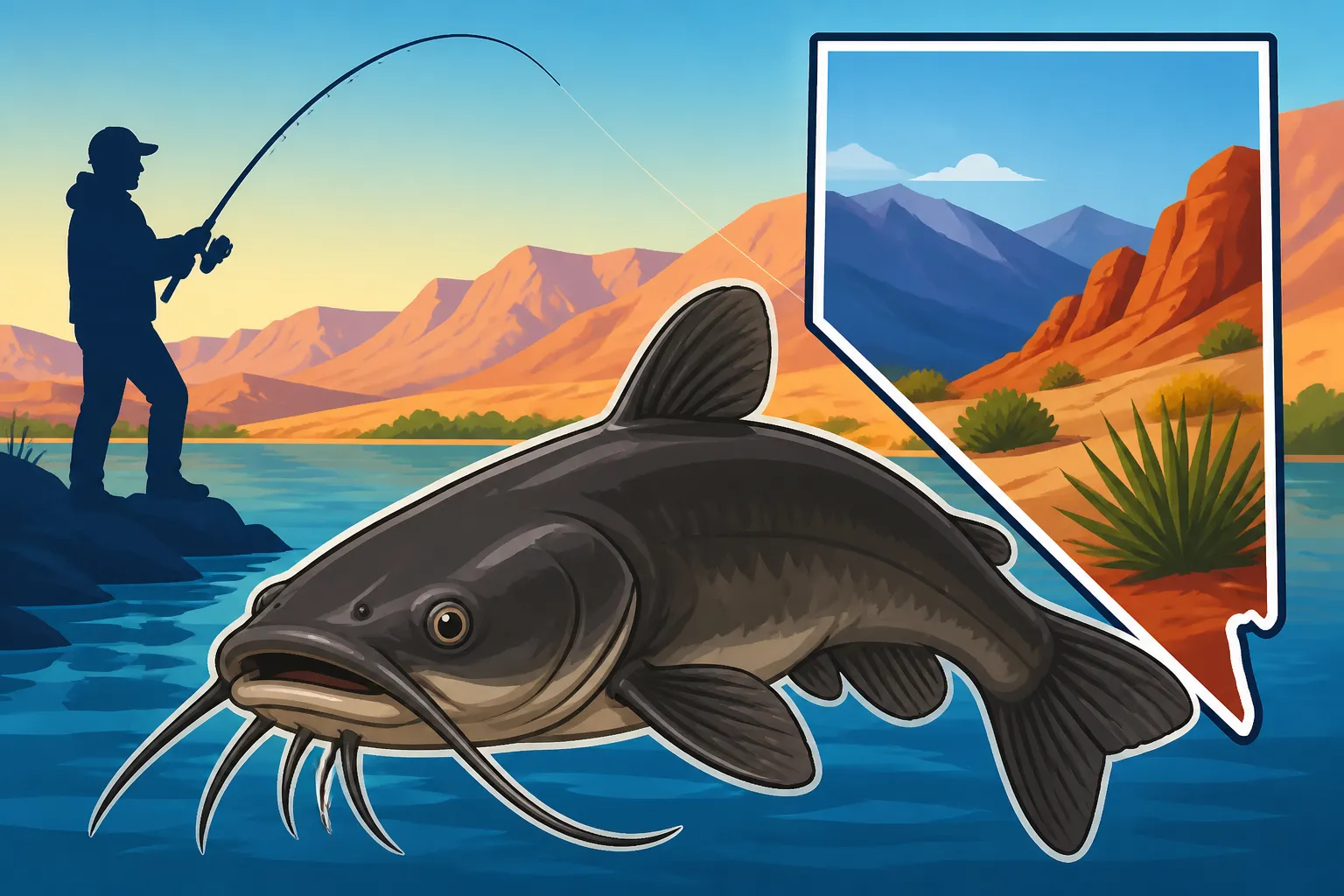
Black bullheads (scientific name Ameiurus melas) are generally smaller than their more famous cousin, the channel catfish. Typically, you'll find them in the 8 to 14-inch range, though some larger individuals can certainly surprise you, occasionally pushing past 16 or 18 inches in productive waters. Their bodies are stout and robust, with a dark, often mottled brown or olive-green coloration on their backs, fading to a lighter, yellowish belly. Their skin is smooth, not scaly, which is characteristic of all catfish.
One of their most defining features, and one that differentiates them from other bullhead species, is the barbels around their mouths. These sensory whiskers are usually dark, almost black, contrasting sharply with the lighter barbels of a yellow bullhead. Another key identifier is the absence of a deeply forked tail, which is prominent on channel catfish. Instead, the black bullhead has a slightly notched or squared tail. They also possess sharp, serrated spines on their dorsal and pectoral fins – something to be mindful of when handling them!
Habitat Preferences
Black bullheads are remarkably adaptable fish, a trait that has allowed them to thrive in a variety of Nevada's aquatic environments. They aren't picky, which is great news for anglers. You'll often find them in warmer, slower-moving waters with soft, muddy bottoms and plenty of submerged vegetation or cover. Think murky ponds, slow stretches of rivers, irrigation ditches, and the shallower, warmer coves of larger reservoirs.
They are incredibly tolerant of low oxygen levels and higher water temperatures that many other game fish would shy away from. This means they can survive and even flourish in conditions that might seem less than ideal to a trout or a bass. This resilience is why they are often the predominant catfish species in many of Nevada's urban ponds and shallower desert lakes. They love to root around in the bottom silt, using their barbels to detect food, which is why a muddy or silty bottom is often a tell-tale sign of their presence.
Origin and Presence in Nevada
Black bullhead catfish are not native to Nevada, but like many fish species, they were introduced here many decades ago and have since established self-sustaining populations. Their hardiness and ability to adapt to a wide range of water conditions, from the cooler waters of northern reservoirs to the warm urban ponds of southern Nevada, contributed to their successful spread. They're considered a naturalized species now, fitting into the ecosystem, even if they sometimes compete with native species for resources in certain areas.
They are a testament to the fact that even non-native species can offer incredible recreational fishing opportunities. The Nevada Department of Wildlife (NDOW) manages these populations as part of the state's diverse fishery, often alongside stocked trout and other warm-water species. Their widespread distribution means that no matter which part of the state you're in, there's a good chance you're not too far from a body of water holding black bullheads, making them an excellent go-to fish for a spontaneous angling adventure.
Where to Find Black Bullheads in Nevada
One of the most appealing aspects of fishing for black bullhead catfish in Nevada is their widespread availability. You don't always need to travel far or have a fancy boat to find them. They thrive in a variety of accessible waters, making them a fantastic target for bank anglers and those looking for a laid-back day by the water.
Southern Nevada Hotspots
For those in Southern Nevada, especially around the bustling Las Vegas Valley, black bullheads are a common resident in many of the urban ponds that are regularly stocked and maintained by the NDOW. Places like Sunset Park Pond, Lorenzi Park Pond, and Floyd Lamb Park are not just for trout; they also hold healthy populations of bullheads. These ponds are often designed with easy access, picnic areas, and amenities, making them perfect for a family fishing outing. The shallower, warmer areas of these ponds, especially near weed beds or structures like submerged trees, are ideal spots. You can easily spend an afternoon here targeting them from the bank. Las Vegas Nevada Urban Pond Fishing Guide can give you more details on these accessible locations.
Further afield, the vast waters of Lake Mead and Lake Mohave also hold black bullheads, particularly in their shallower, muddier coves and backwaters. While channel catfish are more abundant in these larger reservoirs, bullheads can still be found in areas where the water warms up and there's plenty of cover and soft bottom. Look for areas with slower currents, a bit of protection from the main body of water, and where runoff might bring in nutrients. These species often congregate in these zones. Consult the Lake Mead Nevada Fishing Guide and Lake Mohave Nevada Fishing Guide for specific areas that might hold these smaller catfish.
Northern Nevada Waters
Northern Nevada, with its cooler climate and different hydrological features, also provides ample opportunities for black bullhead fishing. Reservoirs like Rye Patch Reservoir on the Humboldt River system, and parts of the Truckee River (especially slower, deeper pools), are known to harbor these adaptable fish. While these waters are famous for trout and other species, the bullheads carve out their niche in areas that meet their preference for warmer, murkier water and soft substrate.
Even some of the smaller, lesser-known ponds and irrigation canals in the agricultural regions of Northern Nevada can be excellent, though often overlooked, bullhead fishing grounds. These waters often have the perfect combination of muddy bottoms, abundant aquatic vegetation, and consistent food sources that bullheads love. Exploring these smaller, off-the-beaten-path locations can sometimes lead to incredible catches and a peaceful day away from the crowds. Don't be afraid to ask local bait shops or fellow anglers for their hidden gems.
Identifying Prime Bullhead Territory
When you're out scouting for black bullheads, keep a few key environmental indicators in mind. First, look for water that isn't crystal clear. While they can survive in clear water, they tend to thrive in slightly turbid or murky conditions, which offers them camouflage from predators and helps them find food on the bottom. Second, target areas with soft, muddy, or silty bottoms. They spend a lot of time rooting around for insects, larvae, and small crustaceans in this substrate.
Submerged vegetation, like cattails, lily pads, or other aquatic plants, also indicates excellent bullhead habitat. These areas provide cover, shade, and a rich ecosystem for their food sources. Look along shorelines, especially those that drop off slowly, or in coves and channels that are protected from strong winds and currents. Piers, docks, and fallen trees also provide valuable structure. Basically, if it looks like a place where a bottom-dwelling scavenger would feel safe and find plenty to eat, you're probably in prime black bullhead territory. For a broader look at where various fish species can be found, check out Best Places to Fish in Nevada.
Fishing for Black Bullheads: Techniques and Tackle
Catching black bullhead catfish is truly a fantastic experience, especially for beginners or those who enjoy a relaxing day of consistent action. They aren't particularly shy, and their willingness to bite makes them incredibly rewarding. The best part? You don't need highly specialized or expensive gear to get in on the fun. Simplicity often reigns supreme when targeting these guys.
Best Baits and Rigs
When it comes to bait for black bullheads, think simple and stinky – they're scavengers, after all! Hands down, the most effective and readily available bait is nightcrawlers or earthworms. A piece of worm or a whole worm threaded onto a hook is often irresistible. Other great options include cut bait (small pieces of dead fish), chicken livers (which are notoriously messy but effective), hot dogs, or even small pieces of shrimp. Don't overlook commercially prepared catfish baits; some anglers swear by specific stink baits, which you can often find at local tackle shops or online at retailers like Amazon.
For rigging, a basic bottom rig is all you need. A simple setup involves a sinker (a small egg sinker or split shot works well) tied about 6-12 inches above a hook. The hook size can vary, but a #4 or #2 Aberdeen or circle hook is generally a good starting point for bullheads. The goal is to present your bait right on the bottom, where bullheads spend their time foraging. You can also use a bobber rig in shallower water, with enough weight to keep your bait near the bottom while the bobber signals bites.
Effective Fishing Techniques
The primary technique for black bullhead fishing is still fishing or bottom fishing. Cast your baited rig out and let it sink to the bottom. Keep your line just taut enough to detect bites, but not so tight that the fish feels resistance. Bullheads often take the bait gently at first, mouthing it before committing. Watch your rod tip for subtle taps or a steady bend. If you're using a bobber, it might dip, dance, or slowly disappear beneath the surface.
Patience is key, but usually not for long with these active eaters! Once you feel a definite pull or the rod tip bends steadily, set the hook with a gentle but firm sweep of the rod. They are not known for spectacular fights, but they put up a respectable tug, especially for their size. If you're fishing in an area with a lot of vegetation, be ready to steer them away from snags. Many anglers enjoy targeting them during evening hours or even at night, as catfish, including bullheads, are often more active feeders when the sun goes down. Night Fishing Techniques for Striped Bass offers insights into nocturnal angling that can be adapted for catfish.
Essential Gear for Bullhead Anglers
You don't need a high-end setup to catch black bullheads. A simple, medium-light to medium action spinning rod, about 6 to 7 feet long, paired with a reliable spinning reel, is perfect. This setup offers enough backbone to handle a decent bullhead, yet is sensitive enough to detect their often subtle bites. Spool your reel with 6 to 10-pound test monofilament line; it's forgiving, easy to tie knots with, and visible. For those just starting out, a Best Rod and Reel Combo for Beginners can be found at sporting goods stores or online.
Beyond the rod and reel, a few essentials will make your bullhead fishing trip more enjoyable. A small tackle box containing various hook sizes, sinkers, and a few bobbers is all you truly need. A pair of pliers or a hook remover is crucial for safe hook removal, especially with those sharp spines. A small cooler with ice for keeping your catch fresh (if you plan to keep them) and perhaps a small stringer are also handy. And, of course, don't forget your Nevada Fishing Gear Essentials like a valid Nevada fishing license! For keeping all your small bits and pieces organized, refer to Best Tackle Box Setup for a Day on the Water. Many of these items are easily acquired through online retailers like Amazon or your local bait and tackle shop.
Regulations and Considerations for Black Bullheads
Even though black bullheads are a widespread and often abundant species in Nevada, it's crucial to be aware of the fishing regulations that apply to them. Responsible angling not only ensures healthy fish populations but also guarantees that you stay on the right side of the law.
Nevada Fishing Regulations
Before you even cast your first line, make sure you have a valid Nevada fishing license. This is non-negotiable for most anglers. Information on where to get one, different license types, and costs can be found in our guides: Nevada Fishing License Guide and Nevada Fishing License Cost Breakdown. For residents, there are specific Nevada Resident Fishing License Types and for visitors, Nevada Nonresident Fishing License Types are available.
When it comes to black bullheads specifically, they typically fall under the general "catfish" regulations, and in many Nevada waters, they are often not subject to specific size or bag limits like some other game fish. However, this isn't universally true, and regulations can vary significantly by body of water and change periodically. It is absolutely essential to consult the current Nevada Fishing Regulations manual, which the Nevada Department of Wildlife (NDOW) publishes annually. You can usually find a copy online on the NDOW website or pick one up at any licensed vendor. This document will detail any statewide or specific waterbody rules regarding catfish, including possession limits, bait restrictions, and legal fishing hours. Always double-check this information before heading out. Nevada Fishing Regulations Explained provides a comprehensive overview of the state's rules.
Handling and Safety
Black bullheads, while generally small, possess a defense mechanism that every angler needs to be aware of: sharp, serrated spines on their dorsal (top) and pectoral (side) fins. These spines can inflict a painful puncture wound if you're not careful, and they can even contain a mild venom that causes irritation and swelling.
When handling a bullhead, it's best to grip it firmly but gently behind the head, being sure to avoid the dorsal and pectoral spines. Many experienced anglers use a small towel or wear gloves to protect their hands. A pair of needle-nose pliers or a hook remover is invaluable for safely extracting hooks, especially if the fish has swallowed the bait deep. If you do get "finned," clean the wound thoroughly with soap and water, and apply an antiseptic. Keep an eye on it for any signs of infection.
If you plan to keep your catch for a meal, bullheads are delicious, with firm, white meat. They are relatively easy to clean. Many anglers simply remove the head, skin, and entrails, then fillet the body. Remember to keep any fish you intend to consume on ice to maintain freshness, especially during Nevada's warmer months.
Conservation and Management
While black bullheads are not a species of conservation concern due to their robust populations and adaptability, responsible angling practices are still important. If you're practicing catch-and-release, handle the fish as little as possible, minimize their time out of water, and release them gently back into the water headfirst to help them recover quickly. Avoid dragging them on rocks or dry ground.
In some urban ponds, bullheads can become overpopulated, leading to stunted growth. In such cases, keeping a reasonable number of fish for consumption can actually benefit the fishery by reducing competition for food and allowing the remaining fish to grow larger. However, always adhere to any specific limits or recommendations set by NDOW for a particular waterbody. By following regulations and practicing ethical angling, we ensure that black bullheads remain a fun and accessible fishing opportunity for everyone.
Distinguishing Black Bullheads from Other Catfish
It's easy to look at any whisker-faced fish and just call it a "catfish," but Nevada's waters host a few different species that, while related, have distinct characteristics. Knowing how to tell a black bullhead from its cousins, like the channel catfish or yellow bullhead, can be helpful for both identification purposes and understanding what to expect when you hook one.
Black Bullhead vs. Channel Catfish
This is perhaps the most common confusion, especially for new anglers. Channel catfish are highly popular game fish in Nevada, known for their larger size and stronger fight. The easiest way to tell them apart is by their tails. Channel catfish have a deeply forked tail, almost like a swallow's tail. Black bullheads, on the other hand, have a squared-off or only slightly notched tail.
Beyond the tail, consider their coloration and body shape. Channel catfish tend to be silvery-gray or olive with distinct spots, especially when younger, and have a sleeker, more streamlined body. Black bullheads are typically darker, more robust, and lack these spots. Their barbels are also usually darker, contrasting with the often pale barbels of a channel cat. If you're specifically targeting Channel Catfish Fishing in Nevada, knowing this difference will help you identify your prize.
Black Bullhead vs. Yellow Bullhead
Telling a black bullhead from a yellow bullhead (Ameiurus natalis) can be a bit trickier, as they are very similar in size, shape, and habitat preference. The key identifiers often come down to subtle differences in coloration and barbels. Yellow bullheads usually have a lighter, often yellowish-brown or olive body color, and critically, their chin barbels are pale or yellowish-white, not dark like the rest of their barbels or like those of a black bullhead.
Black bullheads typically have dark barbels, often matching their darker body color. Additionally, the membrane between the fin rays of a black bullhead's anal fin is usually dark, while in a yellow bullhead, it tends to be lighter. The number of rays in the anal fin can also be a clue for experienced identifiers, with black bullheads typically having 17-21 rays and yellow bullheads having 24-27. However, the barbels are usually the easiest and most reliable field mark for most anglers.
Identifying Features Checklist
To help you quickly identify your catch, here's a simple checklist:
| Feature | Black Bullhead Catfish | Channel Catfish | Yellow Bullhead Catfish |
|---|---|---|---|
| Tail | Squared or slightly notched | Deeply forked | Rounded or slightly notched |
| Body Color | Dark olive-green, mottled brown, often dark belly | Silvery-gray, olive-brown, often with spots (younger) | Yellowish-brown, olive, lighter sides |
| Chin Barbels | Dark, usually black | Dark | Pale, yellowish, or whitish |
| Body Shape | Robust, stout | Sleeker, more streamlined | Robust, similar to black bullhead |
| Skin | Smooth, scaleless | Smooth, scaleless | Smooth, scaleless |
| Size (Avg.) | 8-14 inches (can be larger) | 12-24 inches (can be much larger) | 8-12 inches |
| Anal Fin Rays | 17-21 rays (membrane often dark) | 24-30 rays | 24-27 rays (membrane often pale) |
Next time you pull in a catfish from a Nevada lake or pond, take a moment to observe these key features. You might be surprised at how quickly you can distinguish a scrappy black bullhead from its relatives. Happy fishing!
Disclaimer
This article is for general informational purposes only and does not constitute professional advice. Laws, prices and regulations vary by location and change over time. Consult a qualified professional for guidance on your specific situation.