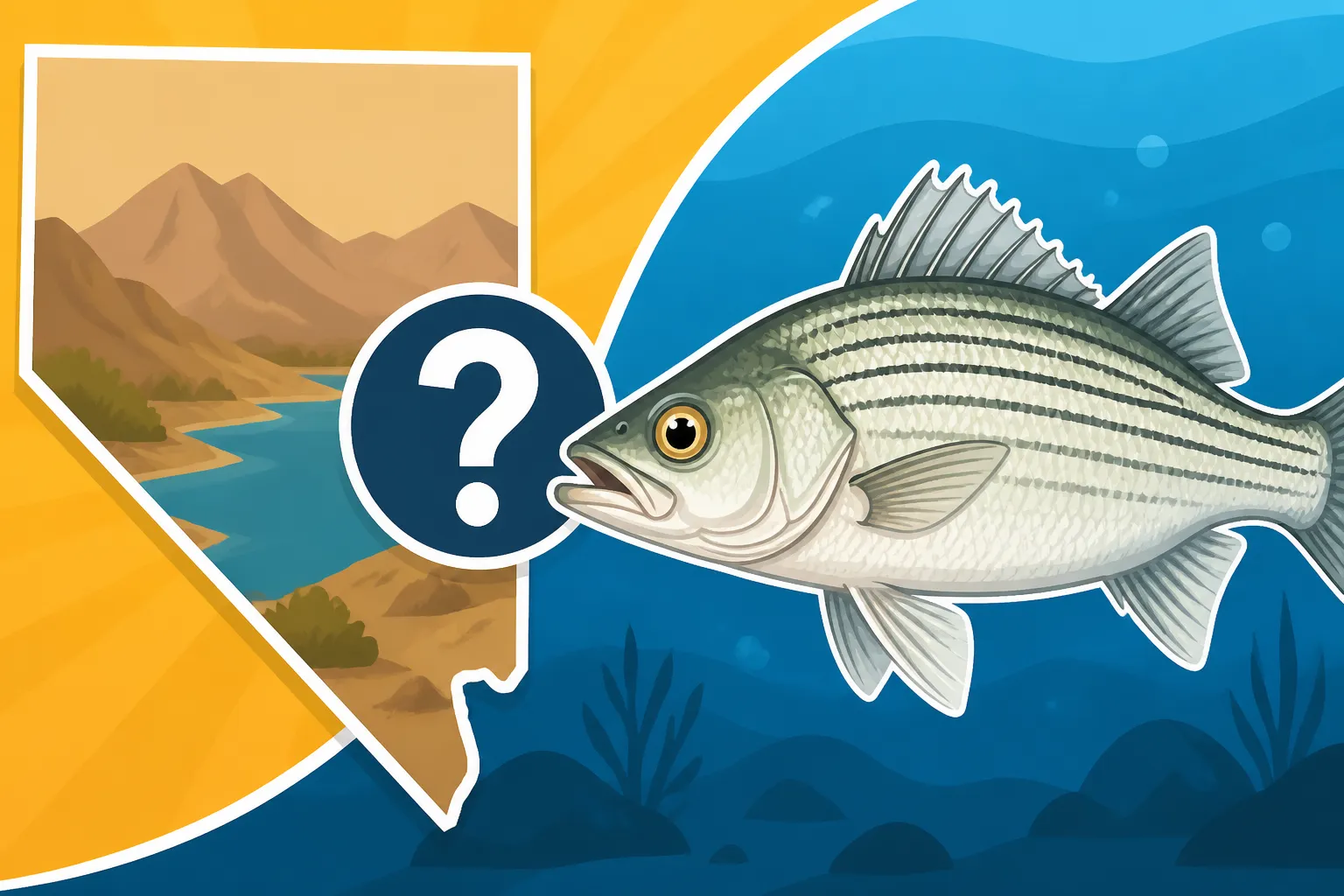
Does Nevada have white bass?
It’s a common question among anglers, especially those moving to Nevada from states where white bass are plentiful: "Does Nevada have white bass?" You might have fond memories of schooling white bass feeding frenzies on big reservoirs back home, and it’s natural to wonder if you can replicate that excitement here in the Silver State. This guide is here to shed some light on the presence (or absence) of these popular game fish in Nevada's waters, and introduce you to the exciting alternatives that thrive in our unique aquatic environments.
Understanding White Bass and Their Habitat
Before we dive into Nevada specifically, let's make sure we're all on the same page about what a white bass is and where they typically like to hang out. It helps to know their preferences to understand why they might or might not be found in certain regions.
What Exactly is a White Bass?
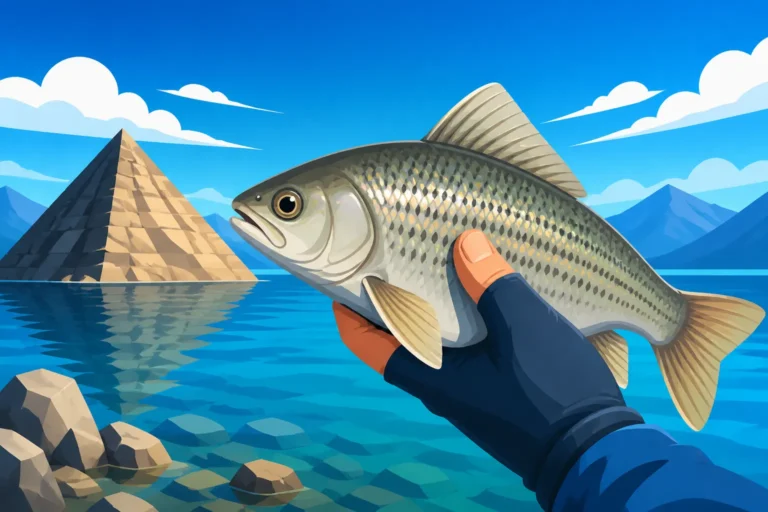
Picture a fish that looks a bit like a smaller, stockier striped bass, usually silvery-white with several faint, dark horizontal stripes running along its body. That's your typical white bass, scientifically known as Morone chrysops. These fish are part of the temperate bass family, and they’re incredibly popular throughout much of the United States because they’re aggressive, fun to catch, and quite tasty. They're also known for schooling up in massive numbers, especially during their spring spawning runs and when actively feeding on schools of baitfish. When you find them, you can often catch them one after another, leading to some truly memorable fishing days.
They generally don't get as large as their cousins, the striped bass, but they make up for it in sheer numbers and fighting spirit for their size. Anglers often target them with light tackle, making for an enjoyable battle. Their schooling nature means that once you locate a school, the action can be fast and furious. They tend to prefer large bodies of water, like expansive reservoirs and big rivers, where they have plenty of open water to roam and abundant baitfish to chase.
Where Do White Bass Typically Thrive?
White bass are native to the central and eastern parts of North America, particularly throughout the Mississippi River basin and the Great Lakes region. They are true warm-water fish, preferring temperatures that would send many trout species packing. They thrive in large lakes, impoundments, and slow-moving rivers with clear to moderately turbid water. They're often found in waters that also host crappie, catfish, and various sunfish species.
During the spring, they undertake significant spawning migrations up rivers or into shallow coves, creating predictable and often spectacular fishing opportunities. For the rest of the year, they are pelagic, meaning they roam the open water, frequently chasing schools of shad or other small baitfish. This pursuit often pushes them to the surface, creating those famous "boils" or "jumps" that anglers eagerly watch for. It's this open-water, schooling, and aggressive feeding behavior that makes them such a sought-after species in their native range. If you've ever experienced a white bass blitz, you know exactly what I'm talking about – pure exhilaration!
White Bass in Nevada – The Real Story
Okay, so we know what white bass are and where they typically live. Now for the million-dollar question: are they swimming in Nevada's deserts and mountains? The answer might surprise some of you.
The Current Status: Are They Here?
Let's get straight to it: pure white bass (Morone chrysops) are generally NOT found in Nevada's public waters. I know, I know, that might be a bummer for those of you who were hoping for those epic white bass frenzies. It’s a common misconception, especially since Nevada does have a thriving striped bass fishery, and the two are often confused or thought to be related in distribution.
The Nevada Department of Wildlife (NDOW) primarily manages and stocks species that are either native, well-adapted to the desert environment, or have established successful self-sustaining populations. White bass, for various environmental and management reasons, have not become an established part of Nevada's fishery. Our state's unique hydrological systems, with vast desert reservoirs and distinct river systems, don't align with the typical stocking or natural migration patterns that would introduce and sustain widespread populations of pure white bass.
So, if you're specifically looking for Morone chrysops, you're likely out of luck within Nevada's state-managed waters. But don't despair! Nevada offers some truly spectacular bass fishing, including a very exciting alternative that often gets mistaken for white bass.
Wipers: Nevada's Popular Hybrid Bass
This is where things get really interesting for Nevada anglers! While you won't find pure white bass, you absolutely can find their incredibly feisty and much larger cousins: wipers. What's a wiper, you ask? It's a hybrid fish, a cross between a female striped bass and a male white bass. Think of it as the best of both worlds – they combine the fighting power and larger size potential of a striped bass with the schooling, aggressive feeding habits of a white bass.
Wipers, also known as hybrid striped bass, are regularly stocked in several Nevada reservoirs, most notably at Lake Mohave and sometimes other locations, though their stocking patterns can change. They're introduced because they grow quickly, fight incredibly hard, and provide a fantastic sport fishing opportunity. They look very similar to a striped bass, but typically have broken or disjointed horizontal stripes along their sides, which is a key identification mark. If you’re ever wondering if you’ve caught a wiper, look for those broken lines – a pure striped bass will have solid, unbroken lines. This is a crucial detail covered in more depth in Wiper Hybrid Bass Identification.
These hybrids thrive in the open water of our larger reservoirs, chasing baitfish just like white bass do. They often school up and create surface boils, leading to those same exciting, fast-paced fishing experiences that anglers love about white bass. In fact, many anglers prefer wipers due to their impressive size and brute strength, making for an even more memorable fight on the end of your line. When people ask if Nevada has white bass, they are often unknowingly thinking of the amazing wiper fishery that exists here. If you're looking for that fast-action, schooling bass experience, wipers are your go-to fish in Nevada. What a wiper hybrid bass is and Where to catch a wiper in Nevada are great resources to learn more about these powerful fish.
Fishing for Bass in Nevada
Even without pure white bass, Nevada boasts a fantastic array of bass species that provide incredible angling opportunities year-round. From the mighty striped bass to the ubiquitous largemouth and challenging smallmouth, there's a bass for every angler's preference.
Targeting Nevada's Other Bass Species
Let's talk about the real stars of Nevada's bass scene. These are the fish that dominate our lakes and reservoirs, offering diverse challenges and rewarding catches.
Largemouth Bass
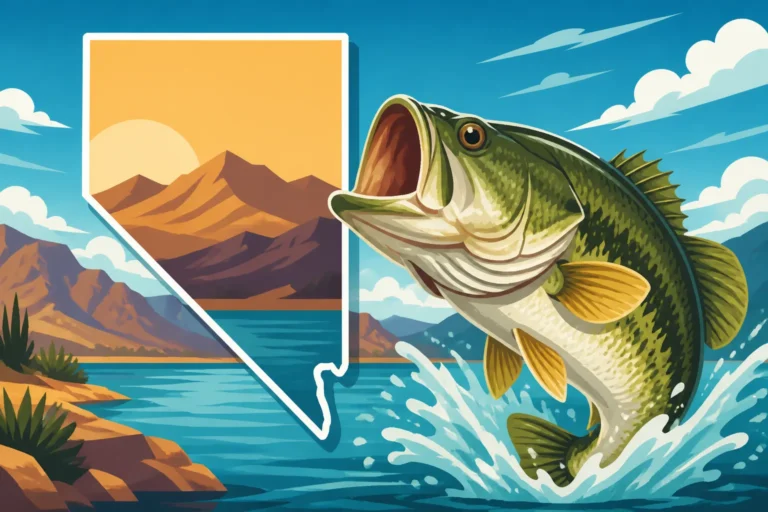
Ah, the largemouth! The classic bass of American angling. Nevada's warmer reservoirs, like Lake Mead and Lake Mohave, are fantastic for largemouth bass. These fish love structure—think submerged brush, rocky points, coves, and areas with cover where they can ambush prey. They’re notorious for explosive strikes and putting up a solid fight, often jumping clear of the water. If you enjoy casting jigs, plastic worms, spinnerbaits, or crankbaits into cover, then Largemouth Bass Fishing in Nevada is definitely for you. You'll find them lurking in the shadows, waiting for an unsuspecting baitfish or crawfish to pass by.
Smallmouth Bass
Often overlooked but equally thrilling, smallmouth bass thrive in clear, rocky waters, particularly in the cooler sections of large reservoirs and some rivers. They're known for their incredible fighting spirit, often making long, powerful runs and acrobatic leaps. While they don't get quite as large as some largemouth, their sheer tenacity on the line makes up for it. Anglers often target them with small crankbaits, tubes, grubs, and drop-shot rigs. If you appreciate a strong fight and beautiful bronze-colored fish that inhabit some of Nevada's most scenic waters, then diving into Smallmouth Bass Fishing in Nevada will open up a whole new world of angling excitement.
Striped Bass
Now, these are the giants of Nevada's bass world! Striped bass, or "stripers," are a powerhouse species, originally an ocean fish that has successfully adapted to freshwater environments. They are the original parent species for the wiper hybrid we discussed earlier. Lake Mead and Lake Mohave are renowned for their striped bass populations, offering anglers the chance to catch truly massive fish. Stripers are voracious predators, constantly on the hunt for shad, anchovies, or other baitfish. They can be caught using a variety of methods, from trolling deep-diving lures to casting swimbaits or jigging spoons. The sheer power of a big striper is something every angler should experience. For those looking to tackle these hard-fighting fish, check out Striped Bass Fishing in Nevada for in-depth strategies and tips. They school heavily and can be found in massive feeding frenzies, creating incredible surface action that is second to none.
Where to Find Nevada's Popular Bass
Knowing what bass species are available is one thing, but knowing where to go is key! Nevada has some truly iconic bass fishing destinations.
Lake Mead and Lake Mohave
These two vast reservoirs, part of the Colorado River system, are the undisputed champions for bass fishing in Southern Nevada. Lake Mead Nevada Fishing Guide and Lake Mohave Nevada Fishing Guide highlight their immense potential.
- Lake Mead: This massive reservoir offers incredible opportunities for largemouth, smallmouth, and especially striped bass. You can find largemouth in the countless coves and submerged structure, while smallmouth prefer the rocky bluffs and ledges. Stripers roam the open water, often schooling up in huge numbers to chase shad. The trick to finding them often lies in locating the baitfish.
- Lake Mohave: Just downstream from Lake Mead, Mohave offers equally impressive fishing for striped bass and also boasts an excellent population of large rainbow trout, often targeted by those using cut bait or trolling. It's also a prime location for wipers, given its warmer waters and abundant forage.
Other Reservoirs and Urban Ponds
While Mead and Mohave are the big names, many other Nevada waters offer excellent bass fishing, especially for largemouth and smallmouth.
- Northern Nevada: Reservoirs like Lahontan Reservoir, Rye Patch Reservoir, and even the lower Truckee River can hold decent populations of bass, though often on a smaller scale than the southern giants.
- Urban Ponds: Don't forget the urban ponds in places like Las Vegas and Reno! While often stocked with trout, many of these ponds also sustain healthy populations of largemouth bass and various panfish. These are fantastic spots for beginners or families looking for a quick fishing fix without traveling far. You can find great information on Best Nevada Bass Lakes for a more comprehensive overview.
Gear and Techniques for Nevada Bass
Having the right gear and understanding the basic techniques can make all the difference in your Nevada bass fishing adventures, whether you're after largemouth, smallmouth, stripers, or those hard-fighting wipers.
Essential Tackle for Nevada Bass Fishing
You don't need a huge arsenal to get started, but a few key pieces of equipment will set you up for success.
Rods and Reels
For most Nevada bass fishing, a medium to medium-heavy action spinning rod (6'6" to 7'6" in length) paired with a 2500-4000 series spinning reel is a versatile choice. This setup handles everything from pitching soft plastics for largemouth to casting spoons for schooling stripers. If you’re into targeting bigger stripers or love the precision of casting into heavy cover, a medium-heavy baitcasting setup (also 6'6" to 7'6") with a corresponding baitcasting reel is an excellent option. For those really big stripers, especially when trolling or using heavy jigs, some anglers opt for heavier conventional setups. You can find a great variety of reliable rods and reels on Amazon.
Line
Braided line is increasingly popular for its sensitivity and strength-to-diameter ratio, often in the 20-40 lb test range. Many anglers will tie a fluorocarbon leader (10-20 lb test) to the braid for invisibility and abrasion resistance. Monofilament line (10-17 lb test) is still a solid choice for its stretch and shock absorption, especially when using topwater lures or crankbaits. The choice often comes down to personal preference and the specific technique you're using.
Lures and Baits
This is where the fun begins!
- For Largemouth and Smallmouth: You'll want a selection of plastic worms, creature baits, jigs, spinnerbaits, crankbaits, and topwater lures. The specific colors and sizes will depend on the water clarity and forage in the area, but natural colors (greens, browns, watermelon) often work well.
- For Striped Bass and Wipers: These fish love to chase! Anchovies (live or cut), shad imitations, swimbaits, jerkbaits, spoons (like Kastmasters or larger jigging spoons), and topwater poppers are all highly effective. When they’re schooling and busting the surface, almost anything you throw in their direction will get hit! Many anglers swear by particular brands of swimbaits for stripers, and you can explore a wide range of options on Amazon.
A well-stocked tackle box is essential, and you can get some great ideas on what to pack by checking out Best Tackle for Nevada Bass Fishing. Remember to adapt your tackle to the conditions and the specific species you’re targeting.
Understanding Seasonal Patterns and Habits
Fish aren't just swimming around randomly; their behavior is heavily influenced by the seasons, water temperature, and their biological needs like spawning. Understanding these patterns is critical for consistent success.
Spring
Spring is often prime time for bass fishing in Nevada. As water temperatures rise, bass become more active and begin to move into shallower waters for their spawning rituals. Largemouth bass will be found in coves and protected areas, building nests. Smallmouth will also be shallow, often around rocky points and ledges. Striped bass and wipers will be actively feeding, preparing for their own spawning urges (though wipers are sterile and cannot reproduce). This is a fantastic time for aggressive lure presentations. You can learn more about this period in Nevada Bass Season and Spawn Timing.
Summer
As the desert heat intensifies, bass tend to move deeper to find cooler, more oxygenated water. This doesn't mean they're impossible to catch, but it often requires different techniques, like deep jigging, trolling, or fishing early morning/late evening. Stripers and wipers will still school, but you might find them suspended over deeper water, often feeding during low light conditions or at night. Topwater action can still be good in the early hours before the sun gets too high.
Fall
Fall is another fantastic season for bass fishing. As water temperatures cool, baitfish become more active, and bass go on a feeding frenzy to bulk up for winter. This means aggressive strikes and often some of the best fishing of the year. Largemouth and smallmouth will move back to shallower depths, while stripers and wipers can be found busting bait on the surface or congregating in major coves.
Winter
While fishing slows down, it doesn't stop. Bass, especially largemouth and smallmouth, will seek out deeper structure and slow down their metabolism. This means slower presentations and finesse techniques are often required. Stripers and wipers can still be caught, often by targeting deep-suspended schools with spoons or cut bait. Winter can offer some surprisingly good fishing for patient anglers willing to brave the colder temperatures. For a general overview of when to fish, check out Best Time of Year to Fish in Nevada.
Regardless of the season, pay attention to current conditions like water clarity, wind, and cloud cover. These factors can significantly influence where the fish are holding and what they're willing to bite. And always remember to check the latest Nevada Fishing Regulations Explained before heading out!
White Bass, Striped Bass, and Wiper Comparison
To help clarify the differences between these similar-looking, yet distinct, fish species you might encounter or hear about in Nevada, here’s a quick comparison.
| Feature | White Bass (Morone chrysops) | Striped Bass (Morone saxatilis) | Wiper (Hybrid Striped Bass) |
|---|---|---|---|
| Native to Nevada? | No, not established in public waters. | Yes, in the Colorado River system (Lake Mead, Mohave), introduced. | Yes, stocked in certain Nevada reservoirs (e.g., Lake Mohave). |
| Appearance | Silvery-white, 6-8 faint unbroken horizontal stripes. Body often deep. | Silvery, 7-9 distinct unbroken horizontal stripes. More torpedo-shaped. | Silvery, 7-9 distinct broken or disjointed horizontal stripes. Often deeper body than striper. |
| Average Size | 1-3 lbs (common range) | 5-20 lbs (common range), can exceed 40+ lbs | 5-15 lbs (common range), can exceed 20+ lbs |
| Behavior | Forms large, tight schools. Aggressive surface feeds. | Forms large schools, especially when feeding. Powerful fighters. | Forms schools like white bass, fights like a striped bass. Very aggressive. |
| Reproduction | Reproduces naturally in freshwater. | Reproduces naturally in freshwater in large river systems. | Sterile hybrid, does NOT reproduce naturally. Requires stocking. |
| Key ID | Unbroken stripes, deep body, smaller size. | Unbroken stripes, streamlined body, larger size potential. | Broken/disjointed stripes, robust body. Often mistaken for both. |
As you can see, the wiper is really the one that often causes confusion. While Nevada doesn't have white bass, it offers the fantastic hybrid wipers, which deliver a very similar, if not enhanced, fishing experience.
Disclaimer
This article is for general informational purposes only and does not constitute professional advice. Laws, prices and regulations vary by location and change over time. Consult a qualified professional for guidance on your specific situation.