Trophy Bass Waters in Nevada
It can feel like a lifelong quest for many anglers—that pursuit of a true trophy bass in the vast and often challenging waters of Nevada. You’ve heard the stories, seen the photos, and perhaps even had a glimpse of a true lunker yourself, only to have it slip away. This guide is dedicated to helping you unravel the mysteries of Nevada's top bass fisheries, revealing the strategies and spots where those elusive giants are known to roam, and equipping you to finally land the bass of your dreams.
Understanding What "Trophy Bass" Truly Means in Nevada
When we talk about "trophy bass" in Nevada, it's not just a casual term; it's a specific benchmark that reflects the immense dedication and skill required to catch these magnificent fish in our desert environment. Nevada's waters present unique challenges, from fluctuating water levels to intense summer heat, making every significant catch a testament to an angler's perseverance. The definition of "trophy" can vary, but generally, we're talking about bass that push the upper limits of their species' size and weight potential for our state.
Defining "Trophy" by Species and Waterbody
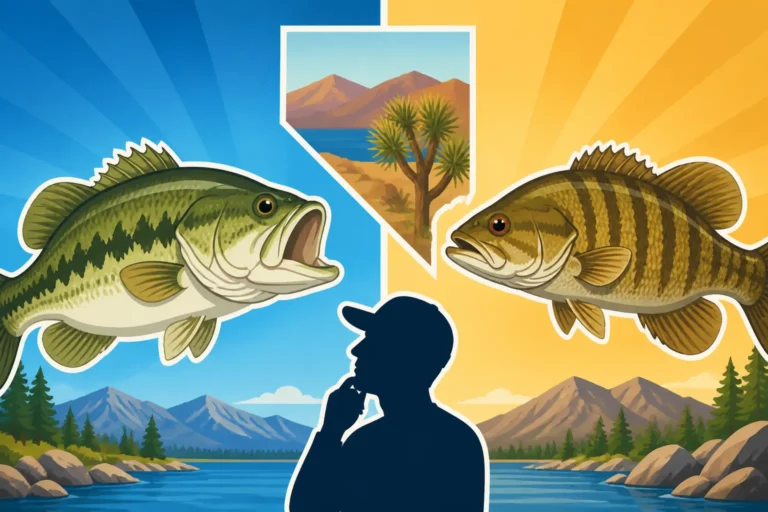
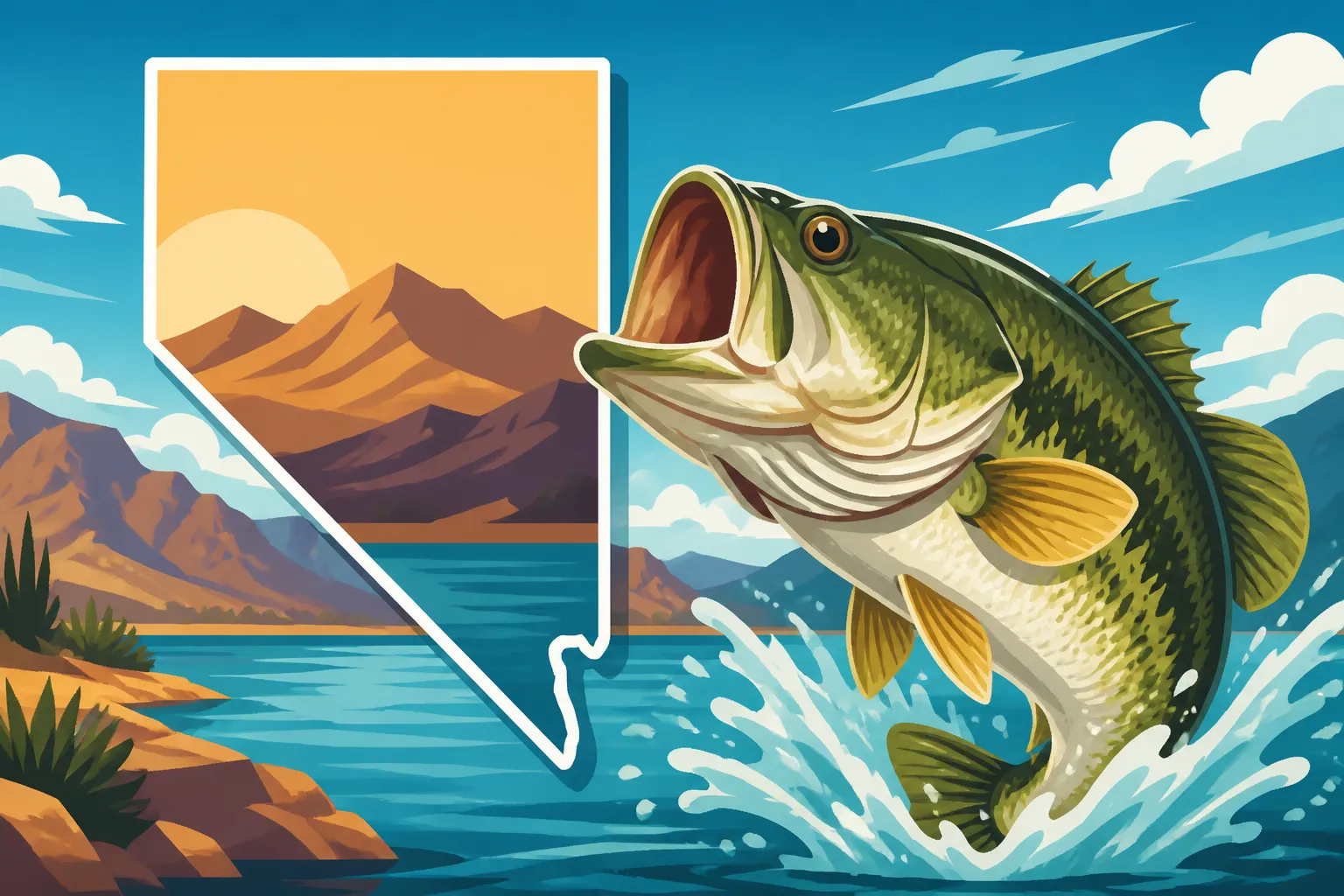
For a largemouth bass in Nevada, a "trophy" generally starts around the 8-pound mark, with anything over 10 pounds being truly exceptional and often a once-in-a-lifetime catch for most anglers. These fish are usually mature, cunning, and have found specific niches where food is abundant and pressure is manageable. You might hear whispers of even larger fish, but those are the true giants.
Smallmouth bass, while equally ferocious fighters, don't typically grow to the same colossal sizes as their largemouth cousins. A trophy smallmouth in Nevada is often considered to be around 4 pounds, with fish exceeding 5 pounds being genuine giants for the species in our waters. These bronzebacks are powerful and agile, making them a thrilling target even at smaller sizes, but a 4 or 5-pound smallmouth is a brute.
The specific body of water can also influence what's considered a trophy. A 7-pound largemouth from a smaller, heavily fished urban pond might be a state record for that particular water, whereas the same fish from a vast reservoir like Lake Mead might be a fantastic catch, but perhaps not quite "trophy" status compared to the true monsters that water can produce. It's all about context and relative size.
The Challenge of Finding Giant Bass in the Desert
Let's be real, Nevada isn't exactly known for its lush, bass-filled swamps like some southern states. Our desert climate, with its intense heat, fluctuating water levels, and often sparse cover, makes finding and catching truly large bass a significant challenge. These fish are survivors, highly adapted to their environment, and incredibly wary of anything out of the ordinary. They aren't going to jump into your boat.
The biggest frustration for many anglers is the sheer unpredictability. You can fish a spot where you know a monster bass lives, using all the right techniques, and still come up empty. These fish move, they change their feeding patterns, and they can disappear into deep structure or dense cover with incredible stealth. It's a game of patience, persistence, and often, a little bit of luck, which is why landing one feels so incredibly rewarding. It's not just about a big fish; it's about overcoming the elements.
Another factor is the pressure. As more anglers discover the potential of Nevada's bass fisheries, these trophy fish become even more educated and harder to fool. They've seen every lure, felt every line, and escaped every hook set. This means you have to be at the top of your game, constantly adapting and often presenting something they haven't seen before, or presenting it in a way they haven't felt.
Factors Influencing Bass Size in Nevada
Several key factors contribute to a bass reaching "trophy" status in Nevada's waters. Foremost among these is a consistent and abundant food supply. Lakes like Mead and Mohave, for instance, are teeming with baitfish like threadfin shad, sunfish, and even smaller striped bass, providing a rich buffet for growing largemouth and smallmouth alike. A steady diet means faster growth and larger maximum sizes.
Another critical element is habitat. Trophy bass need places to hide, ambush prey, and feel secure from predators (including humans). Deep submerged structure, extensive rock formations, sunken brush piles, and healthy weed beds offer the perfect sanctuaries for these big fish. Waters that provide diverse and ample habitat tend to produce larger, healthier bass populations. Largemouth Bass Habitat at Lake Mead and Smallmouth Bass Habitat at Lake Mead are great resources to understand this better.
Finally, fishing pressure and proper management play a huge role. Waters that have sensible Nevada Bass Daily Limit and Size Rules and promote catch-and-release practices for larger fish give bass the opportunity to grow old and reach their full potential. While it's always exciting to keep a meal, releasing those true giants ensures they can spawn and contribute to the next generation of trophy fish, or be caught again by another lucky angler.
Nevada's Premier Lakes for Trophy Largemouth Bass
When it comes to pursuing truly massive largemouth bass in the Silver State, a few key bodies of water consistently rise to the top. These are the lakes where the environment, forage, and genetics combine to produce fish that can truly push the scales. The hunt for a Nevada lunker often begins in the warm, expansive waters of our southern reservoirs.
Lake Mead: The Striped Bass Empire's Largemouth Gems
Lake Mead, though famous for its monstrous striped bass, is also a legitimate contender for trophy largemouth. Anglers who focus specifically on largemouth here know that while they might not dominate the conversation like the stripers, the potential for a double-digit bucketmouth is absolutely real. The lake's vastness and intricate shoreline offer endless possibilities, from submerged canyon walls to sprawling coves.
The challenge with Lake Mead is its sheer size and ever-changing water levels. What was a productive cove last year might be dry land this year, or vice-versa. This means successful anglers must constantly adapt and explore new areas. Key areas to target often include the upper reaches of the Overton Arm, where mud flats and sparse vegetation can hold big fish, or the countless coves and points throughout the main body of the lake, especially those with rock piles or submerged brush. Lake Mead Nevada Fishing Guide offers a great overview.
To connect with these elusive giants, focus your efforts on areas with ample cover and a readily available food source. Big bass in Mead are opportunists, often preying on larger baitfish or even smaller gamefish. Using substantial presentations like big swimbaits, deep-diving crankbaits, or slow-moving jigs around structure can entice these bigger, less aggressive fish into biting. Patience is absolutely crucial here; you might make hundreds of casts for just a few bites, but one of those bites could be the fish of a lifetime.
Warm Water Coves and Structures for Lunkers
Trophy largemouth bass are typically ambush predators, and they love structure and cover. In Nevada's large reservoirs, this often means seeking out warm, protected coves with features like rockfalls, submerged trees, weed lines, or old roadbeds. These areas provide the perfect blend of hiding spots and feeding zones, especially during cooler months or early morning/late evening hours in the summer.
Look for areas with deeper access nearby, as this allows the bass to move vertically to find comfortable water temperatures. In the cooler spring and fall, these lunkers might be shallower, aggressively feeding on the abundant shad. As summer heats up, they'll retreat to deeper, cooler water, often suspending over structure or hunkering down in the shade of ledges. Understanding these seasonal movements is paramount to consistent success. Best Time of Year to Fish in Nevada can provide deeper insights.
Heavy cover requires stout gear. You can't expect to pull an 8-pound bass out of a submerged mesquite bush with light spinning tackle. Many trophy hunters opt for powerful baitcasting setups, spooled with strong braided line, allowing them to muscle fish out of thick stuff. Using a robust fishing rod, perhaps a medium-heavy or heavy power rod, is essential. You can find excellent options on online retailers like Amazon, making sure you're prepared for battle.
Other Promising Largemouth Haunts
While Lake Mead might be the poster child for potential lunkers, other Nevada waters hold their own secrets for trophy largemouth. Smaller, often overlooked reservoirs and even some of the urban ponds, particularly those with good forage and less fishing pressure, can surprise anglers with truly impressive catches. It's often about knowing where to look and being willing to put in the time.
For instance, certain areas of Lake Mohave, particularly in its northern stretches with more shallow, brushy coves, can produce respectable largemouth, though it's more famous for its smallmouth. Even some of the state's lesser-known impoundments that are regularly stocked and have good aquatic vegetation can harbor a few large bucketmouths that have grown fat on smaller fish and crayfish.
The key to finding these other spots is often local knowledge and diligent research. Check with local tackle shops, scour online fishing forums, or simply spend time exploring new water. Sometimes, the best trophy spot is the one nobody else is talking about yet. These smaller waters can be less intimidating to navigate than the vastness of Mead, offering a more focused approach to targeting big bass.
Chasing Trophy Smallmouth Bass in Nevada's Clear Waters
If you love a fierce fight and the challenge of fishing clear, rocky environments, then Nevada's trophy smallmouth bass scene is calling your name. These "bronzebacks" are known for their acrobatic jumps and hard runs, making even a 3-pounder feel like a giant. But for those truly impressive 4 and 5-pounders, you need to know where to go and how to fish.
Lake Mohave's Rocky Shores for Bronzebacks
Lake Mohave stands out as Nevada's undisputed heavyweight champion for trophy smallmouth bass. Its incredibly clear waters, abundant rock formations, ledges, and deep canyons provide the ideal habitat for these powerful fish to thrive. Mohave's smallmouth are notoriously aggressive, but they are also highly intelligent, making them a worthy adversary for any angler. Lake Mohave Nevada Fishing Guide is an excellent resource for planning a trip here.
The entire length of Mohave, from the northern reaches near Willow Beach down to the southern end, holds smallmouth. However, the most productive areas for trophy fish often involve significant rock structure, steep drops, and underwater points. These features create current breaks and ambush points where big smallmouth can lie in wait for shad, crayfish, or anything else that swims by. Early mornings and late evenings are often prime times, especially when targeting shallower areas.
Fishing for smallmouth in Mohave can be a humbling experience. The water clarity means your presentation needs to be flawless, and your gear often needs to be more subtle than what you might use for largemouth. Fluorocarbon line is a popular choice due to its low visibility, and delicate presentations with finesse worms, tubes, or small swimbaits can often out-produce more aggressive tactics. Expect to cover a lot of water and meticulously work every piece of structure you find.
Deep Water Tactics for Elusive Smallmouth
Unlike largemouth, smallmouth bass are often more comfortable in deeper, cooler water, especially during the brighter parts of the day or in the warmer months. This means that to consistently catch trophy smallmouth, you often have to employ deep water tactics. This can involve vertical jigging, drop-shotting, or even slow-trolling deep-diving crankbaits or spoons.
Sonar and mapping technology become absolutely critical tools when fishing deep for smallmouth. You need to be able to identify submerged points, humps, ledges, and rock piles in 20, 30, or even 50 feet of water. Once you locate promising structure and see fish arches, precise boat positioning is key to staying on top of them. Investing in a quality fish finder is almost non-negotiable for serious deep-water smallmouth anglers, and you can find a range of models suitable for different budgets on platforms like Amazon.
Vertical presentations are often the most effective. Drop shot rigs, particularly with smaller, natural-colored worms or creature baits, allow you to present your offering directly in the fish's strike zone. Blade baits and heavy jigs can also be incredibly effective when smallmouth are schooled up on structure. The bite can be subtle in deep water, so a sensitive rod and braided line with a fluorocarbon leader will help you detect those faint taps. How to fish a drop shot rig for bass could be helpful, though it focuses on largemouth, the principles apply.
Targeting Smallmouth in Lesser-Known Spots
While Lake Mohave is the king, don't overlook other Nevada waters that hold surprising populations of smallmouth bass. Smaller reservoirs with rocky shorelines and clear water can sometimes produce impressive fish, often with less competition. These might not be "trophy" waters in the same league as Mohave, but they can offer fantastic fishing and the chance to discover a hidden gem.
Topaz Lake, nestled on the Nevada-California border, is an example where smallmouth are present, often overlooked by trout anglers. While not as abundant, the smallmouth here can grow to decent sizes, offering a unique challenge. Other waters in the Western and Eastern regions of Nevada that have similar rocky, clear characteristics might also hold smallmouth, though perhaps not consistently at "trophy" sizes.
The key to these lesser-known spots is patience and experimentation. Don't expect to find concentrations of fish like you might in Mohave. Instead, focus on isolated pieces of structure, especially those with deeper water nearby. You might not catch a lot of fish, but the ones you do hook could be quality. These spots are perfect for exploring with lighter tackle and a keen eye for subtle signs.
| Feature / Species | Trophy Largemouth Bass | Trophy Smallmouth Bass |
|---|---|---|
| Typical Trophy Weight (Nevada) | 8+ pounds, 10+ exceptional | 4+ pounds, 5+ exceptional |
| Preferred Habitat | Warm, shallow coves; heavy cover (weeds, brush, timber); stained to clear water | Clear, rocky points, ledges, humps, deep rock piles; deeper, cooler water |
| Common Forage | Threadfin shad, sunfish, crayfish, small stripers | Shad, crayfish, gobies, small minnows |
| Typical Behavior | Ambush predator, often holds tight to cover; powerful short runs | Aggressive, acrobatic fights, long runs; often suspended or on structure |
| Primary Waters | Lake Mead, parts of Lake Mohave, some smaller reservoirs | Lake Mohave, parts of Lake Tahoe, some clear rocky reservoirs |
| Effective Lures | Swimbaits, jigs, deep cranks, plastic worms, topwater | Drop shots, tubes, small swimbaits, jerkbaits, blade baits, small jigs |
| Gear Recommendation | Heavy action casting rods, stout lines (braid/fluoro) | Medium-light to medium casting/spinning rods, sensitive tips, fluorocarbon leaders |
Essential Gear and Techniques for Trophy Bass Anglers
Catching trophy bass isn't just about finding the right water; it's about having the right tools and knowing how to use them. These powerful fish demand serious gear and refined techniques to bring them to the net. Cutting corners on tackle can often lead to heartbreaking losses when that monster finally decides to bite.
Rods, Reels, and Lines for Heavy Bass
For trophy largemouth, you'll generally want a stout baitcasting setup. Think heavy-power, fast-action rods, typically in the 7-foot to 7-foot-6 inch range. This gives you the backbone to turn a big fish away from heavy cover and the casting distance to reach key spots. Paired with a reliable baitcasting reel with a smooth drag system, you'll have the power needed for these battles. Spool up with 15-20 lb fluorocarbon or 50-65 lb braided line, often with a fluorocarbon leader, depending on the cover and water clarity. Best Fishing Rods for Nevada Lakes can give you more specific recommendations.
When it comes to trophy smallmouth, while baitcasting is still popular, many anglers prefer a slightly more sensitive setup, often a medium-heavy or medium power fast-action spinning rod in the 6-foot-6 to 7-foot-2 inch range. This allows for lighter presentations and better feel for subtle bites in deep water. Pair this with a smooth spinning reel in a 2500-3000 size. For line, 8-12 lb fluorocarbon is a common choice, or 10-20 lb braid with a fluorocarbon leader for added sensitivity and break strength.
Regardless of the species, investing in quality gear pays off. You don't need the most expensive equipment, but reliable components make a huge difference. Check out reputable brands, and read reviews, often available on platforms like Amazon, to find rods and reels known for their durability and performance. A strong, sharp hook is also paramount; always check and replace hooks that are bent or dull.
Big Baits for Big Bass: Lures and Presentations
It's often said, "big baits catch big fish," and while not always true, it holds significant weight in the trophy bass world. Larger bass are looking for a substantial meal, so don't be afraid to throw bigger offerings. For largemouth, this can mean swimbaits in the 6-10 inch range, large jigs (1/2 to 1 oz), oversized plastic worms, or deep-diving crankbaits that mimic larger baitfish. Best Lures for Nevada Bass goes into more detail.
For smallmouth, while finesse is often key, don't be afraid to upsize slightly when hunting trophies. Larger tube baits, heavier jerkbaits that suspend well, and bigger blade baits can tempt those larger bronzebacks. The key isn't just the size of the bait, but the presentation. Trophy bass are often lethargic; they might not chase a fast-moving lure. Slow, deliberate retrieves that keep the bait in the strike zone for as long as possible are often more effective.
Color choices also matter. In clear Nevada waters, natural baitfish patterns like shad, perch, or crayfish are excellent choices. In stained water or low-light conditions, brighter colors like chartreuse or white can grab attention. Always have a variety of colors and sizes on hand, ready to adapt to what the fish are telling you. Sometimes it's the subtle differences that make all the difference.
Electronics and Boat Positioning for Success
In the vastness of Nevada's reservoirs, modern marine electronics are no longer a luxury for trophy bass anglers—they're a necessity. A high-quality fish finder with down imaging, side imaging, and GPS capabilities can drastically reduce your search time and increase your efficiency. These tools allow you to pinpoint subtle structure, identify bait balls, and even mark individual fish arcs in deep water, revealing exactly where those lunkers might be holding.
For deep-water smallmouth especially, understanding how to interpret your sonar screen to identify humps, ledges, and rock piles in 30-60 feet of water is crucial. Once you've located a promising spot, precise boat positioning using a trolling motor or shallow water anchors (if applicable) allows you to present your bait exactly where the fish are. Drifting aimlessly won't cut it for these educated giants.
GPS is equally important for marking productive spots, allowing you to return to them reliably. If you find a submerged brush pile that produces a trophy largemouth, you want to be able to go back to that exact spot time and time again. Mapping software built into your fish finder can also help you identify contour changes and potential fishing hot spots before you even make your first cast. This strategic approach, combining technology with angling skill, significantly boosts your chances of encountering those elusive trophy bass.
Conservation and Ethical Angling for Nevada's Big Bass
Landing a trophy bass is an incredible achievement, but the responsibility doesn't end once the fish is in the boat. Practicing ethical angling and conservation ensures that these magnificent fish can continue to thrive for future generations of anglers. Nevada's bass populations, especially the biggest ones, are a precious resource that deserves our respect and careful handling.
Catch and Release Practices for Trophy Bass
For most trophy bass anglers, the goal is the catch, not the meal. Practicing proper Catch and Release Techniques for Trout (which can be adapted for bass) is vital for ensuring the survival of these large, mature fish. Here are some key considerations:
- Minimize Fight Time: The longer a fish fights, the more exhausted it becomes, reducing its chances of survival after release. Use appropriately heavy tackle to bring the fish in quickly.
- Gentle Handling: Avoid touching the fish with dry hands, as this can remove their protective slime coat. Use a wet hand or a wet towel if you must handle them directly.
- Support the Fish: Never hold a large bass vertically by just its jaw. This can damage its jaw and internal organs. Always support the fish horizontally with one hand under the belly.
- Quick Photography: Get your photos quickly and return the fish to the water as soon as possible. Avoid excessive time out of the water, especially in warm temperatures.
- Revive the Fish: If the fish seems sluggish, hold it upright in the water by its tail and jaw, moving it gently back and forth to force water over its gills until it swims away under its own power.
Using a rubberized landing net can also help protect the fish's slime coat and fins during landing. Remember, these big fish are often critical for reproduction within the fishery, so their survival is paramount.
Understanding Spawning Seasons and Restrictions
Bass spawning seasons are a crucial time for the fish, and understanding them is key to ethical angling. During the spawn, male bass guard nests, making them particularly vulnerable and aggressive. While legal to fish during this time in most Nevada waters (always check current Nevada Bass Season and Spawn Timing for specifics), many trophy anglers choose to avoid targeting spawning beds directly.
The rationale is simple: removing a male bass from its nest, even for a short time, can leave the eggs or fry vulnerable to predators like bluegill or crayfish, drastically reducing spawning success. Many anglers believe that to preserve the future of the fishery, it's best to let bass do their thing undisturbed during this critical period. If you do accidentally hook a spawning bass, release it as quickly and gently as possible near the bed.
Knowing when the spawn occurs (typically late spring to early summer in Nevada, depending on water temperatures) can also help you plan your trips. You might choose to target post-spawn fish that are actively feeding and recovering, or pre-spawn fish that are bulking up before heading to the beds.
Respecting the Resource and Other Anglers
Beyond the fish themselves, ethical angling also extends to respecting the environment and fellow anglers. This means practicing "leave no trace" principles: pack out everything you pack in, and never leave trash or discarded fishing line on the shore or in the water. Discarded fishing line is a major hazard for wildlife and can persist in the environment for decades.
Respecting other anglers is equally important. Give others ample space, especially if they are already fishing a spot. Avoid loud noises, excessive wakes, or aggressive behavior that might disturb wildlife or other people's fishing experience. Nevada's lakes and rivers are for everyone to enjoy, and a courteous approach makes the experience better for all.
Furthermore, educate yourself on Nevada Fishing Regulations Explained before you go. Knowing bag limits, size restrictions, and specific rules for certain waters ensures you're always fishing legally and responsibly. Our state fish and game departments work hard to manage these precious resources, and it's up to us as anglers to support their efforts through compliance and good stewardship. These magnificent bass have survived and thrived in Nevada's challenging landscape, and it's our duty to help them continue to do so.
Disclaimer
This article is for general informational purposes only and does not constitute professional advice. Laws, prices and regulations vary by location and change over time. Consult a qualified professional for guidance on your specific situation.