Bluegill and Sunfish in Nevada Ponds
If you've ever felt intimidated by the vastness of Nevada's larger lakes or the challenge of chasing trophy fish, you're not alone. Many anglers, especially those just starting out or looking for a relaxed family outing, often wonder if there's accessible, fun fishing right in their local communities. The good news is, Nevada's ponds are brimming with lively bluegill and other sunfish, offering an incredibly rewarding and often overlooked fishing experience. This guide will take you through everything you need to know to successfully target these feisty little panfish, making your next fishing adventure both easy and enjoyable.
Understanding Bluegill and Sunfish in Nevada
When we talk about "sunfish," it's a broad term for a family of fish, and bluegill are one of the most beloved members of that family. In Nevada, these energetic panfish are a fantastic resource for anglers of all ages. They're often overlooked by those chasing bigger game, but they offer consistent action and can be incredibly fun on light tackle.
What are Bluegill and Sunfish?
Let's break down who these little aquatic residents are. Sunfish, as a family (Centrarchidae), include a variety of species like bluegill, green sunfish, redear sunfish, and even the larger bass species. In Nevada's ponds, when people say "sunfish," they're usually referring to bluegill, but often you'll encounter a mix of bluegill and green sunfish, sometimes even a few redear sunfish, depending on the specific pond's stocking and ecosystem.
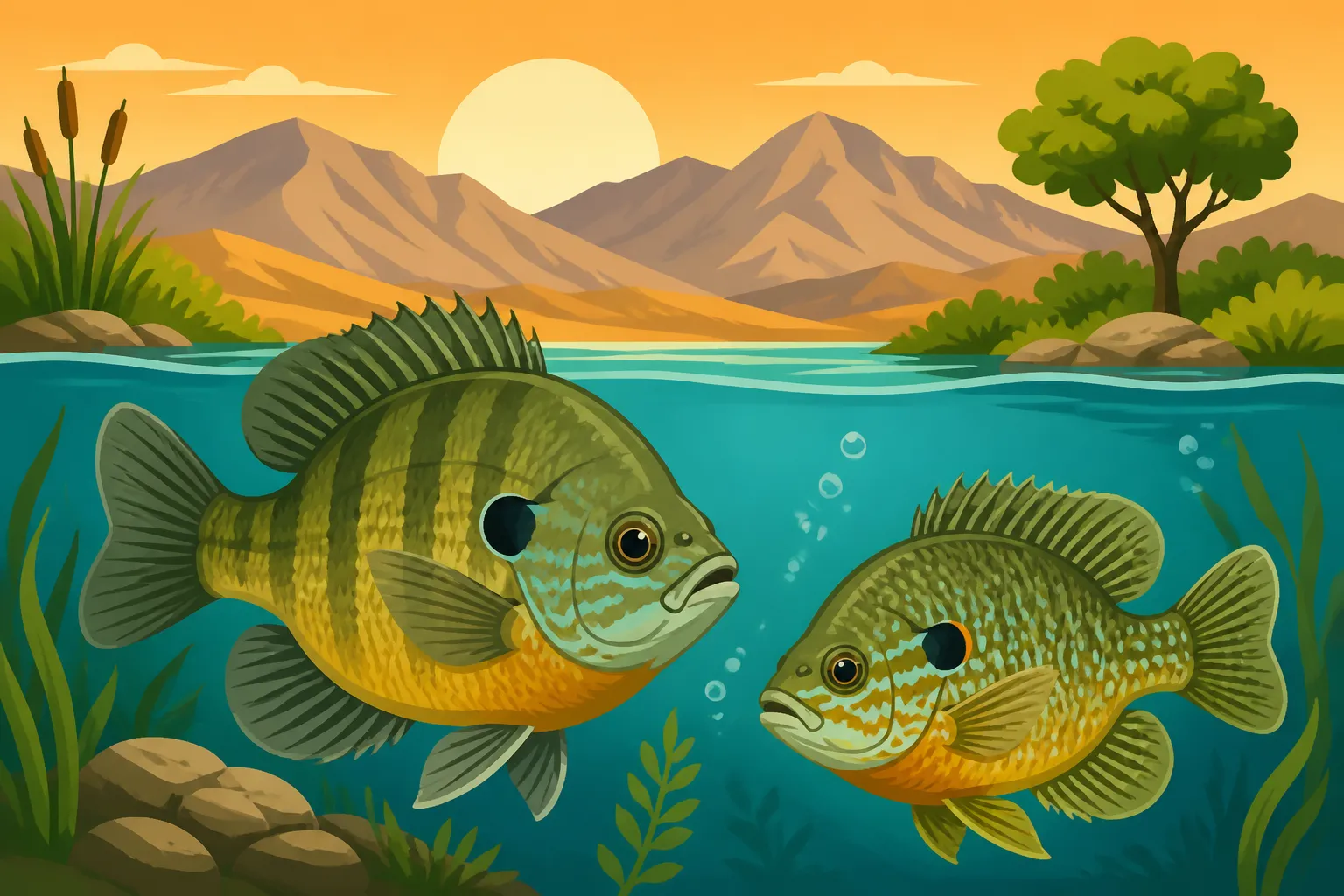
Bluegill (Lepomis macrochirus) are easily recognizable with their distinctive dark spot on the posterior edge of the gill flap, vertical bars on their sides (though these can fade), and a small mouth. Their name, of course, comes from the blue-tinged operculum, or gill cover, that's often quite vibrant, especially on mature males during spawning season. They tend to have a round, compressed body shape, like a disc. Green sunfish (Lepomis cyanellus), on the other hand, have a larger mouth, often extending back past the eye, and typically display a more mottled, olive-green pattern with iridescent blue-green spots on their cheeks and gill covers. They're a bit more tolerant of murkier water and can be found in a wider range of habitats. Redear sunfish (Lepomis microlophus), sometimes called shellcrackers for their habit of eating snails, are notable for the red or orange "ear flap" on their operculum, particularly prominent in males. They generally have a more silvery-green body.
While their appearances differ slightly, they all share a common trait: they're aggressive biters, relatively easy to catch, and thrive in warm, shallow waters, making them perfect inhabitants for the many ponds and smaller reservoirs dotted across the Nevada landscape. They're an excellent introduction to fishing for kids because the action is usually steady, which keeps their attention far better than waiting hours for a single bite from a more elusive species.
Why are They Popular in Nevada Ponds?
The popularity of bluegill and other sunfish in Nevada ponds isn't just because they're pretty or feisty; it's by design, and it speaks to their incredible resilience and accessibility. Many of Nevada's urban ponds, like those managed by the Nevada Department of Wildlife (NDOW), are specifically designed to be family-friendly fishing destinations. These ponds are often stocked with various fish, and bluegill and other sunfish are key players in creating a robust fishery. They reproduce readily, creating sustainable populations that can withstand regular fishing pressure.
For busy families or individuals who don't have the time or equipment for an elaborate lake trip, these local ponds offer a fantastic alternative. You don't need a fancy boat or expensive electronics. A simple rod and reel, a container of worms, and a comfortable spot on the bank are often all it takes. This low barrier to entry means more people can experience the joys of fishing without significant investment or travel. They provide an immediate, hands-on connection to nature right in the middle of urban environments, serving as crucial outdoor recreational spaces. Plus, catching a basket full of panfish for a delicious meal is a tradition many Nevada anglers cherish, adding another layer to their popularity.
Where to Find Bluegill and Sunfish in Nevada Ponds
Nevada might be known for its vast desert landscapes and large reservoirs, but a surprising number of smaller, often overlooked, ponds and smaller lakes are absolute havens for bluegill and sunfish. These spots are typically stocked and managed, making them easy to access and ensuring a good chance of success.
Urban Pond Hotspots
When you think "fishing in Nevada," urban ponds might not be the first thing that comes to mind, especially in the larger metropolitan areas. However, these little oases are prime real estate for bluegill and sunfish, and they're incredibly popular with families and new anglers.
In the bustling Las Vegas Valley, for instance, you'll find several excellent urban ponds specifically managed for public fishing. Las Vegas Nevada Urban Pond Fishing Guide is a great resource, but spots like Floyd Lamb Park are legendary for their consistent panfish action. The ponds at Floyd Lamb are regularly stocked and have plenty of submerged structure and vegetation where bluegill love to hang out. Imagine spending a peaceful morning under the shade of a tree, watching your bobber dance as bluegill eagerly nibble at your bait – it's a welcome escape from the city hustle. Similarly, Lorenzi Park Pond and Sunset Park Pond in Las Vegas are fantastic options, often yielding good numbers of bluegill, especially during the warmer months when they are most active. You might even stumble upon the occasional redear sunfish in these waters, adding a bit of variety to your catch. For those closer to Boulder City, the Boulder City Pond also offers great opportunities for these little fighters.
Up north, around the Reno-Sparks area, similar opportunities exist. While perhaps not as numerous as in Southern Nevada, the community parks and smaller water bodies often hold healthy populations. These urban fisheries are designed to be convenient, allowing you to sneak in a quick fishing trip after work or on a lazy weekend morning without having to drive for hours. They are frequently stocked by NDOW, ensuring a vibrant population, and usually have easy access with paved paths, restrooms, and picnic areas, making them truly family-friendly destinations.
State Park Lakes and Smaller Reservoirs
Beyond the immediate urban centers, Nevada's state parks and smaller reservoirs often boast excellent panfish populations, providing a more rustic, yet still accessible, fishing experience. These spots usually offer a bit more solitude and natural beauty than their urban counterparts.
Consider places like South Fork State Recreation Area in Elko County, where the reservoir provides ample habitat for various fish, including a healthy population of bluegill and other sunfish. While often lauded for its trout and bass, the shallows and coves are perfect for targeting panfish. The same goes for Spring Valley State Park, also in Eastern Nevada, where the reservoir is a clear, inviting body of water where bluegill thrive amongst the submerged grasses and rocky outcrops. These state park settings offer the added bonus of camping, hiking, and other outdoor activities, making them ideal for a full weekend getaway with the family.
Even smaller, often less-talked-about reservoirs across the state, particularly those with plenty of shallow, reedy areas, will likely hold good numbers of bluegill and green sunfish. These are the unsung heroes of Nevada fishing, providing countless hours of angling pleasure without the crowds often associated with the larger, more famous bodies of water. Always check the specific regulations for any state park or reservoir you plan to visit, as rules can sometimes differ slightly from general statewide guidelines. For example, some may have specific restrictions on bait or tackle, or slightly different bag limits for certain species.
Gear and Tackle for Bluegill and Sunfish
One of the beautiful things about fishing for bluegill and sunfish is that you don't need a boatload of specialized, expensive equipment. In fact, a minimalist approach often works best and truly highlights the fighting spirit of these small but mighty fish. This makes it a perfect entry point for beginners and a budget-friendly option for seasoned anglers looking for some light tackle fun.
Essential Rods, Reels, and Line
For bluegill and sunfish, the key is light tackle. This isn't just about making it easier to cast; it's about making the fight feel epic, even when you're reeling in a palm-sized panfish. Using heavy gear designed for bass or trout will simply overpower these little guys, making the experience less enjoyable for you and potentially more stressful for the fish.
Rods: Look for an ultralight or light-action spinning rod. A length between 5 and 6 feet is usually ideal for pond fishing, offering a good balance of casting distance and maneuverability, especially if you're fishing from the bank or a small dock with overhanging trees. An ultralight rod will bend significantly with even a small fish, magnifying the fight and making every nibble feel exciting. You can find excellent, affordable ultralight combos that include both a rod and reel. For example, many reliable brands offer entry-level ultralight spinning combos that are perfect for panfish and are readily available on platforms like Amazon.
Reels: Pair your light rod with a small spinning reel, typically in the 500 to 1000 series size. These reels are designed for lighter lines and smaller lures, providing a smooth retrieve and appropriate drag for delicate presentations. The drag system on a quality small reel allows for controlled line release when a surprisingly large sunfish takes your bait, preventing snapped lines.
Line: This is where many beginners go wrong, opting for line that's far too heavy. For bluegill and sunfish, 2 to 4-pound test monofilament or fluorocarbon line is perfect. Monofilament is a great, affordable all-around choice, offering good knot strength and stretch, which can act as a shock absorber. Fluorocarbon is less visible underwater and more abrasion-resistant, but can be a bit stiffer and more expensive. Braided line, while strong, can sometimes be too visible and might make certain baits act unnaturally for these wary little fish. The lighter line allows your bait to present more naturally and increases your casting distance with ultralight setups.
Best Baits and Lures
Bluegill and sunfish aren't particularly picky eaters, which is another reason they're so much fun to target. They have a varied diet, including insects, small crustaceans, and plant matter, meaning a wide array of natural and artificial offerings can tempt them.
Natural Baits:
- Worms: Without a doubt, the king of bluegill baits is the humble worm. Red wigglers, nightcrawlers (pinched in half or thirds for smaller mouths), and garden worms are irresistible. They're cheap, easy to find, and highly effective. Thread a small piece onto a tiny hook, leaving the ends to wiggle enticingly.
- Crickets & Grasshoppers: These insect baits are incredibly effective, especially during warmer months when bluegill are actively feeding on surface insects. Hook them gently through the collar or tail, and fish them under a small bobber. The frantic kicking of a live insect is often too much for a bluegill to resist.
- Corn & Bread: Believe it or not, some bluegill have a sweet tooth! A kernel or two of canned corn or a small balled-up piece of bread can work wonders, especially in ponds where they're frequently fed.
- PowerBait & Dough Baits: While often associated with trout, small pieces of PowerBait (especially the bright-colored, floating varieties) or various dough baits can also entice bluegill. The scent and bright colors are a powerful attractant.
Artificial Lures:
- Small Jigs: Tiny jigs, often called "crappie jigs" or "panfish jigs," in sizes 1/64 to 1/16 ounce are incredibly effective. Tipped with a small piece of worm or a micro-plastic grub, these jigs can be cast out and slowly retrieved or jigged vertically under a bobber. Bright colors like chartreuse, white, or pink often work well.
- Mini Spinnerbaits: These miniature versions of bass spinnerbaits feature a small blade that flashes and vibrates, mimicking an injured baitfish or insect. They are particularly good for aggressive sunfish.
- Flies: For fly anglers, bluegill are a blast. Small poppers, dry flies (imitating ants, gnats, or small beetles), and wet flies (like a nymph or a tiny woolly bugger) are all incredibly effective. Fly fishing for bluegill on a 3 or 4-weight fly rod is a truly sublime experience.
When choosing your bait or lure, always consider the size. Bluegill and sunfish have relatively small mouths, so tiny hooks (size 8 to 12) are crucial, and your bait should be sized accordingly.
Techniques for Catching Bluegill and Sunfish
Catching bluegill and sunfish doesn't require complex strategies, which is part of their charm. Whether you're a complete novice or an experienced angler looking for a relaxing day, there's a technique that will deliver consistent bites.
Simple Bobber Fishing
This is the quintessential method for panfish, and it's perfect for teaching kids or for anyone who simply enjoys the visual thrill of a bobber disappearing under the water. It’s also incredibly effective because bluegill often suspend at various depths or hang around cover, and a bobber setup allows you to present your bait right in their strike zone.
To set up, you'll need a small bobber (a red and white plastic sphere is classic, but smaller slip bobbers can offer better sensitivity), a few small split shot weights, and a small hook (size 8 or 10 is usually ideal for panfish). Start by attaching your bobber to your line, then crimp a few split shots about 6-12 inches above your hook. The split shot serves two purposes: it helps cast your light bait a bit further, and it pulls your bait down through the water column. The amount of weight depends on the bait you're using; you want just enough to make the bobber stand upright with your bait suspended below it.
The real magic of bobber fishing is depth control. Begin by setting your bobber to suspend your bait about 2-3 feet deep. Cast your line out near promising areas like submerged weeds, docks, fallen trees, or areas where the bank drops off slightly. Then, simply watch your bobber. If you don't get bites within 10-15 minutes, adjust your bobber to fish deeper or shallower. Bluegill can be anywhere from just below the surface down to several feet deep, so experimenting with depth is key. If you are fishing in a clear pond, you might even be able to spot schools of bluegill and cast directly to them. This method is incredibly forgiving and provides immediate feedback with every bobber twitch, making it endlessly engaging.
Advanced Finesse Techniques
While bobber fishing is fantastic, more experienced anglers can take bluegill and sunfish fishing to another level with finesse techniques that are both challenging and incredibly rewarding. These methods often involve light presentations and mimicking natural prey more precisely.
Ultralight Spinning with Micro Jigs:
Instead of a bobber, you can tie a tiny jig (1/64 to 1/32 ounce) directly to your 2-4 pound test line. These micro jigs can be tipped with a small piece of real worm, a tiny plastic grub, or even just fished bare. Cast it out and retrieve it with a slow, steady pace, adding subtle twitches of the rod tip. The goal is to make the jig flutter and dance like a small insect or minnow. This technique requires a bit more feel, as strikes can be very subtle – sometimes just a slight "tick" on the line or added weight. Vary your retrieve speed and depth until you find what the fish prefer on that particular day. Brands like Strike King and Bobby Garland offer an excellent selection of micro plastics that are very effective, and you can easily find these on Amazon.
Fly Fishing for Panfish:
For many fly anglers, chasing bluegill and sunfish is a joyful return to basics. A 2 to 4-weight fly rod is ideal, paired with a floating fly line. You can use a variety of flies:
- Dry Flies: Small poppers (foam or cork-bodied flies that gurgle when twitched) are incredibly exciting to fish, as bluegill will often rise to the surface with an explosive strike. Terrestrial patterns like ant or beetle imitations also work well, especially when conditions are calm.
- Wet Flies/Nymphs: Tiny nymphs (sizes 12-18), soft hackles, or even micro-sized Woolly Buggers (size 10-14 in olive, black, or brown) are excellent subsurface choices. Fish these with a slow retrieve or allow them to drift naturally in areas with slight current or wind. A strike indicator (similar to a bobber for fly fishing) can help detect subtle takes when fishing nymphs.
Fly fishing for panfish allows for delicate presentations and can be incredibly visual, particularly when using topwater flies. It's a fantastic way to hone your casting skills and enjoy a more engaging fight with these spirited little fish.
Best Times and Seasons for Bluegill and Sunfish
Understanding when bluegill and sunfish are most active can significantly increase your success rates. While these fish are generally willing biters, certain times of the year and day will yield more consistent action in Nevada's unique climate.
Seasonal Patterns
Nevada's desert climate means distinct seasonal changes that affect water temperatures, which in turn dictate fish behavior. Bluegill and sunfish are warm-water species, so their activity levels are closely tied to the temperature of the pond.
Spring (March-May): This is arguably one of the best times to target bluegill and sunfish in Nevada. As water temperatures begin to rise from their winter lows, these fish become increasingly active. They move out of deeper, warmer pockets and into shallower areas to feed heavily in preparation for spawning. Mid-to-late spring, when water temperatures are consistently in the 60s Fahrenheit, is prime time. Look for them in sunny, protected coves and along vegetated banks. This period also often coincides with insect hatches, making fly fishing with dry flies particularly effective. They're often eager to bite after a long, less active winter, and you'll find good numbers of fish in accessible areas.
Summer (June-August): Nevada summers bring intense heat, and while bluegill are warm-water fish, extreme temperatures can push them to seek refuge. In the early summer, especially in June, you'll find intense spawning activity. This is when bluegill are highly concentrated in very shallow beds, making them easy targets. Look for circular, crater-like depressions on the bottom in shallow areas. However, as summer progresses and surface water temperatures soar, bluegill may move to slightly deeper water or seek shade under docks, lily pads, or overhanging trees during the hottest parts of the day. Early morning and late evening fishing become crucial during this season. Night fishing can also be surprisingly productive in some ponds, as the water cools slightly and the fish feel more secure feeding.
Fall (September-November): As temperatures begin to drop and the days shorten, bluegill and sunfish enter a period of "fall feeding." They sense the coming winter and will actively feed to pack on calories. This can be another excellent time to fish, similar to spring. They'll often be found transitioning between shallow feeding areas and slightly deeper water. The cooler, more stable water temperatures can lead to aggressive bites throughout the day. The fishing pressure often lessens as people turn to other activities, giving you more space to enjoy the autumn colors and lively panfish.
Winter (December-February): Winter fishing for bluegill and sunfish in Nevada can be challenging but not impossible, especially in ponds that don't completely freeze over. Their metabolism slows significantly, and they generally retreat to the deepest available water where temperatures are more stable. Bites will be much more subtle, and a slower, more deliberate presentation is required. If ice fishing is possible on a stable, safe frozen pond (always check local conditions and ice thickness), tiny jigs and baits fished vertically can still tempt a few hardy panfish. However, for most anglers, winter is typically the slowest season for these species.
Daily Activity and Weather Considerations
Just like with any other fish, the time of day and prevailing weather conditions play a significant role in how active bluegill and sunfish will be.
Time of Day:
- Early Morning & Late Afternoon: These are consistently the best times to fish for bluegill and sunfish, especially during the warmer months. The sun is less intense, water temperatures are more comfortable, and these fish often move into shallower areas to feed. The dawn and dusk hours provide a natural low-light advantage where fish feel safer.
- Midday: In spring and fall, midday can still be productive, particularly on overcast days. However, during hot Nevada summers, midday fishing typically means slower action as fish seek deeper, cooler water or dense cover.
- Night Fishing: While not as common for panfish, night fishing in certain ponds can yield surprising results, especially for larger specimens that are more cautious during daylight hours. Catfish are often the primary target at night, but don't be surprised if a big bluegill grabs your bait.
Weather Conditions:
- Cloudy Days: Overcast conditions are often a blessing for bluegill anglers. The diffused light makes fish feel more comfortable in shallower water throughout the day, extending the prime fishing window.
- Light Rain: A gentle, warm rain can also invigorate bluegill, washing insects into the water and lowering light penetration, making them more active. Just be mindful of safety if lightning is a concern.
- Cold Fronts: A sudden drop in temperature after a cold front can make bluegill lethargic and less willing to bite. It's often best to wait a day or two after a significant cold front for the fish to adjust and resume feeding.
- Wind: A light chop on the water created by a breeze can be beneficial, breaking up the surface and making your line and movements less visible to the fish. However, strong winds can make casting difficult and make it hard to detect subtle bites, especially with a bobber. On very windy days, try fishing on the leeward side of the pond (the side protected from the wind) where the water is calmer.
By paying attention to the calendar and the clock, and making smart adjustments for the weather, you'll greatly improve your chances of a successful and fun day of bluegill and sunfish fishing.
Regulations and Conservation
Even though bluegill and sunfish are abundant and often stocked, it's crucial to understand and respect Nevada's fishing regulations. These rules are in place to ensure healthy fish populations for everyone to enjoy for years to come. Plus, practicing good conservation habits is just part of being a responsible angler.
Nevada's General Panfish Regulations
Before you even wet a line, make sure you have a valid Nevada fishing license. Nevada Fishing License Guide is your go-to resource for understanding the requirements, including age restrictions. Generally, everyone age 12 and older needs a license in Nevada, whether you're a resident or a visitor. There are specific rules for Nevada Youth Fishing License Rules and special considerations for seniors and disabled veterans, so always check what applies to you. You can typically purchase licenses online through the Nevada Department of Wildlife (NDOW) website or at various sporting goods stores.
When it comes to bluegill and sunfish, the regulations are usually quite generous, reflecting their healthy populations. However, it's always important to refer to the current Nevada Fishing Regulations Explained booklet, which is updated annually. You can usually find a copy online through NDOW or pick one up wherever fishing licenses are sold.
Here are some general points, but always confirm with the official source:
| Regulation Type | General Rule for Bluegill/Sunfish (Confirm Annually) | Notes |
|---|---|---|
| Fishing License | Required for ages 12 and up | Specifics for residents, non-residents, youth, senior, disabled veteran. |
| Daily Limit | Often very generous, e.g., 25 fish per day | Designed to allow harvest, but check for specific ponds. |
| Possession Limit | Often double the daily limit | Represents the maximum number you can have on hand at any time. |
| Size Limit | Generally none for bluegill/sunfish | Some specific waters might have special rules, always verify. |
| Legal Fishing Hours | Typically sunrise to sunset, but check specific waters | Some urban ponds might have park hours restrictions. |
| Allowed Methods | Usually rod and reel; spearfishing and bowfishing often restricted to carp/suckers. | Check for specific bait or hook restrictions in certain waters. |
It's vital to remember that while these are general guidelines, specific ponds, especially urban ponds or those within state parks, can sometimes have their own unique regulations. For example, some ponds might have a lower daily limit to spread out the catch among more anglers, or specific restrictions on bait (like no live bait other than worms). Always look for signage at the pond itself or check the "Special Regulations" section for specific waters in the NDOW fishing guide. Ignorance of the law is never an excuse, and a game warden can and will check your compliance. Nevada Fishing Violation Penalties can be steep, so it's always better to be informed.
Promoting Healthy Pond Ecosystems
Responsible angling goes beyond just following the rules; it's about being a steward of the environment. While bluegill and sunfish are prolific, treating them and their habitat with care ensures these fun fisheries remain vibrant.
Catch and Release Best Practices: Even if you plan to keep a limit of bluegill for a delicious fish fry, practice proper catch-and-release for any fish you don't intend to harvest.
- Minimize Handling: Try to handle the fish as little as possible. Wet your hands before touching the fish to protect its slime coat, which is vital for its health and disease resistance.
- Quick Release: If the hook is easily removed, do so quickly and gently with a pair of needle-nose pliers or a dehooking tool. Avoid tearing the fish's mouth.
- Deep Hooked Fish: If a fish is deeply hooked and removing the hook would cause significant damage, it's often best to simply cut the line as close to the hook as possible. The hook will likely rust out over time.
- Revive If Needed: If a fish seems stressed, hold it gently in the water, facing into any current, until it can swim away on its own.
Respect the Habitat:
- Pack It In, Pack It Out: Leave no trace. Take all your trash, including discarded fishing line and bait containers, with you. Fishing line is particularly dangerous to wildlife.
- Protect Vegetation: Avoid trampling sensitive shoreline vegetation, as these areas provide crucial habitat and spawning grounds for fish and other pond creatures.
- No Introduction of Species: Never, ever release unused baitfish or other non-native species into a pond. This can introduce diseases or invasive species that devastate the local ecosystem.
By being mindful of regulations and practicing ethical angling, you contribute to the ongoing health and enjoyment of Nevada's precious pond ecosystems, ensuring that bluegill and sunfish continue to provide smiles for generations to come.
Disclaimer
This article is for general informational purposes only and does not constitute professional advice. Laws, prices and regulations vary by location and change over time. Consult a qualified professional for guidance on your specific situation.