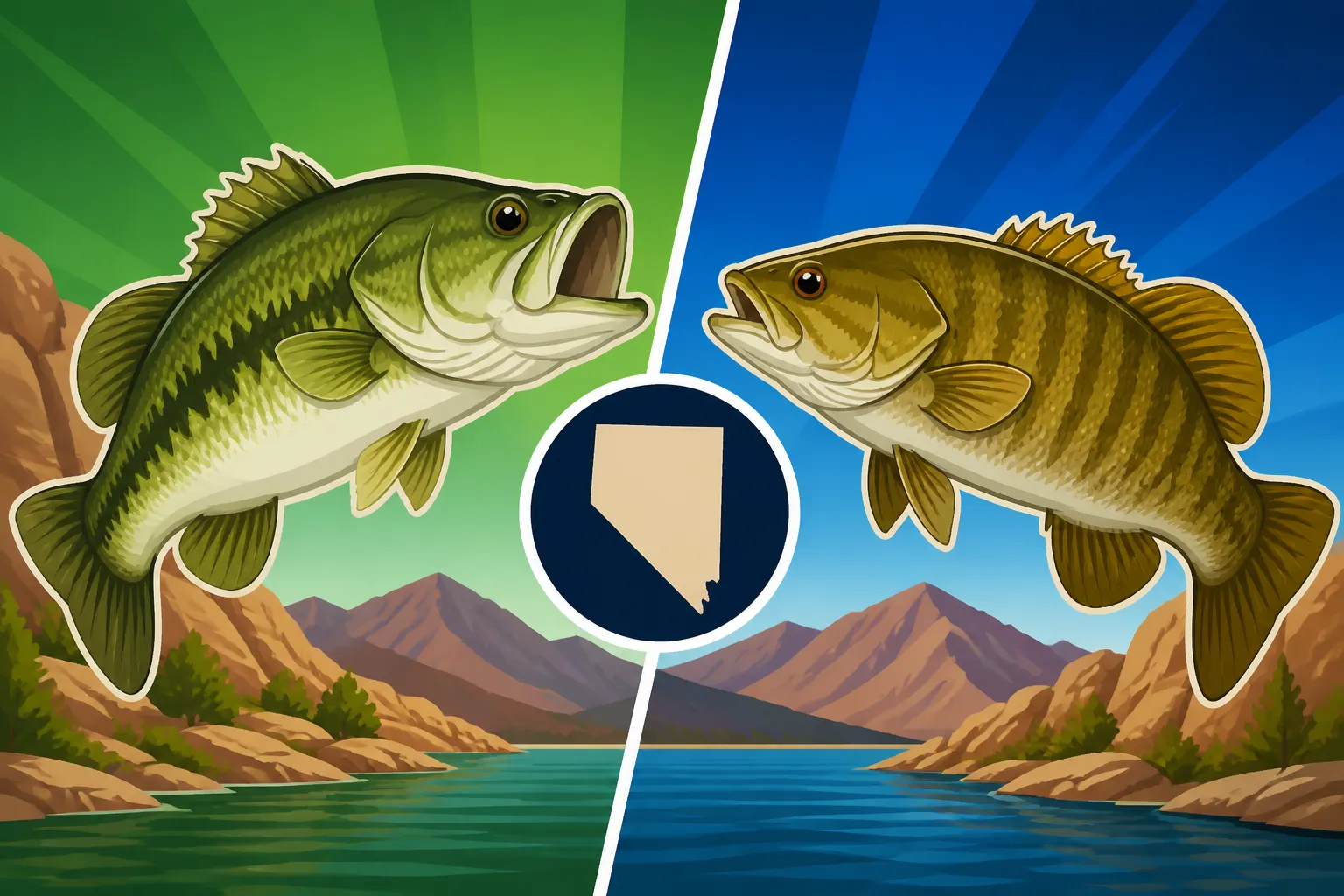
Difference Between Largemouth and Smallmouth Bass
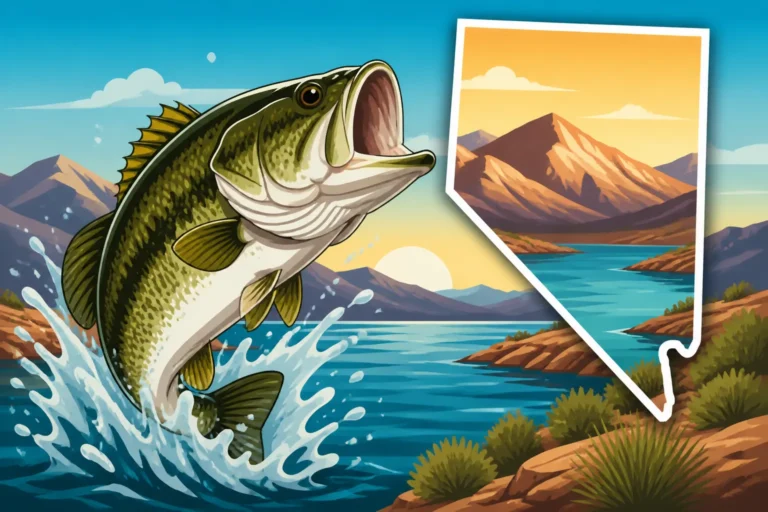
There's nothing quite like the rush of a bass hitting your line in Nevada's diverse waters, but sometimes, when you finally bring that fish to hand, you're left scratching your head: "Is this a largemouth or a smallmouth?" It's a common dilemma, and one that can have real implications for how you fish, where you fish, and even what regulations apply. This guide is dedicated to helping you confidently identify the difference between these two fantastic game fish, ensuring you're always in the know, whether you're targeting them specifically or just enjoying a day on the lake.
The Tale of Two Bass: Understanding Their Place in Nevada Waters
Nevada might be known for its vast deserts, but beneath the surface of its reservoirs and rivers lies a thriving ecosystem, home to some truly exciting fishing opportunities. Among the most popular targets for anglers are the largemouth and smallmouth bass. While both are members of the sunfish family, they are distinct species with different preferences, appearances, and behaviors. Understanding these nuances isn't just for the seasoned pro; it's fundamental for any angler looking to maximize their success and fish responsibly in the Silver State.
Why Distinguishing Bass Matters for Anglers
Let's be honest, for many of us, any tug on the line is a good tug. But when it comes to bass, knowing whether you've hooked a largemouth or a smallmouth can genuinely change your approach. First and foremost, regulations. While many general statewide rules apply, specific waters or regions might have nuances regarding size and bag limits for one species over the other. Imagine catching a magnificent bass, only to realize later that it was a smallmouth just under the legal keeper size, when a largemouth of that size would have been perfectly fine. It's frustrating, and can lead to unintentional violations. By understanding the key differences, you can quickly assess your catch and ensure you're adhering to all local guidelines. You can always check the current Nevada Bass Daily Limit and Size Rules before you head out.
Beyond regulations, identification directly influences your fishing strategy. Largemouth bass, as we'll delve into, tend to prefer different types of habitat than smallmouth. If you're constantly finding one type of bass in a particular area, but you're rigged for the other, you might be missing out on opportunities. Knowing which species you're likely to encounter helps you select the right lures, adjust your retrieve, and focus your efforts on the most productive spots. It’s all about putting yourself in the best position for a successful day.
A Brief History of Bass in Nevada's Ecosystem
Neither largemouth nor smallmouth bass are native to Nevada. Like many prized game fish across the country, they were introduced to the state's waters to create sport fisheries. Largemouth bass, in particular, were stocked extensively in the early to mid-20th century, finding ideal conditions in many of Nevada's newly created reservoirs and urban ponds. Lakes like Lake Mead and Lake Mohave quickly became renowned largemouth havens, offering incredible angling opportunities that continue to this day. They adapted well to the warmer, often turbid waters and abundant cover.
Smallmouth bass, preferring cooler, clearer, and rockier environments, were introduced later and found their niche in specific bodies of water. While perhaps not as ubiquitous as largemouth in every corner of the state, they thrive in places like Lake Mead and Lake Mohave, especially in areas with deeper, rockier structures. Their presence adds a thrilling dimension to Nevada's bass fishing scene, offering anglers the chance to target both hard-fighting species, often in the same general vicinity, if they know where to look. Their introduction has undeniably shaped the angling culture here, transforming many waters into top-tier bass destinations.
Physical Distinctions: Seeing the Difference Up Close
When you pull a bass out of the water, the first few seconds are critical for identification. Instead of just admiring the fight (which you absolutely should!), take a moment to observe its physical characteristics. There are some very clear, consistent tells that will help you confidently distinguish between a largemouth and a smallmouth. It’s not about guessing; it's about looking for specific anatomical markers that are almost always present.
Mouth Structure and Jawline Clues
This is often the go-to identifier for many anglers, and for good reason—it’s typically the most obvious and reliable. The key lies in where the corner of the fish's mouth extends in relation to its eye.
For a largemouth bass, if you gently close its mouth, the hinge or corner of its jaw will extend beyond the rear margin of its eye. Think of it as a wider, more expansive mouth designed for gulping down larger prey. This is a crucial characteristic, and once you've seen it a few times, it becomes incredibly easy to spot. Their upper jaw often appears quite long, creating that distinct overbite or "bucketmouth" appearance. This large mouth allows them to swallow substantial meals, from sizable baitfish to frogs and even small ducks, which is why they are such aggressive predators in their preferred habitats.
In contrast, a smallmouth bass has a noticeably smaller mouth. When its mouth is closed, the hinge of its jaw will not extend past the rear margin of its eye. In many cases, it barely reaches the middle of the eye. This gives the smallmouth a more proportionate, almost pointy head compared to its largemouth cousin. Their smaller maw is still incredibly efficient for their diet, but it reflects a different feeding strategy, one that often involves picking off smaller crustaceans and baitfish from rocky crevices. This mouth difference is usually the first thing I look at when a bass comes over the rail of my boat, and it rarely lets me down.
Body Shape, Coloration, and Markings
Beyond the mouth, the overall build and patterning of the fish provide excellent clues, though these can sometimes vary based on water clarity, diet, and even the fish's mood.
Largemouth bass typically have a more robust, deeper body, often described as "football-shaped." They tend to be a darker green, almost olive, on their backs, fading to a lighter green or yellowish-white on their bellies. The most distinctive marking is a prominent, irregular dark lateral line that runs horizontally along their sides, from gill plate to tail. This line can sometimes appear broken or as a series of blotches, but it's always there, often stark against their lighter flanks. The scales can feel somewhat coarser than a smallmouth's, too. In very clear water, their colors can be quite vibrant, while in stained or darker water, they might appear almost black.
Smallmouth bass, on the other hand, are generally more streamlined and torpedo-shaped. They possess a bronze to brown coloration on their backs and sides, often with vertical bars or blotches instead of a single horizontal line. These vertical markings can range from subtle to very pronounced, especially when the fish is stressed or excited. Their belly is usually white or cream-colored. Many anglers describe smallmouths as having a "meaner" or more aggressive look due to their coloration and often red eyes. The bronze hue is a fantastic camouflage against the rocky bottoms they often inhabit. They tend to feel smoother to the touch due to their finer scales, a subtle but noticeable difference once you've handled both.
Dorsal Fin Separation
This is a more subtle, but still very reliable, characteristic that can help seal the deal on identification. You'll need to look closely at the dorsal fin, the fin on the fish's back.
The largemouth bass has a dorsal fin that appears almost completely split or deeply notched. There's a clear, deep indentation between the spiny, anterior part of the fin and the soft-rayed, posterior part. It almost looks like two separate fins joined at the very base. You can often see this separation quite easily as the fish flares its fins. This distinct division gives it a unique profile in the water and is another key physical marker.
For the smallmouth bass, the dorsal fin is not as deeply notched. While there's still a division between the spiny and soft-rayed sections, it's much less pronounced, creating a more continuous, uniform fin. It looks more like one solid fin, with just a slight dip in the middle. If you run your finger along the top of the dorsal fin (carefully!), you'll notice it's a much smoother transition from the front spines to the softer rays. This characteristic, combined with the mouth and coloration, gives you a comprehensive checklist for accurate identification.
Habitat Preferences: Where You'll Find Each Species
Just as humans prefer different climates and living spaces, largemouth and smallmouth bass have distinct preferences for where they like to hang out. Understanding these habitat choices is incredibly valuable, as it helps you narrow down your search and focus your efforts on the areas most likely to hold your target species. Fishing smarter, not harder, definitely applies here in Nevada's vast reservoirs.
Largemouth: The King of Structure and Cover
If you're looking for largemouth bass in Nevada, think "cover." These fish are masters of ambush, preferring to lie in wait amidst thick vegetation, submerged timber, or any kind of structure that offers both concealment and a strategic vantage point for prey. They thrive in shallower, warmer waters, often found in coves, creek arms, and protected bays where sunlight penetrates and fosters plant growth.
Picture a sunny morning at Lake Mead. You'd likely find largemouth lurking around dense cattails, submerged brush piles, or even artificial structures like old tires or sunken docks. They love anything that breaks up the open water and provides a shadow or a place to hide. This is their kingdom, where they can quickly dart out to snatch an unsuspecting baitfish or crawfish. You can learn more about where they hang out by reading Largemouth Bass Habitat at Lake Mead. Their preference for cover means that areas with lily pads, weed beds, and fallen trees are prime spots. They appreciate a bit of stained or murky water, too, as it further aids their camouflage. When the water warms up, these shallower areas become even more attractive to largemouth, offering abundant food sources and comfortable temperatures.
Smallmouth: The Rocky, Cooler Water Dweller
Smallmouth bass, often called "bronzebacks" for their distinctive coloration, are a different breed entirely. They prefer cooler, clearer water and gravitate towards rocky environments. Think main lake points, sheer rock walls, gravel beds, deep ledges, and submerged boulders. They are less about hiding in thick cover and more about navigating open water with plenty of hard structure.
Imagine fishing the deeper, rockier sections of Lake Mohave. That's smallmouth country. They'll hug contour lines, patrol rocky drop-offs, and hang around schools of baitfish that congregate over these hard bottom areas. They're built for speed and power, excellent at running down prey in open water or darting into rock crevices after crawfish. You'll often find them deeper than largemouth, especially during the heat of the day, as they seek out those cooler, oxygen-rich waters. If you're exploring areas with deep water access and plenty of exposed rock formations, you're likely in Smallmouth Bass Habitat at Lake Mead. Their reliance on rocky structures means that understanding underwater topography and using your electronics to locate ledges and humps can be incredibly effective when targeting them.
Overlap and Coexistence in Nevada Lakes
While largemouth and smallmouth bass have their distinct preferences, it's important to remember that many of Nevada's larger reservoirs, particularly Lake Mead and Lake Mohave, are vast and diverse enough to support both species. This means you can often find yourself catching both on the same outing, sometimes even in relatively close proximity.
For instance, a large cove on Lake Mead might have a shallow, weedy back end perfect for largemouth, while its mouth, where it meets the main lake, could feature a rocky point and a steep drop-off teeming with smallmouth. It's not uncommon for an angler to start fishing plastics in the thick cover for largemouth and then move to a rocky shoreline to throw crankbaits for smallmouth within an hour. The key is to pay attention to the transition zones and be adaptable. As water levels fluctuate or seasons change, these fish might shift slightly, but their core habitat preferences remain. Being prepared to fish both types of structure is a major advantage when exploring Nevada's versatile bass fisheries.
Feeding Habits and Behavior: What They Eat and How They Hunt
Understanding what bass eat and how they prefer to hunt is like having a secret weapon in your tackle box. It tells you not just where to find them, but what lures to throw and how to present them. Largemouth and smallmouth, despite their shared ancestry, have developed different feeding strategies that cater to their preferred habitats.
Largemouth's Ambush Predation
The largemouth bass is an opportunistic predator, and its large mouth is perfectly designed for devouring a wide array of prey. They are quintessential ambush predators, preferring to hide in dense cover—like weed beds, submerged trees, or brush piles—and explosively attack anything that swims or falls into their strike zone. Their diet is incredibly varied and can include:
- Baitfish: Shad, sunfish, minnows, and smaller bass.
- Crawfish: A favorite meal, especially when they're shedding their shells.
- Frogs: Any frog that ventures too close to the water's edge is fair game.
- Insects: Large terrestrial insects that fall into the water.
- Rodents and Birds: Yes, a sizable largemouth isn't shy about gulping down a small mouse or even a duckling if the opportunity arises.
Their hunting style is patient and powerful. They use their camouflage to blend into their surroundings, waiting for prey to come within striking distance. When they hit, it's often with a violent, jarring strike, especially on topwater baits, which can be absolutely thrilling. This aggressive, cover-oriented approach makes them a blast to target, as you're often fishing right into the thickest stuff where other fish wouldn't dare.
Smallmouth's Foraging and Open Water Prowess
Smallmouth bass, while still formidable predators, exhibit a more active foraging behavior. Their smaller, more streamlined bodies and preference for rocky, open water mean they often cruise ledges, points, and humps, actively seeking out food. They are known for their strong eyesight and their ability to quickly chase down prey in clearer water. Their diet primarily consists of:
- Crawfish: This is arguably their number one food source in many waters. They'll tirelessly comb rocky bottoms for these crustaceans.
- Baitfish: Smaller minnows, shad, and other juvenile fish found in open water or near rocky structures.
- Insects: Especially aquatic insects, but also terrestrial insects that land on the water's surface.
Smallmouth are less likely to lie completely hidden in dense cover. Instead, they patrol their rocky domains, often moving in schools, using their speed and agility to capture prey. When a smallmouth hits, it's usually a sharp, distinct tug, followed by powerful runs and acrobatic jumps that make them one of the hardest-fighting freshwater fish pound-for-pound. They are incredibly tenacious fighters, often putting up a more sustained battle than their largemouth cousins.
How Diet Influences Lure Selection
Understanding these dietary preferences is your golden ticket to choosing the right lure.
For largemouth bass, think about lures that mimic their preferred large, slow-moving or unsuspecting prey, and that can be fished effectively in heavy cover:
- Soft Plastics: Texas-rigged worms, creature baits, and jigs with bulky trailers that imitate crawfish or various amphibians are deadly when pitched or flipped into cover.
- Spinnerbaits and Bladed Jigs: Excellent for covering water around weeds and wood, mimicking a fleeing baitfish.
- Topwater Lures: Frogs, poppers, and walking baits are fantastic for early mornings and late evenings when bass are hunting on the surface over cover.
- Crankbaits: Squarebill crankbaits that deflect off wood and rock are superb for evoking an aggressive strike.
For smallmouth bass, you'll want lures that mimic crawfish, smaller baitfish, and insects, often presented in open water or along rocky structures:
- Jigs: Finesse jigs, football jigs, and tube jigs are phenomenal for imitating crawfish on rocky bottoms.
- Crankbaits and Jerkbaits: Especially those with a tighter wobble, perfect for mimicking baitfish in open water or along rocky ledges.
- Drop Shot Rigs: An incredibly effective finesse technique for presenting small soft plastics directly in front of bass suspended over structure.
- Blade Baits and Underspins: Great for covering water and triggering strikes from actively feeding smallmouth.
Many anglers find it convenient to stock up on a variety of lures online. You can find a huge selection of bass baits on Amazon that cater to both largemouth and smallmouth preferences, from plastic worms to hard-bodied crankbaits. Having a versatile arsenal means you're prepared for whatever these Nevada bass might be biting on.
Fishing Techniques: Targeting Each Bass Species
Now that we know what they look like, where they live, and what they eat, let's talk about the fun part: how to catch them! While there's always overlap, specific techniques truly excel for each bass species, maximizing your chances of a successful outing on Nevada's waters. Being prepared to switch up your approach is what separates a good day from a great day.
Strategies for Largemouth Bass
Targeting largemouth bass often means getting into the thick of things. Their love for heavy cover dictates a more robust, deliberate approach.
- Pitching and Flipping: This is a close-quarters combat technique. Using a heavy-action rod and stout line, you'll precisely drop (pitch) or swing (flip) a jig or soft plastic into dense vegetation, submerged brush, or under docks. The goal is to land your bait silently and accurately in small pockets of open water, right where a largemouth might be waiting. The strike is often immediate and violent.
- Topwater Excitement: Few things beat a largemouth exploding on a topwater lure. In low light conditions (early morning, late evening, or overcast days), walking baits, poppers, and hollow-bodied frogs fished over lily pads or shallow weed beds can be incredibly effective. The erratic action mimics struggling prey, drawing aggressive surface strikes.
- Crankbaiting Cover: Squarebill crankbaits are designed to "crash and deflect" off submerged timber and rocks without getting hung up. Bumping these baits off cover can trigger reactionary strikes from largemouth. This is a great way to cover water quickly in areas with scattered structure.
- Heavy Line and Tackle: For wrestling largemouth out of heavy cover, you'll want braided line (at least 30-50 lb test) or heavy fluorocarbon (17-25 lb test). A strong baitcasting reel and a medium-heavy to heavy power rod are essential for muscle and control. When looking for a solid setup, check out reviews for Best Baitcasting Reels for Bass Fishing to make sure you have the right gear.
Strategies for Smallmouth Bass
Smallmouth bass, with their preference for rocky, clear water, often require a more finessed approach or techniques that cover open water quickly. Their powerful fight and acrobatic jumps make them a blast to catch.
- Drop Shotting: This finesse technique is perfect for smallmouth suspended over deep structure. A small soft plastic lure is tied above a weight, allowing it to hover tantalizingly in the strike zone. It's incredibly effective when smallmouth are finicky or when you've located them on your fish finder.
- Crankbaits and Jerkbaits: These are workhorses for smallmouth. Medium-diving crankbaits can be retrieved to bounce off rocky bottoms, mimicking crawfish, while jerkbaits excel at imitating injured baitfish in the water column. Experiment with different retrieve speeds and pauses to entice strikes.
- Tube Jigs and Football Jigs: When smallmouth are glued to the bottom, especially on rocky points or humps, a tube jig or football jig dragged along the bottom is deadly. These baits imitate crawfish perfectly. A slow, methodical retrieve is often key.
- Light to Medium Tackle: While smallmouth fight hard, they're often found in less snaggy environments than largemouth. Medium-light to medium power spinning rods with 6-10 lb fluorocarbon or monofilament are common, offering better sensitivity for those subtle bites. For those looking for versatile reels, you might also find that some Best Spinning Reels for Trout Fishing can pull double duty for smallmouth.
Adapting to Nevada's Diverse Bass Fisheries
Nevada offers an incredible array of bass fishing opportunities, from the vast stretches of Lake Mead to the challenging conditions of other desert reservoirs. The most successful anglers are those who can adapt their techniques. Don't be afraid to carry multiple rod setups, each rigged for a different presentation.
For example, if you're exploring a new section of Lake Mohave, start by observing the shoreline. Is it rocky and steep? Grab your smallmouth gear. Does it transition into a shallow, brushy cove? Time to pick up your largemouth setup. The ability to switch gears quickly is paramount. Keep an eye on the Best Time of Year to Fish in Nevada to understand seasonal patterns that might favor one species over another, or influence where they're holding.
Sometimes, the simplest approach is to cover water. Cast a versatile lure like a spinnerbait or a lipless crankbait that can appeal to both species, and let the fish tell you what they're biting on and where they're located. Many anglers find themselves constantly experimenting, which is part of the thrill. You can even find some multi-species lure kits on Amazon to ensure you're ready for anything the lake throws at you. Remember, every day on the water is a learning experience, and adapting is key to unlocking the full potential of Nevada's bass fishing. Check out How to Fish for Bass in Nevada for more in-depth strategies.
Conservation and Regulations: Fishing Responsibly
As anglers, we have a responsibility to protect the resources we enjoy. Nevada's bass populations are a precious asset, providing countless hours of recreation and contributing to the state's natural beauty. Understanding and adhering to regulations, and practicing good conservation habits, ensures that these fisheries remain healthy and vibrant for future generations. It's not just about what you catch, but how you treat the fish and the environment.
Size and Bag Limits: Knowing the Rules
One of the most fundamental aspects of responsible angling is knowing and respecting the size and bag limits for the fish you're targeting. For bass in Nevada, these limits can vary by species, by specific body of water, and sometimes by season. This is precisely why being able to tell the difference between a largemouth and a smallmouth is so critical.
Imagine landing a healthy 15-inch bass. If the regulation for largemouth is a 12-inch minimum, you're good to go. But what if, in that same water, the smallmouth minimum is 18 inches? Without proper identification, you could mistakenly keep an undersized smallmouth, leading to potential fines and, more importantly, harming the fishery. Always consult the latest Nevada Fishing Regulations Explained before heading out. These regulations are designed by wildlife biologists to ensure sustainable populations, protecting younger fish and allowing mature fish to reproduce. Carrying a small ruler or measuring tape is a simple habit that can save you a lot of trouble and help you make responsible decisions on the water.
Catch and Release Best Practices
Many anglers, especially those targeting trophy fish or simply enjoying the sport, practice catch and release. This is a fantastic way to ensure fish populations thrive, but it's only effective if done properly. A poorly handled fish, even if released, might not survive.
Here are some best practices for catch and release:
- Minimize Handling: Try to keep the fish in the water as much as possible. If you must remove it for a quick photo, do so quickly and support its body horizontally.
- Wet Hands: Always wet your hands before touching a fish. Dry hands can remove the protective slime coat, making the fish vulnerable to disease.
- Proper Unhooking Tools: Keep a pair of long-nosed pliers or a dehooking tool handy. This allows for quick and clean hook removal, especially with deeply hooked fish. You can find excellent quality pliers and other essential tools on Amazon that are specifically designed for safe fish handling.
- Avoid Gill and Eye Contact: Never put your fingers into the gills, and avoid touching the fish's eyes.
- Revive Gently: If the fish seems stressed, hold it gently upright in the water, facing into a mild current, until it swims away under its own power. Don't throw it back; let it revive naturally.
These practices, similar to those for other species like Catch and Release Techniques for Trout, help ensure that the bass you release goes on to fight another day and contribute to the fishery. For those seeking the thrill of landing truly massive fish, careful handling is especially important to protect Trophy Bass Waters in Nevada.
Protecting Nevada's Bass Populations
Beyond individual actions, contributing to the broader conservation effort is vital. This can include:
- Reporting Violations: If you witness illegal fishing activities, such as exceeding bag limits or fishing in closed areas, report it to the Nevada Department of Wildlife (NDOW).
- Cleaning Up: Always pack out everything you pack in. Leaving trash, fishing line, or other debris harms the environment and wildlife.
- Preventing Invasive Species: Be diligent about cleaning your boat, trailer, and gear to prevent the spread of invasive species like quagga mussels between waterways. Nevada has strict rules for this, and for good reason.
- Supporting Conservation: Consider purchasing fishing licenses, even if you are exempt, as the funds often directly support fisheries management and habitat improvement projects.
By being informed, responsible, and proactive, anglers play a crucial role in maintaining the health and abundance of Nevada's incredible bass fisheries for everyone to enjoy, now and in the future.
Key Differences Between Largemouth and Smallmouth Bass
To help solidify the identification characteristics we've discussed, here's a quick comparison table summarizing the main points. This can be a handy reference tool when you're out on the water, trying to make that split-second determination.
| Feature | Largemouth Bass | Smallmouth Bass |
|---|---|---|
| Mouth | Jaw extends past the rear margin of the eye | Jaw does NOT extend past the rear margin of the eye |
| Body Shape | Deeper, more robust, "football-shaped" | More streamlined, slender, "torpedo-shaped" |
| Coloration | Dark green to olive on back, lighter belly | Bronze to brown on back, lighter belly |
| Markings | Distinct, often irregular, dark horizontal stripe | Vertical bars or blotches on sides |
| Dorsal Fin | Deeply notched, appears nearly separated into two | Shallowly notched, appears more continuous |
| Habitat | Warm, shallow, weedy, woody cover | Cooler, clear, rocky, gravelly areas |
| Primary Diet | Large baitfish, frogs, crawfish, rodents | Crawfish, smaller baitfish, insects |
| Fighting Style | Powerful head shakes, deep dives | Aggressive runs, acrobatic jumps, strong pulls |
This table serves as a handy guide, but nothing beats hands-on experience. The more you fish and observe, the more intuitive these distinctions will become. Happy fishing, and may your lines be tight with plenty of Nevada bass! And don't forget to refer to the comprehensive Nevada Fish Species Guide for details on all the other amazing fish you might encounter.
Disclaimer
This article is for general informational purposes only and does not constitute professional advice. Laws, prices and regulations vary by location and change over time. Consult a qualified professional for guidance on your specific situation.