How to Fish for Bass in Nevada
Trying to dial in on bass in Nevada can feel like a real challenge sometimes. One day they're biting everything you throw at them in the shallows, and the next they've vanished into thin air, leaving you wondering if you're even in the right sport. But don't worry, you're not alone in that struggle! This guide is going to walk you through everything you need to know about successfully fishing for largemouth, smallmouth, and striped bass across Nevada's diverse waters, from massive reservoirs to tranquil urban ponds.
Understanding Nevada's Bass Species
Before you even think about casting a line, it's crucial to understand the main bass species that call Nevada home. Each one has its own personality, preferred habitat, and feeding habits, and knowing these nuances will be your biggest advantage on the water. It’s not a one-size-fits-all approach when it comes to bass fishing in the Silver State.
Largemouth Bass: The Classic Target
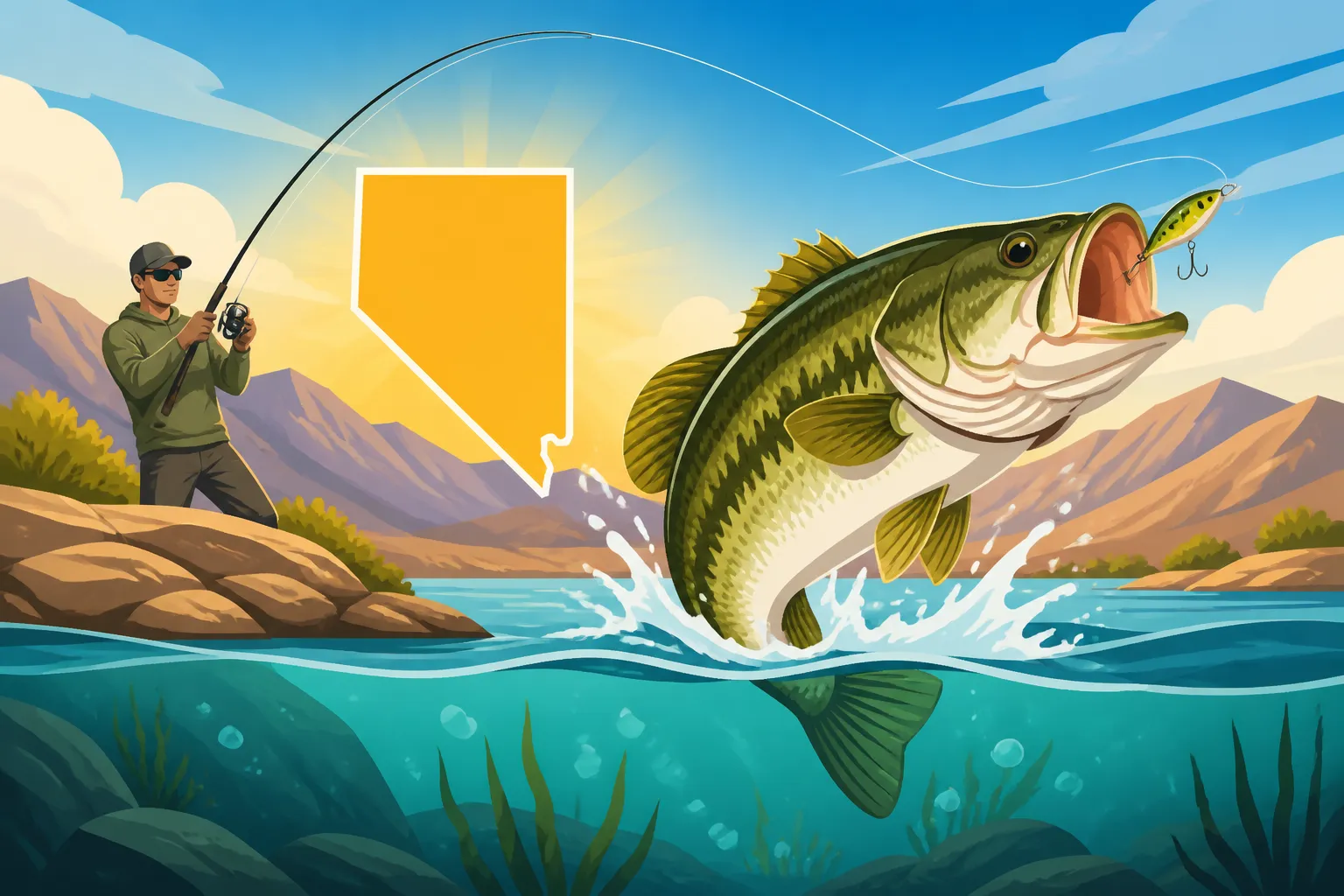
Ah, the largemouth bass! This is probably what most people picture when they think about bass fishing. These green monsters are iconic for their aggressive strikes and impressive leaps once hooked. In Nevada, you'll find them thriving in warmer, shallower waters with plenty of cover – think submerged brush, weed beds, rocky outcrops, and even fallen trees. They love to ambush their prey, so structure is key.
When you're targeting largemouth, you're looking for areas where they can hide and dart out. This means coves, points, and flats with vegetation or wood. They tend to be less active in open water and more concerned with what's lurking in the shadows. The thrill of a largemouth exploding on a topwater frog near a lily pad or tearing into a jig skipped under a dock is what keeps many anglers coming back for more. They're opportunistic feeders, which means they'll hit a wide variety of baits, making them a fun and often rewarding species to pursue.
Smallmouth Bass: The Rocky Bottom Specialist
Smallmouth bass, often called "bronze backs" or "brown bass," are a different beast entirely. Unlike their largemouth cousins, smallmouth prefer cooler, clearer water with rocky bottoms and ledges. You won't typically find them buried in thick weeds or timber. Instead, they patrol open areas around rocks, gravel, and submerged points. They're incredibly hard fighters, often making long, drag-screaming runs and aerial acrobatics that can really test your gear.
Fishing for smallmouth often involves searching for subtle changes in bottom contour or structure, like a rocky shelf dropping into deeper water or a pile of boulders. They tend to school up more than largemouth, so if you find one, you're likely to find more. These fish are masters of their environment, using their keen eyesight to spot prey in clear water. Understanding the specific Smallmouth Bass Habitat at Lake Mead can drastically improve your chances of success. They feed on crayfish, minnows, and insect larvae, and their preferences will guide your lure selection, often favoring baits that mimic these natural food sources.
Striped Bass: The Open Water Predator
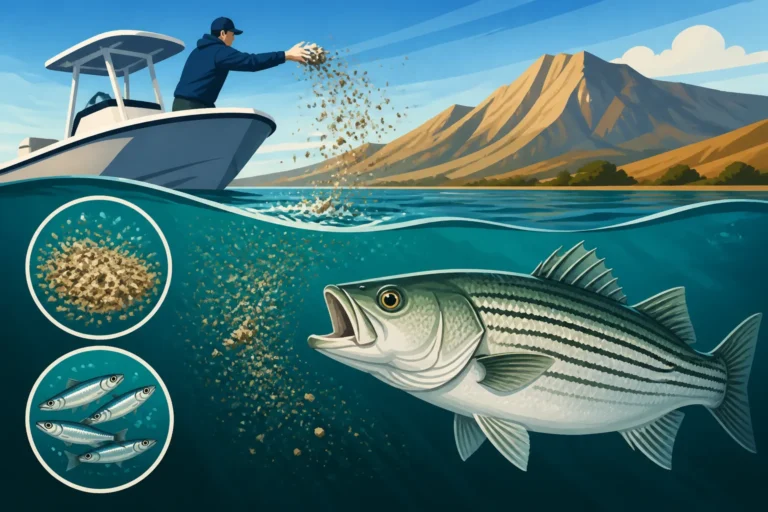
Now, let's talk about striped bass, or "stripers," which are a whole different ballgame. While largemouth and smallmouth are true black bass, stripers are an anadromous species, meaning they typically live in saltwater and spawn in freshwater, though many Nevada populations are landlocked. These powerful fish grow much larger than their black bass counterparts and are known for their schooling behavior and voracious appetites. They are open-water predators, constantly chasing schools of baitfish in large reservoirs.
Fishing for stripers is often about locating bait balls, either visually on the surface (boiling water) or with a good fish finder. They move fast and hit hard, making for an exhilarating fight. They aren't tied to cover like largemouth or specific rocky structures like smallmouth; instead, they roam the vast expanses of lakes like Lake Mead and Lake Mohave. Their sheer power and size mean you'll need heavier tackle and a different approach compared to fishing for black bass. Targeting Lake Mead Striped Bass Hotspots at the right time of year is key to landing these powerful fish.
Prime Bass Fishing Locations in Nevada
Nevada might be a desert state, but it boasts some truly fantastic bass fishing opportunities. From massive man-made lakes to smaller, accessible urban ponds, there's a spot for every angler and every bass species. Knowing where to go is half the battle, and understanding the unique characteristics of each location will help you plan your attack.
Lake Mead: Southern Nevada's Bass Mecca
Lake Mead, straddling the Nevada-Arizona border, is arguably the most famous bass fishery in the state, especially for those targeting big largemouth and hard-fighting striped bass. This massive reservoir, formed by the Hoover Dam on the Colorado River, offers an incredible diversity of habitats. For largemouth, you'll want to explore the countless coves, points, and submerged structures. Areas like Hemenway Harbor, Government Wash, and Callville Bay are well-known for producing good numbers of largemouth, especially during the warmer months when they push into shallower water. The varying water levels can make finding consistent spots a bit of a moving target, so always check current conditions.
Striped bass, on the other hand, roam the open waters of Lake Mead, often chasing shad schools. This can lead to incredible surface boils where acres of stripers are crashing baitfish, providing a truly unforgettable experience. Anglers often troll deep diving crankbaits or cast swimbaits and spoons into these frenzies. Early mornings and evenings are particularly productive for both species, but stripers can be caught throughout the day if you can locate their food source. Understanding the specific Lake Mead Largemouth Bass Coves and how the fish move within them is vital for a successful trip.
Lake Mohave: Clear Waters and Diverse Bass
Just south of Lake Mead, Lake Mohave offers a slightly different, but equally rewarding, bass fishing experience. Known for its clearer, cooler waters, Mohave is an excellent destination for smallmouth bass. The lake's steep, rocky shorelines, ledges, and deep canyons provide ideal smallmouth habitat. You'll often find these bronze backs relating to sharp drop-offs and rocky points. Popular spots include Cottonwood Cove, Willow Beach, and the coves around Davis Dam.
While smallmouth are a primary draw, Lake Mohave also holds strong populations of largemouth and striped bass. The largemouth tend to concentrate in the more sheltered coves and shallow bays, particularly those with some vegetation or submerged brush. Stripers, much like in Lake Mead, will be found cruising the open water, often in pursuit of shad. Fishing pressure here can sometimes be a bit lighter than Mead, offering a more serene experience. Our detailed Lake Mohave Nevada Fishing Guide provides even more specific insights into this fantastic fishery, ensuring you have all the local knowledge you need before you head out.
Urban Ponds and Smaller Reservoirs: Hidden Gems
You don't always need a giant lake to find great bass fishing in Nevada. The state has a network of smaller reservoirs and urban ponds that are regularly stocked and offer surprisingly good opportunities, especially for largemouth. Places like Sunset Park Pond, Floyd Lamb Park, and Lorenzi Park Pond in the Las Vegas area are fantastic for beginners, kids, or anyone looking for a quick fishing fix close to home. These ponds are often stocked by the Nevada Department of Wildlife (NDOW) with various species, including largemouth bass.
While you might not catch a record-breaker in an urban pond, they offer consistent action and are easily accessible. The bass in these smaller waters often relate to the limited cover available, such as docks, reeds, and submerged structures. Don't overlook the potential of these smaller bodies of water; they can be perfect for practicing new techniques or introducing someone to the joys of bass fishing. Moreover, other smaller reservoirs like Echo Canyon Reservoir and Rye Patch Reservoir in other regions of the state also hold robust bass populations and can offer excellent fishing away from the crowds of the larger lakes.
Seasonal Strategies for Nevada Bass
Bass behavior is heavily dictated by the changing seasons, primarily due to water temperature and spawning cycles. What works in spring won't necessarily work in summer, and understanding these shifts is paramount to consistent success on Nevada's waters. It’s all about being adaptable and knowing what the bass are prioritizing at different times of the year.
Spring: Pre-Spawn and Spawn Frenzy
Spring is, for many bass anglers, the most exciting time of year. As water temperatures begin to rise from their winter lows, bass become increasingly active. The pre-spawn period, when temperatures are typically in the low to mid-50s Fahrenheit, sees bass moving from their deeper winter haunts towards shallower staging areas. They are aggressively feeding to build up energy for the upcoming spawn, making them highly receptive to a wide variety of baits. This is often when you can catch some of the biggest bass of the year.
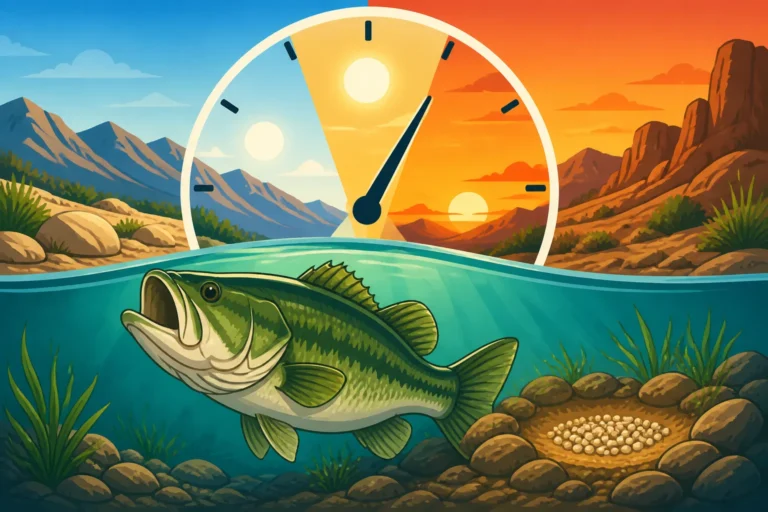
Once the water hits the mid-60s, the spawn begins. Largemouth and smallmouth bass will move into very shallow, protected areas to build nests (beds) and lay their eggs. During this time, male bass guard the beds aggressively and will strike at anything that comes too close, even if they aren't actively feeding. Sight fishing for bedding bass can be incredibly effective, using baits like jigs, soft plastic worms, or creature baits presented directly onto the bed. Always be mindful of ethical angling during the spawn; catch and release is highly recommended to protect future generations of fish. Consult the Nevada Bass Daily Limit and Size Rules to ensure you're fishing responsibly.
Summer: Deep Water Tactics and Early Morning Bites
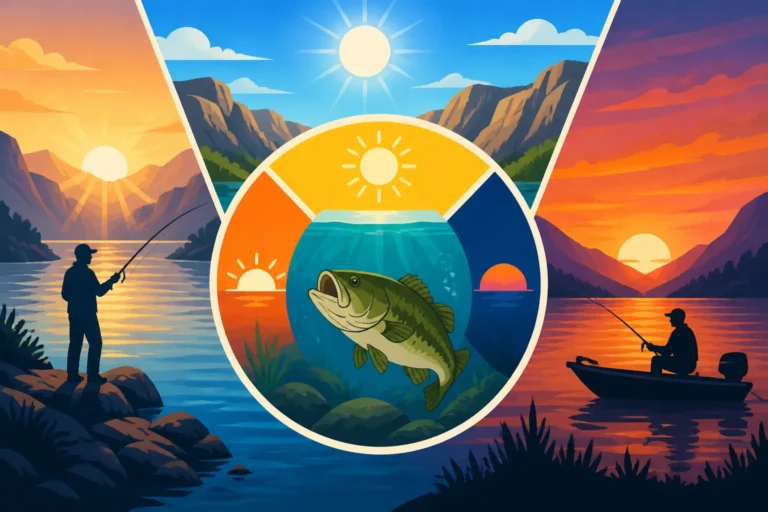
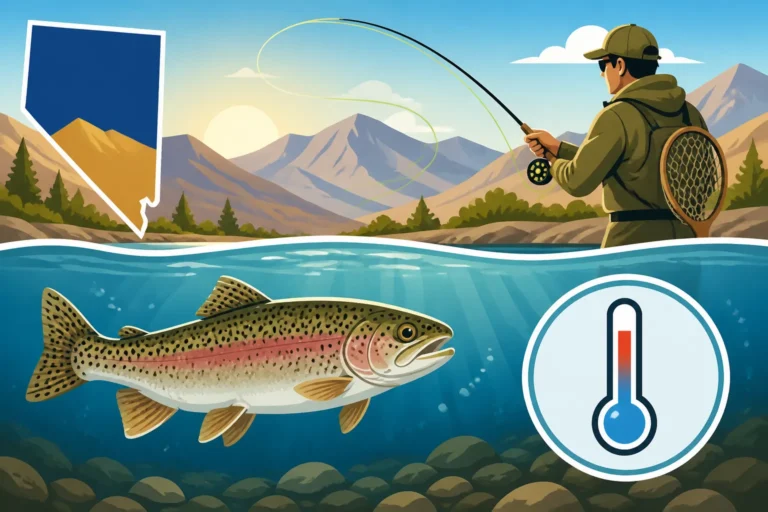
As Nevada's notoriously hot summer temperatures set in, bass behavior changes dramatically. Surface water temperatures can climb well into the 80s or even 90s in places like Lake Mead, forcing bass to seek cooler, more comfortable water. This usually means they retreat to deeper areas, relating to submerged structure, main lake points, ledges, and thermoclines (layers of water where the temperature changes rapidly). Early mornings and late evenings can still offer shallow water opportunities as bass might push up to feed under lower light conditions, but the midday sun usually sends them deep.
To target bass in the summer, you'll need to employ deep-water tactics. This includes vertical jigging with spoons, dropshotting soft plastics, or slowly dragging heavy Carolina rigs along the bottom. Trolling deep-diving crankbaits can also be effective, especially for striped bass that continue to chase shad schools in open water. Using a good fish finder to locate schools of baitfish and the bass feeding on them will be your most valuable tool during the summer months. Don't forget your sun protection! Fishing during these peak heat times requires extra vigilance for your own well-being.
Fall: Feeding Spree Before Winter
Fall is another fantastic season for bass fishing, often rivaling spring in terms of action. As water temperatures begin to cool, bass once again become highly active, undergoing a "fall feeding frenzy" to pack on weight before the lean winter months. They often follow baitfish into shallower coves and creeks as the baitfish migrate in search of warmer water and cover. This means you can find bass in similar areas to spring, but with a different intensity.
During the fall, bass can be found in a wider range of depths, making them more accessible. Topwater action can be incredible, especially during cooler mornings, and spinnerbaits, crankbaits, and swimbaits become highly effective as bass chase down migrating baitfish. This is a time of transition, so staying mobile and exploring different depths and types of structure will be key. Keep an eye on the water temperature; as it continues to drop into the low 60s and 50s, bass will begin to stage for their winter patterns, moving closer to deeper water access points. Our guide on Nevada Fishing Seasons by Month offers even more detailed seasonal breakdown for optimal fishing.
Winter: Slow and Deep Presentation
Winter bass fishing in Nevada can be challenging, but it's far from impossible, and it often rewards persistent anglers with some surprisingly big fish. As water temperatures drop into the 40s and low 50s, bass metabolism slows down significantly. They become lethargic and less willing to chase fast-moving baits. They will typically move to the deepest, most stable water they can find, often suspending over deep points, ledges, or main lake channels. Their feeding windows become much shorter and less frequent.
Success in winter requires a slower, more methodical approach. Finesse techniques shine during this time. Dropshot rigs, shaky heads, small jigs, and blade baits fished slowly and patiently are often the most productive. The key is to present your bait right in front of the fish's face and tempt them into a strike rather than expecting an aggressive chase. Look for areas where there's steep structure or deep access to cover. Even during winter, a sunny day can warm the surface layers just enough to bring bass into slightly shallower, sun-exposed areas for short feeding bursts, so don't be afraid to experiment.
Essential Gear for Nevada Bass Anglers
Having the right tools for the job can make all the difference, especially when you're targeting bass in diverse environments like those found across Nevada. From the rod in your hand to the lures in your tackle box, thoughtful gear selection will put you in a much better position to succeed. Don't just grab any old setup; tailor it to the specific bass species and conditions you're expecting. You can find many of these essentials on Amazon, ensuring you're well-equipped before your trip.
Rods, Reels, and Line Selection
For largemouth and smallmouth bass, a versatile setup often includes a medium-heavy power, fast-action spinning rod (6'6" to 7'0") paired with a 2500-3000 series spinning reel. This is excellent for throwing lighter jigs, soft plastics, and smaller crankbaits. For heavier cover or larger baits, a medium-heavy power, fast-action baitcasting rod (6'8" to 7'4") with a matching baitcasting reel is preferred. Baitcasters offer more control and power, crucial for pulling big bass out of dense cover. For both, 10-15 lb fluorocarbon or braided line with a fluorocarbon leader is a popular choice due to its sensitivity and strength.
When it comes to striped bass, you'll need to step up your gear significantly. These fish are built for power and speed. A medium-heavy to heavy power, moderate-fast action baitcasting rod (7'0" to 8'0") paired with a robust baitcasting reel capable of holding 20-30 lb monofilament or 30-50 lb braided line is essential. Some anglers prefer heavier spinning setups for casting large lures a long distance. The key is durability and backbone to handle those powerful runs. Remember to check out stores like Amazon for a wide selection of these specialized rods and reels. For a more general overview, consider our guide on Nevada Fishing Gear Essentials.
Lures and Baits for Different Species and Conditions
The world of bass lures is vast, but you can simplify it by focusing on what each bass species prefers and the conditions you're fishing in.
- Largemouth Bass: These fish love to ambush, so baits that mimic their prey and work around cover are ideal.
- Soft Plastics: Senkos, creature baits, plastic worms (Texas-rigged, Carolina-rigged, wacky-rigged) are incredibly versatile.
- Jigs: Flipping and pitching jigs are perfect for heavy cover.
- Crankbaits: Square bills for shallow cover, deep divers for open water points.
- Spinnerbaits & Chatterbaits: Excellent for covering water and triggering reaction strikes.
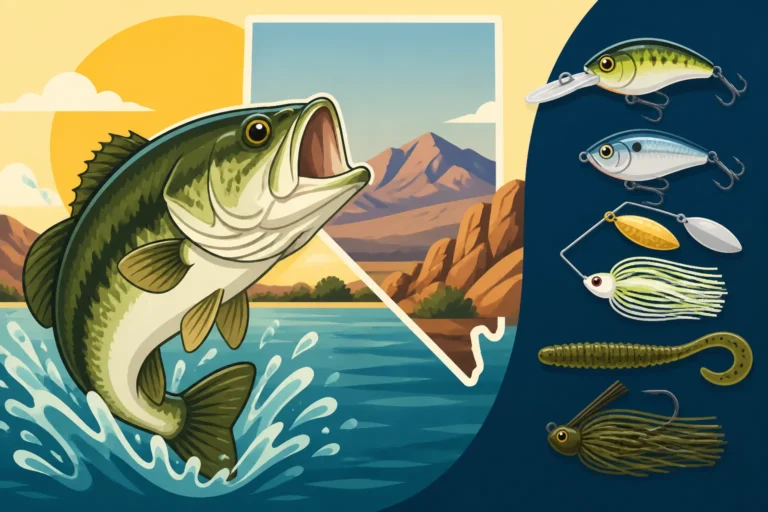
- Topwater Lures: Frogs, poppers, and walk-the-dog baits for early mornings or low-light conditions. Our guide on the Best Lures for Nevada Bass dives deeper into specific lure choices.
- Smallmouth Bass: Prefer baits that mimic crawfish or minnows, often worked along rocky bottoms.
- Jigs: Small finesse jigs or football head jigs.
- Dropshot Rigs: A small plastic worm or minnow imitation fished vertically.
- Tube Baits: Excellent crawfish imitation.
- Grubs & Swimbaits: Small, realistic minnow imitations.
- Blade Baits & Ned Rigs: Great for deep, clear water.
- Striped Bass: Primarily chase baitfish, so lures that imitate shad or anchovies are king.
- Spoons: Casting spoons or vertical jigging spoons are very effective.
- Swimbaits: Large paddle-tail swimbaits, often weighted for depth.
- Topwater Lures: Spooks and poppers when stripers are busting on the surface.
- Live Bait: Anchovies, shad, or threadfin shad are often irresistible.
- Deep Diving Crankbaits: For trolling or casting in open water.
A good tackle box setup will have a variety of these, ready for any situation. Don't forget terminal tackle like hooks, weights, swivels, and leader material. When you need to restock, Amazon is a convenient place to find a vast array of fishing tackle.
Navigating the Waters: Boats and Kayaks
How you get around on the water will largely depend on where you're fishing. For the vast expanses of Lake Mead or Lake Mohave, a proper fishing boat is often ideal. Bass boats offer speed and specialized features like livewells and powerful trolling motors, perfect for competitive angling or covering large areas efficiently. Larger, more stable boats are also excellent for trolling for striped bass.
However, you don't always need a big boat. For smaller reservoirs and urban ponds, or for a more stealthy approach on larger lakes, kayaks and float tubes are incredibly effective. A fishing kayak allows you to access tight coves, shallow areas, and quiet stretches that larger boats can't reach. They are also much more economical and environmentally friendly. Just make sure you have the proper safety gear, including a PFD (Personal Flotation Device), no matter what vessel you're in. Our guide on Best Boats for Nevada Reservoir Fishing and Kayak Fishing Gear for Nevada offers specific recommendations to help you choose the right craft.
Mastering Bass Fishing Techniques
Once you've got your gear sorted and you know where to go, it's time to talk tactics. Bass fishing is as much an art as it is a science, and developing a range of techniques will make you a more versatile and successful angler. It’s about more than just throwing a lure in the water; it’s about understanding fish behavior and presenting your bait in the most enticing way possible.
Targeting Structure and Cover
Bass are intimately connected to structure and cover. "Structure" refers to changes in the lake bottom—drop-offs, humps, points, ledges, old creek channels, and submerged roadbeds. "Cover" refers to objects on the bottom or in the water column that bass can hide in or ambush prey from, such as submerged timber, rock piles, weed beds, docks, or brush piles. Identifying these key features is fundamental to locating bass.
Start by studying maps of the lake or reservoir you're fishing. Topographic maps, especially those designed for anglers, will highlight contours and depths. Use your fish finder to scan for submerged structures, baitfish schools, and actual bass. Once you've identified a promising piece of structure or cover, approach it cautiously to avoid spooking the fish. Make multiple casts from different angles to thoroughly work the area, paying close attention to any changes in bottom composition or subtle bites. Remember, bass are often lazy and will position themselves to expend the least amount of energy to catch their next meal.
Casting, Retrieving, and Setting the Hook
The mechanics of fishing are crucial. Proper casting technique is about accuracy and stealth. Whether you're making a pinpoint cast to a dock piling with a baitcaster or a smooth, long cast with a spinning rod to reach a schooling striper, practice makes perfect. Focus on minimizing splash and landing your lure softly. The way you retrieve your lure is just as important. Different lures require different retrieves: a steady crank for a spinnerbait, a stop-and-go for a jerkbait, or subtle twitches for a soft plastic. Pay attention to how the fish are reacting and adjust your retrieve speed and cadence accordingly. Sometimes a slight pause or an unexpected twitch is all it takes to trigger a strike.
When you feel a bite, the next step is a solid hookset. For most bass fishing, especially with soft plastics or jigs, a firm, sweeping hookset is required to drive the hook home. With topwater lures, resist the urge to set the hook as soon as you see the splash; instead, wait until you feel the fish. Striped bass often hit like a freight train, so a hard hookset is usually a given, but maintaining tension throughout the fight is critical to prevent them from throwing the hook. If you need a refresher on the basics, our guide on Casting Techniques for Beginners can help you hone your skills.
Finesse vs. Power Fishing
Understanding when to employ finesse or power fishing techniques is a hallmark of an experienced bass angler.
-
Power Fishing: This involves using faster, more aggressive techniques to cover a lot of water quickly and trigger reaction strikes. Think crankbaits, spinnerbaits, chatterbaits, and swimbaits. It's about drawing attention, creating commotion, and covering ground efficiently to find active fish. Power fishing is often effective when bass are aggressive and spread out, or during periods of active feeding (like pre-spawn or fall). You're essentially forcing a bass to strike out of instinct or annoyance, rather than a hunger-driven bite. This strategy works well in dirtier water where bass rely more on vibration and flash than sight.
-
Finesse Fishing: This is a more subtle, patient approach, using smaller baits and lighter line to entice less active or pressured fish. Techniques like dropshotting, Ned rigging, shaky head jigs, and weightless worms fall into this category. Finesse is ideal for clear water, highly pressured lakes, or when bass are lethargic (like in winter or during a post-front cold snap). It's about presenting a natural-looking bait in a subtle way, often mimicking a small, injured, or unsuspecting prey item. You’re trying to tempt the fish into eating, rather than triggering a reaction. Learning to read the conditions and adapt your approach between these two styles will significantly increase your catch rate.
Conservation and Responsible Bass Fishing
As anglers, we have a responsibility to protect the resources that provide us with so much enjoyment. Practicing conservation and responsible fishing techniques ensures that Nevada's bass fisheries remain healthy and vibrant for future generations. It’s not just about what you catch, but how you treat the fish and the environment.
Understanding Bag and Size Limits
The Nevada Department of Wildlife (NDOW) establishes specific bag and size limits for different bass species in various bodies of water. These regulations are in place to manage fish populations, prevent overfishing, and allow fish to reach spawning age. Before you head out, always check the current Nevada Fishing Regulations booklet or the NDOW website for the latest rules. Limits can vary by lake and even change year-to-year, so staying informed is crucial.
For example, a common regulation might be a specific daily bag limit for largemouth bass, with a minimum size limit, meaning you can only keep fish above a certain length. Striped bass often have different regulations due to their different ecological role and population dynamics. Failure to adhere to these rules can result in significant fines and penalties. Ignorance of the law is not an excuse, so make sure you understand the specific Nevada Statewide Bag Limits Explained for the waters you plan to fish.
Catch and Release Best Practices
Many bass anglers, especially those targeting trophy fish, practice catch and release. Even if you plan to keep fish for a meal, proper handling of any fish you release is essential for its survival. Here are some best practices:
- Minimize Fight Time: Bring the fish in as quickly as possible to reduce stress and lactic acid buildup.
- Handle With Care: Avoid touching the fish's gills or eyes. Wet your hands before handling to protect their protective slime coat.
- Use Barbless Hooks: Consider crimping down the barbs on your hooks or using barbless hooks, which make removal much easier and less damaging.
- Proper Hook Removal: Use needle-nose pliers or a hook remover tool to quickly and carefully remove hooks. If a fish is deeply hooked, cut the line as close to the hook as possible rather than trying to rip it out.
- Support the Fish: When holding a bass for a photo, support its weight horizontally, especially larger fish, to avoid damaging its jaw or internal organs. Do not hold large bass vertically by the jaw without supporting its belly.
- Quick Release: Get the fish back into the water as quickly as possible. If it's disoriented, gently hold it upright in the water and move it back and forth to force water over its gills until it swims away under its own power.
By following these practices, you significantly increase the chances of released fish surviving to fight another day, contributing to a healthier fishery. This is especially important for the older, larger bass which are key to successful reproduction.
Respecting Nevada's Fisheries
Beyond the fish themselves, responsible angling extends to respecting the entire fishery ecosystem. This means practicing "Leave No Trace" principles: pack out everything you pack in, including all trash, discarded fishing line, and bait containers. Never litter. Avoid damaging shoreline vegetation or disturbing wildlife.
Be mindful of other anglers and water users. Give others space, especially if they are already fishing a spot. Be courteous at boat ramps and launch points. Report any poaching or environmental violations you witness to NDOW. By being good stewards of the environment, we help ensure that Nevada's beautiful lakes and rivers remain pristine and productive for all to enjoy. Every angler plays a role in the long-term health of these precious natural resources.
| Bass Species | Preferred Habitat | Common Baits/Lures | Key Characteristics | Average Size (Nevada) |
|---|---|---|---|---|
| Largemouth | Shallow, warm water; heavy cover (weeds, timber, docks) | Soft plastics (worms, creatures), jigs, crankbaits, spinnerbaits, topwater | Aggressive strikes, acrobatic jumps, ambush predators | 1-5 lbs, up to 10+ lbs for trophies |
| Smallmouth | Cooler, clear water; rocky bottoms, ledges, points | Finesse jigs, dropshots, tube baits, grubs, small crankbaits | Hard fighters, strong runs, school up | 1-3 lbs, up to 6+ lbs for trophies |
| Striped | Open water, deep channels, chasing baitfish schools | Spoons, swimbaits, deep-diving crankbaits, live bait (shad, anchovies), topwater | Powerful, fast, schooling behavior, large size | 5-20 lbs, up to 40+ lbs for trophies |
Disclaimer
Please remember that fishing conditions, regulations, and fish behavior are subject to change. Always consult the latest Nevada Department of Wildlife (NDOW) regulations before your trip. The information provided in this guide is for general informational purposes only and should not be considered legal advice. Stay safe and always prioritize responsible angling practices.