Best Boats for Nevada Reservoir Fishing
Choosing the right fishing boat for Nevada's expansive and often challenging reservoirs can feel like a daunting task, especially with the state's unique combination of vast open waters, unpredictable winds, and fluctuating lake levels. Many anglers find themselves scratching their heads, wondering if their current vessel is truly up to the task or what kind of new boat will best serve their adventures. This comprehensive guide is designed to cut through the confusion, helping you understand the best boat options, essential features, and critical considerations for successfully navigating and fishing Nevada's diverse reservoir landscapes.
Understanding Nevada's Reservoir Environment
Nevada isn't just a desert; it's home to some truly magnificent and incredibly varied reservoirs, from the immense stretches of Lake Mead and Lake Mohave to the unique waters of Pyramid Lake. But these aren't your average placid fishing ponds. They demand a certain respect and, crucially, the right equipment to ensure both safety and successful fishing. Understanding the environment is the first step in choosing the perfect boat.
The Vastness and Variability of Nevada Waters
Imagine launching your boat at Lake Mead, looking out over a horizon that seems to stretch endlessly, the true size of the body of water hitting you like a physical force. These are not small, contained lakes. Nevada's major reservoirs are vast, covering hundreds of square miles in some cases, with deep basins and long stretches of open water. This sheer size means that conditions can change rapidly and dramatically. What starts as a glassy morning can quickly transform into a choppy, white-capped afternoon.
The variability also extends to the types of fish and fishing styles. You might be trolling for Mackinaw trout in the deep, cold waters of Lake Tahoe one day, and the next you're casting for aggressive striped bass in the warmer, shallower coves of Lake Mohave. A boat that excels in one scenario might be completely inadequate for another. It’s not just about getting to the fish; it’s about getting there safely and comfortably, with a vessel that can handle the unexpected.
Wind, Waves, and Weather Challenges
Anyone who has spent time on a large Nevada reservoir knows the wind can be a relentless, unannounced guest. A gentle breeze at sunrise can often escalate into a powerful, boat-rocking gale by midday, whipping up significant waves that can challenge even experienced boaters. These aren't just minor ripples; we're talking about conditions that can make a smaller boat feel like a toy in a bathtub, pushing you off course, making casting nearly impossible, and turning a pleasant day into a struggle against the elements.
This dynamic weather means that stability and seaworthiness are paramount. A boat that feels perfectly adequate on a calm urban pond might quickly become a liability on the open expanse of Lake Mead Nevada Fishing Guide when a squall rolls in. You need a vessel that can cut through chop, provide a dry ride, and give you confidence when the conditions turn. Beyond wind and waves, the intense desert sun can also be a factor, requiring adequate shade or open space for sun protection, but that's a topic for another day when we discuss Desert Fishing Gear and Sun Protection.
Water Levels and Launch Access
One of the most persistent frustrations for Nevada anglers, particularly on the larger reservoirs, is the fluctuating water levels. Historically, some lakes have seen significant drops, altering shorelines, exposing new hazards, and often making certain boat launches inaccessible. What was once a convenient, paved ramp can become a long, muddy, or rocky trek to the water's edge, or simply disappear entirely.
This means that your boat, and more importantly, your trailer, need to be able to handle diverse launching conditions. A heavy, deep-draft boat might struggle at a shallow ramp, while a lighter, more agile vessel could get in and out with less fuss. Anglers often find themselves needing to adapt to conditions that can change year to year, or even month to month. When selecting a boat, it's wise to consider not just its performance on the water, but its practicality for getting onto the water.
Types of Boats Best Suited for Nevada Reservoirs
Given the unique challenges of Nevada's reservoirs, not just any boat will do. You need a vessel designed for versatility, stability, and, in many cases, open-water capability. Let's explore some of the most popular and effective boat types for angling in the Silver State.
Bass Boats and Multi-Species Vessels
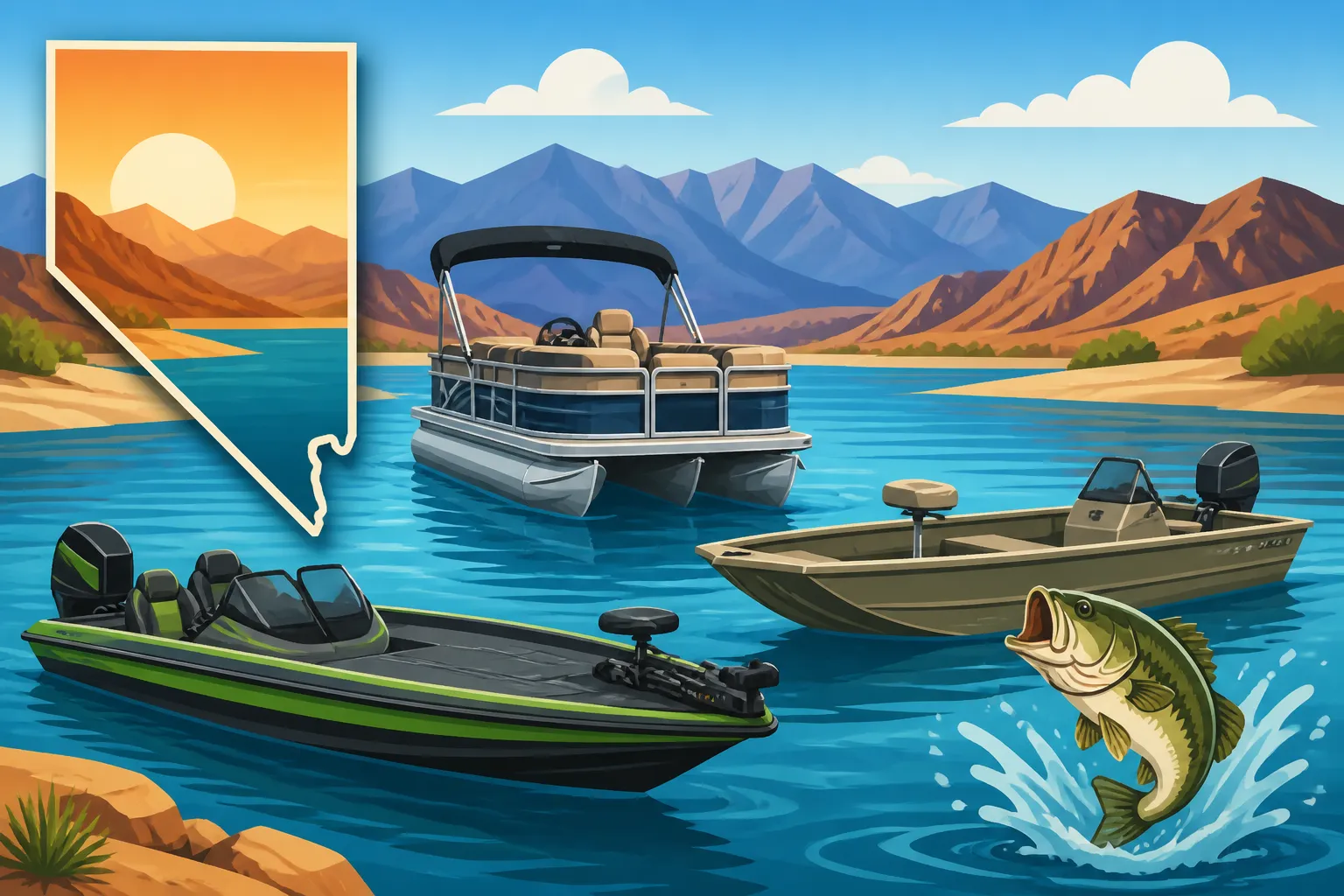
When you think of serious freshwater fishing, bass boats often come to mind, and for good reason. These boats are built for speed, allowing anglers to cover vast distances quickly between fishing spots, which is a huge advantage on expansive waters like Lake Mead or Lake Mohave. Their low profile provides excellent casting platforms at both the bow and stern, perfect for sight fishing or working shorelines and submerged structures. They are also typically equipped with powerful outboard motors, ample storage for rods and tackle, and advanced electronics like fish finders and GPS.
However, traditional bass boats, while fast, can sometimes feel a bit "wet" or bumpy in really rough, choppy conditions due to their lower freeboard. This is where "multi-species" boats often shine. These vessels combine some of the speed and features of a bass boat with a deeper V-hull design, offering a more comfortable and drier ride in rougher waters. They still offer excellent casting platforms but are often more versatile for different fishing styles, including trolling for walleye or trout, or simply handling larger waves with greater ease. Brands like Ranger, Skeeter, and Lund often feature prominently in this category, offering a blend of performance and comfort that many Nevada anglers appreciate. For those chasing striped bass at Lake Mead Striped Bass Hotspots, the speed and casting decks are invaluable.
Aluminum Jon Boats and Utility Boats
For anglers seeking a more economical, durable, and versatile option, especially for accessing shallower areas or smaller reservoirs, aluminum jon boats and utility boats are fantastic choices. These boats are known for their flat bottoms or modified V-hulls, which allow them to navigate extremely shallow waters without fear of grounding. They are incredibly rugged, shrugging off bumps and scrapes that might damage fiberglass boats. Their open layout provides a customizable platform, allowing anglers to add swivel seats, trolling motors, or even casting decks as needed.
While they may not offer the blazing speed or luxurious features of a dedicated bass boat, their practicality is unmatched. They are typically lighter, making them easier to launch and retrieve, even on less-than-ideal ramps. This makes them excellent for lakes where water levels fluctuate or for exploring smaller, less developed fishing holes. They can be powered by small outboards, or even just an electric trolling motor for quiet, stealthy fishing in coves. Many anglers use these for everything from chasing panfish in urban ponds to targeting bass in reservoir backwaters. They are also a popular choice for those looking to fish certain stretches of the Colorado River below Hoover Dam.
Pontoon Boats for Family and Comfort
If your primary goal is a relaxing day on the water with family and friends, or simply a stable platform for a leisurely fishing experience, a pontoon boat is an excellent consideration. While not typically associated with hardcore tournament fishing, modern pontoon boats have come a long way and offer incredible stability, ample deck space, and comfortable seating. This makes them ideal for groups, especially when fishing with children or those who appreciate a less physically demanding day of angling.
The stability of a pontoon boat is a huge advantage on larger lakes, as their twin-hull design minimizes rock and roll, providing a smooth ride even in moderate chop. They offer plenty of room for multiple anglers to cast simultaneously without bumping elbows, and their spacious decks can accommodate coolers, gear bags, and even portable barbecues. While they aren't built for speed, they can easily be equipped with trolling motors for precise positioning while fishing. They are particularly popular on lakes like Lake Mohave for a laid-back day of fishing and swimming.
Deep-V Hull Boats for Open Water
When the conditions get rough and the water gets big, a deep-V hull boat truly shines. These boats are characterized by their sharp V-shaped hull that extends all the way to the stern, allowing them to cut through waves rather than ride over them. This design provides an exceptionally smooth, dry, and comfortable ride in choppy conditions, making them the preferred choice for fishing large, open bodies of water prone to heavy winds and substantial waves, such as Lake Tahoe or the vast main basins of Lake Mead.
Deep-V boats typically offer high freeboard, which means more distance between the water and the gunwales, enhancing safety by preventing waves from washing over the deck. This design is excellent for vertical jigging, trolling, and battling larger, harder-fighting fish in open water. While they might not be as fast as some bass boats, their ability to handle adverse weather often means more comfortable and safer fishing days. Anglers targeting the deep-water Mackinaw trout at Lake Tahoe Nevada Fishing Guide or the powerful striped bass in the main channels of Lake Mead often lean towards these robust vessels.
Key Considerations When Choosing Your Fishing Boat
Beyond the general type of boat, several specific features and characteristics will heavily influence your overall experience on Nevada's waters. Thinking through these details before you buy can save you a lot of headaches (and potentially some unintended swims) down the line.
Size and Stability for Safety
The size of your boat directly correlates to its stability and how comfortably it handles rough water. While a smaller boat might be easier to tow and launch, it can quickly become unsafe or at least extremely uncomfortable when winds pick up and waves start rolling across a large reservoir. A longer boat with a wider beam (width) will generally offer more stability, a smoother ride, and more interior space for anglers and gear.
Consider where you'll be fishing most often. If it's primarily small, sheltered coves or urban ponds, a smaller Jon boat or even a kayak might be perfectly adequate. However, if your sights are set on the expansive, open waters of Lake Mead, Lake Mohave, or Lake Tahoe, you'll want something with enough length and freeboard to inspire confidence when conditions inevitably turn. A boat that feels stable at the dock might behave very differently when a two-foot chop starts pounding against its hull. Safety should always be your number one concern, and a boat that feels too small for the conditions will quickly diminish your enjoyment.
Propulsion: Outboard, Electric, and Trolling Motors
The heart of any fishing boat is its propulsion system, and Nevada's diverse waters call for a combination of power and precision. The vast majority of fishing boats will be powered by an outboard motor, offering the speed and range needed to traverse large reservoirs. When choosing an outboard, consider the horsepower (HP) rating appropriate for your boat size and intended use. Too little power, and you'll struggle against wind and current; too much, and you're just burning extra fuel without much added benefit.
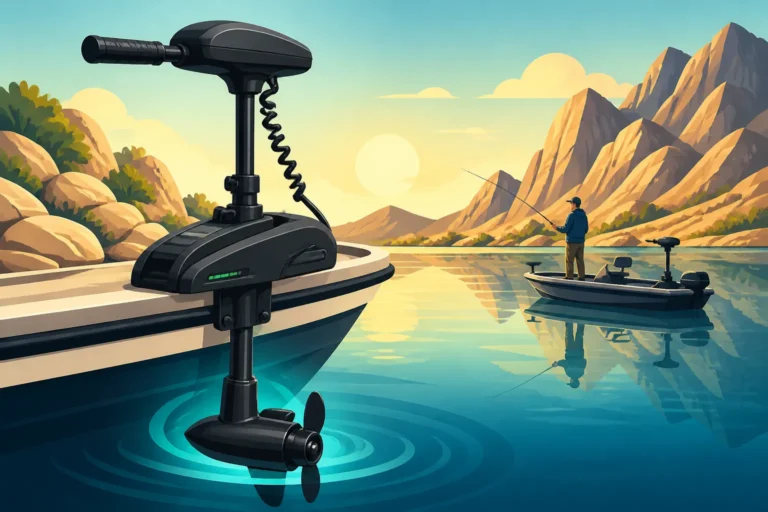
Beyond the main outboard, a quality electric trolling motor is almost indispensable for reservoir fishing. These silent, often foot-pedal or remote-controlled motors allow for precise boat positioning, slow trolling, and quiet navigation in sensitive fishing areas. They are invaluable for holding your position against wind or current, working a shoreline, or sneaking up on wary fish. Many modern trolling motors even feature GPS-enabled "spot-lock" technology, which acts like an electronic anchor, holding your boat in place regardless of wind or current. For a deep dive into specific models, you might start your search at a retailer like Bass Pro Shops or explore options on Amazon.
Storage Capacity and Livewell Systems
A good fishing boat isn't just about getting you to the fish; it's about carrying all the gear you need and keeping your catch fresh. Ample, well-designed storage is crucial. Think about your rods, tackle boxes, safety equipment, coolers, and personal items. Does the boat offer secure, dry storage compartments? Are there dedicated rod lockers to protect your expensive gear?
For anglers practicing catch-and-release, or those who plan to keep their fish, a functional livewell system is non-negotiable. A good livewell will circulate fresh, oxygenated water, keeping your fish healthy and lively throughout the day. Look for systems with proper aeration, good insulation to maintain water temperature, and easy access. Multiple compartments can be beneficial if you're keeping different species or want to separate tournament catches. If you're targeting Nevada Bass Daily Limit and Size Rules, having a reliable livewell is key for preserving your catch.
| Boat Type | Primary Use | Key Advantages | Disadvantages | Best For |
|---|---|---|---|---|
| Bass Boat | Fast travel, casting for bass/stripers | Speed, large casting decks, integrated electronics | Can be wet in chop, less family-friendly | Tournament anglers, serious bass/striper fishing |
| Multi-Species Boat | Versatile, general fishing, light trolling | Good rough water handling, casting, family-friendly | Less speed than pure bass boat, heavier than Jon | Anglers who fish diverse species and conditions |
| Aluminum Jon Boat | Shallow water, river fishing, utility | Durable, lightweight, affordable, customizable | Limited rough water capability, basic amenities | Budget-conscious, shallow water, small lakes/rivers |
| Pontoon Boat | Family cruising, comfortable fishing, groups | Extremely stable, spacious, comfortable seating | Slow, not designed for rough open water | Family outings, relaxing fishing, entertaining |
| Deep-V Hull Boat | Rough open water, deep-water trolling/jigging | Excellent rough water handling, dry ride, high freeboard | Less agile in shallow water, can be heavy | Large lakes, heavy winds, deep-water species |
| Kayak / Canoe | Stealth, access to tight spots, exercise | Portable, quiet, economical, excellent access | Limited capacity, weather dependent, no livewell | Solo anglers, quiet waters, exercise |
Specialized Boats for Specific Nevada Fishing Styles
While general-purpose fishing boats are great, sometimes a particular fishing style or location in Nevada calls for a more specialized approach. Let's look at a few alternative options that excel in niche situations.
Kayaks and Canoes for Stealth and Access
For anglers who value stealth, quiet, and access to areas larger boats simply cannot reach, kayaks and canoes are unbeatable. Imagine silently paddling into a remote cove on Lake Mohave, slipping through submerged timber, or navigating tight river bends on the Truckee. The ability to get into these untouched spots, combined with the almost imperceptible approach, often leads to incredible fishing opportunities that motorized boats miss. Modern fishing kayaks, in particular, are incredibly well-designed, featuring comfortable seats, stable platforms for standing (in some models), and integrated systems for rod holders, fish finders, and even pedal-drive propulsion for hands-free fishing.
The portability of kayaks and canoes is another huge advantage. They can be launched almost anywhere there's a patch of water, eliminating the need for boat ramps or dealing with fluctuating water levels. This makes them ideal for exploring the numerous smaller lakes, reservoirs, and rivers across Nevada. While they require more physical effort than a powered boat and offer less storage, the connection to nature and the unique angling experiences they provide are deeply rewarding. Whether you're chasing Nevada Trout Daily Limit Rules in a mountain stream or bass in a quiet coves, a kayak can unlock new possibilities.
Float Tubes and Pontoon Boats for Fly Fishing
For fly anglers, especially those targeting trout in serene mountain lakes or quiet reservoir coves, float tubes and small, personal pontoon boats offer a truly immersive and effective fishing platform. These minimalistic vessels allow you to sit low in the water, becoming less intrusive and enabling incredibly stealthy approaches to fish. They are lightweight, highly portable, and can be easily inflated and deflated, making them perfect for accessing hike-in lakes or launching from undeveloped shorelines.
A float tube is essentially a personal, donut-shaped craft that you wear like a pair of waders, propelling yourself with fins. It keeps you warm and mobile, ideal for presenting flies to cruising trout. Small pontoon boats, on the other hand, offer a bit more elevation, stability, and space, often with oars for propulsion and small storage pockets. Both options provide a quiet, intimate fishing experience, allowing you to cast freely without the constraints of a boat deck or the noise of a motor. They are perfect for targeting trout in the higher elevation lakes or for working the nuanced currents in parts of the Truckee River Fishing Near the Nevada Line.
Jon Boats for River and Shallow Water Access
We touched on Jon boats earlier, but it's worth emphasizing their utility specifically for river systems and extremely shallow reservoir sections. While many larger fishing boats are designed for open water, Nevada also has river systems, like parts of the Truckee and Humboldt, and numerous shallow backwaters and feeder creeks in its reservoirs that demand a boat with minimal draft.
A flat-bottomed Jon boat is specifically engineered for these conditions. It can glide over inches of water, allowing you to reach prime fishing spots that might be inaccessible to V-hull boats. Their robust aluminum construction means you don't have to worry as much about bumping submerged rocks or scraping the bottom, common hazards in shallow or changing river environments. They might not be the most comfortable for long hauls across a big lake, but for navigating narrow channels, fishing river currents, or exploring those tucked-away marshy coves, a Jon boat is a highly practical and often essential tool.
Essential Boat Features and Accessories for Nevada Anglers
Having the right boat is only half the battle; outfitting it with the necessary features and accessories will elevate your fishing experience, enhance safety, and ultimately lead to more successful outings on Nevada's waters.
Fish Finders and GPS Systems
In the vastness of Nevada's reservoirs, a quality fish finder and GPS system aren't just luxuries—they're essential tools. Modern fish finders use sonar technology to display underwater structures, contours, and, of course, fish. Knowing the depth, the type of bottom (rock, sand, timber), and where schools of baitfish or predator fish are holding can dramatically increase your catch rate. Look for models with high-resolution screens, CHIRP sonar for clearer target separation, and side-imaging or down-imaging capabilities to get a comprehensive view of the underwater world around your boat.
A reliable GPS unit, often integrated into the fish finder, is equally crucial. On large lakes, it's incredibly easy to get disoriented, especially when the weather changes or you're exploring new areas. GPS allows you to mark productive fishing spots, navigate safely back to the launch, and stay aware of your position relative to navigation hazards. Many units also come preloaded with detailed lake maps, showing contours, boat ramps, and sometimes even points of interest. If you're looking for recommendations, check out what's available for Best Fish Finder for Reservoir Fishing – there are options for every budget and skill level.
Anchoring Systems for Windy Conditions
Nevada's reservoirs are notorious for sudden, strong winds, and an effective anchoring system is critical for safely holding your boat in place. Relying on a flimsy anchor or insufficient rope can quickly lead to your boat drifting into dangerous territory or simply making it impossible to fish effectively.
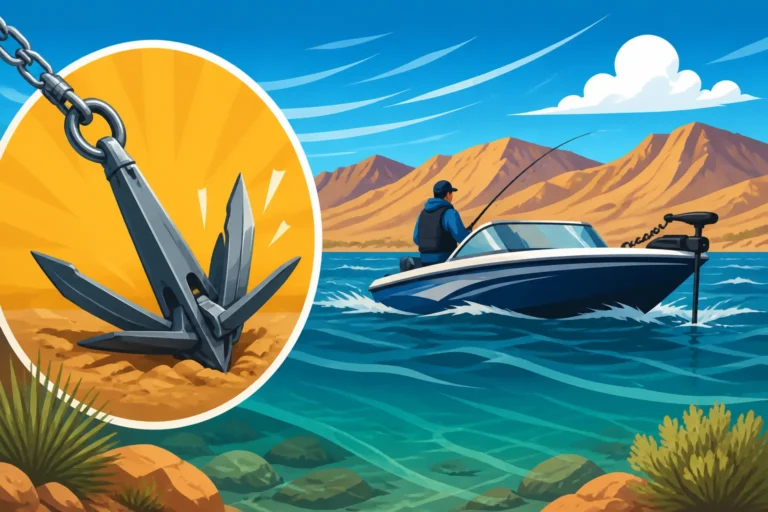
For most recreational fishing boats, a good quality conventional anchor (like a fluke or Danforth style for sand/mud, or a grapnel/claw for rocky bottoms) is essential. Ensure you have enough anchor line – a general rule of thumb is a 7:1 scope (seven feet of rope for every foot of depth), plus extra for a strong current or windy conditions. So, for 20 feet of water, you’d need at least 140 feet of rope, plus a short length of chain to help the anchor dig in. Many serious anglers also invest in a secondary, lighter anchor or a drift sock (sea anchor) to slow their drift in windy conditions without completely stopping. For smaller boats or in shallower, calmer conditions, a push pole or shallow water anchor system can also be very effective for quick, quiet positioning.
Safety Gear and Sun Protection
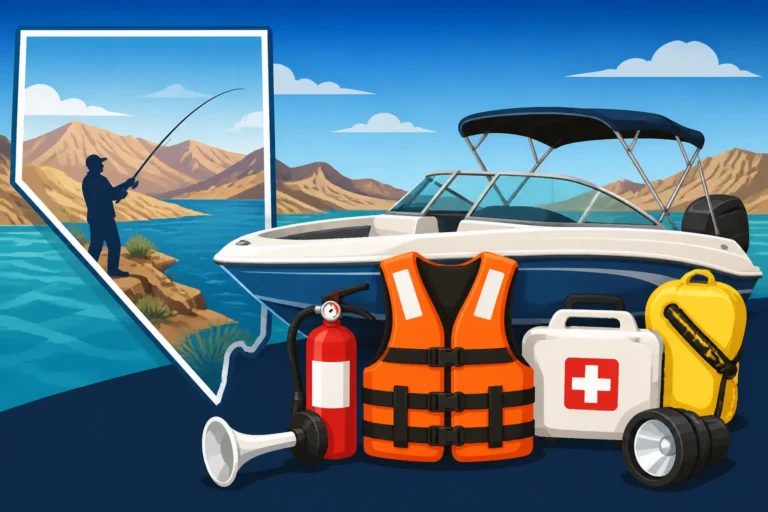
Safety on the water should always be paramount. Nevada law, like federal law, mandates certain safety equipment be on board, and neglecting these requirements can lead to fines or, worse, serious incidents. Always ensure you have enough U.S. Coast Guard-approved life jackets for every person on board, including children. A throwable flotation device (like a cushion or ring buoy), a working fire extinguisher, a sound-producing device (horn or whistle), navigation lights (if operating after sunset or before sunrise), and visual distress signals (flares) are also typically required. It's always a good idea to review the full Nevada Boater Education Card Requirement for the latest regulations.
Beyond the legal requirements, consider the harsh desert sun. Nevada's intense UV rays can lead to severe sunburn and heat exhaustion. Stock up on high-SPF sunscreen, wear wide-brimmed hats and polarized sunglasses, and consider long-sleeved, breathable sun-protective clothing. A bimini top or other form of shade on your boat can also provide much-needed relief during the long summer days. Hydration is also key, so always carry plenty of water and electrolytes.
Navigating Regulations and Maintenance
Owning a boat in Nevada involves more than just buying the vessel; it also means understanding and adhering to state regulations and performing regular maintenance to keep your investment in top shape.
Nevada Boat Registration and Titling Requirements
Just like your car, your boat needs to be properly registered and titled in Nevada. This process ensures legal ownership and compliance with state regulations. Typically, most motorized boats, and any sailboat over a certain length, will require registration. You'll need to provide proof of ownership (like a manufacturer's statement of origin or a bill of sale), identification, and pay the appropriate fees. Once registered, you'll receive a registration certificate and decals that must be displayed on your boat's bow.
The titling process establishes legal ownership. If you purchase a new boat or bring one from out of state, you’ll need to apply for a Nevada title. This is a crucial step, especially if you ever plan to sell the boat. For a complete breakdown of the paperwork and steps involved, be sure to consult a guide like Nevada Boat Registration and Titling Guide. Staying on top of your Nevada Annual Fishing License Renewal and boat registration is vital for uninterrupted enjoyment of the waterways.
Boater Education and Safety Courses
Nevada has specific requirements regarding boater education, particularly for younger operators. It's not just a legal formality; completing a boater education course provides invaluable knowledge about navigation rules, safety procedures, emergency preparedness, and responsible boating practices. These courses are designed to make you a safer, more confident operator, which is beneficial for everyone on the water.
Even if you're not legally required to take a course, it's highly recommended for all boaters. You’ll learn about everything from proper signaling and right-of-way rules to dealing with common mechanical issues and what to do in case of an accident. Several options exist, including online courses and in-person classes, making it convenient to fulfill the requirements or simply enhance your knowledge. Knowing these rules can prevent accidents and ensure a smoother experience on the water.
Maintenance for Longevity in the Desert Climate
Nevada's desert environment, with its extreme temperatures, intense sun, and dusty conditions, can be harsh on boats. Proper maintenance is key to extending the life of your vessel and preventing costly breakdowns.
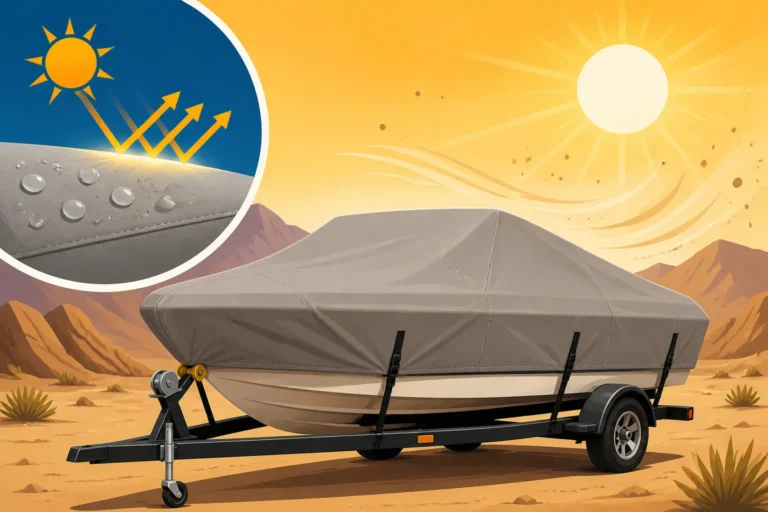
- UV Protection: The relentless sun can degrade fiberglass, vinyl, and plastics over time. Regularly clean and apply UV protectants to all exposed surfaces. Use a good quality boat cover when storing your boat outdoors.
- Engine Care: The heat can be tough on engines. Ensure your engine's cooling system is working efficiently, keep up with oil changes, and regularly inspect hoses and belts. If you boat in saltwater (like parts of Lake Mead can get brackish, or if you ever visit coastal areas), flush your engine thoroughly after each use.
- Trailer Maintenance: Your trailer is exposed to road grime, dust, and often sits in water. Check tire pressure, wheel bearings, and lights regularly. Lubricate moving parts and inspect for rust.
- Winterization (Even in Nevada): While Nevada winters might not be as harsh as other states, freezing temperatures can still occur, especially at higher elevations or during cold snaps. Proper winterization, including draining water systems and stabilizing fuel, is crucial to prevent damage to your engine and plumbing.
Investing time in consistent maintenance will protect your boat, ensure its reliability, and help maintain its resale value for years to come.
Budgeting for Your Nevada Fishing Boat
Getting a boat is an exciting endeavor, but it's important to go into it with a realistic understanding of the financial commitment. The purchase price is often just the beginning, and knowing all the potential costs upfront can help you budget wisely and avoid unwelcome surprises.
Beyond the Purchase Price: Hidden Costs
Many first-time boat buyers focus solely on the sticker price of the boat, only to be surprised by the myriad of additional expenses that come with ownership. These "hidden" costs can quickly add up:
- Trailer: Unless included, you'll need a suitable trailer to transport your boat. Factor in the cost of registration and maintenance for the trailer as well.
- Registration and Titling Fees: As discussed, these are mandatory annual or multi-year expenses.
- Insurance: While not always legally required for all boat types, boat insurance is highly recommended to protect your investment and cover potential liabilities. Costs vary based on boat value, type, and your boating history.
- Fuel: Modern outboards are more fuel-efficient, but gasoline costs can add up quickly, especially on large lakes where you're covering significant distances.
- Maintenance and Repairs: Regular servicing, winterization, and unexpected repairs are part of boat ownership. Set aside a budget for these.
- Storage: If you don't have space to store your boat at home, you'll need to factor in marina slips, dry storage facilities, or even covered storage for the off-season.
- Safety Gear: Life jackets, fire extinguishers, flares, and other mandated safety items will be an initial purchase.
- Accessories: Fish finders, trolling motors, additional rod holders, anchors, and other fishing-specific gear can add thousands to your initial outlay. You can find many of these at places like Bass Pro Shops or online at Amazon.
- Launch Fees: Some popular launch ramps, especially within state parks or national recreation areas, charge a fee per launch or require a park pass. For example, Pyramid Lake Fishing Permit Guide covers specific costs for that unique body of water.
Financing Options and Resale Value
For many, purchasing a new or even a used boat will involve financing. Banks and credit unions offer boat loans, often with longer terms than car loans due to the higher price points. Research different lenders and compare interest rates and repayment terms. Understand that while a boat can be a wonderful source of recreation, it generally depreciates over time, much like a car.
However, a well-maintained boat from a reputable manufacturer can hold its value reasonably well, especially if it's a popular model. When considering a purchase, think about the long-term. Is the brand known for reliability? Will replacement parts be easy to find? A boat that is cared for, regularly serviced, and stored properly will always command a better resale price than one that has been neglected.
Shopping Smart: New vs. Used Boats
The decision between a new and a used boat is a classic dilemma, and both options have their merits.
New Boats:
- Pros: Latest technology, full warranty, customizable features, pristine condition.
- Cons: Higher initial cost, rapid depreciation in the first few years.
Used Boats:
- Pros: Significantly lower price, slower depreciation, many accessories often included, can be a great value.
- Cons: No warranty (or limited), potential for hidden problems, older technology, may require immediate maintenance or upgrades.
When considering a used boat, a thorough inspection by a qualified marine mechanic is highly recommended. Check the hull for damage, test all electronics and mechanical systems, and get a clear picture of the engine's hours and maintenance history. Often, a well-maintained used boat can offer fantastic value, allowing you to get more boat for your budget. Sites like Boat Trader, or local dealers and even listings on places like Craigslist, can be good starting points for your search.
Ultimately, choosing the best boat for fishing Nevada's reservoirs comes down to balancing your budget, your preferred fishing styles, and the specific waters you plan to frequent most often. By carefully considering all these factors, you can make an informed decision that will lead to countless memorable days on the water.
Disclaimer
This article is for general informational purposes only and does not constitute professional advice. Laws, prices and regulations vary by location and change over time. Consult a qualified professional for guidance on your specific situation.