Basic fishing rod and reel combo starting cost
Getting into fishing can feel a little daunting when you first start looking at all the gear. You just want to get out on the water, maybe catch a few trout or some urban pond bass, but then you see all these rods and reels, and the prices range wildly. It's easy to wonder, "What's the absolute minimum I need to spend just to get started without buying junk?" This guide is all about breaking down the basic fishing rod and reel combo starting costs in Nevada, helping you understand what you're actually paying for, and how to make a smart first purchase that won't break the bank.
Understanding the "Starting Cost" Landscape for Fishing Combos
When you decide to dip your toes into the wonderful world of Nevada fishing, one of the first things you'll likely look for is a rod and reel. And for many beginners, the simplest path is often a pre-assembled combo. But what exactly does "starting cost" mean in this context? It's more nuanced than a single dollar amount.
What Exactly is a Rod and Reel Combo?
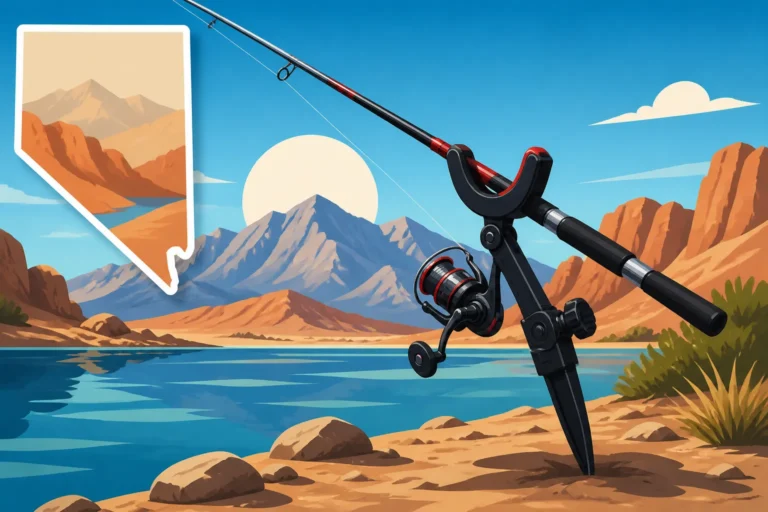
A rod and reel combo, in the simplest terms, is a fishing rod and a fishing reel that are sold together as a single unit. Think of it like a bundled package. These combos are incredibly popular, especially for newcomers to fishing, because they take a lot of the guesswork out of matching a rod to a reel. The manufacturer or retailer has already done the work to pair components that are generally compatible in terms of size, line capacity, and overall balance. You don't have to worry if your reel is too big for your rod or vice versa; they're designed to work together right out of the box.
The biggest advantage of a combo is undoubtedly its convenience. You pick it up, and often it's even pre-spooled with line, meaning you're almost ready to go fishing right away – just add tackle and a Nevada Fishing License Guide! They're also often more economical than buying a comparable rod and reel separately, making them a fantastic entry point for budget-conscious anglers. For a first-timer, walking into a large store like Bass Pro Shops and seeing these neatly packaged setups can feel much less intimidating than sifting through endless rows of individual rods and reels. The downside, however, is that you're getting a pre-set pairing, which limits customization. The quality of individual components within a combo, especially at the lowest price points, might not be as high as what you'd get when selecting separates for the same investment.
The Spectrum of "Basic" – From Ultra-Budget to Quality Entry-Level
The term "basic" itself can be a little misleading because it doesn't represent a single, fixed price point. Instead, it encompasses a spectrum. On one end, you have ultra-budget options, often found in convenience stores or big box retailers, that are designed for minimal investment. These are typically very inexpensive, almost disposable, and while they technically function, they often sacrifice durability, casting performance, and overall smoothness. They might be fine for a kid trying fishing for the very first time on a Nevada Free Fishing Day Guide, but for someone looking to get into the hobby with any regularity, they can quickly lead to frustration due to tangled lines, sticky drags, or premature breakage.
Moving up the scale, you find what we'd call "quality entry-level" combos. These are still very affordable but represent a significant step up in terms of materials, construction, and overall user experience. You'll find smoother reels with better components, more responsive rods, and a general feel of reliability. While they cost a bit more upfront, they offer much greater value in the long run. They're built to last for several seasons with proper care and will provide a much more enjoyable and successful fishing experience for someone who's genuinely interested in pursuing the sport. For instance, if you're planning to fish the urban ponds of Las Vegas or hit a local reservoir for a weekend, investing in one of these quality entry-level setups will make a world of difference compared to the absolute cheapest option.
Factors Influencing the Price of a Basic Combo
So, why does one rod and reel combo cost significantly more than another, even if they look similar on the shelf? It boils down to a few key factors that influence manufacturing costs, brand positioning, and where you ultimately decide to make your purchase. Understanding these elements can help you make a more informed decision and avoid overspending or underspending on your first setup.
Materials and Construction – The Foundation of Cost
The core of any fishing combo's price tag lies in the materials used and the quality of its construction. Let's start with the rod. The most common materials are fiberglass and graphite, or sometimes a composite blend of the two. Fiberglass rods are generally heavier, more durable, and less sensitive, but also significantly less expensive to produce. They're great for beginners due to their toughness. Graphite rods, on the other hand, are lighter, more sensitive (meaning you can feel subtle bites better), and often more rigid, which translates to better casting performance and hook-setting power. However, graphite is more costly and can be more brittle than fiberglass. A combo featuring a graphite or high-quality composite rod will inherently cost more than one made entirely of fiberglass.
Then there's the reel. The housing, gears, and internal components can be made from various materials, from plastic and composite to aluminum and other metals. Reels with more metal components, higher-quality gears, and a greater number of smooth ball bearings will perform better and last longer, but they also cost more to manufacture. A reel with a smooth drag system (essential for fighting fish without breaking your line) and consistent retrieve will almost always be found on a combo at a slightly higher price point. If a combo includes pre-spooled line, the quality of that line can also be a minor factor in the overall cost. For example, some higher-end entry-level combos might include a decent monofilament, while the cheapest options might have very basic, low-quality line that you'll want to replace almost immediately.
Brand Recognition and Retailer Markup
Just like with any other product, brand recognition plays a role in pricing. Established fishing brands with a long history of innovation and quality often command a slightly higher price for their entry-level products. This isn't always a bad thing; it often means you're getting a product backed by a reputation for reliability and customer service. You might notice that a brand you see frequently mentioned by seasoned anglers, or one that has a strong presence in stores like Bass Pro Shops, might have combos starting at a slightly higher price than a lesser-known brand.
Retailer markup is another consideration. Different stores have different business models and pricing strategies. A specialty tackle shop might have slightly higher prices to cover their overhead and provide expert, personalized advice, while a large online retailer like Amazon or a big box store might be able to offer lower prices due to volume sales. It can be a little frustrating to see the same combo priced differently across various vendors, but comparing prices is always a smart move. Keep an eye out for sales events, especially around holidays or the start of the fishing season, as these can be excellent opportunities to snag a quality combo at a reduced price.
Target Species and Fishing Style – Specialized vs. General Purpose
While many beginner combos are designed to be general-purpose, the intended target species or fishing style can also subtly influence the starting cost. A combo designed specifically for heavy catfish, for example, might feature a much sturdier rod and a reel with a larger line capacity and stronger drag, pushing its price up. Similarly, a very light, sensitive combo optimized for panfish or small trout might also have slightly different components that affect its cost.
For most beginners in Nevada, especially if you're planning to fish stocked trout in urban ponds or smaller bass in reservoirs, a general-purpose spinning combo is usually the ideal starting point. These are designed to be versatile enough to handle a range of common freshwater species with various baits and lures. Because they are mass-produced and cater to a wide audience, general-purpose combos tend to be the most affordable entry into the market. If you decide later to specialize in something like How to Catch Mackinaw Trout at Lake Tahoe or Fly Fishing in Nevada, you'll likely invest in more specialized gear then. But for now, sticking with a versatile beginner setup will serve you well.
What to Expect: Price Ranges for Different Entry-Level Combos
Now that we've covered the "why" behind the price differences, let's talk about the "what." What kind of performance and quality can you realistically expect at various price points for a basic rod and reel combo? Understanding these categories will help you set your expectations and choose a combo that aligns with your fishing aspirations without overspending or being disappointed.
The Ultra-Budget (Pocket Change) Category
This is the absolute entry point, where combos are designed for minimal upfront investment. You'll typically find these in the lowest price bracket. What do these combos offer? Usually, a very basic fiberglass rod that might feel a bit heavy and stiff, paired with a simple plastic reel. The reel might have very few or no ball bearings, leading to a less-than-smooth retrieve and a drag system that's often inconsistent. Often, they come pre-spooled with very low-quality monofilament line that tends to tangle easily and has poor knot strength.
These combos are best suited for situations where you might only fish once or twice a year, or perhaps for very young children who are just getting a feel for holding a rod. For instance, if you're taking a child fishing for the first time at a local park pond, one of these might suffice. However, it's crucial to understand their limitations. They aren't built for durability, casting distance or accuracy will be compromised, and the overall fishing experience might be frustrating due to performance issues. If you're serious about fishing beyond a one-off event, you'll likely outgrow this category very quickly. For a small upgrade, you can often find something significantly better.
The Quality Entry-Level (Solid Performer) Category
Stepping up from the ultra-budget options, this category represents the sweet spot for many aspiring anglers. Combos here offer a significant leap in quality and performance without demanding a huge financial commitment. You'll start seeing rods made from better quality fiberglass or composite materials that offer a nicer balance of sensitivity and durability. The reels will feature more and smoother ball bearings, often with more robust metal components, leading to a much more pleasant casting and retrieving experience. The drag systems are usually more reliable, allowing you to fight fish more effectively.
These combos are fantastic for someone who is genuinely interested in taking up fishing as a regular hobby. They're reliable enough to handle consistent use for several seasons, and they perform well for common Nevada species like rainbow trout in urban ponds or smaller largemouth bass in various reservoirs. For example, if you're planning regular trips to fish for Best Bait for Nevada Trout or to try out different Best Lures for Nevada Bass, a combo from this category will provide a much more enjoyable and successful experience. Many reputable brands offer excellent options in this range, providing a great balance of affordability and functionality.
Mid-Range Entry-Level (Enthusiast Starter Kit) Category
This segment bridges the gap between basic entry-level and more specialized, higher-end gear. While still considered "entry-level" in the grand scheme of fishing equipment, these combos boast features and materials that bring them closer to intermediate setups. Here, you'll typically find rods made from lighter, more sensitive graphite or advanced composites, often with higher-quality guides and more ergonomic handles. The reels will feature even more ball bearings, often made of stainless steel, for incredibly smooth operation. The drag systems are usually very precise, and you might see features like instant anti-reverse for solid hook sets.
These combos are ideal for anglers who have decided that fishing is more than just a passing interest, and they want a setup that will perform excellently and last for many years. They offer superior casting distance and accuracy, better sensitivity for detecting subtle bites, and the durability to stand up to frequent use and potentially larger fish. If you're planning to delve deeper into specific techniques like How to Fish for Trout in Nevada or How to Fish for Bass in Nevada and want a dependable, comfortable setup that truly enhances the experience, this category is worth the extra investment. It’s still far from the most expensive gear on the market, but it’s a robust starting point for an enthusiast.
Here's a simple comparison table to summarize what you might expect across these categories:
| Category | Rod Material (Typical) | Reel Quality (Typical) | Included Line | Best For | Cost Shape (Relative) | Expected Durability |
|---|---|---|---|---|---|---|
| Ultra-Budget | Heavy Fiberglass | Plastic, few bearings | Low quality | Very casual, one-time use, very young kids | Lowest | Low |
| Quality Entry-Level | Fiberglass/Composite | More bearings, some metal | Basic quality | Regular casual, beginner hobbyist, urban ponds | Mid-Low | Medium |
| Mid-Range Entry-Level | Graphite/Advanced Composite | Many bearings, more metal | Better quality | Serious beginner, enthusiast, targeted species | Mid-Range Entry-Level | High |
Where to Buy and Saving Money on Your First Combo
Once you have a better idea of what kind of combo you're looking for, the next step is actually finding it. The shopping landscape offers several options, each with its own advantages and disadvantages. Plus, there are smart strategies to help you get the most bang for your buck when putting together your initial fishing kit.
Retail Stores vs. Online Shopping
Deciding where to buy your first rod and reel combo often comes down to personal preference and what's available to you.
Retail Stores:
Visiting a physical store like Bass Pro Shops or a smaller, local tackle shop offers some distinct benefits. Firstly, you get to physically handle the rod and reel. You can feel the weight, test the action of the rod, and check the smoothness of the reel. This "try before you buy" experience is invaluable, especially for a beginner who might not know what to look for. Store associates, particularly at dedicated fishing shops, can often provide expert advice tailored to local Nevada fishing conditions and your specific needs. They can guide you towards a combo that's appropriate for Nevada Urban Pond Fishing Rules or a specific reservoir. The downside? Prices might be slightly higher than online retailers due to overhead costs, and the selection might be more limited, especially at smaller independent shops. However, the immediate gratification of walking out with your new gear is pretty nice! You can also typically buy your Where to Buy a Nevada Fishing License right there on the spot.
Online Shopping:
Websites like Amazon offer an enormous selection, often with very competitive pricing, and the convenience of shopping from home at any hour. You can browse countless options, read reviews from other anglers, and often find deals that aren't available in brick-and-mortar stores. This is great for comparison shopping. The main drawback, of course, is that you can't physically interact with the combo before purchasing. You're relying on descriptions and photos, which sometimes don't fully convey the feel or balance of the setup. Returns can also be a bit more of a hassle if you're not happy with your choice. My advice? If you've narrowed down a few options in a retail store, check prices online before committing to see if you can find a better deal.
Looking for Sales, Bundles, and Beginner Deals
Smart shopping can save you a good chunk of change. Keep an eye out for seasonal sales events. Major holidays, the start of spring fishing season, or even end-of-summer clearances can be prime times to find discounted combos. Many manufacturers and retailers run special promotions on beginner-friendly bundles, sometimes including a basic tackle box with hooks, weights, and bobbers along with the rod and reel. These all-in-one starter kits can be excellent value.
Another avenue, though it requires more caution, is looking at used gear. Online marketplaces or local garage sales can sometimes yield fantastic deals on lightly used equipment. However, inspect anything used very carefully for damage, rust, or worn components, especially the reel's drag and gears. For a first-timer, a brand-new quality entry-level combo might offer more peace of mind and a better guarantee, but don't discount the possibility of a gem if you know what to look for!
Don't Forget the Extras: Line, Tackle, and License
It's easy to get focused solely on the rod and reel combo, but remember that's just the start of your Nevada Fishing Gear Essentials. Even if your combo comes pre-spooled with line, consider upgrading to a better quality monofilament or fluorocarbon. Better line can drastically improve casting, reduce tangles, and increase your chances of landing fish.
Then there's the tackle itself:
- Hooks: A variety of sizes for different baits and fish.
- Sinkers/Weights: To get your bait down to where the fish are.
- Bobbers: Essential for still fishing, especially for panfish and trout.
- Lures/Baits: Even a few basic lures (spoons, spinners) or a tub of powerbait can make a huge difference.
Finally, and perhaps most importantly, you absolutely need a fishing license. Fishing without one can lead to fines and a less-than-enjoyable experience. Factor in the Nevada Fishing License Cost Breakdown when budgeting for your initial outing. It's often one of the least expensive parts of your gear, but the most important legally.
Your basic rod and reel combo is merely the foundation. While it's tempting to grab the cheapest thing available, remember that a slightly larger initial investment in a quality entry-level combo will likely lead to a much more enjoyable and successful introduction to the sport. It's about finding that sweet spot where quality meets affordability. Don't be afraid to ask questions at your local tackle shop or do some online research on brands like Bass Pro Shops' in-house offerings or highly-rated combos on Amazon. The most important thing is to get out there, enjoy the beautiful Nevada waters, and make some memories.
Disclaimer
This article is for general informational purposes only and does not constitute professional advice. Laws, prices and regulations vary by location and change over time. Consult a qualified professional for guidance on your specific situation.