Best tackle for a beginner angler
Stepping into the world of fishing can feel like wading through an ocean of confusing choices. From rods and reels to a bewildering array of hooks and lures, it’s easy for a beginner angler to feel completely overwhelmed before even making their first cast. This guide is designed to cut through the noise, offering clear, practical advice on building a basic, yet highly effective, tackle setup specifically for those new to angling in Nevada's diverse waters.
The Essential Core: Rod, Reel, and Line – Your Foundation
Before you even think about what kind of bait to use, you need the right tools to get it into the water and, more importantly, to bring a fish back to shore or boat. For beginners, simplicity and versatility are your best friends.
Choosing Your First Rod: Versatility is Key
When you're just starting out, the last thing you want is a highly specialized rod that only works for one specific type of fishing or one species. What you need is an all-around workhorse that can handle everything from a feisty rainbow trout in a local urban pond to a smallmouth bass in one of our many reservoirs. I always recommend a medium-action spinning rod, typically in the 6-foot to 7-foot range. This length gives you enough leverage for casting without being unwieldy, and the medium action offers a good balance of sensitivity for detecting bites and backbone for fighting fish. A spinning rod is inherently easier for beginners to learn casting techniques with, reducing the frustration of line tangles that can plague baitcasting setups.
Consider the material too; fiberglass rods are incredibly durable and forgiving, often a bit heavier but great for resisting bumps and drops. Graphite rods are lighter and more sensitive, letting you feel subtle bites, but they can be more fragile. A composite rod, blending both materials, often hits a sweet spot for beginners, offering a good mix of both worlds. Look for a rod with a comfortable handle, as you'll be holding it for long periods. You can find excellent beginner-friendly combos at places like Bass Pro Shops or even online at Amazon, which often pair a suitable rod and reel together.
Pairing with the Right Reel: Smooth and Simple
For your first rod, a spinning reel is hands-down the best choice. They are incredibly user-friendly, less prone to backlashes than baitcasters, and generally easier to maintain. When selecting a reel, aim for a size that balances well with your chosen 6-7 foot medium-action rod. For general Nevada fishing, a 2500 or 3000 series reel is usually perfect. This size spool holds enough line for most applications, and the reel itself isn't too heavy or too small.
Pay attention to the drag system—that's the mechanism that allows line to peel off the spool when a fish pulls hard, preventing your line from breaking. Make sure the drag adjustment knob is easy to access and turn smoothly. A reel with a smooth retrieve, indicated by a decent number of ball bearings (say, 3-5 or more), will make your fishing experience much more enjoyable. Don't get caught up in trying to find the most expensive reel with a dozen bearings; for a beginner, reliability and ease of use trump ultra-high performance. Learning Casting Techniques for Beginners is much easier with a quality spinning setup.
Line Choices for Beginners: Keep it Simple
The fishing line is your direct connection to the fish, so choosing the right one is crucial. For beginners, I almost always suggest starting with monofilament line. It’s affordable, has some stretch (which is forgiving if you set the hook too hard or a fish makes a sudden run), and is easy to tie knots with. A 6-8 pound test monofilament line is a fantastic all-around choice for a beginner in Nevada. It’s strong enough for most trout, bass, and panfish you’ll encounter in local lakes and rivers, yet thin enough to cast well.
| Line Type | Key Feature | Beginner Benefit | Common Use in Nevada |
|---|---|---|---|
| Monofilament | Stretch, buoyancy | Forgiving, easy to knot, affordable | All-around, topwater |
| Fluorocarbon | Low visibility | Hard to see underwater, good abrasion resistance | Leaders, clearer water |
| Braided | No stretch, strong | Great sensitivity, casts far, durable | Advanced techniques, heavy cover |
While braided line offers incredible sensitivity and strength, and fluorocarbon is almost invisible underwater, they can be more challenging for a beginner to manage. Braided line requires special knots and can cut easily if not handled properly, and fluorocarbon is stiffer and more expensive. You can always add a short fluorocarbon leader later if you find you need the stealth, especially when fishing for more finicky fish. For now, stick with good old mono and focus on your casting and presentation.
Must-Have Terminal Tackle: The Small Stuff That Makes a Big Difference
Terminal tackle refers to all the bits and bobs at the end of your fishing line: hooks, sinkers, swivels, and bobbers. These small components are absolutely essential for presenting your bait or lure effectively and securing your catch.
Hooks, Sinkers, and Swivels: The Connecting Pieces
This is where many beginners get lost, but it doesn’t have to be complicated.
- Hooks: For trout and panfish in Nevada's urban ponds or mountain lakes, a basic bait holder hook in sizes #8 to #12 is a great starting point. These small, sharp hooks are perfect for holding power bait, worms, or corn. For bass, you might move up to a wider gap hook like an offset worm hook in sizes 1/0 to 3/0 for rigging soft plastic worms. You’ll hear talk of J-hooks, circle hooks, and treble hooks—a simple J-hook is fine for most bait fishing, but if you’re trying to prevent gut-hooking fish, especially when practicing Catch and Release Techniques for Trout, consider circle hooks which tend to hook in the corner of the mouth.
- Sinkers: These add weight to your line to get your bait down to where the fish are. Split-shot sinkers are excellent for beginners because they're easy to pinch onto your line without needing a knot. Keep a variety of small sizes (like BB, #7, #5) for light baits and some larger ones (like 1/8 oz, 1/4 oz) for deeper water or heavier baits. For bottom fishing, an egg sinker or sliding bullet weight works well, allowing the line to slide through so fish don't feel resistance when they bite.
- Swivels: Swivels prevent your line from twisting, which is a common problem, especially if you're using lures that spin or if you're retrieving line in currents. A small barrel swivel or a snap swivel (which also allows for quick lure changes) in sizes #10 or #12 is invaluable. They create a clean connection between your main line and your leader, or between your main line and your lure.
Bobbers and Floats: Visualizing the Bite
Bobbers are fantastic tools for beginners, especially when fishing still water for trout or panfish. They suspend your bait at a desired depth and, crucially, give you a visual indicator when a fish bites! There are two main types:
- Clip-on Bobbers: These are the classic red and white bobbers you probably imagine. They clip directly onto your line and are easy to attach and remove. Great for shallow water or when you want your bait near the surface.
- Slip Bobbers: These are a bit more advanced but incredibly useful. The line runs through the bobber, and a small knot (called a bobber stop) on your line determines the depth at which your bait will suspend. This allows you to fish much deeper than a clip-on bobber and cast more easily. For urban ponds stocked with trout, a slip bobber setup is often a go-to.
Using bobbers helps you know when you're getting a bite, which is half the battle for new anglers. It also helps keep your bait off the bottom, preventing snags.
Leaders and Line Protection
Sometimes your main fishing line isn't ideal for the business end where the hook is. This is where leaders come in. A leader is a shorter section of line (usually 1-3 feet) tied to the end of your main line, to which you then tie your hook or lure.
- Fluorocarbon Leaders: These are great because fluorocarbon is much less visible underwater than monofilament. It’s also more abrasion-resistant, which is a big plus when fishing around rocks or submerged structures in Nevada's reservoirs. A 4-6 pound test fluorocarbon leader is excellent for trout, and you might step up to 8-10 pound test for bass.
- Protection from Abrasion: Fishing in Nevada often means contending with rocky shorelines, submerged brush, and sharp volcanic rock. Using a slightly heavier or more abrasion-resistant leader can save you from constantly re-tying due to nicks and frays. Even if you're using mono for your main line, a short fluorocarbon leader can make a huge difference in presentation and durability.
Beginner-Friendly Baits and Lures for Nevada Waters
Now for the exciting part – what to put on your hook! For a beginner, the goal is simple: something effective, easy to use, and versatile enough for various situations. You don't need a tackle box overflowing with dozens of different lures. Start with the tried-and-true options.
Go-To Baits for Stocked Trout and Panfish
Nevada does a fantastic job of stocking many of its urban ponds and smaller reservoirs, especially with rainbow trout. These fish are often eager biters, making them perfect for beginners.
- PowerBait: This colorful, moldable dough bait is an absolute superstar for stocked trout. It floats, so when rigged with a small sinker, it lifts your hook off the bottom, putting it right in front of the fish. Keep a few different colors on hand (chartreuse, rainbow, garlic scent) – trout can be picky about color on any given day. It’s incredibly easy to use: just mold a small ball around your hook.
- Worms: The classic nightcrawler or garden worm is still one of the most effective baits for nearly all freshwater fish. Trout, bass, sunfish, and catfish all love worms. They're natural, readily available, and very forgiving. Just thread a section onto your hook. You can find them at any bait shop or even in your backyard after a rain.
- Corn: Believe it or not, canned whole kernel corn is a secret weapon for stocked trout and panfish. It's cheap, fish love the smell and taste, and it's easy to put on a hook. Just a few kernels are usually enough. This is particularly effective in those high-traffic urban ponds in places like Las Vegas where trout are used to seeing it. Nevada Urban Pond Fishing Rules often focus on these species, and these baits are perfect.
Easy Lures for Bass and Larger Trout
Once you get comfortable with bait, you might want to try lures. Lures mimic natural prey and require a bit more active fishing, but they can be incredibly rewarding.
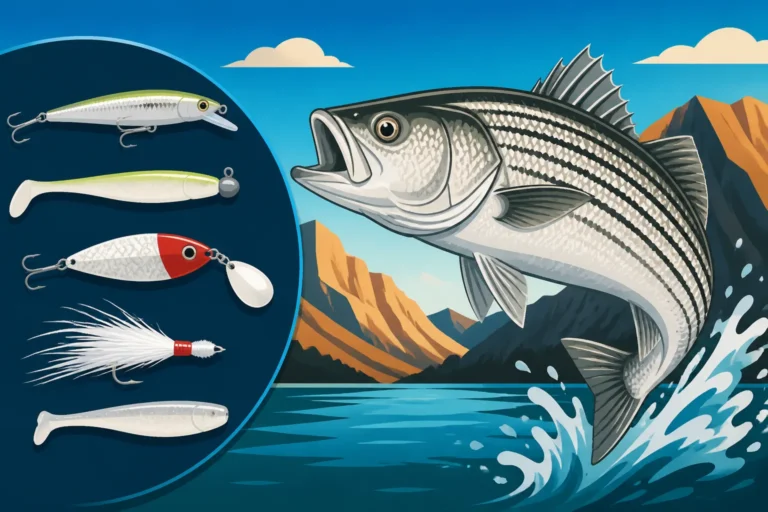
- Spinners: Lures like the classic Mepps Aglia or Rooster Tail are fantastic for trout, bass, and panfish. They have a spinning blade that creates flash and vibration in the water, attracting fish. Just cast them out and retrieve steadily. Keep a few different sizes and colors (silver, gold, black, white) in your tackle box. They are simple, effective, and a joy to fish.
- Spoons: Metal spoons, like the Kastmaster or Daredevil, wobble and flash when retrieved, imitating a dying baitfish. They cast a long way, making them great for shore anglers or when fishing larger bodies of water. They come in various sizes and colors, with silver and gold being common starting points. These are excellent for species like rainbow and brown trout in places like Lake Tahoe or Wildhorse Reservoir.
- Soft Plastic Worms: For bass fishing, a simple soft plastic worm rigged "Texas style" (where the hook point is embedded in the plastic to make it weedless) is incredibly effective and not too difficult to learn. You can crawl them along the bottom or twitch them through submerged cover. Focus on natural colors like green pumpkin or watermelon. This is a great way to start learning How to Fish for Bass in Nevada.
Tackle Box Organization: Keeping it All Straight
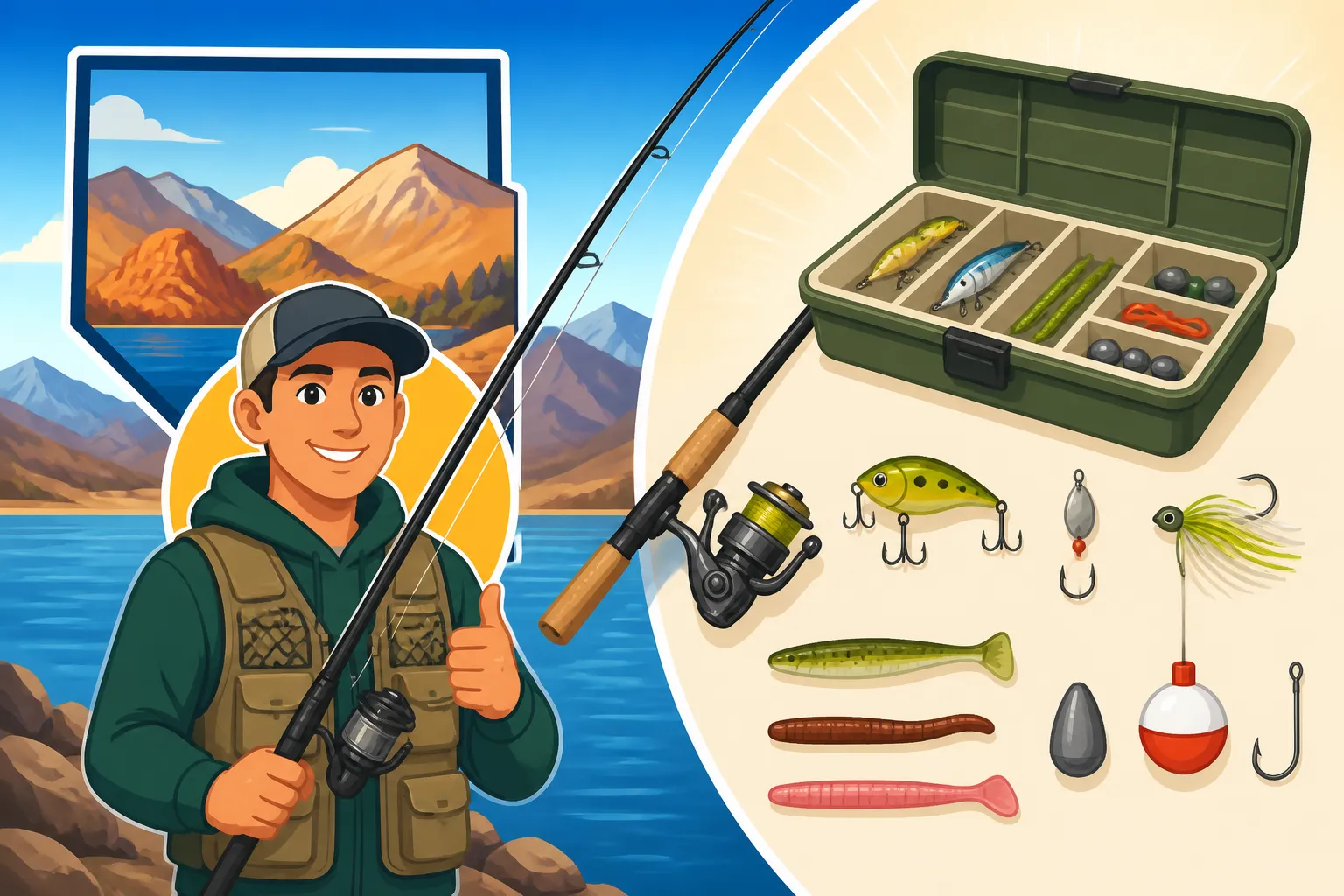
A messy tackle box is a nightmare, especially when you're just learning. You don't need a huge, complicated box. A small, simple tackle box with a few compartments or a soft-sided bag with clear plastic utility boxes is ideal.
- Separate Hooks by Size: Use small containers or compartments to keep different hook sizes organized. This saves you from fumbling around when you need to re-tie.
- Designated Sinker Section: Keep your sinkers separated to avoid them clanging around and potentially damaging other gear.
- Lure Compartments: Give each type of lure its own space to prevent tangles and damage.
- Essential Tools: Have a dedicated spot for your pliers, line clippers, and any other small tools you might need.
Good organization makes your time on the water more efficient and enjoyable. You can find excellent tackle storage solutions at Bass Pro Shops or various options on Amazon that cater to different styles and budgets.
Beyond the Basics: Essential Accessories for a Smooth Trip
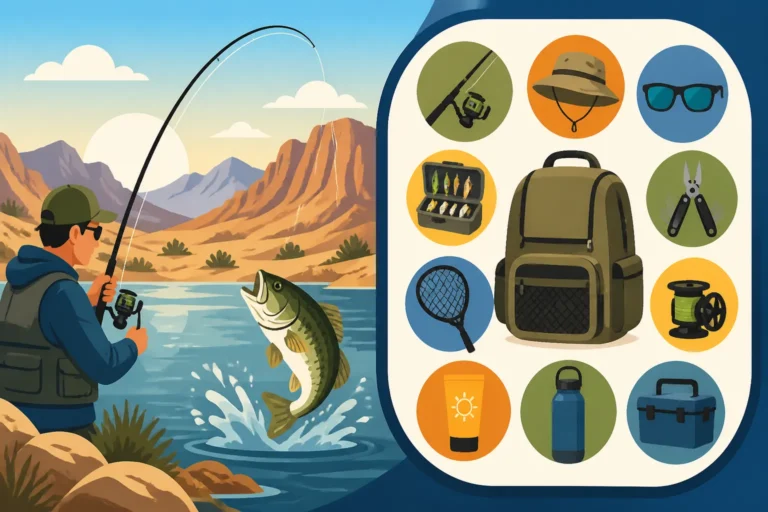
Once you have your core rod, reel, line, and terminal tackle, there are a few other items that will significantly improve your fishing experience, making it safer, more convenient, and more successful.
Landing Nets and Pliers: Handling Your Catch
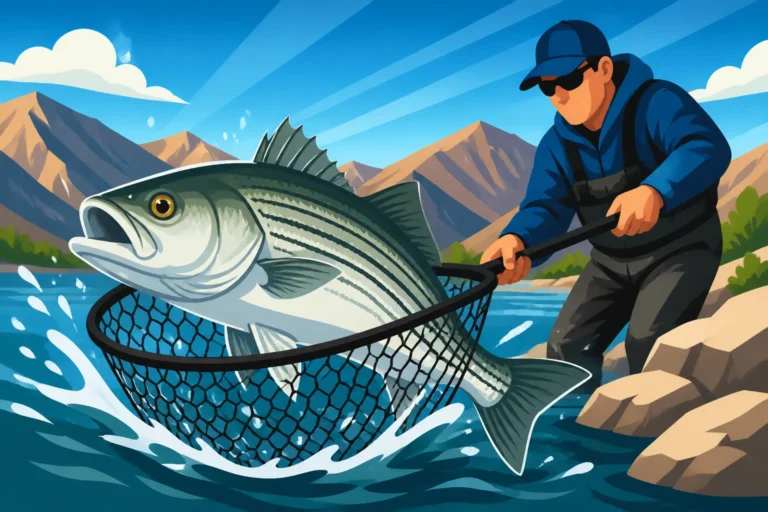
- Landing Net: A good quality landing net is invaluable. It helps you safely land fish, especially larger ones, without putting undue stress on your line or the fish. For beginners, a medium-sized rubberized or knotless net is ideal, as it's gentle on fish (important if you're practicing catch and release) and prevents hooks from getting tangled. Trying to hand-land a thrashing bass or slippery trout can lead to lost fish or injuries, so a net is a smart investment.
- Pliers: A pair of needle-nose pliers or specialized fishing pliers are a must-have. They are essential for safely removing hooks from fish, especially those with sharp teeth or if the hook is deep. They also come in handy for cutting line, bending hooks, or adjusting split shot. Look for a pair with a comfortable grip and a long nose.
Sun Protection and Hydration: Desert Essentials
Nevada's sun can be intense, even on what seems like a mild day. Protecting yourself from the elements is just as important as protecting your gear.
- Sunscreen: Always apply broad-spectrum sunscreen, even on cloudy days. Reapply regularly, especially if you're near water where reflections amplify UV rays.
- Hat and Sunglasses: A wide-brimmed hat provides excellent face and neck protection. Polarized sunglasses are critical—not only do they protect your eyes, but they cut glare on the water, allowing you to see submerged structure and sometimes even fish. This can dramatically improve your fishing success, particularly in clear desert waters.
- Water: Stay hydrated! Always bring more water than you think you'll need. Dehydration can quickly sap your energy and ruin your day. A cooler filled with water and other beverages is a smart addition to any fishing trip. Desert Lake Fishing Techniques often involve dealing with harsh conditions, so preparedness is key.
Measuring and Weighing: Documenting Your Success
Part of the fun of fishing is seeing how your catches stack up, but it's also crucial for adhering to Nevada Fishing Regulations Explained.
- Tape Measure or Ruler: Many Nevada waters have size limits on certain species, like bass or specific trout. A small, flexible tape measure or a rigid ruler is essential to ensure your fish meets the legal minimum or maximum size before you decide to keep or release it.
- Small Digital Scale: While not strictly necessary for regulations, a portable digital scale is great for satisfying your curiosity about how much that big trout or bass really weighs. It adds to the excitement of a catch and allows you to accurately document your personal bests without having to guess. Just remember to handle fish gently when weighing them, especially if you plan to release them.
Basic Beginner Tackle Box Essentials
Here's a quick rundown of what a beginner's tackle box might look like, focusing on versatility for common Nevada species.
| Category | Item | Recommended Specs/Sizes | Target Species |
|---|---|---|---|
| Rod & Reel | Spinning Combo | 6-7 ft, Medium Action, 2500-3000 size reel | All-around |
| Line | Monofilament | 6-8 lb test | All-around |
| Hooks | Bait Holder Hooks | Sizes #8, #10, #12 | Trout, Panfish |
| Offset Worm Hooks | Sizes 1/0, 2/0 | Bass | |
| Sinkers | Split Shot | Assorted (BB, #7, #5) | Light bait, shallow water |
| Egg/Bullet Sinkers | 1/8 oz, 1/4 oz | Bottom fishing | |
| Swivels | Barrel or Snap Swivels | Sizes #10, #12 | Line twist prevention |
| Bobbers | Clip-on Bobbers | Small to Medium | Shallow bait fishing |
| Slip Bobbers | Small to Medium, with bobber stops | Deeper bait fishing | |
| Leaders | Fluorocarbon Leader | 4-8 lb test | Stealth, abrasion resist. |
| Baits | PowerBait | Assorted colors (e.g., chartreuse, rainbow) | Stocked Trout |
| Worms | Nightcrawlers, garden worms | All species | |
| Canned Corn | Whole kernel | Stocked Trout, Panfish | |
| Lures | Spinners | Sizes #1, #2, #3 (silver, gold, black) | Trout, Bass, Panfish |
| Spoons | 1/8 oz, 1/4 oz (silver, gold) | Trout, Bass | |
| Soft Plastic Worms | 4-6 inch (green pumpkin, watermelon) | Bass | |
| Accessories | Landing Net | Medium, rubberized/knotless | Safe fish handling |
| Fishing Pliers | Needle-nose with cutters | Hook removal, line cutting | |
| Sunscreen | High SPF, broad-spectrum | Sun protection | |
| Hat | Wide-brimmed | Sun protection | |
| Polarized Sunglasses | UV protection, glare reduction | Eye protection, sight fishing | |
| Water Bottle | Reusable, insulated | Hydration | |
| Small Tape Measure | Flexible, up to 24 inches | Size compliance | |
| Small Digital Scale | Optional, for weighing catches | Bragging rights |
Remember, the goal is to get out there and enjoy the experience. Don't feel pressured to buy everything at once. Start with these basics, get comfortable, and then gradually expand your tackle as you discover what kind of fishing you enjoy most in the Silver State. There are countless opportunities to explore, from Lake Mead Nevada Fishing Guide to Pyramid Lake Nevada Fishing Guide, and having this core tackle will prepare you for many of them. Happy fishing!
Disclaimer
This article is for general informational purposes only and does not constitute professional advice. Laws, prices and regulations vary by location and change over time. Consult a qualified professional for guidance on your specific situation.