Best battery for a trolling motor on long fishing days
There's nothing quite like the silence of a dead trolling motor battery when you're miles from the launch ramp on Lake Mead, trying to hold your position against a desert breeze. That sinking feeling of realizing your day on the water is cut short is a frustration many Nevada anglers know all too well. This guide is here to unravel the mystery of trolling motor batteries, helping you choose the best power source to keep you fishing longer and stronger, ensuring your long fishing days aren't prematurely ended by a lack of juice.
The Heart of Your Fishing Day: Why Trolling Motor Batteries Are So Crucial
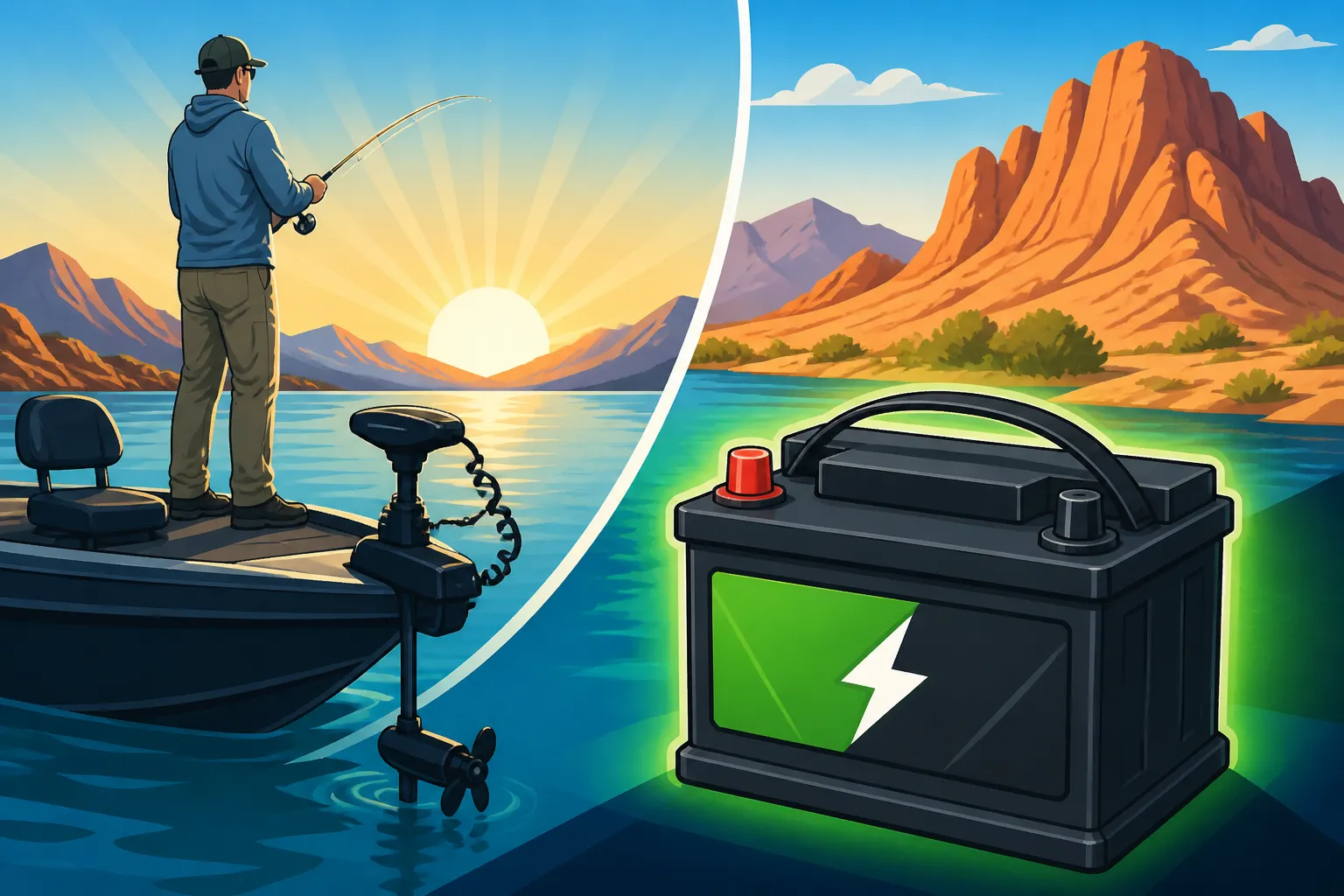
For many of us who love to chase bass in the coves of Lake Mohave or position ourselves perfectly for trout in Wildhorse Reservoir, a trolling motor isn't just a convenience; it's an absolute necessity. It allows for silent, precise boat positioning, stealthy approaches to structure, and the ability to hold steady against wind or current. But all that performance relies on one unsung hero: the battery. When that hero falters, your entire fishing strategy can crumble.
The Unexpected Drain: More Than Just Propulsion
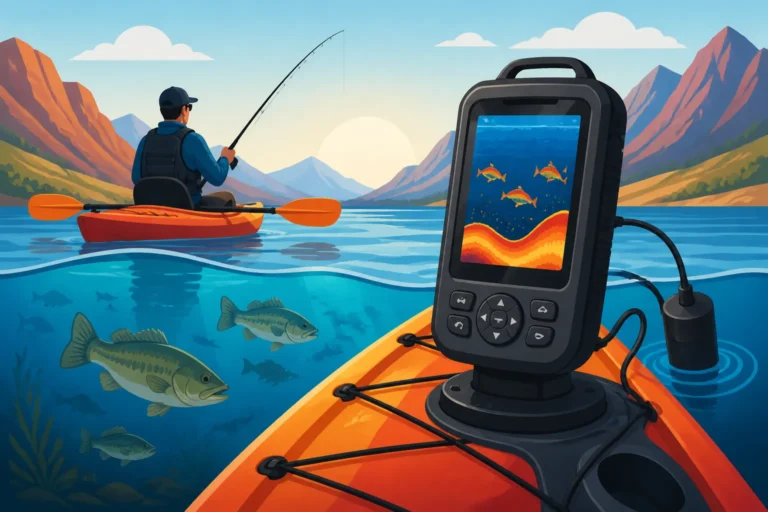
It's easy to think of a trolling motor battery as only powering the prop that moves you around. However, modern fishing boats are often veritable power hogs. Beyond the trolling motor itself, you might be running a sophisticated fish finder, livewell pumps, navigation lights, charging your phone, or even powering an inverter for small electronics. Each of these draws power, chipping away at your battery's reserves. Imagine you're trying to locate those elusive Mackinaw trout at Lake Tahoe with your sonar, and suddenly everything goes dark – it's not just about moving, it's about all your essential systems staying operational.
The Frustration Factor: When the Power Dies
We've all been there. You're having an incredible morning, the bite is on, and you've found a sweet spot. You nudge the trolling motor for a subtle adjustment, and… nothing. Or worse, it putters weakly for a few seconds before giving up the ghost entirely. The wind immediately starts pushing you off your mark, or you realize you're stranded far from the main engine. It's not just an inconvenience; it can be genuinely stressful, especially on vast, open waters like Lake Mead or when the desert sun is beating down relentlessly. You spend all that time planning your trip, getting your Nevada Fishing License Guide in order, packing your gear, only to have a dead battery ruin the best part of the day. This isn't just about losing fishing time; it's about losing the peace of mind that comes with a reliable setup.
The Nevada Angler's Unique Challenges
Fishing in Nevada presents its own set of battery challenges. Our lakes and reservoirs are often enormous, requiring significant travel and extended periods of trolling. Think about the vast expanses of Pyramid Lake, where you might be making long runs to find that perfect drop-off. The relentless summer heat can also take a toll on batteries, impacting their performance and lifespan if not properly cared for. Conversely, cold winter mornings, especially for those venturing out for Ice Fishing in Nevada, also demand a battery that can deliver consistent power in less-than-ideal conditions. The last thing you want is a battery that can't handle the extreme temperature swings that are so common in our high desert environment.
Decoding Trolling Motor Battery Types
When it comes to powering your trolling motor, you're primarily looking at three main types of batteries, each with its own set of pros, cons, and price points. Understanding these differences is key to making an informed decision that suits your fishing style and budget.
Deep Cycle Lead-Acid Batteries
These are the traditional workhorses of the marine world and probably what most anglers are familiar with. Unlike starting batteries, which deliver a short burst of high power, deep cycle batteries are designed to provide a steady amount of power over a long period and be discharged significantly before recharging.
Pros:
- Affordability: Generally the least expensive option upfront. You can often find them readily available at big box stores or even local auto parts shops, making them accessible.
- Reliability: They've been around for ages, and their technology is well-proven. When properly maintained, they can offer years of service.
- Availability: Easy to find and replace. Stores like Bass Pro Shops typically carry a good selection.
Cons:
- Weight: They are heavy! Lugging a couple of these into and out of a boat, especially a smaller craft or a kayak, can be a real workout. This weight also impacts boat performance and fuel efficiency.
- Maintenance: They often require regular maintenance, like checking and topping off electrolyte levels with distilled water. Neglecting this can significantly shorten their lifespan.
- Discharge Limitations: To maximize their life, you shouldn't discharge them below 50% capacity. This means a significant portion of their stated amp-hour (Ah) rating isn't "usable" power for your day-to-day fishing.
- Slower Charging: They take longer to fully recharge compared to other types.
AGM Batteries: A Step Up
Absorbed Glass Mat (AGM) batteries are a type of sealed lead-acid battery, and they offer several advantages over their traditional flooded counterparts. They use a special fiberglass mat to absorb the electrolyte, making them spill-proof and maintenance-free.
Pros:
- Maintenance-Free: No need to check water levels or worry about spills, which is a huge plus for convenience and safety on the boat.
- Durability: They are much more resistant to vibration and shock, which is great for bumpy rides across choppy lakes or trails to remote launches.
- Faster Charging: AGMs generally accept a charge much faster than flooded lead-acid batteries.
- Better Discharge Cycles: While still not ideal for deep discharges, they tolerate deeper discharges better than flooded lead-acid batteries without significant damage, often allowing discharges down to 80% with less impact on longevity.
- Mounting Flexibility: Because they're sealed and spill-proof, they can often be mounted in various orientations.
Cons:
- Higher Cost: Significantly more expensive than traditional lead-acid batteries, though less than lithium.
- Weight: Still quite heavy, although often slightly lighter than comparable flooded batteries.
- Temperature Sensitivity: Can be sensitive to overcharging, especially in high temperatures, which can shorten their lifespan.
Lithium Iron Phosphate (LiFePO4) Batteries: The Modern Powerhouse
Lithium Iron Phosphate, or LiFePO4, batteries are the latest and greatest in trolling motor power. While they represent a larger initial investment, their performance and long-term value are quickly making them the go-to choice for serious anglers. Brands like Dakota Lithium and Battle Born are popular in this space, often found online through retailers like Amazon or specialist marine stores.
Pros:
- Lightweight: This is a game-changer! LiFePO4 batteries are dramatically lighter than lead-acid or AGM batteries of comparable capacity. This not only makes installation and removal a breeze but also improves your boat's performance, speed, and fuel efficiency. If you're using a Kayak Fishing Gear for Nevada setup, this weight saving is invaluable.
- Longer Life Cycle: They boast an incredibly long lifespan, often rated for thousands of charge cycles, far exceeding lead-acid or AGM. This means they can last many, many years, often outliving several conventional batteries.
- Deep Discharge Capability: You can use virtually 100% of their rated capacity without damaging the battery. A 100 Ah LiFePO4 battery will give you far more usable power than a 100 Ah lead-acid battery.
- Consistent Power Output: They maintain a more consistent voltage throughout their discharge cycle, meaning your trolling motor will perform strongly until the very end, rather than slowly losing power as the battery drains.
- Faster Charging: They charge incredibly quickly, getting you back on the water sooner.
- Maintenance-Free: Completely sealed and require no maintenance.
Cons:
- High Initial Cost: This is the biggest hurdle for most anglers. They are substantially more expensive upfront than lead-acid or AGM batteries.
- Temperature Restrictions: While vastly improved, extreme cold (below freezing) can impact their charging capabilities, though they usually perform well in discharge even in cold. Specific charging profiles might be needed.
- Special Charger: Often require a specific LiFePO4 compatible charger for optimal performance and lifespan.
Here's a quick comparison table to help visualize the differences:
| Feature | Deep Cycle Lead-Acid | AGM (Absorbed Glass Mat) | LiFePO4 (Lithium Iron Phosphate) |
|---|---|---|---|
| Initial Cost | Lowest | Medium | Highest |
| Weight | Heaviest | Heavy | Lightest |
| Usable Capacity | ~50% of rated Ah | ~80% of rated Ah | ~100% of rated Ah |
| Lifespan (Cycles) | 200-400 | 400-800 | 2000-5000+ |
| Maintenance | Regular (water checks) | None | None |
| Charging Speed | Slow | Medium-Fast | Very Fast |
| Performance | Declines with discharge | More consistent | Very consistent |
| Vibration Resist. | Low | High | High |
| Spill-Proof | No | Yes | Yes |
Matching the Right Battery to Your Fishing Adventures
Choosing the "best" battery isn't about finding the most expensive option; it's about finding the right option for your specific needs. What works for a casual afternoon angler might not cut it for someone spending Best Time of Year to Fish in Nevada chasing tournaments.
Assessing Your Power Needs: How Long Do You Really Fish?
This is perhaps the most crucial question. Do you typically spend a couple of hours leisurely cruising a small pond, or are you on the water from dawn till dusk, battling the winds on Lake Mead for 8-10 hours?
- Short Trips (2-4 hours): For these scenarios, especially with smaller trolling motors, a single quality deep cycle lead-acid battery might suffice. You're not pushing its limits, and the lower cost is appealing.
- Medium Trips (4-6 hours): This is where an AGM battery starts to shine, or perhaps a pair of lead-acid batteries if you have a 24V or 36V system. The increased usable capacity and faster charging of an AGM make a noticeable difference.
- Long Days (6+ hours) and Tournament Fishing: If you're fishing all day, running multiple electronics, or relying heavily on your trolling motor against currents or high winds, then a LiFePO4 battery is truly in a league of its own. Its ability to deliver full power until nearly empty and its lightweight nature make it ideal for serious use and situations where consistent, extended power is non-negotiable. Many anglers running powerful Best Trolling Motor for a Small Fishing Boat setups will find lithium invaluable.
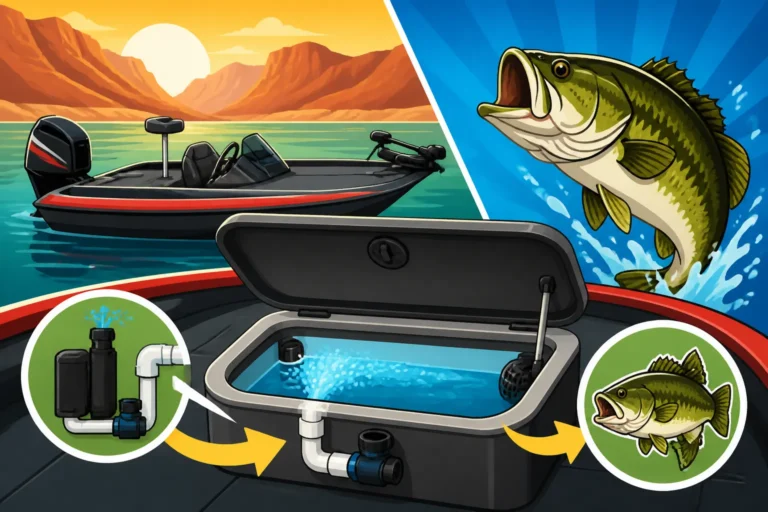
Consider the other electronics you're running. A powerful fish finder, particularly one with a large screen or advanced sonar capabilities, can draw significant power. Livewells constantly running on hot days to keep your catch healthy also add to the load. Factor these into your total estimated power consumption.
Voltage and Amp-Hours: Understanding the Numbers
Trolling motors typically come in 12V, 24V, or 36V configurations. Your battery system must match your trolling motor's voltage.
- 12V Systems: Usually require one 12V deep cycle battery.
- 24V Systems: Typically require two 12V deep cycle batteries wired in series.
- 36V Systems: Require three 12V deep cycle batteries wired in series.
The "Ah" or Amp-Hour rating indicates how much energy a battery can store. A 100 Ah battery should theoretically deliver 10 amps for 10 hours, or 1 amp for 100 hours. However, as we discussed, usable capacity varies greatly by battery type. When comparing batteries, always consider the usable Ah, especially for lead-acid, where you shouldn't drain more than half. For LiFePO4, the full stated Ah is generally usable. This means a 50 Ah LiFePO4 battery might provide comparable usable power to a 100 Ah lead-acid battery, but with a fraction of the weight and bulk.
Budgeting for Power: Investment vs. Convenience
The initial cost of a LiFePO4 battery can be a sticker shock. However, it's crucial to look at the long-term value. While a lead-acid battery might cost a fraction of a lithium one, you might replace it three to five times over the lifespan of a single lithium battery. When you factor in the replacement costs, the labor of lugging heavy batteries, and the frustration of shorter run times, the total cost of ownership for lithium can often be competitive, if not lower, over many years.
For someone just starting out, or with a very tight budget, a good quality deep cycle lead-acid battery is a perfectly acceptable entry point. As your passion for fishing grows and your demands on your equipment increase, upgrading to AGM or eventually lithium becomes a natural progression. Think of it as investing in more fishing time and less battery anxiety. You can find solid options at various price points from retailers like Bass Pro Shops or online at Amazon.
Extending Your Trolling Motor Battery's Lifespan
Regardless of the battery type you choose, proper care and maintenance can significantly extend its life and ensure it performs optimally for every fishing trip. Neglecting your battery is a surefire way to find yourself drifting unexpectedly on a beautiful Nevada lake.
Proper Charging Techniques
This is arguably the most critical factor in battery longevity.
- Charge After Every Use: Even if you only fished for an hour, get that battery on the charger as soon as you get home. Deep cycle batteries, especially lead-acid, prefer to be stored at full charge. Allowing them to sit in a discharged state, even for a short time, can lead to sulfation and permanent capacity loss.
- Use the Right Charger: Match your charger to your battery type. A smart charger specifically designed for deep cycle batteries is highly recommended. If you have AGM or LiFePO4 batteries, ensure your charger is compatible with those technologies. Using a standard automotive charger on an AGM or lithium battery can damage it. A good charger will have different charging stages to protect the battery.
- Avoid Overcharging: While smart chargers help prevent this, leaving a lead-acid battery on a trickle charge indefinitely can still cause issues. Overcharging can lead to overheating and electrolyte loss. Lithium batteries typically have internal battery management systems (BMS) that protect against overcharging.
- Temperature Considerations: Try to charge your batteries in a moderate temperature environment. Extreme heat or cold during charging can impact efficiency and lifespan. For LiFePO4, pay close attention to manufacturer recommendations regarding charging in freezing temperatures.
Storage and Maintenance for Longevity
When you're not on the water, how you store your batteries makes a big difference.
- Cleanliness: Keep battery terminals clean and free of corrosion. A simple wire brush and a baking soda solution can do wonders for lead-acid batteries. Clean terminals ensure good electrical contact and minimize power loss.
- Regular Checks (Lead-Acid): For traditional flooded lead-acid batteries, regularly check the electrolyte levels. Add distilled water (never tap water!) if the plates are exposed. This prevents damage and ensures optimal performance.
- Off-Season Storage: If your boat is going into storage for the winter, especially if you're not planning any Nevada Fishing Seasons by Month for a while, fully charge your batteries and then consider a trickle charger specifically designed for long-term maintenance, or disconnect them entirely and periodically check their voltage. Ideally, store them in a cool, dry place. Extreme heat or cold can degrade batteries over prolonged periods.
- Physical Protection: Ensure your batteries are secured in your boat, preventing them from bouncing around, which can cause internal damage. This is especially true for lead-acid batteries, though AGMs and LiFePO4 are more robust.
On-Water Power Management Strategies
Even with the best battery, smart power management on the water can extend your fishing day.
- Conserve Power: If you know it's going to be a long day, be mindful of your trolling motor usage. Use it strategically for positioning rather than as a primary propulsion unit. If you have a powerful outboard, use it for longer runs between spots.
- Turn Off Unused Electronics: Is your fish finder running while you're taking a lunch break? Turn it off. Are navigation lights on when it's broad daylight? Switch them off. Every little bit of power conserved adds up.
- Consider a Second Battery (or more): If your boat has the space and your budget allows, a multi-battery setup can provide redundancy and extend your time. Many 24V or 36V trolling motor systems already use multiple batteries. If you have a single 12V system, carrying a fully charged spare can be a lifesaver, though it adds weight. For a more sophisticated setup, some anglers even use a dedicated house battery for electronics, separate from the trolling motor batteries.
- Solar Charging: For truly extended backcountry trips or if you're trying to stay out longer in remote areas, a small, portable solar panel might be an option to provide a supplemental charge to your batteries, especially on sunny Nevada days.
By carefully considering your needs, understanding the different battery technologies, and committing to proper maintenance, you can ensure your trolling motor always has the power it needs, letting you focus on what truly matters: catching fish and enjoying the stunning waters Nevada has to offer.
Disclaimer
This article is for general informational purposes only and does not constitute professional advice. Laws, prices and regulations vary by location and change over time. Consult a qualified professional for guidance on your specific situation.