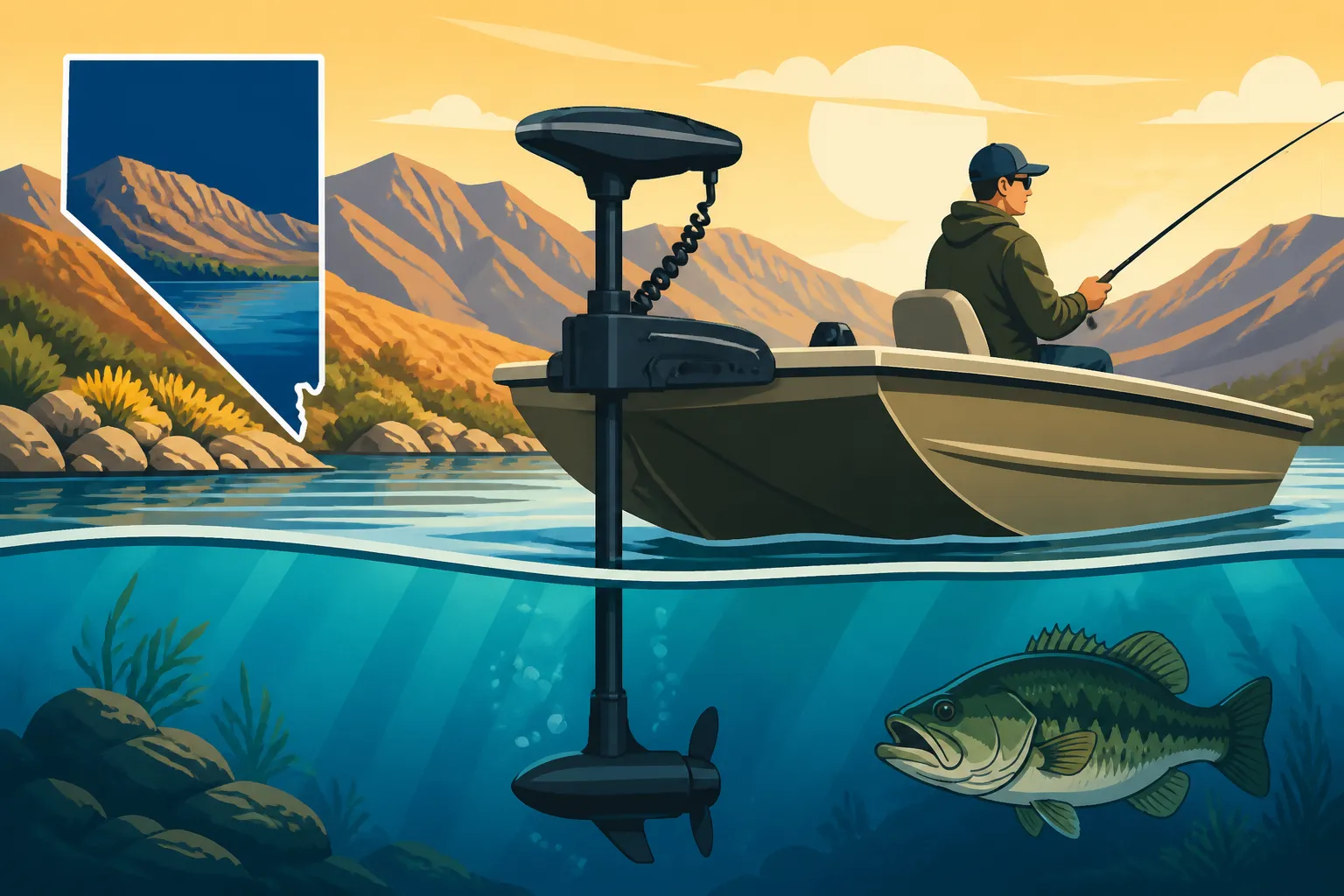
Best trolling motor for a small fishing boat
Navigating the diverse waters of Nevada in a small fishing boat can be an incredible experience, but it also comes with its challenges. Whether you're trying to hold your position against a relentless wind on Lake Mead or gently creep along the shoreline of a quiet urban pond, the right trolling motor can make all the difference between a frustrating day and a successful one. This guide will walk you through everything you need to know to choose the perfect trolling motor for your small fishing boat, ensuring you have the control and confidence to tackle any Nevada fishing adventure.
Understanding Your Needs for a Nevada Trolling Motor
Before you even start looking at models, it's crucial to understand what you truly need based on your boat and the places you plan to fish. Nevada's fishing environments are incredibly varied, from vast, open reservoirs to tight river bends and serene ponds. Your trolling motor needs to be up to the task.
Boat Size and Weight Matters
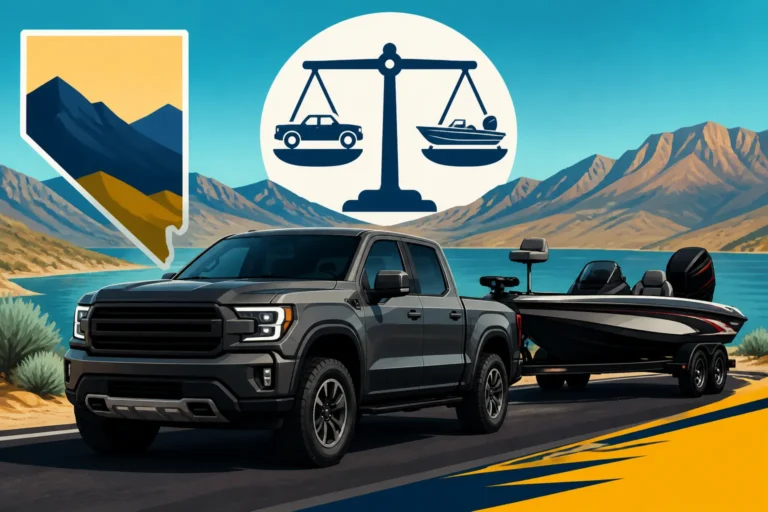
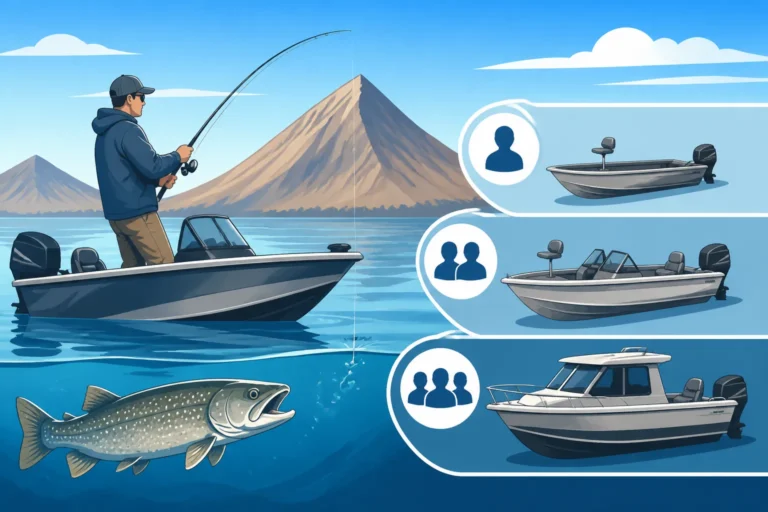
The size and weight of your small fishing boat are perhaps the most critical factors in determining the thrust you'll need from your trolling motor. We're talking about everything from lightweight kayaks and canoes to jon boats, inflatable dinghies, and small aluminum skiffs. A common rule of thumb is to have at least 2 pounds of thrust for every 100 pounds of fully loaded boat weight. But honestly, in Nevada's often windy conditions, a little extra thrust is rarely a bad thing.
Think about it: a small 10-foot jon boat might weigh around 200 pounds on its own. Add in yourself, your tackle box, a cooler full of snacks and drinks, a few rods, and a battery for the motor, and you could easily be pushing 500-600 pounds. For that kind of setup, you're looking at a minimum of 10-12 pounds of thrust, but truly, you'd want something in the 30-45 pound range for real control. If you're out on a larger body of water like Lake Mohave, where even a slight breeze can turn into a substantial chop, that additional thrust becomes indispensable for holding your position or moving quietly against the elements. Don't underestimate the power of wind and current on even a small vessel.
Water Conditions You'll Face
Nevada fishing offers a spectrum of water conditions, each dictating different requirements for your trolling motor. Are you primarily targeting the tranquil waters of a Las Vegas urban pond, like Floyd Lamb Park, where minimal current and wind are the norm? Or do you dream of chasing striped bass across the expansive, often turbulent surfaces of Lake Mead or the unique, powerful Lahontan cutthroat trout at Pyramid Lake, where high winds are a daily possibility?
For calm, protected waters, a lower-thrust motor (perhaps 30-40 lbs) might be perfectly adequate. These settings often prioritize quiet operation and precise maneuverability, which most modern trolling motors deliver. However, if you plan to venture onto larger reservoirs known for their strong winds and currents, or you find yourself battling the flow of the Colorado River below Hoover Dam, you'll want more power. A motor in the 45-55 lb thrust range, or even higher if available for a small boat setup, will give you the confidence to maintain control, especially when trying to stay on a productive fishing spot. There's nothing more frustrating than being blown off a submerged hump or a key rock pile because your motor just can't keep up. Consider if you'll be fishing during Summer Fishing Techniques for Hot Desert Lakes or if you prefer the calmer, cooler mornings.
Power Source and Battery Life
Trolling motors for small boats typically run on 12-volt systems, drawing power from a deep-cycle marine battery. Some larger, more powerful motors might require a 24-volt system, which means two 12-volt batteries wired in series. For most small fishing boats, a single 12-volt setup is common and usually sufficient.
The key here is battery capacity and life. A great trolling motor is useless without enough juice to power it through your entire fishing day. Deep-cycle batteries are designed for sustained power delivery over long periods, unlike starting batteries that provide a short burst of high current. Look for batteries with a high Amp-Hour (Ah) rating or Reserve Capacity (RC). The higher these numbers, the longer your motor will run. For a typical 30-45 lb thrust motor, a good quality Group 24 or Group 27 deep-cycle battery should give you a decent run time, but if you're planning all-day excursions, especially on higher settings, a Group 29 or Group 31 might be a smarter investment. Remember that heavier batteries will add to your boat's overall weight, impacting the thrust requirements slightly. You can find many suitable options through retailers like Bass Pro Shops or on Amazon. Finding the Best Battery for a trolling motor on long fishing days is crucial for enjoying your time on the water.
Key Features to Look for in a Small Boat Trolling Motor
Once you understand your fundamental needs, it's time to dive into the features that can make your fishing experience not just easier, but significantly more enjoyable and productive.
Thrust and Shaft Length
We've already touched on thrust, but let's reiterate: more thrust generally equates to better control, especially in adverse conditions. For small fishing boats, motors commonly range from 30 to 55 pounds of thrust.
| Boat Length (feet) | Estimated Fully Loaded Weight (lbs) | Minimum Recommended Thrust (lbs) | Preferred Thrust (lbs) |
|---|---|---|---|
| 8-10 (Kayak, Canoe) | 300-500 | 10-20 | 30-40 |
| 10-12 (Jon Boat, Skiff) | 500-800 | 20-30 | 40-55 |
| 12-14 (Larger Jon, Small V-Hull) | 800-1200 | 30-40 | 55-70+ |
Note: These are general guidelines. Factors like boat shape, windage, and typical fishing conditions will influence optimal thrust.
Shaft length is another critical consideration, and often overlooked. The shaft connects the motor head to the propeller and needs to be long enough for the propeller to remain submerged even in choppy water, without hitting the bottom in shallow areas. A good rule of thumb is to measure the distance from where the motor will be mounted (transom or bow) to the waterline, then add 10-20 inches for propeller clearance and compensation for waves. If you fish a small jon boat with a low freeboard in calm ponds, a shorter 30-36 inch shaft might be fine. But if you're on a small V-hull on Lake Tahoe, a 42-50 inch shaft will prevent your prop from cavitating (coming out of the water) during even moderate waves, giving you consistent control.
Mounting Options: Transom vs. Bow Mount
The way your trolling motor attaches to your boat fundamentally changes how you control it and what kind of fishing it's best suited for.
Transom Mount Trolling Motors:
These are typically clamped directly to the stern (back) of your boat, much like a small outboard engine.
- Pros: Generally more affordable, simpler to install, easy to remove, and common for smaller boats like canoes, kayaks, and jon boats. They often have a tiller handle for direct steering.
- Cons: Steering from the rear can be less intuitive for precise boat control, especially when trying to navigate complex structures or hold a straight line in wind. You're always steering the "push" rather than the "pull." This can be a bit like pushing a rope – harder to keep it straight.
- Best For: Anglers who value simplicity, budget-friendliness, and primary use in calmer waters. Ideal for smaller craft where you might be sitting in the middle or rear.
Bow Mount Trolling Motors:
These motors are installed on the front (bow) of your boat and are typically deployed or stowed with a foot pedal or remote control.
- Pros: Offer superior boat control. When you're pulling the boat from the front, it responds much more precisely, making it easier to hold a course, maneuver around obstacles, and present baits effectively. This is particularly valuable for bass fishing or stalking shy trout. Many feature electric steering, allowing for hands-free operation.
- Cons: Generally more expensive, require more involved installation, and typically need a dedicated mounting plate. While some small bow mounts exist for smaller jon boats, they are less common on very small kayaks or canoes.
- Best For: Serious anglers who prioritize precision boat control, fish larger or windier waters, and want to easily switch between fishing spots with hands-free operation. If you're frequently casting from the bow, a bow mount is almost essential for maintaining position.
For many small fishing boat owners in Nevada, a transom mount is the practical and economical choice, especially if you're fishing solo in a small jon boat or kayak. However, if your budget allows and you desire the utmost control, especially in a slightly larger small boat like a 12-14 foot aluminum V-hull, a bow mount is a game-changer. Consider what kind of control you'll need when exploring Best Places to Fish in Nevada.
Advanced Features: GPS, Spot-Lock, and Remote Control
Modern trolling motors have come a long way, and some advanced features can dramatically enhance your fishing experience, particularly in Nevada's expansive and often windy environments.
- GPS Navigation and Anchor/Spot-Lock: This is arguably the most revolutionary feature for serious anglers. Motors equipped with GPS (like Minn Kota's i-Pilot with Spot-Lock or MotorGuide's Xi5 with Pinpoint GPS) allow you to virtually anchor your boat with the push of a button. The motor uses GPS coordinates to automatically adjust thrust and direction to keep your boat precisely on a desired spot, even in strong wind or current. Imagine fishing a submerged rock pile on Lake Mead or a current seam on the Truckee River without constantly deploying a physical anchor or manually adjusting your position. This feature is a total game-changer for precise lure presentation and staying on active fish. It’s also incredibly useful for hands-free fishing while you focus on casting and retrieving. While these features add to the cost, the convenience and effectiveness they offer are unmatched. This can be especially helpful when you're trying to stay on a specific structure or hold your place while you're tying a knot or re-rigging your tackle.
- Remote Control: Many advanced trolling motors, especially bow mounts, come with wireless foot pedals or handheld remotes. This allows you to steer, adjust speed, and deploy/stow the motor without reaching down to a tiller handle. For smaller boats, particularly kayaks or jon boats where space is at a premium, a handheld remote means you can sit comfortably and control your boat from anywhere in the craft. This allows you to stand up and cast or tend to a fish while maintaining full control over your vessel.
- Integrated Transducer/Sonar: Some trolling motors come with a built-in sonar transducer, allowing you to connect directly to your fish finder unit. This cleans up your boat's setup by eliminating the need for a separate transom-mounted transducer and offers a clear, unobstructed view of what's directly beneath your motor. This can be fantastic for small boats where wiring and mounting multiple devices can quickly become cluttered. This feature integrates well with selecting the Best Fish Finder for Reservoir Fishing.
While a basic transom-mount motor might suffice for casual outings on calm waters, investing in a model with GPS capabilities can transform your fishing productivity and enjoyment, especially when dealing with Nevada's often unpredictable weather patterns.
Top Trolling Motor Types for Nevada's Small Boats
When we talk about trolling motors, it's important to distinguish between traditional dedicated units and electric outboards, which sometimes serve similar purposes for small craft.
Electric Outboards vs. Dedicated Trolling Motors
It's easy to confuse these two, as both are electric motors that propel your boat. However, they serve slightly different primary functions.
Dedicated Trolling Motors:
These are designed for quiet, low-speed propulsion and precise maneuverability. They come in transom-mount and bow-mount configurations, with features like variable speed control, precise steering, and often advanced GPS functions. Their primary role is to help you "troll" (move slowly and quietly) or position your boat while fishing.
Electric Outboards:
Think of these as small, electric versions of gasoline outboards. They are typically transom-mounted and designed for more sustained, higher-speed propulsion, effectively replacing or supplementing a small gasoline engine. While they can be used for trolling, their focus is generally on getting from point A to point B more efficiently than a traditional trolling motor, often with more robust construction and sometimes higher thrust ratings. Brands like Torqeedo are well-known in this space, offering options that can move small boats at respectable speeds for extended periods.
For most small fishing boat owners focused on fishing, a dedicated trolling motor (especially a bow mount with GPS) is usually the better choice due to its superior control at low speeds and specialized fishing features. If your small boat is also your primary mode of transport across a lake and you want to avoid gas engines, an electric outboard might be worth considering. However, for stealth and precise fishing maneuvers, the dedicated trolling motor reigns supreme.
Popular Models and What They Offer
For small fishing boats in the 8-14 foot range, you're generally looking at motors with 30-55 pounds of thrust. Here are some general types and what to expect:
- Entry-Level Transom Mounts (30-40 lbs thrust): These are your workhorse, no-frills motors. They usually feature a twist-tiller handle, multiple forward and reverse speeds (often 5 forward, 3 reverse), and a simple clamp-on transom mount. They're excellent for kayaks, canoes, and small jon boats fishing calm urban ponds or smaller lakes. They're durable, reliable, and get the job done without breaking the bank. You can find many options from brands like Minn Kota and MotorGuide in this category. They are widely available at sporting goods stores like Bass Pro Shops or through online retailers like Amazon.
- Mid-Range Transom Mounts (45-55 lbs thrust): Stepping up, these offer more power, which is great for slightly larger small boats or if you frequently encounter wind. They often incorporate features like variable speed control (instead of fixed speeds), which allows for much finer speed adjustments and better battery efficiency. Some might even include a battery meter to keep an eye on your remaining power. These are a solid choice for a small aluminum skiff hitting the bigger coves of Lake Mead or the calmer sections of the Nevada side of Lake Tahoe.
- Entry to Mid-Range Bow Mounts (45-55 lbs thrust): This is where you start to see the benefits of true bow-mounted control. While they require a bit more setup, the ability to pull your boat, steer with a foot pedal or remote, and have finer speed control is invaluable. Many models in this category will begin to offer basic GPS features, even if they aren't the top-tier "Spot-Lock" systems. This makes them perfect for serious anglers with jon boats or small V-hulls who want to fish effectively in more challenging conditions.
When shopping, always compare the features against your budget and your typical fishing environment. Don't overspend on features you won't use, but also don't underspend if it means sacrificing control and enjoyment on the water. Many fishing enthusiasts start by reviewing customer comments and ratings on platforms like Amazon to get a sense of real-world performance, then head to a physical store like Bass Pro Shops to see the motors up close.
Installation, Maintenance, and Maximizing Performance
Getting the right trolling motor is only half the battle; knowing how to install it correctly, maintain it, and use it efficiently will ensure years of reliable service and successful fishing trips.
DIY Installation Tips and Best Practices
Installing a transom-mount motor is usually a straightforward process. It often involves simply clamping the motor onto your boat's transom and securing the power cables to your battery terminals. However, even with this simplicity, a few best practices will save you headaches:
- Secure Clamping: Ensure the motor is clamped tightly to prevent it from vibrating loose or coming off in rough water. Use safety straps or bolts if possible for added security.
- Proper Wiring: Connect the positive (+) cable from the motor to the positive terminal of your deep-cycle battery, and the negative (-) cable to the negative terminal. Ensure connections are clean, tight, and corrosion-free. Loose connections can lead to power loss and even damage to your motor.
- Fuse or Circuit Breaker: Always install an appropriate inline fuse or circuit breaker close to the battery. This is a critical safety measure that protects your motor and boat's electrical system from surges or shorts. Your motor's manual will specify the correct amperage.
- Cable Management: Route cables neatly and securely, away from potential snags or sharp edges. Use cable ties or clips to keep them tidy.
For bow-mount motors, installation is more involved, often requiring drilling holes for a mounting plate and running power cables through the boat. If you're not comfortable with this, consider having a marine technician or experienced friend help out. Incorrect installation can lead to unstable mounting or electrical issues.
Battery Care for Long-Term Use
Your deep-cycle battery is the heart of your electric propulsion system, especially in Nevada where temperatures can swing dramatically. Proper care will extend its life and ensure it's ready when you are.
- Charge After Every Use: Even if you only used your motor for a short time, fully recharge your battery as soon as possible after each outing. Deep-cycle batteries prefer to be stored fully charged.
- Use a Smart Charger: Invest in a marine-specific smart charger. These chargers monitor the battery's state and switch to a maintenance (trickle) mode once fully charged, preventing overcharging and desulfation.
- Keep Terminals Clean: Regularly inspect battery terminals for corrosion (a white or bluish powder). Clean them with a wire brush and a mixture of baking soda and water. Apply a thin layer of dielectric grease or terminal protector to prevent future corrosion.
- Temperature Considerations: Nevada's summer heat can be hard on batteries. Store batteries in a cool, dry place when not in use. In winter, if storing your boat for an extended period, remove the battery, fully charge it, and store it indoors, performing a maintenance charge every month or two.
- Check Water Levels (for flooded lead-acid): If you have traditional flooded lead-acid deep-cycle batteries, periodically check the electrolyte levels and top them off with distilled water if needed (after charging, but before use). Never overfill.
Maximizing Efficiency and Extending Your Day
You want to make the most out of every battery charge, especially when you're exploring the vastness of Lake Mead or spending a full day at Wildhorse Reservoir.
- Propeller Care: Regularly check your propeller for fishing line, weeds, or damage. Even minor nicks can reduce efficiency and drain your battery faster. Carry a spare prop and the necessary tools for quick changes.
- Variable Speed Control: If your motor has variable speed control, use it! Running at precisely the speed you need, rather than always at maximum, can significantly extend your battery life. Fixed speed motors are less efficient in this regard.
- Trim and Depth Adjustment: Ensure your motor is trimmed correctly for the water conditions. The prop should be deep enough to avoid cavitation but not so deep that the shaft creates excessive drag. In shallow water, raise the motor slightly to avoid hitting the bottom and damaging the prop.
- Go with the Flow: Whenever possible, use natural currents or wind to your advantage, minimizing the motor's work.
- Don't Overpower: Resist the urge to constantly run your motor at maximum thrust. Often, a lower speed will do the job with much less battery draw. Conserve that power for when you truly need it, like fighting a strong current or holding against a gust of wind. This is particularly relevant if you're out fishing early during Nevada fishing hours before sunrise and after sunset when conditions might be calmer.
- Use a Best Anchor for Windy Desert Lakes to hold your position instead of constantly running the trolling motor on high settings. Even with Spot-Lock, reducing its workload by deploying a small anchor in calmer conditions can conserve battery.
By understanding your needs, choosing the right features, and properly maintaining your gear, you'll ensure your small fishing boat's trolling motor serves you well on countless Nevada fishing adventures. Whether you're chasing trophy trout or just enjoying a peaceful day on the water, having reliable propulsion and precise control is key.
Disclaimer
This article is for general informational purposes only and does not constitute professional advice. Laws, prices and regulations vary by location and change over time. Consult a qualified professional for guidance on your specific situation.