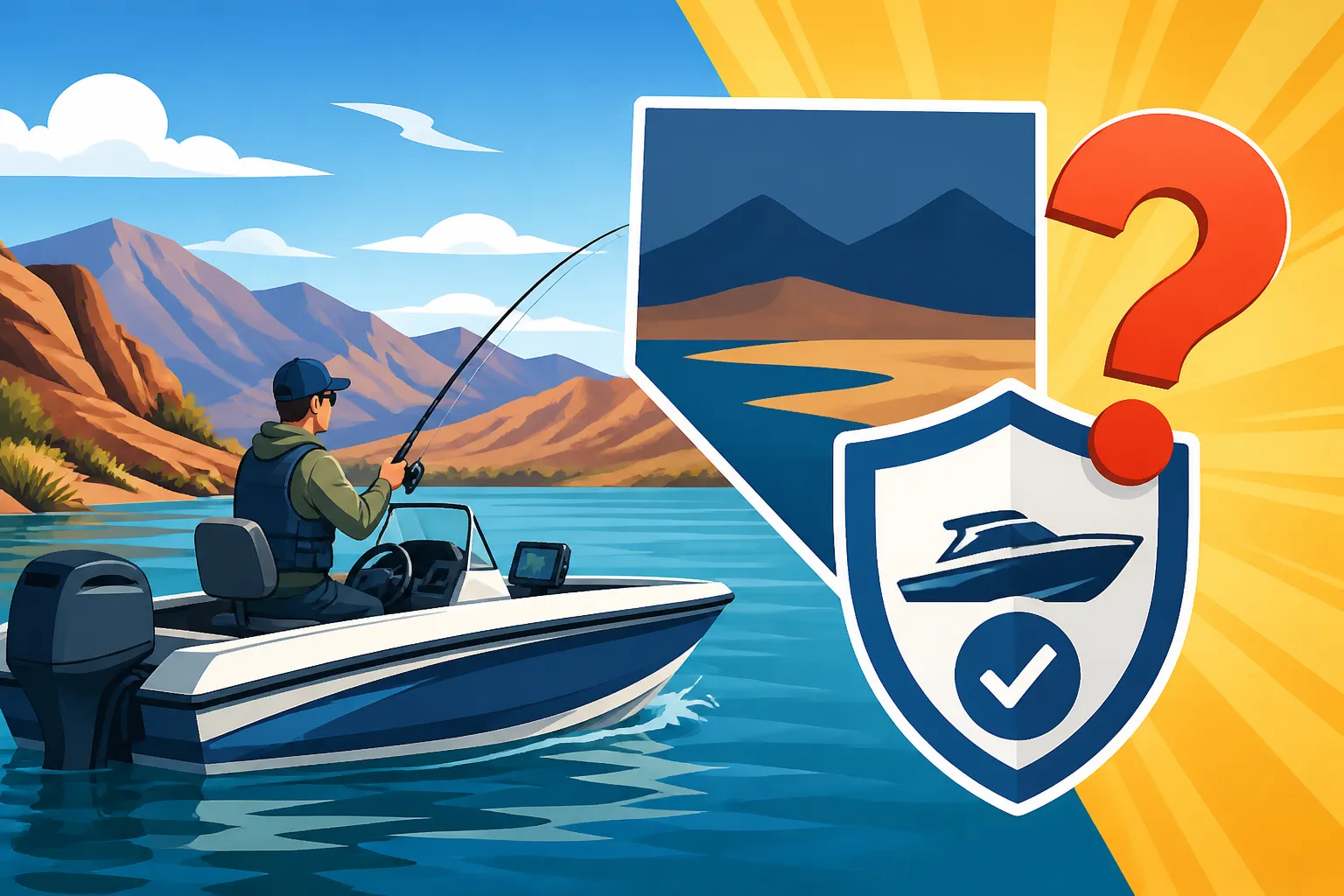
Is boat insurance required to register in Nevada?
One of the most common questions I hear from fellow anglers, especially those new to the Silver State, revolves around boat registration and the often-confusing topic of insurance. Many assume that just like car insurance, boat insurance is a non-negotiable requirement to get your vessel registered and legally out on the beautiful waters of Nevada. This guide is here to clear up that confusion and help you navigate the process with confidence.
Understanding Nevada's Boat Registration Basics
Let's dive right into the core of the matter: getting your boat officially recognized by the state. It's easy to assume that all vehicles, whether on land or water, come with the same set of rules, but boating often has its own unique regulations. It’s understandable why many would think boat insurance is mandatory for registration, especially when you consider how ingrained auto insurance is in our daily lives. The thought process often goes, "If I need insurance for my car, I must need it for my boat too, right?" But the waterways operate a little differently.
Do You Need Insurance to Register Your Boat in Nevada?
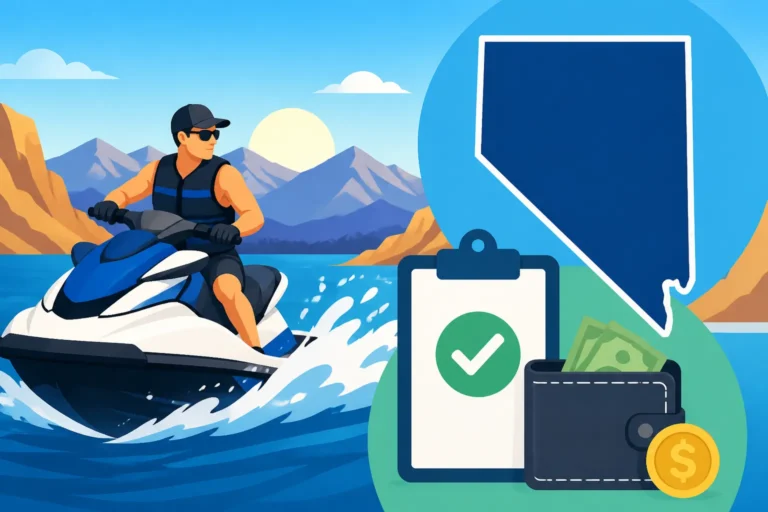
Here's the straightforward answer you've been waiting for: No, boat insurance is generally not required to register your boat in Nevada. Unlike automobiles, where proof of financial responsibility (i.e., insurance) is a prerequisite for getting your license plates and registration, the Nevada Department of Wildlife (NDOW) does not mandate boat insurance for the sole purpose of registering your vessel. You won't be asked to provide proof of coverage when you submit your application and fees.
This might come as a relief to some, as it means one less hurdle to jump through to get your boat on the lake. However, before you celebrate too much and decide to skip insurance altogether, it's really, really important to understand that not being required doesn't mean not being necessary. While the state won't stop you from registering, good judgment and responsible boating practices certainly point towards considering robust coverage. Think about it: our incredible desert lakes can get crowded, and accidents, unfortunately, do happen.
What Is Required for Nevada Boat Registration?
While insurance isn't on the list, there are definite requirements you must meet to successfully register your boat in Nevada. These are in place to ensure proper identification, ownership, and to support the state's efforts in managing waterways. Ignoring these will absolutely prevent you from getting your vessel on the water legally.
You'll need to gather specific documents, which typically include proof of ownership, such as a manufacturer's statement of origin (MSO) for a new boat or a properly endorsed title/bill of sale for a used vessel. You'll also need to fill out the necessary application forms, which are readily available through NDOW offices or their website. There are specific fees involved, which vary depending on the length of your vessel and the type of registration you're seeking. For example, the cost to register a basic fishing boat will differ from a larger pleasure craft, and the exact figures are best checked directly on the NDOW site or at a local office.
It's also worth noting that if you're bringing a boat from out of state, there are specific Nevada boat registration rules for an out-of-state boat that apply to ensure a smooth transition. Don't forget that certain types of vessels, even small ones like inflatable kayaks, might have different rules; you might be wondering, Do you need to register an inflatable kayak in Nevada?. Always check the specifics for your particular craft to avoid any surprises at the registration office. For a complete rundown, checking out the Nevada Boat Registration Paperwork Checklist can save you a lot of time and frustration.
The Critical Role of Boat Insurance Beyond Registration
Okay, so we've established that insurance isn't a mandatory part of the registration process. But in my years of enjoying Nevada's waters, I've seen enough to know that skimping on insurance is a gamble you really don't want to take. The peace of mind alone is worth exploring your options. It's not just about protecting your investment; it's about protecting yourself and others.
Protecting Your Investment and Others
Imagine a scenario: you're out on Lake Mead, enjoying a perfect day of striped bass fishing, when suddenly, out of nowhere, another boat veers too close. A minor collision occurs. Thankfully, no one is seriously hurt, but your prized fishing boat now has a nasty dent, and the other boat has some significant damage too. Without insurance, you're looking at potentially thousands of dollars in repair costs, not to mention the potential liability if you were deemed at fault for any reason.
Boat insurance acts as a financial safety net, covering the costs of damage to your boat, damage to other boats or property, and even medical expenses for injuries that might occur. This is where the real value lies. Whether it's a small scratch from a docking mishap, a major collision, or even an unfortunate incident like theft or vandalism, having coverage means you're not solely on the hook for those often-staggering costs. It's about preserving your financial stability so a single boating incident doesn't sink your budget.
Navigating Unexpected Incidents and Liabilities
Boating, like any activity involving powerful machinery and natural elements, comes with its share of risks. It's not just collisions you need to think about. What if your boat experiences a mechanical failure far from shore, requiring an expensive tow? Or what if a sudden storm whips up, causing your vessel to be damaged while anchored? These are the kinds of frustrating and costly surprises that boat insurance is designed to mitigate.
Then there's the liability aspect. If someone is injured on your boat, or if you cause damage to private property (like a dock or another vessel) or even a public marker, you could be held financially responsible. Lawsuits can be incredibly expensive and stressful. Boat insurance typically includes liability coverage that can help protect you from these claims, covering legal fees and settlements up to your policy limits. It’s an investment in your own future and peace of mind, allowing you to enjoy your time on the water without constantly worrying about "what if."
Types of Boat Insurance Coverage to Consider
Once you decide to move forward with boat insurance (and I truly hope you do!), you'll find there are various types of coverage designed to meet different needs and protect against a range of risks. Just like shopping for a new rod and reel at Bass Pro Shops, you'll want to understand the different features and how they benefit you.
Agreed Value vs. Actual Cash Value
This is a big one, and it largely dictates how much you'd receive if your boat is declared a total loss.
- Agreed Value Policies: With an "agreed value" policy, you and the insurance company agree on a specific value for your boat when you purchase the policy. If your boat is later deemed a total loss, the insurer pays out that agreed-upon amount, less any deductible. This is often a preferred option for newer boats or those with significant upgrades, as it provides more certainty about the payout. You won't have to argue about depreciation in the event of a catastrophic loss.
- Actual Cash Value (ACV) Policies: An "actual cash value" policy pays out the depreciated value of your boat at the time of the loss. This means the insurance company will factor in wear and tear and age, paying you what the boat was actually worth just before the incident. While these policies generally have lower premiums, the payout might be significantly less than what you originally paid for the boat or what it would cost to replace it. This is often chosen for older vessels where the depreciated value is more acceptable to the owner.
Essential Coverage Components
Most comprehensive boat insurance policies will include a suite of coverages designed to protect you from common boating mishaps. Understanding these components will help you build a policy that truly fits your needs, whether you're cruising Lake Tahoe or fishing the urban ponds.
- Physical Damage Coverage: This is the core protection for your boat itself. It covers damage to your hull, motor, equipment, and accessories resulting from things like collisions, fire, theft, vandalism, and storms. Whether you hit a submerged object or your boat is stolen from its mooring, this coverage helps with repair or replacement costs.
- Liability Coverage: This is crucial for protecting you if you're found responsible for causing injury to another person or damage to their property. It can cover medical expenses for injured parties and repair costs for damaged property, as well as legal fees if a lawsuit arises. Having adequate liability limits is incredibly important, especially with the high costs associated with accidents today.
- Medical Payments Coverage: This component helps cover medical expenses for you and your passengers if you're injured in a boating accident, regardless of who was at fault. It's a thoughtful addition that provides an extra layer of protection for everyone on board.
- Uninsured/Underinsured Boater Coverage: Unfortunately, not everyone on the water is as responsible with their insurance as they should be (or even aware they need it!). This coverage protects you if you're involved in an accident with another boater who doesn't have insurance or has insufficient coverage to pay for your damages or injuries.
- Towing and Assistance: Breaking down on the water is no fun, especially on a vast lake like Lake Mead. This coverage helps pay for emergency services like towing your disabled boat to the nearest repair facility or providing roadside assistance if your boat trailer breaks down. It's a small but mighty addition that can save you a lot of hassle and expense.
- Personal Effects Coverage: Many policies offer coverage for personal items, like your fishing gear, electronics, or clothing, that are on your boat and get damaged or stolen. This can be a huge relief if you've invested in quality rods and reels or a fancy fish finder. When you're buying a new sonar unit off Amazon, knowing it's covered brings serious peace of mind.
Finding and Maintaining Your Nevada Boat Insurance
So, you've decided to get boat insurance – excellent choice! Now comes the process of actually finding a policy that suits your needs and budget. It might seem daunting, but with a clear understanding of what you're looking for, it's totally manageable.
Shopping for the Right Policy
Just like you wouldn't buy the first fishing lure you see, you shouldn't jump on the first insurance quote. Shop around! Different insurance providers will offer varying rates and coverage options based on factors like your boat's type, age, value, where you store it, and your boating experience.
- Gather Your Boat Information: Have details about your boat handy: make, model, year, length, hull material, engine type, and any significant accessories or modifications. The more information you can provide, the more accurate your quotes will be.
- Compare Quotes: Reach out to multiple insurance companies. You can often get quotes online, through independent insurance agents who work with several providers, or by contacting specific insurance companies directly. Don't just compare prices; compare the coverage limits and deductibles as well. A cheaper policy might offer less protection.
- Ask About Discounts: Many insurers offer discounts for things like completing a boating safety course (like the one required for a Nevada Boater Education Card Requirement for certain ages), having a clean boating record, bundling your boat insurance with other policies (like home or auto), or having specific safety equipment on board. It never hurts to ask!
- Consider a Local Agent: While online quotes are convenient, a local insurance agent who understands Nevada's boating landscape can be invaluable. They can help you navigate the complexities of policies and ensure you're getting the right coverage for specific local conditions or popular lakes like Lake Mead or Lake Mohave.
Keeping Your Coverage Up-to-Date
Boat insurance isn't a "set it and forget it" kind of thing. Your needs might change, and so might the value of your boat or the risks you face.
- Annual Review: It's a good idea to review your policy annually with your insurance provider. Discuss any changes to your boat (new motor, electronics, upgrades), how you're using it, or where you're storing it. This ensures your coverage remains adequate and that you're not over- or under-insured.
- Report Changes: If you make significant modifications to your boat, change your primary storage location, or even change the primary operator, inform your insurance company. These changes could affect your coverage or premium.
- Understand Your Nevada Annual Fishing License Renewal Implications: While unrelated to boat insurance, remembering renewal dates for all your outdoor licenses is crucial. Similarly, keep track of your boat registration renewal deadlines to ensure you're always legal on the water. Nevada boat registration renewal deadline can creep up on you!
Final Thoughts on Responsible Boating in Nevada
So, to recap: while boat insurance is not required to register your boat in Nevada, it is an incredibly smart and responsible choice. The financial risks of not having it far outweigh the cost of the premiums. Think of it as another piece of essential safety gear, right up there with your life jackets and first-aid kit, as outlined in our Nevada required safety equipment checklist for boats. Just like you’d load up on quality gear from Bass Pro Shops for a serious fishing trip, you should equip yourself with serious protection for your vessel.
Taking the time to understand your options and secure a good policy will allow you to fully enjoy all that Nevada's magnificent waterways have to offer, from the calm stretches of the Colorado River to the vast expanse of Pyramid Lake. Happy boating, and stay safe out there!
Disclaimer
This article is for general informational purposes only and does not constitute professional advice. Laws, prices and regulations vary by location and change over time. Consult a qualified professional for guidance on your specific situation.