Nevada required safety equipment checklist for boats
One of the biggest headaches for anyone who loves getting out on Nevada's beautiful lakes and rivers is figuring out exactly what safety gear you actually need on your boat. It can feel like a maze of regulations, leaving you wondering if you've got everything covered for a safe and legal day on the water. This comprehensive guide is here to untangle that confusion, providing you with a clear, realistic checklist of all the federally and state-mandated safety equipment for your vessel in Nevada, helping you avoid fines and, more importantly, stay safe.
The Absolute Essentials: Required Gear for Every Nevada Boat
No matter how small your vessel or how short your trip, certain safety items are non-negotiable on any boat operating on Nevada's waters. Think of these as the fundamental layers of protection that every boater, from the seasoned captain to the weekend warrior, must have on board. Ignoring these can not only lead to a hefty fine but could put you and your passengers in real danger should an unexpected situation arise.
Personal Flotation Devices PFDs
This is perhaps the most critical piece of safety equipment. We've all seen them, but understanding the types and quantity required is where it gets a little tricky. In Nevada, you must have a U.S. Coast Guard-approved personal flotation device (PFD), often called a life jacket, for every person on board your vessel. This isn't just a suggestion; it's a hard rule. And it's not enough to just have them; they need to be readily accessible and in good, serviceable condition. That means no ripped fabric, broken buckles, or straps that don't adjust properly.
There are different types of PFDs, each designed for specific uses. Type I PFDs are offshore life jackets, offering the most buoyancy and designed to turn an unconscious person face-up. Type II PFDs are nearshore buoyant vests, which are suitable for most inland waterways and can turn some unconscious individuals face-up. Type III PFDs, flotation aids, are what many casual boaters wear—vests designed for comfort and activity, but they might not turn an unconscious person face-up. Then there are Type V special-use devices, which are approved for specific activities like kayaking or windsurfing, often needing to be worn to count as a PFD. Always check the label to ensure it's Coast Guard approved and suitable for your activity. Don't forget about Nevada life jacket requirements for kids, as children typically have specific rules about wearing them.
Sound-Producing Devices
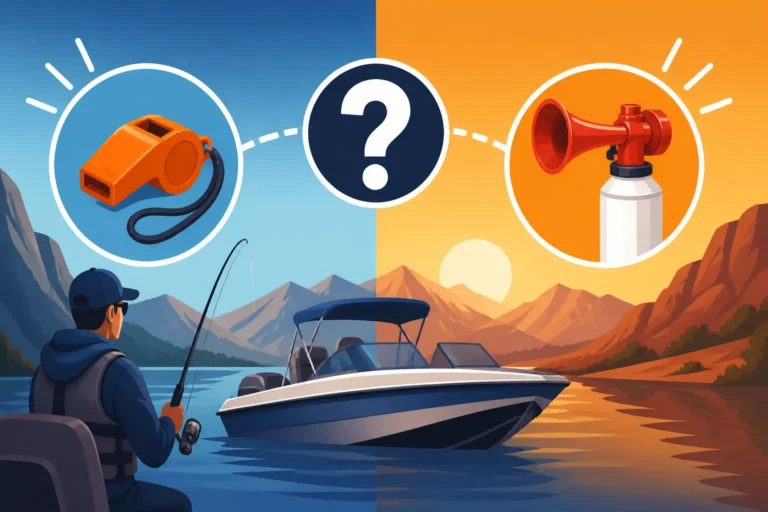
Imagine you're out on Lake Mead on a foggy morning, or perhaps you're approaching a blind bend on the Colorado River. How do you signal your presence to other boaters you can't see? That's where a sound-producing device comes in. Every boat in Nevada is required to carry some form of sound signal. For smaller boats (under 16 feet), this can be as simple as a handheld air horn or even a whistle. The key is that it must be capable of producing an efficient sound signal audible for at least half a nautical mile.
For larger vessels, the requirements become more stringent, often requiring a horn, bell, or whistle that meets specific sound output standards. The purpose is to alert other vessels to your position or to signal your intentions, preventing collisions, especially in low visibility or congested areas. It's not just a formality; it's a vital communication tool on the water.
Fire Extinguishers
Fire on a boat, especially a small one, can escalate rapidly and be incredibly dangerous, far from the reach of typical emergency services. That's why fire extinguishers are a mandatory piece of equipment for many boats in Nevada. The type and number of extinguishers required depend on the size of your vessel and whether it has enclosed compartments that could trap flammable vapors, like an inboard engine compartment or a permanently installed fuel tank.
Generally, boats with an installed engine, permanent fuel tank, or enclosed living spaces will need at least one Coast Guard-approved portable fire extinguisher. These are typically B-I type extinguishers, suitable for flammable liquids and electrical fires. Make sure it's fully charged, easily accessible, and within its expiration date. You can usually find these at marine supply stores like Bass Pro Shops, or even readily available online through Amazon. Regularly check the gauge to ensure it's ready for action.
Visual Distress Signals VDS
While Nevada's clear skies are legendary, low visibility can still occur, especially on large bodies of water like Lake Tahoe, or in emergencies. Visual distress signals are designed to help you communicate your distress to other vessels or rescue personnel. For recreational boats operating on federally controlled waters (which includes most major lakes and reservoirs like Lake Mead and Lake Mohave), Coast Guard-approved VDS are required. This typically means a combination of day and night signals.
Day signals could be orange smoke flares or flags, while night signals often include red meteors or red handheld flares. Remember, flares have expiration dates, so make sure yours are current. Non-pyrotechnic options, such as an electronic distress light, are also available and can be a fantastic, long-lasting alternative. It's smart to have a variety, ensuring you can signal effectively regardless of the time of day or weather conditions.
Navigation Lights
Boating after sunset or before sunrise, or in periods of restricted visibility, requires proper navigation lights to prevent collisions. These lights indicate your vessel's position, size, and direction of travel to others on the water. The specific configuration of lights varies depending on the size and type of your boat.
Generally, all vessels must display a white all-around light (often called an anchor light) when anchored or underway at night. Power-driven vessels also need red and green sidelights at the bow, indicating the port (left) and starboard (right) sides, respectively. Larger vessels have more complex requirements for masthead lights and stern lights. Always double-check that your lights are operational before heading out, especially if there's any chance you'll be out when it's dark or dim. A quick bulb check can save you a lot of trouble and prevent a dangerous situation.
Display of Registration Numbers and Decals
While not a piece of safety equipment in the traditional sense, having your boat properly registered and displaying the correct information is a fundamental safety and legal requirement in Nevada. Your boat's registration numbers must be painted or permanently attached to both sides of the forward half of the vessel, reading from left to right, in block letters at least three inches high. The color of the numbers must contrast sharply with the background, making them easily visible.
In addition to the numbers, you'll receive a validation decal from the Nevada Department of Wildlife (NDOW) when you register your boat. This decal must be displayed on the port (left) side of the boat, generally within six inches of the registration numbers. These identifiers are crucial for law enforcement and rescue services to identify your vessel. You can find more detailed information in the Nevada Boat Registration and Titling Guide and the Nevada Boat Registration Paperwork Checklist.
Length Matters: Additional Safety Equipment for Larger Vessels
As your boat grows in size, so do the federal and state requirements for safety equipment. It’s not just about having more space for gear; larger vessels often venture further from shore, operate at higher speeds, or carry more passengers, necessitating additional precautions.
Boats 16 Feet to Under 26 Feet
Once your boat reaches 16 feet in length, you’ll find yourself needing a few extra items compared to smaller craft. The most common additions revolve around ensuring better distress signaling and more robust fire suppression capabilities.
- Fire Extinguishers: For boats in this size range, if you have an enclosed engine compartment or fixed fuel tanks, you'll likely need two B-I portable fire extinguishers or one B-II type. The logic is simple: a larger boat with more potential fuel sources and enclosed spaces presents a greater fire risk, so more suppression power is needed. Make sure you know where they are and that everyone on board knows how to access and operate them.
- Visual Distress Signals (VDS): All vessels 16 feet and over, when operating on federally controlled waters (which again, includes many popular Nevada waterways), must carry both day and night VDS. This means you need a combination of signals to be visible in any light condition. A good example might be three red handheld flares (night) and a distress flag (day), or an approved electronic distress light that covers both. Always ensure these are current and stored in a waterproof container, easily reachable in an emergency.
- Sound-Producing Device: While smaller boats can get by with a whistle, vessels in this category must have a horn or whistle that is audible for at least one-half mile. Many boats in this size range come with an installed horn, but if yours doesn't, a portable air horn is a perfectly acceptable alternative, provided it meets the sound requirements.
- Anchor and Anchor Line: While not universally required by federal law for all vessels in this size class, it’s a critical piece of safety equipment that many state regulations, or common sense, mandate. An anchor can prevent your boat from drifting into danger in an engine failure or severe weather. Always ensure you have enough anchor line (rode) for the depths you typically boat in, generally 7:1 scope (seven feet of rode for every one foot of depth).
Boats 26 Feet to Under 40 Feet
Stepping up to this class of vessel brings even more comprehensive safety requirements, reflecting the potential for longer voyages and the increased complexity of the boat itself.
- Fire Extinguishers: For this size category, the requirements increase again. You would need three B-I portable extinguishers or one B-I and one B-II, unless you have a fixed fire extinguishing system in the engine compartment, in which case you’d still need two B-I portables. These requirements are designed to provide ample fire suppression for larger engine compartments and potential living spaces.
- Sound-Producing Device: A permanently installed horn or whistle capable of producing a signal audible for at least one nautical mile is generally required for vessels in this range. A bell is also required for signaling intentions in certain situations.
- Visual Distress Signals (VDS): The same day and night VDS requirements apply, but given the increased size and range of these vessels, it's often wise to have more than the minimum, perhaps including an EPIRB (Emergency Position Indicating Radio Beacon) for extended trips.
- Pollution Placards: If your vessel is 26 feet or longer and has a galley and berthing, you're required to display a "Garbage Disposal Placard" which outlines federal regulations regarding the disposal of garbage at sea. This emphasizes the importance of environmental protection on Nevada's pristine waters.
- Marine Sanitation Device (MSD): If your boat has an installed toilet, it must be equipped with a Coast Guard-approved MSD. These devices prevent raw sewage from being discharged into the water, protecting water quality.
Boats 40 Feet to Under 65 Feet
These are serious vessels, often with multiple engines, extensive living quarters, and the capacity for longer, more independent voyages. The safety equipment reflects this, ensuring a high level of preparedness.
- Fire Extinguishers: You'd need four B-I portable extinguishers, or two B-II types, or combinations if a fixed system is present.
- Sound-Producing Device: A permanently installed horn or whistle audible for at least one nautical mile, plus a bell.
- Visual Distress Signals (VDS): Same requirements as smaller vessels, but again, given the nature of these boats, additional, more advanced VDS (like an EPIRB) are highly recommended.
- Pollution Placards & Waste Management Plan: In addition to the garbage placard, vessels 40 feet or longer must have a written "Waste Management Plan" on board, detailing procedures for garbage handling and disposal.
- Marine Sanitation Device (MSD): Required if an installed toilet is present.
It’s always a good idea to consult the specific federal and Nevada boating regulations, usually available through the NDOW website or official boating handbooks. This table provides a general overview of the equipment requirements based on boat length in Nevada:
| Boat Length Category | PFDs (Life Jackets) | Fire Extinguishers (B-I Type) | Sound Device | Visual Distress Signals (VDS) | Navigation Lights | Other Key Requirements |
|---|---|---|---|---|---|---|
| Less than 16 feet | 1 for each person | 1 (if required) | Whistle/Horn | Day/Night (if on fed waters) | Required at night | Registration/Decals |
| 16 to < 26 feet | 1 for each person | 2 (or 1 B-II) | Horn/Whistle | Day/Night (on fed waters) | Required at night | Registration/Decals, Anchor |
| 26 to < 40 feet | 1 for each person | 3 (or 1 B-I & 1 B-II) | Horn & Bell | Day/Night (on fed waters) | Required at night | Reg/Decals, Anchor, Pollution Placard, MSD (if applicable) |
| 40 to < 65 feet | 1 for each person | 4 (or 2 B-II) | Horn & Bell | Day/Night (on fed waters) | Required at night | Reg/Decals, Anchor, Pollution Placard, Waste Management Plan, MSD (if applicable) |
Note: "if required" for fire extinguishers typically means if your boat has an enclosed engine compartment, a permanently installed fuel tank, or enclosed living spaces.
Boater Education and Operational Safety: More Than Just Gear
Having the right safety equipment is only half the battle. Knowing how to use it, understanding the rules of the road (or water!), and being prepared for common boating scenarios are equally crucial. In Nevada, this often means completing a boater education course, which provides the knowledge foundation for safe operation.
Nevada Boater Education Card Requirements
Many states, including Nevada, have adopted mandatory boater education requirements to reduce accidents and promote responsible boating. It's important to understand Who needs a boater education card in Nevada. Generally, if you're operating a motor-powered vessel on Nevada waters and were born after a certain date, you're required to possess a Nevada Boater Education Card. This card signifies that you've successfully completed an approved boating safety course.
These courses cover everything from navigation rules, proper signaling, understanding weather conditions, and, crucially, how to respond in emergency situations. Even if you're not legally required to get one, taking a course is an incredibly smart move for any boater. It transforms you from just a boat operator into a truly safe and knowledgeable captain. You can explore Nevada Boater Education Course Options to find a program that fits your schedule. Remember, just like having the right gear, having the right knowledge can be a lifesaver.
Essential Safety Practices Beyond the Checklist
While the official checklist covers required items, truly safe boating involves a mindset and practices that go beyond simply having the gear on board.
- Pre-Departure Checklists: Before every outing, take a few minutes to run through a quick mental or physical checklist. Are the PFDs accessible? Is the fire extinguisher charged? Are the navigation lights working? Is there enough fuel? Checking your vessel thoroughly before you even leave the dock prevents a lot of headaches and dangerous situations out on the water.
- Weather Awareness: Nevada weather can change rapidly, especially in mountainous regions or on large, open lakes. Always check the forecast before you go, and keep an eye on changing conditions while you're out. If storms are brewing or high winds are predicted, it's always better to err on the side of caution and stay ashore, or head back early.
- File a Float Plan: Especially if you're venturing out alone or into more remote areas, inform a trusted friend or family member of your float plan. This should include where you're going, your planned route, who's on board, and when you expect to return. This information is invaluable to search and rescue teams if you don't return as expected.
- Never Boat Under the Influence: Just like driving a car, operating a boat while impaired by alcohol or drugs is illegal and extremely dangerous. It significantly impairs your judgment, coordination, and reaction time, putting everyone on board and other boaters at risk. Nevada has strict laws regarding boating under the influence (BUI).
- Know Your Vessel: Understand your boat's capabilities and limitations. How does it handle in rough water? What's its maximum capacity for passengers and gear? Knowing your vessel intimately allows you to make safe decisions in varying conditions.
Understanding the Nevada Fishing Regulations Explained can also help you be a more responsible and safe boater, as many fishing-related activities are intertwined with general boating safety. Consider what gear you'll need for specific locations, such as Essential Safety Gear for Boating on Lake Mead, which might have unique considerations due to its size and popularity.
Where to Find Your Gear and Stay Up-to-Date
Once you have a clear picture of what you need, the next step is acquiring it and ensuring you stay current with any changes in regulations. Luckily, there are several reliable resources for both.
Purchasing Approved Safety Equipment
When buying safety equipment, always look for U.S. Coast Guard approval. This ensures the gear meets the necessary performance and quality standards.
- Specialty Marine Stores: Places like Bass Pro Shops are excellent resources. They typically have dedicated marine departments staffed by knowledgeable individuals who can help you select the correct type and size of PFDs, fire extinguishers, and other safety gear. You can often try on life jackets to ensure a proper fit, which is crucial for their effectiveness. They also tend to stock a wide range of accessories that can enhance safety, even if not strictly required, like extra anchors or advanced communication devices.
- Online Retailers: For convenience and a wide selection, online platforms like Amazon are incredibly popular. You can often find competitive prices and a vast array of Coast Guard-approved equipment. Just be diligent in reading product descriptions and customer reviews to confirm authenticity and compliance. When purchasing online, always double-check the item's specifications against the Nevada boating regulations to ensure it meets the necessary standards, particularly for items like fire extinguishers or flares that have specific class ratings or expiration dates.
- Local Tackle and Sporting Goods Shops: Many smaller, independent shops also carry a good selection of basic safety gear, especially for smaller boats and personal watercraft. These local businesses can often provide valuable advice based on their understanding of local waterways and conditions.
Staying Current with Regulations
Boating laws and regulations, while relatively stable, can change. It's your responsibility as a boater to stay informed.
- Nevada Department of Wildlife (NDOW): The NDOW website is your primary source for the most up-to-date Nevada boating laws and regulations. They often publish annual boating guides or updates. Make it a habit to check their site before the start of each boating season or if you plan to visit a new body of water.
- U.S. Coast Guard Auxiliary: The Coast Guard Auxiliary offers free vessel safety checks. These are not enforcement actions; rather, they are opportunities for experienced auxiliary members to review your boat's safety equipment and compliance with regulations. If you pass, you'll get a sticker indicating your boat is compliant, and if not, they'll simply provide advice on how to fix any deficiencies. It's a fantastic way to get a professional opinion and ensure you haven't missed anything.
- Boating Safety Courses: As mentioned, taking a boater education course not only teaches you the rules but also introduces you to the resources for staying current. Many courses include an updated copy of the state boating laws.
- Marine Supply Stores: Often, marine supply stores like Bass Pro Shops will have brochures or information available regarding current regulations, especially new product requirements or safety recommendations. They have a vested interest in keeping their customers safe and informed.
Being prepared means more than just having a boat; it means equipping it properly and understanding how to operate it safely. By adhering to Nevada's required safety equipment checklist and embracing a safety-first mindset, you can enjoy all the magnificent waterways Nevada has to offer with peace of mind.
Disclaimer
This article is for general informational purposes only and does not constitute professional advice. Laws, prices and regulations vary by location and change over time. Consult a qualified professional for guidance on your specific situation.