Essential Safety Gear for Boating on Lake Mead
So you're planning a trip out on Lake Mead, maybe to cast a line for some stripers or just enjoy the stunning desert scenery, but the thought of being out on such a massive body of water can feel a little daunting. The truth is, Lake Mead is incredible, but it demands respect and preparation. This guide is going to walk you through all the essential safety gear you absolutely need, both legally and practically, to ensure your boating adventure is as safe and enjoyable as possible.
Why Safety Gear is Non-Negotiable on Lake Mead
Lake Mead is a gem in the Nevada landscape, offering unparalleled opportunities for fishing, boating, and recreation. But its sheer size, dynamic environment, and often remote nature mean that safety isn't just a suggestion—it's paramount. Far too often, boaters underestimate the unique challenges this desert oasis presents, leading to avoidable mishaps. Ignoring proper safety protocols or cutting corners on gear can turn a fantastic day into a harrowing experience, and frankly, we don't want that for anyone.
The Vastness and Variability of Lake Mead
One of the first things that strikes you about Lake Mead is just how enormous it is. We're talking about a vast reservoir with countless coves, channels, and open water stretches, all carved into a desert landscape. This isn't your average neighborhood pond; it's an inland sea. When you're miles from the nearest launch ramp or marina, a small problem can quickly escalate into a serious situation. The distances are deceptive, and what looks like a short jaunt across a bay can take much longer than anticipated, especially if conditions change.
Beyond its size, Lake Mead's environment is constantly shifting. Water levels can fluctuate, exposing new hazards or submerging old ones. The desert winds, funneling through canyons, can pick up out of nowhere, transforming calm waters into choppy, white-capped expanses in minutes. Even experienced boaters can be caught off guard by a sudden squall. This variability means you always need to be prepared for the unexpected, and having the right safety gear on board is your first line of defense against Mother Nature's unpredictable temperament. You wouldn't venture into the desert without water, so don't venture onto Lake Mead without the right equipment.
Sudden Weather Changes and High Traffic
Anyone who lives in or visits Nevada knows that the weather can be a bit of a Jekyll and Hyde situation. One moment it's perfectly calm, blue skies, and sunshine; the next, dark clouds are rolling in, bringing high winds, thunder, and even dust storms. These sudden shifts are particularly dangerous on Lake Mead. A gust of wind can easily capsize a smaller vessel or push you far off course, while a sudden downpour can reduce visibility to near zero. Navigating in these conditions without proper equipment or training is asking for trouble.
Compounding this is the high traffic, especially during peak seasons and holidays. Lake Mead attracts all sorts of watercraft, from small fishing boats and kayaks to massive houseboats and high-speed personal watercraft. With so many vessels sharing the water, the risk of collision increases significantly. Proper signaling equipment, clear navigation, and an understanding of right-of-way rules are crucial. But even then, accidents can happen, and having the right gear to deal with an emergency, whether it's a breakdown or an unexpected impact, ensures you and your loved ones have the best chance of staying safe. It's not just about your own actions, but being prepared for what others might do, or for environmental factors beyond your control.
Mandatory Safety Gear Requirements
Okay, let's get down to brass tacks. There are certain pieces of safety equipment that are not just highly recommended, but legally required when you're out on the water in Nevada, especially on a major body like Lake Mead. These aren't just arbitrary rules; they're designed to save lives. Understanding and having these items readily accessible is your absolute minimum baseline for a safe trip. Before you even think about launching, double-check your vessel against this list. You can find comprehensive details in the official guide, but we'll cover the core essentials here.
Life Jackets and Throwable Devices
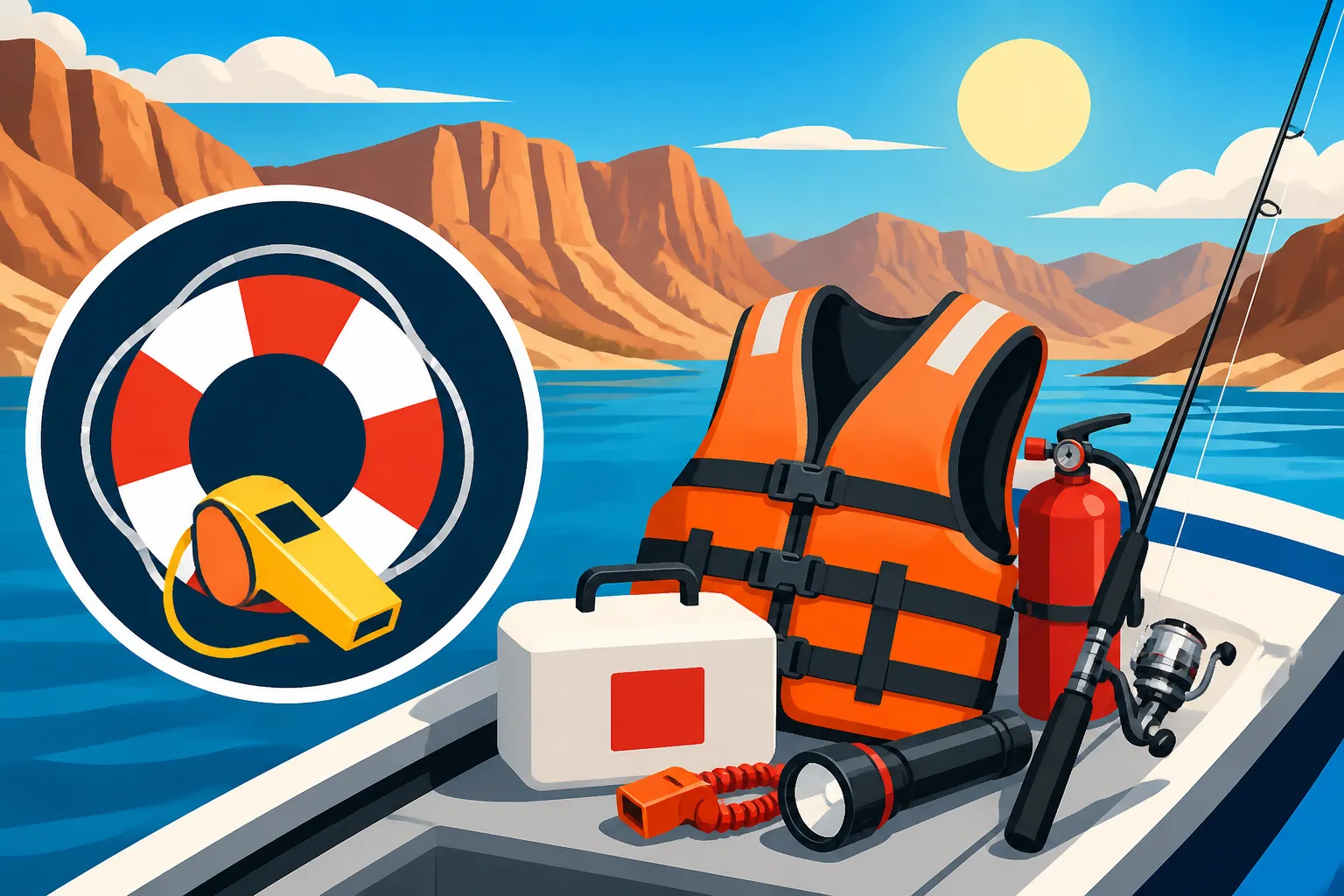
This is probably the most fundamental piece of safety equipment, and for good reason. Life jackets, or Personal Flotation Devices (PFDs), are required for everyone on board your vessel. Specifically, you need at least one Coast Guard-approved wearable PFD for each person. This isn't just a suggestion; it's the law. And here's a crucial point: children under the age of 13 are generally required to wear a PFD at all times when a vessel is underway. It’s not enough to just have it on board; it must fit them properly. An ill-fitting life jacket is almost as useless as no life jacket at all. Make sure to check the weight and chest size limits on each jacket to ensure it's appropriate for the person wearing it. It’s a good idea to try them on beforehand, especially for kids, because what fit last year might be too snug now.
Beyond the wearable PFDs, you also need at least one Coast Guard-approved throwable flotation device (like a ring buoy or a buoyant cushion) if your boat is 16 feet or longer. This is critical for emergencies where someone might unexpectedly fall overboard, and you need to get flotation to them quickly without jumping in yourself. Imagine a situation where a child slips from the boat while you're moving; you can immediately toss a throwable device to them while you maneuver to pick them up. It's an essential redundancy that provides immediate aid. When you're browsing for gear, whether at a local Bass Pro Shops or Amazon, always look for that Coast Guard approval stamp to ensure compliance and reliability. For more in-depth information, check out Best Life Jackets for Reservoir Boating.
Visual and Sound Signaling Equipment
When you're out on Lake Mead, especially in a busy channel or during adverse weather, being able to communicate your presence or signal for help is vital. This is where visual and sound signaling equipment comes in. For sound signals, most vessels are required to have a whistle or horn that can produce an audible sound for at least half a mile. Larger vessels might need a bell in addition to a horn. This is used for signaling intentions to other boats, like passing maneuvers, or to signal distress. A small air horn or a marine whistle attached to your life jacket is usually sufficient for smaller craft.
Visual distress signals are also mandatory, especially if you're operating on federal waters (which Lake Mead is considered, being a National Recreation Area) between sunset and sunrise, or in conditions of reduced visibility. This typically includes flares (pyrotechnic signals) or non-pyrotechnic signals like an orange distress flag or an electronic distress signal light. Flares have expiration dates, so make sure yours are current! Imagine being stranded after dark; those flares could be the difference between a long, cold night and a swift rescue. Always store these in a waterproof container, easily accessible, but away from any potential ignition sources. It’s not just about having them, but knowing where they are and how to use them quickly.
Fire Extinguishers and Ventilation
Boats, with their engines, fuel tanks, and electrical systems, carry a risk of fire, especially on hot days or with older equipment. That's why Coast Guard-approved fire extinguishers are mandatory on most motorized vessels. The type and number of extinguishers you need depend on the size of your boat and whether it has enclosed engine compartments or fuel tanks. Generally, most recreational boats will need at least one B-I type extinguisher. Make sure it's mounted in an accessible location, away from the engine, and that you know how to operate it. Regularly check the pressure gauge to ensure it's charged and ready to go. A quick sweep of the extinguisher’s nozzle can prevent a small spark from becoming a catastrophic blaze.
Ventilation is another critical, but often overlooked, safety requirement, particularly for boats with enclosed engine or fuel tank compartments. The accumulation of fuel vapors can create a highly explosive atmosphere. Boats are required to have proper ventilation systems (blowers and natural ventilation ducts) to prevent this buildup. Always run your bilge blower for a few minutes before starting your engine, and after refueling, to clear out any dangerous fumes. This simple action can prevent a devastating explosion. Think of it as airing out your boat's lungs; you want fresh, safe air in there before you fire up the engine.
| Safety Item | Requirement | Purpose | Check Frequency |
|---|---|---|---|
| Wearable PFDs | 1 per person on board (USCG approved) | Immediate flotation for anyone in the water | Before every trip |
| Throwable Device | 1 (if boat 16ft+) | Flotation for person overboard, rescue aid | Before every trip |
| Sound Signal | Whistle or horn (audible 0.5 mile) | Signaling intentions, distress | Before every trip |
| Visual Distress Signal | Flares or electronic signal (night/reduced visibility) | Signaling for help, indicating position | Check expiry dates |
| Fire Extinguisher | 1+ (type varies by boat size/type) | Suppress onboard fires | Monthly, check gauge |
| Ventilation | Required for enclosed engine/fuel compartments | Prevent explosive vapor buildup | Before engine start/refueling |
Recommended Additional Safety Gear
While meeting the mandatory requirements is a great start, smart boaters know that going above and beyond those basic regulations can make a huge difference in an emergency. Lake Mead is vast and can be unforgiving, and having a few extra items can mean the difference between a minor inconvenience and a full-blown crisis. These recommendations come from years of experience out on the water, seeing what people wish they had when things go sideways.
First Aid Kits and Emergency Supplies
A well-stocked first aid kit is an absolute must-have for any boating trip, anywhere, but especially on Lake Mead where medical assistance might be an hour or more away. You’re exposed to the elements, and minor cuts, scrapes, sunburns, or dehydration are common. Your kit should contain bandages, antiseptic wipes, pain relievers, motion sickness medication, tweezers, sunscreen, and aloe vera for those inevitable sunburns. Seriously, sunscreen is Best Sun Protection Gear for Desert Fishing, and you'll need lots of it! Consider adding items for snake bites or scorpion stings if you plan to explore remote shorelines, as these desert inhabitants are part of the local wildlife.
Beyond the basics, think about a broader emergency supply kit. This should include extra drinking water (more than you think you’ll need, given the desert heat), non-perishable snacks, a flashlight with extra batteries, a knife or multi-tool, duct tape (the boater's best friend!), and basic tools for minor repairs. A waterproof bag for your cell phone and important documents is also smart. Being self-sufficient for a few hours, or even overnight, is a realistic scenario if your boat breaks down in a remote cove. Many outdoor and marine retailers, including Bass Pro Shops, offer pre-packaged marine first aid kits that are a good starting point, though personalizing it to your family's needs is always best.
Anchor Systems and Extra Line
You might think an anchor is just for holding your boat still while you fish or swim. While it certainly does that, a robust anchor system is also a critical safety device, particularly on Lake Mead. Unexpected winds can push your boat towards hazards, or worse, out into the open lake if your engine fails. A good anchor allows you to hold your position safely. Make sure you have an anchor appropriate for the size and weight of your boat, suitable for varying bottom conditions (sand, mud, rock) found in Lake Mead. A fluke-style anchor is often a good all-around choice for this reservoir.
Equally important is having enough anchor line (rode). The general rule of thumb is to have at least 7:1 scope, meaning for every 7 feet of depth, you need 1 foot of line out, plus an extra 5-10 feet for your boat's freeboard. Lake Mead can be quite deep in places, so having 150-200 feet of line is not excessive, especially if you plan to explore deeper coves. Don't forget a sturdy chain lead, as this helps the anchor dig in and prevents the line from chafing on the bottom. In addition to your main anchor, an extra length of sturdy line (at least 50 feet) is invaluable for tying off to shore, creating a stern anchor, or even for emergency towing. Having a reliable Best Anchor for Windy Desert Lakes can save you a lot of trouble.
Basic Repair Kit and Tools
It’s often the small, unexpected problems that can ruin a day or even create a dangerous situation. A loose hose, a fouled spark plug, a dying battery terminal – these aren't catastrophic on their own, but without the right tools, they can leave you stranded. A basic repair kit should include essential tools like screwdrivers (flathead and Phillips), pliers (needle-nose and standard), an adjustable wrench, spare spark plugs, electrical tape, hose clamps, and a roll of heavy-duty duct tape. Consider a small bottle of engine oil and some spare fuel filter components if your engine requires them.
Knowing how to use these tools is just as important as having them. Even if you're not a seasoned mechanic, familiarizing yourself with simple fixes—like changing a spark plug or tightening a hose clamp—can make a significant difference. A dead battery, for instance, can be a common issue. Having jumper cables (and knowing how to use them with another boat, if available, or with a portable jump starter) can get you out of a bind. Carrying a spare propeller and the tools to change it (a prop wrench, cotter pin, and prop nut) is also a smart move, especially if you venture into shallower, less-charted waters. These small preventative and reactive measures are part of being a responsible boater on a lake as expansive as Mead.
Personal Safety and Preparedness
Beyond the gear on your boat, your personal readiness and knowledge are perhaps the most vital safety components. No amount of equipment can fully compensate for a lack of experience or poor judgment. Investing in your own skills and awareness means you're not just reacting to problems but actively preventing them and responding effectively when they arise.
Sun Protection and Hydration
This might seem obvious, but it's astonishing how many people head out on Lake Mead without adequate protection from the relentless Nevada sun. Dehydration and severe sunburn are not just uncomfortable; they can quickly lead to serious medical conditions like heatstroke. The sun's reflection off the water amplifies its intensity, meaning you're getting hit from above and below. Always apply a high SPF, broad-spectrum sunscreen liberally and frequently. Wear wide-brimmed hats and polarized sunglasses, which also help you see through the glare on the water, potentially spotting hazards. Long-sleeved, breathable UV-protective clothing is also a fantastic investment.
Hydration is equally critical. You need to bring copious amounts of fresh water, even if you don't think you'll drink it all. The dry desert air combined with physical activity and sun exposure can deplete your body's fluids rapidly. Carry electrolyte-replenishing drinks as well. Avoid excessive alcohol consumption, as it accelerates dehydration and impairs judgment, which is the last thing you need on the water. Make sure everyone on board, especially children and older adults, is drinking regularly, even if they don't feel thirsty. It's easy to get caught up in the fun and forget these basic needs, but ignoring them can quickly turn a fun outing into a medical emergency.
Float Plans and Informing Others
A float plan is essentially a detailed itinerary of your boating trip that you leave with a responsible person on shore. It's a simple, yet incredibly effective, safety measure that can literally save your life. This plan should include your departure point, your intended route, where you plan to fish or recreate, your estimated return time, the number of people on board, a description of your vessel, and any contact information. Think of it as leaving breadcrumbs. If you don't return as expected, the person holding your float plan knows exactly where to direct rescue efforts.
Never, ever head out on a significant body of water like Lake Mead without someone on shore knowing your plans. Even if it's just a quick text message to a friend saying, "Heading out on Mead, back by 6 PM," it provides a crucial starting point if things go wrong. Technology is great, but it can fail. Cell phones lose service, batteries die, and GPS units can malfunction. A simple conversation with a trusted contact is a low-tech, high-impact safety net. This is also part of general Nevada Fishing Regulations Explained for responsible boating.
Boater Education and Skill Development
Perhaps the most important "gear" you can equip yourself with is knowledge. Taking a boater education course is not just a good idea; it's often a legal requirement, especially for younger operators. Many states, including Nevada, require specific boater education for certain age groups to operate motorized vessels. Even if you're not legally required, completing a course, like those offered by the U.S. Coast Guard Auxiliary or Power Squadrons, will significantly enhance your skills and confidence. You can learn more about this by looking up Nevada Boater Education Card Requirement.
These courses cover everything from navigation rules and legal requirements to emergency procedures, weather awareness, and basic boat handling. They teach you how to read charts, understand buoy systems, react to adverse conditions, and generally operate your vessel safely and efficiently. But it doesn't stop there. Continuously developing your skills through practice, learning from experienced boaters, and staying updated on new techniques and regulations is crucial. Knowing how to properly dock your boat in windy conditions, retrieve a person from the water, or perform minor engine troubleshooting makes you a more capable and safer captain for everyone on board.
Navigation and Communication Essentials
When you're traversing the expansive waters of Lake Mead, knowing where you are, where you're going, and how to call for help are fundamental aspects of safe boating. The desert landscape offers few recognizable landmarks from the water, and distances can be deceiving. Relying solely on visual cues can lead you astray, and being out of touch with the outside world can turn a minor issue into a major emergency.
Charts, GPS, and Depth Finders
Navigational tools are your eyes and ears on the water. A good set of up-to-date nautical charts for Lake Mead is invaluable. These charts provide critical information about water depths, submerged hazards, navigation markers, shorelines, and potential anchorages. Even with electronic navigation, having paper charts as a backup is a smart move – batteries die, and electronics can glitch. Familiarize yourself with how to read them before you leave the dock.
Modern boats are often equipped with GPS (Global Positioning System) units, which can pinpoint your exact location, track your progress, and help you navigate to specific waypoints. Many chartplotters integrate GPS with detailed digital charts, offering a powerful navigational aid. However, don't blindly trust your GPS; always cross-reference with visual cues if possible, and be aware of potential delays or inaccuracies. A depth finder, often integrated into a fish finder, is also crucial. It tells you the depth of the water directly beneath your hull, helping you avoid shallow areas, submerged obstacles, and finding those sweet fishing spots for a Lake Mead Nevada Fishing Guide. Knowing the depth is especially important on Lake Mead, where water levels can fluctuate significantly, revealing or hiding hazards.
VHF Radios and Cell Phone Considerations
When it comes to communication on the water, a VHF marine radio is the gold standard. Unlike cell phones, which can lose signal in remote areas or be overwhelmed during emergencies, VHF radios provide reliable, line-of-sight communication with other boats, marine rescue services (like the Coast Guard), and marinas. Channel 16 is the international hailing and distress frequency, constantly monitored by emergency responders. A handheld waterproof VHF radio is a fantastic backup even if your boat has a mounted unit. Ensure you know how to operate it, understand basic marine radio etiquette, and perform a radio check before heading out.
While a VHF radio is primary, don't discount your cell phone. It's great for contacting family, checking weather updates, or calling a tow service if you're within signal range. But crucially, do not rely on your cell phone as your primary communication device for emergencies on Lake Mead. Signal can be spotty, especially in canyons or further reaches of the lake. Always keep your cell phone charged and protected in a waterproof case or bag. Consider carrying a portable power bank for recharging. A general rule of thumb: assume your cell phone won't work when you truly need it for an emergency, and plan your other communication methods accordingly.
Maintenance and Pre-Trip Checks
The old adage "an ounce of prevention is worth a pound of cure" is particularly true when it comes to boating safety. Many common breakdowns and emergencies can be avoided with thorough pre-trip inspections and regular maintenance. Neglecting these steps isn't just irresponsible; it can put you, your passengers, and even other boaters at risk. A well-maintained boat is a safer boat.
Engine and Fuel System Inspections
Your engine is the heart of your boat, and on Lake Mead, it's often your only way to get back to shore. Before every single trip, especially after a period of storage, conduct a quick but comprehensive check of your engine. Look for any visible leaks (oil, fuel, coolant), frayed belts, or loose hoses. Check your oil level, coolant level, and power steering fluid (if applicable). Make sure your battery terminals are clean and tight. Does your engine sound right when you start it? Are there any unusual vibrations or smells?
The fuel system also deserves careful attention. Check fuel lines for cracks or leaks, ensure connections are secure, and verify your fuel tank gauge is working. Many boaters keep an extra fuel filter on board, as dirty fuel or water in the fuel can cause engine failure. Always visually inspect your propeller for damage, especially if you've been in shallow water. A bent or chipped prop can cause excessive vibration and damage your lower unit. Taking the time for these simple checks can prevent costly repairs and, more importantly, dangerous breakdowns miles from help.
Electrical Systems and Battery Checks
Modern boats are packed with electrical systems, powering everything from your navigation lights to your fish finder and bilge pump. A healthy electrical system is essential for safe operation. Before each trip, ensure all your navigation lights (red, green, stern light) are working correctly – these are vital for visibility, especially during low light conditions or nighttime travel. Check your horn, bilge pump, and any other critical electrical accessories.
Your boat's battery is the cornerstone of its electrical system. Before you head out, confirm your battery is fully charged. Check the battery terminals for corrosion and ensure they are tightly connected. If you have multiple batteries, verify that your battery selector switch is in the correct position. Many boaters choose to have a dual battery setup, allowing them to isolate one for starting and use the other for accessories, providing a crucial backup. A simple battery voltage meter can be a lifesaver, giving you an early warning if your battery is failing. Remember, a dead battery often means a stranded boat, and nobody wants to be paddling a Best Boats for Nevada Reservoir Fishing back to shore in the dark.
Drain Plugs, Bilge Pumps, and Hull Integrity
These might seem like small details, but they are absolutely fundamental to keeping your boat afloat and dry. First, the drain plug: I can't tell you how many stories I've heard, or even witnessed, of boats launching without their drain plug. It sounds silly, but in the rush and excitement of getting on the water, it happens. Always, always double-check that your drain plug is in securely before launching. It takes literally two seconds and can save you from a very bad day.
Next, your bilge pump. This is your boat's defense against taking on water, whether from rain, spray, or a leak. Test your bilge pump before every outing to ensure it's functioning properly. It should activate, run, and effectively pump water out of the bilge. Make sure the float switch (for automatic pumps) is working as well. Finally, take a quick look at your hull, both above and below the waterline (if possible, before launching). Look for any new cracks, dents, or signs of damage that could compromise the boat's integrity. These seemingly minor checks contribute significantly to preventing major issues and ensure you adhere to the Nevada required safety equipment checklist for boats.
Disclaimer
This article is for general informational purposes only and does not constitute professional advice. Laws, prices and regulations vary by location and change over time. Consult a qualified professional for guidance on your specific situation.