Best Life Jackets for Reservoir Boating
Let's be honest, when you're heading out for a day of fishing or pleasure cruising on a vast Nevada reservoir like Lake Mead or Lake Mohave, the last thing many of us want to think about is a life jacket. They can feel bulky, hot, and, frankly, a bit like a killjoy to the spontaneous spirit of a day on the water. But overlooking the importance of a well-chosen life jacket, or Personal Flotation Device (PFD), is a risk no one should take, especially in our unique desert environments. This guide is here to help you navigate the often-confusing world of PFDs, ensuring you find the best options to keep you and your loved ones safe without sacrificing comfort or your enjoyment of Nevada's beautiful waterways.
Why Life Jackets Aren't Optional on Nevada's Waters
It's easy to get complacent, especially when the sun is shining, the water looks calm, and you feel like a strong swimmer. But Nevada's reservoirs, while stunning, present their own set of challenges that can turn a perfect day into a perilous one in a heartbeat. Wearing a life jacket isn't just a good idea; it's often the law, and it's always the smart choice for safety.
Understanding the Risks: Cold Water, Wind, and Remote Locations
Nevada's reservoirs are often massive, deep, and can be incredibly unpredictable. Even on a scorching summer day, the water below the surface can be surprisingly cold, leading to cold shock if you unexpectedly fall in. Cold shock can cause involuntary gasping, hyperventilation, and disorientation, quickly incapacitating even the strongest swimmers. This isn't just a winter worry; spring-fed lakes or deeper sections of large reservoirs can maintain colder temperatures year-round.
Then there's the wind. Ah, the Nevada wind! It can whip up out of nowhere, transforming calm waters into choppy, white-capped seas in minutes. A sudden gust can easily capsize a kayak or small boat, or knock someone overboard from a larger vessel. If you're struggling in rough water, fighting currents, and trying to stay afloat, exhaustion can set in alarmingly fast. And let's not forget the sheer vastness of places like Lake Mead or Pyramid Lake. If you're out in a remote cove or far from shore and something goes wrong, rescue can take time. A life jacket buys you precious time and conserves energy, making you much easier for search and rescue teams to spot. It truly is your best friend in an emergency on the water.
Nevada's Boating Regulations and the Law
Beyond personal safety, Nevada has specific laws regarding life jacket usage that all boaters and paddlers need to adhere to. It's not just about having enough PFDs on board; it's about having the right types and ensuring they are accessible and in good condition. The Nevada Department of Wildlife (NDOW) enforces these regulations strictly, and game wardens are well within their rights to check for compliance.
Generally speaking, every vessel, including canoes, kayaks, and stand-up paddleboards, must have a USCG-approved wearable life jacket for each person on board. Children under a certain age are typically required to wear a life jacket at all times when a vessel is underway. For example, any child 12 years of age or younger must wear a properly fitted, USCG-approved life jacket when on any vessel while underway. This isn't a suggestion; it's the law, and fines can be steep if you're found in violation. Ignoring these rules puts both you and your passengers at risk and can lead to an unwelcome interaction with law enforcement. Make sure you're up to date on all state requirements by checking out Nevada Fishing Regulations Explained.
Types of Life Jackets: Finding Your Perfect Fit
Gone are the days when a life jacket meant a bulky, uncomfortable orange vest. Today, there's a wide array of PFDs designed for different activities, body types, and comfort levels. Understanding the various types and their U.S. Coast Guard (USCG) approval ratings is key to choosing the best life jacket for your specific needs on Nevada's waters.
Inherent Buoyancy PFDs: The Classic Choice
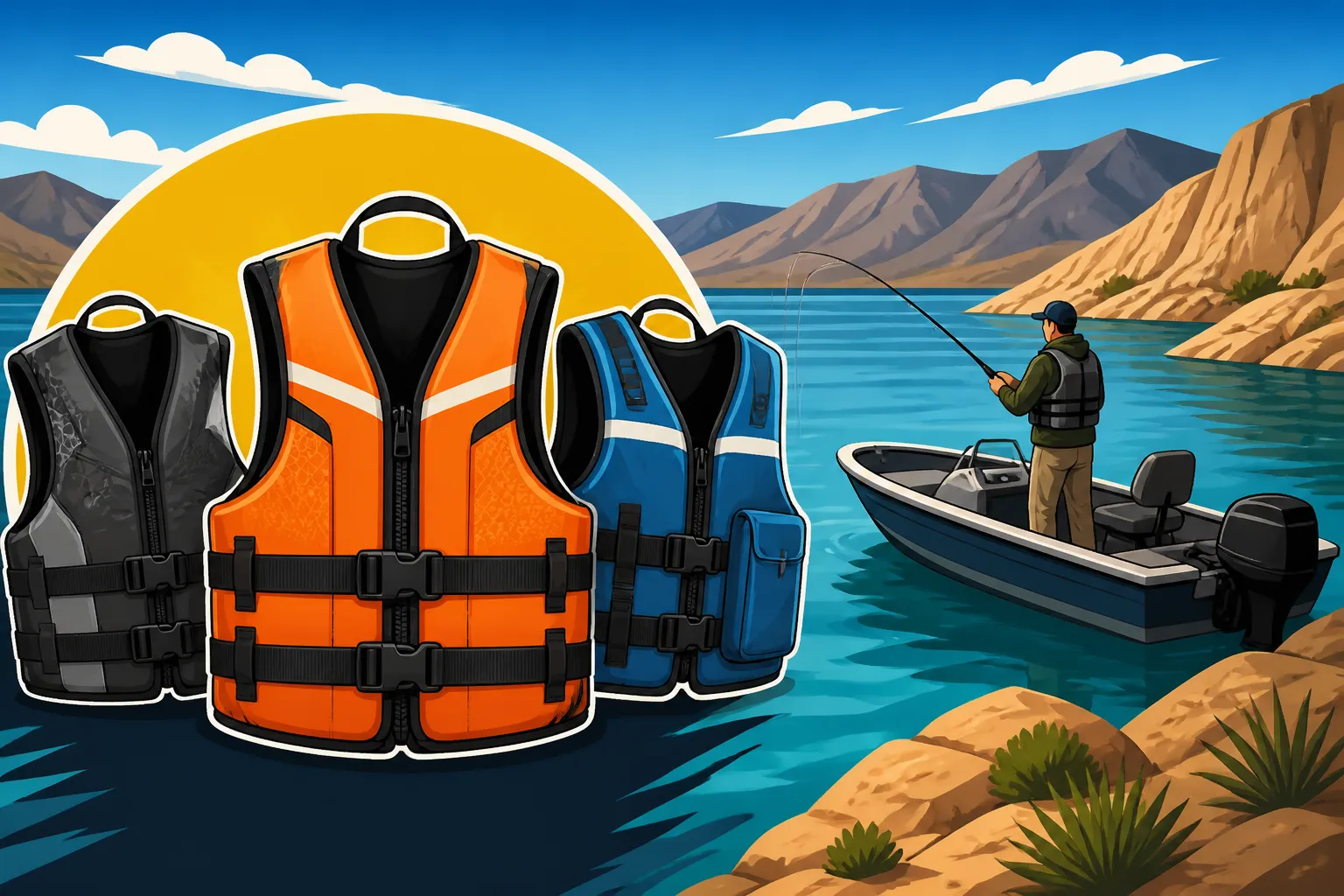
These are the most common type of life jackets, relying on buoyant foam material to keep you afloat. They are always ready to go – no inflation required – and are incredibly durable. They come in various styles, from the traditional vest designs to more specialized options.
- Pros: Always buoyant, highly durable, low maintenance, often more affordable. Excellent for general boating, especially when you might be in and out of the water frequently, or for less experienced swimmers. Many options are available at local retailers like Bass Pro Shops, where you can try them on to ensure a proper fit.
- Cons: Can be bulky and restrict movement, especially in older or cheaper models. They can also get warm in the summer heat, which is a significant consideration on a sunny Nevada afternoon. However, modern designs have made huge strides in comfort and breathability.
- Best Use Cases: Ideal for families, general recreational boating, water sports where you might be regularly entering the water (like tubing or waterskiing, although specific vests are made for those), and for children. They provide constant flotation, which is a huge peace of mind. For example, if you're taking the family out on Lake Mohave for a day of swimming and picnicking, these are a reliable choice that won't let you down.
Inflatable Life Jackets: Comfort Meets Performance
Inflatable PFDs are gaining popularity, particularly among experienced boaters and anglers, due to their slim profile and comfort. They contain a CO2 cartridge and inflate either automatically upon immersion in water or manually with a pull cord.
- Pros: Extremely comfortable and less restrictive than foam PFDs, making them perfect for long days on the water or for active pursuits like fly fishing or casting. They keep you cool and allow for a full range of motion. You can often find a good selection of these online at Amazon, especially if you're looking for specific brands or features.
- Cons: Require more maintenance, including regular checks of the CO2 cartridge and inflation mechanism. They are not suitable for non-swimmers or children under a certain weight/age, as they rely on the wearer's ability to activate them or on accidental immersion. They are generally more expensive than inherent buoyancy PFDs.
- Best Use Cases: Excellent for avid anglers, competitive boaters, or anyone who finds traditional PFDs too cumbersome. If you're spending hours casting on Lake Mead for striped bass or trolling for Mackinaw at Lake Tahoe, an inflatable PFD allows you to move freely without feeling restricted. Just remember, they are not a substitute for inherent buoyancy PFDs for all users, especially children. Ensure you're familiar with Nevada Boater Education Card Requirement if you're operating a motorized vessel.
Hybrid Life Jackets: The Best of Both Worlds
Hybrid PFDs combine elements of both inherent buoyancy and inflatable designs. They offer some inherent foam flotation but can be manually inflated for additional buoyancy when needed. This provides a balance of comfort and a fail-safe mechanism.
- Pros: Offer a good compromise between comfort and safety, providing some baseline flotation even without inflation. They are less bulky than full foam vests but offer more inherent safety than pure inflatables for those who might hesitate to rely solely on an inflatable mechanism.
- Cons: Can still be warmer and slightly more restrictive than fully inflatable models, and they still require some maintenance for the inflatable component. They can also be pricier than basic foam PFDs.
- Best Use Cases: Great for boaters who want the comfort of an inflatable but prefer the added peace of mind of some inherent flotation. This could be a good choice for someone spending a lot of time on a boat, but who also might want to feel a little more secure than a purely inflatable model offers, perhaps when fishing alone or in more remote areas.
Here's a quick comparison of the main USCG PFD types to help you decide:
| USCG Type | Description | Buoyancy | Best Use Case | Comfort/Bulk |
|---|---|---|---|---|
| Type I | Offshore Life Jacket (strongest) | 22 lbs | Offshore, rough, or remote waters where rescue may be delayed | Bulkiest, least comfortable |
| Type II | Near-Shore Buoyancy Vest (most common) | 15.5 lbs | Inland waters, general recreational boating, good for general use | Fairly comfortable, some bulk |
| Type III | Flotation Aid (activity-specific) | 15.5 lbs | Designated for specific activities like fishing, kayaking, waterskiing | More comfortable, less bulky, allows movement |
| Type IV | Throwable Device (cushion or ring buoy) | 16.5 lbs | Not to be worn; for throwing to someone in distress. Must be accessible. | N/A |
| Type V | Special Use Device (hybrid, work vests, etc.) | Varies | For specific conditions or activities; must be worn for approved use | Varies, can be very comfortable |
Note: Type V PFDs can be hybrid inflatables, paddling vests, or specific work vests. They are only considered USCG-approved when worn for their intended purpose.
Key Features to Look For in a Reservoir Life Jacket
Choosing the right life jacket isn't just about picking a type; it's about drilling down into the features that will make it truly effective, comfortable, and durable for the unique conditions of Nevada's reservoirs. A PFD that sits in the boat's storage locker because it's uncomfortable is just as useless as not having one at all.
Fit and Sizing: It's All About Snugness
This is arguably the most critical factor. A life jacket that doesn't fit properly won't do its job. If it's too big, it can ride up around your ears when you hit the water, offering no protection and potentially hindering your ability to breathe or see. If it's too small, it'll be uncomfortably tight, restrict movement, and might not provide enough buoyancy.
- Testing the Fit: When trying on a PFD, make sure all zippers, buckles, and straps are fastened. Have someone gently pull up on the shoulder straps. If the jacket rides up past your ears or chin, it's too big. It should feel snug but not restrictive, allowing you to move your arms freely for casting, paddling, or operating your boat. For children, it's especially important to get a good fit, as they are less likely to be able to adjust an ill-fitting jacket themselves in an emergency. Remember to consider what clothing you might be wearing underneath – a heavy jacket in cooler weather could affect the fit.
- Body Type Considerations: Some PFDs are designed with specific body types in mind, offering broader shoulders, larger armholes, or different chest capacities. If you have a larger build or a smaller frame, seeking out brands that offer a wider range of sizes and designs can make a huge difference in comfort and effectiveness. Don't just grab the first one off the shelf; take the time to try several on, just like you would a new pair of shoes.
Buoyancy Levels and USCG Ratings
While we touched on USCG ratings earlier, it's worth reiterating their importance. Each type of PFD has a minimum buoyancy rating, measured in pounds, which indicates how much upward force it provides in water.
- Understanding the Numbers: A higher buoyancy rating generally means the jacket will keep you higher out of the water, which is particularly vital in rough conditions or if you are injured or unconscious. Type I (Offshore) PFDs offer the most buoyancy and are designed to turn an unconscious person face-up in the water. Type II (Near-Shore) and Type III (Flotation Aid) PFDs provide less inherent buoyancy but are still very effective for most inland and near-shore reservoir conditions. While they may not automatically turn an unconscious person face-up, they still keep you afloat.
- Activity-Specific Needs: Consider your activity. If you're primarily fishing from a large boat on calm waters, a Type III fishing vest might be perfect. If you're kayaking solo on a large, windy lake, you might want something with a bit more inherent buoyancy or an inflatable with manual override. Always choose a USCG-approved PFD, as these have undergone rigorous testing to ensure they meet safety standards. Many manufacturers prominently display their USCG approval on the product, often along with the type rating.
Material, Durability, and Comfort for Long Days
A life jacket needs to stand up to the elements – sun, water, and repeated use. The materials used significantly impact its durability and how comfortable it will be on a long day under the Nevada sun.
- Outer Shell Fabrics: Look for tough, tear-resistant fabrics like nylon or polyester. These materials are generally UV-resistant, which is crucial in the intense desert sun, preventing the fabric from degrading quickly. Some higher-end PFDs might use lighter, more flexible fabrics that enhance comfort without sacrificing durability. A quality zipper and strong buckles are also essential for longevity and secure fit.
- Inner Foam and Breathability: For inherent buoyancy PFDs, the type of foam and how it's segmented can affect comfort. Multi-panel foam designs tend to conform better to the body and allow for greater flexibility. Breathability is also key in our hot climate. Mesh panels, vented designs, and moisture-wicking linings can help keep you cooler and more comfortable, preventing that sticky, sweaty feeling that makes you want to take the jacket off. Brands like Stearns or Onyx, often found at places like Bass Pro Shops, focus on these design elements. If you're buying online from a retailer like Amazon, make sure to read reviews about breathability and comfort.
- Features for Anglers: Anglers often appreciate PFDs with additional features like pockets for tackle, D-rings for attaching tools, and rod holders. These specialized fishing vests offer buoyancy while keeping essential gear within easy reach, which can be a real game-changer when you're focused on landing that big bass. Consider a bright color for visibility, especially if you venture out during dawn or dusk, or in areas with heavy boat traffic.
Specialized Life Jackets for Different Boating Activities
Not all life jackets are created equal, and what works best for one type of water activity might be less ideal for another. Nevada's diverse waterways and activities, from casting on urban ponds to navigating vast reservoirs, mean that specific PFD designs can significantly enhance both safety and enjoyment.
Fishing-Specific Life Jackets
For many of us, fishing is the main reason we're on the water. Modern fishing PFDs are designed with the angler in mind, offering a blend of safety, comfort, and utility that traditional bulky vests simply can't match.
- Integrated Storage and Access: One of the biggest advantages of a fishing-specific PFD is the integrated storage. Imagine having multiple pockets right on your chest, perfectly sized for tackle boxes, pliers, line cutters, and your phone. This keeps essential tools and baits readily accessible without needing to constantly dig into a backpack or boat compartment. Many feature D-rings or attachment points for lanyards, so you can secure items like nippers or a net release, preventing them from falling overboard. Some even include rod holder loops, freeing up your hands when you need to re-tie a lure or handle a fish.
- Enhanced Mobility and Comfort: These vests are often designed with larger armholes and segmented foam panels, or as inflatable models, to provide maximum range of motion for casting and reeling. This is crucial when you're spending hours on the water, making hundreds of casts. Brands known for their fishing-specific PFDs often focus on lightweight materials and breathable mesh backing to keep you cool, which is absolutely vital during hot Nevada summers. The idea is that if it's comfortable, you'll actually wear it, and that's the safest option of all. When looking for these, check out specialized outdoor gear retailers or the extensive selections available on Amazon.
Paddling and Kayaking PFDs
Kayaking and stand-up paddleboarding (SUP) have exploded in popularity on Nevada's lakes and rivers. The unique body movements involved in paddling require a PFD that offers specialized ergonomic features.
- Designed for Movement: Paddling PFDs are typically shorter in the torso than standard life jackets, especially at the waist. This design prevents the jacket from riding up or bunching against the seatback of a kayak, which can be incredibly uncomfortable and restrictive. They often have larger armholes to allow for a full, unhindered paddle stroke. Many also feature mesh lower backs or thin foam panels to improve ventilation and prevent overheating.
- Storage and Visibility: While often more streamlined than fishing vests, paddling PFDs still frequently include small pockets for essentials like snacks, sunscreen, or a whistle. Bright colors are highly recommended for paddlers to enhance visibility, especially in busy waterways or if you're out at dawn or dusk. Consider a PFD with reflective accents for added safety during low-light conditions. When you're paddling around Lake Tahoe or exploring the shores of Lake Mohave, visibility is key to avoiding larger boat traffic. For specific recommendations, a quick search for "kayak PFD" on Bass Pro Shops will yield many specialized options.
Youth and Pet Life Jackets
Safety on the water extends to every member of the family, including the little ones and our four-legged friends. These specialized PFDs ensure that even the most vulnerable passengers are protected.
- Youth Life Jackets: Critical Fit and Features: As mentioned, Nevada law often requires children to wear a life jacket. Youth PFDs are sized by weight range, not age, so it's essential to check the label and test the fit carefully. Key features for children's PFDs include a crotch strap (to prevent the jacket from riding up over their head), a grab handle on the back (for easy retrieval from the water), and a head flotation pillow (especially for infants and toddlers) to keep their head above water and turn them face-up. Bright colors are non-negotiable for kids' PFDs, making them highly visible in the water. Remember, never assume a child's PFD will fit; always try it on and test it before heading out. Proper fit is even more critical for children than adults. Check out Nevada Fishing License for Kids Under 12 for related rules.
- Pet Life Jackets: Keeping Fido Safe: Many of us love bringing our dogs on the boat or kayak, but even strong swimming dogs can get tired, disoriented, or injured in the water. Pet life jackets are designed specifically for canine anatomy, providing buoyancy to keep them afloat and make them easier to retrieve. Look for a PFD with a strong, reinforced handle on the back, allowing you to easily lift your dog back into the boat. Adjustable straps ensure a snug, comfortable fit, and bright colors or reflective strips enhance their visibility in the water. Always supervise your pet on the water, even with a life jacket, and ensure they are comfortable wearing it before embarking on a long trip.
Maintenance, Storage, and When to Replace Your PFD
You've invested in the best life jackets for your Nevada reservoir adventures, but their effectiveness and lifespan largely depend on how you care for them. Neglecting your PFDs can lead to degradation, reduced buoyancy, and ultimately, a compromised safety device when you need it most.
Cleaning and Drying for Longevity
It’s tempting to just toss your life jacket back in the boat or garage after a long day, but a little post-trip care goes a long way. This is especially true in Nevada where we deal with hard water and intense sun.
- Rinse After Use: Always rinse your life jacket thoroughly with fresh water after each use. This is crucial for removing lake water, which can contain minerals, dirt, and potentially harmful microorganisms that can degrade materials over time. If you've been on a salty body of water (which isn't common in Nevada but good to know for other trips), rinsing is even more vital. Pay extra attention to zippers and buckles to prevent corrosion or buildup.
- Gentle Cleaning for Stains: For dirt or grime, use a mild soap (like dish soap) and a soft brush or cloth. Gently scrub the affected areas, then rinse completely. Avoid harsh detergents, bleach, or solvents, as these can damage the fabric, compromise the foam, or deteriorate the integrity of the straps and stitching.
- Thorough Drying: Air dry your life jacket completely in a well-ventilated area, away from direct sunlight and excessive heat. Hanging it allows air to circulate around all surfaces. Never put a PFD in a dryer, as the high heat can melt or damage the buoyant foam or outer shell materials. Storing a damp life jacket is a recipe for mildew, foul odors, and eventual fabric degradation, making it uncomfortable and potentially unsafe.
Proper Storage to Prevent Damage
How you store your life jackets between uses significantly impacts their lifespan and performance. The goal is to protect them from environmental damage and physical stress.
- Cool, Dry, and Ventilated Space: Store your PFDs in a cool, dry, and well-ventilated area. Extreme temperatures, both hot and cold, can affect the foam's buoyancy and the fabric's durability. Avoid leaving them exposed to prolonged direct sunlight, especially in a hot car or garage, as UV rays are a major culprit in material degradation. Think about how intense the sun is here; it's a constant threat to outdoor gear.
- Avoid Compression: Do not store life jackets under heavy items or in tightly compressed spaces. Constant compression can permanently damage the foam cells, reducing their inherent buoyancy over time. If the foam is flattened or hard, it's not going to perform optimally in the water. Ideally, hang them or lay them flat.
- Check for Critters: If storing in a shed or garage, occasionally check for signs of rodents or insects, which can chew through fabric and foam, rendering the PFD useless.
Recognizing When It's Time for a New Jacket
Life jackets don't last forever. Regular inspections are critical to ensure they are still in safe working condition. Knowing when to replace a PFD could literally save a life.
- Visual Inspection Checklist: Before each boating season and periodically throughout, conduct a thorough visual check. Look for:
- Fading or Tearing: Sun-faded or torn fabric indicates UV damage and weakness.
- Cracked or Hardened Foam: Squeeze the foam. If it feels hard, brittle, or has lost its original resiliency, its buoyancy is compromised.
- Damaged Straps or Zippers: Check all straps, buckles, and zippers for breaks, frayed edges, or corrosion. These components are essential for a secure fit.
- Mildew or Odor: While treatable, excessive mildew or persistent foul odors can indicate material degradation.
- Loss of Buoyancy: If the jacket feels significantly less buoyant when you're in the water, it's definitely time for a replacement.
- "Wear It Out" Test: If you're unsure about an older jacket's buoyancy, consider a "wear it out" test in shallow, safe water. Put it on, enter the water, and see if it adequately supports you. If it doesn't, or if it rides up too much, it's time to retire it. When you buy a new life jacket, you'll feel the difference in the freshness of the materials and the confidence it inspires. Many sporting goods stores and online retailers, including Bass Pro Shops and Amazon, regularly carry updated PFD models. Don't be shy about replacing an old, worn-out jacket; it's a small price to pay for safety on the water.
Disclaimer
This article is for general informational purposes only and does not constitute professional advice. Laws, prices and regulations vary by location and change over time. Consult a qualified professional for guidance on your specific situation.