Best Anchor for Windy Desert Lakes
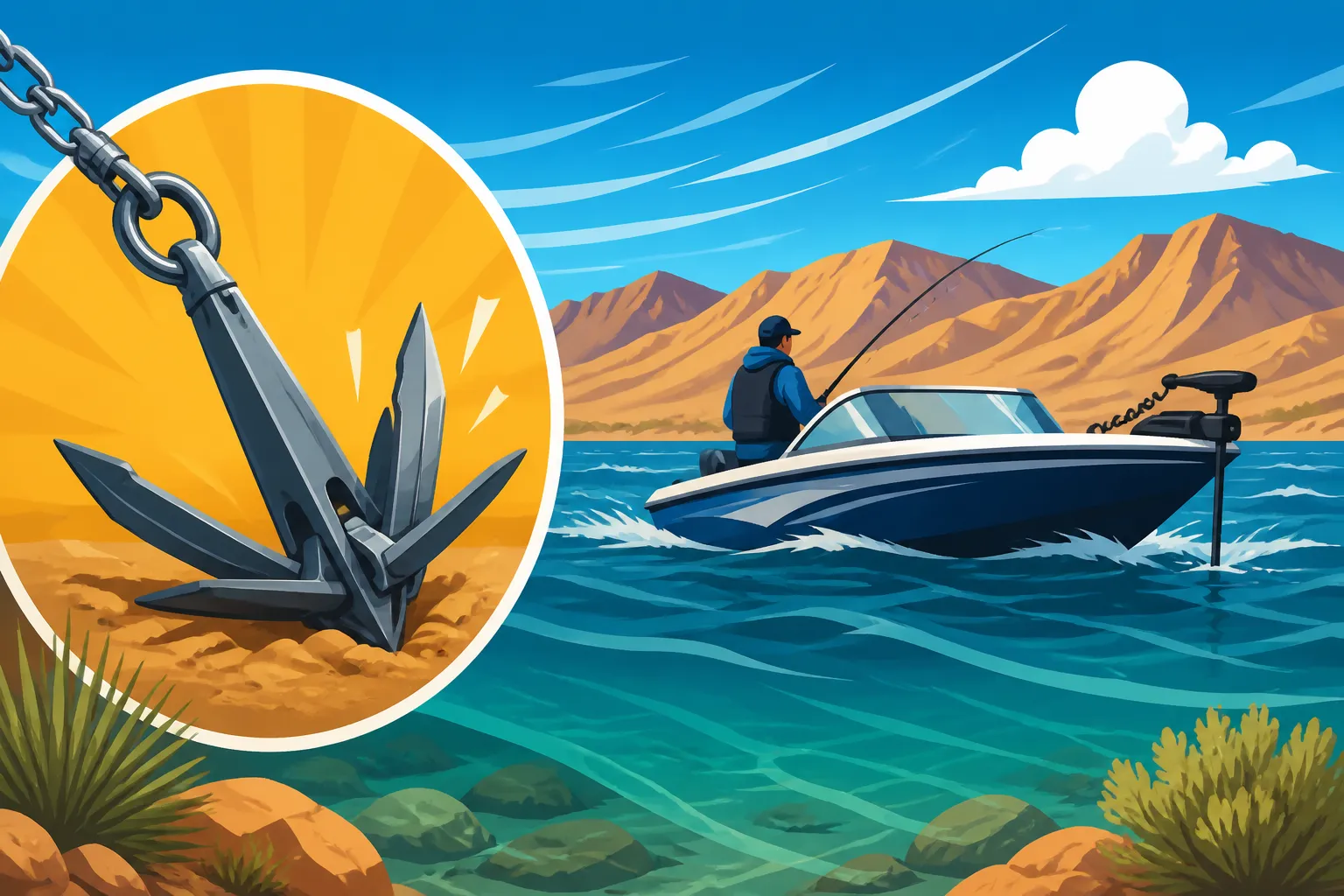
There's nothing quite like heading out onto one of Nevada's stunning desert lakes, sun rising over the mountains, with the promise of a great fishing day ahead. But then, as the morning wears on, that infamous Nevada wind inevitably picks up, turning your peaceful fishing spot into a constant battle against drifting. It’s incredibly frustrating when you finally dial into a school of fish or locate that perfect piece of structure, only for a sudden gust to yank you off target. This guide will help you understand the unique challenges of anchoring in these conditions and equip you with the knowledge to choose and use the best anchor for keeping your boat exactly where you want it, even when the wind tries its hardest to move you.
The Unique Challenge of Nevada's Windy Desert Lakes
Nevada's desert lakes, from the vast expanse of Lake Mead to the shimmering waters of Lake Mohave or even smaller reservoirs like Wildhorse, offer incredible fishing opportunities. However, they also present a specific set of challenges for anglers, primarily due to the region's intense and often unpredictable winds. It’s not just a gentle breeze out here; we're talking about gusts that can seemingly appear out of nowhere and turn a calm morning into a choppy, white-capping afternoon in a flash.
The Impact of Sudden Gusts on Fishing
Imagine you're meticulously working a drop-shot rig for smallmouth bass along a rocky point on Lake Mead, feeling every subtle tap, when suddenly a 20-mph gust slams into your boat. Your vessel immediately swings, your line goes slack as you lose contact with the bottom, and by the time you regain control, you’re 50 yards off your target. This isn’t just an annoyance; it directly impacts your ability to present baits effectively and feel those delicate bites. For anglers relying on precise boat positioning, whether it's casting to visible structure or staying over a deep underwater hump, sudden gusts can completely derail a productive fishing session. It's enough to make you pack up early in frustration.
How Lake Geography Amplifies Wind
The very geography of Nevada's desert lakes plays a significant role in amplifying wind conditions. Many of these lakes are surrounded by canyons, hills, and open desert plains. When wind channels through these features, it often creates a Venturi effect, accelerating the air speed dramatically. Picture the sheer canyon walls of the Colorado River feeding into Lake Mohave; those walls don't block the wind as much as they funnel and compress it, turning a mild breeze into a powerful current of air across the water's surface. This means that even if the general forecast seems moderate, specific areas of a lake can experience much higher winds, making reliable anchoring absolutely crucial.
The Frustration of Drifting Off Your Spot
There's a special kind of agony that comes with finding the perfect fishing spot, only to slowly but surely drift away from it. Maybe you've located a submerged brush pile where crappie are hiding, or you're patiently waiting for a school of striped bass to surface. You drop your anchor, feel it set, and cast out with confidence. But then, inch by agonizing inch, your boat starts to move. You pull up the anchor, motor back, drop it again, and the cycle repeats. This constant repositioning wastes valuable fishing time, spooks fish, and quickly saps your energy and enthusiasm. It's not just about comfort; it's about the fundamental ability to execute your fishing plan. Understanding How much wind is too much to fish a Nevada lake can help you decide if it's even worth launching, but having the right anchor can extend your productive time on the water significantly.
Decoding Anchor Types for Desert Conditions
Choosing the right anchor for Nevada's windy desert lakes isn't a one-size-fits-all situation. The lakebed composition can vary wildly, from soft silt to hard rock, and the wind forces are consistently strong. What works well on a calm, muddy bottom back east might be utterly useless here. Let's dive into the most common anchor types and assess their suitability for our unique Nevada environment.
Fluke or Danforth Anchors: Lightweight Holding Power
The fluke anchor, often referred to as a Danforth, is probably one of the most recognizable anchor designs out there. It features two large, flat flukes that pivot and dig into soft bottoms like sand, mud, or clay. When pulled horizontally, these flukes can create impressive holding power, often disproportionate to the anchor's weight.
For Nevada's desert lakes, fluke anchors can be a good choice if you primarily fish areas with soft, silty bottoms, which are common in many coves and slower-moving sections of reservoirs. They penetrate well and offer solid resistance once dug in. However, their major weakness in our region is hard or rocky bottoms. If the flukes can't dig in, they simply slide across the surface, providing little to no holding power. This means if you're targeting bass around rocky points or fishing deep, hard-packed lakebeds, a fluke anchor might let you down when that inevitable gust hits. They are relatively lightweight and easy to store, which is a plus for smaller boats or kayaks, but you need to be mindful of the bottom composition where you intend to drop it.
Claw or Bruce Anchors: Gripping Uneven Bottoms
The claw anchor, sometimes called a Bruce anchor, gets its name from its distinctive claw-like shape. This design allows it to set quickly in a variety of bottom types, including sand, mud, gravel, and even some rocky areas where it can wedge itself. Its robust, single-piece construction makes it less prone to bending or breaking than some other designs.
This anchor type is often a favored choice for many powerboaters on lakes like Lake Mead or Lake Mohave due to its versatility. The claw's unique design means it doesn't need to orient itself in a specific way to dig in; it's effective no matter how it lands. This quick-setting ability is invaluable when you're trying to stop a drift quickly in a windy chop. While it performs admirably on varied bottom compositions, its holding power might not be as high as a perfectly set fluke anchor in soft mud, or a dedicated rock anchor on truly boulder-strewn terrain. Still, for an all-around anchor that can handle the diverse bottoms found across our desert lakes, the claw anchor is a strong contender. You'll often find these available at reputable marine supply stores or even online retailers like Amazon and Bass Pro Shops.
River or Mushroom Anchors: When Not to Use Them
Mushroom anchors, characterized by their bowl-like or mushroom shape, rely primarily on suction and weight for holding. They are typically used for permanent moorings in soft, muddy bottoms and are popular for very small boats, canoes, or as a secondary anchor in gentle conditions. River anchors, often pyramid-shaped with multiple flukes, are designed to drag and catch on obstacles in flowing water.
Here’s the blunt truth for Nevada's windy desert lakes: avoid mushroom and most traditional river anchors as your primary anchoring device. Mushroom anchors offer virtually no holding power in anything but sticky mud, and they will simply drag uselessly across sand, gravel, or rock when strong winds hit. Trying to hold a boat against a substantial gust with a mushroom anchor is like trying to stop a car with a bicycle brake – it’s just not going to work. While river anchors can be okay in actual rivers where they snag on things, the wide-open expanse and diverse bottoms of our lakes make them unreliable at best and dangerous at worst if you depend on them to hold in high winds. Stick to anchors designed for open water and variable bottoms for safety and effectiveness.
Grapple Anchors: For Smaller Crafts and Kayaks
Grapple anchors, also known as folding grapnel anchors, consist of four or more prongs that fold out from a central shaft. They are lightweight, compact, and designed to snag onto rocks, ledges, or submerged brush.
For kayak anglers or those using paddleboards and smaller inflatable boats on Nevada's lakes, a grapple anchor can be a game-changer. These tiny vessels are particularly vulnerable to wind, and a full-sized boat anchor is often overkill and cumbersome. A grapple anchor, especially when paired with a decent length of rope and a short chain, can effectively hold a kayak over rocky points or near submerged structure. The key is that the prongs must catch something. In sandy or soft mud areas, a grapple anchor will likely drag. However, for targeting species like trout around rocky shorelines or bass near submerged timber, they are incredibly efficient. Just be prepared for the occasional snag that requires a retrieval ring or a bit of maneuvering to free. When you're considering Kayak Fishing Gear for Nevada, a well-chosen grapple anchor system should definitely be on your list.
Essential Features of a Reliable Desert Lake Anchor
When you're facing down those notorious Nevada winds, you need an anchor that's built for the job. It's not just about dropping any old weight over the side; it's about having a system that can dig in, hold fast, and stand up to the elements. Let's talk about what really matters in an anchor when the desert winds are howling.
Weight and Holding Power Considerations
It might seem intuitive that a heavier anchor is always better, but it's more nuanced than that. While weight certainly contributes to holding power, an anchor's design and how well it sets are often more critical. A well-designed, lighter anchor can outperform a poorly designed, heavier one. For windy desert lakes, you're looking for an anchor that combines decent weight with a design known for strong holding power in varying conditions.
For example, a 15-pound claw anchor will generally hold a 20-foot bass boat much better than a 20-pound mushroom anchor. The claw's ability to dig and wedge itself is superior. However, within a specific anchor type, a heavier option is almost always better in windy conditions. If you're debating between a 10-pound and a 15-pound claw anchor for your 18-foot boat, opt for the 15-pounder. The extra weight provides more initial grab and helps it reset if it breaks loose momentarily. Always consider the manufacturer's recommendations for anchor weight based on your boat's length and the conditions you expect to encounter.
Material Durability Against Harsh Elements
Nevada's desert environment is tough, and your fishing gear needs to be tougher. Anchors are constantly exposed to sun, water (freshwater in most cases, but corrosive if not rinsed), and abrasive lakebeds. A cheap anchor made from low-grade steel might save you a few bucks upfront, but it will quickly show signs of rust, wear, and potential failure.
Look for anchors made from galvanized steel or, even better, stainless steel. Galvanized steel offers a protective zinc coating that resists corrosion, making it a workhorse for most anglers. Stainless steel provides superior corrosion resistance and a sleek finish but typically comes at a higher price point. Beyond the anchor itself, consider the chain you're using. A short length of galvanized chain (often 6-10 feet) between your anchor and rope is crucial. It adds weight at the anchor, helping it set horizontally, and protects your rope from abrasion on the bottom. Ensure all shackles and connectors are also made from corrosion-resistant materials. This attention to detail on durability will ensure your anchor system lasts for years of hard use on our challenging lakes.
Shank Length and Fluke Design for Optimal Bite
The shank length and fluke design are critical elements that dictate how effectively an anchor can dig into and hold the bottom. For fluke-style anchors, longer shanks provide better leverage, allowing the flukes to pivot deeper into soft substrates. The angle and surface area of the flukes themselves determine how much resistance they generate once embedded. Larger, wider flukes generally mean more holding power in appropriate bottom types.
For claw anchors, the multi-faceted claw design is engineered to grab quickly. Its shape allows it to orient itself and dig in efficiently across diverse bottom compositions. A well-designed claw will have enough weight concentrated at the tip to penetrate hardpan or wedge into rocky crevices. When you're staring down various options at Bass Pro Shops or browsing online, pay close attention to these design elements. Don't just pick the cheapest or the heaviest. Research reviews and understand how specific designs perform in conditions similar to Nevada's desert lakes. A good anchor has an "optimal bite" – meaning it sets quickly and holds tenaciously, minimizing the frustrating experience of dragging.
Matching Your Anchor to Your Vessel and Fishing Style
Just like you wouldn't use a tiny ultralight rod to haul in a big striped bass, you shouldn't use a kayak anchor for a 20-foot bass boat. The size and type of your vessel, along with your preferred fishing style, heavily influence the best anchor choice. What works for a family pontoon boat drifting leisurely might be completely inadequate for a serious tournament angler trying to hold steady over a precise fishing spot in a bass boat.
Anchors for Bass Boats and Larger Recreational Vessels
If you're operating a bass boat, runabout, or a larger pontoon boat on lakes like Lake Mead or Lake Mohave, you need an anchor system that can handle significant windage and waves. These boats have more surface area for the wind to push against, requiring substantial holding power.
For these larger vessels, a high-quality claw (Bruce) anchor or a well-sized fluke (Danforth) anchor are typically the best primary choices. A 15-25 pound claw anchor, paired with 10-20 feet of heavy chain and at least 150-200 feet of robust anchor rode (rope), is a solid starting point for a 17-22 foot boat. The chain is absolutely non-negotiable; it creates a lower angle of pull on the anchor, allowing it to dig in better, and absorbs shock from waves and gusts. Many serious anglers on these bigger lakes also consider a secondary anchor, perhaps a different type, for added security or specific situations. For specific recommendations, check out a comprehensive guide like Best Boats for Nevada Reservoir Fishing to understand the typical vessel sizes used.
Kayak and Canoe Anchoring Solutions
Kayak and canoe anglers face a unique challenge: they need an anchor that's effective but also lightweight, compact, and easy to retrieve from a small craft. The good news is there are excellent solutions tailored for these smaller, more agile vessels.
A folding grapple anchor (3-5 pounds) is often the top choice for kayaks and canoes, especially when fishing rocky or snaggy bottoms prevalent in many parts of Nevada. Pair this with a decent length of buoyant rope (50-75 feet) and a short section (3-5 feet) of light chain. Alternatively, a small pyramid or even a specially designed box anchor can work well in varied conditions, relying more on weight and drag. However, the true game-changer for kayak anglers on windy lakes is often a stake-out pole or shallow water anchor system. Brands like Minn Kota (with their Talon or Raptor) or Power-Pole offer push-button hydraulic or electric anchors that quickly deploy into the lakebed in shallow water (typically up to 8-10 feet), providing instant, silent, and incredibly secure positioning. These systems are invaluable for holding over weed beds, sandy flats, or shallow rocky structure. When picking gear, prioritize what's manageable from your Best kayak for fishing Nevada reservoirs.
Anchoring for Shore Fishing and Wading
Wait, do you need an anchor for shore fishing or wading? Absolutely! While you might not be anchoring a boat, the concept of holding your position against moving water or wind is still relevant, particularly in areas like the Truckee River or when targeting specific spots on smaller lakes.
For shore anglers, "anchoring" might involve heavy weights tied to their line to prevent baits from drifting out of the strike zone, especially in current. A small, weighted pyramid sinker on a tight line can act as a micro-anchor for your bait presentation. For those wading, a collapsible wading staff or sturdy cleats on your boots act as personal anchors, providing stability against current and uneven bottoms. If you're using a float tube or belly boat, a small 3-5 pound grapple anchor with a short rope and retrieval buoy is essential. This allows you to hold your position over a productive weed line or drop-off without constantly fin-kicking against the breeze. Even if you're just using a Best rod length for shore fishing at a reservoir, a strong anchor can make a difference in keeping your bait where the fish are.
| Anchor Type | Best Bottom Types | Pros | Cons | Ideal For |
|---|---|---|---|---|
| Fluke/Danforth | Sand, Mud, Clay | High holding power for its weight, sets well in soft stuff. | Poor on rock/hardpan, can be slow to reset. | Light to medium boats in soft bottoms. |
| Claw/Bruce | Sand, Mud, Gravel, Rocky | Sets quickly, versatile on varied bottoms, good overall holding. | Can drag on very hard rock, not as high holding in soft as fluke. | General purpose for most boats on diverse desert lakes. |
| Grapple/Grapnel | Rocks, Weeds, Submerged Brush | Lightweight, compact, excellent for snagging. | Poor on sand/mud, can get stuck easily. | Kayaks, canoes, paddleboards in snaggy areas. |
| Pyramid/River (Light) | Gravel, Current | Good for rivers with snags, compact. | Poor on open sand/mud, not ideal for strong winds on lakes. | Small boats in rivers, secondary anchor in calm lake spots. |
| Box Anchor | Sand, Gravel | Quick-setting, excellent in soft/medium bottoms, easy retrieval. | Bulkier to store, less effective on hard rock. | Pontoon boats, recreational boats on sand/gravel. |
Mastering Anchoring Techniques in High Winds
Having the best anchor in the world won't do you much good if you don't know how to use it effectively, especially when battling those persistent Nevada winds. Proper technique is paramount to ensuring your anchor sets quickly, holds securely, and can be retrieved safely. It's an art as much as it is a science, and it can significantly improve your success on the water.
Strategic Placement and Scope Management
When wind is pushing your boat around, simply dropping the anchor straight down isn't going to cut it. Strategic placement is key. First, motor past your desired fishing spot, positioning your boat upwind or upcurrent (whichever is stronger) of where you want to end up. Then, as you begin to slowly drift back, gently lower your anchor until it hits the bottom. Don't just throw it in! Allowing it to hit the bottom gently reduces the chance of it tangling.
Now comes scope management, which is absolutely critical. "Scope" refers to the ratio of the length of your anchor rode (rope and chain) deployed to the depth of the water. In calm conditions, a 5:1 ratio (5 feet of rope for every 1 foot of water depth) might be sufficient. However, in windy conditions on desert lakes, you need more scope – often 7:1 or even 10:1. This lower angle of pull allows the anchor to dig in horizontally and hold much more effectively. For example, in 20 feet of water with strong winds, you should ideally have 140 to 200 feet of rode out. This takes up a lot of space, so be mindful of other boaters, but it's essential for a secure hold. Knowing your Best Anchor rope length for Lake Mead depths is a good start, but understanding how to deploy it is the next step.
Using Multiple Anchors for Enhanced Stability
Sometimes, even with a perfectly set anchor and ample scope, a single anchor isn't enough to hold your boat steady in truly gusty conditions, especially if you want to prevent your boat from "swinging" on the anchor. This is where using two anchors can be a game-changer, especially for larger boats or those wanting maximum stability for precise casting.
The most common and effective method for using two anchors in windy conditions is a "fore and aft" setup. Drop your primary anchor upwind/upcurrent of your desired position. Once it's set and you've drifted back to your spot, deploy a second, smaller anchor from the stern of your boat. This second anchor, dropped from the opposite end, will help prevent your boat from swinging side-to-side with wind shifts, effectively pinning you in place. Alternatively, some anglers prefer to set two anchors off the bow at a wide angle (a "V" shape) to spread the load and reduce swing. This method requires more room, but it can be incredibly stable. Just remember, deploying and retrieving two anchors takes more time and effort, but the increased stability can be well worth it when the bite is on and the wind won't quit.
Safety Procedures for Deploying and Retrieving
Safety should always be your top priority on the water, and anchoring in windy conditions presents its own set of risks. Before you even think about dropping anchor, ensure everyone on board knows what's happening.
When deploying, never anchor from the stern of your boat in rough or windy conditions, as this can easily swamp your boat. Always anchor from the bow. Keep your hands and feet clear of the anchor rode as it deploys to prevent rope burn or entanglement. When retrieving, take your time. Motor slowly towards your anchor, taking up slack in the rode as you go. When you're directly over the anchor, pull straight up to break it free. If it's snagged, try motoring in a wide circle around the anchor, pulling from different angles, which can often free it. Never try to pull a stuck anchor by putting undue strain on your boat's cleats or transom. Have a knife readily available to cut the line in an emergency if the anchor becomes hopelessly snagged and you need to move quickly. For overall safety on these big desert waters, remember to review resources like Essential Safety Gear for Boating on Lake Mead.
Beyond the Anchor: Essential Accessories and Maintenance
An anchor is just one part of a complete anchoring system. To truly maximize its effectiveness and ensure your safety and convenience on Nevada's windy desert lakes, you'll need the right accessories. Just like a fishing reel isn't complete without line, your anchor needs its supporting cast to perform at its best. Plus, proper care will extend the life of your gear.
Anchor Rodes, Chains, and Shackles
The anchor rode is the lifeline between your boat and your anchor. For most recreational fishing boats on desert lakes, a combination of nylon rope and a short length of galvanized chain is ideal. Nylon rope is favored because it stretches, absorbing shock from waves and gusts, which prevents the anchor from pulling free and reduces strain on your boat's cleats. The diameter and length of the rope should be appropriate for your boat size and the depths you typically fish. As a general rule, you'll want at least 7-10 feet of rode for every foot of water depth in windy conditions.
The chain section, usually 6-10 feet long for most fishing boats, is absolutely critical. It adds weight at the anchor, ensuring the anchor lays flat on the bottom for optimal setting. It also protects your rope from chafing and abrasion on rocky bottoms. Use marine-grade shackles to connect the anchor to the chain and the chain to the rope. Ensure these shackles are securely tightened, and consider "mousing" them with a zip tie or wire to prevent them from loosening due to vibration and use. These small details might seem minor, but they are the difference between a secure hold and a lost anchor.
Buoys, Retrieval Rings, and Quick-Release Systems
Sometimes, an anchor gets snagged, or you need to make a quick move. Having the right retrieval accessories can save you a lot of hassle and prevent lost gear. An anchor buoy, typically a bright, inflatable float, can be attached to the end of your anchor rode. If you need to cut your line in an emergency or want to mark your anchor for later retrieval (perhaps if you're chasing schooling fish), you can release the rode, and the buoy will keep the anchor from being lost.
An anchor retrieval ring is another ingenious device. It's a heavy-duty ring that slides down your anchor rode. If your anchor is stuck, you can pull the rode through the ring, effectively pulling the anchor out backward, often freeing it from snags. This is especially useful for grapple anchors in rocky terrain. For kayak anglers or those wanting rapid deployment and retrieval, a quick-release cleat or cam-cleat system allows for instant adjustment of your anchor line, which is fantastic for fine-tuning your position or quickly pulling up to chase a surfacing school of fish. Think about these when you're stocking up on Nevada Fishing Gear Essentials.
Cleaning, Inspection, and Storage Tips
Just like your rods and reels, your anchor system requires regular maintenance to remain reliable. After each trip, especially if you’ve been in sandy or muddy areas, give your anchor, chain, and rope a good rinse with fresh water to remove salt, grit, and debris. This prevents corrosion and extends the life of your equipment.
Periodically inspect your entire anchor system. Check the anchor for any signs of bending, corrosion, or excessive wear on the flukes or shank. Examine the chain for rusted links or weak points. Most importantly, thoroughly inspect your anchor rope for frays, cuts, or weak spots, particularly where it connects to the chain and where it passes through cleats. If you find any significant damage, replace the affected component immediately. Store your anchor and rode in a well-ventilated area, preferably coiled neatly in an anchor locker or bucket, to prevent tangles and allow it to dry completely. Proper storage also keeps the anchor from bouncing around and damaging your boat. By taking a few moments for care, your anchor system will be ready to perform reliably on every windy adventure you undertake on Nevada's desert lakes.
Disclaimer
This article is for general informational purposes only and does not constitute professional advice. Laws, prices and regulations vary by location and change over time. Consult a qualified professional for guidance on your specific situation.