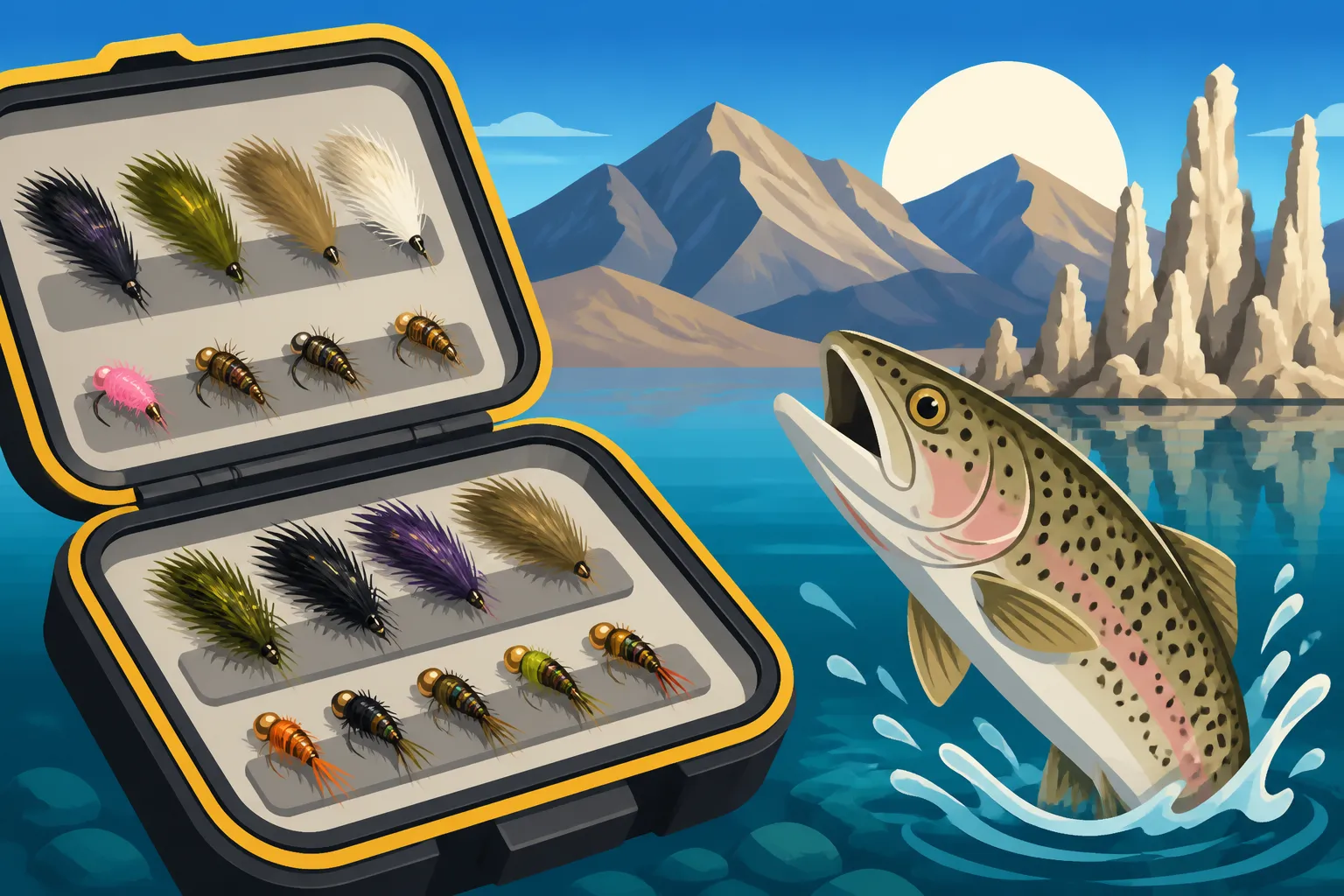
Best Fly Box Setup for Pyramid Lake
Oh, Pyramid Lake. Just the name conjures images of massive Lahontan Cutthroat Trout, shimmering silver and red against the stunning backdrop of Nevada's high desert. But for many anglers, especially those new to this unique fishery, deciding which flies to bring can feel like preparing for a scientific expedition. You stare at your fly boxes, hundreds of patterns, and wonder which ones will actually tempt one of those legendary fish. This guide is all about cutting through that confusion, helping you assemble a fly box that's perfectly tuned for the challenges and incredible rewards of Pyramid Lake.
Understanding Pyramid Lake's Unique Fishery
Pyramid Lake isn't just any lake; it's a living legend, home to the world-famous Lahontan Cutthroat Trout (LCT). These aren't your typical stocked rainbows, and their behaviors, feeding habits, and even the regulations around them require a specialized approach. Before you even think about individual fly patterns, understanding the environment and the fish itself is paramount to building an effective fly box.
The Lahontan Cutthroat Trout Diet
The LCT in Pyramid Lake primarily feed on two key food sources: the Chironomid, which are non-biting midges, and the Tui Chub, a small baitfish native to the lake. This narrow diet is both a blessing and a curse for anglers. It simplifies the menu of what you need to imitate, but it also means your imitations need to be spot-on in terms of size, shape, and presentation.
Imagine these trout, often weighing into the double digits, cruising the shelves and drop-offs. They're not just looking for a quick snack; they're often hunting for substantial meals, especially the Tui Chubs. Yet, sometimes, they'll be meticulously sipping tiny midges right under the surface. This dual feeding behavior means your fly box needs versatility. You can't just load up on huge streamers, nor can you rely solely on microscopic midges. You need a balanced approach that covers both ends of the spectrum, preparing you for whatever the LCT are keying in on that day. Understanding their primary forage dictates the core of your fly selection.
Water Conditions and Clarity
Pyramid Lake's water can be astonishingly clear, especially on calm days or in certain areas. This clarity is a double-edged sword: it allows you to see some incredible underwater structure, but it also means the fish can see you and your flies with incredible detail. On the flip side, strong winds, a common occurrence at Pyramid, can churn up the lake, reducing visibility significantly. These changing conditions directly impact what flies you should be throwing.
When the water is gin-clear, presentation becomes paramount. Your leaders need to be longer and finer, and your fly patterns might need to be more subtle, perfectly mimicking natural forage. Often, darker colors or patterns with a natural sheen tend to perform well in these conditions. However, when the lake is roiled and murky from high winds, a different strategy comes into play. Suddenly, brighter, more prominent flies that create a stronger silhouette or vibration can become irresistible. The fish rely more on lateral line senses in low visibility, so flies with flash, movement, or a larger profile can truly shine. Keeping a variety of colors and sizes for both clear and murky conditions is key to adapting on the fly, pun intended, to whatever Pyramid throws at you. You might find a chartreuse streamer working wonders when the waves are crashing, while a subtle black midge pattern excels on a glass-calm morning.
Pyramid Lake Specific Regulations
Fishing Pyramid Lake isn't just about catching fish; it's about respecting a unique ecosystem and the tribal regulations that govern it. One of the most critical regulations to remember when setting up your fly box is the requirement for barbless hooks. This isn't optional; it's mandatory, and game wardens do check. Why is this so important? The Lahontan Cutthroat Trout are a precious resource, and minimizing harm during catch and release is vital for their survival.
This regulation has a direct impact on your fly selection. If you tie your own flies, ensure you pinch down the barbs before you even head to the lake. If you purchase flies, double-check that they are already barbless, or plan to pinch them down yourself with a good pair of pliers before adding them to your box. Many commercially available flies, especially those from reputable brands found at places like Bass Pro Shops or even a well-stocked Amazon storefront, will often specify if they are barbless. Another thing to consider are the Pyramid Lake Season and Bag Limit Rules, which might influence what size or type of fish you are targeting and, consequently, your fly choices. Always consult the most current Pyramid Lake Fishing Permit Guide for all regulations, as they can change.
Essential Fly Categories for Lahontan Cutthroat Trout
When we talk about building a Pyramid Lake fly box, we’re really talking about building a specialized toolkit. You wouldn’t bring a hammer to a job that requires a screwdriver, right? The same logic applies here. Based on what we know about the LCT's diet, certain categories of flies are absolutely non-negotiable for a successful outing. These are the core patterns that consistently fool those big cutthroat.
Midges and Chironomids
If there’s one staple food source for Lahontan Cutthroat Trout, especially when they’re not aggressively chasing baitfish, it’s midges and chironomids. These tiny aquatic insects are present year-round in Pyramid Lake and represent a significant portion of the LCT's diet. Often, when the bite is tough, or the fish are being particularly selective, a well-presented midge pattern can be the game-changer.
You’ll want a good selection of chironomid pupae and larvae imitations. Colors like black, red, olive, and clear/grey are essential. Sizes can range from tiny #18s all the way up to larger #10s or even #8s, especially for the robust bloodworms. The key is to mimic their natural appearance and movement, often fished under an indicator at specific depths or slowly retrieved. Don't underestimate the effectiveness of these seemingly small flies; they can entice some of the largest trout in the lake. It's often said that if you only brought one type of fly to Pyramid, it should be a chironomid. Best Bait for Pyramid Lake Cutthroat actually includes midges as a top choice.
Leeches and Streamers
While midges cover the insectivorous side of the LCT diet, leeches and streamers address their predatory nature, especially when they're on the hunt for a larger meal. Leeches are a natural part of the lake's ecosystem, and cutthroat trout readily consume them. Streamers, on the other hand, are designed to imitate various baitfish, primarily the Tui Chub, which is the LCT's primary protein source.
Having a variety of leech and streamer patterns is crucial. For leeches, think about colors like black, olive, purple, and brown in sizes from #6 to #10. Patterns like Woolly Buggers, Mohair Leeches, or Balanced Leeches are perennial favorites. For streamers, you'll need patterns that imitate the Tui Chub, often featuring olive, grey, white, or silver color combinations. Sizes can range from #4 to much larger #2/0, especially for those trophy hunters. These flies are often fished by stripping them aggressively to mimic a fleeing baitfish or slowly jigging them to imitate a wounded one. They're especially effective when the fish are active and chasing, and they offer a chance to hook into truly massive cutthroat. Many anglers consider a good selection of streamers as vital as midges in their Fly Fishing Gear for Pyramid Lake.
Balanced Leeches and Buggers
A specific sub-category within the leech and streamer family, balanced leeches and buggers deserve their own mention due to their unique effectiveness at Pyramid Lake. These flies are tied with a bead head positioned so that the fly hangs perfectly horizontally in the water column when suspended under an indicator or slowly retrieved. This "balanced" presentation is incredibly natural, mimicking a slowly swimming or suspended food item.
Imagine a Tui Chub or a leech gently drifting in the current or hovering just above the bottom. A balanced fly achieves this look almost effortlessly. Popular colors include black, olive, root beer, and chartreuse. Sizes typically range from #6 to #10. These flies are often fished on long leaders with a strike indicator, allowing them to hang enticingly in the feeding zone. They are particularly effective when the fish are cruising the shelves or holding at specific depths, and a subtle, natural presentation is required. The subtle movement and realistic hover of a balanced leech can often be the difference between a frustrating day and a memorable one.
Tui Chubs and Baitfish
The Tui Chub is the cornerstone of the Lahontan Cutthroat Trout’s diet, especially for the truly enormous fish that Pyramid Lake is famous for. If you want to catch a monster LCT, you absolutely need flies that accurately imitate these plump baitfish. Neglecting this category means you're missing out on a huge opportunity, particularly during certain times of the year when the trout are actively gorging on chubs.
Tui chub imitations come in various forms, from simple Clouser Minnows to more elaborate articulated streamers. The key is to match the size, profile, and color of the actual Tui Chubs, which tend to be olive, grey, and silvery. Sizes can be substantial, often ranging from #2 to even 3/0, designed to entice the biggest predators. These flies are usually fished with aggressive stripping retrieves to simulate a panicked baitfish, or with a jigging motion from a boat or float tube. Don't be afraid to throw large flies; a trophy LCT isn't afraid to inhale a big meal. A proper Tui Chub imitation, fished correctly, can trigger an instinctual, aggressive strike that you won't soon forget.
Specific Fly Patterns for Different Conditions
Okay, so we've covered the categories. Now let's dive into some of the specific patterns that have proven their worth time and time again at Pyramid Lake. This is where your fly box really starts to take shape, moving from general concepts to actionable choices.
Popular Midge Patterns
When it comes to midges, don't be fooled by their small size; these are often the most effective patterns, especially when the fish are being finicky or when fishing pressure is high. Having a good selection of colors and sizes is non-negotiable.
- Pyramid Lake Midge: This is a classic for a reason. Often tied with a black or red body and a clear or white wing bud, it’s a killer imitation of the pupating chironomid. Carry these in sizes #12 to #18. On clear, calm days, these can be deadly when fished subtly under an indicator.
- Copper John: While not strictly a midge, the Copper John is an incredibly versatile nymph that often mimics a variety of aquatic insects, including larger chironomid larvae or pupae. Its weighted body helps it get down quickly, and the flash can sometimes be just enough to grab attention. Olive, black, and red in sizes #10 to #14 are excellent choices.
- Bloodworm: These distinct red chironomid larvae are a significant food source at certain times, especially in cooler water. A simple red thread or antron worm pattern, often with a small bead head, in sizes #10 to #14 can be incredibly effective. Sometimes, the brighter red color is exactly what the trout are looking for when other patterns fail.
Remember, presentation is everything with midges. Long, light leaders, subtle takes, and fishing at the right depth are critical.
Effective Leech and Streamer Designs
For times when the LCT are more aggressive and looking for a substantial meal, a well-chosen leech or streamer can be your best friend. These flies offer more profile and movement, making them highly visible and enticing.
- Woolly Bugger: Is there any fly more versatile than the Woolly Bugger? For Pyramid Lake, focus on black, olive, and purple patterns, often with some crystal flash incorporated. Sizes #6 to #10 are standard. These flies can imitate leeches, baitfish, or even large aquatic insects. They can be stripped, swung, or suspended, making them incredibly adaptable to various fishing scenarios. Many anglers swear by a black woolly bugger.
- Mohair Leech: This pattern, often tied with mohair yarn, gives a wonderful, pulsating movement in the water that perfectly mimics a real leech. Black, olive, and root beer are top choices, typically in sizes #8 to #10. They are excellent for slow retrieves or when drift fishing under an indicator, offering a more subtle movement than a stripped streamer.
- Articulated Streamers: For truly large baitfish imitations, articulated streamers allow for incredible swimming action. Patterns mimicking Tui Chubs, often featuring multiple segments and large profiles in olive, grey, white, or silver, are essential for targeting the biggest trout. These are often tied on larger hooks, from #4 to 2/0, and require a heavier rod and line to cast effectively. These are excellent choices if you're specifically hunting for a Lahontan cutthroat trout size at Pyramid Lake that breaks the scales.
When throwing these larger patterns, don't be afraid to experiment with retrieve speed and pauses. Sometimes an erratic retrieve triggers a chase, while other times a slow, deliberate strip is what it takes.
Tui Chub Imitations
Given the Tui Chub's importance in the LCT diet, having dedicated imitations is a smart move. These flies are often larger and more detailed, designed to precisely mimic the local baitfish.
- J.C.'s Tui Chub: This pattern is specifically designed for Pyramid Lake and is a must-have. It has the right profile, often in olive, grey, and white, with subtle flash. It's usually tied on a sturdy hook in sizes #2 to 1/0. This fly is excellent for stripping, especially when you see baitfish activity or when targeting fish cruising near drop-offs.
- Sex Dungeon / Sculpin Patterns: While sculpins aren't native to Pyramid, these articulated, bulky patterns, often in olive, brown, or black, do an excellent job of mimicking a chunky Tui Chub or other bottom-dwelling prey. Their aggressive profile and movement can be irresistible to large trout. Carry these in sizes #4 to #1/0.
- Sparkle Minnow: These flies offer significant flash and a good baitfish profile, making them stand out in the water. Colors like olive/white or grey/white with plenty of sparkle are good choices, in sizes #4 to #8. They are effective when stripped or jigged, especially on overcast days or in slightly colored water where the flash can help attract attention.
Having these specific imitations means you're speaking the language of the big cutthroat, offering them exactly what they're accustomed to eating.
Organizing Your Fly Box for Efficiency
Having the right flies is only half the battle; being able to find them quickly and keep them in good condition is just as important. A well-organized fly box can make the difference between catching a fleeting opportunity and fumbling around while the bite is on.
Box Types and Materials
Not all fly boxes are created equal, especially when dealing with the varied conditions at Pyramid Lake. You'll want boxes that can withstand the elements and keep your precious cargo secure.
- Slotted Foam Boxes: These are fantastic for midges and smaller nymphs. The foam slots hold individual flies securely, preventing tangles and crushing delicate hackles. Look for waterproof versions with robust clasps. Brands like Umpqua or Cliff Outdoors make excellent examples. You might dedicate one small, slim box entirely to your midge patterns.
- Clamshell/Compartment Boxes: For larger streamers, Tui Chub imitations, and even some leeches, compartment boxes work well. They provide individual spaces that prevent large flies from crushing each other's materials. Make sure the compartments are deep enough for bulky patterns.
- Magnetic Boxes: Some anglers prefer magnetic boxes for certain types of flies, particularly smaller ones, as they hold them without piercing foam. These can be good for quick access but might not be as secure for vigorous boat rides.
Consider having a few different types of boxes. A primary "working" box for the flies you expect to use most frequently, and a larger "storage" box that stays in your pack or boat, holding backups and less frequently used patterns. Investing in quality, waterproof boxes, readily available at fishing retailers like Bass Pro Shops or through online vendors such as Amazon, will save you a lot of headache in the long run.
Grouping by Size and Type
Randomly tossing flies into a box is a recipe for frustration. Grouping your flies logically will drastically improve your efficiency on the water.
- By Species/Imitation: Dedicate sections or even entire smaller boxes to specific imitations. For example, all your Tui Chub streamers in one section, all your black midges in another, and all your olive leeches in a third. This makes it incredibly easy to grab the right fly when the situation calls for it.
- By Size: Within each imitation group, arrange flies by size. This allows you to quickly adjust to the fish's preferences. If they're hitting smaller midges one minute and larger ones the next, you don't want to be sifting through a jumbled mess.
- By Color: For patterns where color variation is key (like Woolly Buggers or Bloodworms), keep similar colors together. This helps you quickly assess what you have and choose the appropriate shade for the water clarity or light conditions.
A systematic approach to organizing means you spend less time rummaging and more time fishing. When you’re standing on a ladder in a driving wind, trying to tie on a tiny midge, you’ll thank yourself for this prior organization.
Accessibility and Durability
Your fly boxes need to be both easy to access and tough enough to withstand the rigors of fishing. Pyramid Lake can be windy, dusty, and sometimes downright brutal on gear.
- Easy Access: Your primary working box should be easily accessible from your vest, pack, or boat. You don't want to be digging to the bottom of a dry bag every time you need to switch flies. Consider a chest pack or a lanyard system for smaller, frequently used boxes.
- Robust Latches and Seals: Waterproofing is non-negotiable. Strong latches that won't accidentally open, and rubber gaskets that seal out water and dust, are crucial. There's nothing worse than opening your box to find your flies waterlogged or coated in grit.
- Visibility: Clear lids are a bonus, allowing you to quickly survey your options without opening every box. This can be a huge time-saver when you're trying to decide what to tie on next.
- Material Quality: Choose boxes made from durable, crack-resistant plastics. Dropping a full fly box on the rocky shore of Pyramid Lake is a real possibility, and you want it to survive the fall.
Remember, your fly box isn't just a container; it's an extension of your fishing strategy. Make it work for you, not against you.
| Fly Type | Key Colors | Typical Sizes | Conditions & Presentation |
|---|---|---|---|
| Midges/Chironomids | Black, Red, Olive, Clear/Grey | #12 to #18 (Pupae) | Under indicator, slow retrieve; selective fish, calm water |
| Red, Brown (Bloodworms) | #10 to #14 | Deeper water, cooler temps, still fishing | |
| Leeches | Black, Olive, Purple, Brown | #6 to #10 (Buggers) | Stripped, suspended, jigged; all-around versatile |
| Black, Olive, Root Beer | #8 to #10 (Mohair) | Slow retrieve, subtle movement; finicky fish | |
| Black, Olive, Chartreuse | #6 to #10 (Balanced) | Suspended under indicator; precise depth control, subtle hover | |
| Tui Chub/Baitfish | Olive, Grey, White, Silver | #2 to 3/0 (Streamers) | Aggressive strip; active, predatory fish, chasing baitfish |
| Olive, Grey, White | #2 to 1/0 (Specific) | Varied retrieves; targeting trophy Lahontan Cutthroat Trout |
Seasonal Considerations for Your Fly Selection
Pyramid Lake, like any large body of water, changes with the seasons, and so do the feeding patterns of the Lahontan Cutthroat Trout. Understanding these seasonal shifts is crucial for having the right flies in your box at the right time. What works brilliantly in the fall might be completely ignored in the spring.
Fall and Winter Strategies
The cooler months at Pyramid Lake are often regarded as prime time for trophy Lahontan Cutthroat Trout. As water temperatures drop, the fish become more active, moving closer to shore and preparing for their spawning run. This shift in behavior directly influences their feeding habits and, consequently, your fly selection.
In the fall, especially from October through December, the trout are often bulking up for winter. This means they're aggressively feeding on larger baitfish like Tui Chubs. Your fly box should lean heavily towards streamers and Tui Chub imitations in larger sizes. Colors like olive, grey, and silver are essential. Aggressive stripping retrieves are often very effective during this period. As winter sets in, from January to March, the water becomes colder, and while large streamers still have their place, the fish can become more lethargic. This is when midges and balanced leeches truly shine. The trout might hold deeper, and a slow, deliberate presentation under an indicator with black, red, or olive chironomid patterns in sizes #12 to #16 can be incredibly productive. Focus on depth and subtle movements. Don't forget to check Pyramid Lake Season and Bag Limit Rules before heading out, as seasons can impact regulations and fish behavior.
Spring and Summer Approaches
As the lake transitions from winter to spring, generally from March through May, the LCT activity picks up considerably. The spawning run usually peaks in early spring, and post-spawn fish are often ravenous, looking to regain energy. This can be a fantastic time for both large streamers and midge patterns. The fish will be more active, cruising the shelves, and willing to chase.
Spring often sees a mix of large baitfish imitations and strong midge hatches. Having a good variety of balanced leeches in black and olive, as well as Tui Chub streamers, is crucial. As the water warms, the midges become more active, and hatches can be prolific. Therefore, a solid collection of chironomid pupae and larvae, especially in black, red, and olive, will be invaluable. Sizes might trend slightly smaller, from #14 to #18, mirroring the natural insect sizes. While Pyramid Lake is technically open year-round, Can you fish Pyramid Lake in the summer? is a common question. Fishing during the summer months (June-September) can be more challenging due to warmer water temperatures which tend to push the LCT into deeper, cooler water. If you do fish in summer, focus on early mornings or late evenings, and consider using larger, deeper-fished streamers or targeting specific deep-water structures.
Maintaining and Stocking Your Pyramid Lake Fly Box
A truly effective fly box isn't just assembled once; it's a living collection that requires ongoing attention. After all, what good is a perfect fly selection if half your best patterns are missing or damaged? Keeping your box well-maintained and stocked ensures you're always ready for your next adventure to Pyramid Lake.
Regular Inventory Checks
After every trip, or at least every few trips, take the time to thoroughly inspect your fly boxes. This isn't just about replacing what you've lost; it's about evaluating what worked, what didn't, and what's showing signs of wear.
- Replenish Lost Flies: The most obvious step. Did you lose a dozen Pyramid Lake Midges? Make sure to note that down. Keeping a small notepad or a dedicated list in your tackle bag can be helpful.
- Inspect for Damage: Check hooks for sharpness and rust. Any fly with a dull or bent hook should be discarded or, if possible, have the hook replaced. Look for crushed hackles, unraveling bodies, or excessive wear. A fly that looks mangled isn't going to fool a wary LCT.
- Evaluate Performance: Which flies consistently caught fish? Which ones sat unused? This feedback is invaluable for refining your collection. Maybe you need more variations of a specific pattern, or perhaps you can pare down on flies that simply aren't producing.
- Clean and Dry: If your boxes got wet, open them up and let everything thoroughly air dry to prevent rust and mildew. A small desiccant packet inside a waterproof box can also help absorb moisture.
Taking these steps regularly ensures that when you grab your Pyramid Lake box for your next outing, it's fully prepared and optimized for success. This proactive approach saves you from last-minute scrambling and potential disappointment.
Pre-Trip Preparation
Before every significant trip to Pyramid Lake, dedicate some time to specific pre-trip preparation for your fly box. This goes beyond the regular inventory check and focuses on ensuring you have everything you might need for that specific trip.
- Forecast Review: Check the weather forecast and anticipated water conditions. Will it be sunny and calm, or windy and overcast? This might influence whether you load up more on subtle midges or aggressive streamers.
- Target Species/Technique: Are you planning to focus on indicators for midges, or stripping streamers from a ladder? Ensure your box reflects your intended approach. If you're going to try different techniques, make sure you have the breadth of patterns to support them.
- New Additions: Have you heard about a new hot pattern, or did you tie some new creations? This is the time to integrate them into your box, perhaps swapping out some older, less effective patterns.
- Tools Check: Ensure your snips, forceps, and hook sharpener are also in your fly box or easily accessible, in good working order. There’s nothing worse than needing to pinch down a barb and realizing you left your pliers at home.
This focused pre-trip ritual ensures your fly box is not only stocked but optimized for the specific conditions and goals of your upcoming Pyramid Lake adventure. It's like a chef sharpening their knives before a big dinner service – essential for peak performance.
Sources for Quality Flies
Knowing where to buy or how to acquire quality flies for Pyramid Lake is just as important as knowing what patterns to choose. Not all flies are created equal, and especially for a demanding fishery like Pyramid, quality matters.
- Local Fly Shops: Your local Nevada fly shops are often the best resource. They typically stock patterns specifically tied for Pyramid Lake, often based on current conditions and recent reports. The staff can offer invaluable advice on what’s currently working and which sizes or colors are hot. They’re also a great place to pick up those niche, hard-to-find patterns.
- Specialty Online Retailers: Many online retailers specialize in fly fishing, offering a vast selection. Look for reputable sellers who specify if flies are tied on quality hooks (e.g., Daiichi, Gamakatsu) and feature durable materials. Websites like Amazon, while broad, also feature numerous specialized fly fishing vendors where you can find specific patterns like "Pyramid Lake Midges" or "Balanced Leeches."
- Tying Your Own: For many passionate anglers, tying their own flies is part of the experience. This allows for complete customization in terms of hook quality, specific materials, and unique color combinations. Tying your own ensures you can always have a fresh supply of your favorite patterns, and it's particularly rewarding when you catch a fish on a fly you personally crafted. Plus, it ensures all your hooks are, indeed, Are barbless hooks required at Pyramid Lake? compliant!
No matter your source, prioritize quality hooks and durable tying. A cheap fly that falls apart or has a dull hook is no bargain when you're targeting a once-in-a-lifetime Lahontan Cutthroat Trout.
Disclaimer
This article is for general informational purposes only and does not constitute professional advice. Laws, prices and regulations vary by location and change over time. Consult a qualified professional for guidance on your specific situation.