Best polarized sunglasses for spotting fish in clear water
One of the most frustrating things for an angler is knowing fish are there, but you just can't see them. That shimmering, reflective glare dancing off the water's surface can hide a trophy bass or a rising trout, leaving you casting blind and guessing. This comprehensive guide will dive deep into how polarized sunglasses cut through that visual noise, helping you understand the technology and what features to look for so you can spot more fish in Nevada's incredibly clear, yet often blindingly bright, waters.
The Science Behind Polarized Lenses for Anglers
It's not just about looking cool (though, let's be honest, good fishing sunglasses definitely do that!). Polarized lenses offer a genuine, scientific advantage on the water. Understanding how they work can help you appreciate why they're such an essential piece of gear, especially when you're targeting elusive fish in diverse Nevada environments.
How Polarization Works Against Glare
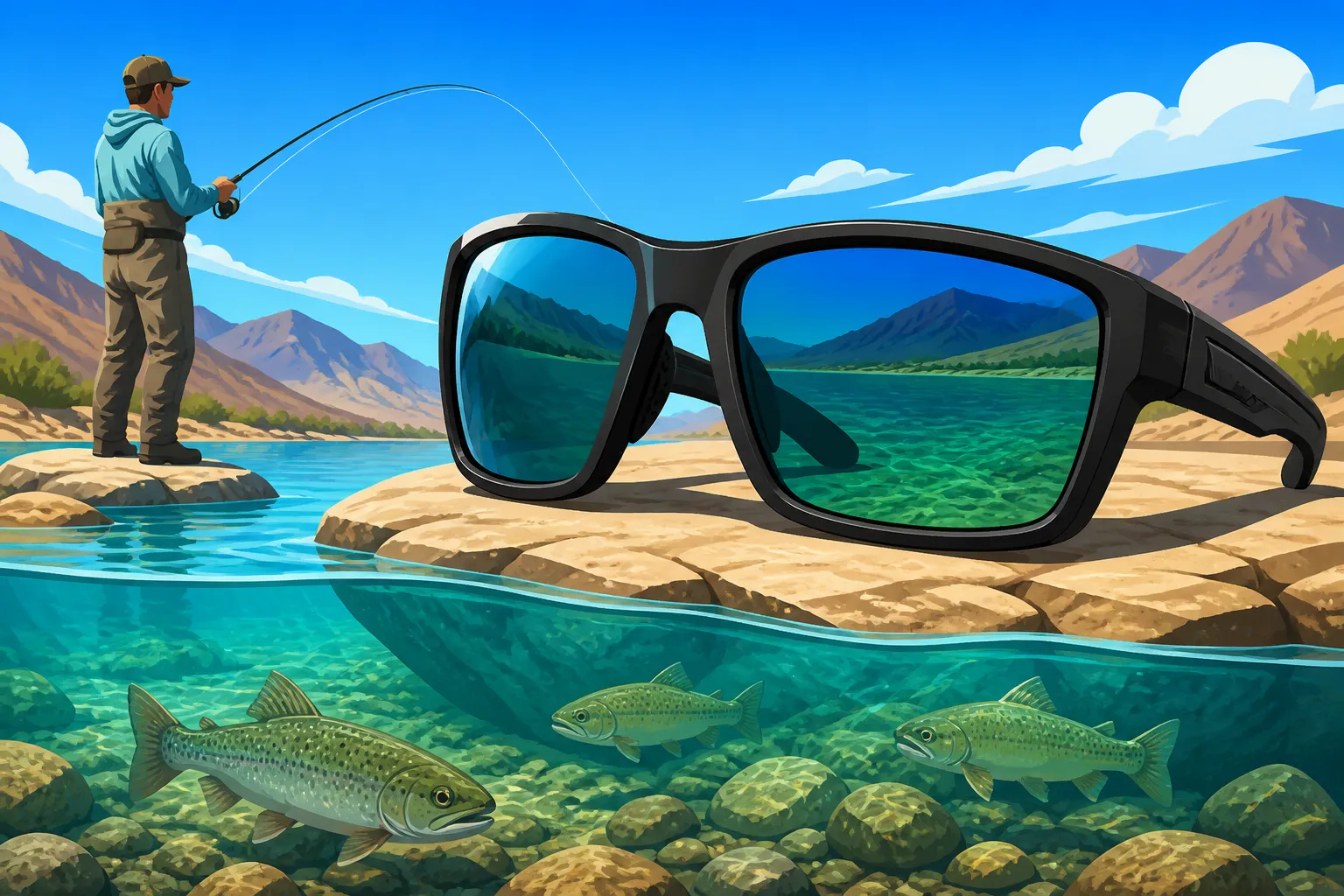
Think about light from the sun. When it hits the water, it doesn't just sink in; a lot of it bounces off, especially when the sun is at certain angles. This reflected light is what we call glare, and it's composed mostly of horizontally oriented light waves. These horizontal waves overwhelm your eyes, creating that blinding sheen that makes it impossible to see below the surface. It's like a shimmering curtain drawn across your view of the underwater world.
Polarized lenses are designed with a special filter that blocks these horizontal light waves while allowing vertical light waves to pass through. It’s essentially like a Venetian blind for your eyes, tilting the slats to block the harsh, reflected light. The result? That surface glare almost magically disappears, revealing the structures, submerged vegetation, and, most importantly, the fish hiding just beneath the ripples. This isn't just a minor improvement; it's a game-changer for visual fishing.
Why Clear Nevada Waters Demand Quality Lenses
Nevada is home to some incredibly clear bodies of water, from the vast expanses of Lake Tahoe and Lake Mead to the pristine streams winding through our mountain ranges. While this clarity is beautiful, it also means that sunlight penetrates deeply and reflects intensely, creating significant glare, especially on bright, sunny days – which we have a lot of here in the Silver State! The combination of high desert sun and crystalline waters means that surface reflections can be particularly fierce, making spotting fish a constant challenge without the right eyewear.
Without quality polarized lenses, you're essentially fishing blind for a good portion of the day. You might miss subtle movements of fish cruising the shallows or the dark outline of a submerged rock where a bass might be ambush hunting. The clearer the water, the more critical it is to have lenses that can effectively cut through that surface distortion and allow your eyes to truly explore the underwater landscape. For serious anglers, this isn't a luxury; it's a fundamental tool for success. You can learn more about specific environments in our Best Places to Fish in Nevada guide.
Enhancing Vision Beyond the Surface
Beyond just eliminating glare, polarized lenses dramatically enhance your overall visual experience on the water. By filtering out distracting reflections, they increase contrast and improve depth perception. You'll start to notice details you never saw before: the subtle color variations of a lake bottom, the individual branches of a sunken tree, or even the distinct shape of a fish moving along a weed line.
This improved clarity allows for more precise casting and better presentations. Imagine being able to see a cruising trout, identify its direction of travel, and accurately place your fly a few feet ahead of it, anticipating its path. Or spotting a largemouth bass tucked under a dock and making a perfect skip cast directly to its hiding spot. This isn't just about seeing fish; it's about seeing their environment with newfound detail, which translates directly into more informed decisions and, ultimately, more fish in the net. This improved visual acuity is also a huge benefit for safely navigating the waters, helping you spot underwater hazards like submerged rocks or shallow areas that could damage your boat.
Key Features to Look For in Fishing Sunglasses
When you're ready to invest in a pair of polarized sunglasses for your Nevada fishing adventures, it's easy to get overwhelmed by the sheer number of options. But by focusing on a few key features, you can narrow down the choices and find a pair that truly performs for your specific needs on the water.
Lens Color
The color of your polarized lenses isn't just a style choice; it plays a crucial role in how effectively they perform in different light conditions and water types. Choosing the right tint can significantly impact your ability to spot fish and structures.
- Amber, Copper, or Brown Lenses: These are often considered the most versatile lens colors for fishing. They excel in variable light conditions, from bright sun to partly cloudy days, and are fantastic for shallow water fishing. These colors enhance contrast and depth perception, making it easier to see objects against various backgrounds, including stained or slightly murky waters. If you're fishing a mix of Nevada's diverse environments, from the muddy edges of an urban pond to the slightly tannin-stained rivers, these are excellent all-around choices.
- Grey or Smoke Lenses: Ideal for extremely bright, sunny conditions and offshore fishing where glare is intense, but the need for contrast is less critical. Grey lenses provide the most natural color perception, reducing eye strain over long periods under harsh sun. They're perfect for wide-open, clear desert lakes like Lake Mead or Lake Mohave on a cloudless summer day. While they won't boost contrast as much as amber or copper, they offer superior comfort in dazzling light.
- Green Mirror Lenses: Often built on an amber or copper base, green mirror coatings offer enhanced glare reduction, particularly effective in bright, sunny conditions over fresh water. The mirror finish reflects more light, further reducing the amount that reaches your eyes. These are great for spotting fish in clear mountain lakes or rivers where you need both glare protection and good contrast.
- Blue Mirror Lenses: Typically built on a grey base, blue mirror lenses are specifically designed for bright, open water, like offshore saltwater fishing or extremely clear, deep freshwater lakes on sunny days. They offer maximum glare protection and are excellent for those long days chasing fish on Lake Tahoe or even the vast stretches of Pyramid Lake.
Here's a quick reference table to help you decide:
| Lens Color | Best Conditions | Benefits | Ideal Nevada Use Cases |
|---|---|---|---|
| Amber/Copper/Brown | Variable light, partly cloudy, shallow water | Enhances contrast, depth perception, good for diverse water colors | Urban ponds, rivers, mixed light conditions, general lake fishing |
| Grey/Smoke | Extremely bright, sunny days, open water | Natural color perception, reduces eye strain, excellent glare reduction | Clear desert lakes (Lake Mead), sunny days on large reservoirs |
| Green Mirror | Bright, sunny, fresh water, variable depth | Enhanced glare reduction, good contrast, reflects more light | Mountain lakes, Truckee River, Wildhorse Reservoir |
| Blue Mirror | Extremely bright, open water, deep water, harsh sun | Maximum glare protection, best for intense glare | Lake Tahoe (deep water), Pyramid Lake (vast open water, intense sun) |
Frame Style and Fit
The lenses might do the heavy lifting, but the frame is crucial for comfort, protection, and keeping those lenses where they need to be. A good fit means you won't be constantly adjusting them, allowing you to focus on the fishing.
- Wrap-around Styles: These frames are designed to curve around your face, providing maximum coverage. This is incredibly important for anglers because it blocks peripheral light and glare from sneaking in around the sides or top of the lenses. If light gets in around the edges, it defeats much of the purpose of polarization, creating distracting reflections behind the lenses. Wrap-around styles also offer better protection from wind, dust, and even errant hooks, which is a real plus on a boat in a Nevada breeze.
- Comfortable Fit: Fishing trips often mean long hours on the water, sometimes in varying temperatures. Your sunglasses need to be comfortable for extended wear. Look for lightweight materials, soft nose pads that prevent slipping (especially when you sweat), and temple arms that don't pinch behind your ears. Some frames even have rubberized sections on the nose and temples to provide a secure grip, even when wet. It's always a good idea to try them on in person if possible, which you can often do at a dedicated outdoor retailer like Bass Pro Shops, to ensure they don't cause pressure points after a few hours.
- Durability: Fishing gear takes a beating. Look for frames made from resilient materials like Grilamid TR-90 nylon, which is known for its flexibility and resistance to impact and extreme temperatures. Metal frames can be stylish, but they can also heat up in the sun and bend more easily.
Lens Material and Durability
The material your lenses are made from directly impacts their clarity, weight, and resistance to damage.
- Polycarbonate Lenses: These are the most common choice for fishing sunglasses. They are incredibly lightweight, shatter-resistant (a huge safety benefit if you take a knock or drop them), and offer excellent optical clarity. While generally durable, they can be more prone to scratching than glass if not cared for properly. Many quality polycarbonate lenses come with advanced scratch-resistant coatings.
- Glass Lenses: For the absolute best optical clarity and scratch resistance, glass lenses are top-tier. They offer an unparalleled crispness of vision that some anglers swear by. However, they are heavier than polycarbonate and, of course, can shatter upon impact, which is a safety consideration for active fishing. If you prioritize pristine vision above all else and are careful with your gear, glass can be a fantastic choice.
- Scratch Resistance: Regardless of the core material, look for lenses with advanced scratch-resistant coatings. Even the most careful angler can have an accidental scrape. A good coating significantly prolongs the life and performance of your sunglasses.
- Hydrophobic/Oleophobic Coatings: These aren't just fancy words; they're incredibly practical. Hydrophobic coatings repel water, causing droplets to bead up and roll off, making it easier to see in misty conditions or if your sunglasses get splashed. Oleophobic coatings repel oils, meaning fingerprints and smudges are less likely to stick and are much easier to wipe clean. These features are invaluable for maintaining clear vision throughout your fishing day.
UV Protection
This is non-negotiable. While polarization handles glare, UV protection shields your eyes from harmful ultraviolet rays. Prolonged exposure to UVA and UVB rays can lead to serious eye conditions over time. Any quality pair of fishing sunglasses should offer 100% UV400 protection (blocking all light rays with wavelengths up to 400 nanometers), which covers both UVA and UVB rays. Don't compromise on this, as it's vital for long-term eye health, especially with the intense sun exposure you'll get while Desert Fishing Gear and Sun Protection.
Choosing the Right Sunglasses for Different Nevada Fishing Scenarios
Nevada's diverse landscapes offer a wide array of fishing experiences, from expansive desert lakes to secluded mountain streams. Your choice of polarized sunglasses can be optimized for these specific environments to give you the best advantage.
High Desert Lakes (Lake Mead, Lake Mohave)
Fishing on massive, clear, sun-drenched bodies of water like Lake Mead and Lake Mohave presents unique challenges. The sun beats down intensely, often with very little shade, and the glare off the vast surface can be overwhelming.
For these conditions, grey or blue mirror lenses are often the top choice. They provide maximum glare reduction and allow for the most natural color perception, which is comfortable for your eyes during long, bright days. The natural color rendering helps you distinguish structure and fish without color distortion, which can be beneficial when trying to identify subtle changes in the bottom contours or the flash of a striped bass. Look for wrap-around frames with excellent side protection to block any light from the periphery. Sunglasses with hydrophobic coatings are also a huge plus here, as splashes from boat wakes or reeling in a powerful striper are common. These conditions make quality sun protection crucial, as discussed in Best Time of Day to Fish in Summer Heat.
Mountain Lakes and Streams (Lake Tahoe, Ruby Mountains)
Nevada's mountain fishing often involves a mix of conditions: dappled light under trees, deep clear waters, and sometimes intense glare off high-elevation lakes. Whether you're fly fishing a crystal-clear stream in the Ruby Mountains or trolling for Mackinaw in Lake Tahoe, the needs are slightly different.
For these varied environments, amber, copper, or green mirror lenses tend to shine. They offer excellent contrast enhancement, which is critical for spotting trout in varied lighting conditions, whether they're hugging a shadowy bank or flashing in sunlit ripples. The contrast helps you pick out fish against a rocky or gravelly bottom, or even discern the subtle movements of insects on the water's surface if you're fly fishing. For fly anglers on streams, the ability to see through surface tension to spot rising fish or subsurface structure is paramount. When fishing in these types of areas, you might also find our How to Fish for Trout in Nevada guide helpful.
Urban Ponds (Las Vegas Ponds)
Fishing in Nevada's urban ponds, like those found in Las Vegas, often involves smaller bodies of water that might have more stained or turbid conditions compared to the vast clear lakes. The glare might not be as overwhelmingly intense as on a massive reservoir, but it's still present and can obscure sight fishing opportunities.
For urban pond fishing, amber or copper lenses are usually the best bet. Their contrast-enhancing properties are particularly useful in waters that aren't perfectly clear, helping to cut through minor turbidity and distinguish fish from the background. Even in smaller, less pristine waters, being able to see a cruising carp or a schooling bluegill can make all the difference. While maximum glare reduction isn't always the primary concern, the improved contrast can help you spot subtle movements or structure that indicate fish activity. If you're planning on hitting the local spots, be sure to check out Las Vegas Nevada Urban Pond Fishing Guide.
Caring for Your Polarized Fishing Sunglasses
You've invested in a great pair of polarized sunglasses, and they're doing wonders for your fishing game. Now, you need to make sure they last. Proper care and maintenance are crucial to preserve their optical clarity and protective features, ensuring they continue to serve you well season after season.
Cleaning and Maintenance
It sounds simple, but improper cleaning is one of the quickest ways to ruin your expensive fishing sunglasses. Dust, salt spray, sunscreen, and fish guts can all accumulate on your lenses, and wiping them dry with your shirt is a recipe for scratches.
Here's the best approach:
- Rinse First: Always, always rinse your lenses with fresh water before wiping them. This removes any abrasive particles that could scratch the lens surface. If you're on the water, a squirt from a water bottle works.
- Use a Lens Cleaner or Mild Soap: After rinsing, apply a spray specifically designed for lenses or a tiny drop of mild dish soap. Gently rub the lenses with your fingertips to loosen any oils or grime.
- Soft Cloth Dry: Use a clean, soft microfiber cloth (the kind that often comes with sunglasses) to gently dry the lenses. Avoid paper towels, tissues, or rough fabrics, as these can also cause scratches.
- Clean Frames: Don't forget the frames! Use the same mild soap and water to clean the frame, especially around the nose pads and temple areas where oils and sweat can build up.
- Avoid Harsh Chemicals: Never use window cleaner, alcohol, ammonia-based products, or other harsh chemicals on your lenses, as these can strip away protective coatings or damage the lens material.
Regular cleaning, especially after every outing, will keep your vision clear and your lenses performing at their best.
Storage and Protection
How you store your sunglasses when you're not wearing them is just as important as how you clean them. It's easy to toss them on the dashboard or into a tackle box, but that's asking for trouble.
- Hard Case is Your Best Friend: Always store your sunglasses in a hard, protective case when they're not on your face. This prevents them from being crushed, scratched, or bent by other gear. Many quality sunglasses come with a good case, so make sure to use it.
- Use a Lanyard: On the water, a floating lanyard or retainer strap can save your sunglasses from an accidental dunk. It's a small investment that can prevent a costly loss, especially if you're kayak fishing or moving around a lot in a boat.
- Avoid Extreme Heat: Never leave your sunglasses exposed to extreme heat, such as on the dashboard of your car on a hot Nevada summer day. High temperatures can warp frames and damage lens coatings, causing them to delaminate or crack.
- Keep Them Off Your Head: While it's convenient to push them up onto your head when you don't need them, this can stretch the frame, leading to a loose fit, and exposes the lenses to hair products and oils. It also makes them more likely to fall off.
By following these simple care tips, your polarized fishing sunglasses will remain a valuable tool for spotting fish and protecting your eyes for many fishing trips to come. And if you're looking for more gear essentials, be sure to check out Nevada Fishing Gear Essentials. For sheer variety and convenience when looking for replacement accessories or a new pair, many anglers turn to online marketplaces like Amazon to explore different brands and price points from the comfort of their home.
Disclaimer
This article is for general informational purposes only and does not constitute professional advice. Laws, prices and regulations vary by location and change over time. Consult a qualified professional for guidance on your specific situation.