Best Time of Day to Fish in Summer Heat
Fishing in Nevada during the blistering summer heat can feel like a losing battle. The scorching sun, the simmering water, and the seemingly absent fish can really test an angler's patience and even their sanity. You might wonder if it's even worth casting a line when the thermometer hits triple digits. But don't hang up your rod just yet! This guide will dive deep into the best times of day to hit the water, offering proven strategies to outsmart the heat and find success, even when the desert is doing its best to bake you.
Understanding Nevada's Summer Heat and Its Impact on Fish
When the Nevada summer kicks into full gear, the environment for fish changes dramatically. It's not just about us feeling hot; the entire ecosystem underwater responds to rising temperatures, directly influencing where fish go and when they're willing to bite. Understanding these environmental shifts is key to adapting your approach and finding those elusive summer catches.
The Physiology of Fish in Warm Water
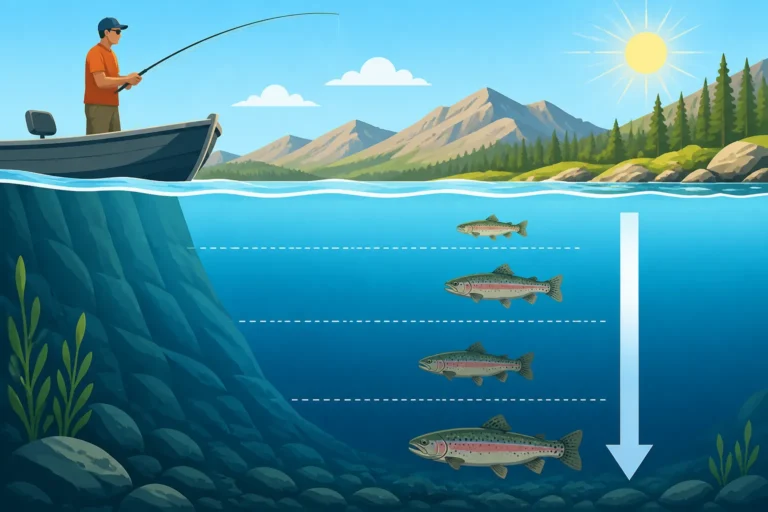
Think about how sluggish you feel when it's sweltering outside. Fish experience something similar, but with more critical implications for their survival. As water temperatures climb, the dissolved oxygen levels in the water decrease. This is a huge deal because fish, just like us, need oxygen to survive. When oxygen is scarce, fish become stressed, their metabolic rate increases, and they expend more energy just to breathe. This means they're less inclined to chase down a meal or exert themselves unnecessarily. Trout, in particular, are very sensitive to warm water and low oxygen, which is why you'll often find them retreating to cooler, deeper pockets or areas with strong currents that bring more oxygenated water. Even tougher species like bass and stripers, while more tolerant, will seek comfort from the heat and conserve energy.
How Water Temperature Dictates Fish Behavior
Water temperature isn't just about comfort; it dictates where fish will be found and when they'll be active. During peak summer heat in many of Nevada's reservoirs, like the expansive waters of Lake Mead Nevada Fishing Guide or the often-warm Lake Mohave Nevada Fishing Guide, you'll see a clear phenomenon called thermal stratification. This is where the water forms layers: a warmer, less dense layer on top (the epilimnion), a cooler, denser layer below (the hypolimnion), and a transition zone in between called the thermocline. Fish, especially those sensitive to heat, will often retreat below the epilimnion, seeking the cooler, more stable temperatures of the thermocline or even the hypolimnion if oxygen levels allow. Their activity levels generally decrease during the hottest parts of the day when the surface water is at its warmest, making them less likely to feed aggressively. This forces anglers to either target these deeper zones or wait for periods when surface temperatures cool.
The Dawn Patrol: Why Early Mornings Reign Supreme
If you're serious about catching fish in the Nevada summer, setting your alarm for an ungodly hour is often the best strategy. The pre-dawn and early morning hours offer a magical window of opportunity that seasoned anglers swear by. It's not just tradition; there's solid science behind why the "dawn patrol" so consistently delivers.
Capitalizing on Cooler Temperatures
After a long, hot day, the desert night sky allows the air to cool significantly, and this cooling effect, albeit subtle, transfers to the surface waters of our lakes and rivers. This brief drop in temperature, combined with lower light conditions, invigorates fish. They feel more comfortable moving out of their deep-water refuges or shaded hideouts and venturing into shallower feeding zones. From just before sunrise until about 8 or 9 AM, you'll often find fish actively patrolling shorelines, submerged structures, and weed lines, looking for an easy meal. This is when the water is at its coolest and most oxygenated at shallower depths, making it the prime time for active feeding.
Prime Feeding Windows for Various Species
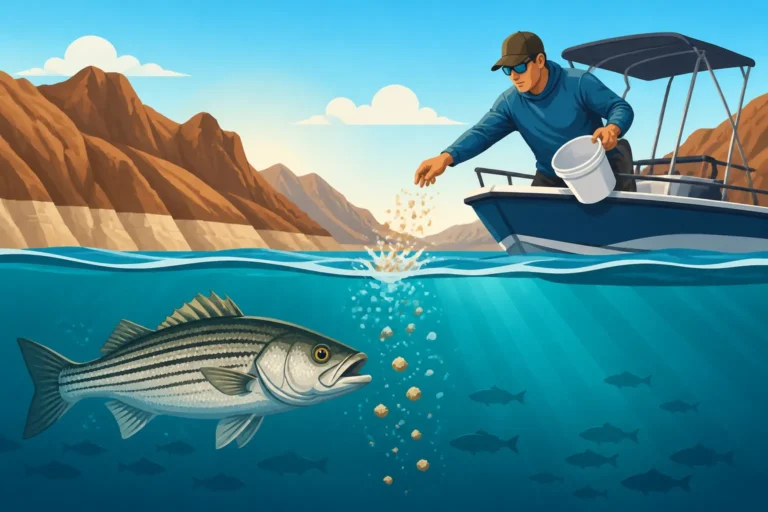
Different fish species capitalize on these early morning conditions in their own ways. For trout, whether they're in high-elevation lakes or urban ponds, the cool, low-light conditions mimic their natural feeding preferences. They'll actively chase insects hatching or smaller baitfish. This is often the best time to present smaller lures, flies, or traditional baits like PowerBait. Bass, both largemouth and smallmouth, become incredibly aggressive. This is often the prime time for explosive topwater action, as they ambush prey that has moved into the shallows. Casting a frog, popper, or walking bait across calm surface waters at dawn can lead to heart-stopping strikes. Striped bass, known for their ravenous appetites, will often school up and push baitfish to the surface during these cool, low-light periods. Witnessing a striper "boil" on the surface in the early morning at Lake Mead is an unforgettable experience, and a properly placed lure can lead to multiple hook-ups.
The Twilight Tactics: Evening's Brief Respite
While early mornings might be the undisputed champion for summer fishing, don't completely rule out the evening hours. As the sun dips below the horizon, another, albeit shorter, window of opportunity opens up. It's a different vibe than the frantic morning bite, often more serene, but it can be incredibly productive, especially for certain species.
The Fading Sun and Rising Activity
Just as the water cools slightly overnight, it begins to cool again as the sun's intensity diminishes in the late afternoon and early evening. This decrease in light and temperature signals to fish that the harsh midday conditions are receding. You'll often notice a gradual increase in activity, particularly from fish that have been hunkered down in deep water or dense cover throughout the day. They start to move up in the water column or closer to the shallows to feed before the full darkness of night sets in. This period, from roughly an hour before sunset into the first hour or two of darkness, can offer some surprisingly good fishing.
Targeting Nocturnal and Crepuscular Feeders
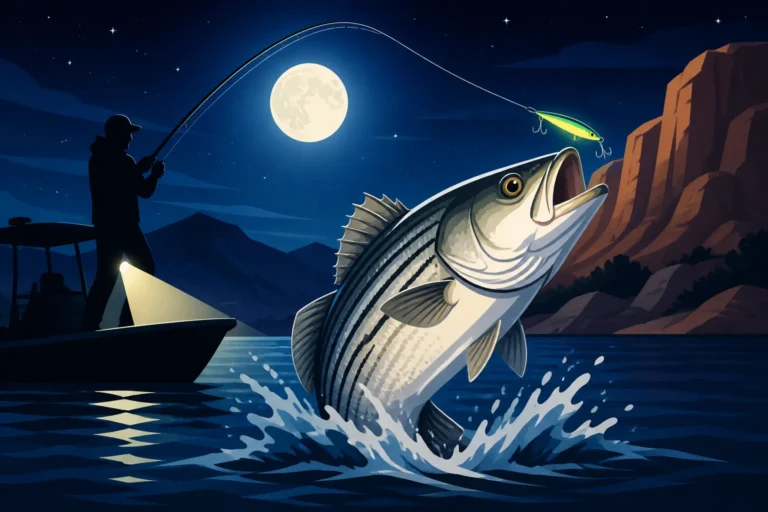
The evening bite often favors fish that are more active during low light or after dark. Catfish, for instance, are notoriously nocturnal feeders, and the evening hours are when they truly come alive. Setting out a few lines with cut bait or stink bait in likely catfish haunts as dusk approaches can yield excellent results. For striped bass, the evening often extends their feeding frenzy, sometimes even leading to sustained action well into the night, particularly around artificial light sources or areas with good current. If you're looking for Night Fishing Techniques for Striped Bass, the evening transition is where it all begins. Bass, while often more explosive in the morning, will also make a final feeding push in the evening, sometimes responding well to slower-moving baits or dark-colored topwater lures that create a strong silhouette against the fading light. When fishing into true darkness, remember to prioritize safety by ensuring you have appropriate lighting and are aware of your surroundings, especially if you're on a boat.
Navigating the Midday Lull: Strategies for the Stubborn Angler
Let's be honest, not everyone can be a dawn patrol hero, and sometimes you find yourself with a few hours to kill in the middle of a scorching Nevada summer day. While it's generally the toughest time to fish, it's not impossible. You just need to drastically adjust your tactics and embrace the deep.
Deep Water and Structure Fishing
When the sun is high and the surface water is baking, fish are almost certainly seeking refuge in deeper, cooler water. This means you need to get your bait or lure down to them. Understanding the lake's topography becomes paramount. Look for deep points, ledges, submerged humps, rock piles, and creek channels. These underwater structures act like highways and apartment complexes for fish seeking comfort from the heat. Techniques like dropshotting, jigging spoons, or slowly dragging a Texas-rigged worm or creature bait along the bottom can be highly effective. Deep cranking with a bait that dives to 20, 30, or even 40 feet can also entice a reaction strike from lethargic fish. Remember, these fish aren't usually actively chasing, so slower, more deliberate presentations are often best. For bass, specifically, learning Deep Water Techniques for Lake Mead Bass will pay dividends.
Understanding Shade and Current as Refuges
Beyond sheer depth, fish will gravitate towards any area that offers a break from the direct sun or provides a steady supply of cooler, oxygenated water. This means focusing on prominent vertical structures like cliff faces, deep docks, or bridges that cast significant shade into the water. Even a small patch of shade can concentrate fish. On rivers, like parts of the Truckee River or sections of the Colorado River, current becomes your best friend. Areas with good current flow often have higher dissolved oxygen and slightly cooler temperatures, making them attractive to fish even in the heat of the day. Fishing behind current breaks or in eddies can be productive. Using a quality fish finder, which you can find a wide selection of on Amazon, becomes almost essential during these midday hours to locate schools of fish hugging structure or suspended in specific depth ranges. Without it, you're truly fishing blind in what can feel like an empty desert.
Species-Specific Summer Schedules in Nevada
While general rules apply, different fish species react to summer heat in unique ways. What works for a high-elevation trout might not work for a desert bass. Tailoring your approach to your target species is crucial for consistent success.
Trout in the Heat: High-Elevation vs. Stocked Ponds
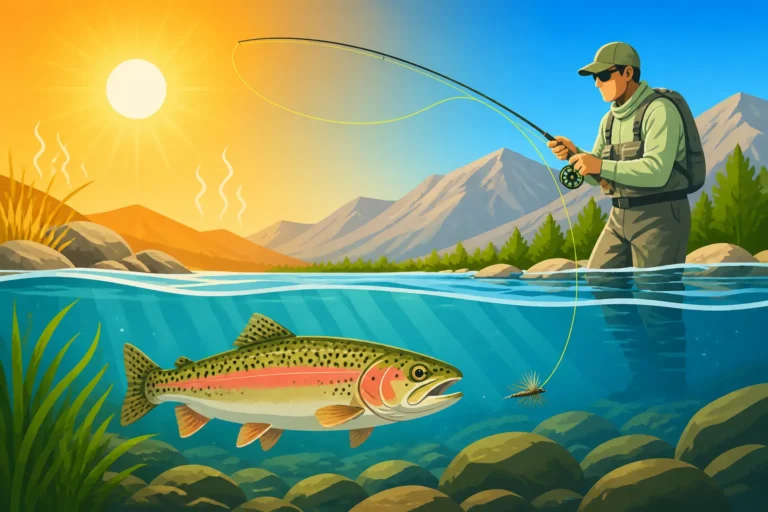
Nevada's diverse landscape means trout fishing can vary wildly. For trout in colder, high-elevation lakes and streams, summer can still offer good fishing, but you'll need to be precise. These fish will often feed intensely during very brief windows in the early morning and late evening, and then retreat to the deepest, coolest parts of the lake or the most oxygenated riffles in streams. Long casts with small spoons, spinners, or slowly retrieved fly patterns in deep water are your best bet.
Conversely, for stocked rainbow trout in the warmer urban ponds around places like Las Vegas, the midday heat is often a complete shutdown. These fish are less wild and more dependent on consistent stocking. Your best bet here is truly the first hour or two after sunrise, or the last hour before sunset. These ponds are often regularly stocked by NDOW, and understanding How to Catch Trout in Hot Summer Water becomes vital, often involving techniques like PowerBait on the bottom or small jigs. Check the stocking schedules, as fishing can be excellent for a few days immediately following a fresh drop of fish.
Bass and Stripers: Adapting to Desert Reservoir Conditions
Both largemouth and smallmouth bass in Nevada's desert reservoirs are tough, but they still have their limits when it comes to heat. As mentioned, early morning is prime for topwater blowups and shallow-water ambushes. As the sun climbs, they'll relocate to deeper rock piles, brush, submerged trees, or shaded areas. This is when finesse techniques like drop-shotting, Carolina-rigging, or slow-pitch jigging with soft plastics become effective. Look for areas with current or deep access.
Striped bass are often more forgiving in the heat than trout, but they still prefer cooler, deeper water during the hottest parts of the day. Their activity patterns are often tied to baitfish movement. Early morning boils are common, but as the day progresses, they'll move into open, deeper water, often suspending. Trolling deep-diving crankbaits or umbrella rigs, or vertical jigging with heavy spoons or swimbaits, can be effective. Keeping an eye on your fish finder for bait balls and suspended fish is key. Remember, a good understanding of How to Fish for Striped Bass in Nevada and How to Fish for Bass in Nevada will be your secret weapon.
Essential Gear and Safety for Summer Fishing
Summer fishing in Nevada isn't just about finding the fish; it's about being prepared for the elements and ensuring your comfort and safety. The desert heat is no joke, and a fun day on the water can quickly turn dangerous without proper precautions.
Hydration and Sun Protection
This can't be stressed enough: stay hydrated! Bring more water than you think you'll need, and consider bringing electrolyte drinks to replenish what you lose through sweat. Dehydration can creep up on you quickly in the dry desert air. Beyond water, protect yourself from the sun's relentless rays. Wear a wide-brimmed hat, UV-protective clothing (long-sleeved shirts and pants are a must, even if it feels hot), and sunglasses. Sunscreen with a high SPF should be applied liberally and frequently. You can find excellent quality UV-protective fishing apparel and hats on Amazon, which makes it easy to gear up properly. For a deeper dive into staying safe, consult guides like Desert Fishing Gear and Sun Protection.
Selecting the Right Baits and Lures
Your lure selection should shift with the time of day and the fish's activity level. In the early morning, when fish are aggressive and feeding shallow, topwater lures, chatterbaits, and faster-moving spinnerbaits are excellent choices for bass and stripers. For trout, small spinners or spoons that mimic baitfish, or even dry flies in streams, can be effective.
As the sun climbs and fish move deep or become lethargic, slow down your presentation. Soft plastics on a Texas rig, Carolina rig, or drop shot are fantastic for bass. Heavy spoons, jigs, or deep-diving crankbaits are good for suspended stripers. Live bait, such as shiners or anchovies, often works wonders for less active fish, as the natural scent can entice a bite when artificial lures fail. For evening catfish, nothing beats a good chunk of cut bait or a potent stink bait. Understanding Best Bait for Pyramid Lake Cutthroat can also give you insights into specific local preferences if you plan on visiting that unique fishery.
Boat and Bank Fishing Considerations
Whether you're fishing from a boat or the bank, there are some specific summer considerations.
Boat Fishing: A boat offers the advantage of reaching deeper water and covering more ground to find active fish. A reliable fish finder (many great options on Amazon) is your most valuable tool for locating schools of fish, especially during the midday lull. A good livewell is essential if you plan on keeping fish or practicing catch-and-release, as it helps keep fish cool and healthy. Ensure you have a sturdy anchor for windy conditions, as sudden gusts are common in Nevada. Don't forget your Nevada Boat Registration and Titling Guide paperwork!
Bank Fishing: Bank anglers face more limitations but can still be successful. Focus on areas with immediate deep water access or significant shade, like under bridges or near large rock formations. Portability is key, so don't overload yourself with gear. A comfortable, lightweight chair, an umbrella or shade tent, and a small cooler are essential. A long casting rod can help you reach deeper water, and focusing on the early morning and late evening bites will maximize your chances. Check out resources like Best Fishing Rods for Nevada Lakes to choose the right gear for your setup.
| Time of Day | Target Species | Typical Locations | Recommended Techniques | Key Gear Considerations |
|---|---|---|---|---|
| Pre-Dawn/Early Morning | Trout, Bass (Largemouth, Smallmouth), Striped Bass | Shallow banks, weed lines, topwater areas, current breaks, baitfish schools | Topwater lures, spinnerbaits, crankbaits, small spoons/spinners, PowerBait (trout), flies (trout) | Lightweight rods, good casting reels, polarized sunglasses, headlamp for pre-dawn |
| Midday (Hot) | Bass, Striped Bass, Catfish | Deep water, thermocline, shade lines, submerged structure, ledges | Drop-shot, jigging spoons, deep crankbaits, Carolina rig, live bait, cut bait (catfish) | Fish finder, heavy line, stout rods, ample water/electrolytes, sun protection |
| Late Afternoon/Evening | Catfish, Bass, Striped Bass | Transition zones, areas near deep water, current seams, shaded banks, catfish holes | Cut bait, stink bait, soft plastics, slow-retrieved lures, dark topwater (bass) | Landing net, bug spray, headlamp for after dark, safety gear |
Disclaimer
Please remember that fishing conditions and regulations can change. Always consult the latest Nevada Department of Wildlife (NDOW) regulations booklet or website before heading out. Fishing safely and responsibly is paramount, especially when facing the challenges of Nevada's summer heat.