How deep trout go in summer
Ah, the Nevada summer. It’s glorious for soaking up the sun, but for us trout anglers, it can feel like the fish have packed their bags and moved to another state! You cast and cast into those familiar shallow haunts, expecting a strike, and get nothing but hot water. It’s a common frustration, and one that often leaves even seasoned anglers scratching their heads. The truth is, those beautiful trout don't actually leave; they simply retreat to the cooler, more hospitable depths, making them harder to find if you don't know where to look. This guide is all about demystifying the summer habits of trout, helping you understand why they go deep and, more importantly, how you can adjust your strategy to keep those lines tight even when the mercury soars.
The Summer Retreat: Why Trout Seek the Depths
When the Nevada sun really starts to bake, our lakes and reservoirs undergo significant changes. Water temperatures climb, and with that, trout—being cold-blooded creatures—are forced to adapt or perish. Their comfort and survival depend on finding specific conditions, and during summer, those conditions are almost always found far below the surface.
The Thermal Stratification Effect
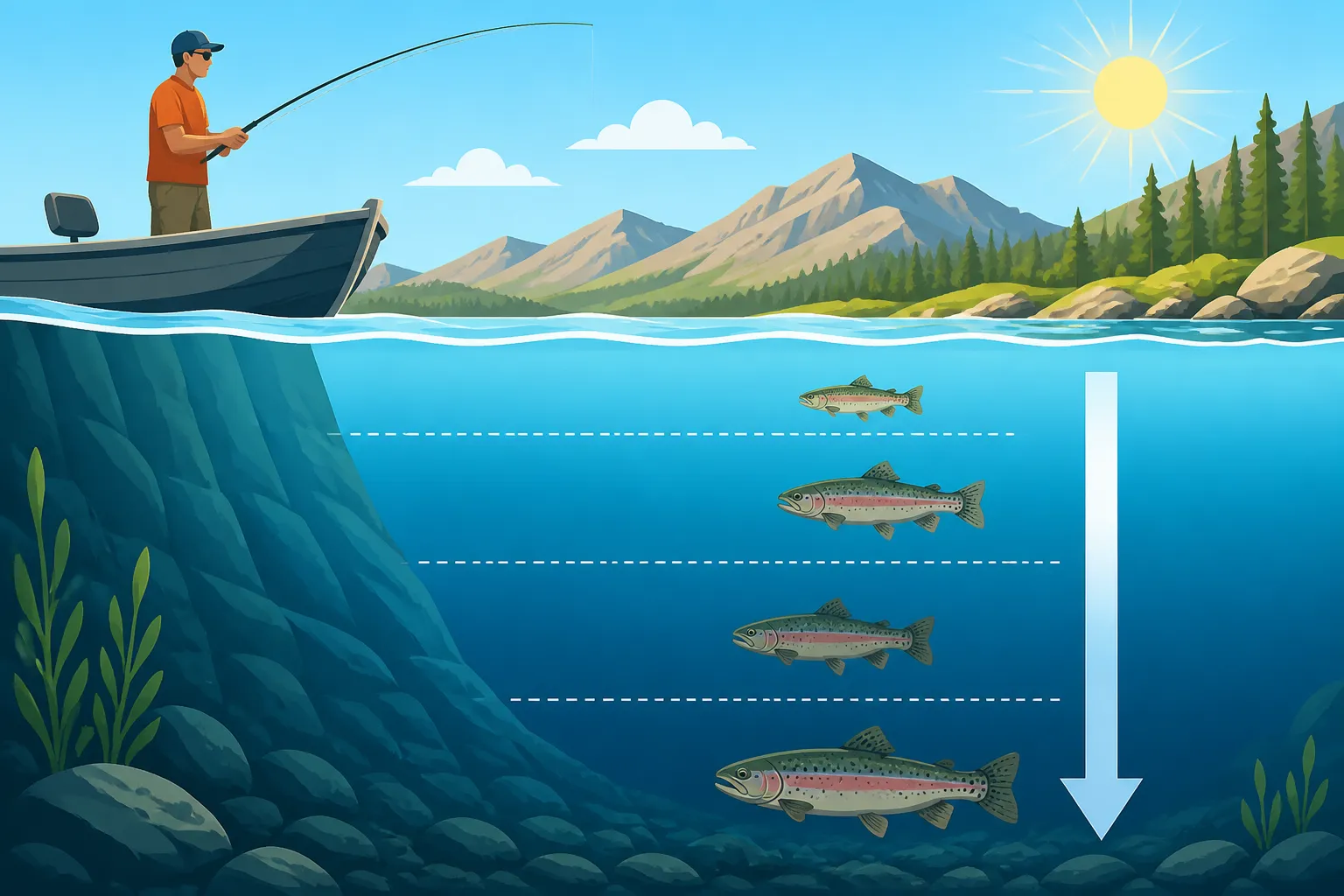
Imagine a lake as a layered cake, but instead of frosting and sponge, it's made of different temperatures of water. This is what we call thermal stratification, and it's absolutely crucial to understanding where trout will be. As summer progresses, the sun warms the surface layers, creating a warm "epilimnion." Below this, there's a transition zone known as the "thermocline," where the temperature drops rapidly. Finally, at the bottom, lies the cold, dense "hypolimnion."
Trout, especially species like rainbow trout and brown trout, are physiologically adapted to cooler water, typically thriving in temperatures between 50 and 65 degrees Fahrenheit. When surface temperatures soar above this range, they have no choice but to descend. They’re not just being picky; staying in water that’s too warm causes them immense stress, depletes their energy, and can even be fatal. The thermocline acts as a natural barrier, a sort of invisible ceiling for the warm water above, and a cool refuge below. Knowing Reading Water Temperature for Trout Fishing is key to identifying this layer.
Oxygen Levels and Trout Comfort
Temperature isn't the only factor; oxygen is equally vital. While colder water generally holds more dissolved oxygen, the bottom layer (hypolimnion) can sometimes become oxygen-depleted over time due to decaying organic matter. This creates a fascinating conundrum for trout: they need the cool water, but they also need enough oxygen to breathe.
So, where do they settle? Often, they'll find a sweet spot just above or within the upper part of the thermocline. This zone offers a perfect balance of cooler temperatures and sufficient dissolved oxygen. It's like finding the perfect air-conditioned room with just the right humidity – not too cold, not too stuffy. If the hypolimnion becomes anoxic (lacking oxygen), even though it's cold, trout simply cannot survive there, pushing them up into that crucial thermocline layer. This is why knowing both temperature and oxygen patterns can be a game-changer for locating summer trout.
Food and Predation in Deeper Waters
It's not just about comfort and breathing; survival also means eating and avoiding being eaten. While many aquatic insects hatch near the surface, deeper waters still offer an abundance of food sources. Smaller baitfish, crustaceans, and other invertebrates often reside or migrate through these cooler depths. Trout are opportunistic feeders, and they will follow their food.
Furthermore, deeper water offers a degree of protection from aerial predators like ospreys and eagles, as well as from shoreline fishing pressure. Think of it as their safe zone, where they can conserve energy in cool water, find sustenance, and feel secure. Understanding this blend of thermal comfort, oxygen availability, and food security is your first step to mastering Summer Fishing Techniques for Hot Desert Lakes.
Deciphering the Depths: Finding the Sweet Spot
Now that we know why trout go deep, the next challenge is figuring out how deep they've actually gone, and where their favorite hiding spots are. It’s not a one-size-fits-all answer, as every lake, reservoir, and even different species of trout will have their own preferences.
Reading Your Electronics: Fish Finders and Thermoclines
This is where modern technology becomes your best friend. A good quality fish finder isn't just for spotting fish; it's essential for mapping the underwater environment. Many advanced fish finders can actually display the thermocline as a distinct layer on your screen, often appearing as a denser, sometimes slightly blurred line. Below this line, the water temperature drops rapidly.
By observing this thermal layer, you can deduce the likely depth range where trout will be most active. If your fish finder also has temperature readings, you can further refine your search to pinpoint that ideal 50-65 degree zone. Don't just motor around aimlessly; use your electronics to understand the underwater topography, identify drop-offs, submerged structures, and, most importantly, the thermocline. Investing in a reliable Best Fish Finder for Reservoir Fishing can transform your summer trout success. On Amazon, you can find many great models suitable for various budgets.
Species-Specific Depth Preferences
Not all trout are created equal, and their summer depth preferences can vary slightly.
- Rainbow Trout: Often found near the upper edges of the thermocline, especially in areas with good oxygen and access to food migrating from shallower waters. They can be a bit more adaptable, sometimes venturing shallower during low-light conditions.
- Brown Trout: Known for being more reclusive and tolerant of slightly warmer temperatures than rainbows, they still seek the thermocline. However, they are often associated with structure—rock piles, submerged timber, or ledges—even in deeper water.
- Lahontan Cutthroat Trout (Pyramid Lake): These native beauties are incredibly temperature-sensitive. While Pyramid Lake has unique characteristics, during summer, they will also seek the coolest, most oxygenated waters, often in deeper sections of the lake, particularly as the season progresses. Check out the specifics in our Lahontan Cutthroat Trout in Nevada guide.
- Mackinaw Trout (Lake Tahoe): These are truly deepwater specialists. In Lake Tahoe, Mackinaw will go very deep, often preferring depths of 100 feet or more, even outside of summer. During the hottest months, they will push even further into the coldest, most stable parts of the hypolimnion, provided there's enough oxygen and their primary forage, like kokanee salmon, are present. Learning How to Catch Mackinaw Trout at Lake Tahoe is a whole different ballgame.
Understanding these subtle differences can help you target specific species more effectively.
Locating Structure and Inflow Points
Even in the deep, trout aren't just suspended randomly in open water. They relate to structure. Look for:
- Submerged points and humps: These underwater features act like highways for baitfish and offer ambush points for trout.
- Drop-offs: Areas where the lake bottom rapidly descends are prime locations, as they provide quick access to different depths and thermal layers.
- Old river channels: If you're fishing a reservoir, the original riverbed often creates a distinct channel that can hold deeper, cooler water and concentrate fish.
- Inflow areas: While surface water from streams might be warm, the influx of fresh water can bring in cooler, more oxygenated currents that attract trout, especially in larger reservoirs. These areas can create localized "cold water plumes" that are irresistible.
Combine your fish finder's ability to locate structure with your understanding of the thermocline, and you'll dramatically increase your chances of finding that summer sweet spot.
Tactical Approaches for Deep Summer Trout
So, you’ve pinpointed the ideal depth and identified some promising structure. Now, how do you actually present your bait or lure effectively to these deep-dwelling trout? It requires a shift from your typical shallow-water tactics.
The Art of Trolling with Downriggers or Lead Core
Trolling is arguably the most effective way to cover water and consistently present lures at precise depths for deep summer trout.
- Downriggers: These devices use a heavy cannonball weight on a cable to carry your fishing line down to a set depth, then release the line once a fish strikes. This allows you to run multiple lines at different depths, quickly dialing in on where the fish are holding. They are indispensable for targeting precise depths, especially for Mackinaw and larger trout. You can find robust downrigger setups on Amazon that include everything from manual to electric models.
- Lead Core Line: This specialized fishing line has a lead core wrapped in a braided sheath, designed to sink. Different colors on the line indicate specific depth increments (e.g., each color might represent 5-7 feet of depth at a given speed). While not as precise as downriggers, lead core is a much more affordable and less complex way to get lures deep, especially from smaller boats or kayaks. It's often paired with long, limber trolling rods to absorb the strain.
- Flatlining with diving lures: For trout that might be slightly higher in the water column, but still below the surface, deep-diving crankbaits or plugs can be effective without any additional weight. The lure's lip design forces it down as you troll, with some reaching 20-30 feet or more.
When trolling, experiment with different speeds, lure colors, and lure types. Long, slender spoons, minnow-imitating crankbaits, or even small dodgers followed by a worm or grub can all be highly effective. For more on this, check out Trolling Techniques for Lake Tahoe Mackinaw.
Jigging and Vertical Presentation
If you've located a school of trout suspended over structure or a deep channel, vertical jigging can be incredibly productive. This technique involves dropping a weighted lure straight down to the fish's depth and imparting an enticing up-and-down motion.
- Metal jigs: Small, slender metal jigs or spoons, often called "casting spoons" or "ice jigs," work well. Drop them to the target depth, then lift and drop, allowing them to flutter on the fall. Watch your line for any subtle taps or pauses, as trout often hit on the drop.
- Soft plastics: Grubs or small creature baits on a weighted jig head can also be deadly. Tip them with a small piece of nightcrawler for added scent and appeal. The key is to keep the presentation subtle and natural.
- Blade baits: These lures vibrate aggressively on the retrieve and can be jigged vertically to entice strikes from aggressive trout.
Jigging requires a good feel for your line and the ability to detect light bites, but it can be very rewarding, especially when fish are concentrated. This is also a fantastic technique for Kayak Fishing Techniques for Nevada Reservoirs when you've pinpointed specific spots.
Still Fishing and Bottom Bouncing Techniques
For bank anglers or those fishing from an anchored boat, still fishing and bottom bouncing are viable options for reaching deep summer trout.
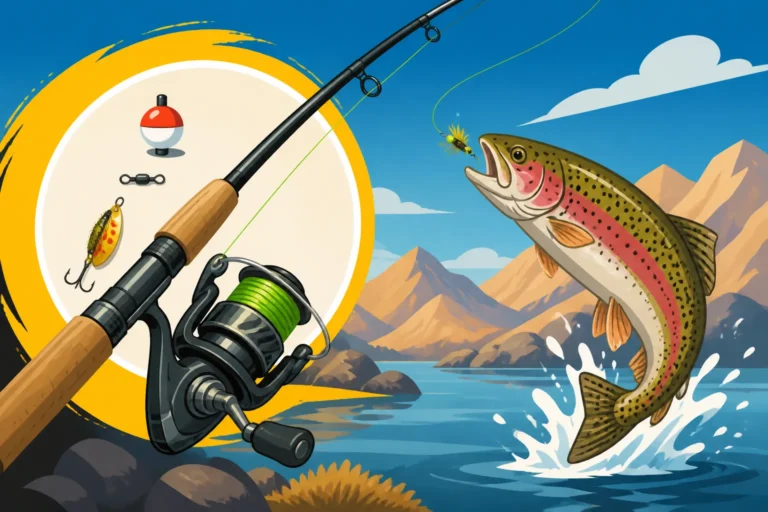
- Carolina Rig/Slip Sinker Rig: This is a classic setup. Thread an egg sinker (or similar weight) onto your main line, followed by a bead, and then tie on a barrel swivel. To the other end of the swivel, attach a leader (2-4 feet) and a hook. This allows your bait to float or drift naturally off the bottom while the weight holds it in place. PowerBait, worms, or even small pieces of cut bait are excellent choices for the hook.
- Slip Bobber Rig: While traditionally used for shallower water, a heavy slip bobber rig can be adapted for deeper presentations, especially if you want to suspend your bait a few feet off the bottom or within the thermocline. The bobber stopper allows you to set your depth, and the weight helps quickly get your bait down.
- Bait Selection: For still fishing in the depths, natural baits often outperform artificials. Live nightcrawlers, salmon eggs, or even commercially prepared trout dough baits like Berkley PowerBait are excellent choices. For more specific recommendations, refer to our guide on the Best Bait for Nevada Trout.
Patience is key with still fishing. Cast your rig to a promising spot, let it settle, and then wait. Trout in deeper, cooler water are often less active, so a subtle, stationary presentation can be just what they need to commit.
Essential Gear for Deepwater Success
Tackling deep-water summer trout requires a slight adjustment to your gear. While your standard trout setup might work for shallow spring fishing, getting down to where the fish truly are means beefing up certain components.
Rods, Reels, and Line for Deeper Water
Your rod and reel need to handle heavier weights and the added strain of retrieving from significant depths.
- Rods: Look for rods with a medium-light to medium power and a fast action. A slightly longer rod (7 to 8 feet) can help with casting heavier rigs from shore or providing better leverage when trolling. For downrigging, specialized fiberglass "downrigger rods" with a soft tip are ideal as they absorb shock and indicate strikes clearly. When looking for the Best Fishing Rods for Nevada Lakes, consider models with a robust backbone.
- Reels: Spinning reels in the 2500-4000 series are suitable for most deepwater trout applications, offering good line capacity and smooth drags. If you're using lead core line, a levelwind baitcasting reel is often preferred as it handles the heavier, thicker line much better. Make sure your reel has a reliable drag system, as deepwater trout can put up a strong fight in the dense, cold water.
- Line: This is critical.
- Main Line: For most applications, a good quality monofilament (6-10 lb test) or fluorocarbon (8-12 lb test) is sufficient. Fluorocarbon is excellent because it's virtually invisible underwater and sinks faster than mono.
- Braided Line: While expensive, braided line (15-30 lb test) has no stretch, offering incredible sensitivity for detecting light bites at depth. If using braid, always attach a fluorocarbon or monofilament leader (6-10 lb test, 6-10 feet long) to the end, as braid is highly visible.
- Lead Core: As mentioned, if you're trolling without downriggers, lead core line is designed specifically for depth. A 12-18 lb test lead core with a 10-15 foot monofilament or fluorocarbon leader is a common setup. Check out our guide on the Best Line for Desert Reservoir Fishing for more details.
Ensuring your line is fresh and abrasion-resistant is crucial, as unseen underwater obstacles can quickly fray a weakened line.
Lure and Bait Selection for the Depths
The lures and baits that work in shallow water might not be as effective in the deep, low-light conditions.
- Lures:
- Spoons: Classic trolling spoons like the Daredevil, Kastmaster, or Needlefish are highly effective. Experiment with various sizes and colors. In deeper, darker water, sometimes brighter, more reflective colors (silver, gold, chartreuse, orange) or glow-in-the-dark options can attract more attention.
- Plugs/Crankbaits: Deep-diving crankbaits from brands like Rapala, Rebel, or Bomber can imitate baitfish found in deeper waters. Look for models with large, aggressive lips designed to get down quickly.
- Jigs: As discussed, small metal jigs, bucktail jigs, or jig heads tipped with soft plastics are excellent for vertical jigging.
- Bait:
- Nightcrawlers: Always a winner. Present them whole or in pieces on a Carolina rig or under a slip bobber. The natural scent and action are irresistible.
- PowerBait/Dough Baits: These scented, floating baits are perfect for still fishing off the bottom. Experiment with different colors and scents – garlic, cheese, and even corn flavors can be effective.
- Salmon Eggs: Especially useful for trout, either single eggs or clusters on a small hook.
- Cut Bait (for larger trout/Mackinaw): If targeting larger fish, strips of anchovy, sardine, or even a small piece of sucker meat can be highly enticing.
Remember, trout in deeper water might be less aggressive due to cooler temperatures, so a slower, more deliberate retrieve or a subtle presentation is often more productive.
The Importance of a Reliable Fish Finder
We've touched on it already, but it bears repeating: a good fish finder is not a luxury for deepwater trout fishing in summer; it's a necessity. It gives you an incredible advantage by showing you:
- Depth: Obvious, but crucial.
- Thermocline: Visually identifying this thermal boundary tells you where the comfortable water is.
- Structure: Locating submerged humps, ledges, and drop-offs where trout might congregate.
- Fish Arches: Direct indication of fish presence at specific depths. Don't be fooled by smaller baitfish schools; look for larger, more defined arches.
- Water Temperature: Many units have built-in temperature sensors, giving you real-time readings.
Think of your fish finder as your eyes underwater. Without it, you're essentially fishing blind in a vast, complex environment. Before you head out, make sure your unit is charged, updated, and that you understand how to interpret its readings. There are fantastic resources online and even on Amazon for learning more about using your fish finder effectively. If you're serious about finding those summer trout, this piece of equipment will quickly pay for itself in caught fish and saved frustration.
Ultimately, cracking the code of how deep trout go in summer boils down to understanding their fundamental needs: cool water, sufficient oxygen, and accessible food. By paying attention to thermal stratification, utilizing your electronics, adjusting your tactics to reach deeper depths, and selecting the right gear, you'll be well on your way to a successful day of summer trout fishing in Nevada, even when the sun is at its brightest!
Disclaimer
This article is for general informational purposes only and does not constitute professional advice. Laws, prices and regulations vary by location and change over time. Consult a qualified professional for guidance on your specific situation.