Reading Water Temperature for Trout Fishing
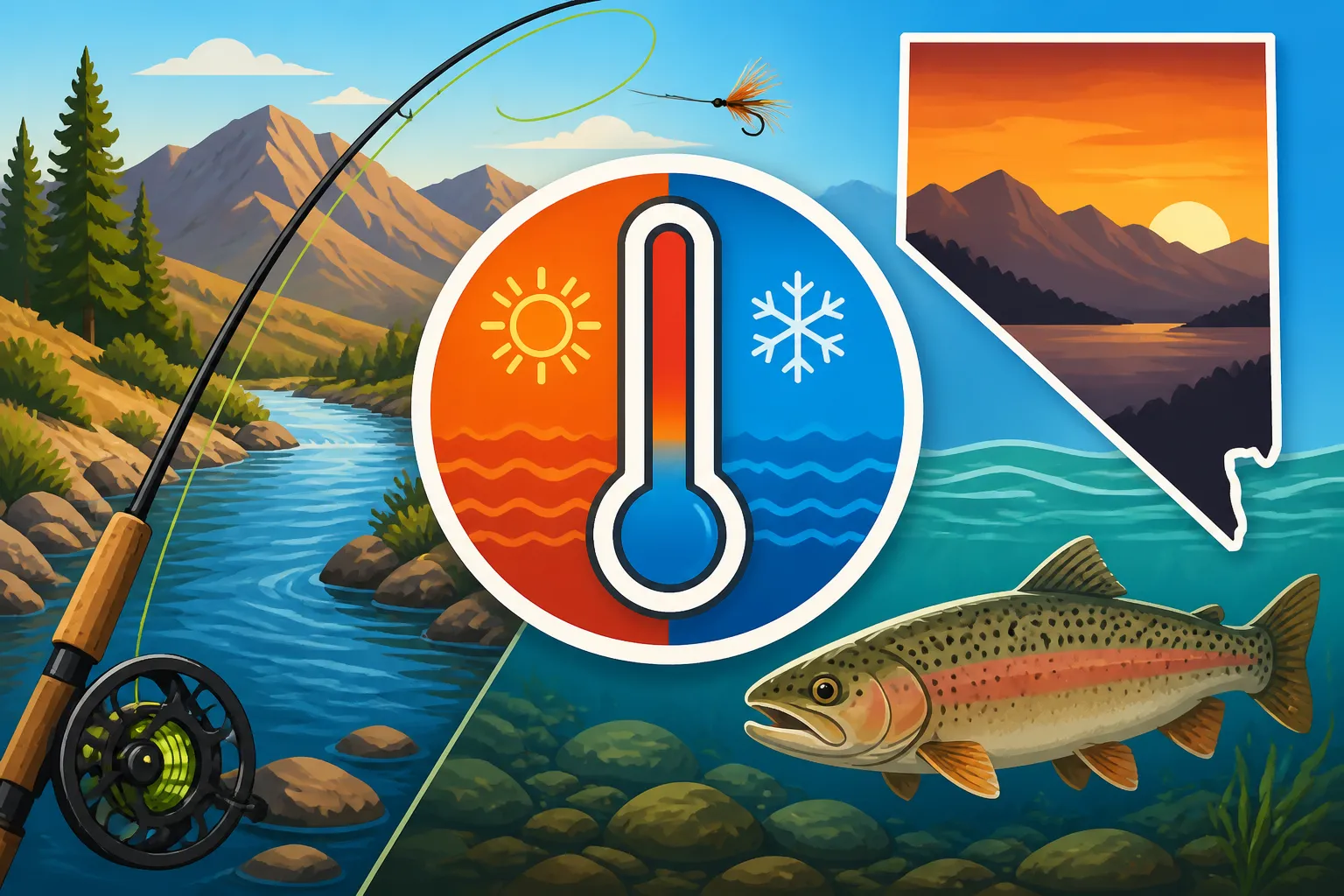
Ever hit a favorite trout spot in Nevada, expecting a banner day, only to find the fish completely shut down, ignoring everything you throw at them? It’s a frustrating experience many anglers face, and often, the invisible culprit is water temperature. Understanding how water temperature influences trout behavior is one of the most vital keys to consistent success, and this comprehensive guide will equip you with the knowledge to read the water like a seasoned pro, turning those frustrating days into memorable ones.
The Invisible Hand of Water Temperature on Trout Behavior
You might think fishing is all about the lure, the bait, or the casting technique, but beneath the surface, water temperature is arguably the most dominant factor dictating how active, where, and even if trout will bite. Nevada's diverse aquatic environments, from frigid mountain lakes to sun-baked desert reservoirs, mean temperature fluctuations are a constant, and trout have evolved to react precisely to these changes. Ignoring this fundamental aspect is like trying to drive a car blindfolded.
Metabolism and Activity Levels
Think of trout metabolism like our own. When it's freezing cold, we want to huddle up, conserve energy, and eat warming comfort food. When it's scorching hot, we're sluggish, thirsty, and have less appetite. Trout are no different. In very cold water, typically below 40°F (4°C), their metabolism slows significantly. They become lethargic, move less, and feed infrequently, often only taking easy meals. This is why winter trout fishing, especially ice fishing in Nevada's higher elevations, requires slower presentations and sometimes smaller baits. The fish just don't have the energy to chase.
Conversely, when water temperatures climb too high, generally above 68-70°F (20-21°C), trout experience stress. Their metabolic rate increases dramatically, demanding more oxygen, which is often less available in warmer water. This puts them in survival mode, pushing them to seek cooler, more oxygenated refuge. They might still strike out of instinct or aggression, but sustained feeding becomes secondary to simply staying alive. This is a common challenge in many of Nevada's lower-elevation reservoirs during the peak of summer.
Oxygen Levels and Survival
Water's ability to hold dissolved oxygen is inversely related to its temperature – simply put, colder water holds more oxygen. This is a critical factor for trout, as they are cold-water species with high oxygen demands. As water warms, not only does their need for oxygen increase due to higher metabolism, but the available oxygen decreases. This creates a double whammy for trout in warm water. They are literally gasping for air.
You'll often find that trout congregate in areas with higher oxygen content during warmer periods, even if the temperature isn't perfectly ideal. This could be near inflowing streams bringing in cooler, oxygenated water, at the base of dams where water is released from deeper, cooler sections, or in areas with consistent wind action creating surface aeration. Understanding this helps you pinpoint potential holding patterns when the mercury rises.
Food Source Availability and Temperature
The entire aquatic food chain is heavily influenced by water temperature. Insect hatches, which are a primary food source for many trout, are incredibly temperature-dependent. Different insects hatch at specific water temperatures, meaning a shift of even a few degrees can trigger or shut down a major feeding event. For instance, midges might hatch in colder waters, while larger mayflies and caddisflies prefer warmer, but not hot, conditions.
Similarly, baitfish like chub and minnows, which larger trout prey on, also exhibit temperature-driven movements and activity levels. If the baitfish are sluggish due to cold water, trout won't expend much energy chasing them. If the baitfish are stressed by warm water and hiding deep, the trout will follow. By understanding the optimal feeding temperatures for trout and the corresponding activity of their prey, you can better select your lures and presentation. For a deeper dive into what trout eat and when, check out our guide on Best Bait for Nevada Trout.
Prime Temperature Zones for Nevada's Trout
Nevada is home to several species of trout, and while they all generally prefer cooler water, each has a slightly different tolerance range. Knowing these specific comfort zones for rainbow, brown, and the unique Lahontan cutthroat trout will dramatically improve your chances of finding them active and willing to bite. It's not just about finding any trout, but finding happy trout.
Rainbow Trout and Brown Trout Comfort Zones
Rainbow trout are perhaps the most widespread and adaptable trout species in Nevada, found in everything from urban ponds to high mountain lakes. They thrive in water temperatures generally between 50°F and 65°F (10°C to 18°C). Within this range, their metabolism is optimal, they feed aggressively, and are generally quite active. They can tolerate slightly warmer temperatures up to about 70°F (21°C) for short periods, but sustained exposure above this starts to cause stress. Below 45°F (7°C), their activity significantly decreases, though they will still feed opportunistically.
Brown trout, often found alongside rainbows in many Nevada waters like the Truckee River or Wildhorse Reservoir, are known for being a bit more tolerant of warmer water, both on the high and low end. Their preferred feeding range is very similar to rainbows, between 50°F and 65°F (10°C to 18°C), but they can often remain active in water a few degrees warmer than rainbows, sometimes up to 72°F (22°C). This can be a subtle but important distinction in late spring or early fall when temperatures are fluctuating. They also tend to be less deterred by cold, murky water.
Lahontan Cutthroat Trout's Unique Needs
The Lahontan Cutthroat Trout (LCT) is Nevada's state fish and a true cold-water specialist. These magnificent fish, especially the trophy-sized ones found in Pyramid Lake, have a narrower and generally colder preferred temperature range than rainbows or browns. Their optimal zone is typically between 40°F and 55°F (4°C to 13°C). They are highly sensitive to warm water, and temperatures consistently above 60°F (16°C) can cause significant stress, pushing them deep to seek cooler sanctuary.
At Pyramid Lake, understanding this temperature preference is absolutely critical. During the spring and fall, when surface temperatures are in their ideal range, LCT will move shallower, making them accessible to shore anglers. However, as the summer sun bakes the desert, they retreat to the deeper, cooler waters of the lake, often holding near thermal refugia. Fishing for them effectively then requires specialized techniques to reach those depths. You can learn more about these incredible fish in our dedicated guide on Lahontan Cutthroat Trout in Nevada.
General Trout Temperature Preferences
To give you a quick reference, here's a table summarizing the general temperature preferences for common trout species you'll encounter in Nevada. Remember, these are guidelines, and individual fish behavior can vary.
| Trout Species | Optimal Feeding Range | Stress/Lethargy Range | Critical Upper Limit |
|---|---|---|---|
| Rainbow Trout | 50-65°F (10-18°C) | <45°F or >68°F | |
| Brown Trout | 50-65°F (10-18°C) | <45°F or >70°F | |
| Lahontan Cutthroat | 40-55°F (4-13°C) | <38°F or >58°F |
Note: The "Critical Upper Limit" indicates temperatures where prolonged exposure can be lethal to the fish.
Practical Ways to Measure Water Temperature
Knowing the ideal temperature ranges is one thing, but actually measuring the water temperature where you're fishing is where the rubber meets the road. Luckily, you don't need highly specialized equipment to get accurate readings. A simple, reliable thermometer can be your best friend on the water, while advanced electronics offer an edge for deeper insights.
Using a Simple Thermometer
The most straightforward way to measure water temperature is with a dedicated fishing thermometer. These come in various forms:
- Floating Thermometers: These are great for still water or slow-moving streams. You simply cast them out or drop them in, let them sit for a few minutes to acclimate, and then retrieve to read the temperature.
- Handheld/Weighted Thermometers: Many have a small weight or a cage that allows them to sink to a desired depth before you retrieve and read. This is crucial for understanding temperatures below the surface.
- Probe Thermometers: Some come with a probe on a long wire, allowing you to get readings at varying depths without constant retrieval.
When taking readings, always aim for accuracy. Let the thermometer soak in the water for at least 2-5 minutes to ensure it's truly reflecting the water's temperature, not the air temperature or your hand's temperature. Take multiple readings in different areas and at different depths, especially if you suspect stratification (layers of different temperatures). For instance, in a reservoir, the surface might be 65°F, but just 10 feet down, it could be 58°F – a crucial difference for trout. You can find many reliable waterproof thermometers on Amazon, making it easy to add this essential tool to your tackle box.
Advanced Electronics: Fish Finders and Downriggers
For boat anglers, modern electronics offer a significant advantage in reading water temperature. Many contemporary fish finders come equipped with a transducer that not only reads depth and structure but also provides real-time water temperature at the transducer's location. This is incredibly useful for constantly monitoring surface temps as you move across the lake.
Even better, some high-end fish finders and chartplotters, especially those used for trolling for deep-water species like Mackinaw trout in Lake Tahoe, can integrate with temperature probes on downriggers. This allows you to know the exact water temperature at the depth of your lure. This kind of precision can be a game-changer when fish are holding to a specific thermal band, known as a thermocline. If you're considering upgrading your boat's electronics, our guide on the Best Fish Finder for Reservoir Fishing can help you make an informed decision.
Observing Nature's Clues
Even without a thermometer, nature offers plenty of clues about water temperature. These observations won't give you exact numbers but can certainly point you in the right direction:
- Air Temperature and Recent Weather: A prolonged period of hot, sunny weather will inevitably warm the surface water. Similarly, cold snaps or heavy snowmelt will cool it down. Pay attention to forecasts.
- Snowmelt Inflow: In spring or early summer, streams fed by snowmelt will bring significantly colder water into lakes and rivers. Trout will often stack up near these inflows, seeking refuge from warmer main body temperatures.
- Insect Hatches: As mentioned, specific hatches occur at specific temperatures. A profuse hatch of midges in late winter suggests cold water, while a burst of caddisflies or mayflies usually indicates warmer, but not hot, conditions. No visible insect activity could mean temperatures are too extreme.
- Water Clarity: Murky water can absorb more sunlight and warm up faster than clear water. Conversely, heavy rainfall can cool surface temperatures, especially if it's cold rain.
Adapting Your Fishing Strategy to Water Temps
Knowing the water temperature isn't just a fun fact; it's actionable intelligence that should directly influence your fishing approach. From how you present your lure to where you cast, every decision can be refined by understanding the thermal landscape of your fishing spot.
Adjusting Lure and Bait Presentation
When trout are in cold water, their metabolism is slow. This means they're not going to chase a fast-moving lure. You need to slow everything down. Think subtle movements, pauses, and even dead-sticking your bait. Smaller baits or flies often work better, as they require less energy for a trout to consume. Natural baits like worms or PowerBait, presented on the bottom or under a bobber, can be deadly when trout are sluggish.
As temperatures rise into the optimal zone, trout become more active and aggressive. This is when you can speed up your retrieve, experiment with more flashy lures like spinners or spoons, and use larger baits that appeal to their increased appetite. When it gets too warm and trout are stressed, a rapid, erratic retrieve might trigger a reactionary strike, but a slower, more deliberate presentation near cooler refugia could also be effective. The key is to match the presentation to their energy levels. For more on what to use, check out Live Bait versus Artificial Lures for Trout.
Targeting Different Depths and Locations
Water temperature often dictates depth. In cold water (winter), trout will often hold deeper where temperatures are more stable and slightly warmer than the surface. They’re seeking thermal stability. Conversely, in spring and fall, as surface temperatures move into the optimal range, trout will move shallower, often feeding aggressively in the upper water column.
The real challenge comes in summer. When surface water gets too warm, trout descend to cooler depths, forming what's called a thermocline – a distinct layer where water temperature changes rapidly. Finding this thermocline, typically with a fish finder, is crucial for success. Trout will often stack up just above, within, or just below this layer. Beyond depth, look for specific features offering cooler water:
- Inflowing Streams: As mentioned, these often bring in colder water.
- Deep Channels and Drop-offs: Provide quick access to cooler water.
- Shade: Overhanging trees, cliffs, or even docks can offer pockets of cooler water, especially in the mornings or evenings.
- Springs: Underwater springs can create localized cold-water pockets.
Understanding these thermal refugia is paramount, especially when the weather heats up. Our article on How deep trout go in summer provides more specific details on summer depth targeting.
Timing Your Fishing Trips
The time of day can significantly impact surface water temperatures, especially in Nevada's arid climate with its intense sun.
- Summer: During the scorching Nevada summers, water temperatures often peak in the afternoon. Therefore, the best fishing times for trout are typically early morning or late evening, when the water is at its coolest. Fish will often move shallower to feed during these cooler periods. This is a vital piece of advice for Best Time of Day to Fish in Summer Heat.
- Winter: In contrast, winter fishing often sees trout become more active during the warmest part of the day, typically late morning to mid-afternoon, as the sun has had a chance to slightly warm the shallowest water.
- Spring and Fall: These transition seasons often offer longer windows of optimal temperatures, allowing for more flexible fishing times. Mid-day can be very productive in these seasons.
By considering the daily temperature cycle, you can optimize your chances of encountering active, feeding trout.
Seasonal Water Temperature Dynamics in Nevada
Nevada's seasons bring dramatic shifts in water temperature, dictating trout behavior throughout the year. Being attuned to these cycles is essential for consistent success, allowing you to anticipate where trout will be and what they'll be doing.
Spring Warm-Up: Opportunity Knocks
As winter's grip loosens and the days lengthen, Nevada's waters begin their gradual warm-up. This period, typically from March through May, is often one of the most exciting times for trout fishing. As ice-out occurs on higher elevation lakes, and lower reservoirs shed their winter chill, water temperatures climb into the 40s and 50s. This triggers a surge in trout metabolism. They become much more active, shaking off their winter lethargy and moving into shallower areas to feed heavily on newly available insects and baitfish.
This is a prime time for both stocked and wild trout. NDOW often ramps up its stocking efforts in spring, introducing hungry rainbows and browns into numerous lakes and ponds, making for fantastic angling opportunities. For specific dates and locations, always check the Nevada Trout Season Dates and the Spring Trout Stocking in Nevada schedules. Trout will cruise shorelines, bays, and points, offering excellent opportunities for bank anglers and boaters alike.
Summer Heat: Seeking Refuge
Nevada summers are notoriously hot, and this can be the most challenging season for trout anglers. From June through August, surface water temperatures in many low to mid-elevation reservoirs can soar into the 70s and even 80s, pushing trout deep in search of cooler, oxygenated water. This is when understanding thermal stratification and the thermocline becomes paramount. Trout will often be found in the deepest, coolest parts of the lake, sometimes suspended just above or in the thermocline layer.
Fishing during these extreme temperatures requires early morning starts, precise depth targeting, and extreme care with catch and release. Trout are under immense stress in warm water, and prolonged handling or exposure to air can significantly reduce their survival chances. Many anglers opt for higher-elevation lakes or rivers that remain cool throughout the summer. Our comprehensive guide on Summer Fishing Techniques for Hot Desert Lakes provides invaluable strategies for this tough season.
Fall Cool-Down: Active Feeding
As September and October bring shorter days and cooler nights, Nevada's waters begin their autumn cool-down. This period often sees water temperatures drop back into the ideal 50-65°F range across many lakes and rivers. This is another fantastic time for trout fishing, often rivaling spring in terms of activity. Trout, sensing the approaching winter, enter a feeding frenzy to put on weight. This is particularly true for larger, wilder trout.
Often, lakes will experience "turnover" in the fall, where the cooler surface water mixes with the deeper, warmer water, resulting in more uniform temperatures and oxygen levels throughout the water column. This allows trout to roam more freely. NDOW also conducts significant Fall Trout Stocking in Nevada, replenishing waters with active fish. Look for trout to be cruising shallower again, actively chasing baitfish and insects. The fall colors, coupled with aggressive trout, make this a truly magical time to be on the water.
Winter Chill: Slow and Deep
Winter in Nevada, from November through February, brings cold temperatures and, in higher elevations, ice. Water temperatures drop to their lowest, often into the 30s and low 40s. Trout metabolism slows dramatically, and their activity levels decrease significantly. In open waters, trout will often hold in deeper sections where water temperatures are slightly more stable and marginally warmer than the surface. They become less inclined to chase and are more likely to take a slow, subtle offering.
For many, winter is synonymous with Ice Fishing in Nevada. When lakes freeze over sufficiently, anglers can target trout through the ice. Even then, understanding the water temperature dynamics underneath the ice is key. Fish will often be near the bottom or suspended at specific depths where they find the most comfort. Your presentation must be incredibly slow and patient, mimicking an easy meal for a sluggish fish.
Navigating Temperature Extremes and Conservation
While understanding water temperature is about catching more fish, it's also about being a responsible angler, especially when temperatures are at their extremes. Ethical fishing practices become even more critical when trout are stressed by either very cold or very warm water.
Fishing During Thermal Stress
When water temperatures are at the higher end of a trout's tolerance, say above 68°F for rainbows, they are already under physiological stress. During these periods, trout exert a tremendous amount of energy trying to survive. If you catch and fight a fish in these conditions, and then expose it to warm air or handle it roughly, the chances of post-release mortality skyrocket, even if the fish swims away seemingly fine. This is often referred to as "silent mortality."
Therefore, during hot summer months, many conservation-minded anglers in Nevada will:
- Avoid fishing for trout entirely in waters where temperatures are consistently above 68-70°F.
- Fish only during the coolest parts of the day (pre-dawn to early morning).
- Use heavier tackle to land fish quickly, minimizing the fight time and stress.
- Keep the fish in the water as much as possible during unhooking and photography.
- Avoid touching the fish's gills or eyes and use wet hands if you must handle it.
- Refrain from using live wells that can further warm the water.
- Consider simply not targeting trout and instead focusing on warm-water species like bass or catfish during peak heat.
Practicing good Catch and Release Techniques for Trout is always important, but it's absolutely paramount when trout are thermally stressed.
Identifying Thermal Refugia
Even in warm conditions, trout aren't spread evenly throughout a body of water. They will actively seek out "thermal refugia" – pockets of cooler water where they can escape the heat. Identifying these areas is key to finding fish and reducing stress if you do decide to fish. Common thermal refugia include:
- Deep Water: The most obvious. Water at depth, especially below the thermocline, remains significantly cooler.
- Inflowing Tributaries/Springs: Any stream or underwater spring bringing in colder water from higher elevations or groundwater sources will attract trout.
- Shaded Areas: Overhanging trees, tall cliffs, or even deep docks can provide shade that keeps surface water several degrees cooler.
- Aerated Water: Areas with strong current or wind-driven waves can have slightly higher oxygen levels, providing relief from stress.
By focusing your efforts on these refugia, you increase your chances of finding active trout while minimizing the impact on those already struggling with the heat.
NDOW Resources and Advisories
The Nevada Department of Wildlife (NDOW) is very proactive in monitoring water conditions, including temperature, and managing fisheries accordingly. They often provide valuable information to anglers through their website and social media channels. This can include:
- Stocking Schedules: NDOW uses water temperature data to determine when and where to stock trout, ensuring the newly introduced fish have the best chance of survival. They won't stock trout into dangerously warm water. You can often find current Nevada Trout Stocking Schedule information directly from them.
- Fishing Reports: Many NDOW fishing reports will mention water temperatures, especially for popular trout fisheries, giving you real-time insights.
- Conservation Advisories: In extreme conditions, NDOW might issue advisories urging anglers to avoid targeting trout or to practice extreme caution. Always heed these warnings.
Staying informed through NDOW's resources, combined with your own temperature readings and observations, will make you a more effective and responsible trout angler in Nevada.
Disclaimer
Fishing conditions and regulations in Nevada can change. Always consult the latest Nevada Department of Wildlife (NDOW) regulations and local advisories before heading out. This guide is for informational purposes only and does not supersede official government regulations.