Live Bait versus Artificial Lures for Trout
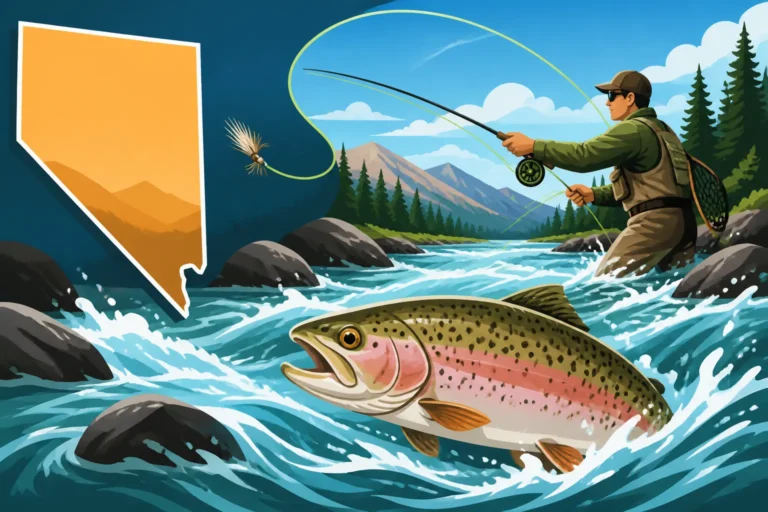
There's a classic debate among Nevada anglers, one that echoes across the clear mountain lakes and vast desert reservoirs: live bait or artificial lures for trout? It's a question that can spark lively conversations at any tackle shop counter, and for good reason. Many folks find themselves frustrated, sticking to one method only to see someone else just a few yards away pulling in fish using the other. This guide is all about breaking down that age-old dilemma, exploring the strengths of each approach, and helping you decide when and where to deploy your strategy for the best trout fishing success in the Silver State.
The Enduring Appeal of Live Bait for Nevada Trout
For generations, anglers have relied on live bait, and for many, it's the first thing that comes to mind when thinking about catching a trout. There's an undeniable effectiveness to it, especially when the fish are being finicky.
Why Live Bait Often Outperforms in Natural Scent and Action
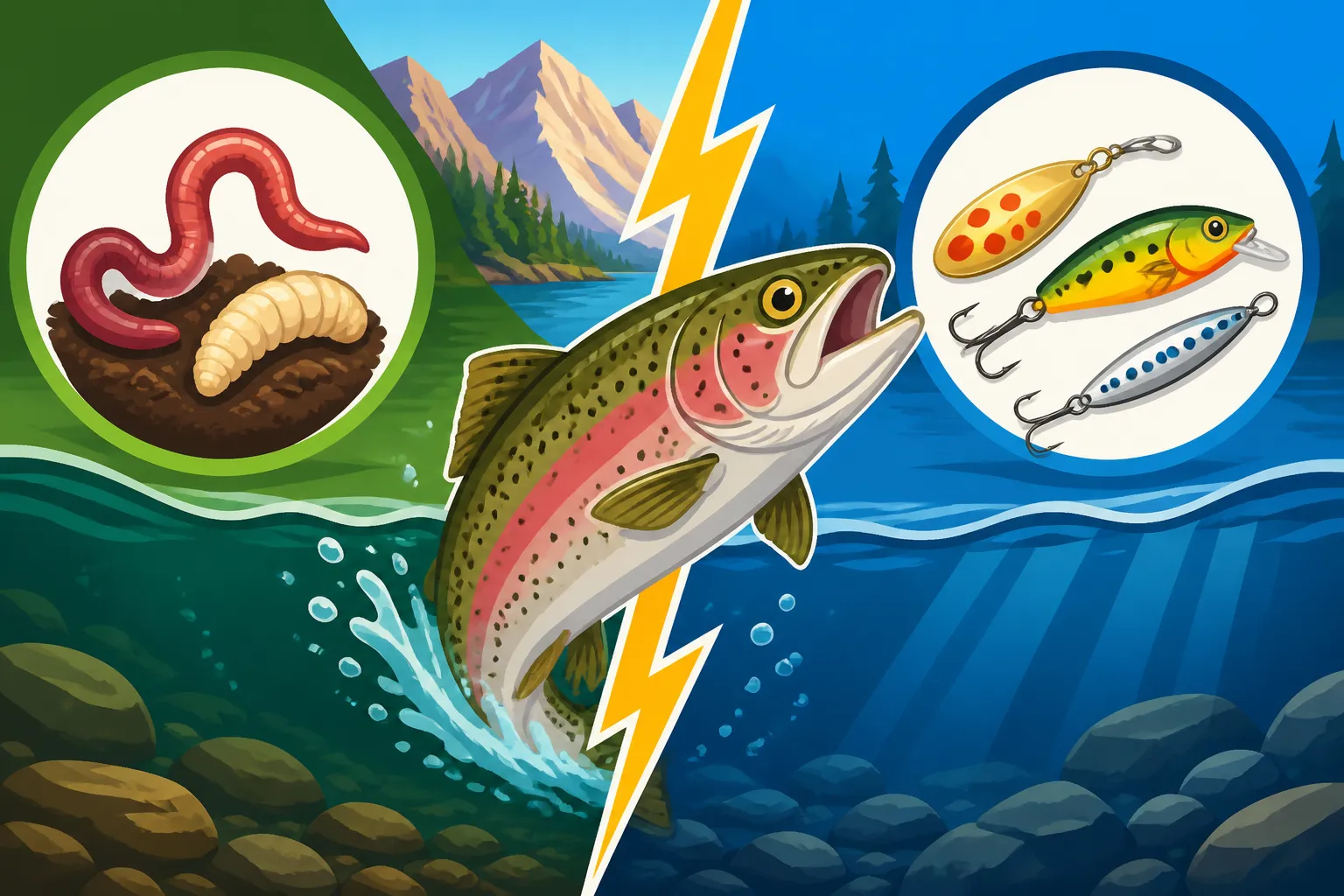
The primary magic of live bait lies in its authenticity. Unlike anything manufactured, live bait offers a complete sensory package that artificial lures simply can't perfectly replicate. Imagine a trout, inherently wary and accustomed to foraging for natural food sources. When a struggling nightcrawler or a plump mealworm drifts into its zone, the trout isn't just seeing a shape; it's smelling a meal, feeling the vibrations of natural movement, and experiencing a texture that feels perfectly normal when mouthed.
This natural scent dispersion is a huge advantage, particularly in murky water where visibility is reduced, or in colder conditions when a trout's metabolism slows down, making them less inclined to chase a fast-moving lure. A live bait slowly wiggling on the bottom or under a bobber emits a continuous plume of odor that can draw trout from a distance, appealing to their instinctual feeding urges even when they're not actively hunting. It's a subtle, yet powerful, attractant that plays directly into a fish's natural predatory and scavenging behaviors. The natural action, too, is key – an erratic twitch of a worm, the gentle flutter of a minnow's tail – these are movements no plastic or metal lure can truly mimic perfectly, making live bait incredibly enticing.
Popular Live Bait Options and Their Applications
When it comes to live bait, you've got a few go-to choices that consistently produce results for trout across Nevada's diverse waterways. Each has its own best practices for rigging and presentation.
Nightcrawlers and Worms: These are arguably the most classic and versatile trout baits. A plump nightcrawler, threaded onto a hook to allow for some natural movement, is almost irresistible to a cruising rainbow or brown trout. You can fish them on the bottom with a small weight, letting their scent spread, or suspend them under a bobber in still water. For smaller trout, or in urban ponds like those in the Las Vegas Nevada Urban Pond Fishing Guide, smaller red worms or pieces of nightcrawler can be incredibly effective. The key is often to use just enough worm to cover the hook and still allow for maximum wiggling action.
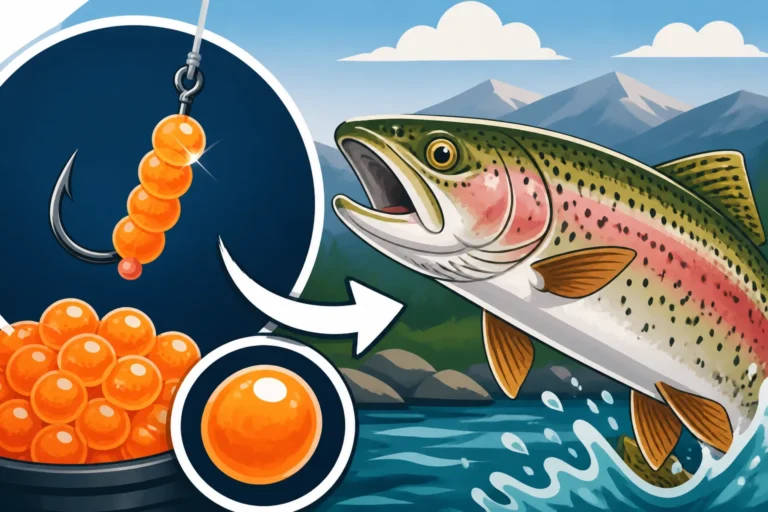
PowerBait and PowerEggs: While not "live" in the biological sense, these dough-based baits are engineered to perfectly replicate the scent, flavor, and texture of fish eggs or natural forage, making them behave almost like live bait in terms of attraction. Brands like Berkley PowerBait come in a dizzying array of colors and scents, and they float, which is a huge advantage. Anglers often mold PowerBait around a small treble hook, allowing it to suspend just off the bottom, right in a trout's strike zone. PowerEggs are similar but offer a more natural, egg-like presentation. These are particularly lethal in highly stocked waters where trout are accustomed to hatchery feed or have developed a preference for these strong attractants. Many local Nevada tackle shops, and even big box stores, carry a wide selection, and you can always find a good variety on Amazon if you prefer shopping online.
Salmon Eggs: These are a time-tested classic, especially for stream trout or freshly stocked fish. Their vibrant color and natural scent make them highly visible and appealing. You can fish them individually or in clusters, often drifted naturally with the current in a river or suspended under a tiny bobber in a lake. They are especially effective when trout are keying in on natural spawn.
Minnows: While less commonly used for general trout fishing in Nevada than worms or PowerBait, small live minnows can be incredibly effective for targeting larger, more predatory trout, especially brown trout or big Mackinaw (lake trout). Rigged carefully through the lips or dorsal fin on a small hook, and fished under a bobber or slowly trolled, their natural swimming action can draw aggressive strikes from trophy-sized fish. Be sure to check Nevada Fishing Regulations Explained regarding the use of live baitfish, as rules can vary by water body to prevent the spread of invasive species.
The Strategic Advantages of Artificial Lures for Trout
On the other side of the spectrum, artificial lures offer a different set of benefits, appealing to a trout's aggressive instincts and allowing anglers to cover water more efficiently.
Versatility, Durability, and Cover for Ground
Artificial lures excel in situations where you need to search for active fish or where you want to elicit a reaction strike rather than waiting for a fish to commit to a slow-moving bait. Their design allows for long, accurate casts, enabling an angler to cover vast expanses of water from shore or from a boat. This is particularly useful in larger bodies of water like Lake Tahoe Nevada Fishing Guide or larger reservoirs where trout might be scattered.
Lures are also incredibly durable. You're not constantly re-baiting a hook after every cast or every nibble. This means more fishing time and less fuss. They're also much cleaner to handle than live bait, which can be a real plus for many anglers. The sheer variety in artificial lures is staggering, offering endless options in terms of size, shape, color, and action, allowing you to "match the hatch" or experiment until you find what the fish are responding to on any given day. If the trout are active and aggressive, chasing down prey, a properly presented artificial lure can be absolutely deadly.
Top Artificial Lures for Nevada Trout
When you venture into the world of artificial lures for Nevada trout, you'll find a few types that rise to the top as consistent producers.
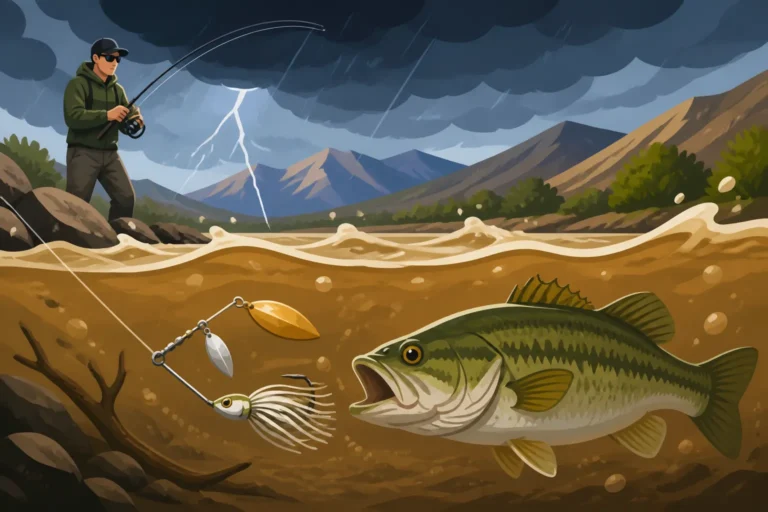
Spinners: These are a staple for trout anglers worldwide, and for good reason. Brands like Mepps, Panther Martin, and Roostertail are legendary. Spinners work by rotating a small blade around a central shaft, creating flash and vibration in the water that mimics fleeing baitfish or insects. They are incredibly effective in rivers and streams, such as the Truckee River Fishing Near the Nevada Line, as well as in lakes. The key is to retrieve them at a speed that keeps the blade spinning consistently. Different blade colors (silver, gold, copper, painted) and body dressings (feathers, synthetic fibers) can make a huge difference depending on water clarity and light conditions.
Spoons: Metal spoons, like the classic Kastmaster or Little Cleo, are designed to wobble and flash as they're retrieved, imitating wounded baitfish. They cast a mile and are effective for covering lots of water, especially from shore or when trolling from a boat. Their erratic action can provoke aggressive strikes from trout that might ignore more subtle presentations. Varying your retrieve speed and adding pauses can often trigger a follow-up bite. Spoons come in a range of weights and sizes, allowing you to target different depths and adjust for windy conditions.
Small Crankbaits: While often associated with bass, smaller crankbaits (think Rapala Countdown or Rebel Wee-Crawfish) can be incredibly effective for trout, especially brown trout that often prey on smaller fish and crayfish. These lures dive to a specific depth when retrieved, offering a lifelike swimming action. Their internal rattles can add an extra element of attraction, especially in stained water. Matching the size and color to local baitfish or insects can be crucial for success.
Soft Plastics: Often fished on a small jig head, soft plastics designed for trout include tiny worms, grubs, and tubes. These can be incredibly versatile, allowing for a subtle presentation that mimics various natural food sources. Fished with a slow retrieve, jigged gently, or drifted under a bobber, their soft, pliable texture and natural appearance can fool even the wariest trout. Colors can be experimented with, from natural earth tones to vibrant fluorescents, depending on the conditions and the trout's mood. Many anglers find these a great option for light tackle and finesse fishing. You can find a vast selection of these on Amazon, often in multi-packs, making it easy to stock up.
When to Choose Which: Matching Approach to Conditions
The real artistry in trout fishing often comes down to knowing when to reach for your live bait bucket and when to tie on a flashy lure. It's rarely a one-size-fits-all situation.
Situations Where Live Bait Shines
There are definitely times and places where live bait will consistently outperform artificials. These are often scenarios where trout are less active, more cautious, or accustomed to a specific type of forage.
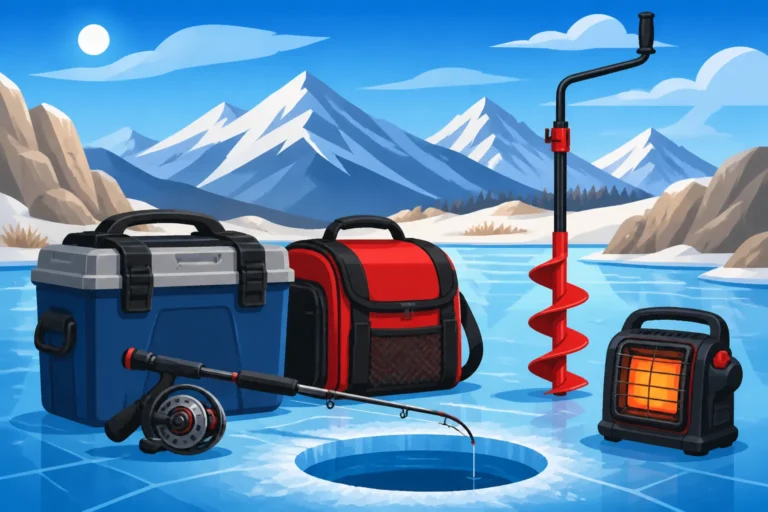
Cold Water or Slow Bites: When water temperatures drop, trout metabolism slows down, and they become less inclined to chase a fast-moving lure. In these conditions, a slow, natural presentation with live bait becomes incredibly effective. A worm or PowerBait sitting passively on the bottom, slowly releasing scent, can be just the enticement needed to trigger a bite from a sluggish fish. This is particularly true during the colder months, or in deeper, cooler parts of lakes during summer.
Heavily Pressured Fish: Trout in popular, easily accessible fishing spots, especially those near urban centers or in well-trafficked areas, often become "lure shy." They've seen every spinner, spoon, and jig in the book. In these scenarios, the natural look, smell, and feel of live bait can be the trick to fooling these educated fish. The authenticity of live bait bypasses their learned wariness. For example, in the many urban ponds that the Nevada Department of Wildlife (NDOW) stocks, where trout see a lot of angler traffic, a simple PowerBait or a piece of worm can be the most reliable option.
Newly Stocked Ponds and Murky Water: Freshly stocked trout, often raised on commercial pellets, have a strong feeding response to anything that smells like food. PowerBait, in particular, mimics their hatchery diet and often leads to immediate success. In murky or stained water, where visibility is poor, the scent trail of live bait is paramount. Fish can't see your lure, but they can definitely smell your nightcrawler, guiding them right to your hook.
Targeting Larger, More Wary Trout: While not always the rule, some larger, more experienced trout in natural systems become incredibly adept at avoiding artificial lures. They’ve learned to distinguish between a natural meal and a piece of metal or plastic. A live minnow or a perfectly presented nightcrawler, offering a substantial and natural meal, can be what finally convinces that trophy trout to strike. This often applies to wild brown trout or larger native cutthroat in certain waters, though it's important to remember that some of these species have very specific regulations, such as those covered in the Pyramid Lake Fishing Permit Guide and Pyramid Lake Season and Bag Limit Rules, which might restrict bait use.
Situations Where Artificial Lures Take the Lead
Conversely, there are many scenarios where artificial lures are the superior choice, allowing for greater efficiency and appealing to a trout's aggressive nature.
Active Fish and Feeding Frenzies: When trout are actively feeding, chasing baitfish, or rising to insects, a well-presented artificial lure can be incredibly effective. The flash and vibration of a spinner or spoon can trigger a reaction strike from fish that are already in a predatory mood. If you see fish actively splashing or jumping, it's often a sign that they're willing to chase, making lures a fantastic option.
Clear Water and Covering Large Areas: In very clear waters, trout rely heavily on their eyesight. A highly realistic lure, or one with an enticing flash, can be seen from a long distance. Furthermore, if you're trying to locate schools of fish in a large lake or reservoir, the ability to cast a lure a great distance and retrieve it efficiently allows you to cover a significant amount of water quickly. This is a game-changer when you're searching for fish rather than waiting for them to come to you.
Aggressive Strikes and Reaction Bites: Sometimes, fish aren't necessarily hungry, but they can be provoked into striking out of aggression or territoriality. The erratic, unpredictable movement of a spoon or a quick-darting crankbait can trigger these "reaction strikes" even from otherwise disinterested trout. This is a tactic often employed for larger, more territorial trout.
Catch and Release: For anglers who practice catch and release, especially when targeting sensitive species or in waters with strict regulations, artificial lures, particularly those with single, barbless hooks, are often preferred. Nevada Barbless Hook and Bait Rules apply in some areas. Fish tend to strike lures more aggressively and are often hooked in the mouth, making for easier and less damaging unhooking, which significantly improves their survival rate. This is critical for waters focused on conservation, like those that protect the Lahontan cutthroat trout. Learn more about proper handling in our guide on Catch and Release Techniques for Trout.
The Hybrid Approach: Combining Live Bait and Lures
Sometimes, the best strategy isn't about choosing one or the other, but intelligently blending both approaches to maximize your chances. The hybrid method often takes advantage of the best characteristics of both bait and lures.
Tipping Lures with Live Bait for Added Attraction
This technique is a fantastic way to bridge the gap between artificial and natural. By "tipping" an artificial lure with a small piece of live bait, you're essentially adding the irresistible scent and natural texture of bait to the visual appeal and action of a lure. Think about putting a small piece of nightcrawler on a jig head, or a salmon egg on a small spoon.
The artificial lure provides the flash, vibration, and castability to cover water and draw attention, while the live bait provides that crucial natural scent and taste profile that can convince a hesitant trout to fully commit to the strike. This combination can be particularly effective when trout are somewhat active but still a bit wary, or when you're trying to tempt a larger, more cautious fish that might follow a lure but hesitate to strike. It's often the perfect solution for those in-between days when fish aren't quite aggressive enough for pure lures but aren't completely sedentary either. The added scent can also help fish find the lure more easily in stained water.
Running Parallel: Setting Up Both Options
Another effective hybrid strategy is to run both live bait and artificial lures simultaneously, if regulations allow for multiple rods. This is a common tactic for boat anglers, but can also be done from shore if you have the space and gear. For instance, you might set one rod with a PowerBait rig on the bottom or suspended under a bobber, letting it sit and release its scent, while actively casting and retrieving a spinner or spoon with another rod.
This "parallel play" allows you to effectively test different presentations and depths at the same time. If fish are cruising deep and looking for a slow meal, the bait rod might get hit. If they're actively chasing in the upper water column, the lure rod will likely see action. It's a fantastic way to quickly determine what the fish are keying in on that day without wasting valuable fishing time switching out tackle. It doubles your chances and helps you adapt to changing conditions much faster. Plus, it's just plain fun to have two lines working!
Essential Gear Considerations for Both Methods
No matter your preference, having the right gear makes all the difference. Trout fishing, particularly for some of the more subtle bites, requires a thoughtful approach to rods, reels, line, and tackle storage.
Rods, Reels, and Line for Sensitive Trout Bites
When targeting trout with either live bait or artificials, sensitivity is often paramount. Trout mouths can be soft, and their bites can be incredibly subtle, especially in cold water.
Rods: A light to ultralight spinning rod, typically 5 to 7 feet long, with a fast or moderate-fast action, is ideal. These rods offer the sensitivity to detect delicate bites and the flexibility to absorb the sudden runs of a fighting trout without breaking light lines. For lure fishing, a slightly stiffer rod can help with casting accuracy and working lures effectively. For bait fishing, a more parabolic (bends throughout) action can be great for soaking bait. You can find excellent options for various budgets, including many on Amazon, that fit the bill as Best Fishing Rods for Nevada Lakes.
Reels: Pair your light rod with a small spinning reel (e.g., 1000 to 2500 series). Look for smooth drag systems, which are crucial when fighting strong trout on light line. A good retrieve ratio helps when working lures or quickly reeling in slack when a fish takes off. For a beginner, a decent quality rod and reel combo is a great way to start without breaking the bank.
Line: This is where stealth often plays a huge role. For trout, lighter line is generally better. 4 to 6-pound test monofilament or fluorocarbon is a popular choice. Fluorocarbon is nearly invisible underwater and has less stretch than mono, offering better sensitivity, making it a favorite for many lure anglers. Braided line can be used, but many anglers opt for a fluorocarbon or monofilament leader because of braid's visibility and lack of stretch, which can pull hooks from soft-mouthed trout. The goal is to use the lightest line you can get away with for the fish size and cover you expect, ensuring a natural presentation with bait and maximum action with lures.
Storage and Handling for Baits and Lures
Proper organization and storage are key to an enjoyable and effective fishing trip, especially in Nevada's often extreme weather conditions.
Live Bait Containers: If you're using worms or minnows, you need to keep them alive and healthy. A good worm container with bedding (like peat moss or shredded newspaper) kept in a cool, shaded spot is essential. For minnows, a bait bucket with an aerator is critical, particularly on hot days or if you're out for an extended period. Keeping bait cool is paramount to its longevity. A small cooler specifically for your bait can be a lifesaver.
Tackle Boxes and Lure Organization: For lures, a well-organized tackle box or tackle bag is a must. Compartmentalized boxes keep spinners from tangling, spoons from scratching, and soft plastics from melting together (which can happen in the Nevada sun!). Having a dedicated section for your trout specific lures – different sizes, colors, and types – will save you time and frustration on the water. Many anglers find compact, easy-to-carry Best Tackle Box Setup for a Day on the Water incredibly useful, especially if they're moving between different fishing spots. Brands like Plano and Ugly Stik offer fantastic options available at most sporting goods stores and, of course, on Amazon. Proper organization also helps you quickly adapt to changing conditions, as you can easily swap out lures until you find what's working.
Local Regulations and Ethical Angling
Before you even make your first cast, it's crucial to be fully aware of Nevada's fishing regulations. These rules are in place for a reason: to protect our precious fisheries and ensure sustainable angling for everyone.
Understanding Nevada's Rules on Bait and Lures
Nevada's fishing regulations can vary significantly from one body of water to another, and ignorance is no excuse. Always consult the current Nevada Department of Wildlife (NDOW) fishing guide before heading out. You can find this online or pick up a physical copy at most license vendors.
Bait Restrictions: Some waters prohibit the use of live bait, especially where there are sensitive native fish populations or a risk of introducing invasive species. For example, certain high-mountain lakes or specific sections of rivers might be restricted to artificial lures and flies only. Pyramid Lake Fishing Permit Guide clearly outlines regulations specific to that unique fishery, including bait restrictions and slot limits for Lahontan cutthroat trout. Similarly, Nevada Barbless Hook and Bait Rules are in effect in specific areas to minimize harm to fish. Always double-check these details to avoid fines or unintended harm to the fishery.
Hook Types and Limits: Beyond bait, there might be regulations on the number of hooks per line, or a requirement for single, barbless hooks. This is often tied to catch-and-release practices. It's your responsibility to know these rules.
Daily Limits and Seasons: Of course, always be aware of the daily possession limits for trout, which can vary by species and water body. Some waters might also have specific Nevada Fishing Season Dates and Limits. The NDOW publishes these details every year, and it's your primary source for accurate, up-to-date information.
Practicing Responsible Catch and Release
For many, trout fishing is about the experience, and responsible angling means minimizing harm to the fish you don't intend to keep. The method you choose – live bait or artificial lures – can impact a fish's survival after release.
Impact of Bait/Lure Types:
- Live Bait: Trout are more likely to swallow live bait deeply, leading to gut hooking. This can be fatal, even if you try to carefully remove the hook. If you're using live bait and plan to release fish, consider using circle hooks, which are designed to hook fish in the corner of the mouth, or be prepared to cut the line if the fish is deeply hooked rather than trying to remove the hook.
- Artificial Lures: Fish tend to strike lures more aggressively and are often hooked in the mouth, making for easier and less damaging unhooking. Using single, barbless hooks on your lures further minimizes trauma and makes for quicker release. This is why lures are often preferred in areas where catch and release is mandatory or highly encouraged.
Best Practices for Handling Trout:
No matter what you use, proper fish handling is crucial. Wet your hands before touching a fish to protect its slime coat. Avoid squeezing fish or putting your fingers in their gills. Support their body weight horizontally, and use a net designed for catch and release (rubberized mesh is best as it's gentle on fish and prevents hooks from tangling). Get the hook out quickly and gently, or cut the line if it's too deep. If the fish is struggling, hold it gently in the water, facing upstream, until it swims away under its own power. These simple steps, outlined in detail in guides like Catch and Release Techniques for Trout, significantly increase a fish's chances of survival.
Comparison of Live Bait vs. Artificial Lures for Nevada Trout
To help you quickly weigh the pros and cons, here's a handy comparison table:
| Feature | Live Bait (e.g., worms, PowerBait) | Artificial Lures (e.g., spinners, spoons) |
|---|---|---|
| Scent/Taste | High natural appeal, continuous scent dispersion. | None or manufactured attractants (some scented lures). |
| Action | Natural, subtle movements, can be still. | Predetermined, often erratic; requires angler input. |
| Effectiveness | Excellent for wary, sluggish, or newly stocked fish; often triggers bites in tough conditions. | Great for active, aggressive fish; triggers reaction strikes. |
| Versatility | Limited to specific bait types; less effective for covering large areas quickly. | Wide variety; excels at covering water and searching for fish. |
| Durability | Must be replaced frequently; susceptible to nibbles. | Very durable; can be used repeatedly without replacement. |
| Cleanliness | Can be messy to handle and store. | Generally clean and easy to handle. |
| Catch & Release | Higher risk of deep hooking; requires more careful handling. | Lower risk of deep hooking; ideal with single barbless hooks for quick release. |
| Cost | Ongoing cost for fresh bait. | Higher initial cost, but reusable for long periods. |
| Regulations | Often subject to specific restrictions (e.g., bait bans, barbless rules). | Generally fewer restrictions, but hook type rules apply. |
Disclaimer
The information provided in this guide is for general informational purposes only and is subject to change. Fishing regulations, season dates, and limits are set by the Nevada Department of Wildlife (NDOW) and can vary by location and time of year. Always consult the most current official NDOW fishing regulations before engaging in any fishing activities. Adherence to all local, state, and federal laws is the responsibility of the angler.