Fishing After a Nevada Cold Front
There’s nothing quite as frustrating as planning a much-anticipated fishing trip to one of Nevada’s beautiful lakes or rivers, only to wake up to a sudden, biting cold front. That crisp, clear air might feel invigorating to you, but to the fish, it’s a whole different story, often shutting down what was a hot bite just hours before. This guide is here to help you understand exactly what happens beneath the surface when a cold front hits and, more importantly, how to adapt your strategies to still find success on the water, even when the fish are feeling finicky.
Understanding the Impact of a Cold Front on Nevada Fishing
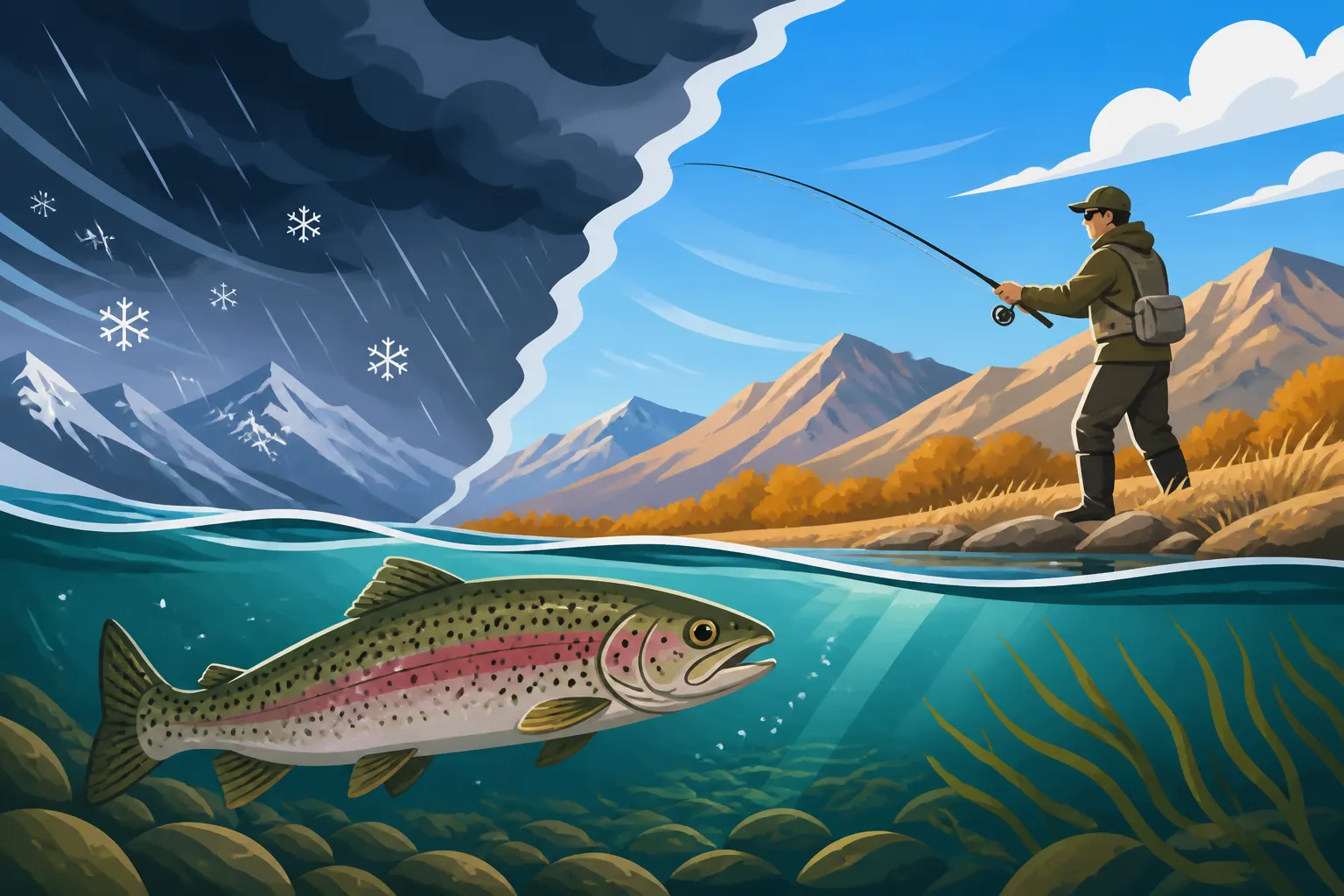
When a cold front sweeps through the Silver State, it’s not just the air temperature that changes. A cascade of events occurs, from atmospheric pressure shifts to plummeting water temperatures, all of which profoundly influence how fish behave. It can feel like the fish have vanished overnight, but they haven't; they've simply changed their habits.
The Science Behind the Chill: How Barometric Pressure Affects Fish
One of the most immediate and significant impacts of a cold front is the change in barometric pressure. Before a front arrives, you often experience a period of falling pressure, which can actually trigger a feeding frenzy as fish sense the impending change. It's often during this "pre-front" stage that you'll have some of your best fishing days.
However, once the cold front passes, the high-pressure system that follows often brings clear skies and stable, but high, atmospheric pressure. This sudden increase in pressure can be quite jarring for fish. Their swim bladders, which are gas-filled organs used for buoyancy control, are highly sensitive to these changes. Imagine being on Lake Mead, the wind suddenly shifts, and the air feels heavy – fish feel this dramatically. They often respond by seeking deeper water where the pressure is more stable and less noticeable, or by simply becoming less active and more lethargic, making them harder to entice. This is a common frustration, especially when fishing for species like trout or bass in open waters where they have room to move and find comfort.
Water Temperature Drops and Fish Metabolism
The visual cues of a cold front, like chilly air and perhaps even ice on your windshield, mean colder water is on its way. Even a drop of a few degrees can be significant, especially in shallower waters. As water temperatures fall, the metabolism of cold-blooded fish slows down dramatically. Just like you might feel sluggish on a cold day, fish become less active, their digestive processes slow, and their need to feed diminishes.
This metabolic slowdown affects different species in various ways. Warm-water species like largemouth bass or catfish might become incredibly lethargic, hunkering down in the warmest available water they can find, often near the bottom or in dense cover. Trout, which prefer cooler water, might still be active but will also seek out the most stable temperatures. For example, a sharp cold snap affecting the relatively shallow urban ponds around Las Vegas will have a more immediate and drastic effect on the local rainbow trout population than it might on the deep-dwelling Mackinaw trout in the vast, deep waters of Lake Tahoe, which are less susceptible to surface temperature fluctuations. Understanding these shifts is key to knowing where and how to present your bait.
Changes in Forage Behavior and Location
Fish don't just react to the cold directly; their food sources do too. Baitfish, insects, and other invertebrates, which make up the diet of most game fish, also react to temperature drops. Smaller baitfish might seek deeper water or denser cover to escape the cold. Invertebrates become less active, reducing their availability as easy meals.
This change in forage behavior means that even if a game fish is willing to eat, its usual buffet might have moved or become less appealing. They might not chase a fast-moving lure because their prey isn't moving fast, or because they simply don't have the energy to pursue it. Predators, therefore, have to adjust their hunting strategies, often becoming more opportunistic and less aggressive. You might find that the schools of shad you were marking on your fish finder before the front have now dispersed or moved to a different depth, forcing you to rethink your approach entirely.
Adapting Your Approach: Where to Find Fish After a Cold Front
Once you understand why a cold front impacts fishing, the next step is adapting where you fish. The good news is that fish are creatures of habit, and their reactions to cold fronts are often predictable. It’s about knowing what kind of refuge they seek.
Deeper Waters and Thermal Sanctuaries
When surface temperatures drop and atmospheric pressure increases, fish will almost universally seek out deeper water. Why? Because deeper water tends to have more stable temperatures. While the surface might cool rapidly, the water 20, 30, or even 50 feet down will change much more slowly, offering a thermal refuge. This stability is incredibly important for their comfort and survival.
Therefore, your first adjustment should be to target areas that offer access to deeper water. Look for prominent drop-offs, submerged points, ledges, and channels. If you’re fishing a large reservoir like Lake Mohave for striped bass, a cold front means you'll likely need to focus your efforts on those deeper main-lake channels and steep bluffs where schools of stripers can comfortably hold. Areas with significant depth changes, even if they are close to shore, become prime targets. These spots act as natural thermal sanctuaries where fish can escape the rapid fluctuations of the surface.
Seeking Out Sunny Sheltered Areas
While deep water is a common retreat, don't completely abandon shallower areas, especially if they offer specific advantages. After a cold front, especially on bright, sunny days that often follow, fish can be drawn to shallower areas that receive direct sunlight. These sun-exposed zones, particularly those with dark rock or mud bottoms, can warm up a few crucial degrees more quickly than other areas.
Look for northern banks (in the northern hemisphere, these receive the most direct sun), shallow coves protected from cold winds, or rock walls that absorb and radiate heat. A great example of this phenomenon can be seen on Lake Mead. After a chilly night, the early morning sun hitting a dark rock wall or a shallow, sheltered cove can draw in species like bass or even some trout looking to warm up just enough to become active. These spots offer a temporary boost in comfort and can present brief feeding windows, especially during the warmest parts of the day.
Structure and Cover as Cold-Weather Havens
Regardless of depth, structure and cover become even more critical after a cold front. Fish, feeling vulnerable and lethargic, will cling tightly to anything that offers protection, camouflage, and a sense of security. This could be anything from submerged timber, rock piles, ledges, brush piles, or even man-made structures like docks, bridge pilings, and dam faces.
These elements provide more than just shelter; they offer ambush points if a meal happens to swim by, allowing fish to conserve energy rather than actively hunting. Bass, in particular, will become incredibly tight-lipped and hold right against cover. Crappie will suspend within brush piles. Your presentations need to be precise, slow, and right in their face. Think about those sunken Christmas trees in some of Nevada's urban ponds – after a cold front, they become fish magnets. Targeting these types of structural elements, regardless of whether you're fishing a vast lake or a small pond, is a consistent strategy.
Lure and Bait Strategies for Post-Front Conditions
Once you’ve pinpointed where the fish are likely hiding, the next challenge is convincing them to bite. Their metabolism is slow, their energy levels are low, and they’re likely feeling sensitive to their surroundings. This means your usual fast, aggressive presentations might need to be put on hold.
Downsizing and Slowing Down Your Presentation
This is perhaps the most crucial adjustment you can make. When fish are lethargic, they are rarely willing to chase down a fast-moving, oversized meal. Instead, they prefer something small, easy to catch, and presented directly in their strike zone. This calls for finesse techniques. Think small jigs, shaky heads, Ned rigs, or small spoons.
The key is to slow everything down. Instead of rapidly retrieving a crankbait, try twitching a jig or worm along the bottom with long pauses. If you're using a spinnerbait, slow-roll it just above the structure. Lighter line can also be beneficial in these clear, post-front conditions, as it’s less visible to wary fish. A good quality 6 lb fluorocarbon line, which you can easily find on Amazon, offers low visibility and good sensitivity, helping you detect those incredibly subtle bites. Remember, fish are not actively feeding; you’re trying to coax a reaction strike or present something so effortlessly appealing that they can’t resist.
The Power of Scent and Natural Baits
When a fish's metabolism is sluggish, its senses might be heightened to detect food that requires minimal effort. This is where scent and natural baits truly shine. A fish might not be visually stimulated by a fast-moving lure, but it can certainly smell a tempting meal nearby.
Live bait like nightcrawlers, minnows, or even local aquatic insects can be incredibly effective. Their natural movement and scent are often irresistible to even the most inactive fish. If live bait isn't an option, heavily scented artificial baits can work wonders. Products like PowerBait for trout or Gulp! baits for bass and other species release a powerful scent trail that can draw in fish from a distance, or at least encourage them to hold onto the bait longer once they pick it up. Imagine you're trying to catch stocked trout in a Las Vegas urban pond after a chilly night; a small ball of PowerBait fished on a tiny hook near the bottom might be the only thing they'll bother to nibble. The added scent provides that extra trigger when fish aren't actively hunting.
Subtle Colors and Natural Patterns
The clear skies that often follow a cold front can lead to clearer water conditions. In these high-visibility situations, fish become more wary and can easily spot unnatural colors or patterns. This means it’s often best to stick with subtle, natural colors that mimic the local forage.
Think muted greens, browns, grays, or transparent patterns that blend into the environment. If you’re targeting trout, consider natural insect patterns or baitfish colors like silver and olive. For bass, shad patterns, crawfish imitations, or dark jigs can be effective. Avoid overly bright or flashy colors unless you're trying to trigger a reaction strike in specific scenarios, but generally, a more subdued approach is best. Lures from brands like Rapala or Berkley often have excellent natural finishes, and you can find a wide selection of them on Amazon that mimic local baitfish. The goal is to present something that looks as realistic and non-threatening as possible, fooling the fish into thinking it’s an easy, natural meal.
Essential Gear and Safety Considerations for Cold Front Fishing
Beyond changing your tactics, preparing yourself and your gear for cold front conditions in Nevada is absolutely vital. The desert can be unforgiving, and rapid temperature drops or sudden wind shifts can quickly turn a pleasant day into a dangerous one if you’re not prepared.
Layering Clothing and Staying Warm
This is non-negotiable for comfort and safety. The air can be crisp, and the wind can be brutal, especially on large, open bodies of water like Lake Mead or Pyramid Lake. Proper layering allows you to adjust to fluctuating temperatures throughout the day. Start with a moisture-wicking base layer to draw sweat away from your skin. Add an insulating mid-layer, like fleece or down, to trap warmth. Top it off with a waterproof and windproof outer shell to protect against the elements.
Don't forget your extremities! A warm hat is crucial as you lose a lot of heat through your head. Insulated, waterproof gloves will keep your hands nimble enough to tie knots and handle fish. Good quality, insulated boots are also a must, especially if you're bank fishing on potentially muddy or cold shores. Many anglers underestimate how quickly the cold can sap their energy and focus, leading to mistakes. You can find excellent options for all these layers by searching for "cold weather fishing gear" on Amazon, ensuring you're ready for whatever Mother Nature throws at you.
Navigation and Weather Monitoring
While you might be focused on fish, paying attention to the skies is paramount. Nevada's weather can change in an instant, especially in mountainous regions or vast desert landscapes. Before you even head out, check the detailed weather forecast, paying close attention to wind speed and direction, potential for precipitation, and temperature fluctuations throughout the day.
On the water, always have reliable navigation tools, whether it’s a GPS unit, a map, or a fully charged smartphone with mapping apps. Fog can roll in quickly after a cold front, especially over water, reducing visibility to near zero. High winds can also kick up unexpectedly, turning calm waters into dangerous chop. Knowing when to call it a day and head back to shore is a critical judgment call that could save your life. Never push your luck, especially on large, exposed lakes. You'll find that many experienced anglers consider constant weather monitoring as essential as their Nevada Fishing Gear Essentials.
Boat Safety and Cold Water Awareness
For those venturing out in a boat, cold front conditions amplify existing risks. Cold water immersion is a serious danger. Even if the air temperature isn't freezing, the water temperature can be lethally cold. A sudden fall overboard in cold water can quickly lead to hypothermia, impairing your ability to swim or even call for help.
Always wear a life jacket, even if you’re an experienced swimmer. Modern life jackets are comfortable and don't impede fishing. Ensure your boat's safety equipment is up to par: working lights, a horn, throwable flotation devices, and a fully charged battery. Tell someone where you're going and when you expect to return. If you're considering Nevada Boat Registration for Anglers, remember that proper safety equipment and knowledge are part of responsible boating. A cold front isn't just about fish; it's about respecting the power of nature and ensuring you're prepared for the worst-case scenario.
Species-Specific Tactics After a Nevada Cold Front
While general principles apply, understanding how specific species react to a cold front can further refine your approach. Each fish has its own nuances, and adapting your tactics for trout, bass, or striped bass can significantly increase your chances of success.
Trout: Slow & Deep or Sun-Warmed Shallows
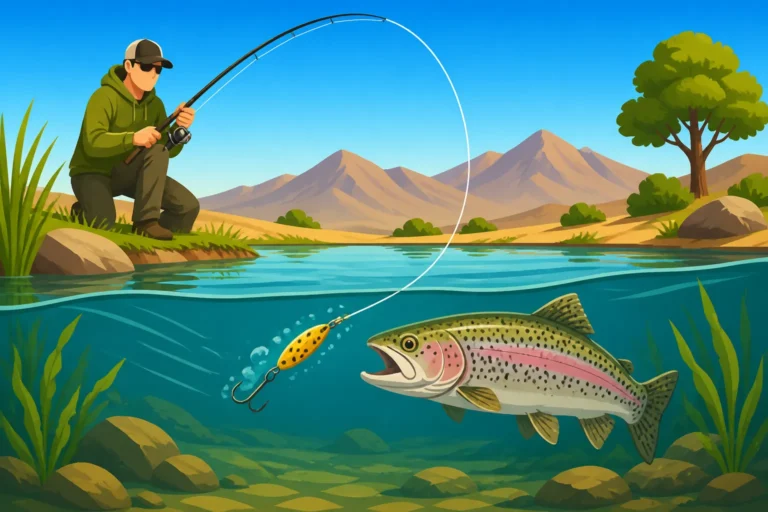
Trout, especially rainbow and brown trout, are often stocked in many Nevada waters and can be quite active in cold water. However, a sharp cold front still slows them down. After the front passes, you'll often find them in two primary locations:
- Deep and Stable: Larger, wilder trout in bigger lakes or rivers will often retreat to deeper, more stable thermal layers. Focus on fishing the bottom or just off the bottom in 20-40 feet of water, especially near drop-offs or submerged structures. Small spoons, jigs, or slow-trolled presentations become effective. A light line is key for sensitivity.
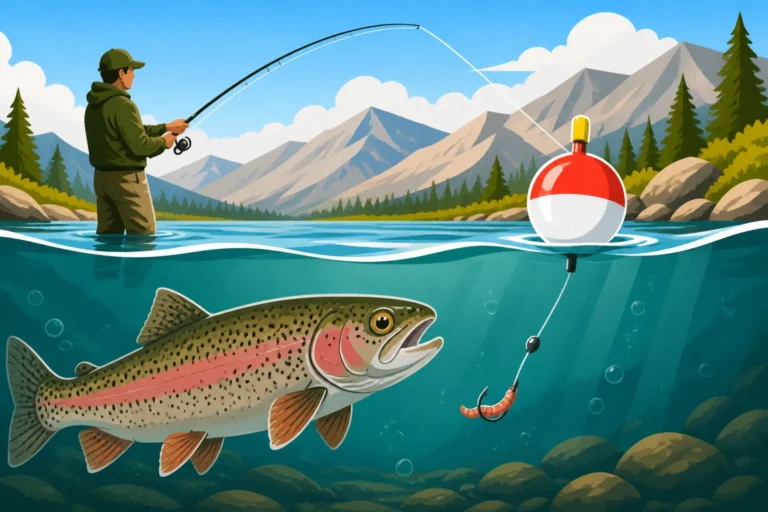
- Sun-Warmed Shallows: Stocked trout, particularly in smaller lakes and urban ponds, might seek out sun-warmed shallow areas, especially later in the day when the sun has had a chance to penetrate the water. Focus on shallow flats, coves, or areas with dark bottoms that absorb heat. For these fish, power bait, salmon eggs, or small worms fished under a bobber with a very slow drift can be deadly. Fly anglers might find success with small nymphs or midge patterns presented slowly. If you're looking for more detailed advice, check out our guide on How to Fish for Trout in Nevada.
Bass: Finicky in Structure
Both largemouth and smallmouth bass become notoriously finicky after a cold front. Their aggression vanishes, and they become far less willing to chase. They will hunker down tight to the densest available cover or structure, seeking protection and a stable environment.
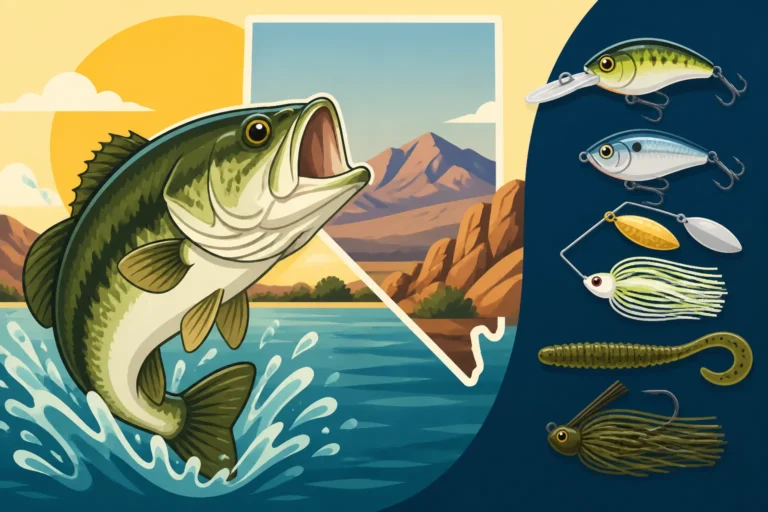
- Go Slow, Go Deep, Go Tight: The mantra for bass after a cold front is to fish extremely slowly and thoroughly. Target heavy cover like rock piles, brush piles, submerged timber, and deep ledges. Slow-moving baits are essential. Think jigs, creature baits, or finesse worms presented on a drop-shot or shaky head rig. You need to practically bump the fish on the nose with your lure to get a reaction.
- Target Mid-Day: Often, the warmest part of the day, from late morning to early afternoon, will be your best window. Even a slight increase in water temperature can make them marginally more active. Pay attention to how the sun hits the water. Understanding these subtleties is crucial to How to Fish for Bass in Nevada.
Striped Bass: Schooling and Deep
Striped bass, particularly in large reservoirs like Lake Mead or Lake Mohave, will also react strongly to cold fronts. While they might still be active, their behavior changes dramatically.
- Deep Schools: Stripers will often school up tightly in deeper water, sometimes suspended over channels or drop-offs, or holding near thermoclines if one exists. Locating these schools with a good fish finder is paramount.
- Vertical Presentations: Once you find them, vertical jigging with spoons or heavy swimbaits is a common and effective tactic. Slow-trolling live bait, like anchovies or shad, can also be highly productive, especially when fished at the depth where the fish are holding. Don't be afraid to experiment with different depths until you find the strike zone. Sometimes, they'll be suspended 50 feet down in 100 feet of water. Our comprehensive guide on How to Fish for Striped Bass in Nevada offers even more in-depth strategies.
Here's a quick summary table to help you adjust your strategy:
| Fish Species | Post-Front Behavior | Best Locations | Recommended Lures/Bait | Key Techniques |
|---|---|---|---|---|
| Trout | Lethargic, seeking stable temps or sun | Deep sections, sun-warmed coves, structure | PowerBait, worms, small jigs, nymphs, spoons | Slow retrieve, bottom fishing, bobber fishing |
| Largemouth Bass | Tightly holding to dense cover, inactive | Thick cover (brush, timber), deep rocky points | Jigs, creature baits, finesse worms (drop-shot, Ned) | Ultra-slow presentations, target mid-day, precise casts |
| Smallmouth Bass | Holding tight to rocky structure, sluggish | Deep rocky points, ledges, submerged humps | Tube jigs, small swimbaits, drop-shot worms | Slow hops, dragging, long pauses, thorough coverage |
| Striped Bass | Schooling tightly, often suspended in deeper water | Main channels, deep coves, near baitfish schools | Heavy spoons, swimbaits, live bait (anchovies, shad) | Vertical jigging, slow trolling, drift fishing |
| Catfish | Very slow, near bottom in warmest available water | Deep holes, channels, muddy bottoms | Cut bait, stink baits, worms | Bottom fishing, long soaks |
Remember, fishing after a cold front requires patience, perseverance, and a willingness to adapt. Don't let the weather deter you; instead, see it as an opportunity to hone your skills and learn more about the incredible fish of Nevada. Before you head out, always make sure you're up-to-date on the latest Nevada Fishing Regulations Explained to ensure a safe and legal trip. You can also explore our Best Places to Fish in Nevada guide for specific lake recommendations, or consult the Nevada Trout Stocking Schedule for recent stocking information. If you're planning for the ideal conditions, our Best Time of Year to Fish in Nevada resource might be helpful, but this guide ensures you're ready for the less-than-ideal days too!
Disclaimer
The information provided in this guide is for general informational purposes only and is not a substitute for professional advice. Fishing conditions and regulations can change rapidly. Always consult the official Nevada Department of Wildlife (NDOW) regulations before any fishing trip and prioritize safety on the water.