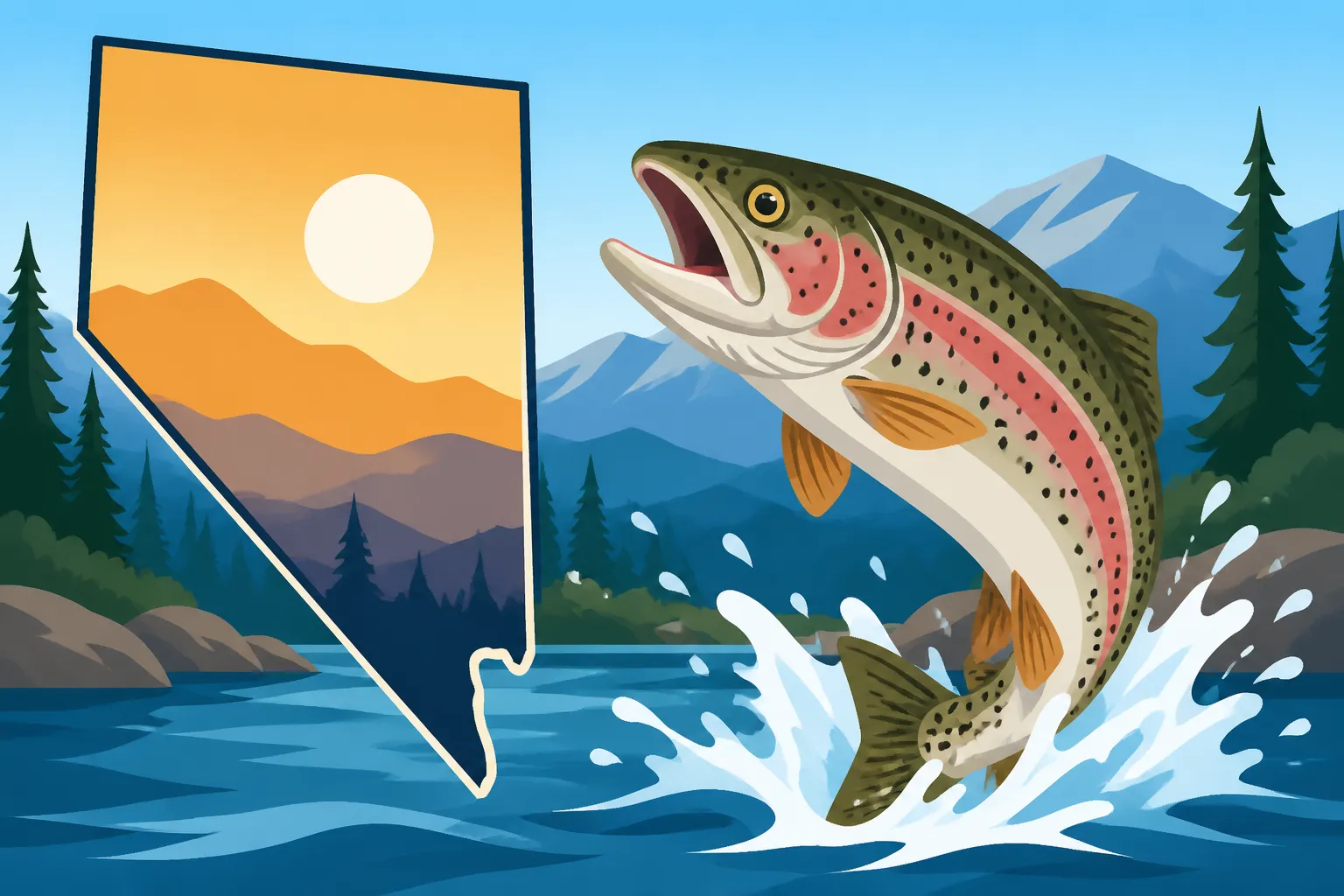
Nevada Trout Season Dates
One of the biggest head-scratchers for anglers looking to wet a line in Nevada is figuring out when, exactly, you can fish for trout. It can feel like a maze of rules, with some places open year-round and others slamming shut with the first snowfall or even for a specific spawn. If you've ever felt overwhelmed trying to pin down the elusive Nevada trout season dates, you're not alone. This guide is here to untangle that confusion, breaking down the general rules, key exceptions, and how to stay on the right side of the regulations so you can focus on the tug on your line.
Understanding Nevada's General Trout Season Philosophy
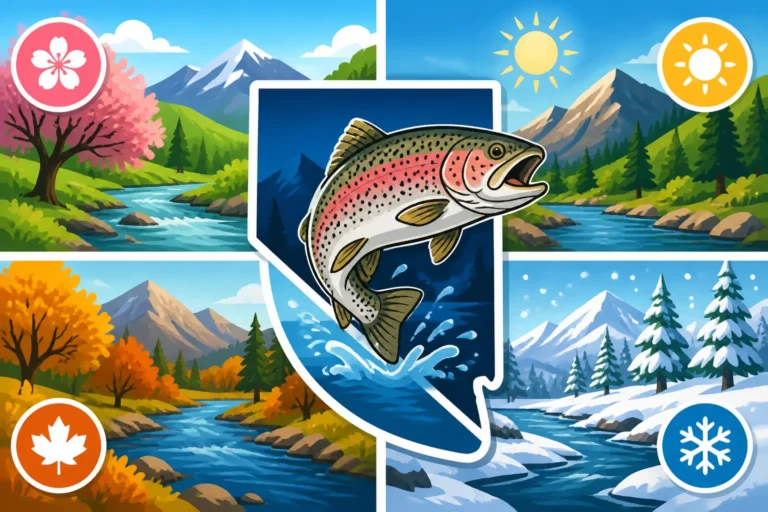
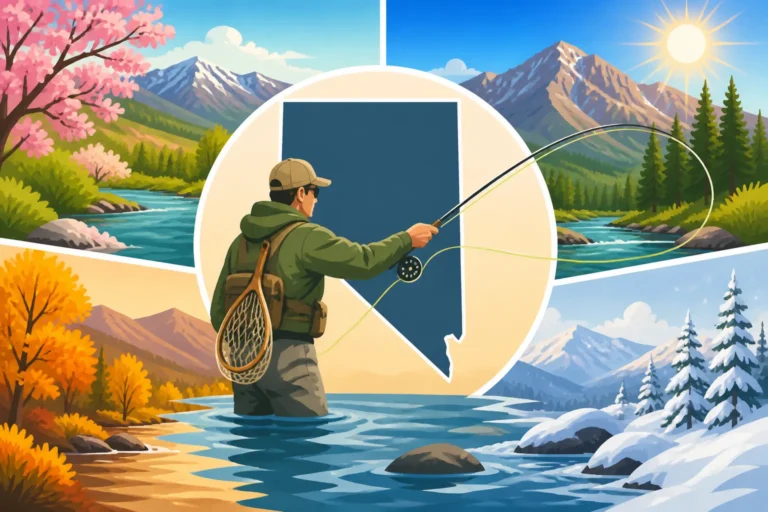
When you think of "trout season" in many states, you might picture a specific opening day in spring and a closing day in fall. But Nevada, with its incredible diversity of landscapes – from high desert to alpine mountains – approaches trout season with a blend of year-round accessibility and critical, localized closures. It’s not a one-size-fits-all situation, and understanding this underlying philosophy is the first step to becoming a successful Nevada trout angler.
The Year-Round Reality for Most Waters
For a good portion of Nevada's prime trout fisheries, the season is, refreshingly, open year-round. This might sound too good to be true, but it's largely thanks to the warmer, desert environments and the Nevada Department of Wildlife's (NDOW) robust stocking programs. Think of popular spots like many of the urban ponds in the Las Vegas and Reno areas, or even larger desert reservoirs such as Cold Springs Reservoir near Fallon or Rye Patch Reservoir. These waters typically don't experience the severe, prolonged ice cover that dictates seasons in more northern climates or higher elevations.
The year-round accessibility is a huge perk for both locals and visitors. It means you can plan a fishing trip almost any time the mood strikes, assuming weather conditions are favorable. However, while the season might be open, the fishing quality will absolutely fluctuate with the temperatures. Summer in the desert, for instance, often means focusing on early mornings or late evenings when the water is cooler, as detailed in guides like our tips on Summer Fishing Techniques for Hot Desert Lakes. NDOW keeps these waters stocked regularly, ensuring there's always a fresh batch of rainbow trout, and sometimes brown trout, ready for anglers.
Why Specific Waters Have Seasonal Closures
While many waters offer year-round trout action, it's crucial to understand that not all of Nevada's trout fisheries follow this rule. There are very important reasons why certain areas have strict seasonal closures, and these are often tied to conservation, fish spawning cycles, or simply access limitations due to extreme weather. Ignoring these closures isn't just bad for the fishery; it can also lead to hefty fines, as outlined in guides about Nevada Fishing Violation Penalties.
One primary reason for closures revolves around fish spawning. Many trout species, particularly wild populations in rivers and high-mountain lakes, have specific times of the year when they reproduce. Closing these areas to fishing during critical spawning periods protects the breeding fish and their eggs, ensuring the health and sustainability of future generations. Without these protective measures, sensitive wild trout populations could quickly decline. Another significant factor, especially in Nevada's higher elevations, is access. Heavy snowfall can make roads impassable for months, naturally closing off fishing opportunities. Rather than risking angler safety, NDOW often sets official closure dates that align with these predictable periods of inaccessibility, allowing nature to dictate the season.
Regional Differences in Trout Season Dates
Nevada is a state of incredible contrasts, from the scorching low deserts to the snow-capped peaks of the Sierra Nevada. This geographical diversity means that what applies to trout season in one part of the state might be completely irrelevant in another. To truly understand Nevada trout fishing, you need to think regionally. It’s not just about different fish; it’s about different climates and different rules.
Northern Nevada's Mountain Lakes and Streams
When you head into the higher elevations of Northern Nevada, particularly areas like the Ruby Mountains, the Jarbidge Wilderness, or the eastern slopes of the Sierra Nevada, you’re entering a completely different world of trout fishing seasons. Here, nature plays a much larger role in dictating when you can actually fish. Many of these pristine, high-mountain lakes and streams are only accessible for a limited window each year.
Typically, these high-elevation waters remain frozen and inaccessible under deep snow well into spring, often not becoming fishable until late May or even June, depending on the snowpack. The "season" truly begins with the ice-out and snowmelt, which can vary wildly from year to year. You might find enthusiastic anglers making their way in as soon as the passes open, eager for the first casts of the season. The season usually runs through the summer and into the fall, sometimes closing officially by November 15th, or simply becoming naturally inaccessible again with the return of heavy snow and ice. Our guide on Nevada Fishing Seasons by Month can offer more granular detail. These seasons are designed to protect the often wild and self-sustaining trout populations, giving them ample time to spawn without angling pressure during critical periods.
Southern Nevada's Desert Reservoirs and Urban Ponds
Travel south to the vast expanses around Las Vegas and Laughlin, and the trout fishing season narrative shifts dramatically. Here, the overwhelming majority of waters, especially the popular urban ponds and larger reservoirs like Lake Mead and Lake Mohave (though trout are less dominant here), are open for trout fishing year-round. The primary reason for this extended season is simple: less severe winters and extensive stocking by NDOW.
These Southern Nevada waters rarely freeze over completely, meaning physical access isn't hindered by ice and snow in the same way mountain lakes are. Instead, NDOW actively manages these fisheries through regular trout stocking events, ensuring a consistent supply of catchable rainbow trout, particularly through the cooler fall, winter, and spring months. During the peak of summer, while technically still open, trout fishing can become challenging due to high water temperatures, which stress the fish. Anglers often shift to targeting other species or focus on very early morning or late evening trout bites. Even with year-round access, understanding How to Fish for Trout in Nevada in varying conditions is key.
Western Nevada's Unique Waters like Lake Tahoe and Truckee River
Western Nevada, specifically the area surrounding Lake Tahoe and the Truckee River, presents its own unique set of trout season dates and regulations. This region is a gem for trout anglers, but also one of the most complex due to its interstate waters and specific fisheries.
Lake Tahoe itself is generally open year-round for many species, including its famous Mackinaw (Lake Trout) and various trout species. However, specific rules can apply to certain areas, depths, or methods, and there are often bi-state regulations that require careful attention. Fishing the California side often requires a California license, for example, but Nevada's rules for its side of Lake Tahoe are generally more lenient regarding seasonality. The Truckee River, a blue-ribbon trout stream flowing from Lake Tahoe, also has specific regulations that can vary by section, including special catch-and-release only sections or those with specific gear restrictions that affect when and how you can target trout. Always check the current Nevada Fishing Regulations Explained booklet for Lake Tahoe and the Truckee River before you go.
Key Waters with Specific Trout Season Dates
While we've discussed general regional trends, some waters in Nevada are so iconic or have such unique regulations that they warrant a specific mention regarding their trout season dates. These are the spots where you absolutely cannot assume a year-round open season and must double-check the rulebook.
High-Elevation Lakes and Streams
As touched upon earlier, many of Nevada's most picturesque high-elevation lakes and streams have a truncated season that is directly dictated by mother nature. These remote gems, often requiring a hike or off-road vehicle to access, are typically open from May 15th through November 15th. However, this is a general guideline, and the exact "fishable" window can be much shorter. In years with heavy snowpack, lakes might not fully thaw until June or even July, effectively pushing back the real start of the season.
These specific season dates are critical for the health of these often wild and native trout populations. The cold, clear waters are prime habitat for species like Lahontan cutthroat trout and various strains of rainbow and brook trout. Protecting them during the harsh winter months and their most vulnerable spawning periods ensures these fisheries remain vibrant for generations to come. Anglers eager to explore these areas should always consult the NDOW fishing regulations specific to the body of water they plan to visit and check local conditions for access closures due to snow or road damage, often found on Forest Service or state park websites.
Lake Tahoe and its Trout Season
Lake Tahoe is a massive, deep, and often cold body of water that defies simple seasonal definitions. For most of its immense size and depth, the trout season is effectively year-round. This means you can pursue the lake's famous Mackinaw (Lake Trout), rainbow trout, and brown trout throughout all four seasons. However, "year-round" doesn't mean "anything goes." Lake Tahoe has specific regulations regarding bag limits, size limits, and even methods that can vary depending on the exact location (Nevada vs. California side) and species. For instance, while you can fish for Mackinaw all year, knowing How to Catch Mackinaw Trout at Lake Tahoe involves understanding their deep-water habits.
Table: Typical Nevada Trout Season Dates by Water Type
| Water Type | Typical Open Season | Common Exceptions/Notes | Primary Species Targeted |
|---|---|---|---|
| Urban Ponds & Desert Lakes | Year-round | Fishing quality declines in extreme summer heat; heavily stocked in cooler months. | Rainbow Trout, occasional Brown |
| Major Reservoirs (e.g., Lake Mead) | Year-round | Trout less common, but available in deeper, cooler areas; often stocked below dams. | Rainbow Trout, Striped Bass |
| Lake Tahoe (NV Side) | Year-round | Specific limits/regulations for certain species (e.g., Mackinaw, Kokanee). | Mackinaw, Rainbow, Brown, Kokanee |
| High Mountain Lakes & Streams | May 15th – November 15th* | *Varies by snowpack/ice-out. Actual access and fishability may be shorter. Specific spawning closures possible. | Wild Rainbow, Cutthroat, Brook |
| Truckee River | Year-round (with sections) | Specific sections may be catch-and-release only or have different bait/lure restrictions. | Wild Rainbow, Brown Trout |
| Other Rivers/Streams (General) | Year-round or May 15th – Nov 15th | Varies significantly by specific stream; always check regulations. | Rainbow, Brown, Cutthroat |
Always consult the current NDOW Fishing Regulations for the most accurate and up-to-date information for specific bodies of water.
Special Regulation Waters
Beyond the general seasonal patterns, Nevada also has a handful of "special regulation waters" where the rules are even more nuanced. These are often smaller streams or specific sections of rivers that are managed for unique purposes, such as fostering a wild trout fishery, protecting a sensitive native species, or offering a unique angling experience. The Truckee River is a prime example, with certain stretches designated as catch-and-release only, or with restrictions on the type of bait or lures you can use, regardless of the calendar date.
These special regulations often supersede the general statewide rules. For instance, a particular stream might have a fly-fishing-only restriction, or a slot limit that dictates only fish within a certain size range can be kept. Sometimes, these waters might have different season dates altogether, opening later or closing earlier than surrounding areas. The NDOW regulation booklet is your absolute best friend when planning to fish these spots. Skipping this step can quickly turn a peaceful fishing trip into a costly and frustrating encounter with a game warden, especially when you consider Nevada Statewide Bag Limits Explained and how they vary.
Factors Influencing Trout Season Dates and Fishing Opportunities
While regulations set the official "season" dates, the actual best time to fish, and even whether you can physically get to a spot, is often dictated by environmental factors. Understanding these influences can help you plan your trips more effectively and increase your chances of success, turning a "legal" fishing day into a genuinely good one.
Weather and Water Conditions
Nevada's weather is notoriously unpredictable and can swing wildly, particularly in its diverse landscapes. This has a direct and profound impact on trout season dates and fishing opportunities. In the high country, heavy snowfall can delay the "opening" of lakes and streams well past their official regulatory dates. Even if the calendar says May 15th, a pass might be snowed in, or a lake might still be covered in a foot of ice. This is where concepts like Ice Fishing in Nevada become relevant for some waters, but others remain inaccessible.
Conversely, in the desert regions, extreme summer heat can make trout fishing incredibly difficult, even though the season is open year-round. High water temperatures stress trout, pushing them to deeper, cooler waters or making them lethargic and unwilling to bite. Planning around these conditions, such as focusing on early mornings or night fishing, becomes crucial. Similarly, sudden storms can cause rivers to blow out with muddy, fast-moving water, rendering them unfishable for days. Monitoring local weather forecasts and checking streamflow reports from sources like the USGS are essential for a successful trip, helping you understand how Reading Water Temperature for Trout Fishing impacts success.
NDOW Stocking Schedules
For many of Nevada's accessible trout fisheries, especially the urban ponds and desert reservoirs, NDOW's stocking schedule effectively creates the fishing season, or at least the prime fishing periods. While technically open year-round, these waters become far more productive and popular shortly after a fresh batch of hatchery-raised rainbow trout are introduced. Anglers eagerly await these dates, knowing that the newly stocked fish are often eager to bite.
NDOW typically publishes its Nevada Trout Stocking Schedule on its website, providing a valuable resource for planning trips. These stockings are often concentrated in the cooler months – fall, winter, and spring – when water temperatures are optimal for trout survival and activity. During the hottest summer months, stocking may cease or be significantly reduced in many lower-elevation waters to prevent high mortality rates. This means that while the season is technically open, the window of good fishing for stocked trout is largely dictated by these releases.
Spawning Closures and Conservation Efforts
A crucial factor behind specific trout season dates, especially in wilder, less stocked waters, is the need for spawning closures and broader conservation efforts. Many trout species undertake migrations to spawn, and during this vulnerable period, they are often concentrated and easily targeted by anglers. To protect these breeding populations, NDOW implements temporary closures or imposes specific regulations.
These closures are a vital part of sustainable fisheries management, ensuring that future generations of trout can thrive. For instance, a particular stretch of river known for its wild brown trout spawn might be closed during late fall or early winter, even if other parts of the river remain open. Similarly, some native cutthroat trout populations in remote streams might have very restricted seasons or even permanent closures in certain areas to aid in their recovery. Understanding these conservation-driven dates is not just about following the rules; it's about being a responsible angler who contributes to the health of Nevada's precious trout resources.
Navigating Regulations for Trout Season Success
Feeling overwhelmed yet? It's okay, many anglers do. The key to successfully navigating Nevada's trout season dates isn't memorizing every single rule for every single body of water (which is practically impossible anyway). It's about understanding where to find the information and making it a routine part of your trip planning. Don't let the complexity deter you from experiencing some of the most diverse trout fishing in the West!
Always Check the Latest NDOW Regulations
This cannot be stressed enough: always, always, always consult the current Nevada Department of Wildlife (NDOW) fishing regulations before you go fishing. Regulations can change from year to year, or even be updated mid-season if conditions warrant. What was true last year might not be true today. You can find the official regulations booklet on the NDOW website (ndow.org), often available as a downloadable PDF, or pick up a physical copy wherever you buy your Nevada Fishing License Guide, like at many sporting goods stores, including those found on Amazon.
These booklets are your definitive source for specific season dates, bag limits, size restrictions, and any special rules for the particular lake, reservoir, or stream you plan to visit. Pay close attention to the regional maps and specific water listings. Don't rely on old information, hearsay, or generalized online articles (other than this one, of course!). Taking a few minutes to review the regulations can save you from an embarrassing (and expensive) conversation with a game warden.
Planning Your Trout Fishing Trip
With a solid understanding of the general season dates and the importance of checking current regulations, you can now plan your Nevada trout fishing adventures with confidence. Start by thinking about the time of year you want to fish and the type of trout experience you're seeking.
- For high-mountain adventures: If you're dreaming of crystal-clear alpine lakes and wild trout, aim for late spring through early fall (roughly June-October). Be prepared for varying accessibility and always check current road and trail conditions. Our guide to the Best Nevada Trout Lakes can help you pick a spot.
- For urban pond convenience: If you want easy access and consistent action, especially in the cooler months, the urban ponds around Las Vegas and Reno are fantastic year-round options, with peak fishing often aligning with NDOW's stocking efforts.
- For Lake Tahoe's giants: Lake Tahoe is a year-round destination for those targeting large Mackinaw, though specific techniques and depths change with the seasons.
Regardless of where you go, consider the overall weather forecast, water temperatures, and recent fishing reports. A flexible approach and a willingness to adapt your plans based on the latest information will dramatically increase your enjoyment and success on the water. A little planning now, using resources like NDOW and reputable local tackle shops (like those you might find on Amazon for gear!), will lead to a lot more memorable moments with a bending rod and a beautiful Nevada trout in hand.
Disclaimer
Please note that fishing regulations, season dates, and stocking schedules are subject to change. Always refer to the most current official Nevada Department of Wildlife (NDOW) regulations booklet before planning your fishing trip to ensure compliance. This guide is for informational purposes only and should not be considered a substitute for official sources.