Can you catch trout year-round in Nevada?
It's a common question, and frankly, a very valid one for anyone who loves wetting a line in the Silver State: "Can you actually catch trout year-round in Nevada?" Many anglers assume that once the scorching summer heat hits, or when the first snow blankets the mountains, trout fishing grinds to a halt. The truth is, Nevada offers fantastic trout fishing opportunities throughout all four seasons, but it definitely depends on where you go and how you approach it. This comprehensive guide will break down the nuances of year-round trout fishing in Nevada, helping you understand where to find those elusive fish no matter the month, and what you need to know to make your trip a success.
Understanding Nevada's Trout Fishing Seasons
Nevada's diverse geography, from high-alpine lakes to desert reservoirs and urban ponds, means that "trout season" isn't a single, monolithic concept. While some waters might indeed close or become unfishable during certain times, others actually thrive and offer peak action when you least expect it. It's all about knowing which waters are active and adapting your techniques.
The "Traditional" Trout Season: Spring and Fall
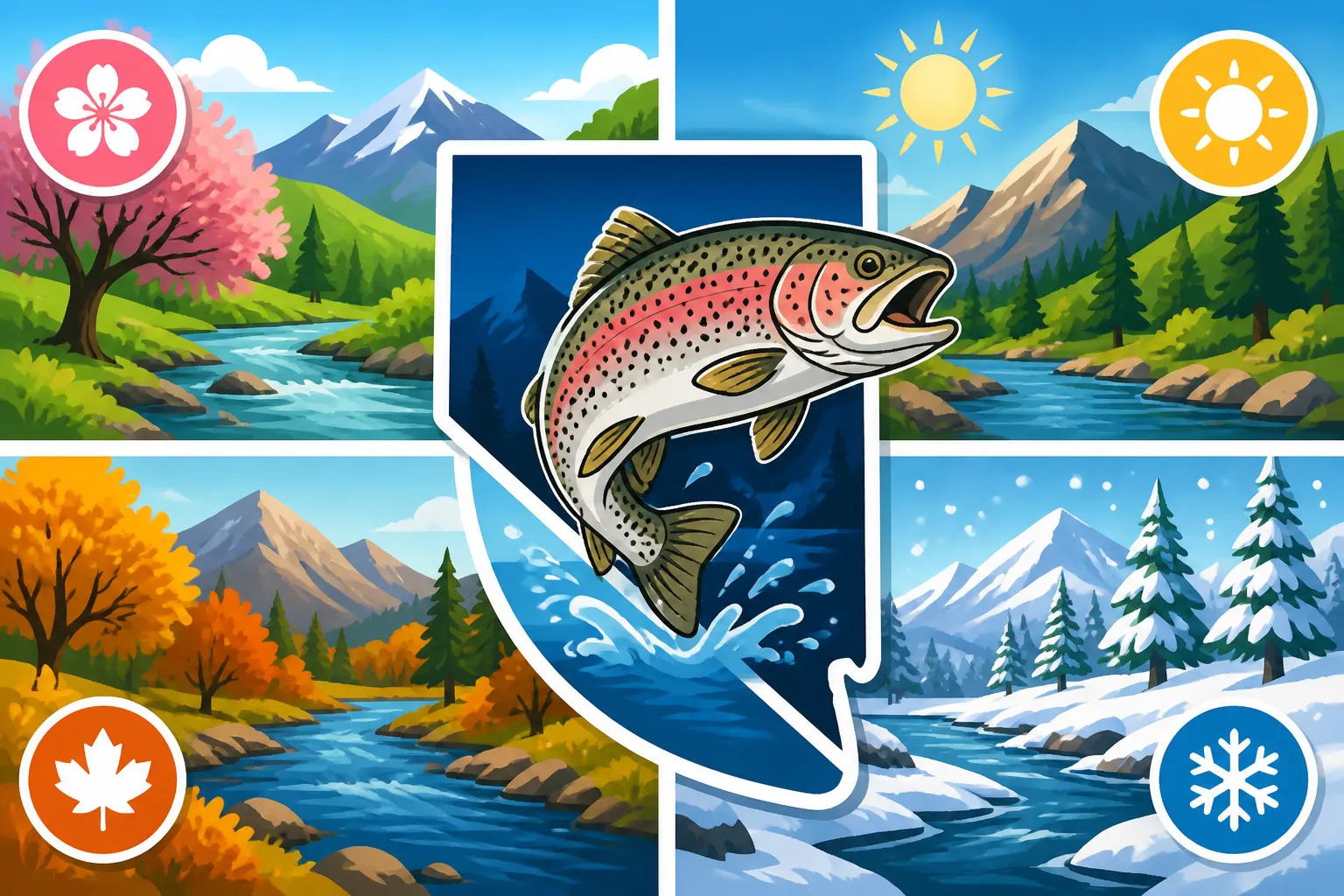
For many anglers, spring and fall represent the quintessential trout fishing seasons in Nevada. And for good reason! These are often the most comfortable times to be outdoors, and the fish are typically very active.
In spring, as the ice melts from higher elevation lakes and streams, and water temperatures begin to rise, trout become incredibly active after a long winter. They're hungry and willing to chase a variety of baits and lures. This is when the Nevada Department of Wildlife (NDOW) ramps up its stocking efforts in many urban ponds and lower-elevation reservoirs. You'll find eager rainbow trout in places like the Floyd Lamb Park Fishing Ponds or Sunset Park Fishing Pond in the Las Vegas area, making it an excellent time for families and beginners. As the snowpack melts, rivers like the Truckee become prime for fly fishing, with trout actively feeding on emerging insects. The air is crisp, the scenery is beautiful, and the fishing can be phenomenal.
Fall, similarly, brings cooler temperatures and vibrant foliage, creating another prime window for trout. Many trout species, especially brown trout and certain strains of rainbow trout, become more aggressive as they prepare for winter or their spawning cycles. This is when some of the larger, wilder trout in rivers and larger reservoirs become more vulnerable to anglers. You might find trophy fish moving into shallower waters in lakes like Lake Tahoe or Wildhorse Reservoir. The crowds tend to thin out, offering a more peaceful angling experience. Checking the Nevada Trout Stocking Schedule during these seasons is always a good idea to know where the freshest fish will be.
Summer Trout Fishing: Beating the Heat
When summer hits, especially in Southern Nevada, the immediate thought is often that trout fishing is over until fall. While it's true that many low-elevation waters become too warm for trout to thrive, forcing them to seek deeper, cooler water or become stressed, this doesn't mean you have to hang up your waders.
The key to successful summer trout fishing in Nevada is elevation. As the valleys heat up, the high-elevation lakes and mountain streams become the perfect trout havens. Think of places like the Ruby Mountains or the many small, pristine lakes accessible via hiking trails in Northern Nevada. Here, the water stays cool, and trout remain active throughout the summer months. Fly fishing becomes a true art form in these smaller streams, and spin anglers can find success with small lures and baits. It often requires a bit more effort to reach these spots, but the reward of cooler temperatures, stunning scenery, and active trout is well worth it. You'll want to review Summer Fishing Techniques for Hot Desert Lakes to adapt your approach to the conditions.
Winter Trout Fishing: Embrace the Chill
This is where many anglers mistakenly believe trout fishing stops entirely. However, winter in Nevada can offer some of the most unique and productive trout fishing experiences, especially for ice fishing enthusiasts.
In Northern Nevada, as temperatures drop, many lakes and reservoirs, such as Wildhorse Reservoir, Cave Lake, and sometimes even the shallower coves of larger lakes, develop a safe layer of ice. This opens up a whole new world of angling. Ice fishing for trout can be incredibly rewarding, as fish are often concentrated and can be targeted effectively with jigs and small baits. Beyond ice fishing, many tailwaters below dams and some larger, deeper reservoirs that don't completely freeze over continue to offer open-water trout fishing. Fish will often hold in deeper sections, becoming a bit sluggish, but they are still catchable for those willing to brave the cold and adjust their tactics. For safety and success, a guide to Ice Fishing in Nevada is indispensable.
Factors Influencing Year-Round Trout Opportunities
Understanding the underlying environmental factors is crucial for successful year-round trout fishing in Nevada. It's not just about the calendar date, but about how different conditions affect the fish.
Water Temperature and Oxygen Levels
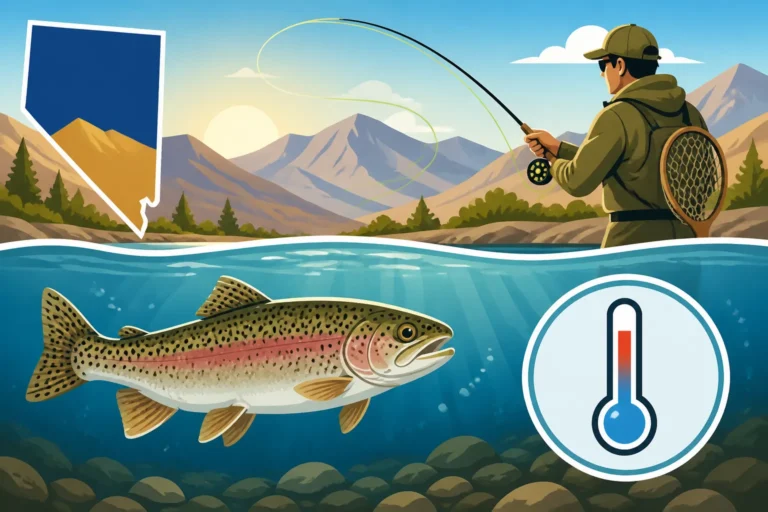
Trout are cold-water fish, meaning they thrive in cooler temperatures and well-oxygenated water. This is the single biggest factor dictating their activity and where you'll find them at any given time of year.
In summer, as surface water temperatures rise dramatically in desert reservoirs, trout will seek thermal refuges. This often means moving into deeper, cooler water where oxygen levels are sufficient. Anglers need to adjust their presentations to target these deeper zones, often requiring longer leaders, heavier weights, or downriggers if fishing from a boat. Conversely, in winter, while the water is cold, it's typically well-oxygenated. Trout activity might slow down, but they're still feeding. During spring and fall, when water temperatures are in their optimal range, trout are most active and dispersed throughout the water column, making them easier to target. Monitoring local water temperature reports or using a fish finder with temperature readings can be incredibly helpful.
Trout Stocking Schedules and Fish Behavior
The NDOW plays a significant role in providing year-round trout opportunities through its extensive stocking program. Many urban ponds and accessible reservoirs are stocked regularly, especially during cooler months.
These stocked trout, primarily rainbow trout, are often raised in hatcheries and are more accustomed to feeding on readily available food sources, making them a bit easier to catch than their wild counterparts. Knowing the Nevada Trout Stocking Schedule can directly inform your fishing plans, especially in urban areas. These fish typically bite well for a few weeks after stocking, before becoming more wary or being caught out. Even in winter, urban ponds in Southern Nevada can offer great trout fishing as stocking continues. In higher-elevation waters, while stocking may be less frequent, it helps maintain healthy populations in areas that see more angling pressure. Remember that stocked fish will behave differently than wild trout; they might be less selective about baits initially but can quickly become pressured.
| Season | Typical Water Temperatures | Trout Behavior | Key Fishing Spots | Techniques to Consider |
|---|---|---|---|---|
| Spring | Cool to Mild (40-60°F) | Highly Active, Feeding aggressively after winter. | Urban Ponds, Lower Reservoirs, Truckee River (post-melt) | PowerBait, Worms, Spinners, Streamers, Nymphs |
| Summer | Warm in low-elevations, Cool in high-elevations | Seek deep, cool water in lower areas; Active in high-alpine lakes/streams. | High Mountain Lakes, Deep Reservoirs (e.g., Lake Tahoe), Cooler sections of rivers | Trolling (deep), Downriggers, Small Flies, Small Lures (high-elevation) |
| Fall | Mild to Cool (45-60°F) | Very Active, Pre-spawn aggression for some species. | Most Reservoirs, Larger Rivers, Pyramid Lake | Lures, Spinners, Worms, PowerBait, Streamers, Nymphs |
| Winter | Cold (32-45°F) | Less active, but still feeding; Concentrated in certain areas. | Ice Fishing Lakes (Wildhorse, Cave Lake), Deep sections of open reservoirs, Urban Ponds | Ice Jigs, Small Baits, Dead Sticking, Deeper presentations |
Top Nevada Waters for Winter and Shoulder Season Trout
While many waters are great during spring and fall, some truly shine when the temperatures drop or when the masses have packed up their gear. These are your go-to spots for truly year-round trout action.
Ice Fishing Havens in Northern Nevada
For those willing to bundle up and embrace the hard water, Northern Nevada offers some fantastic ice fishing experiences.
Wildhorse Reservoir, located north of Elko, is arguably one of Nevada's premier ice fishing destinations. When the ice forms (typically late December through February), anglers target rainbow trout, brown trout, and even an occasional tiger trout. The fish here can be quite large, offering exciting battles through the ice. It's crucial to check ice conditions locally before venturing out, as safety is paramount. Another excellent option is Cave Lake State Park near Ely, which is regularly stocked with rainbow trout and also provides great ice fishing opportunities. Echo Canyon Reservoir and Comins Lake are other spots in Eastern Nevada that often freeze solid enough for safe ice fishing. For successful ice fishing, you'll want to invest in proper gear, which can be found readily on platforms like Amazon, including augers, portable shelters, and specialized ice fishing rods. These waters often see less pressure in winter, offering a tranquil and productive experience for the intrepid angler.
Deep, Cold Reservoirs and Tailwaters
Not every body of water freezes over in Nevada, and these deep, cold-water bastions are crucial for open-water trout fishing during the colder months.
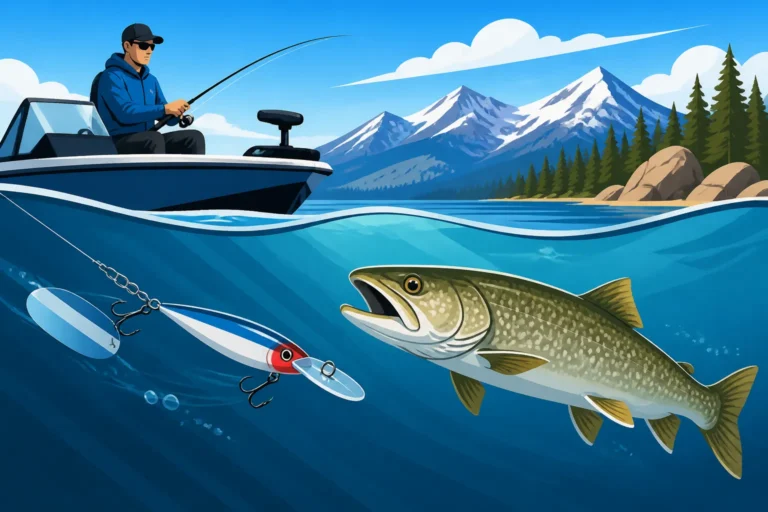
Lake Tahoe, with its immense depth and consistent cold water, remains a prime destination for Mackinaw (lake trout) and rainbow trout all year. While shore fishing might be challenging in winter due to snow and access, boat anglers can still find success trolling for deep-dwelling Mackinaw. The key is knowing their deep water patterns. Similarly, Lake Mohave, though known more for its bass and stripers, receives regular stockings of rainbow trout in its cooler sections, particularly around Willow Beach. These trout thrive in the steady cold currents downstream from Hoover Dam and can be caught year-round, even in the "off-season." The Truckee River, especially the sections below the reservoirs that maintain consistent flows, also offers year-round opportunities for wild brown and rainbow trout, though winter river fishing requires different tactics than during the warmer months. Mastering Winter Fishing Techniques for Nevada Trout for these spots will pay dividends.
Urban Ponds: Consistent Stocking for All Seasons
Even in the heart of the desert, urban ponds provide incredibly accessible and reliable trout fishing, often year-round thanks to consistent stocking.
Ponds like those at Floyd Lamb Park, Lorenzi Park, and Sunset Park in the Las Vegas area are regularly stocked with rainbow trout, particularly during the cooler months when water temperatures are suitable. While the peak summer heat can stress trout in these shallower ponds, NDOW often adjusts stocking schedules to maximize success during shoulder seasons and winter. These ponds are perfect for a quick fishing trip, especially for families or beginners. Anglers can find success with simple setups using PowerBait, worms, or small spinners. It's a great way to introduce someone to fishing without needing to travel far or invest in specialized gear. Just make sure you understand the specific Nevada Urban Pond Fishing Rules for your chosen location, as they can have unique regulations.
Gear and Techniques for All-Season Trout Fishing
Being prepared with the right gear and knowledge of appropriate techniques is what truly unlocks year-round trout fishing in Nevada. You can't use a one-size-fits-all approach.
Adapting Your Tackle for Varying Conditions
Your tackle box needs to be as versatile as Nevada's fishing seasons. What works in a high mountain stream in July won't necessarily cut it for ice fishing in January.
For spring and fall, a medium-light spinning rod and reel combo with 4-6 lb test line is generally a good all-around choice for most stocked waters and smaller rivers. You'll want a selection of small spinners (like Mepps or Rooster Tails), spoons, soft plastic baits, and classic PowerBait or nightcrawlers. If you're heading to Pyramid Lake, specific gear for Lahontan cutthroat trout, including heavy spoons or large fly patterns, will be necessary. For summer in high-elevation streams, a lightweight fly rod (3-5 weight) or an ultra-light spinning setup with very light line (2-4 lb) is ideal for presenting small dry flies, nymphs, or tiny spinners. In winter, whether ice fishing or open water, line visibility becomes less of an issue, but sensitivity for detecting subtle bites is key. Ice fishing specific rods are short and sensitive, paired with small reels and light line. For deeper open waters, you might need heavier line and tackle to reach the fish. Many great options for all these scenarios can be found and compared on Amazon, ensuring you have the right tool for the job.
Mastering Seasonal Fishing Techniques
Beyond the gear, knowing how to fish for trout in different seasons is paramount. Trout behavior changes dramatically with water temperature and food availability.
In spring and fall, trout are often cruising shallower areas, feeding on insects, small baitfish, and bottom-dwelling organisms. This makes casting and retrieving spinners or spoons effective, as is still-fishing with PowerBait or worms on the bottom or under a bobber. For rivers, drifting nymphs or small egg patterns with a strike indicator can be deadly. How to Fish for Trout in Nevada provides more general guidance. Summer fishing requires finesse. In high-elevation waters, matching the hatch with fly patterns, or stealthily presenting small lures, is key. In deeper reservoirs, trolling or jigging vertically over structure can locate thermal-comforted trout. How to catch trout in hot summer water goes into more detail. Winter fishing often means slowing down. For ice fishing, small jigs tipped with a grub or mealworm, or dead-sticking a bait, is productive. For open water, a slow retrieve with a jig or a piece of PowerBait on the bottom can tempt sluggish fish.
Regulations and Safety for Year-Round Trout Angling
Fishing year-round means staying on top of regulations and prioritizing safety in all conditions. Nevada's regulations are designed to protect fish populations and ensure angler safety.
Staying Compliant with Nevada Fishing Regulations
Your Nevada Fishing License Guide is your constant companion. Remember that a fishing license is required for anyone aged 12 and older, even if you're only planning to catch and release.
While the general statewide fishing license is valid for a full year from the date of purchase (check Nevada fishing license validity period for specifics), specific bodies of water may have additional permit requirements, such as the Pyramid Lake Fishing Permit Guide for Lahontan Cutthroat Trout. Seasons, bag limits, and size restrictions can vary significantly from one water body to another. For example, the Nevada Trout Daily Limit Rules might be different for a stocked urban pond versus a wild mountain stream. Always consult the current NDOW Fishing Regulations booklet before heading out, as these rules are updated periodically. Ignorance of the rules is not an excuse, and penalties for violations can be steep.
Prioritizing Safety in All Seasons
Nevada's diverse environment means that safety concerns can range from extreme heat to treacherous ice. Being prepared is not just smart, it's essential.
In summer, especially in the desert, heatstroke and dehydration are real dangers. Always carry plenty of water, wear sun protection like wide-brimmed hats and UPF clothing (many excellent options available on Amazon), and inform someone of your fishing plans. Thunderstorms can also pop up quickly in the mountains, bringing lightning and flash floods. In winter, especially when ice fishing, checking ice thickness is critical. Never venture onto ice that isn't at least four inches thick and clear. Always fish with a buddy, carry ice picks, and know how to self-rescue. Hypothermia is a serious risk in cold weather, so dress in layers, wear waterproof outer shells, and bring extra warm clothing. Even on open water in winter, falling in can be life-threatening. A personal flotation device should always be worn, regardless of the season, but especially in cold water.
Nevada truly offers a year-round paradise for trout anglers willing to adapt and explore. Whether you prefer the comfort of spring and fall, the solitude of high-alpine summer fishing, or the unique challenge of winter ice fishing, there's always a trout to be found.
Disclaimer
This article is for general informational purposes only and does not constitute professional advice. Laws, prices and regulations vary by location and change over time. Consult a qualified professional for guidance on your specific situation.