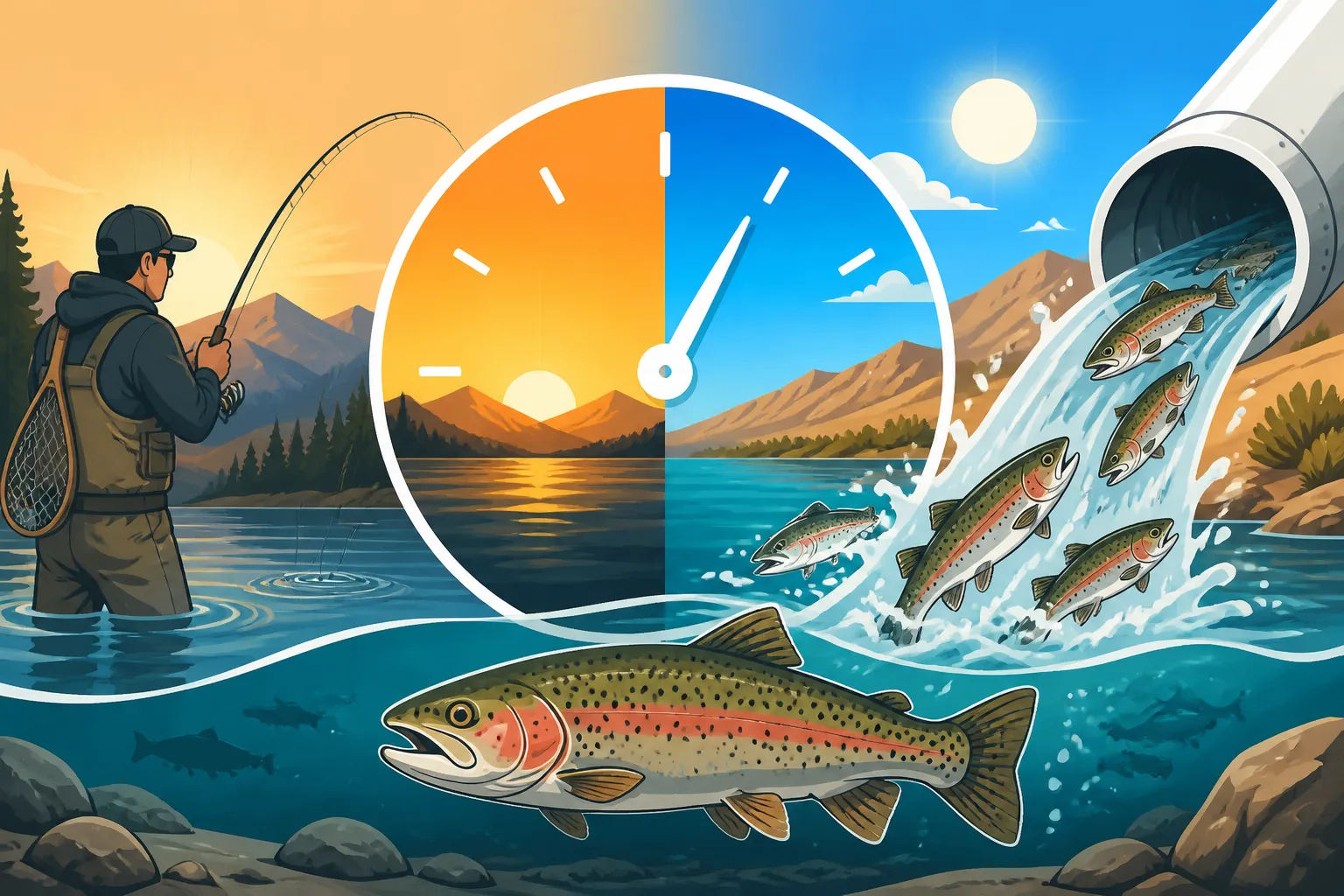
Best time to fish after a Nevada trout stocking
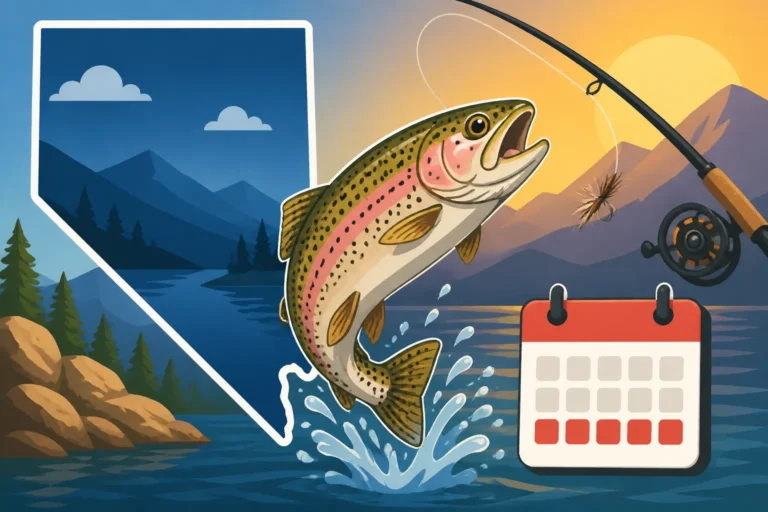
It’s a feeling many of us know all too well: the excitement of hearing about a fresh trout stocking in your favorite Nevada waterway, only to rush out there, eager to catch some feisty rainbows, and find the fishing surprisingly slow. It's frustrating when you feel like you missed the boat, or worse, that the fish just aren't biting. This guide will help you decode the mysteries of post-stocking trout behavior, pinpointing the absolute best time to cast your line after a Nevada Department of Wildlife (NDOW) trout stocking to maximize your chances of a successful and enjoyable day.
The Immediate Aftermath: Why Timing is Everything
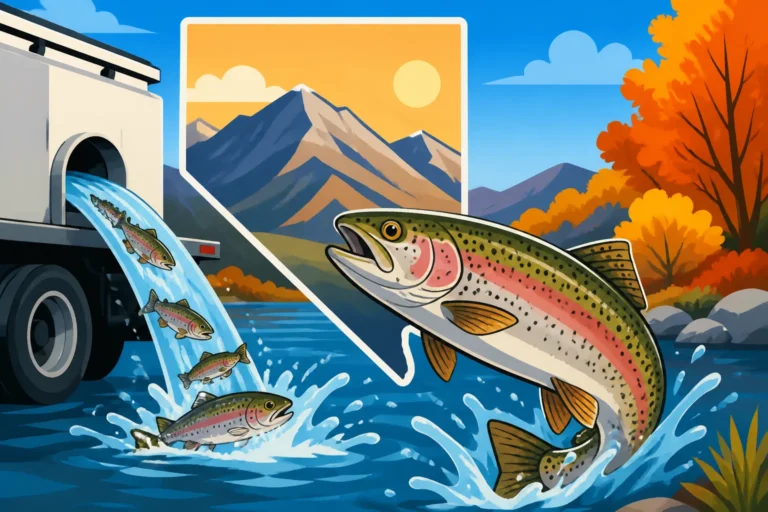
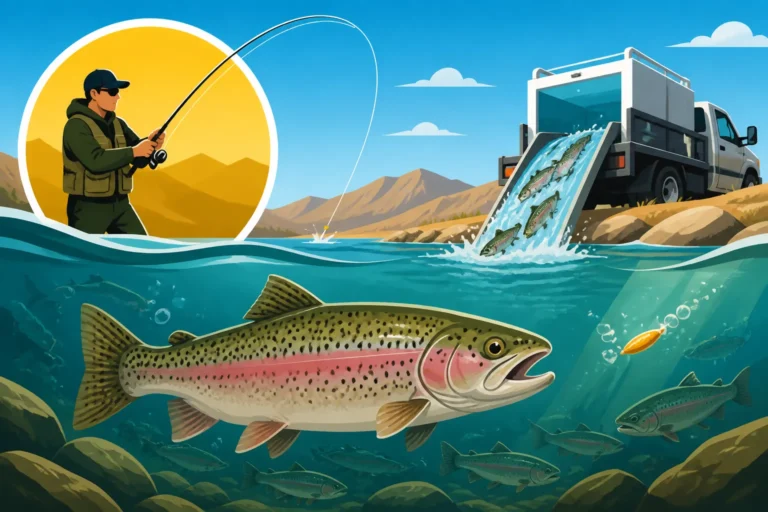
When NDOW trucks roll up and release thousands of eager trout into a lake, pond, or river, it's not always an instant feeding frenzy. While some fish might be ready to bite right away, many are experiencing a significant shift in their world. Understanding this "stocking shock" and how it affects their immediate behavior is key to timing your fishing trip perfectly.
The "Stocking Shock" and Initial Behavior
Imagine being suddenly dropped into a brand new, much larger home after spending your entire life in a relatively confined space. That's essentially what a newly stocked trout goes through. They've been raised in hatcheries, accustomed to regular feeding schedules and a consistent environment. When they hit the natural waters of a Nevada lake or pond, it’s a jarring experience. This phenomenon is often called "stocking shock."
During this initial shock phase, trout are often disoriented, stressed, and far more concerned with finding cover and safety than with eating. You might see them huddle together in groups, near the stocking point, or in shallow, protected areas. They might be sluggish, wary, and unresponsive to typical baits or lures. This isn't a universal rule, of course; some fish are bolder than others. But generally, within the first few hours, and sometimes even for the entire first day, the bite can be unpredictable. Anglers who rush out immediately expecting a non-stop action might be met with disappointment, leading to that familiar frustration of wondering what went wrong. The fish are there, but their priorities have shifted.
The First Few Hours: Golden Opportunity or Bust?
While "stocking shock" is real, there's a delicate balance to strike. The very first few hours after a stocking can indeed be a golden opportunity for certain anglers, but it's not for everyone, and it requires a specific approach. For the most part, hatchery trout are accustomed to pellet food, and their instinct to feed on anything remotely resembling that can kick in quickly, especially if they're particularly hungry from transit. These initial hours can be prime for an aggressive bite, particularly in smaller, high-pressure urban ponds where they have fewer places to hide and are quickly exposed to anglers.
However, for fish released into larger, more complex environments like a sprawling reservoir or a river system, that initial window might be less productive. They'll scatter more quickly, seeking out deeper water or structure, and their hunger might take a backseat to survival instincts. The key takeaway here is that if you can get to the water within an hour or two of the stocking truck leaving, and you're fishing a smaller, easily accessible pond that sees a lot of pressure, you might just hit a hot bite. Otherwise, patience might be your greatest virtue. It's a gamble, but sometimes it pays off handsomely, especially if you're targeting those fresh, unpressured fish that haven't quite figured out their new surroundings yet.
Understanding Trout Acclimation and Feeding Patterns
The transition from hatchery life to a wild Nevada waterway is significant for a trout. Their behavior and feeding patterns change as they acclimate, and understanding this process is crucial for long-term fishing success. It's not just about when the fish are released; it's about when they feel comfortable enough to truly start behaving like "wild" fish, even if only for a short time.
Adapting to a New Environment
After the initial "stocking shock" wears off, usually within 24 to 48 hours, trout begin a slow but steady process of acclimation. They start exploring their new surroundings, seeking out features that offer shelter, food, and security. This could mean deep pockets, submerged structures, weed beds, or shaded areas near banks. Their instincts kick in, and they begin to understand currents in rivers or the thermal layers in lakes. This period is when they start to shed their hatchery-bred habits and adapt to the challenges of a natural environment, including identifying natural food sources.
During this acclimation phase, their feeding habits will shift from an automatic response to pellets to a more selective approach, often targeting insects, small crustaceans, or other aquatic life present in their new home. This is when your bait and lure choices become critical. You'll want to move away from overly artificial presentations and start thinking about what natural food sources are available. Learning about the Nevada Trout Stocking Schedule can help you predict when this acclimation phase will begin for specific waters, allowing you to plan your trips for when the fish are more settled and predictably hungry.
Prime Feeding Windows Post-Stocking
From my experience, the absolute prime feeding window often opens up about 24 to 72 hours after a stocking event. This is generally when the trout have had enough time to shake off the initial shock, explore a bit, and, most importantly, start feeling hungry again without the immediate stress of being newly introduced. They're still relatively naive to predators and fishing pressure compared to older, wilder fish, making them more willing to strike.
During this window, trout tend to be more active and less wary. They'll cruise the shoreline, explore coves, and suspend themselves in the water column looking for food. This is when a wider variety of techniques can be effective. If you're fishing a popular spot, going during off-peak hours within this window (e.g., a weekday morning) can give you an edge, as the fish will have faced less pressure. Early mornings and late afternoons are almost always good bets for trout, and this holds especially true in the days following a stocking, before the fish become truly educated. The cool temperatures of these times also play a role in trout activity, making them more eager to feed. If you're wondering how temperature affects the bite, understanding the Best water temperature for trout fishing can give you an even finer edge.
Strategies for Different Stocking Scenarios
Not all Nevada waters are created equal when it comes to trout stocking. The size, depth, and pressure of a particular fishery will heavily influence how trout behave after release, and therefore, how you should adjust your strategy. A "one-size-fits-all" approach simply won't cut it.
Small Ponds vs. Larger Reservoirs
Fishing a small urban pond, like those you find in the Las Vegas valley or Reno, immediately after a stocking is a completely different ballgame than fishing a massive reservoir like Wildhorse or Lahontan. In smaller ponds, the trout are often packed in tightly, and their world is quite limited.
Small Ponds:
For smaller ponds, the immediate aftermath (within hours) and the first 1-2 days are usually the most productive. These fish, often straight from the hatchery, haven't had much natural forage and are often still in "pellet mode." They'll readily hit bright, colorful baits that resemble their hatchery food, like PowerBait, corn, or small worms. Because of the confined space, they don't have far to roam, making them easier to locate. The challenge here is the fishing pressure; these spots often draw a crowd right after a stocking. If you can get there quickly and find a less crowded spot, you're in business. My advice would be to go early on the day of or the morning after, focusing on areas near where they were stocked if possible, or along deeper sections of the bank. To maximize your success in these smaller, heavily stocked waters, consider our detailed guide on the Best pond depth to target right after stocking.
Larger Reservoirs:
Larger reservoirs, on the other hand, offer vast expanses and diverse habitats. Trout released here will disperse much more quickly. The "hot bite" might not be as immediate, as they have more space to hide and more natural food options to adapt to. For these waters, the sweet spot is typically 2-5 days after stocking. This gives the trout time to spread out, find some cover, and start foraging naturally. Your approach here needs to be more exploratory. Trolling small lures, casting spoons or spinners along drop-offs, or using natural baits like nightcrawlers under a bobber or on the bottom can be highly effective. They'll be seeking cooler, deeper water as they acclimate, so focusing on inlets, coves, or areas with submerged structure can be very productive. Understanding How to catch trout in a desert reservoir can provide specific insights into these larger bodies of water.
High-Pressure vs. Low-Pressure Waters
The amount of angling pressure a body of water receives significantly impacts how quickly stocked trout become wary.
High-Pressure Waters:
These are your popular urban ponds and easily accessible lakes that see a lot of anglers, especially after a stocking. In these environments, trout learn incredibly fast. What might be a prime bait on day one could be ignored by day three. The window of opportunity to catch these relatively naive fish can be short – sometimes only a few days. After that, they become "educated" and much harder to catch. For high-pressure spots, your best bet is to fish within the first 1-3 days. You'll want to use strong attractants and present your bait naturally. If you're heading to a high-pressure urban pond, having a variety of proven baits on hand is crucial. You can find excellent selections of lures and specific trout baits on platforms like Amazon, ensuring you're ready for any scenario.
Low-Pressure Waters:
These are often more remote lakes, higher elevation streams, or larger reservoirs that aren't as easily accessed by the general public. Trout in these environments retain their naive behavior for much longer, as they aren't constantly seeing hooks and lines. The feeding windows can extend for a week or more after a stocking event. This doesn't mean you should wait a month, but you have more flexibility. In low-pressure waters, trout will acclimate more naturally and might start hitting flies or more subtle presentations sooner. You'll have the luxury of experimenting with different techniques and locations without the fear of the fish becoming "educated" overnight. These are fantastic places for a more relaxed fishing experience where you can really hone your skills. Just remember to always check the specific Nevada Trout Daily Limit Rules for any water you plan to fish, regardless of pressure.
Gear and Techniques for Post-Stocking Success
Having the right gear and employing smart techniques can dramatically improve your success rate when targeting freshly stocked trout. These fish, while often eager, still respond better to certain presentations, especially as they settle into their new homes.
The Right Bait and Lures
When trout are first stocked, their instincts often revert to what they know: pellets. So, brightly colored, scented baits that mimic hatchery food are incredibly effective in the immediate aftermath. Think soft baits like PowerBait (in chartreuse, rainbow, or neon colors), dough baits, or even corn. These are easy for disoriented fish to spot and smell. You can find a vast array of these on Amazon, making it easy to stock up before your trip. For a deeper dive into specific options, check out our guide on the Best Bait for Nevada Trout.
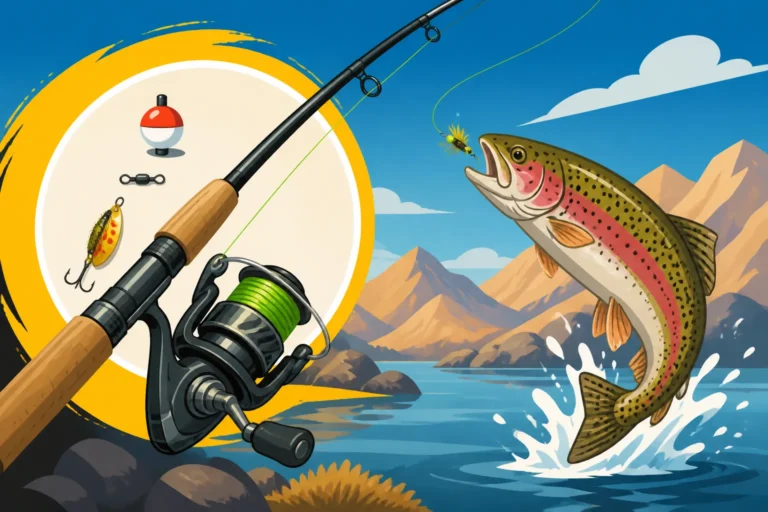
As the trout acclimate, they start to respond to more natural presentations. Small spoons (like Kastmasters or Thomas Buoyants), spinners (Mepps or Rooster Tails), and even small minnow imitations become very effective. Worms, especially nightcrawlers, are also a timeless classic for trout, whether fished on the bottom or under a bobber. The key is to experiment. If one color isn't working, switch it up. If they're ignoring a spinner, try a worm. Remember, these fish are learning, so what works one hour might not work the next. Carrying a diverse tackle box is your best defense against finicky fish.
Setting Up for Success from Shore or Boat
Whether you're fishing from the bank or from a boat, your setup needs to be adaptable. For shore anglers, a light to medium-light spinning rod, around 6-7 feet long, is ideal. This gives you enough casting distance while still providing sensitivity for those light trout bites. A simple bottom rig with a small hook and a half-ounce sinker, or a bobber rig with your bait suspended a few feet down, are classic and highly effective setups. Make sure your leader line is light, around 4-6 lb test, as trout can be line-shy, especially in clear Nevada waters. For an in-depth look at optimal gear, explore the Best Fishing Rods for Nevada Lakes and the Best Spinning Reels for Trout Fishing.
From a boat, you have the advantage of covering more water. Trolling small spoons or spinners behind a dodger or small weight can be incredibly effective for locating dispersed trout in larger reservoirs. Still-fishing with bait in deeper coves or near submerged structures is another excellent option. Using a fish finder can help you locate schools of suspended trout, allowing you to present your bait or lure at the optimal depth. If you're new to fishing with a bobber, our guide on How to fish for trout with a bobber offers step-by-step advice that can be applied from both shore and boat. Regardless of your chosen platform, always ensure you have a net for landing fish, as stocked trout can often put up a surprisingly strong fight.
Table: Optimal Timing and Techniques for Stocked Trout
| Water Type | Prime Fishing Window | Recommended Baits/Lures | Key Techniques | Angler Pressure Considerations |
|---|---|---|---|---|
| Small Urban Pond | 0-48 hours post-stocking | PowerBait (bright colors), corn, small worms | Bottom rig, bobber rig, small spinners | High pressure; go immediately after stocking or early mornings |
| Medium Lake/Res. | 24-72 hours post-stocking | PowerBait, worms, small spoons, spinners | Shore casting (bottom/bobber), light trolling | Moderate pressure; best during weekdays, early/late in day |
| Large Reservoir | 2-5 days post-stocking | Worms, minnow imitations, spoons, larger spinners | Trolling (spoons/lures), bottom fishing in coves | Low to moderate pressure; explore various depths and areas |
| Mountain Stream | 3-7 days post-stocking | Small worms, salmon eggs, tiny spinners, flies | Drifting bait, short casts, fly fishing | Low pressure; stealth and natural presentation are key |
Ultimately, finding the best time to fish after a Nevada trout stocking is a blend of understanding fish behavior, knowing the specific characteristics of the water you're fishing, and being prepared with the right gear. Don't be discouraged if the fish aren't biting immediately. Give them a day or two to settle, and you'll often find that the "silver state" lives up to its name with some fantastic trout fishing opportunities.
Disclaimer
This article is for general informational purposes only and does not constitute professional advice. Laws, prices and regulations vary by location and change over time. Consult a qualified professional for guidance on your specific situation.