Best water temperature for trout fishing
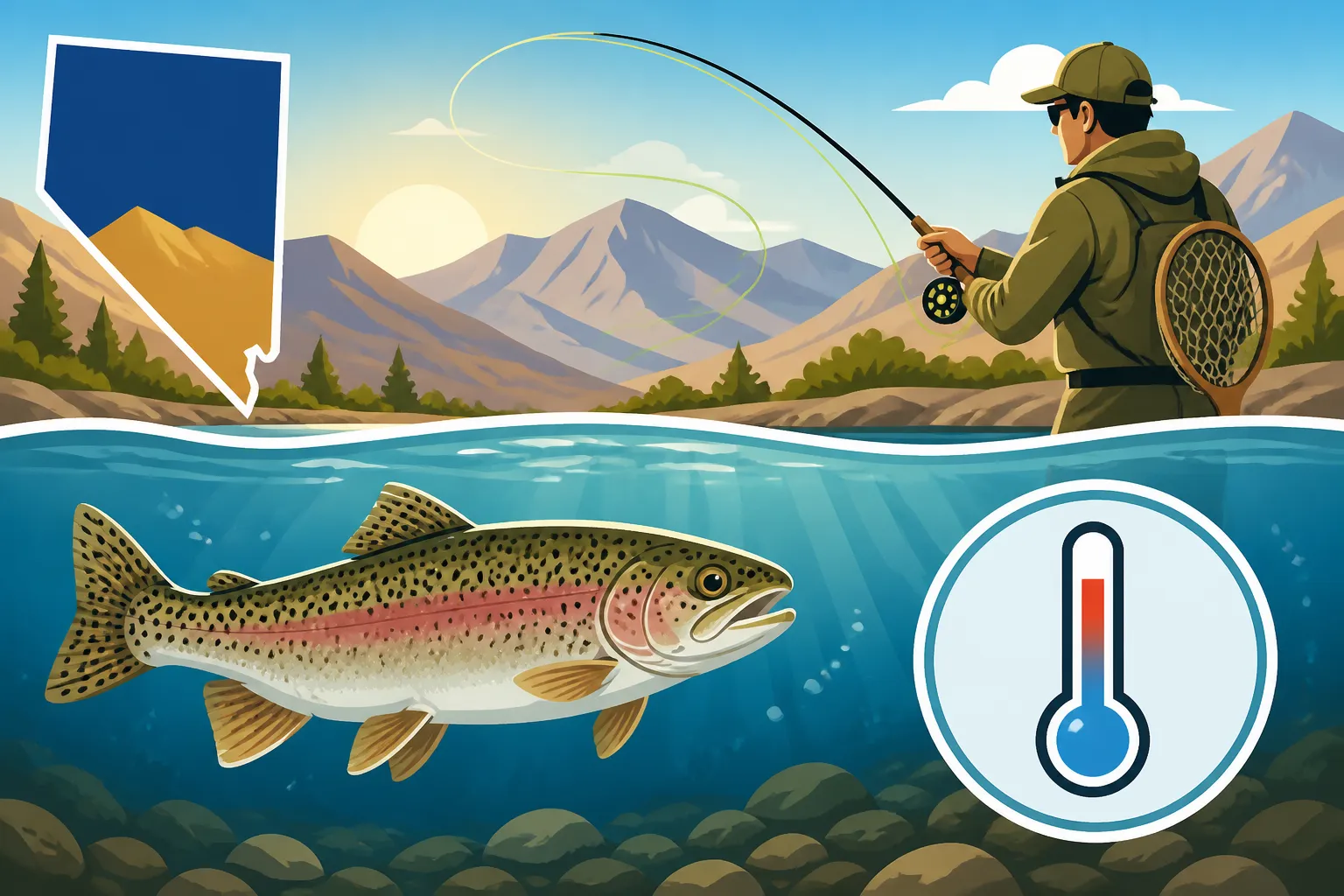
There's nothing quite as frustrating as heading out to one of Nevada's stunning lakes or streams, only to find the fish aren't biting, and you can't figure out why. Often, the unseen culprit is something fundamental: the water temperature. Trout are incredibly sensitive to their aquatic environment, and getting a handle on their preferred temperature range is absolutely critical to a successful day on the water. This comprehensive guide is going to strip back the mystery, helping you understand precisely how water temperature impacts trout behavior in Nevada, and how you can use this knowledge to your advantage to catch more fish.
Understanding Trout Physiology and Temperature
Before we even cast a line, it's vital to grasp why water temperature is such a big deal for trout. They aren't like us; they can't just put on a jacket or shed a layer. Their body temperature is almost entirely dictated by the water around them, and this has profound effects on everything they do.
How Water Temperature Affects Trout Behavior
Think of water temperature as the thermostat for a trout's entire life. It directly influences their metabolism, which is basically how fast their bodies "run." When the water is too cold, their metabolism slows way down. They become sluggish, their digestion takes longer, and they simply don't need to eat as much. It's like us wanting to curl up under a blanket on a chilly day – we're not exactly craving a big meal and a run around the block.
Conversely, when the water gets too warm, their metabolism speeds up dramatically. While this might sound like a good thing, it means they need more oxygen to fuel their faster bodily functions. Warmer water holds less dissolved oxygen than colder water, creating a double-whammy: they need more, but there's less available. This can cause significant stress, forcing them to seek out cooler, more oxygenated areas or become lethargic from the struggle. Their feeding can become erratic, either shutting down completely or becoming desperate and aggressive in short bursts as they try to sustain themselves. It's a delicate balance, and even a few degrees can make a world of difference. You really need to consider these dynamics when planning your Nevada Fishing Seasons by Month outings.
The "Sweet Spot" for Active Trout
Every angler dreams of hitting that perfect day where the trout are active, hungry, and willing to strike. This usually happens when the water temperature is in their "sweet spot." For most trout species, this optimal range allows their metabolism to function efficiently without being overly stressed by a lack of oxygen or the need to conserve energy. In this comfortable zone, their digestion is working well, they're actively foraging for food, and they're generally more aggressive and predictable in their movements. They'll be more willing to chase down a lure or sip a fly off the surface.
This ideal temperature range is where trout are most likely to be found in shallower, more accessible waters, making them easier targets for anglers. It's also when they're at their most vibrant, healthy, and fun to catch. You'll notice better fight from the fish and typically better success rates for your efforts. Understanding this "sweet spot" is key to mastering How to Fish for Trout in Nevada.
Dangers of Extreme Temperatures
Venturing outside that ideal temperature window quickly brings challenges, both for the fish and for us anglers. On the hot end, water temperatures above 70°F (21°C) can be extremely dangerous for most trout species. As mentioned, warmer water holds less dissolved oxygen, and with their accelerated metabolism, trout can literally suffocate. This is why you often hear of fish kills during severe heatwaves in shallower lakes or rivers. Even if they don't die, they become incredibly stressed, listless, and very difficult to catch. It’s also important to remember that handling a stressed trout in warm water can increase its mortality rate, so practicing good catch-and-release techniques is crucial when conditions are less than ideal.
On the colder end, while trout are generally cold-water species, excessively cold water can also be detrimental. Water temperatures hovering near freezing (32-35°F / 0-2°C) will slow their metabolism to a crawl. They might still feed, but it will be a much more lethargic, opportunistic bite. They'll conserve energy, often hunkering down in deeper, slightly warmer pockets of water, and won't expend much effort chasing food. You might find them suspended or tight to structure, waiting for an easy meal to drift by. Knowing these extremes helps you gauge when to fish aggressively and when to adapt to a much slower presentation, especially if you're trying Winter Fishing Techniques for Nevada Trout.
Ideal Temperature Ranges for Nevada Trout Species
Nevada is home to several fantastic trout species, and while they all prefer cooler water, each has its own unique temperature preferences and tolerances. Understanding these nuances will help you target the right fish in the right conditions.
Rainbow Trout and Brown Trout Preferences
Rainbow trout are perhaps the most widespread and popular trout species in Nevada, thanks in large part to the Nevada Department of Wildlife (NDOW) stocking programs. They are relatively adaptable, thriving in a broad range of temperatures. Their optimal feeding and activity zone typically falls between 52°F and 68°F (11°C to 20°C). Below this, they'll still bite but become slower. Above 68°F, they start to get stressed, especially if oxygen levels are low. They'll seek out thermal refuges like spring inlets, deeper sections, or shady areas.
Brown trout, on the other hand, are often considered a bit hardier and more tolerant of slightly warmer water than rainbows, though they still prefer it cool. Their ideal range is quite similar, perhaps extending a degree or two higher on the warm end, but they are also very comfortable in the low 50s. Browns are often more nocturnal in warmer months, becoming active when water temperatures dip after sunset. In Nevada, you'll find them in many of the same waters as rainbows, and their resilience often makes them a consistent target even when conditions are a little less than perfect. Their strong predatory instinct kicks in when they're in their comfort zone.
Lahontan Cutthroat Trout Specifics
The Lahontan Cutthroat Trout (LCT) is Nevada's state fish and a true gem, especially the giant specimens found in Pyramid Lake. These fish are adapted to the unique, alkaline conditions of the Great Basin and have a slightly different temperature profile, particularly for larger, older fish. While smaller LCTs might behave similarly to rainbows, the trophy-sized fish at Pyramid Lake have a much narrower preferred temperature window.
For actively feeding, large Lahontan Cutthroat, the prime water temperature usually ranges from about 48°F to 58°F (9°C to 14°C). This is why the prime fishing seasons at Pyramid Lake are fall, winter, and spring, when the lake's massive volume of water remains in this cooler range. During the summer, the surface waters of Pyramid Lake can warm significantly, pushing the fish deeper into cooler, more stable thermoclines. Fishing in those conditions becomes much more challenging. Understanding these specific needs is paramount for anyone planning a Pyramid Lake Nevada Fishing Guide adventure.
High Mountain Lake Trout Considerations
Nevada's high mountain lakes, often nestled in places like the Ruby Mountains or the Toiyabe Range, present a different temperature dynamic. These lakes are typically fed by snowmelt and are much colder year-round. They usually remain in the lower end of the trout's preferred range for much of the open water season, which is often short. Here, you're less likely to contend with dangerously warm water, but rather ensuring the water isn't too cold to slow the fish's metabolism excessively.
In these pristine, cold-water environments, trout species like Brook Trout, and sometimes even Rainbow or Brown Trout, will be active at temperatures ranging from the low 40s up to the mid-50s (6°C to 13°C). The consistent cold means fish are often less spooky and might feed throughout the day, as long as insect hatches or food sources are available. The challenge here is less about finding cool water, and more about adapting your presentation to a fish that might be moving at a slower pace due to the consistently chilly conditions. These high mountain lakes offer some of the most serene fishing experiences, and knowing their unique thermal patterns helps you prepare for them, especially if you're exploring Best Nevada Trout Lakes.
Here's a quick overview of optimal feeding temperatures for popular Nevada trout:
| Trout Species | Optimal Feeding Temperature Range (°F) | Optimal Feeding Temperature Range (°C) | General Behavior in Range |
|---|---|---|---|
| Rainbow Trout | 52°F – 68°F | 11°C – 20°C | Active, aggressive, readily taking bait/lures, good fight. |
| Brown Trout | 50°F – 65°F | 10°C – 18°C | Active predators, may become nocturnal in warmer temps, resilient. |
| Lahontan Cutthroat | 48°F – 58°F | 9°C – 14°C | Strong feeders, especially large trophy fish, less tolerant of heat. |
| Brook Trout | 45°F – 60°F | 7°C – 15°C | Active in cold, clear waters, often in smaller mountain streams. |
Measuring Water Temperature Effectively
You can talk all you want about ideal temperatures, but if you don't know what the water actually is, you're just guessing. Knowing how to measure water temperature is perhaps the most actionable piece of information you can gain as a trout angler.
Essential Tools for Anglers
Gone are the days of just dipping your hand in the water and hoping for the best. Modern anglers have a few excellent tools at their disposal to accurately gauge water temperature. The most basic, and often most reliable, is a simple handheld water thermometer. These are relatively inexpensive, compact, and can be clipped to your vest or tackle box. You simply submerge it for a minute or two, and you get a precise reading. Look for durable, easily readable models. You can find a good variety on Amazon or at any local sporting goods store.
Many modern fish finders and depth sounders also come equipped with water temperature sensors, providing real-time readings, often at the transducer's depth. This is incredibly useful for boat anglers, as it allows you to troll different depths and see temperature changes on your screen, helping you pinpoint thermal breaks where fish might be congregating. For the kayak angler, even some portable fish finders offer this feature. Pairing accurate temperature data with your fish finder's sonar readings for structure and fish presence is a powerful combination that can completely change your approach.
Reading the Water Throughout the Day
Water temperature isn't static; it's a dynamic factor that changes throughout the day, and even within different sections of the same body of water. Sun exposure, depth, currents, and even recent weather patterns all play a role. In a lake, for example, the surface water will warm up fastest under the sun, while deeper water remains cooler. Understanding this concept of "thermal stratification" is crucial. Fish will often move to a thermocline – a layer of water where the temperature changes rapidly – to find their comfort zone. This is particularly true in large reservoirs during summer.
Rivers and streams, on the other hand, are influenced by air temperature and flow. During a hot summer day, a slow-moving section of a river in direct sunlight might warm considerably, while a faster, shaded riffle or a section fed by a cold spring remains much cooler. Observing these changes and constantly monitoring your thermometer (or fish finder) allows you to adapt your approach and seek out those productive temperature zones. Don't be afraid to take multiple readings throughout your fishing trip; what was a perfect spot at dawn might be too warm by midday.
Using Online Resources and Local Knowledge
Beyond your personal thermometer, a wealth of information is available if you know where to look. The Nevada Department of Wildlife (NDOW) often provides stocking reports that might include general water temperature readings for specific lakes or ponds at the time of stocking. While not real-time, it gives you a baseline. Weather apps can give you a good idea of air temperatures, which indirectly affect water temps, especially in shallower waters.
Dedicated fishing forums and social media groups focused on Nevada fishing are also goldmines of information. Anglers frequently share recent water temperatures from popular spots like Lake Mead, Lake Tahoe, or the Truckee River. Local tackle shops, such as Mark Fore & Strike in Reno or Bass Pro Shops in Las Vegas, are another fantastic resource. The folks working there are often out on the water themselves or talk to anglers daily, giving them invaluable up-to-the-minute insights into current conditions, including water temperatures. Don't be shy; ask about specific spots and their typical thermal patterns. This kind of local knowledge, combined with your own measurements, will truly make you a more effective angler.
Adjusting Your Strategy Based on Temperature
Knowing the water temperature is only half the battle. The real skill lies in adapting your fishing techniques, locations, and even timing based on what your thermometer tells you. This is where you move from just knowing the facts to actively applying them.
Warm Water Tactics
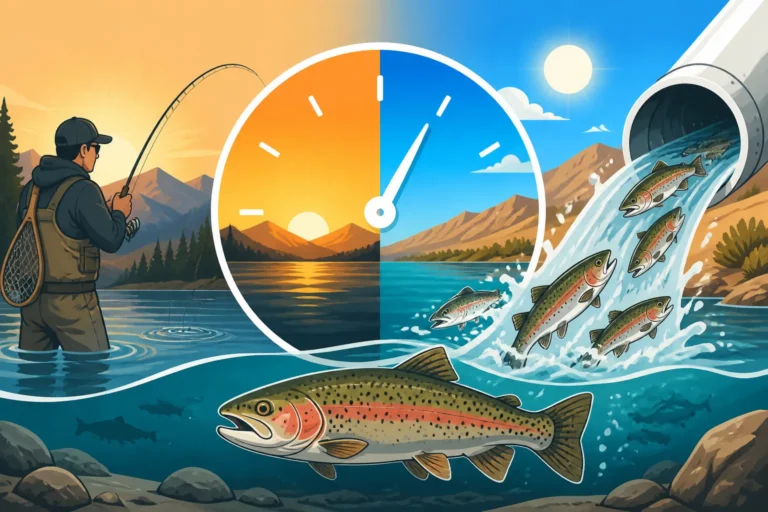
When Nevada's waters warm up, especially in those desert reservoirs during the scorching summer months, trout will actively seek out cooler water. This means changing your approach significantly. Instead of targeting shallow flats, focus on deeper areas where the thermocline exists. Look for the deepest holes in rivers, areas near dam outflows where cooler water might be released, or the shaded sides of canyons and cliffs where the sun's rays don't penetrate. Early morning and late evening become prime fishing times, as the water temperature is at its coolest during these periods. Midday fishing in warm conditions often proves fruitless or, worse, harmful to the fish.
When fishing warm water, slow down your retrieve. Fish are likely to be lethargic and less willing to chase. Use natural baits like powerbait, nightcrawlers, or corn (where legal), fished on the bottom with minimal movement. For lures, stick to subtle presentations. Remember, every moment out of water is stressful for a trout in warm conditions, so reduce handling time and use wet hands if practicing catch and release. This adaptation is crucial for Summer Fishing Techniques for Hot Desert Lakes.
Cold Water Tactics
Conversely, when the water gets genuinely cold, trout's metabolism will slow down, and they won't be as aggressive. This doesn't mean they stop eating, but their feeding windows might be shorter, and they'll conserve energy. In cold water, trout often school up and seek out areas that are slightly warmer, even if it's just a degree or two difference. This could be a dark-bottomed cove that absorbs more solar radiation, a spring-fed inlet, or simply deeper water where temperatures are more stable.
Your presentation needs to be slow and deliberate. Think finesse. Small jigs, slow-retrieved spoons, or natural baits fished on a dead drift are often most effective. Consider using a bobber to suspend your bait at a specific depth, allowing the fish to inspect it without expending much energy. Trout in cold water are looking for an easy meal, so make it effortless for them. Don't be afraid to try vertical jigging if you've marked fish on your sonar, as this puts the lure right in their face. Adjusting your technique for these conditions is key to success when the mercury drops.
Seasonal Temperature Shifts and Their Impact
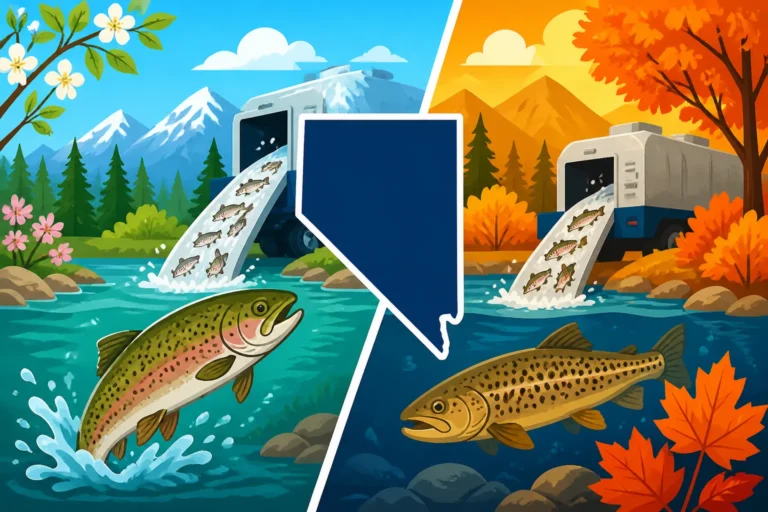
Nevada experiences distinct seasons, and these bring predictable temperature shifts that dramatically influence trout activity. Spring often brings rising water temperatures, triggering increased metabolism and feeding. Trout move shallower as the water warms, making them more accessible. This is often the best time for fly fishing with insect hatches becoming more prevalent. This is also when the Nevada Trout Stocking Schedule kicks into high gear, often bringing fresh, hungry fish into urban ponds and lakes.
Summer sees surface waters peak in temperature, forcing trout deeper or into thermal refuges. This is when understanding thermal stratification and fishing early/late becomes paramount. As fall arrives, waters begin to cool, and trout become incredibly active, often putting on a feed bag before winter. This can be one of the most productive times to fish, with trout aggressively chasing lures and flies. Finally, winter brings cold, stable temperatures where fish activity slows, requiring those slow, deliberate presentations we discussed. Being aware of these macro-level seasonal changes in conjunction with daily temperature readings will make you a far more adaptable and successful trout angler in Nevada.
Disclaimer
Please remember that fishing regulations, including seasons, limits, and specific rules for certain waters, can change. Always consult the latest Nevada Department of Wildlife (NDOW) fishing regulations before heading out on your trip. This guide provides general information and best practices, but official regulations always take precedence. Fishing can be inherently risky; always prioritize safety on and around the water.