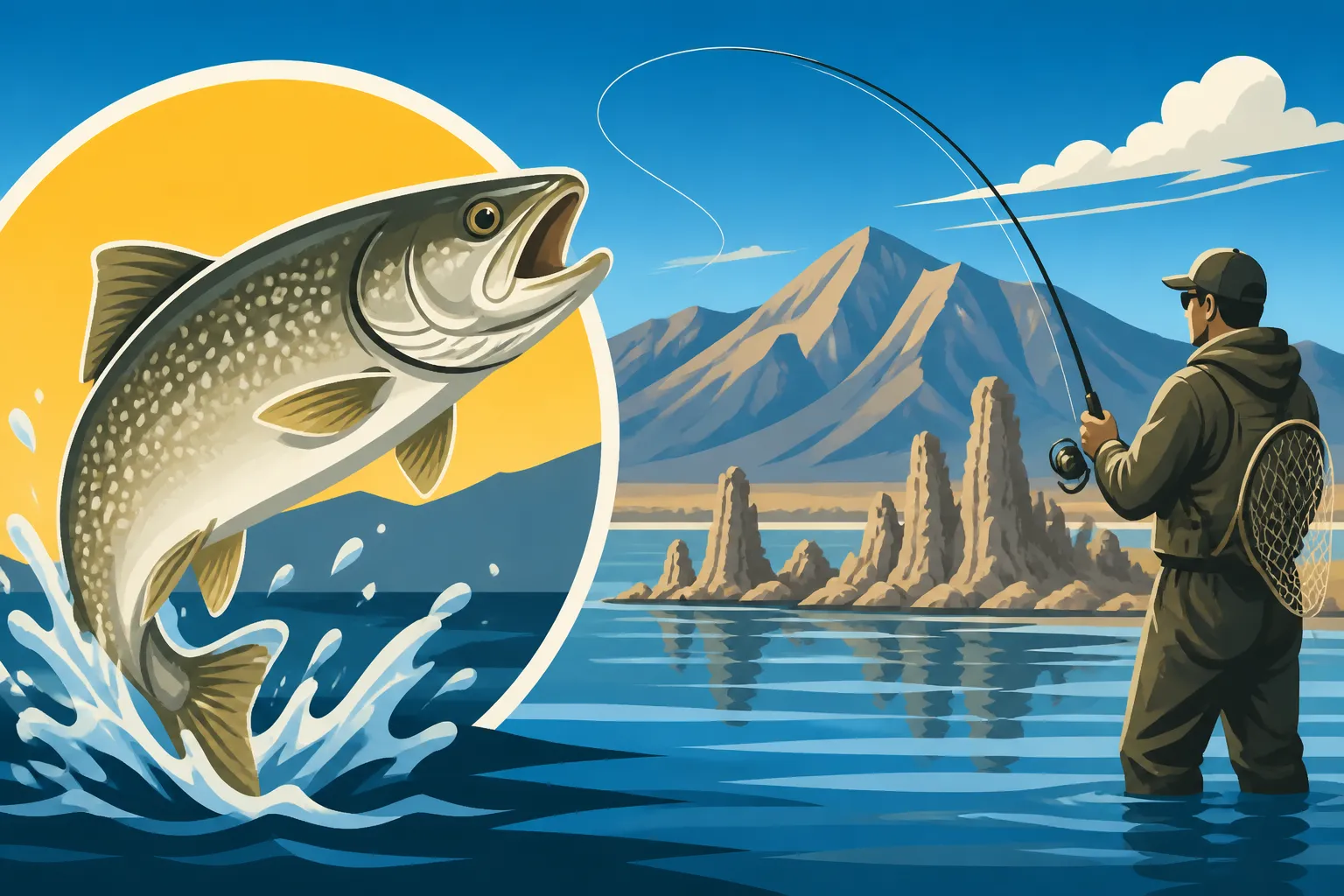
Pyramid Lake Nevada Fishing Guide
Pyramid Lake, a true gem hidden in the high desert of Nevada, often feels like a riddle wrapped in an enigma to anglers. Its vast, often turbulent waters, unique tufa rock formations, and the legendary Lahontan Cutthroat Trout (LCT) draw fishermen from all over, yet it can be incredibly intimidating for newcomers. This comprehensive guide is designed to cut through the confusion, providing you with everything you need to confidently plan and execute a successful and respectful fishing trip to this extraordinary fishery.
Understanding the Unique Ecosystem of Pyramid Lake
Before you even think about casting a line, it's vital to grasp what makes Pyramid Lake so profoundly different from other fishing destinations. It's not just a body of water; it's a living, breathing testament to natural history and cultural heritage, stewarded by the Paiute Tribe.
The Paiute Tribe and Cultural Significance
Pyramid Lake lies entirely within the Pyramid Lake Paiute Tribe Reservation, making it a sovereign nation with its own rules and regulations regarding fishing and access. This isn't a typical state park or national forest; it's a place of deep cultural and spiritual significance for the Pyramid Lake Paiute people, who have called this land home for thousands of years. The lake itself and its surrounding landscape are central to their identity and traditions, and treating it with respect is paramount. The Paiute Tribe's commitment to preserving the lake's unique ecosystem, especially the Lahontan Cutthroat Trout and the Cui-ui fish, means that their management practices prioritize conservation. This often translates into stricter regulations than you might find elsewhere, but it's all for the long-term health of the fishery and the land. Understanding that you are a guest on tribal land sets the tone for a respectful and more rewarding experience.
The Lahontan Cutthroat Trout A Living Legend
The undisputed star of Pyramid Lake is the Lahontan Cutthroat Trout (LCT). This isn't just any trout; it's a distinct subspecies native to the Lahontan basin, which includes Pyramid Lake. These fish are renowned for their incredible size, with many anglers dreaming of catching a "20-pounder" – a very real possibility here. Historically, LCT were nearly driven to extinction, but thanks to dedicated conservation efforts by the Paiute Tribe and others, their populations have been successfully reintroduced and managed. The LCT in Pyramid Lake are distinct from other cutthroats, displaying unique spotting patterns and a beautiful, often silver-to-gold coloration. They are powerful fighters, making every hook-up an exhilarating battle. Due to their protected status and the ongoing efforts to maintain a healthy population of these trophy-sized fish, strict catch-and-release practices are often encouraged or mandated for certain sizes, especially for the larger, reproductively valuable fish. Learning about the history and resilience of these magnificent fish only deepens the appreciation for every catch.
Other Fish Species and Lake Characteristics
While the LCT gets most of the glory, Pyramid Lake is home to other fascinating fish species that contribute to its unique ecosystem. One of the most significant is the Cui-ui, an ancient, endangered sucker fish found only in Pyramid Lake. It holds immense cultural importance for the Paiute Tribe and is strictly protected. You might also encounter Sacramento Perch, another native species, and Tui Chub, which serve as a crucial food source for the Lahontan Cutthroat Trout. The lake itself is a natural marvel. It's one of the largest natural lakes in Nevada, stretching over 120,000 acres, and its deeply alkaline water is responsible for the striking tufa rock formations that dot its shores. These surreal, calcium carbonate spires and domes are not just beautiful; they also create complex underwater structures that provide critical habitat for baitfish and ambush points for predatory LCT. The lake's vastness means that conditions can change rapidly, with calm mornings often giving way to intense winds and choppy waters by afternoon. Understanding these characteristics helps you anticipate fishing challenges and plan your approach, whether from shore or boat.
Essential Permits and Regulations for Pyramid Lake
Fishing Pyramid Lake isn't like fishing anywhere else in Nevada. Because it's on tribal land, the Nevada Department of Wildlife (NDOW) fishing license is not valid here. You'll need a specific permit from the Pyramid Lake Paiute Tribe, and you'll need to adhere to their unique set of regulations. Failing to do so can result in significant fines and an unwelcome end to your fishing trip.
Getting Your Tribal Fishing Permit
Acquiring a Pyramid Lake fishing permit is the very first step, and thankfully, it's a straightforward process. You can purchase your permit online directly from the Pyramid Lake Paiute Tribe's official website, which is often the most convenient option, allowing you to secure it before you even leave home. This online purchase often provides you with a printable e-permit, which you should have on your person while fishing. Alternatively, permits are available at several local vendors around the Reno and Pyramid Lake area, including some gas stations, convenience stores, and tackle shops in Sparks and Nixon. The permit options typically include daily, weekly, or annual permits, catering to different visit lengths. Make sure to check the specific dates your permit covers, as the "annual" permit might run on a fiscal or tribal calendar year rather than a standard January-December year. It's always a good idea to confirm the expiration date and understand that these permits are specific to Pyramid Lake and do not grant access to other tribal or state waters. For all the details on where and how to get your permit, check out our in-depth guide on Pyramid Lake Fishing Permit Guide or learn more about Where to buy a Pyramid Lake fishing permit online.
Understanding Special Fishing Rules
Pyramid Lake's fishing regulations are designed to protect its precious Lahontan Cutthroat Trout population and its unique ecosystem. One of the most critical rules to remember is the barbless hook requirement. Every hook you use, whether on a fly, a lure, or a bait rig, must be barbless. This rule is non-negotiable and strictly enforced because it significantly increases the survival rate of released fish. You can buy barbless hooks, or simply pinch down the barbs on your existing hooks with pliers. Beyond hooks, there are specific bait restrictions. While some natural baits may be allowed at certain times or in certain areas, live bait is generally prohibited, and there are often rules about what constitutes an acceptable scent or additive. Always consult the most current Pyramid Lake fishing regulations booklet, available online or where you purchase your permit, before heading out.
Furthermore, Pyramid Lake has specific season dates and bag limits for Lahontan Cutthroat Trout, which often include a slot limit. A slot limit means you can keep fish under a certain size and over another size, but fish within a specified size "slot" must be released. For example, you might be able to keep one fish under 17 inches and one fish over 24 inches, but any fish caught between 17 and 24 inches must be immediately released. These slot limits are crucial for protecting the breeding population of larger fish. The season typically runs from October 1st through June 30th, with July, August, and September being closed to fishing to protect the LCT during warmer water periods. For precise details on the current season and limits, refer to Pyramid Lake Season and Bag Limit Rules. Knowing these rules inside and out is not just about avoiding a fine; it's about being a responsible angler who contributes to the conservation of this incredible fishery. It's important to confirm Are barbless hooks required at Pyramid Lake? and verify Is bait allowed at Pyramid Lake? directly with the most recent tribal regulations.
Access and Boat Launch Regulations
Navigating Pyramid Lake goes beyond just fishing rules; it includes specific access and boat launch regulations established by the Paiute Tribe. Vehicle access is generally permitted on established roads and designated shorelines. Driving off-road is strictly prohibited to protect the delicate desert environment and ancient cultural sites. There are several designated boat launch areas around the lake, such as Pelican Point, Popcorn, and Sutcliffe. Each of these launches may have specific operating hours or conditions depending on water levels, particularly in times of drought. You'll also need to pay a launch fee in addition to your fishing permit, and these fees contribute directly to the maintenance of facilities and tribal conservation efforts. Always check the current status of boat ramps, as conditions can change.
It's also crucial to be aware that certain areas of the lake or shoreline may be closed to fishing or public access at various times of the year, especially around critical spawning grounds or sensitive cultural sites. One notable closure zone is the area around Marble Bluff Dam and the fishway at the north end of the lake, which is vital for managing the Cui-ui and LCT populations. For details on any current restrictions, make sure to consult the most recent tribal regulations booklet or signage posted at the lake. Always respect these closures. You can find more information about where to launch your boat by checking out Pyramid Lake Boat Launch Locations and understand any restrictions by looking into Does Pyramid Lake have areas closed to fishing? and Marble Bluff closure zone location at Pyramid Lake. Being prepared with the right permits and knowledge of access points will ensure a smooth start to your fishing adventure.
When to Fish Pyramid Lake: Seasons and Best Times
Pyramid Lake offers truly world-class fishing, but timing your visit correctly can make all the difference between a memorable trophy catch and a frustrating day of empty casts. The lake's unique ecosystem means that fish behavior is heavily influenced by seasonal changes, water temperatures, and even daily weather patterns.
Prime Fishing Seasons for Trophy Trout
The absolute best times to target the legendary Lahontan Cutthroat Trout at Pyramid Lake are during the spring and fall seasons. These periods offer the ideal combination of cooler water temperatures, active fish, and typically more favorable weather conditions. In the fall, usually from October through December, the LCT begin to move closer to shore and into shallower waters as the lake cools down. They become highly aggressive, feeding heavily in preparation for winter, making them very susceptible to various fishing techniques. This is often when some of the biggest trophy fish are caught by anglers who understand the patterns.
Spring, from March through June, is equally phenomenal, if not more so, as the trout are in their pre-spawn and post-spawn phases. They again move into accessible areas, and their feeding activity ramps up significantly. The fish are often fat and healthy after a winter of feeding, making for incredible fights. Understanding the nuances of water temperature is key: LCT are cold-water fish, and they will be most active when the lake's surface temperatures are in their preferred range, generally between 45-55 degrees Fahrenheit. Fishing during these "shoulder seasons" maximizes your chances of encountering those truly giant trout that Pyramid Lake is famous for. To learn more about the seasonal patterns, dive into our Best time of year to fish Pyramid Lake guide.
Winter and Summer Fishing Strategies
While spring and fall are prime, you can still find opportunities during the colder and hotter months, though with different challenges and strategies. Winter fishing, typically from January through February, can be incredibly productive, especially if you're prepared for the cold. The LCT remain active, often found in deeper water or cruising near drop-offs. Ice can form on parts of the lake during exceptionally cold winters, but open water fishing from shore or boat is usually possible. Anglers willing to brave the elements often find less competition and very active, healthy fish. You'll need warm layers, proper cold-weather gear, and a good understanding of where fish hold in deeper, more stable temperatures.
Summer fishing (July, August, September) is officially closed to protect the LCT during the warmest part of the year. This is a crucial conservation measure because the shallow, alkaline waters of Pyramid Lake can reach high temperatures in summer, stressing the cold-water trout. So, for those looking to fish Pyramid Lake specifically, summer is unfortunately not an option. For more details on the specific closure, read up on Can you fish Pyramid Lake in the summer?. This closure ensures the long-term health and vitality of the LCT population, guaranteeing that those incredible spring and fall bites will continue for generations to come.
Daily Timing and Weather Considerations
Beyond the seasons, the time of day and prevailing weather conditions play a huge role in your success at Pyramid Lake. Generally, early morning and late evening hours are the most productive, regardless of the season. At dawn and dusk, the light is low, temperatures are often cooler, and the fish feel more secure moving into shallower feeding areas. These low-light conditions make it harder for fish to spot predators (including anglers) and allow them to feed aggressively. Many trophy LCT are caught in the hour just after sunrise and the hour before sunset.
Wind is another major factor at Pyramid Lake. It's a vast, open body of water, and strong winds can whip up quickly, turning calm conditions into whitecaps in a matter of minutes. While a moderate chop can actually be beneficial, oxygenating the water and disorienting baitfish, excessive wind makes casting difficult, boating hazardous, and can completely shut down a bite. Always check the forecast before you go, and be prepared for rapidly changing conditions. Calm, overcast days can also be excellent, as the subdued light encourages fish to stay shallower longer. Understanding the typical daily weather patterns and how wind influences the lake's currents and fish behavior is a skill that comes with experience but is vital for consistent success. Make sure to consult Pyramid Lake legal fishing hours before planning your day.
Top Fishing Spots and Access Points
Pyramid Lake is enormous, and knowing where to focus your efforts can save you a lot of time and increase your chances of finding fish. While the Lahontan Cutthroat Trout can be found throughout the lake, certain areas offer better access, more favorable structure, or historically productive fishing grounds.
Popular Shore Fishing Locations
Shore fishing at Pyramid Lake is incredibly popular and productive, with many anglers landing trophy-sized LCT right from the bank. The unique tufa rock formations provide excellent staging areas and structure for fish. Some of the most well-known and productive shore fishing spots include:
- Warrior Point: Located on the west side, this area is famous for its tufa shelves that drop off into deeper water. It's a classic spot for both fly and spin anglers, particularly in the spring and fall. Access is relatively easy, and the point offers a long stretch of fishable water. The deeper water close to shore here makes it an ideal spot for targeting cruising fish.
- Pelican Point: Another west-side hotspot, Pelican Point is known for its distinctive rock formations and expansive shoreline. It's a great area for wading, but anglers should always be mindful of submerged tufa. This spot provides excellent access to different depths and currents, attracting feeding trout. It's also one of the popular boat launch locations.
- Blockhouse: Further north on the west shore, Blockhouse is characterized by its dramatic tufa ledges and deep drop-offs. It can be a fantastic area, especially when the fish are holding close to structure. The terrain can be a bit more rugged here, but the rewards can be significant for those willing to explore.
- Monument Rock: Directly opposite the iconic Pyramid Island, this area offers incredible scenic beauty along with excellent fishing potential. The water can be quite deep close to shore, making it another prime location for targeting larger, cruising LCT.
- Popcorn: Situated on the east side, Popcorn is known for its more gradual slope and can be a good choice when winds are strong on the west side. Its name comes from the small, popcorn-like tufa rocks that litter the shore. It can be a bit further drive, but offers a different fishing experience.
Each of these locations offers slightly different characteristics regarding water depth, bottom structure, and exposure to wind. Anglers often move between these spots throughout the day, depending on conditions and fish activity. Always be aware of your surroundings, especially when wading, as submerged tufa can be slippery and create unexpected drop-offs. For more detailed information, check out Pyramid Lake Shoreline Access Points and Best shore fishing spots at Pyramid Lake.
Boating and Kayak Fishing Zones
For those with access to a boat or kayak, Pyramid Lake opens up an even wider array of fishing opportunities, allowing you to reach structure and depths inaccessible from shore. Boaters can explore vast expanses of the lake, trolling specific depths or anchoring near submerged tufa formations that act as fish magnets. The deeper sections of the lake, particularly around the north and south ends, often hold large schools of baitfish and, consequently, bigger LCT.
Kayakers, especially those in stable fishing kayaks, can also explore areas slightly further from shore, targeting specific rock formations or drop-offs. The sheer size of Pyramid Lake means that conditions can change rapidly, and strong winds can make boating hazardous. Always prioritize safety, check weather forecasts, and ensure your vessel is equipped with all necessary safety gear. Many anglers find success by focusing on areas where baitfish (like Tui Chub) are schooling, often indicated by bird activity, or by trolling along known contour lines and shelves. If you don't own a boat but want to experience the deeper waters, consider booking a guided trip. Services like FishingBooker can help you find experienced local guides who know the lake intimately and can put you on fish, providing all the necessary gear and expertise. These guides are invaluable for understanding the constantly changing dynamics of this unique fishery.
Understanding Tufa Formations and Submerged Structure
The distinctive tufa formations are not just geological marvels; they are critical elements of Pyramid Lake's ecosystem and crucial for understanding where to find fish. These calcium carbonate structures rise from the lake bed, forming intricate underwater reefs, shelves, and spires. These submerged structures provide cover for baitfish, creating ambush points for predatory Lahontan Cutthroat Trout.
When fishing, whether from shore or boat, learning to "read" the tufa is paramount. From shore, observe how visible tufa formations extend into the water and imagine the hidden ledges and drop-offs they create beneath the surface. These transition zones between shallow and deep water are prime hunting grounds for LCT. For boat anglers, a good fish finder and a detailed topographical map can reveal entire underwater cities of tufa, allowing you to precisely target productive areas. Trolling near these structures, or casting lures and flies to their edges, can be incredibly effective. The complexity of these formations means fish can hold at various depths, from just a few feet below the surface to much deeper water, depending on light conditions, water temperature, and baitfish presence. Mastering the art of fishing the tufa is a cornerstone of Pyramid Lake success.
Effective Techniques and Gear for Pyramid Lake
Pyramid Lake demands specific techniques and gear to consistently catch its elusive Lahontan Cutthroat Trout. What works in other trout fisheries might not cut it here. Adapting your approach to the lake's unique characteristics and the LCT's feeding habits is key to success.
Indicator Nymphing and Fly Fishing Strategies
For fly anglers, indicator nymphing is arguably the most effective technique at Pyramid Lake, especially when fishing from shore or wading. This method involves suspending a weighted nymph pattern (or multiple patterns) under a strike indicator, allowing it to drift naturally in the water column. The indicator acts like a bobber, signaling even the most subtle bites. Key fly patterns include various sizes and colors of Chironomids (midges), which imitate the lake's abundant larval insects, as well as balanced leeches and woolly buggers that represent baitfish or other aquatic invertebrates.
The depth at which you suspend your flies is critical and often changes throughout the day. Anglers use different leader lengths and split shot to get their flies into the feeding zone, which can range from just a few feet deep to over 20 feet. Reading the water, observing rises, and paying attention to where others are catching fish are all important cues. A typical setup involves a long leader (often 12-15 feet or more) with a series of flies spaced out, creating multiple targets for the trout. Subtle takes are common, so constant vigilance on the indicator is essential. Fly fishing here requires patience and precision, but the reward of a powerful LCT on a fly rod is unmatched. Learn more about Best fly patterns for Pyramid Lake cutthroat and essential Fly Fishing Gear for Pyramid Lake in our detailed guides.
Trolling and Stripping Streamers from Boats
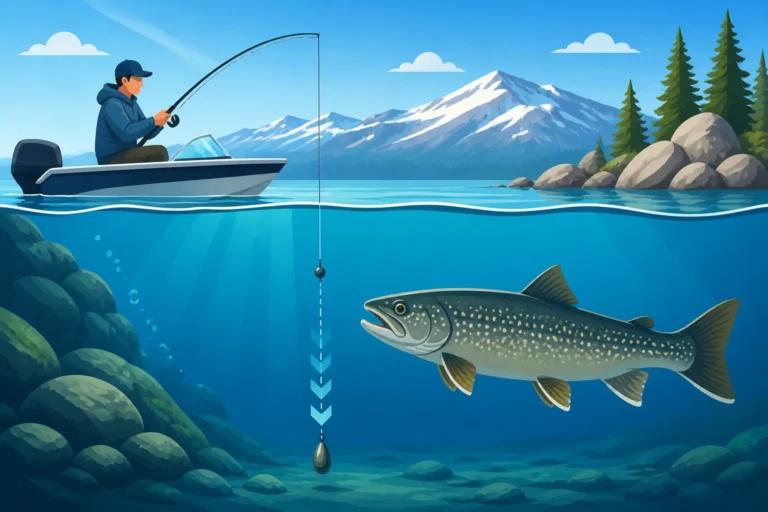
When fishing from a boat, trolling is a highly effective method for covering vast amounts of water and locating active LCT. Trolling allows you to present lures or flies at consistent depths and speeds, mimicking baitfish behavior. Popular trolling setups include using downriggers to get lures deep, or lead core lines to achieve specific depths without additional weight. Lures such as spoons, large minnow imitations, or weighted streamers are commonly trolled. Colors that mimic the lake's baitfish, like silver, blue, green, and black, are often productive.
Another popular boat-based technique, especially for fly anglers, is stripping streamers. This involves casting large, baitfish-imitating flies (like various types of Woolly Buggers, Pyramid Lake Beetles, or articulated streamers) towards the shore or structure, and retrieving them with varying strip speeds to entice a strike. This method can be particularly exciting as strikes are often violent and aggressive. While not everyone has a boat, if you're looking to explore these deeper water strategies, consider hiring a local guide or charter. Services like FishingBooker can connect you with experienced captains who specialize in Pyramid Lake and can provide all the necessary boat and gear, teaching you these advanced techniques. They can also help you understand the nuances of the lake's currents and how to effectively fish specific underwater structures.
Lure Fishing and Bait Alternatives
For anglers using conventional spinning or baitcasting gear, lure fishing can be very productive. Spoons, especially those in silver, gold, or holographic finishes, are perennial favorites. Brands like Kastmaster, Krocodile, and various spoon-style lures are effective when cast and retrieved, or jigged vertically. Large, heavy-bodied swimbaits that imitate Tui Chub can also draw powerful strikes from trophy LCT. The key is to match the hatch, so to speak, by selecting lures that resemble the natural forage of the lake. Experiment with retrieve speeds and depths until you find what the fish are responding to.
It's crucial to reiterate the strict bait regulations at Pyramid Lake. Live bait is generally prohibited, and there are often restrictions on the use of scented baits or attractants. Any artificial baits must be used with barbless hooks. While some commercially prepared dough baits or PowerBait may be allowed in specific instances or for other species, for targeting Lahontan Cutthroat Trout, artificial lures and flies are the primary and most effective tools. Always consult the current regulations to ensure your chosen bait or lure is compliant. For more on what's effective, our guides on Best bait for Lahontan cutthroat trout and Do you need bait or lures for Pyramid Lake? can offer deeper insights.
Essential Gear Checklist for a Successful Trip
Preparing for a fishing trip to Pyramid Lake requires more than just a rod and reel. The lake's remote location, often challenging weather, and the sheer size of the target species demand specific gear for safety, comfort, and success.
Rods, Reels, and Line Selection
Choosing the right rod, reel, and line setup is crucial for effectively targeting Lahontan Cutthroat Trout.
- Fly Fishing: For fly anglers, a 6- to 8-weight fly rod, typically 9 to 10 feet long, is ideal. The longer length helps with casting heavier setups, managing long leaders, and fighting large fish. A fast-action rod provides the power needed. Pair this with a reliable, large-arbor reel with a smooth drag system, spooled with a weight-forward floating line (for indicator nymphing) or a sink-tip/full-sinking line (for stripping streamers). A strong fluorocarbon leader and tippet (typically 1X to 3X) are essential for abrasion resistance against the tufa and for handling powerful fish. Our guide on Best fly rod weight for Pyramid Lake cutthroat offers more specific recommendations.
- Spinning and Baitcasting: For conventional anglers, a medium-heavy to heavy power spinning rod (7 to 9 feet long) or a sturdy baitcasting setup is recommended. The longer rod aids in casting heavier lures for distance and provides leverage for fighting big LCT. Pair this with a high-quality spinning reel (size 3000-5000) or a baitcasting reel capable of holding ample line and delivering strong drag. Spool your reel with 15-20 lb braided line for sensitivity and casting distance, followed by a fluorocarbon leader of 12-17 lb test for stealth and abrasion resistance. When considering your line choices, our Best line test for desert reservoir fishing article provides excellent guidance. The strength of these fish, combined with the rocky environment, means your gear needs to be robust.
Waders, Apparel, and Safety Gear
Given the cold water and often chilly or windy conditions, proper apparel and safety gear are non-negotiable for a comfortable and safe trip to Pyramid Lake.
- Waders: If you plan on doing any shore fishing or wading, chest waders are absolutely essential. The water in Pyramid Lake is cold, even on warm days, and wading allows you to reach further out or access prime spots. Pair your waders with sturdy wading boots for good grip on slippery rocks.
- Layered Apparel: The weather at Pyramid Lake can change drastically, sometimes within minutes. Dress in layers, including moisture-wicking base layers, insulating mid-layers (fleece or down), and a waterproof/windproof outer shell. A warm hat and gloves are crucial for colder days, especially in the mornings and evenings.
- Sun Protection: Even on cloudy days, the high-desert sun can be intense. Pack high SPF sunscreen, a wide-brimmed hat, and polarized sunglasses to protect your eyes and skin. The sun's glare off the water can be blinding, and polarized lenses help you spot subtle structure and fish.
- Safety Gear: Always carry a well-stocked first-aid kit. If boating, ensure you have all required safety equipment, including personal flotation devices (PFDs) for everyone on board, a whistle or horn, and a fire extinguisher. Bring plenty of water and snacks, as services are limited.
- Other Essentials: A sturdy landing net with rubberized mesh (safer for the fish) is crucial for landing large LCT. Pliers or hemostats for hook removal, a tape measure, and a camera to capture your trophy are also important. If you’re not bringing your own boat or gear, remember that guided trips found through platforms like FishingBooker often supply all the necessary equipment, simplifying your preparation.
Tackle and Terminal Gear
Even with the best rod and reel, having the right tackle and terminal gear is vital for presenting your offerings effectively and securely.
- Barbless Hooks: This cannot be stressed enough: all hooks must be barbless. Carry a variety of sizes and styles to match your chosen flies or lures. If using lures with treble hooks, either swap them out for single barbless hooks or pinch down all the barbs completely.
- Swivels and Weights: Quality swivels are important to prevent line twist, especially when trolling or using spinning lures. A selection of lead-free weights (split shot, drop shot weights) will help you get your baits or flies to the desired depth.
- Leaders and Tippet: Bring extra spools of fluorocarbon leader material in various strengths. This clear, abrasion-resistant line is critical for stealth and protection against the sharp tufa.
- Tackle Box: A well-organized tackle box or bag with compartments for different lures, flies, terminal tackle, and tools will make your day more efficient. Keep it organized and easily accessible. A well-stocked Best tackle box setup for a day on the water can save precious fishing time.
- Specific Lures/Flies: Ensure you have a good selection of Pyramid Lake-specific flies (midges, balanced leeches, streamers) and lures (spoons, swimbaits) in various colors and sizes. Always have backups, as snags are inevitable in a rocky environment.
Conservation and Responsible Angling Practices
Fishing Pyramid Lake is not just about catching fish; it's about participating in a legacy and contributing to the health of a unique ecosystem. Responsible angling practices are paramount to ensure the Lahontan Cutthroat Trout and the lake itself thrive for generations to come. Every angler has a role to play in conservation.
Catch and Release Best Practices
The Lahontan Cutthroat Trout at Pyramid Lake are a precious resource, and many anglers practice catch-and-release, especially for the larger, more valuable breeding fish. The Paiute Tribe often mandates catch-and-release for certain size classes through slot limits, so understanding and correctly executing these practices is crucial.
- Minimize Handling: Reduce the time the fish is out of water to an absolute minimum. Hold the fish gently with wet hands, supporting its belly, and avoid squeezing it. If possible, keep the fish in the water while de-hooking.
- Barbless Hooks: As mentioned repeatedly, barbless hooks are mandatory for a reason. They allow for quick and easy hook removal, minimizing damage to the fish's mouth and internal organs.
- De-hooking Tools: Carry a pair of long-nosed pliers or hemostats to quickly remove hooks. If a fish is deeply hooked, it may be better to cut the line as close to the hook as possible rather than tearing sensitive tissue.
- Revive the Fish: If a fish seems sluggish or stressed after the fight, hold it gently in the water, facing into the current, until it regains its strength and can swim away on its own. Never just toss a tired fish back into the water.
- Rubberized Net: Use a net with rubberized, knotless mesh. This type of net is much gentler on the fish's slime coat, fins, and scales compared to traditional knotted nylon nets.
By adhering to these best practices, you significantly increase the survival rate of released trout, ensuring they can grow larger and reproduce. For a deeper dive into proper handling, check out Handling and Releasing Lahontan Cutthroat Trout and understand why these rules exist by reading Why catch and release is required at Pyramid Lake.
Respecting Tribal Land and Rules
As you are fishing on the sovereign land of the Pyramid Lake Paiute Tribe, demonstrating respect for their land, culture, and rules is not just good practice – it's an obligation. This goes beyond simply purchasing a permit.
- Stay on Designated Paths: Stick to established roads and designated fishing areas. Driving off-road can damage sensitive desert ecosystems and disturb cultural sites.
- Leave No Trace: Pack out everything you pack in. This includes all trash, fishing line, and any other debris. The lake is a pristine environment, and it's everyone's responsibility to keep it that way.
- Observe Closures: Respect any posted closures for certain areas, whether they are for environmental protection, cultural ceremonies, or safety reasons. These closures are in place for valid reasons.
- Be Mindful of Others: Pyramid Lake can get busy, especially during peak seasons. Be courteous to other anglers, share the water, and respect their space. This includes both other fishermen and tribal members.
- Understand the Spirit of the Rules: The regulations at Pyramid Lake are designed to protect a sacred place and its unique inhabitants. Approaching them with an understanding and respectful attitude rather than viewing them as inconveniences will enhance your experience and contribute positively to the tribal community and the fishery.
Preparing for a Remote Desert Environment
Pyramid Lake is situated in the high desert, which presents unique environmental challenges that anglers must be prepared for. The landscape is beautiful but can be unforgiving if you're not ready.
- Extreme Weather: The desert environment means extreme temperature swings. Days can be scorching, while nights can be freezing. Wind can appear suddenly and violently, creating dangerous conditions on the water. Always check the forecast, but be prepared for unexpected changes.
- Limited Services: Outside of the small community of Sutcliffe, services are very limited. There are few gas stations, restaurants, or tackle shops directly on the lake. Bring all the food, water, and supplies you'll need for your entire trip.
- Dehydration Risk: The dry desert air and often strenuous activity of fishing can quickly lead to dehydration. Carry much more water than you think you'll need, and drink it frequently.
- Communication: Cell service can be spotty or nonexistent in many areas around the lake. Inform someone of your plans, especially if you're going to a remote area or boating alone.
- Vehicle Preparedness: Ensure your vehicle is in good working order and has a full tank of gas. A spare tire and basic emergency kit are always good ideas for desert travel. The roads to some access points can be gravel and rough.
By being prepared for these conditions and adhering to responsible angling practices, you'll not only have a more enjoyable and successful trip but also help preserve this truly special and culturally significant fishery for future generations.
| Permit Type | Duration | Typical Cost (Approx.) | Key Restrictions/Notes |
|---|---|---|---|
| Daily Fishing Permit | 1 Day | $15 – $20 | Valid for 24 hours from purchase. |
| 3-Day Fishing Permit | 3 Consecutive Days | $40 – $50 | Good for short trips, cost-effective vs. 3 dailies. |
| Season Fishing Permit | Oct 1 – Jun 30 | $100 – $120 | Covers the entire open season for one calendar year. |
| Boating Permit (Daily) | 1 Day | $15 – $20 | Required in addition to fishing permit for boaters. |
| Boating Permit (Season) | Oct 1 – Jun 30 | $100 – $120 | Covers the entire open season for boaters. |
| Camping Permit (Daily) | 1 Night | $10 – $15 | Required for overnight camping on tribal land. |
| Important Notes | All hooks must be barbless. Live bait prohibited. | ||
| Season closed July 1 – September 30. | |||
| LCT slot limits apply, check current regulations. | |||
| Prices are approximate and subject to change by tribe. |
Disclaimer
The information provided in this guide is for general informational purposes only and is subject to change. Fishing regulations, permit costs, and access rules for Pyramid Lake are set by the Pyramid Lake Paiute Tribe and can be updated at any time. Always consult the official Pyramid Lake Paiute Tribe website or acquire the most current regulations booklet directly from a permit vendor before planning and embarking on your fishing trip. Adherence to all local, state, and tribal laws is the responsibility of the angler.