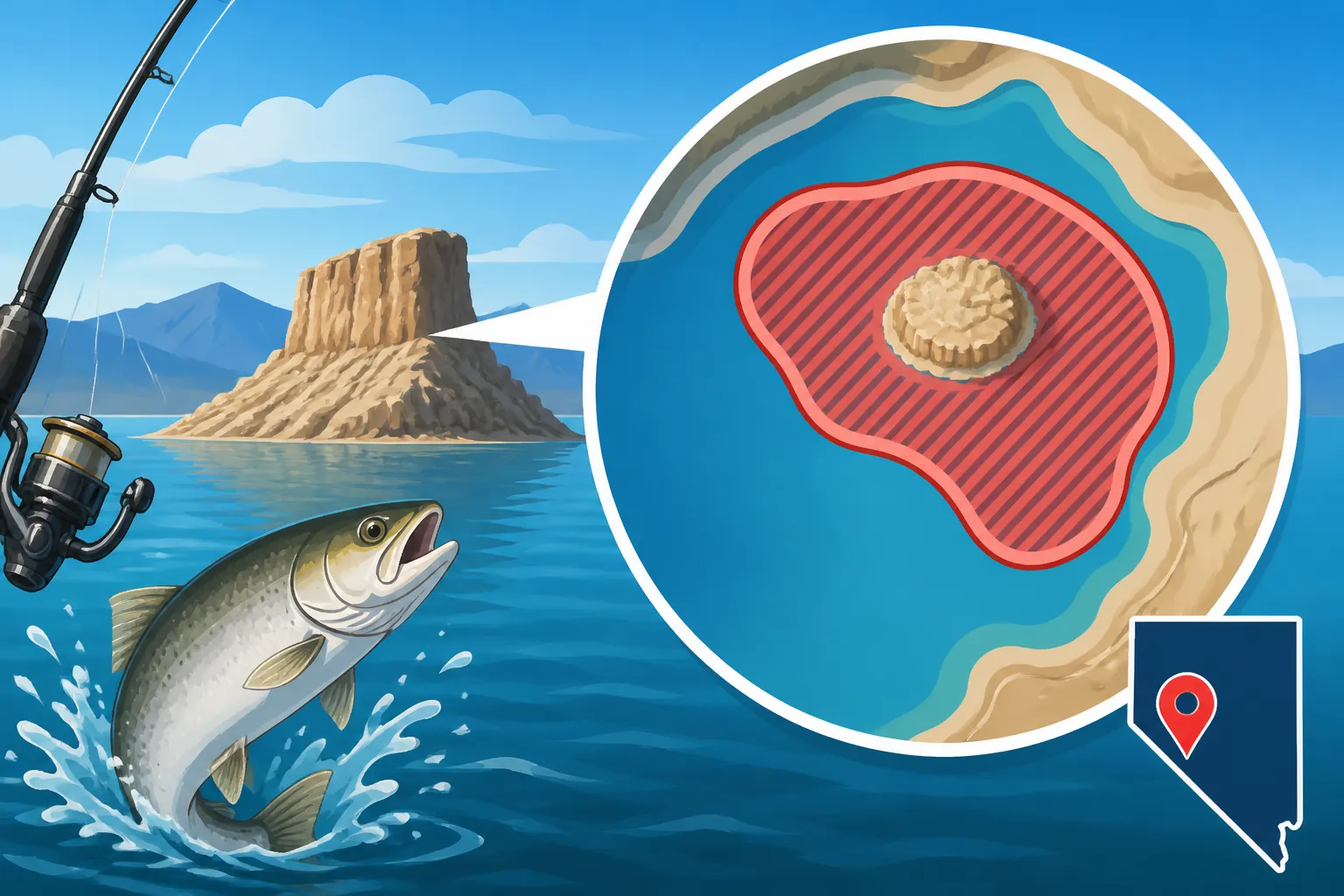
Marble Bluff closure zone location at Pyramid Lake
One of the biggest headaches for any angler planning a trip to Nevada's legendary Pyramid Lake is navigating the specific regulations, and few areas cause as much confusion and frustration as the Marble Bluff closure zone. It's easy to accidentally wander into restricted waters, risking a hefty fine and impacting critical fish populations. This guide is designed to clear up all that uncertainty, pinpointing exactly where the Marble Bluff closure zone is located, explaining why it's so vital, and helping you understand how to fish responsibly and legally around this sensitive area.
Understanding the Marble Bluff Closure Zone's Purpose
The Marble Bluff closure zone isn't just an arbitrary line on a map; it's a critical component of conservation efforts for the magnificent Lahontan Cutthroat Trout, a species that is not only native to Pyramid Lake but also a significant part of its identity. Anglers often wonder why such a prime piece of water is off-limits, especially when the fishing can be so good nearby. The answer lies deep within the life cycle of these incredible fish and the history of Pyramid Lake itself.
The Critical Role of Marble Bluff in Trout Spawning
At its heart, the Marble Bluff area, particularly the section near the mouth of the Truckee River, is a vital spawning ground for the Lahontan Cutthroat Trout. These fish, once nearly extinct from Pyramid Lake due to habitat destruction and overfishing in the early 20th century, have made an incredible comeback thanks to dedicated conservation efforts. The Truckee River is their ancestral spawning highway, where adult trout migrate upstream from the lake to lay their eggs. This natural migration and reproduction are absolutely essential for the long-term health and sustainability of the entire fishery.
Imagine a bustling fish nursery, but one that is incredibly fragile. Any disturbance during this critical period can have devastating effects on future generations of trout. This means that even seemingly minor activities, like casting a line, wading through the water, or even just having a boat in the area, can disrupt the delicate spawning process. The closure ensures these fish have the peace and protection they need to successfully reproduce, allowing the cycle of life to continue uninterrupted.
The efforts to restore the Lahontan Cutthroat Trout have been monumental, and the success stories we see today—with anglers regularly catching fish exceeding 15 pounds—are a direct result of these protective measures. Without areas like Marble Bluff being strictly protected, the unique and world-renowned fishery at Pyramid Lake could quickly decline. It's a small sacrifice of fishing territory for a much larger, more sustainable reward for everyone who cherishes this lake.
Historical Context and Modern Conservation
The history of Pyramid Lake's Lahontan Cutthroat Trout is a powerful lesson in conservation. Decades ago, the construction of dams and diversions on the Truckee River, primarily for agricultural purposes, essentially cut off the trout's access to their spawning grounds. This, combined with intense fishing pressure, led to the native trout being declared extinct in Pyramid Lake by the 1940s. It was a stark reminder of human impact on natural ecosystems.
The modern conservation story of Pyramid Lake, however, is one of hope and tireless effort. Through partnerships with the Pyramid Lake Paiute Tribe, the U.S. Fish and Wildlife Service, and various environmental groups, the native Lahontan Cutthroat Trout was reintroduced, primarily through hatchery programs and, crucially, through the construction of the Marble Bluff Dam and Fishway. This fishway, a sophisticated ladder system, was built specifically to help the trout bypass obstacles and reach their spawning grounds in the Truckee River once again.
This intricate system allows biologists to manage the spawning runs, collect data, and ensure the trout can safely complete their journey. The closure zone, therefore, protects not only the fish in their natural spawning behavior but also the considerable investment and ongoing work that goes into managing this delicate ecosystem. It's a testament to what can be achieved when conservation is prioritized, safeguarding the future of fishing for generations to come. You can learn more about these incredible fish in our guide on the .
Locating the Marble Bluff Closure Zone at Pyramid Lake
Knowing why the Marble Bluff area is closed is one thing, but knowing exactly where those boundaries lie is crucial for any angler. Pyramid Lake is vast, and without clear markers, it can be incredibly easy to inadvertently cross into a restricted area, even with the best intentions. Understanding the geographical layout and key landmarks will help you navigate safely and legally.
Defining the Boundaries of the Restricted Area
The Marble Bluff closure zone specifically encompasses the area around the Marble Bluff Dam and the mouth of the Truckee River as it flows into Pyramid Lake. Generally, this means the eastern shoreline of the lake, particularly where the river discharges its waters. The closure extends from the actual dam structure itself, downstream to the point where the Truckee River merges with Pyramid Lake, and then extends a significant distance into the lake itself, both north and south of the river mouth. This aquatic buffer zone is designed to give the spawning fish ample space and protection as they stage for their upstream migration or recover from it.
It's not just the water that's closed; often, the adjacent shoreline and land areas are also part of the restricted zone to prevent disturbance. While the precise boundaries can sometimes be marked with buoys on the water or signs on the land, water levels at Pyramid Lake can fluctuate significantly, sometimes making these markers less obvious. It's always best to err on the side of caution and understand the general vicinity of the closure rather than relying solely on visible markers that might be misplaced or submerged. A good rule of thumb is to maintain a considerable distance from the clearly visible Marble Bluff structure and the river mouth.
Identifying Landmarks and Access Points
The most prominent landmark for the Marble Bluff closure zone is, predictably, the Marble Bluff Dam itself, along with the associated fishway structure. This large concrete and metal structure is impossible to miss on the eastern side of the lake where the Truckee River enters. If you can see the dam, you're either in or very close to the closed area. Another key indicator is the actual flow of the Truckee River as it empties into the lake. This distinctive confluence of river and lake water is precisely where the fish concentrate.
For boaters, identifying the closure can be done by looking for buoys or signs posted by the Pyramid Lake Paiute Tribe Fisheries. However, strong winds and waves can move these, so don't rely on them as your only guide. From shore, if you're standing at a common access point like Warrior Point or Pelican Point, look generally towards the southeast, and you'll see the distant structures of Marble Bluff. The closure primarily affects fishing near the very easternmost part of the lake.
If you are approaching from the popular Pelican Point area, the closure zone will be quite a distance to your south-east. Anglers typically fish well north of this area. Access points further south, closer to the dam, will have more explicit signage. Always consult an up-to-date map from the Pyramid Lake Paiute Tribe Fisheries Department or the Nevada Department of Wildlife (NDOW) before heading out. Sometimes, booking a local fishing guide through platforms like FishingBooker can provide invaluable real-time knowledge of these nuanced regulations and direct you to the best legal spots. They can literally show you the lines you can't cross.
Fishing Regulations and Enforcement in the Closure Area
Understanding the "don'ts" of the Marble Bluff closure zone is just as important as knowing the "dos" for the rest of Pyramid Lake. Ignoring these rules, whether intentionally or accidentally, can lead to serious repercussions. The Pyramid Lake Paiute Tribe Fisheries Department rigorously enforces these regulations to protect the vital Lahontan Cutthroat Trout fishery.
Specific Rules and Prohibitions
Within the designated Marble Bluff closure zone, fishing is absolutely prohibited. This isn't a "catch and release only" zone; it's a "no fishing, period" zone. This means no casting, no trolling, no setting lines, no wading, and typically no entering the water with any kind of vessel, whether it's a boat, kayak, or float tube. The restriction also often extends to the immediate shoreline, preventing any disturbance from land-based activities.
Beyond just fishing, any activity that could disturb the spawning fish or their habitat is generally forbidden. This includes swimming, using personal watercraft, or even launching watercraft within the closure boundaries. The goal is complete peace and quiet for the trout. It's not uncommon for these areas to have additional signage indicating "Restricted Area" or "No Trespassing" on adjacent land, further emphasizing the need to stay clear. When in doubt, assume it's off-limits if it looks like it's part of the dam or river mouth area.
It's also worth remembering that these rules are in place year-round, regardless of whether you personally observe fish actively spawning. The closure is a permanent protective measure, recognizing the dynamic nature of fish movements and the fragility of their habitat. For comprehensive details on other lake-wide rules, be sure to check our detailed guide on the .
Consequences of Violating the Closure
The Pyramid Lake Paiute Tribe Fisheries Department takes violations of the Marble Bluff closure zone very seriously. If you are caught fishing or otherwise disturbing the restricted area, you can expect significant penalties. These often include hefty fines, confiscation of fishing gear (including rods, reels, and even boats), and potentially a ban from fishing on Pyramid Lake for a specified period. Game wardens regularly patrol this area, both from the water and from the shoreline, and they are highly vigilant.
A violation here isn't just a slap on the wrist; it's seen as a direct threat to the ongoing conservation efforts. The fines can range from hundreds to thousands of dollars, depending on the severity and whether it's a repeat offense. Beyond the financial impact, the embarrassment and inconvenience of having your equipment seized and your trip cut short can be considerable. It's simply not worth the risk. Always carry your valid fishing permits, including your specific .
To avoid any issues, always review the most current regulations published by the Pyramid Lake Paiute Tribe Fisheries. These are typically available at permit vendors, local tackle shops, and on the Tribe's official website. Understanding and adhering to these rules shows respect for the land, the fish, and the local community that works so hard to maintain this incredible fishery.
Navigating Fishing Near the Closure Zone
So, the Marble Bluff area is closed – that's clear. But how do you enjoy Pyramid Lake's fantastic fishing without inadvertently straying into trouble? It's all about awareness, preparation, and knowing where to focus your efforts for a legal and productive day on the water.
Best Practices for Anglers Around Marble Bluff
When planning your fishing trip to Pyramid Lake, the first and most crucial step is to obtain your tribal fishing permit. This is mandatory for anyone fishing on the lake. You can usually purchase these at local shops in Nixon or Sutcliffe, or sometimes online. Along with your permit, you'll receive a copy of the current regulations. Read it thoroughly. These booklets often include maps clearly delineating the Marble Bluff closure zone.
When you're on the water, whether from a boat or the shore, exercise caution if you find yourself anywhere near the general vicinity of Marble Bluff Dam or the mouth of the Truckee River. If you're not absolutely certain you're outside the closed area, move further away. Using a GPS-enabled depth finder or a fishing app on your phone that has lake maps can be incredibly helpful for pinpointing your location relative to known landmarks. For boaters, staying well clear of any buoys or warning signs is non-negotiable.
Many anglers choose to fish the northern and central areas of the lake, which are well away from Marble Bluff. Popular spots like Warrior Point, Pelican Point, or even the western shorelines offer excellent fishing opportunities without the risk of encroaching on the closure. These areas are known for holding large Lahontan Cutthroat Trout, especially during peak seasons. Consider exploring other .
Here's a quick overview of what to keep in mind when fishing Pyramid Lake:
| Area of Concern | Regulation Guideline | Recommended Action |
|---|---|---|
| Marble Bluff Zone | Absolutely no fishing, wading, boating, or entry into the marked area. This includes the river mouth and dam area. | Stay well clear. Use GPS if unsure. Fish distant, clearly open areas. |
| General Lake Fishing | Requires a Pyramid Lake Tribal Fishing Permit. Adhere to daily bag limits and size restrictions for Lahontan Cutthroat Trout. | Purchase permit, carry it with you. Know the current . |
| Gear & Bait | Barbless hooks are generally required. Specific bait restrictions may apply in certain areas or for certain species. | Ensure all hooks are barbless. Check current regulations for bait rules like . |
| Fishing Hours | General fishing hours are usually from one hour before sunrise to one hour after sunset, though night fishing may be permitted in certain areas. | Check the specific regulations for . |
| Boat Launching | Only use designated launch points. No launching within or near the Marble Bluff closure. | Utilize official . |
Resources for Up-to-Date Information
Staying informed is your best defense against accidental violations. The primary authority for all regulations at Pyramid Lake is the Pyramid Lake Paiute Tribe Fisheries Department. Their official website is the go-to source for the most current rules, permit information, and any temporary closures or advisories. Don't rely solely on word-of-mouth or outdated information from online forums.
Additionally, local tackle shops around Reno, Sparks, and the small communities bordering Pyramid Lake, such as Crosby's Lodge or the Pyramid Lake Store, are invaluable resources. The staff at these establishments are often avid Pyramid Lake anglers themselves and can provide current insights into conditions, fishing hot spots (outside the closure!), and any recent regulation changes. They are also the place to purchase your tribal permits.
Finally, if you're planning a guided trip, make sure your guide is licensed and reputable. Experienced Pyramid Lake guides are intimately familiar with all the regulations, including the Marble Bluff closure. They will ensure you stay in legal waters and have a successful and compliant fishing experience. Many guides can be found and booked through services like FishingBooker, where you can often read reviews and ensure they are well-versed in local rules. This extra step can provide peace of mind and significantly enhance your overall enjoyment of this truly special fishery.
Disclaimer
Please note that fishing regulations can change. While every effort has been made to provide accurate and up-to-date information, it is always the angler's responsibility to consult the most current regulations published by the Pyramid Lake Paiute Tribe Fisheries Department and the Nevada Department of Wildlife (NDOW) before planning any fishing trip. This guide is for informational purposes only and does not constitute legal advice.