Eagle Valley Reservoir Fishing
There’s nothing quite like the feeling of needing to escape the hustle and bustle of everyday life, especially when you’re craving some peace and quiet with a fishing rod in hand. Finding those serene, tucked-away gems where the fish are biting and the scenery is breathtaking can be a real challenge in our fast-paced world. But trust me, Nevada has its secrets, and one of the most rewarding is Eagle Valley Reservoir. This guide is your in-depth look at everything you need to know to make your fishing trip to this incredible destination a truly memorable one.
Discovering Eagle Valley Reservoir's Charm
Eagle Valley Reservoir isn't just another fishing spot; it's an experience, a journey into a quieter, more reflective side of Nevada. Nestled away in a less-traveled corner of the state, it offers a refreshing change of pace and some truly excellent angling opportunities.
Location and Accessibility
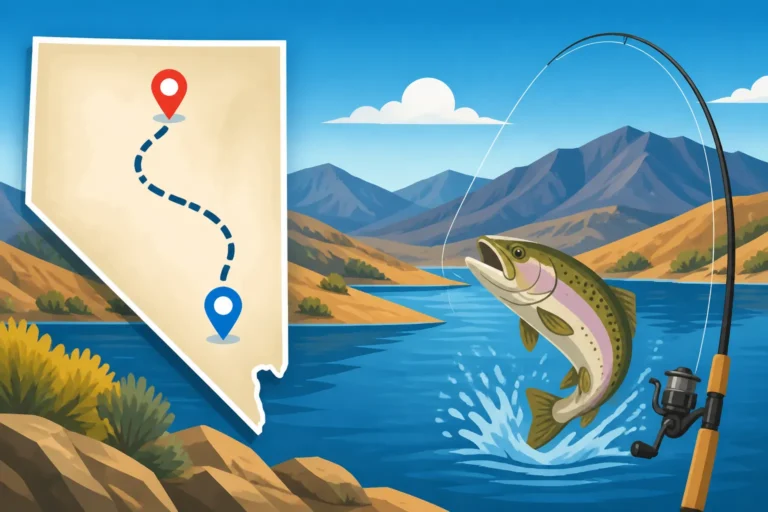
Eagle Valley Reservoir is situated in Lincoln County, in the southeastern part of Nevada, roughly 10 miles south of Pioche. For those traveling from major population centers, it's a commitment, but one that pays off handsomely. From Las Vegas, you're looking at a drive of about three to four hours northeast, heading through scenic desert landscapes and small, historic towns like Caliente. If you're coming from the Ely area, it's a much shorter trip, usually less than an hour's drive south. The roads leading to the reservoir are generally well-maintained, but as with any remote Nevada destination, checking local road conditions, especially during adverse weather, is always a smart move. You'll primarily be on paved highways, with the last stretch onto paved or well-graded dirt roads that are usually accessible by most vehicles.
The journey itself becomes part of the adventure. As you leave the major interstates, the traffic fades, and the vast, open spaces of rural Nevada unfold before you. You'll pass through stunning red rock formations, high desert plains, and perhaps even spot some local wildlife before you reach the welcoming green oasis of the state park. This remoteness, while requiring a bit of extra planning for gas and supplies, is precisely what makes Eagle Valley so special. It keeps the crowds thin, ensuring a peaceful and unhurried fishing experience. You won't find many fast-food chains or sprawling supermarkets nearby, so packing all your essentials is crucial.
Reservoir Characteristics and Scenery
Eagle Valley Reservoir itself is a relatively small but surprisingly deep body of water, covering about 65 acres when full. Its depth can reach up to 40 feet in some areas, providing excellent cold-water habitat for trout. The water is often remarkably clear, allowing for sight-fishing opportunities on calm days, which adds an exciting dimension to your angling. The clarity means that stealth can be an asset, as fish might be more easily spooked by sudden movements or bright colors.
The reservoir is the centerpiece of Eagle Valley Reservoir State Park, which means the surrounding area is protected and well-maintained. Towering pinyon pines and junipers dot the hillsides, creating a picturesque backdrop that transitions beautifully through the seasons. In the fall, the cottonwoods along the shoreline can turn brilliant gold, creating a truly breathtaking scene. The park offers picnic areas, campgrounds, and even a boat launch, making it an ideal destination for a multi-day trip. You might spot mule deer grazing, various bird species flitting through the trees, or even a majestic raptor circling overhead. This natural beauty, combined with the tranquility of the remote setting, is a huge part of Eagle Valley’s appeal, offering more than just fishing – it’s a full immersion into Nevada’s high desert wilderness.
Understanding the Fish Species at Eagle Valley
When you cast a line into Eagle Valley Reservoir, you're primarily hoping to tangle with some cold-water species, though the shallower areas hold their own warm-water treasures. Knowing what to expect and what lurks beneath the surface can greatly improve your chances of a successful and exciting day.
Primary Game Fish: Rainbow Trout and Brown Trout
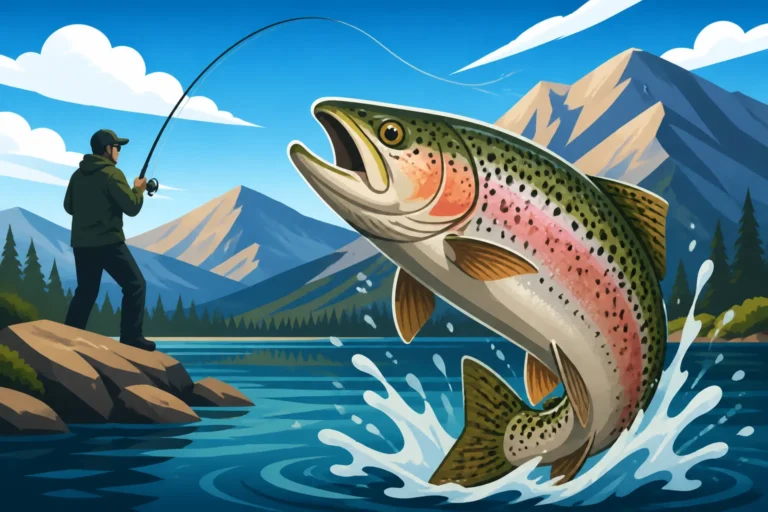
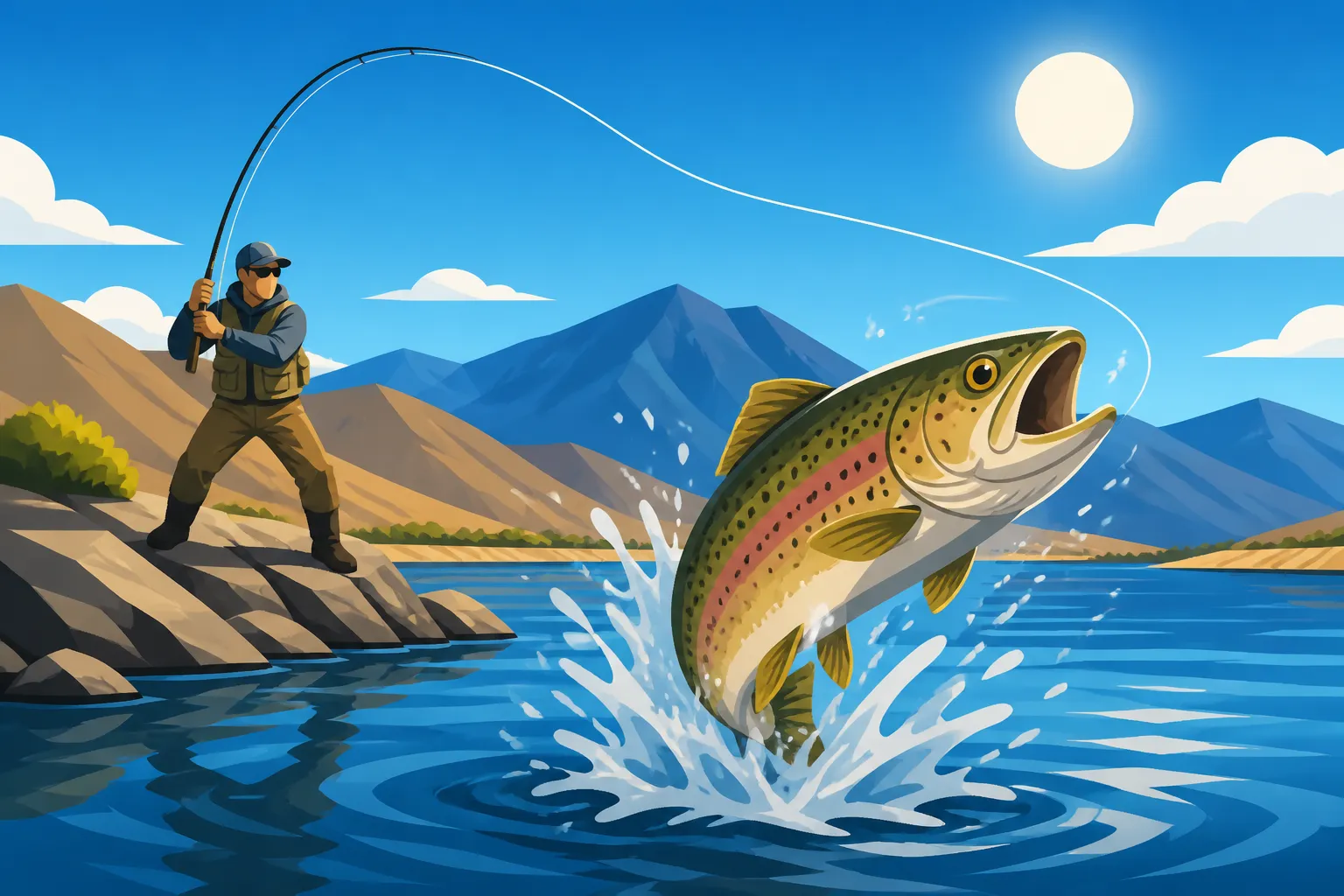
The undisputed stars of Eagle Valley Reservoir are its trout. The Nevada Department of Wildlife (NDOW) regularly stocks the reservoir with catchable-sized rainbow trout, ensuring there’s always a healthy population for anglers. These stockers are often feisty and provide consistent action, especially for those new to trout fishing or younger anglers. They tend to hang out in various depths depending on the season, moving shallower in cooler weather and deeper when the sun is high and the water warms. Information about specific stocking dates and sizes can often be found on the Nevada Trout Stocking Schedule provided by NDOW, which is a great resource for planning your trip.
While rainbow trout are plentiful, Eagle Valley also holds a population of brown trout. These fish are a bit more elusive and are known for their predatory nature and larger size. Brown trout often grow bigger and older than rainbows in the same waters, and catching one is often considered a true trophy. They tend to be more wary and prefer to hide among submerged structures or along rocky ledges, ambushing unsuspecting prey. Targeting browns often requires a different approach, leaning towards larger lures or baits that mimic small fish. The challenge of hooking into a sizeable brown trout is a major draw for many experienced anglers visiting Eagle Valley.
Other Inhabitants: Bass, Crappie, and Perch
While trout are the main attraction, Eagle Valley Reservoir also supports a healthy population of other game fish that can offer a fun change of pace. Smallmouth bass, in particular, have found a comfortable home here. These hard-fighting fish thrive in rocky, clear-water environments, making many of Eagle Valley's shorelines and submerged structures ideal habitats. Smallmouth are known for their aggressive strikes and powerful fights, often leaping clear of the water when hooked. They can be found cruising the shallows in spring and fall, and move to deeper structure during the heat of summer. For a comprehensive look at various fish species you might encounter, check out our Nevada Fish Species Guide.
Beyond bass, anglers might also encounter crappie and yellow perch. Crappie are panfish known for their delicious white meat and can often be found schooling around submerged brush piles, timber, or weed beds. They are particularly active during spring and early summer as they move into shallower water to spawn. Yellow perch are another popular panfish, easily identified by their distinctive vertical stripes. Like crappie, they tend to congregate in schools and can provide fast action, especially when located. While these species may not reach the trophy sizes seen in some other Nevada reservoirs, they offer consistent fun and are excellent table fare, making Eagle Valley a truly diverse fishing destination.
Essential Fishing Techniques and Tips for Eagle Valley
Successful fishing at Eagle Valley Reservoir, like any nuanced fishery, often comes down to understanding the environment and employing the right techniques. Whether you prefer keeping your feet on solid ground or venturing out onto the water, there are strategies that will increase your chances of a memorable catch.
Shore Fishing Success Strategies
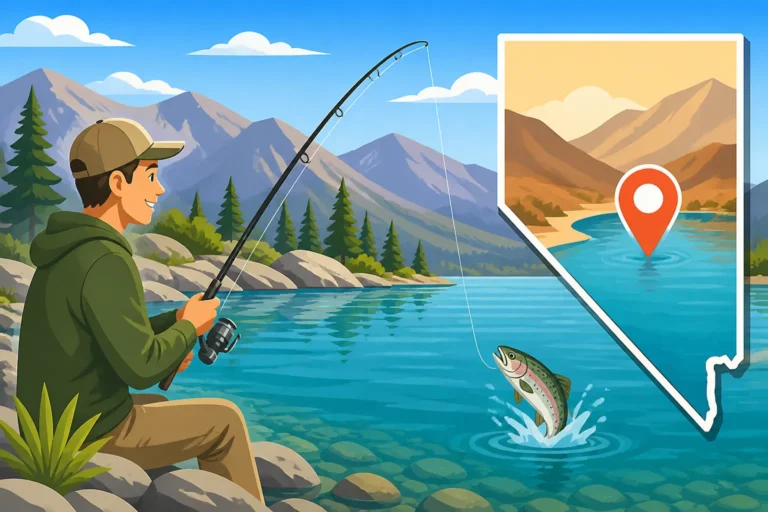
Shore fishing is incredibly popular at Eagle Valley, and for good reason—there are plenty of accessible spots, and you don't need a boat to have a great day. The dam face and various rocky points along the shoreline are prime locations, as fish often cruise these areas looking for food or cover. For bait fishing, tried-and-true options like PowerBait, especially in bright colors like green or orange, or natural baits like nightcrawlers and salmon eggs, are excellent choices for trout. When using PowerBait or similar dough baits, rigging them on a small treble hook with a slip sinker above, allowing the bait to float just off the bottom, is a classic and effective method.
Another fantastic option for shore anglers is casting small spinners or spoons. Brands like Panther Martin, Mepps, and Kastmaster are perennially popular for trout. The flash and vibration mimic small baitfish or insects, triggering aggressive strikes. Experiment with retrieve speeds and depths; sometimes a slow, steady retrieve works best, while other times a stop-and-go retrieve can be more enticing. Pay attention to the wind, too. A gentle breeze creating a chop on the water can actually be your friend, breaking up your outline and making fish less wary. For more detailed information on bait choices, you might find our guide on the Best Bait for Nevada Trout particularly helpful, and for specific lure types, don't miss our article on the Best Lures for Nevada Bass.
Boat and Kayak Angling Approaches
While shore fishing is productive, having a boat or kayak at Eagle Valley can unlock even more opportunities, allowing you to reach deeper water and untouched coves. For trout, trolling is a highly effective method. Using small to medium-sized crankbaits, like Rapalas or similar shallow-diving lures, or wedding rings tipped with a piece of nightcrawler, can cover a lot of water. Adjust your trolling speed and depth using lead core line or downriggers to find where the fish are holding. Trout often suspend at certain depths, especially in the warmer months, so having the ability to present your lure at precise depths is a huge advantage.
When targeting smallmouth bass or crappie, focus on submerged structures like rock piles, ledges, and brush. Jigging with small grub baits, tubes, or blade baits can be incredibly effective. Use your fish finder to locate schools of baitfish or prominent structures, then position your boat or kayak to work those areas thoroughly. Kayak fishing offers a stealthy approach, allowing you to sneak into tight coves and along shorelines without spooking fish. The quiet paddle strokes and low profile are distinct advantages. If you're considering kayak fishing, our guide on Kayak Fishing Gear for Nevada offers excellent insights into what you'll need. Sometimes, the best way to get real-time advice and find those honey holes is through local knowledge, and you can often find experienced guides who know Eagle Valley well by browsing platforms like FishingBooker.
Fly Fishing Opportunities
For the fly fishing enthusiast, Eagle Valley Reservoir presents some rewarding opportunities, especially during the spring and fall months when insect hatches are more prolific. Early mornings and late evenings are often the most productive times for a successful outing. During these periods, you'll want to focus on matching the hatch. Common patterns include various nymph imitations like Prince Nymphs, Hare's Ears, and Pheasant Tails, especially when fish are feeding sub-surface. For topwater action, keep an eye out for caddis or midge hatches and be ready with appropriate dry flies.
As the season progresses and conditions change, streamer patterns can become incredibly effective, particularly for those larger, more predatory brown trout. Patterns like Woolly Buggers (in black, olive, or brown) or larger minnow imitations can entice aggressive strikes. Focus on stripping these streamers along drop-offs, near rocky points, and around any submerged cover you can identify. The clearer water of Eagle Valley means that your presentation needs to be subtle and accurate. Many anglers find success wading into accessible areas or using a float tube or kayak to reach prime casting positions. For those looking to dive deeper into this specialized technique, our comprehensive guide on Fly Fishing in Nevada provides a wealth of information to help you prepare.
Seasonal Fishing Patterns and Best Times to Visit
Understanding the distinct seasonal patterns at Eagle Valley Reservoir is key to maximizing your fishing success. Each season presents its own set of challenges and opportunities, influencing fish behavior and, consequently, the best techniques to employ.
Spring and Fall: Prime Time for Trout
Without a doubt, spring and fall are considered the absolute prime times for trout fishing at Eagle Valley Reservoir. As the ice melts and water temperatures begin to rise in the spring, trout become incredibly active, moving into shallower waters to feed aggressively after the long winter. This is when you'll find them eagerly taking a variety of baits and lures. The NDOW stocking efforts in spring also mean a fresh influx of catchable rainbows, providing excellent action. The weather is generally pleasant, making for comfortable days on the water, and the natural scenery comes alive with new growth.
Similarly, the fall offers another fantastic window of opportunity. As summer's heat recedes and water temperatures cool, trout once again become very active. They feed heavily in preparation for winter, making them more susceptible to baits and lures. Furthermore, this is often the time when brown trout become more aggressive as they approach their spawning season. The vibrant autumn colors reflecting on the calm water add an extra layer of beauty to your fishing experience. During both these seasons, focus on the shallower coves, points, and anywhere baitfish or insects might congregate.
Summer and Winter Considerations
While spring and fall are peak seasons, Eagle Valley Reservoir can still offer rewarding fishing during the extremes of summer and winter, provided you adjust your tactics. Summer fishing can be challenging due to the intense Nevada heat. As surface water temperatures rise, trout will retreat to deeper, cooler sections of the reservoir. To combat this, focus your efforts during the cooler parts of the day – early mornings and late evenings are often the most productive. Employ techniques that target deeper water, such as trolling with downriggers or deep-jigging near the dam or other deep structures. Smallmouth bass, however, remain active in the summer, often relating to submerged rocks and ledges, making them a good target during these warmer months.
Winter brings its own unique set of conditions. Depending on the severity of the cold, Eagle Valley Reservoir can freeze over, offering opportunities for ice fishing. If you're venturing out onto the ice, safety is paramount, and checking ice thickness is non-negotiable. When the ice is safe, targeting trout through the ice with small jigs tipped with bait or mealworms can be very effective. This specialized technique requires specific gear and knowledge, and our guide to Ice Fishing in Nevada can provide valuable insights. Even if the lake doesn't fully freeze, winter fishing means slower action but the potential for larger, less pressured fish. Regardless of the season, checking current conditions and forecasts is always wise. If you're looking for up-to-date local conditions or want to book a trip with an expert who understands these seasonal shifts, FishingBooker can connect you with local guides who specialize in Eagle Valley and can tailor your outing to the time of year.
Regulations, Permits, and Responsible Angling
Before you even think about casting a line into the pristine waters of Eagle Valley Reservoir, it's absolutely crucial to be informed about the local regulations. Ignoring these rules isn't just a minor oversight; it can lead to hefty fines and a spoiled fishing trip. As responsible anglers, we all play a part in preserving Nevada's fisheries for future generations.
Nevada Fishing License and Trout Stamp
The most fundamental requirement for fishing at Eagle Valley Reservoir, or anywhere in Nevada for that matter, is a valid Nevada fishing license. No matter if you're a resident or just visiting, if you're 12 years old or older, you need one. This license is critical; it proves you've contributed to the conservation efforts that keep these fisheries healthy and stocked. You can easily purchase your license online through the Nevada Department of Wildlife (NDOW) website, or visit various sporting goods stores and authorized vendors across the state. For a detailed walkthrough on how to obtain yours, check out our guide on How to Get a Fishing License in Nevada. It's a straightforward process, but getting it done before you head out is always best to avoid any last-minute stress.
In addition to your general fishing license, if you plan on targeting trout—which, let's be honest, is a major reason to visit Eagle Valley—you will also need to purchase a Nevada Trout Stamp. This additional stamp helps fund specific trout enhancement and stocking programs throughout the state. It's a small extra cost that makes a big difference in ensuring healthy trout populations in places like Eagle Valley. There might be some specific exemptions, so always verify current requirements. To ensure you're fully compliant, our article on Nevada Trout Stamp Requirements has all the information you'll need. Always carry both your physical license and stamp, or proof of purchase, with you while fishing. Game wardens frequently patrol these areas, and they will check.
Bag Limits and Special Rules for Eagle Valley
Each body of water in Nevada, including Eagle Valley Reservoir, operates under specific daily bag and possession limits designed to manage fish populations sustainably. For trout, the statewide daily limit is often a combined total of five fish, but these numbers can fluctuate based on specific species, size restrictions, or even localized rules. For instance, some waters might have different limits for brown trout versus rainbow trout, or specific slot limits to protect larger breeders. Always double-check the most current Nevada Fishing Regulations booklet, available online or at license vendors, before your trip. Our Nevada Statewide Bag Limits Explained guide can give you a general overview, but local rules often supersede statewide norms.
For smallmouth bass and other species like crappie and perch, there will also be specific daily and possession limits. These are put in place to ensure healthy populations for future angling. It's not uncommon for reservoirs to have limits that encourage the harvest of smaller, more numerous panfish while protecting larger game fish. While Eagle Valley doesn't typically have highly restrictive or unusual regulations compared to some other unique Nevada fisheries, it's always best to be prepared. When it comes to catch and release, especially for larger brown trout, consider using barbless hooks and minimizing handling time to ensure the fish's survival. The goal is to enjoy the resource responsibly, ensuring great fishing for years to come.
Respecting the Environment and Fellow Anglers
Fishing at Eagle Valley Reservoir is about more than just catching fish; it's about connecting with nature and respecting the incredible environment it offers. This means adhering to "leave no trace" principles. Pack out everything you pack in, including all trash, discarded fishing line, and any leftover bait. Even biodegradable items can take a long time to break down and detract from the natural beauty. Use designated fire rings in campgrounds, and be extremely cautious with any open flames, especially in Nevada's dry climate.
Respect also extends to your fellow anglers. Be mindful of casting space, especially in popular shore fishing areas. If someone is already fishing a spot, give them plenty of room or find another area. Keep noise levels down, particularly early in the morning or late in the evening when wildlife is most active and other campers are seeking peace. Share the water responsibly with boaters, kayakers, and even hikers in the state park. Remember that this beautiful location is a shared resource, and our actions directly impact its health and the experience of others. By practicing responsible angling and outdoor ethics, we can all ensure Eagle Valley Reservoir remains a cherished destination for everyone.
Here's a quick reference table to help you plan your Eagle Valley Reservoir fishing adventure:
| Fish Species | Primary Seasons | Recommended Techniques | Notes |
|---|---|---|---|
| Rainbow Trout | Spring, Fall (Best) | Shore: PowerBait, worms, spinners, spoons. Boat: Trolling with small crankbaits, wedding rings. | Regularly stocked, good action. Active in cooler water. |
| Brown Trout | Spring, Fall | Lures: Larger spoons, minnow imitations, dark streamers. Bait: Nightcrawlers. | More elusive, can grow larger. Prefer cover. |
| Smallmouth Bass | Spring, Summer, Fall | Lures: Jigs, plastic worms, crankbaits, spinnerbaits. Live Bait: Crayfish. | Active in warmer months, relate to rocky structure. Aggressive fighters. |
| Crappie | Spring, Early Summer | Jigs: Small marabou jigs, plastic grubs. Bait: Minnows. | Schools around submerged brush, timber. Excellent table fare. |
| Yellow Perch | All Year (Ice fishing) | Jigs: Small spoons, ice jigs. Bait: Mealworms, wax worms. | Often caught incidentally, good for kids. Can be targeted through ice. |
Disclaimer
Please be aware that fishing regulations, conditions, and fish stocking schedules can change. Always consult the latest Nevada Department of Wildlife (NDOW) regulations and local advisories before heading out on your fishing trip to Eagle Valley Reservoir or any other body of water. Stay safe and enjoy your time responsibly.