Comins Lake Fishing Near Ely
One of the biggest struggles for anglers in Nevada, especially those looking for a diverse fishing experience away from the bustling crowds of larger lakes, is finding that perfect, serene spot that consistently delivers. You want a place that's not just beautiful but also holds a good variety of fish and offers different fishing challenges throughout the year. This comprehensive guide is here to walk you through everything you need to know about Comins Lake near Ely, an often-overlooked gem that truly offers a rewarding fishing adventure for anyone willing to explore eastern Nevada's aquatic treasures.
Discovering Comins Lake: Location and Accessibility
Comins Lake, nestled in White Pine County, Nevada, often flies under the radar compared to the state's more famous fishing destinations. But for those in the know, it’s a fantastic option, especially if you're looking for a quieter, more intimate fishing experience. Its proximity to Ely makes it easily accessible for stocking up on supplies or finding a comfortable place to stay.
Getting to Comins Lake from Ely
If you're heading to Comins Lake, Ely is your closest major town and a great base for your trip. Ely, a historic mining town, is situated right on U.S. Route 93 and U.S. Route 6. From Ely, getting to Comins Lake is a straightforward drive, usually taking around 15-20 minutes. You’ll head east out of town on U.S. 6/93/50, then turn south onto County Road 34. The drive is scenic, offering glimpses of the high desert landscape, and the roads are generally well-maintained, making it easy for most vehicles to reach the lake. There are clear signs directing you, so navigation shouldn't be an issue, even if it's your first time out this way.
The journey itself sets the tone for a peaceful day on the water, gradually transitioning from the small-town charm of Ely to the expansive, rugged beauty of eastern Nevada. For those unfamiliar with the area, it's always a good idea to download offline maps on your phone, as cell service can be spotty in some parts of rural Nevada. While you’re in Ely, you can grab any last-minute tackle or snacks from local shops, ensuring you’re fully prepared before you hit the water.
Boat and Shoreline Access Points
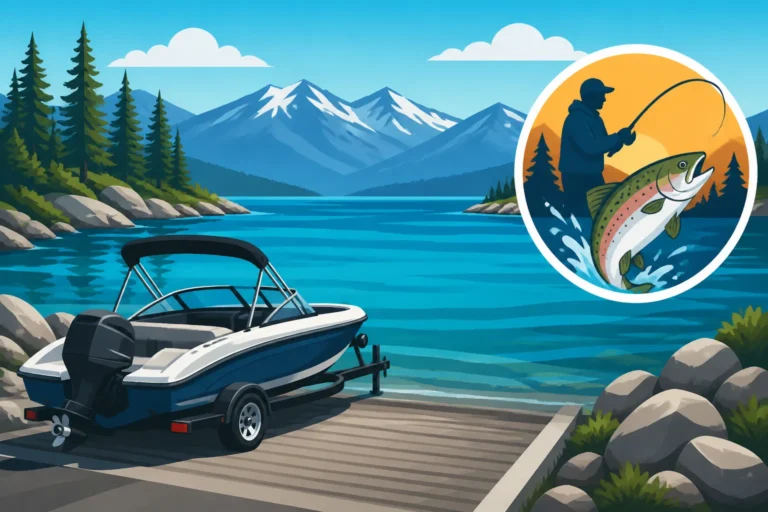
Comins Lake is quite accommodating for both boaters and those who prefer to fish from shore. There’s a paved boat ramp available, making it easy to launch everything from small aluminum boats and bass boats to kayaks and canoes. The lake's size, approximately 1,000 acres when full, makes it manageable for smaller craft, and it’s large enough to offer plenty of water to explore without feeling crowded, even on busier weekends. Remember to check the water levels before you go, especially during drought years, as this can impact ramp accessibility.
For bank anglers, there are numerous spots around the perimeter of the lake where you can set up shop. The terrain is generally accessible, with some areas offering more gradual slopes and clearer casting lanes than others. You'll find natural points, coves, and varying depths right from shore, providing diverse opportunities to target different species. Pack a comfortable chair, some shade, and be ready to explore a bit to find your perfect spot. Given its popularity with local anglers, you might even pick up a few tips from friendly faces you meet on the banks.
Camping and Day Use Areas
Comins Lake isn't just a place to fish for a few hours; it's designed for a longer, more immersive experience. The Comins Lake Campground, managed by the Bureau of Land Management (BLM), offers basic but functional campsites right near the water. These sites are typically first-come, first-served, so if you're planning a trip during a popular time, it's wise to arrive early. The campground provides a great base for an extended fishing trip, allowing you to wake up and hit the water before the sun fully rises, maximizing your prime fishing hours.
In addition to camping, there are designated day-use areas with picnic tables and restrooms, perfect for families or those just looking to spend the day enjoying the lake. These facilities help ensure a comfortable visit, whether you're bringing a full picnic spread or just need a convenient spot to take a break. While you might not find the extensive amenities of some larger state parks, the rustic charm and peaceful atmosphere of Comins Lake are a big part of its appeal. Remember to pack out everything you pack in, helping to preserve the pristine environment for future visitors.
Fish Species and What You'll Catch
Comins Lake is a fantastic fishery primarily known for its trout, but it also offers exciting opportunities to catch other species, providing a well-rounded angling experience. The Nevada Department of Wildlife (NDOW) actively manages and stocks the lake, ensuring a healthy and vibrant fish population for anglers to enjoy year-round. Understanding what's in the water and when they bite best is key to a successful outing.
Primary Game Fish: Rainbow and Brown Trout
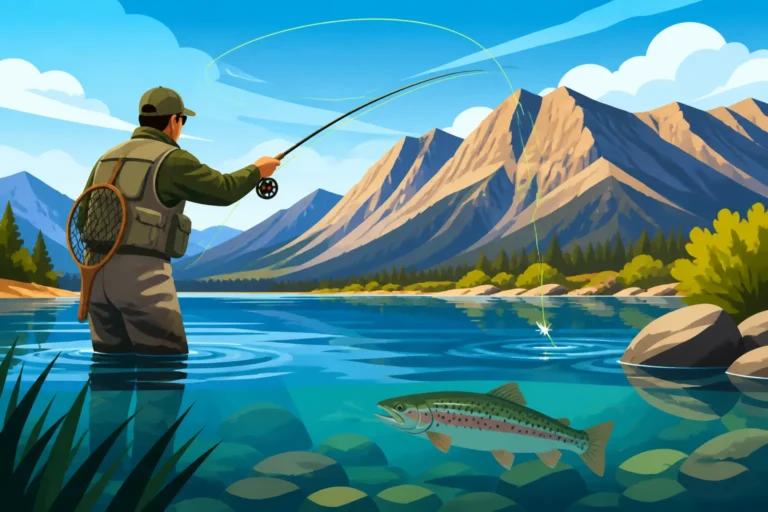
Without a doubt, rainbow trout are the stars of Comins Lake. The NDOW regularly stocks rainbow trout, often multiple times a year, which means there's a consistent supply of catchable fish for anglers. These stocked rainbows tend to be feisty and provide excellent action for bait, lure, and fly fishermen alike. You can expect to catch rainbows in the 10-16 inch range, with some larger holdovers reaching up to 20 inches or more. These larger trout often wise up to standard presentations, making them a rewarding challenge. If you're looking for guidance on how to land these beauties, check out our guide on how to Fish for Trout in Nevada.
Beyond the rainbows, Comins Lake also supports a healthy population of brown trout. Brown trout are known for being more elusive and often grow to larger sizes, making them a prized catch. They tend to be more predatory than rainbows, favoring artificial lures that mimic baitfish or larger insects. Targeting brown trout often requires a bit more patience and specialized techniques, but the reward of hooking into one of these aggressive, hard-fighting fish is well worth the effort. They prefer deeper, cooler water, especially during the warmer months, often lurking around submerged structures or drop-offs.
Other Species: Wiper Bass and Yellow Perch
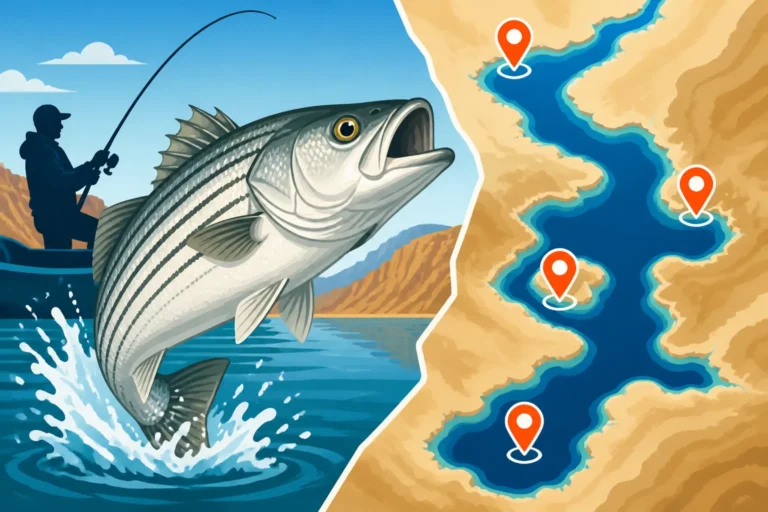
While trout take center stage, Comins Lake also offers a thrilling chance to hook into wiper bass. Wipers are a hybrid cross between striped bass and white bass, and they are incredibly strong fighters, known for their aggressive strikes and powerful runs. These fish grow rapidly and can reach impressive sizes, often providing an unexpected adrenaline rush for anglers. They typically roam in schools, often feeding on baitfish near the surface, especially during low light conditions or when shad are abundant. If you encounter a school of wipers, be prepared for fast-paced action! Identifying these feisty hybrids can be tricky, but our article on Wiper Hybrid Bass Identification can help you tell the difference.
Another species that contributes to the lake's diverse fishery is the yellow perch. While not as large as trout or wipers, yellow perch are excellent table fare and a lot of fun to catch, especially for younger anglers or those looking for consistent action. They tend to school up in various depths, often found near weed beds or submerged structures. Perch readily take small baits like worms or tiny jigs, making them a great target when the trout bite is slow. They're also a popular target for ice fishing, as they remain active in colder water.
Understanding Stocking Programs
The success of Comins Lake as a consistent fishery is largely due to the diligent efforts of the NDOW's stocking programs. These programs ensure that the lake remains well-populated with trout, especially rainbow trout, throughout the year. Knowing the Nevada Trout Stocking Schedule can significantly improve your chances of success, as fish tend to be more active and easier to catch shortly after they've been introduced to the lake. These newly stocked fish are often eager biters as they adjust to their new environment.
The stocking strategy often includes a mix of catchable-sized trout and fingerlings, which grow into larger fish over time. This approach creates a sustainable fishery where anglers can enjoy both immediate action and the potential for trophy-sized fish. NDOW's dedication to maintaining healthy fish populations makes Comins Lake a reliable destination for anglers, reducing the frustration of "fishing a dead lake" and increasing the likelihood of a rewarding day on the water.
Best Fishing Techniques and Seasons for Comins Lake
Fishing Comins Lake successfully often comes down to understanding the seasonal patterns and adapting your techniques to what the fish are doing. This high desert lake offers different challenges and opportunities throughout the year, from prime trout action in the cooler months to exciting, but sometimes challenging, summer fishing.
Spring and Fall: Prime Trout Action
If you're looking for the best chance to catch trout at Comins Lake, spring and fall are your absolute prime seasons. As the water temperatures cool down in the fall and warm up gradually in the spring, trout become incredibly active, moving into shallower waters to feed. This makes them more accessible to both boat and shore anglers. For detailed seasonal insights, our guide to Nevada Fishing Seasons by Month is an excellent resource.
In spring, as the ice melts (if it formed) and water temperatures begin to rise (typically from March through May), trout are hungry after a long winter. They'll readily strike a variety of baits and lures. PowerBait in bright colors, worms, and small Kastmasters or Panther Martin spinners are incredibly effective from shore. Boaters can have success trolling small Rapalas or wedding rings with a piece of worm. The fish are often spread out, so covering water is key. For fly anglers, nymph patterns and small streamers can produce great results, especially around inlets where new food sources are washing in.
Fall (September through November) mirrors the spring action, often offering even better conditions as the summer crowds thin out and fish put on the feedbag before winter. The cooling water revitalizes the fish, and they become very aggressive. This is often the best time to target larger brown trout, which are more active as they prepare for spawning. Similar baits and lures work well, but you might find slightly larger profiles or darker colors more effective as fish key in on larger prey. Fly fishing with streamers that imitate baitfish can be incredibly productive during this time.
Summer Challenges and Techniques
Summer fishing at Comins Lake (June through August) can be a bit more challenging, primarily due to rising water temperatures. As the surface water heats up, trout tend to retreat to deeper, cooler areas where oxygen levels are higher. This means shore anglers might have to cast further or focus on dawn and dusk hours, which are naturally cooler. For boaters, this is when a fish finder becomes invaluable for locating those deeper thermal refuges.
Targeting trout in summer often involves fishing deeper with techniques like jigging spoons or using a bottom-fishing rig with PowerBait or worms. Downriggers can be effective for trolling at specific depths if you have the equipment. Wipers, however, can provide excellent action during the summer. They often chase schools of baitfish, creating boils on the surface, especially early mornings or late evenings. Keep an eye out for bird activity, which can indicate feeding wipers. Casting topwater lures, spoons, or crankbaits into these boils can result in explosive strikes. Even if the trout are slow, the wipers can make your summer trip unforgettable.
Winter Ice Fishing Opportunities
For those who enjoy the solitude and unique challenge of ice fishing, Comins Lake can be a fantastic winter destination when conditions allow. While not every winter sees thick enough ice for safe fishing, when it does, it offers a distinct opportunity to target trout and yellow perch. Always prioritize safety: check ice thickness frequently and never venture out alone. Our guide to Ice Fishing in Nevada provides crucial safety tips and gear recommendations.
When the ice is safe, popular techniques include using small jigs tipped with mealworms, wax worms, or PowerBait. These presentations are effective for both trout and perch, which remain active under the ice. Flashy jigs or those with glow-in-the-dark features can attract attention in the low light conditions beneath the ice. Using a small portable fish finder or an ice fishing flasher can help you locate schools of fish and monitor their activity, making your time on the ice much more productive. Early morning and late afternoon are often the best times, but consistent action can be had throughout the day if you find a good spot.
Regulations and Permits for Comins Lake
Before you even think about casting a line into Comins Lake, it's absolutely crucial to understand the rules and regulations that govern fishing in Nevada. Ignoring these rules can lead to fines or even the loss of your fishing privileges, turning a relaxing day into a real headache. The Nevada Department of Wildlife (NDOW) sets these guidelines to ensure sustainable fishing practices and protect the state's natural resources.
Nevada Fishing License Requirements
The most fundamental requirement for fishing at Comins Lake, or any public water in Nevada, is a valid Nevada Fishing License Guide. This applies to almost everyone over the age of 12. There are different types of licenses available, including annual resident and nonresident licenses, as well as short-term options like a 1-day fishing permit details, which might be perfect if you're just visiting for a quick trip. You can easily purchase your license online through the NDOW website, or from various sporting goods stores and authorized vendors across the state. It's always a good idea to secure your license before you head out, as cell service can be spotty near the lake, making online purchases difficult on the spot.
Remember, simply having a license isn't enough; you need to carry it with you while you're fishing. Game wardens regularly patrol Comins Lake and other popular fishing spots, and they will ask to see your license. Having a digital copy on your phone is usually acceptable, but a printed copy or the physical card is often preferred as a backup. Don't let a simple oversight ruin your fishing day! Our detailed guide on how to get a fishing license in Nevada walks you through the entire process.
Special Lake-Specific Rules
While the general statewide regulations apply, some bodies of water, including Comins Lake, may have specific rules that supersede or add to the broader guidelines. It's vital to check the current Nevada Fishing Regulations Explained booklet, which is available online or at license vendors, to understand any unique rules for Comins Lake. These special rules might pertain to things like specific gear restrictions (e.g., bait limitations), seasonal closures for certain species, or even restrictions on what kind of boats are allowed.
For instance, some lakes might have special slot limits or reduced bag limits for particular species to help manage their populations. Always assume there might be lake-specific nuances and educate yourself beforehand. A quick search or a call to the local NDOW office in Ely can clarify any doubts. Being informed not only keeps you legal but also contributes to the health of the fishery, ensuring that Comins Lake remains a productive spot for years to come.
Bag Limits and Size Restrictions
Understanding bag limits and size restrictions is paramount for responsible angling at Comins Lake. These rules are in place to prevent overfishing and to allow fish populations to thrive. For most trout species, Nevada generally has a daily bag limit, and sometimes a possession limit, which refers to the maximum number of fish you can have on hand, including those you've already caught and kept on previous days of a multi-day trip. Our Nevada Statewide Bag Limits Explained article goes into detail on these regulations.
For example, the Nevada Trout Daily Limit Rules typically stipulate a certain number of trout per day. You might also encounter size restrictions, meaning fish below or above a certain length must be released. Wiper bass might have their own specific limits as well. Always measure your fish carefully if you intend to keep them, and if they don't meet the legal requirements, release them gently and quickly to maximize their chances of survival. Carrying a measuring device and understanding how to properly handle fish for release are essential skills for any angler at Comins Lake.
| Species | Daily Limit (General Nevada) | Size Restriction (General Nevada) | Notes |
|---|---|---|---|
| Rainbow Trout | 3-5 (check specific regs) | None (check specific regs) | Often stocked, common catch |
| Brown Trout | 3-5 (check specific regs) | None (check specific regs) | More elusive, larger potential |
| Wiper Bass | Varies (check specific regs) | Varies (check specific regs) | Aggressive fighters, often in schools |
| Yellow Perch | No limit (check specific regs) | No limit (check specific regs) | Excellent table fare, smaller fish |
Note: Always consult the current Nevada Fishing Regulations booklet or NDOW website for the most up-to-date and lake-specific regulations for Comins Lake, as these numbers can change.
Amenities and Nearby Attractions
While Comins Lake itself is the main draw, the surrounding area, particularly the town of Ely, offers a solid foundation of amenities and additional attractions that can enhance your fishing trip. Thinking about your trip as more than just casting a line can lead to a richer experience, especially if you're traveling with family or planning an extended stay.
Comins Lake Campground and Facilities
As mentioned earlier, the Comins Lake Campground provides a convenient option for those who want to stay close to the action. It's a no-frills, rustic experience that many anglers appreciate, offering basic camping sites, often with picnic tables and fire rings. While you won't find hookups for RVs or elaborate shower facilities, the ability to camp right by the water, listening to the night sounds and waking up to a beautiful sunrise over the lake, is a huge draw. Pit toilets are usually available, but running water might be limited, so come prepared with your own water supply.
The beauty of camping at Comins Lake is the immediate access to fishing. You can walk from your tent to the shoreline in minutes, or have your boat ready for an early launch. It's a perfect setup for maximizing your time on the water. Just be mindful of the desert environment – evenings can be cool, but days can get hot, so proper camping gear is essential. Remember to respect quiet hours and keep your campsite clean to preserve the natural beauty of the area.
Ely: Your Base Camp for Supplies and Lodging
The town of Ely serves as the perfect "base camp" for any fishing expedition to Comins Lake. It's large enough to have all the essentials you might need, from grocery stores to tackle shops, ensuring you can stock up on supplies before heading out. Local tackle shops, like those you might find listed on a platform such as FishingBooker, can also be invaluable resources, offering local insights on what's biting and with what bait or lure. They often have the most up-to-date information on lake conditions and recent stocking reports.
For those who prefer not to camp, Ely offers a range of lodging options, from comfortable motels and hotels to more unique stays. After a long day of fishing, coming back to a warm bed and a hot meal at one of Ely's local eateries can be incredibly refreshing. You can also find gas stations, auto repair shops, and medical facilities in town, providing peace of mind knowing that essential services are close by. Don't forget to visit the Nevada Northern Railway Museum for a taste of local history – it's a fantastic attraction that offers a glimpse into the region's past.
Exploring the Eastern Nevada Outdoors
Beyond Comins Lake, eastern Nevada is a treasure trove of outdoor activities and stunning landscapes. Taking a day off from fishing or extending your trip can allow you to explore some incredible natural wonders. Just a short drive from Ely, you can find the majestic Great Basin National Park, home to the ancient bristlecone pines, Lehman Caves, and some of the darkest night skies in the country – perfect for stargazing.
Other nearby fishing opportunities include Cave Lake State Park and Echo Canyon Reservoir, both offering additional chances to cast a line for trout and other species. These spots often feature their own unique charm and fishing challenges, providing variety for multi-day trips. Whether you enjoy hiking, wildlife viewing, or simply driving through breathtaking scenery, the eastern Nevada landscape surrounding Comins Lake offers a wealth of experiences for the outdoor enthusiast. Consider making a full itinerary using resources like FishingBooker to explore different fishing spots and activities in the area.
Tips for a Successful Fishing Trip to Comins Lake
A successful fishing trip to Comins Lake, like any good adventure, comes down to preparation, observation, and a willingness to adapt. The more informed and ready you are, the better your chances of a memorable and productive day on the water.
Essential Gear Checklist for Comins Lake
Having the right gear is half the battle when fishing at Comins Lake. While you don't need the most expensive equipment, a well-thought-out kit can make a significant difference. Start with a medium-light to medium action spinning rod and reel combo, versatile enough for trout, perch, and even a surprise wiper. Load your reel with 4-8 pound monofilament or fluorocarbon line, as the water can be quite clear. For a more in-depth look at what to bring, check out our guide on Nevada Fishing Gear Essentials.
Your tackle box should include a variety of options:
- Baits: PowerBait (especially in bright colors like chartreuse, rainbow, or garlic scents), nightcrawlers, and salmon eggs are go-to choices for trout.
- Lures: Small inline spinners (Mepps, Panther Martin), Kastmasters, and spoons are excellent for both casting from shore and trolling. Small crankbaits or swimbaits can entice larger trout and wipers.
- Terminal Tackle: Assorted hooks (sizes 6-12), split shot weights, small swivels, and bobbers.
- Other Essentials: Pliers, line clippers, a measuring tape, and a net are invaluable for handling fish safely. Don't forget sun protection (hat, sunglasses, sunscreen) and plenty of water, as the desert sun can be intense. A cooler with ice is also essential to keep your catch fresh.
Reading the Water and Weather Conditions
Being able to "read the water" is a crucial skill at Comins Lake. Pay attention to visible signs of fish activity, such as rising fish, baitfish scattering, or the presence of birds diving for food. Observe the shoreline for submerged structures, weed lines, or drop-offs that might hold fish. Water clarity and temperature (if you have a thermometer) also provide vital clues – clearer, cooler water often means trout will be deeper, while stained or warmer water might push them shallower or make them less active.
Weather conditions play a massive role too. Overcast days or periods just before a storm can often trigger a feeding frenzy, while bright, sunny, high-pressure days might make fish more lethargic and harder to catch. Wind can be both a blessing and a curse; a light breeze can ripple the surface, providing cover for fish, but strong winds can make casting and boat control incredibly difficult. Always check the local forecast before heading out, and be prepared for sudden changes in high desert weather. If you're using a service like FishingBooker to find a local guide, they can offer real-time insights into these conditions.
Conservation and Responsible Angling
Practicing conservation and responsible angling is not just good etiquette; it's essential for ensuring Comins Lake remains a thriving fishery for generations to come. This means adhering strictly to all regulations, including bag limits and size restrictions. If you're practicing catch and release, do so quickly and with minimal stress to the fish. Use barbless hooks, wet your hands before handling fish, and support them horizontally to avoid damage to their internal organs.
Dispose of all trash properly, including discarded fishing line, which can be deadly to wildlife. Avoid disturbing nesting birds or other wildlife along the shore. If you're fishing from a boat, be mindful of other anglers and respect their space. By being a conscientious angler, you contribute to the overall health and enjoyment of Comins Lake, ensuring that its clear waters and abundant fish continue to draw enthusiasts from near and far.
Disclaimer
Please be aware that fishing regulations, conditions, and availability of amenities can change. Always consult the most current Nevada Department of Wildlife (NDOW) regulations and local authorities before planning your trip to Comins Lake. This guide is for informational purposes only and should not replace official sources.