Colorado River Fishing Below Hoover Dam
Fishing the Colorado River below Hoover Dam isn't just another casual outing; it's an adventure into a unique ecosystem that presents both challenges and incredible rewards. Many anglers arrive expecting typical desert fishing, only to be surprised by the intensely cold, clear waters that spill from Lake Mead's depths. If you're looking to understand this incredible fishery, navigate its unique regulations, and learn the best strategies to hook into some truly remarkable trout, you've come to the right place. This guide will meticulously break down everything you need to know to make your trip a success.
The Unique Environment Below Hoover Dam
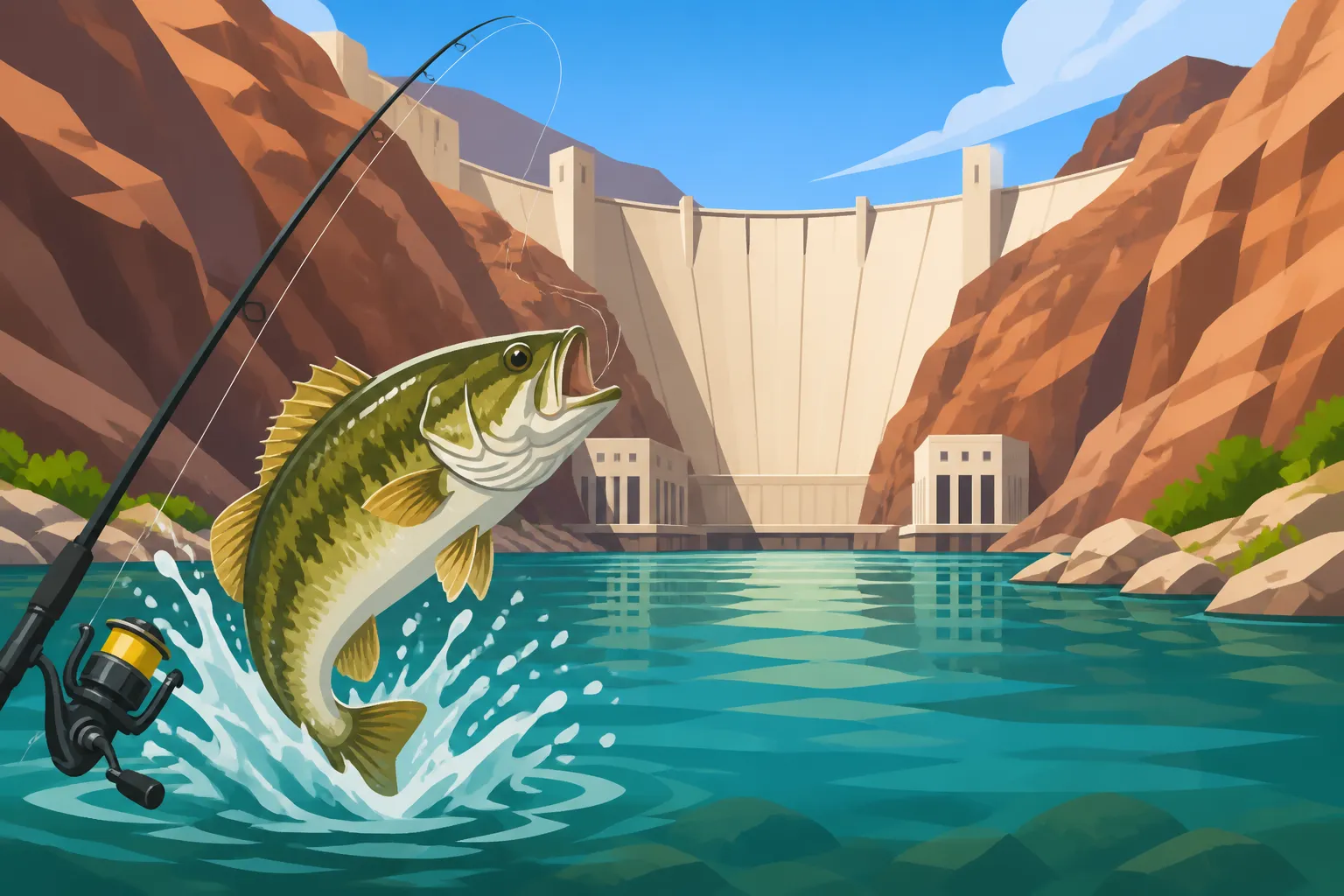
The stretch of the Colorado River immediately downstream from Hoover Dam is unlike almost any other waterway in Nevada. It's a true coldwater anomaly in the middle of a scorching desert, and understanding this environment is key to unlocking its fishing potential.
Understanding the Coldwater Discharge
When you think of a river in the Nevada desert, you probably picture warm, murky water, right? Well, prepare to have that expectation completely flipped on its head when you consider the Colorado River below Hoover Dam. The water here isn't warm at all; in fact, it's consistently icy cold, hovering around a brisk 50-55 degrees Fahrenheit year-round. This unique characteristic is due to the dam's structure itself. Hoover Dam releases water from the very bottom layers of Lake Mead, where the sun's warmth barely penetrates. These deep, nutrient-rich waters are consistently frigid, regardless of the scorching desert air temperatures above.
This constant cold-water discharge creates an almost-perfect environment for trout, particularly rainbow trout, which thrive in these conditions. However, it also means that many warm-water species common elsewhere in the desert, like largemouth bass or catfish, struggle to establish themselves in this immediate section. Anglers need to understand that this isn't a warm-water fishery, and their gear and techniques must adapt accordingly. The clear, cold water also means fish can be incredibly wary, adding another layer of challenge and excitement for those seeking a true angling test. It’s a stark contrast to many other rivers, making it a truly special place to cast a line.
River Characteristics and Access Points
The Colorado River below Hoover Dam is a wild, untamed beauty, defined by its powerful currents, deep pools, and surprisingly varied terrain. Once the water leaves the dam's churning turbines, it quickly settles into a swift, yet often manageable, flow. You'll find sections of relatively calm, deep pools perfect for soaking bait, interspersed with faster-moving riffles and runs that hold actively feeding trout. The riverbed is a mix of sand, gravel, and large boulders, creating plenty of structure for fish to hide and ambush prey. Water clarity is usually exceptional, which, while beautiful, also means stealth is an angler's best friend.
Accessing this rugged stretch of river is not for the faint of heart, and it's certainly not a place you can just drive up to and park. The most common way for shore anglers to reach the prime fishing spots is via the Historic Railroad Trail, a picturesque but challenging hike that offers stunning views but also requires significant physical exertion, especially when carrying fishing gear. Some intrepid anglers might venture off-trail, but this can be extremely difficult and even dangerous due to the steep, rocky canyon walls and lack of maintained paths. For those with boats, specific launch points further downstream, such as those at Willow Beach, allow access to portions of this magnificent waterway, but even then, navigating the currents requires skill and appropriate vessel power. Always be aware of your surroundings and respect the power of the river.
Prime Fishing Opportunities: What You'll Catch
When you set out to fish the Colorado River below Hoover Dam, you're primarily targeting one species, and for good reason. This area is renowned for its specific, thriving populations.
Targeting Rainbow Trout
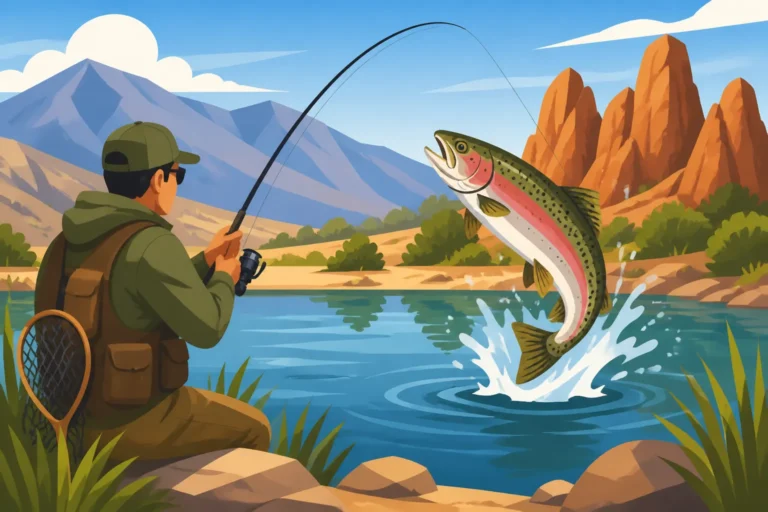
If you're heading to the Colorado River below Hoover Dam, your main quarry, and likely your biggest success, will be rainbow trout. These waters are a genuine rainbow trout paradise, consistently stocked by the Nevada Department of Wildlife (NDOW) and nurtured by the constant flow of cold, oxygen-rich water from Lake Mead. What makes these trout so special here isn't just their abundance, but often their impressive size and fighting spirit. Unlike some stocked ponds where fish might be a bit lethargic, the strong currents and rich food sources in this river produce robust, hard-fighting rainbows that will give your tackle a real workout. It's not uncommon to pull out trout in the 14-20 inch range, with larger specimens frequently making an appearance, especially for those who put in the time and effort.
The clarity of the water means these trout can be exceptionally spooky, but it also means you can often spot them cruising in deeper pools or holding behind structure. They feed actively on a variety of aquatic insects, small baitfish, and anything that drifts down from the dam. Because the water temperature remains stable year-round, the fishing for rainbow trout is excellent throughout all seasons, though angler comfort and access can vary. Keep an eye on the Nevada Trout Stocking Schedule if you want to time your visit around recent releases, as these can often lead to particularly hot fishing days. This stretch truly is a blue-ribbon trout fishery, offering a fantastic experience for both seasoned and novice trout anglers alike.
Other Potential Species
While rainbow trout are undoubtedly the stars of the show in the Colorado River below Hoover Dam, they aren't the only fish you might encounter, though other species are far less common in this immediate, cold-water section. Occasionally, anglers might hook into a stray common carp, especially in slower-moving eddies or deeper, slightly warmer pockets further downstream. These bottom feeders can grow quite large and put up a surprisingly strong fight, adding an unexpected thrill to your trout hunt. You might also find smallmouth bass or even bluegill, particularly as you move further away from the immediate dam discharge and the water begins to warm slightly or flow into Lake Mohave. However, these are generally transient or localized populations and should not be your primary target in this specific cold-water zone.
It's important to set realistic expectations: if you're here, you're primarily targeting trout. The unique cold-water environment, while perfect for rainbows, really limits the diversity of other game fish that can thrive consistently. Understanding the Nevada Fish Species Guide for the wider Colorado River system can give you a broader picture, but for this specific stretch, remain focused on the trout. Any other catch is usually a delightful surprise rather than a common occurrence.
Essential Gear and Techniques for Success
Tackling the Colorado River below Hoover Dam requires specific gear and honed techniques. Generic freshwater setups might work, but optimizing your equipment for this unique environment will significantly improve your chances of success.
Recommended Rods, Reels, and Line
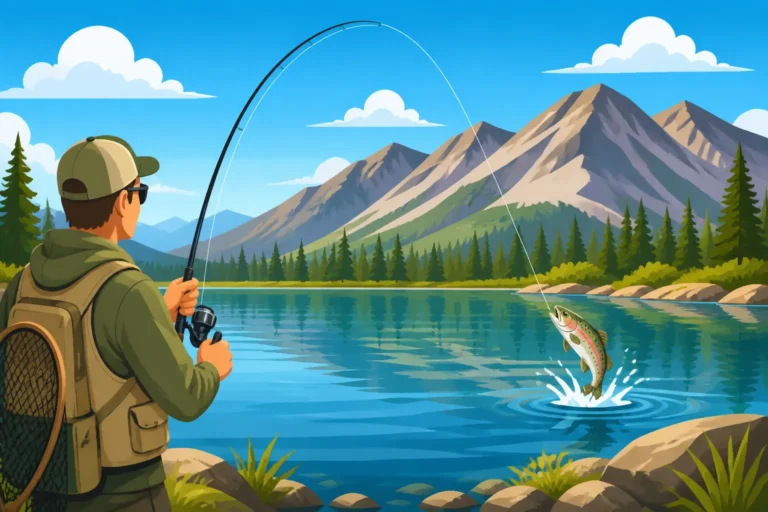
When you're fishing these cold, clear waters, finesse often trumps brute force. For rainbow trout, a light to medium-light spinning rod, typically in the 6 to 7-foot range, is ideal. This length provides good casting distance for shore anglers while still offering the sensitivity to detect subtle bites and the backbone to fight strong fish in current. Pair this with a small to medium-sized spinning reel (something in the 1000 to 2500 series) that's spooled with fresh line. A good quality monofilament line, around 4 to 6-pound test, is a popular choice due to its stretch, which helps absorb sudden runs, and its lower visibility in the clear water. Some anglers prefer fluorocarbon line for its nearly invisible properties underwater and its higher sensitivity, often used as a leader material even with a monofilament main line.
Braided line can also be effective, especially if you want maximum sensitivity and casting distance, but it's crucial to add a fluorocarbon leader (at least 6-8 feet long) to prevent spooking the wary trout. The thinner diameter of braided line also allows it to cut through the current more efficiently, which can be an advantage when trying to get your bait down quickly. Ultimately, your choice should prioritize stealth, sensitivity, and the ability to handle strong, fighting fish in a moving current. A good all-around setup would be a 6'6" medium-light fast-action spinning rod, a 2000 series reel, and 4-pound test fluorocarbon line or 10-pound braid with a 4-6 pound fluorocarbon leader. For a more comprehensive look at what to bring, check out a general resource on Nevada Fishing Gear Essentials.
Baits and Lures That Work Best
Because the trout in this section of the Colorado River are often well-fed and can be quite selective due to the clear water, having a diverse tackle box is a smart move. When it comes to bait, power-style baits are incredibly popular and effective. Think of soft, moldable dough baits like Berkley PowerBait or similar products in bright colors like rainbow, chartreuse, or even garlic-scented varieties. These are fantastic for drifting along the bottom or suspending under a bobber. Live worms, particularly nightcrawlers cut into smaller pieces, are also consistently productive. Some anglers even have success with canned corn, especially when fished on a small hook with light line.
For those who prefer artificial lures, small inline spinners like a Rooster Tail or Panther Martin in silver, gold, or brass finishes with a bit of flash are proven trout attractors. Small spoons, such as Kastmasters or Little Cleos, also work wonders when cast and retrieved through deeper pools. Micro jigs (1/32 to 1/8 ounce) tipped with a small plastic grub or even a piece of PowerBait can be incredibly deadly, especially when fished slowly near the bottom. The key with lures is to match the hatch or present something irresistible without being overly flashy or aggressive in the clear water. Don't be afraid to experiment with different sizes and colors until you find what the fish are keying in on that day. For more specific recommendations, exploring a guide on the Best Bait for Nevada Trout could be very beneficial.
Fly Fishing for Discerning Anglers
For the purists and those seeking an even greater challenge, fly fishing the Colorado River below Hoover Dam is an incredibly rewarding experience. The consistently cold, clear water and abundant insect life make it a legitimate tailwater fishery, attracting discerning fly anglers from all over. A 4 to 6-weight fly rod, between 8.5 to 9 feet in length, is generally suitable, providing enough backbone to handle the strong currents and the feisty trout, while still allowing for delicate presentations. A floating line is versatile for most situations, but a sink-tip or even a full sinking line can be invaluable for getting flies down to deeper holding fish in stronger currents. Your leader and tippet selection should lean towards longer and lighter; a 9-12 foot leader tapering down to 4x, 5x, or even 6x fluorocarbon tippet is often necessary due to the clear water and wary fish.
When it comes to fly patterns, nymphs are usually the most consistent producers, mimicking the abundant aquatic insect life. Patterns like zebra midges, pheasant tail nymphs, prince nymphs, caddis larvae, and scuds in sizes #16 to #22 are excellent choices. Streamers such as Woolly Buggers (black, olive, white) or small sculpins can also be highly effective, especially for targeting larger, more aggressive trout. During occasional hatches, dry flies like tiny midges or caddis imitations might elicit strikes, but nymphing subsurface is generally the bread and butter here. Fly fishing here demands precision, a keen eye for reading water, and patience, but the reward of landing a strong rainbow on a delicate presentation is truly unparalleled. To deepen your knowledge of this specific technique, consider diving into a resource dedicated to Fly Fishing in Nevada.
Navigating the Regulations and Permits
Anytime you fish in Nevada, understanding the rules and regulations isn't just a suggestion, it's a critical part of being a responsible and legal angler. The Colorado River below Hoover Dam is no exception, and in some ways, it has its own nuances you'll need to be aware of.
Nevada Fishing License Requirements
Before you even think about dropping a line into the stunning waters below Hoover Dam, the first and most crucial step is to ensure you have a valid Nevada fishing license. This isn't just a formality; it's a legal requirement for anyone 12 years of age or older who plans to fish in the state's public waters. Whether you're a Nevada resident or visiting from out of state, you'll need the appropriate license. For visitors, short-term options like a 1-day or 5-day permit are available, which can be incredibly convenient for a quick fishing trip. Residents often opt for an annual license, which offers the best value for frequent anglers.
You can purchase your license online through the Nevada Department of Wildlife (NDOW) website, or visit various license agents found in sporting goods stores and bait shops across the state. It's always a good idea to buy your license in advance to avoid any last-minute scrambling. Remember, a physical copy or a digital copy on your phone is usually accepted, but always have proof of your license readily available, as game wardens do patrol these areas. Failing to have a valid license can result in hefty fines and a ruined fishing trip, so don't skip this essential step. For a complete understanding of all options, refer to our comprehensive Nevada Fishing License Guide.
Special Rules and Restrictions
Beyond the general statewide fishing license, the Colorado River below Hoover Dam, and indeed the entire Lake Mohave/Colorado River system, can have specific regulations that might differ slightly from other parts of Nevada. These rules are put in place to protect the fishery and ensure sustainable angling for generations to come. For instance, while statewide trout limits might apply, always double-check for any localized variations regarding daily bag limits, possession limits, or even size restrictions specific to the section directly below the dam or as you transition into Lake Mohave. The NDOW fishing regulation booklet, which you can often pick up at license vendors or download online, is your best friend here. It will detail any barbless hook requirements, bait restrictions (though typically natural baits and artificial lures are allowed here), or seasonal closures that might impact your trip.
It's also important to be aware of any protected species or slot limits. While the focus is heavily on rainbow trout, understanding what other species might be present and their legal status is vital. For instance, any endangered or threatened species must be immediately released unharmed if accidentally caught. Always read the signage at access points, as it often provides critical, up-to-date information. Ignorance of the law is never an excuse, and game wardens in this area are vigilant about enforcing regulations. A quick review of the Nevada Fishing Regulations Explained before your trip will save you a lot of potential headaches and ensure a responsible, enjoyable experience on the water.
Planning Your Trip: Access, Safety, and Guides
A successful fishing trip to the Colorado River below Hoover Dam isn't just about having the right gear; it's about smart planning, prioritizing safety, and sometimes, knowing when to enlist the help of a professional. This isn't your average roadside pond, and preparing adequately is paramount.
Access Points and Logistics
Getting to the prime fishing spots below Hoover Dam is part of the adventure, but it's important to understand that public access is somewhat limited and often requires a fair bit of effort. The most common and direct access for shore anglers is via the Historic Railroad Trail, which begins near the Hoover Dam Lodge. This trail, formerly part of the railway used to construct the dam, offers breathtaking views but involves a significant walk, often several miles, to reach the river's edge. This means you'll be carrying all your gear, food, and water, so packing light but smart is essential. The terrain off the trail can be steep, rocky, and uneven, so sturdy hiking boots are a must.
For those considering boating, access is typically from Willow Beach, located further downstream in Arizona. From Willow Beach, you can launch a boat and motor upstream towards the dam. This provides access to deeper sections and areas unreachable from shore. However, boating upstream against the current of the Colorado River, especially as it approaches the dam, requires a capable vessel and experienced boat handling. Be mindful of no-wake zones and any restrictions near the dam itself. Regardless of your chosen method, always inform someone of your plans, especially if you're venturing into more remote areas, and be prepared for limited cell service. Researching access points carefully, perhaps even through services like FishingBooker that list local guides familiar with these tricky spots, can save you a lot of time and effort.
Safety Considerations on the River
The beauty of the Colorado River below Hoover Dam is undeniable, but it also demands respect. Safety should always be your top priority, especially given the unique characteristics of this environment. First and foremost, the water itself is intensely cold, even on the hottest summer days. A fall into the river can quickly lead to hypothermia, so dress in layers and consider a personal flotation device if you're near swift currents or in a boat. The currents can also be deceptively strong, so always be aware of your footing if wading (which is generally not recommended in many areas) and keep a close eye on children.
Another significant safety concern is the potential for fluctuating water levels due to dam operations. While large, sudden releases are typically communicated, smaller changes can still occur. Always be aware of your surroundings, especially if you've ventured onto sandbars or low-lying banks that could become submerged. The desert environment itself presents hazards: extreme heat, lack of shade, venomous wildlife (snakes, scorpions), and the ever-present risk of dehydration. Carry plenty of water, wear appropriate sun protection (hats, sunglasses, long sleeves), and never hike alone. Be realistic about your physical capabilities, especially if hiking the Historic Railroad Trail with gear. This river offers incredible fishing, but preparedness is the key to a safe and enjoyable outing.
Hiring a Professional Guide
For many anglers, especially those new to the area or seeking to maximize their chances on a limited time budget, hiring a professional fishing guide for the Colorado River below Hoover Dam is an invaluable investment. Local guides possess an intimate knowledge of the river's ever-changing moods, its secret fishing holes, and the most effective techniques for the current conditions. They understand how dam releases affect fish behavior, where the trout are holding, and what baits or flies are producing strikes. Not only do they provide all the necessary specialized gear, but they also take care of the challenging logistics, including safe transportation and navigation of the river.
A guided trip eliminates the guesswork and allows you to focus purely on the fishing experience. It's particularly beneficial for accessing areas that are difficult for shore anglers or require a specialized boat. Services like FishingBooker can connect you with experienced, reputable guides who specialize in this unique fishery. They can help you find a guide who matches your preferences, whether you're looking for a half-day fly fishing excursion or a full-day adventure targeting trophy trout. Investing in a guide can transform a potentially frustrating trip into a memorable and highly successful one, significantly increasing your chances of landing some magnificent rainbow trout in one of the Best Places to Fish in Nevada.
Best Times to Fish Below Hoover Dam
Understanding the "when" is just as important as the "where" and "how" when it comes to fishing the Colorado River below Hoover Dam. While the consistent cold water makes it a year-round fishery, certain factors can make some times more productive or comfortable than others.
Seasonal Breakdown
One of the great advantages of fishing the Colorado River below Hoover Dam is that the consistent cold water discharge from Lake Mead means it's essentially a year-round trout fishery. However, each season offers its own unique experience and challenges for anglers.
- Spring (March-May): This is often considered prime time. The weather is usually mild and pleasant, making the hike to access points more enjoyable. Trout are very active as insect hatches become more consistent, and they're feeding aggressively after the winter months. Water levels tend to be stable, and the fish are often in excellent condition. This is a fantastic time for both bait and fly anglers.
- Summer (June-August): Don't let the scorching desert heat deter you! While air temperatures can be extreme, the water temperature remains constant, meaning the trout are still active. Anglers will need to contend with the heat, so early morning or late evening fishing is often most comfortable. Sun protection is absolutely crucial. Despite the heat, the fish bite well, often seeking deeper, cooler pockets. This is where a guide or boat access can be particularly advantageous to escape the sun and find those deeper fish.
- Fall (September-November): Another peak season for many. The brutal summer heat begins to subside, offering comfortable fishing conditions. Trout are often feeding heavily in preparation for winter, leading to some aggressive strikes. Fall colors in the surrounding canyon can also add to the beauty of the experience. It's an excellent time for all fishing methods.
- Winter (December-February): While colder, winter can still offer fantastic fishing opportunities, especially on mild days. The crowds are usually thinner, offering a more serene experience. Trout are still active in the consistent water temperatures, though their feeding might be a bit more subtle. Look for sunny days when the fish might move into slightly shallower areas to absorb warmth. Ice fishing is certainly not an option here, but traditional methods work well.
Regardless of the season, the consistent flow and temperature ensure that rainbow trout are always a possibility. However, preparing for the specific weather conditions of each season is vital for a comfortable and successful trip. For a more detailed look at seasonal changes across the state, our Nevada Fishing Seasons by Month guide offers broader insights.
Daily Factors: Water Flow and Weather
Beyond the seasonal trends, daily factors like water flow and local weather can significantly impact your fishing success below Hoover Dam. The dam's primary purpose is water and power management, which means releases can fluctuate. Changes in water flow can alter currents, expose new structure, or make certain areas unfishable. Heavy releases might make the water swift and difficult to fish, while sustained lower flows can make fish more concentrated and easier to target. It's wise to check the Bureau of Reclamation's website for scheduled releases or historical flow data before your trip, as sudden changes can affect both safety and fishing conditions.
Local weather, even though the water temperature is constant, still plays a role. High winds can make casting difficult, especially for fly anglers, and create choppy conditions for boaters. Rain, while rare, can lead to muddy runoff from side canyons, temporarily reducing clarity in localized areas. Overcast days often encourage trout to be more active and less wary compared to bright, sunny days when they might hug the bottom or deep shade. Atmospheric pressure changes associated with fronts can also influence fish behavior, sometimes making them more or less active. Always check the local forecast for Black Canyon or Boulder City before heading out, and be prepared for variable conditions, even in the desert.
Table of Popular Trout Baits and Lures
| Category | Type of Bait/Lure | Best Use Case | Tips for Success |
|---|---|---|---|
| Artificial Bait | PowerBait (Dough) | Still fishing, floating off the bottom, or under a bobber | Use small, #14-#16 treble hooks. Mold into a small ball. Try different colors (rainbow, chartreuse, garlic) based on fish mood. |
| PowerBait (Worms/Grubs) | Drifting with current, jigging, tipping jigs | Excellent for enticing light bites. Fish slowly. | |
| Natural Bait | Nightcrawlers / Worms | Still fishing, drifting, small pieces for picky fish | Use a small piece on a #10-#14 hook. Let it drift naturally. |
| Canned Corn | Still fishing, small hook, light line | Often effective for recently stocked trout. Use 2-3 kernels per hook. | |
| Spinners | Rooster Tail, Panther Martin | Cast and retrieve through riffles and pools | Match spinner size to current speed. Vary retrieve speed. Gold, silver, chartreuse colors are popular. |
| Spoons | Kastmaster, Little Cleo | Deeper pools, long casts, jigging | Allow to sink, then retrieve with erratic jerks. Gold/silver combination is often effective. |
| Jigs | Micro Jigs (1/32-1/8 oz) | Slow retrieve near bottom, vertical jigging, tipping | Tip with small plastic grub, PowerBait, or a worm piece. Light line is crucial for sensitivity. |
| Flies (Nymphs) | Zebra Midge, Pheasant Tail | Dead drift subsurface, indicator nymphing | Use light tippet. Adjust depth until you find fish. Focus on seams and eddies. |
| Flies (Streamers) | Woolly Bugger | Stripping through pools, targeting larger fish | Olive, black, or white colors. Vary retrieve speed with pauses. |
Disclaimer
Please be aware that fishing regulations, access rules, and environmental conditions can change. Always consult the latest Nevada Department of Wildlife (NDOW) regulations and local advisories before planning your trip. Fishing and outdoor activities carry inherent risks, and it is your responsibility to ensure your safety and comply with all laws.