Spring Valley State Park Fishing
It can be incredibly frustrating to plan a fishing trip to a new spot, only to arrive and realize you don't know the first thing about where to cast a line or what bait to use. You've heard whispers about Spring Valley State Park, a hidden gem nestled in eastern Nevada, but getting concrete, useful information on how to actually fish it feels like finding a needle in a haystack. This guide is designed to cut through that confusion, providing you with a comprehensive rundown of everything you need to know to make your Spring Valley fishing adventure a success.
Discovering Spring Valley State Park's Angling Appeal
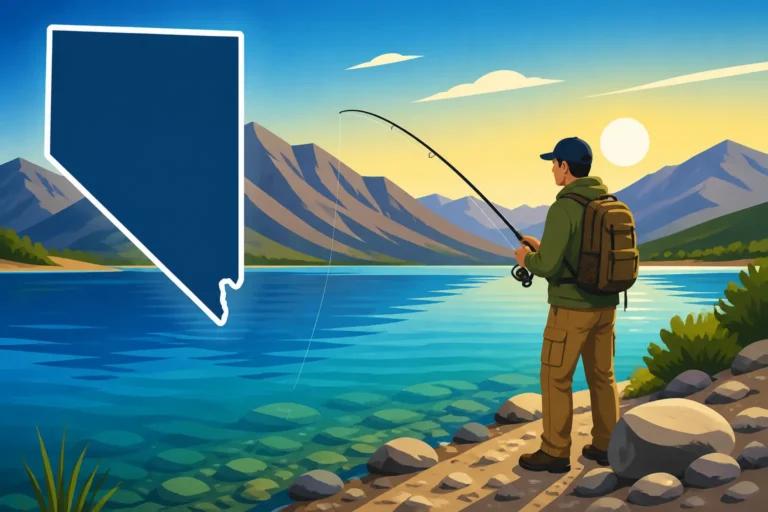
Spring Valley State Park, tucked away in the high desert of eastern Nevada, often feels like a well-kept secret among local anglers. It's not one of the massive, bustling reservoirs like Lake Mead or Lake Tahoe, and that's precisely part of its charm. Here, you'll find a more tranquil, intimate fishing experience centered around Eagle Valley Reservoir, a relatively small but incredibly productive body of water. For those weary of crowds and seeking a peaceful escape with a good chance of catching fish, Spring Valley truly offers a refreshing change of pace.
A High Desert Oasis for Anglers
Imagine driving through vast stretches of sagebrush and pinyon pine, with rugged mountains rising in the distance, only to stumble upon a sparkling, clear reservoir teeming with life. That's the magic of Spring Valley State Park. Located roughly 18 miles east of Pioche, this park is built around the 59-acre Eagle Valley Reservoir, a man-made lake fed by the beautiful Spring Valley Creek. The surrounding landscape, characterized by dramatic volcanic rock formations and high desert flora, creates a stunning backdrop for a day on the water. It’s far from the bright lights of Las Vegas, making it an ideal destination for those seeking solitude and a genuine connection with nature.
The reservoir itself is managed by the Nevada Department of Wildlife (NDOW), which actively stocks it, primarily with rainbow trout, ensuring a healthy and vibrant fishery. While its size might seem modest compared to other Nevada fishing destinations, its depth and diverse structure provide ample habitat for fish. Anglers often find success from the shoreline, but small boats, kayaks, and float tubes can open up even more productive water. It’s a place where patience is rewarded, and the stunning scenery makes even a slow day of fishing feel incredibly worthwhile.
Why Spring Valley Stands Out from Other Nevada Lakes
Compared to the larger, more famous fishing spots in Nevada, Spring Valley State Park offers a distinctly different vibe and set of advantages. For starters, the pressure is generally much lower. You're less likely to be shoulder-to-shoulder with other anglers, even on busy weekends. This means more casting room, less competition, and a more serene environment to truly enjoy your time outdoors.
Secondly, its focus on stocked trout makes it an excellent destination for consistent action, particularly for families and beginners. While trophy fish are always a possibility, the consistent stocking program means you often don't have to work as hard to get bites as you might in a more naturally reproducing, wild fishery. This predictability can be a huge confidence booster, especially for kids or new anglers who are just learning the ropes. You won't have to wade through complex species regulations or intricate gear setups required for species like Lahontan cutthroat trout at Pyramid Lake; Spring Valley is much more straightforward. If you're looking for a relatively easy and rewarding experience, Spring Valley beats many of the more challenging destinations hands down.
Preparing for Your Trip to the Park
Before you even think about packing your rod and reel, a little preparation goes a long way to ensure a smooth and enjoyable trip to Spring Valley State Park. First and foremost, you'll need a valid Nevada Fishing License Guide to fish any public waters in the state. This is non-negotiable, and park rangers do check. You can typically purchase one online through the Nevada Department of Wildlife website or at licensed vendors across the state. It's always a good idea to check the latest Nevada Fishing Regulations Explained as well, as rules can change seasonally or for specific bodies of water, although Spring Valley generally follows statewide trout rules.
Beyond the license, consider the remoteness of the park. Pioche is the closest town with amenities, but it's still a small community. Pack plenty of water, snacks, sunscreen, and appropriate clothing for varying desert temperatures. Even on warm days, evenings can get chilly. Cell service can be spotty, so don't rely on your phone for navigation or emergencies once you're deep in the park. A physical map or a downloaded offline map is a smart addition to your gear list. For those looking to plan their trip thoroughly, checking resources like FishingBooker can sometimes yield information on local guides or specific fishing reports for the area, though Spring Valley is more off-the-beaten-path for formal guide services.
Understanding Spring Valley Lake's Aquatic Residents
While Eagle Valley Reservoir at Spring Valley State Park might not boast the sheer diversity of species found in larger Nevada lakes, it excels in providing a consistent and rewarding fishery for its primary inhabitants. Knowing what fish you're likely to encounter and understanding their characteristics is key to tailoring your approach and maximizing your success.
The Primary Target: Rainbow Trout
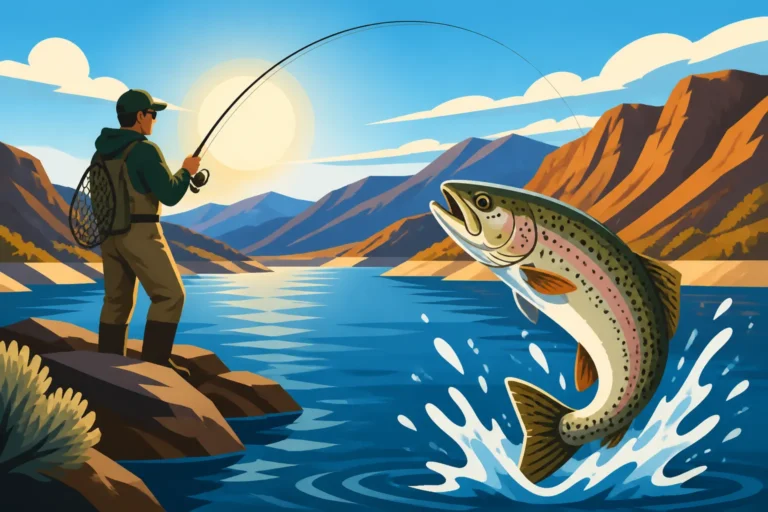
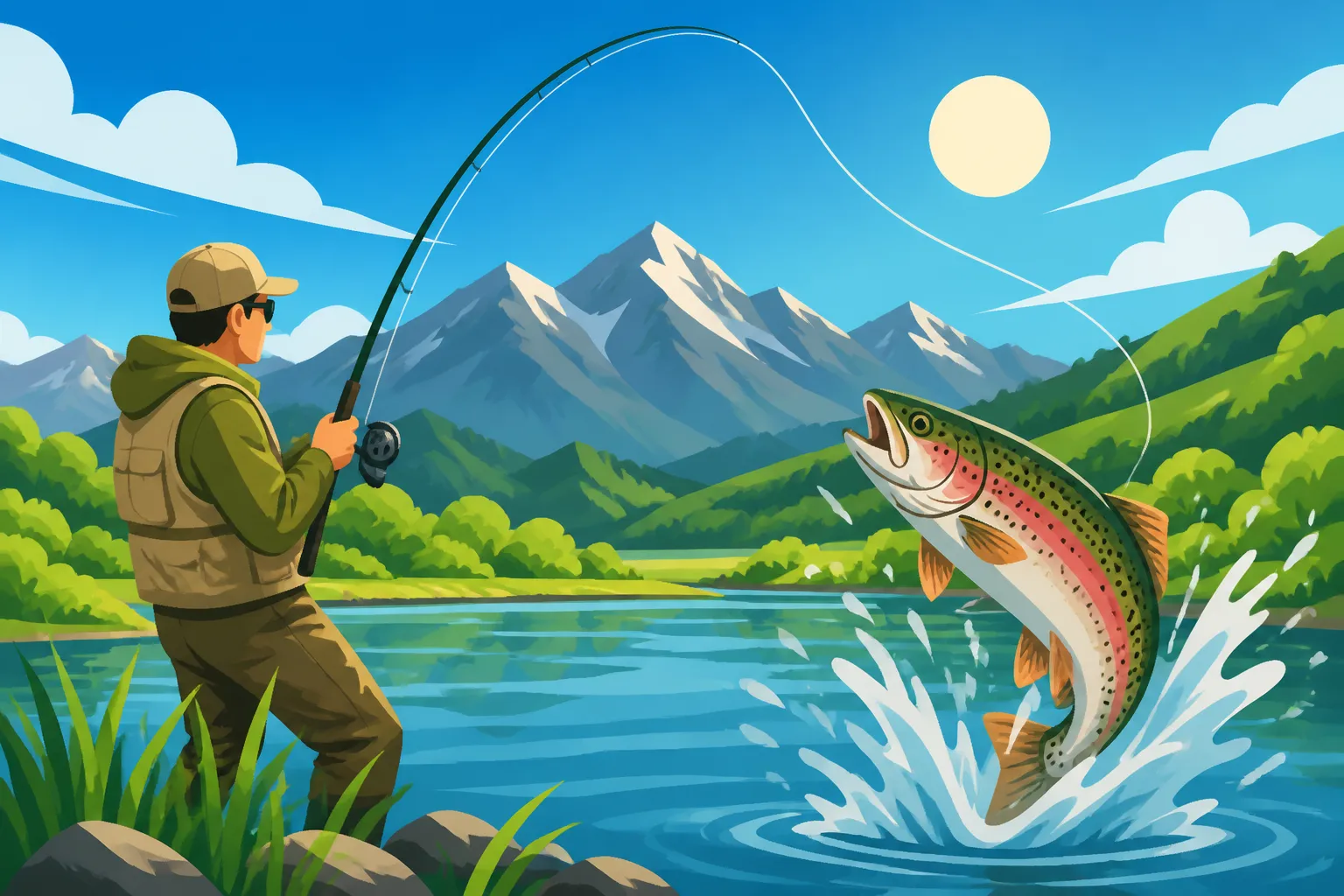
Without a doubt, rainbow trout are the undisputed stars of Spring Valley Lake. The Nevada Department of Wildlife (NDOW) consistently stocks the reservoir with thousands of these spirited fish throughout the year, especially during spring and fall. These stocked rainbows generally range from 10 to 14 inches, offering plenty of action for anglers of all skill levels. They're known for their beautiful colors and their feisty fights once hooked, often leaping from the water in an attempt to shake the line.
Their abundance means that even on days when other fish might be elusive, you stand a very good chance of landing a few rainbows. They readily strike a variety of baits and lures, making them an excellent target for both seasoned anglers and newcomers. The steady Nevada Trout Stocking Schedule ensures that there's usually a fresh supply of fish eager to bite. These fish thrive in the cool, clear waters of Eagle Valley Reservoir, finding ample food sources and suitable habitat, particularly in the deeper sections of the lake during warmer months and closer to the shoreline in spring and fall.
Other Species You Might Encounter
While rainbow trout are the main draw, Spring Valley Lake is also home to a few other species that can add variety to your catch. Brown trout, though less frequently stocked, can sometimes be found. These predatory trout are often larger and more wary than rainbows, making them a prized catch for experienced anglers. They tend to prefer deeper, darker areas and can put up a truly memorable fight.
Beyond trout, you might also hook into Sacramento perch. These unique native fish are less common in most Nevada waters but have a healthy population in Spring Valley. They're a fun, panfish-sized target, often schooling together, and can provide continuous action. They prefer weed beds and submerged structure. Occasionally, common carp might also be encountered, especially by anglers using dough baits or corn. While not typically targeted by most recreational anglers, they can provide a surprisingly strong fight on light tackle. Always remember to check the Nevada Statewide Bag Limits Explained for all species you might encounter, as limits can vary.
Size and Health of Spring Valley Fish
The health of the fish population in Spring Valley Lake is generally excellent, thanks to consistent stocking and good water quality. The rainbow trout, as mentioned, are typically in the 10-14 inch range, offering a perfect size for a pan-fried dinner. However, it's not uncommon for anglers to pull out larger holdover rainbows, sometimes reaching 16-18 inches, especially in the early spring or late fall when they've had more time to grow. These larger fish often develop more vibrant colors and thicker bodies.
Brown trout, if you manage to hook one, tend to be on the bigger side, with fish in the 15-20 inch range being reported. While Spring Valley isn't necessarily a "trophy trout" destination in the same vein as some other Nevada lakes, the consistent availability of healthy, good-sized fish makes it an incredibly satisfying place to fish. The NDOW works hard to maintain the fishery, ensuring that the stocked fish are robust and the natural environment supports their growth, providing a healthy and sustainable angling experience.
Top Fishing Techniques and Tactics for Spring Valley Lake
Fishing Spring Valley Lake successfully isn't about complex, high-tech approaches. It's more about understanding the fish's habits, especially the stocked rainbow trout, and employing proven techniques that work well in a smaller, clear-water reservoir. Both traditional bait fishing and more active lure or fly fishing can be incredibly effective here, depending on your preference and the conditions.
Best Baits and Lures for Success
When it comes to bait fishing for rainbow trout at Spring Valley, simplicity often reigns supreme. PowerBait, particularly in neon colors like green, orange, or rainbow, is a perennial favorite. Rigging it on a small treble hook with a sliding sinker allows it to float off the bottom, presenting it perfectly to cruising trout. Corn, salmon eggs, and nightcrawlers are also highly effective, either fished under a bobber near the shoreline or on the bottom. Many anglers use a simple Carolina rig or a slip-sinker rig to keep their bait in the strike zone. If you're looking for consistent action, you can't go wrong with these tried-and-true options. For more specific advice, check out our guide on the Best Bait for Nevada Trout.
For those who prefer artificial lures, small spinners and spoons are incredibly productive. Brands like Mepps, Rooster Tail, and Kastmaster in sizes 0 to 2 are excellent choices. Colors like silver, gold, brass, or those mimicking natural baitfish often draw aggressive strikes. Simply cast them out and retrieve them at a steady pace, varying your speed to find what the fish prefer. Small jigs, particularly those tipped with a piece of worm or scented soft plastic, can also be deadly, especially when fish are holding deeper. The clear water here means that subtle presentations and natural-looking baits can often outperform flashy, overpowering options.
Shoreline Fishing vs. Boat Fishing Strategies
Spring Valley Lake offers excellent opportunities for both shore anglers and those with small boats, kayaks, or float tubes. Shoreline access is plentiful, particularly near the developed areas of the park and along the campground loop. Anglers often find success casting from the rocky banks or small sandy stretches. For shoreline fishing, casting PowerBait or a worm-and-marshmallow combination out with a medium-weight sinker is a popular method. Alternatively, drifting a worm or a small jig under a bobber can be very effective, especially in areas with submerged structure or along drop-offs. Being able to move along the bank and try different spots, particularly around points and coves, is key for shore anglers.
For those with a boat, kayak, or float tube, a whole new world of opportunities opens up. You can access deeper water, target fish holding near the dam, or explore less pressured coves. Trolling with small lures or even PowerBait behind a dodger or flasher is a highly effective boat fishing technique for covering water and finding active trout. Simply letting out a good length of line with a lure and slowly paddling or motoring along can result in hook-ups. Pay attention to your depth, especially if you have a fish finder, as trout will often suspend at certain depths. Many anglers find that exploring the areas away from the immediate shoreline often yields larger, less pressured fish.
Fly Fishing Opportunities and Approaches
Fly fishing at Spring Valley Lake can be incredibly rewarding, especially during the spring and fall months when trout are more active near the surface and along the edges. While it's not a classic trout stream, the clear water and abundant insect life make it a suitable environment for various fly fishing techniques. For those just getting started with this approach, a 4-weight or 5-weight fly rod is generally sufficient.
Nymphing is often a very productive method, especially when fishing from shore or a float tube. Patterns like Hare's Ear, Pheasant Tail, Prince Nymph, and Copper Johns in sizes 12-18 are excellent choices. You can fish them under a strike indicator or use a Euro nymphing approach if you're wading. During hatches, dry fly fishing can be spectacular, with patterns mimicking midges, caddis, or mayflies. Keep an eye out for rising fish, especially in the calmer sections of the lake during early mornings or late evenings. Streamers like Woolly Buggers (black, olive, or brown) can also be highly effective, stripped slowly along drop-offs or near submerged structures, especially for larger, more aggressive trout. Consulting a resource like FishingBooker might also offer insights into local fly fishing guides if you're new to lake fly fishing.
Navigating Seasons and Weather for Optimal Fishing
Like any body of water, Spring Valley Lake's fishing success is heavily influenced by the seasons and prevailing weather conditions. Understanding how these factors affect fish behavior can help you plan your trip for the best possible outcomes, whether you're targeting actively feeding trout or adapting to challenging conditions.
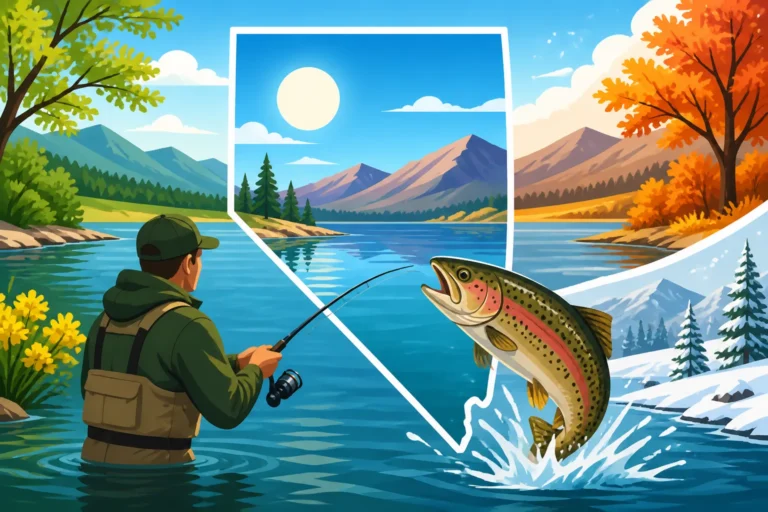
Spring and Fall: Peak Trout Action
For many anglers, spring and fall are considered the absolute prime times to fish at Spring Valley State Park. During these seasons, the water temperatures are ideal for rainbow trout, which thrive in cooler conditions. In spring, as the ice melts (if any formed) and the water warms up slightly, trout become incredibly active after a period of slower metabolism. The NDOW often conducts significant Spring Trout Stocking in Nevada, adding fresh, hungry fish to the reservoir. You'll find fish cruising closer to the shoreline, actively feeding on insects and small baitfish, making both bait and lure fishing highly effective. This is an excellent time for sight fishing with flies or for simply enjoying consistent bites from the bank.
Similarly, fall offers another fantastic window of opportunity. As the scorching summer heat gives way to crisp, cooler temperatures, the trout once again move into shallower waters and become very aggressive feeders. They are often bulking up for the colder months ahead, and the Fall Trout Stocking in Nevada, combined with the growth of holdover fish, means there are plenty of robust trout to catch. Fishing during the fall can be particularly scenic, with the surrounding high desert landscape often displaying beautiful autumn colors. The clarity of the water also tends to be at its best during these shoulder seasons, enhancing your chances of spotting fish or observing their reactions to your presentation.
Summer Challenges and Adaptations
While Spring Valley Lake offers year-round fishing, summer can present some unique challenges, primarily due to the intense desert heat. As air temperatures soar, the surface water of the reservoir warms up significantly, often pushing trout into deeper, cooler sections of the lake. This doesn't mean fishing is impossible, but it requires a shift in strategy. Anglers will need to target deeper waters, either from a boat with a fish finder or by using heavier weights for shore fishing to get baits down to where the fish are holding. Early mornings and late evenings, or even night fishing, become the most productive times, as fish will move shallower when the sun isn't directly overhead.
Using live bait like nightcrawlers can be particularly effective during summer, as their natural scent can draw fish out of deeper cover. Lure fishing with jigs or spoons that can be retrieved slowly near the bottom can also entice lethargic trout. If you're fishing from shore, look for shaded areas or spots where there's a natural drop-off close to the bank. Carrying plenty of water, wearing sun-protective clothing, and taking breaks in the shade are crucial for summer fishing comfort and safety in the Nevada desert. Remember, the fish are feeling the heat too, so a slower, more patient approach is often rewarded.
Winter Ice Fishing Potential
For those brave enough to embrace the cold, Spring Valley Lake can offer exciting ice fishing opportunities, though the thickness and safety of the ice vary from year to year. In colder winters, typically from late December through February, Eagle Valley Reservoir can freeze over sufficiently to allow for safe ice fishing. This transforms the fishing experience entirely, offering a unique perspective and a different challenge. If you're considering ice fishing, always prioritize safety: check local conditions, talk to park rangers, and never venture onto ice that isn't at least 4 inches thick. Our guide on Ice Fishing in Nevada provides comprehensive safety tips.
When the ice is safe, fishing through the ice for rainbow trout can be very productive. Small jigs tipped with mealworms, wax worms, or PowerBait are excellent choices. Many anglers use a portable fish finder to locate schools of fish or to identify structure beneath the ice. Using a small jigging rod and tip-ups can provide continuous action. The clear water under the ice often makes for excellent visibility, and the fish, though sometimes sluggish, are often quite concentrated. It's an experience that requires specialized gear and preparation, but the solitude and potential for a good catch make it a memorable winter activity.
| Season | Typical Water Temperature | Primary Fish Behavior | Recommended Techniques |
|---|---|---|---|
| Spring | Cool to Moderate (45-60°F) | Actively feeding near shore, shallower | Baits (PowerBait, worms), small spinners, nymphs |
| Summer | Warm (65-75°F+) | Retreats to deeper, cooler water, less active mid-day | Deeper presentations, live bait, early/late hours |
| Fall | Moderate to Cool (50-65°F) | Highly active, feeding heavily, shallower | Baits, spinners, spoons, streamers, nymphs |
| Winter | Cold (32-40°F) | Slower metabolism, concentrated deeper or under ice | Ice fishing jigs, live bait, tip-ups (if ice-safe) |
Essential Regulations and Park Amenities for Anglers
Having a fantastic fishing trip to Spring Valley State Park isn't just about knowing where and how to fish; it's also about understanding the rules and making the most of the park's facilities. Adhering to regulations ensures the long-term health of the fishery and a pleasant experience for all visitors, while utilizing amenities makes your stay more comfortable.
Nevada Fishing License and Park-Specific Rules
Before you even think about wetting a line in Eagle Valley Reservoir, you absolutely must possess a valid Nevada fishing license. This is standard for all public fishing waters across the state, and Spring Valley is no exception. You can obtain your license quickly and easily online through the Nevada Department of Wildlife (NDOW) website, or at various sporting goods stores and authorized vendors throughout Nevada. For full details on how to get yours, refer to our guide on How to Get a Fishing License in Nevada.
Beyond the state license, it's always prudent to check for any park-specific regulations. While Spring Valley Lake generally follows the statewide trout limits (usually a daily limit of 3-5 trout), there might be special provisions or emergency closures depending on water levels or stocking schedules. These are typically posted at the park entrance, boat launch, or available through the NDOW website. For example, our guide on Nevada Trout Daily Limit Rules can provide general guidelines. Always be aware of whether bait is allowed, if there are any slot limits for certain species, or if any areas are temporarily closed to fishing. Respecting these rules not only keeps you out of trouble but also contributes to the sustainability of this wonderful fishing resource.
Boat Access, Rentals, and Facilities
Spring Valley State Park is very accommodating for anglers who wish to use a boat. Eagle Valley Reservoir features a paved boat launch ramp, making it easy to put in small fishing boats, canoes, kayaks, or float tubes. While there are no boat rentals directly within the park, you can sometimes find rentals in larger nearby towns or plan to bring your own. Remember that even non-motorized vessels like kayaks and canoes may need to be registered with the state if they are over a certain length, so it's wise to check Nevada's boat registration requirements. Our guide on Nevada Boat Registration and Titling Guide offers comprehensive information on this topic.
The park itself provides basic facilities to make your visit comfortable. There are restrooms conveniently located near the day-use areas and campgrounds. Picnicking facilities are also available, offering a great spot to enjoy a meal between fishing sessions. While Spring Valley doesn't have a marina or bait shop on site, the nearby town of Pioche might have limited supplies, but it's always best to come prepared with all your tackle, bait, and provisions. For those seeking a deeper dive into available fishing spots, you can also explore broader resources like FishingBooker to scout information on other Best Places to Fish in Nevada, though specific details for Spring Valley might be less plentiful due to its more remote nature.
Camping and Lodging Options Near the Lake
For many, a fishing trip to Spring Valley State Park is best enjoyed as an overnight or multi-day adventure, allowing ample time to explore and relax. The park offers two developed campgrounds: Ranch Campground and Stone Cabin Campground. Both provide basic amenities such as restrooms, picnic tables, and fire rings. Ranch Campground is typically open year-round, while Stone Cabin might be seasonal. Sites are generally first-come, first-served, though some may be reservable during peak seasons. Camping near the lake allows for early morning starts and late evening fishing sessions, maximizing your time on the water without the hassle of a long commute.
Beyond the park, limited lodging options can be found in the small, historic town of Pioche, about 18 miles west. These typically include small motels or guesthouses. For a wider array of services and accommodations, you would need to venture further to towns like Caliente or even Ely, which are an hour or more away. However, the beauty of Spring Valley is its natural setting, and camping within the park is truly the best way to immerse yourself in the experience. Just be sure to check the park's website for current conditions, availability, and any fire restrictions before you go, especially during dry summer months.
Disclaimer
Please note that fishing conditions, regulations, and park amenities can change. Always consult the official Nevada Department of Wildlife (NDOW) website and the Nevada State Parks website for the most current information before planning your trip. Fishing success is never guaranteed, and local conditions like water levels, weather, and recent stocking schedules can significantly impact your experience. Stay safe and respect the natural environment.