South Fork State Recreation Area Fishing
Finding a peaceful, productive fishing spot in Nevada can feel like a real treasure hunt. So many of us yearn for that quiet escape, away from the crowds that flock to the more famous lakes, where we can truly connect with nature and, hopefully, reel in some impressive catches. If you're looking for just such a place, then South Fork State Recreation Area is a destination you absolutely need to explore. This guide will walk you through everything you need to know to make your fishing trip to South Fork a memorable and successful one, from the species you'll encounter to the best techniques and crucial regulations.
Discovering the Serenity of South Fork State Recreation Area
Imagine a tranquil reservoir nestled in the high desert, surrounded by sagebrush-covered hills and the distant peaks of the Ruby Mountains. That's the essence of South Fork State Recreation Area. It’s a haven for anglers seeking a different kind of Nevada fishing experience – one that prioritizes peace, natural beauty, and a genuine chance to unwind.
A Gem in Northeastern Nevada's Landscape
South Fork Reservoir is located just southeast of Elko, offering a convenient escape for residents of northeastern Nevada, but it's well worth the drive for anyone seeking its unique charm. Unlike the vast, often bustling waters of Lake Mead or the majestic, but sometimes crowded, expanses of Lake Tahoe, South Fork offers a more intimate setting. The reservoir itself was formed by the damming of the South Fork of the Humboldt River, primarily for irrigation purposes, but its recreational value quickly became undeniable. Its consistent water levels, even in drought years, make it a reliable destination when other smaller reservoirs might be struggling.
What truly sets South Fork apart is its ability to blend excellent fishing opportunities with a sense of solitude. The high desert environment, with its crisp air and expansive views, provides a stunning backdrop to your day on the water. It’s a place where you can often hear the whisper of the wind more than the roar of boat engines, allowing for a truly immersive outdoor experience. This reservoir feels like a well-kept secret, though its reputation for good fishing is certainly growing among those in the know.
Beyond the Fishing: Activities and Atmosphere
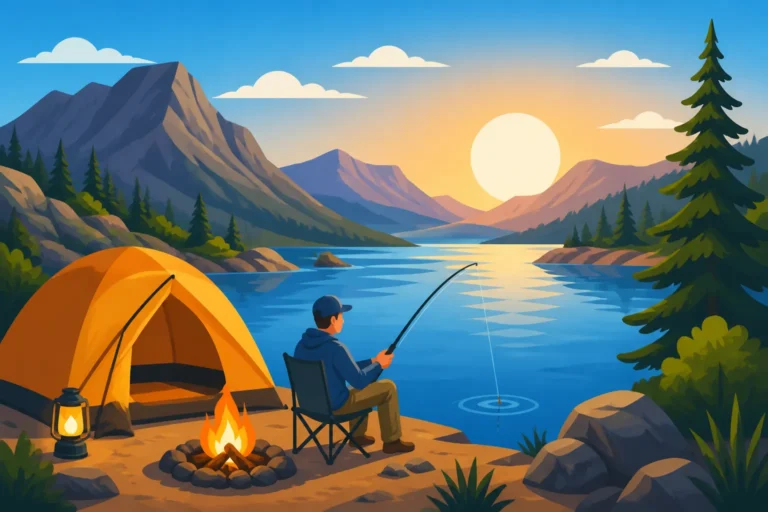
While fishing is undoubtedly the main draw, South Fork State Recreation Area offers much more for the outdoor enthusiast. The park boasts well-maintained campgrounds, perfect for extending your fishing trip into a full weekend adventure. Imagine waking up to the sunrise over the reservoir, brewing a cup of coffee, and having your fishing rod ready within minutes. There are also hiking trails that offer stunning panoramic views of the reservoir and the surrounding Ruby Valley, where you might spot mule deer, pronghorn antelope, or a variety of waterfowl that frequent the area.
The atmosphere at South Fork is distinctly family-friendly and community-oriented. You’ll often see families picnicking by the shore, kids casting lines from the bank, and fellow anglers sharing tips and stories. It’s a stark contrast to the often anonymous experience you might find at larger, more commercialized fishing destinations. Here, people come to slow down, enjoy nature, and connect with loved ones. It's truly a place where you can leave the hustle and bustle behind and find a genuine sense of tranquility, whether you're actively fishing or simply soaking in the natural beauty.
Understanding the Aquatic Life: What You'll Catch
South Fork Reservoir is a cold-water fishery managed by the Nevada Department of Wildlife (NDOW), making trout the star of the show. However, as with many dynamic Nevada waterways, there are other exciting species lurking beneath the surface, offering diverse angling opportunities. Knowing what to expect can greatly influence your approach and increase your chances of success.
Targeting Rainbow Trout and Brown Trout
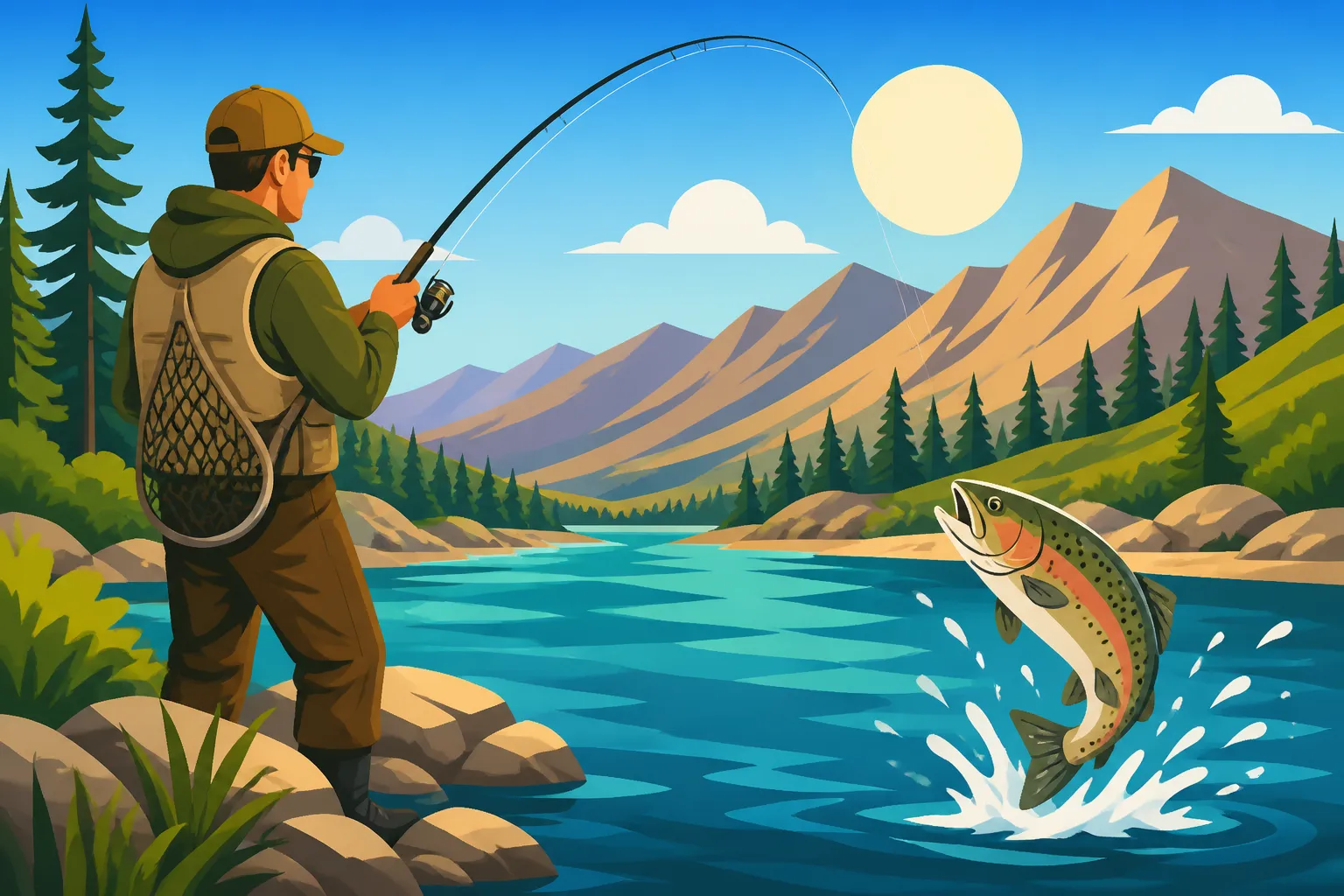
The undisputed champions of South Fork are the trout, particularly rainbow trout and brown trout. Rainbow trout are regularly stocked by NDOW, providing a consistent population for anglers. These stocked rainbows tend to be quite aggressive and are often the first fish to bite, making them a fantastic target for anglers of all skill levels, including beginners and kids. You can expect to catch rainbows in the 10 to 16-inch range, with some holdovers growing much larger, providing a real challenge. You can always check the Nevada Trout Stocking Schedule to see when NDOW plans to replenish the reservoir, which often signals a hot bite period.
Brown trout, on the other hand, are a bit more elusive and tend to be wilder, offering a more rewarding challenge for experienced anglers. They are known for their stealthy nature and can grow to impressive sizes in South Fork. While rainbows might be active throughout the day, brown trout often prefer lower light conditions, making dawn, dusk, or overcast days prime times to target them. They also tend to hide in structure, so understanding the reservoir's underwater topography is key to finding these beautiful, hard-fighting fish. Catching a trophy brown trout from South Fork is definitely a bucket-list item for many Nevada anglers.
Beyond Trout: Smallmouth Bass, Wipers, and More
While trout dominate the narrative, South Fork Reservoir also hosts a burgeoning population of other exciting game fish. Smallmouth bass have established themselves and are rapidly gaining a reputation as a fantastic fighting fish in these waters. These feisty fish are often found around rocky points, submerged timber, and other structures, providing an exciting alternative for those who enjoy targeting warm-water species. Their aggressive strikes and acrobatic fights make them a thrill to catch, especially as they grow larger.
In addition to smallmouth, you might also encounter wiper hybrids, which are a cross between striped bass and white bass. Wipers are renowned for their incredible fighting power and can provide some truly heart-pounding action. They often school up and chase baitfish, making for explosive topwater bites during certain times of the year. For a broader understanding of all the finned creatures you might encounter, a quick look at the Nevada Fish Species Guide can be very insightful. And let's not forget the smaller, yet equally enjoyable, panfish like yellow perch. These are fantastic for young anglers or anyone just looking for consistent action, often found in shallower coves and around weed beds. The diverse aquatic life ensures that there's always something interesting to pursue, no matter your preference or skill level.
Mastering Techniques and Timing for South Fork Success
Understanding what fish are present is one thing, but knowing how and when to catch them at South Fork is where the real magic happens. The high desert environment, combined with the reservoir's unique characteristics, means that adapting your techniques to the season and conditions is paramount. Don't expect the same approach to work year-round; the fish here respond to subtle shifts in temperature, light, and available forage.
Seasonal Strategies: Spring, Summer, Fall, and Winter
The changing seasons at South Fork dictate the best fishing strategies.
- Spring: As the ice melts (if it formed) and water temperatures begin to rise, trout become incredibly active. This is often the prime time for rainbow trout, especially after new stockings. They'll be cruising the shallower areas, gorging on insects and anything else that looks like an easy meal. Smallmouth bass will also begin to move into shallower coves as they prepare for their spawn, offering fantastic opportunities for targeting them. This is a very popular time for shore anglers.
- Summer: The high desert summer sun can warm the surface waters quickly, pushing trout into deeper, cooler areas. Early morning and late evening become crucial for trout, when they'll venture shallower to feed. Boat anglers can find success trolling or jigging in deeper sections. Bass, on the other hand, will relate to structure and shade during the hottest parts of the day, moving shallower at dawn and dusk. Night fishing for catfish or even larger trout can also be productive in the summer. For a general overview, checking Best Time of Year to Fish in Nevada can offer helpful context.
- Fall: As temperatures cool again, the entire reservoir seems to come alive. Trout, especially brown trout, become incredibly aggressive, fattening up for the winter. This is often the best time to target trophy browns with larger lures or streamer flies. Bass also enter a strong feeding pattern, often schooling up and chasing baitfish. The fall colors around the reservoir add another layer of beauty to an already fantastic fishing experience.
- Winter: While not as widely known for ice fishing as some northern states, South Fork can freeze over sufficiently for safe ice fishing during colder winters, though this is not a guarantee every year, so always check conditions and local advisories. When conditions are right, jigging for perch and trout through the ice can be a unique and rewarding experience. Otherwise, open-water fishing in winter will focus on deeper holes, with fish being more lethargic, requiring slower presentations.
Lures, Baits, and Fly Fishing Approaches
No matter the season, having the right tackle makes all the difference.
- Bait Fishing: For trout, especially stocked rainbows, tried-and-true baits like PowerBait (in various colors like green, yellow, or rainbow), worms, and even corn can be incredibly effective. Fishing these off the bottom with a small split shot or under a bobber can yield consistent results. For perch and catfish, nightcrawlers are always a reliable choice. When it comes to how to rig up for these species, knowing How to Fish for Trout in Nevada provides a solid foundation.
- Lure Fishing: Spinners (like Mepps, Rooster Tail, or Panther Martin) in silver, gold, or brass are deadly for trout. Spoons (like Kastmasters or Daredevils) are also excellent, especially for covering water or reaching deeper fish. For bass, crankbaits, spinnerbaits, and soft plastics (like senkos or creature baits) fished around structure are highly effective. Wipers will often hit anything that mimics a baitfish, so swimbaits and spoons can work wonders. If you're specifically interested in bass, consider brushing up on How to Fish for Bass in Nevada for more targeted advice.
- Fly Fishing: South Fork offers fantastic fly fishing opportunities, particularly for trout. Streamers that imitate baitfish or leeches work well for aggressive browns and larger rainbows. Nymphs (like Prince Nymphs, Hare's Ears, or Pheasant Tails) are excellent sub-surface choices, especially when trout are feeding on aquatic insects. During hatches, dry flies can provide thrilling topwater action, but these windows can be short-lived. Fly anglers often do well wading the shallower areas or from a float tube, presenting flies with precise casts.
Always remember that fish can be finicky. Don't be afraid to experiment with different colors, sizes, and retrieve speeds until you find what they're hitting on that particular day. Local bait shops in Elko are fantastic resources for up-to-date information on what's working.
Navigating Access, Facilities, and Boating at South Fork
Getting to and around South Fork State Recreation Area is relatively straightforward, but understanding the available facilities and boating regulations will ensure your trip goes smoothly. This reservoir is designed to be accessible to a wide range of outdoor enthusiasts, from bank anglers to those with larger boats.
Shore Access, Boat Ramps, and Camping Amenities
South Fork offers excellent accessibility for both boat and bank anglers. There are designated boat ramps that accommodate everything from small aluminum boats and kayaks to larger bass boats and pontoons. The main boat launch area is well-maintained and typically accessible year-round, barring extreme winter conditions. For those who prefer non-motorized crafts, launching a kayak, canoe, or float tube is easy from various points along the shore. If you're considering bringing a boat, it's always a good idea to familiarize yourself with Nevada Boat Registration for Anglers to ensure all your paperwork is in order before you hit the water.
Bank fishing is incredibly popular at South Fork, with numerous accessible shoreline points. Whether you prefer casting from a rocky outcropping, a sandy beach, or near a shaded tree, you'll find plenty of room to spread out. The park provides various amenities to enhance your stay, including well-maintained campgrounds with both developed and primitive sites. These often feature picnic tables, fire pits, and easy access to restrooms. Some areas are available on a first-come, first-served basis, while others may offer reservations, so it's wise to check the Nevada State Parks website in advance, especially during peak season.
Essential Gear and Local Considerations
Beyond your basic fishing tackle, a successful trip to South Fork, or any high desert reservoir, requires a few extra considerations. Sun protection is absolutely non-negotiable. The Nevada sun, even on cooler days, can be intense. Wide-brimmed hats, quality sunglasses, and liberal use of high-SPF sunscreen are paramount. Light-colored, long-sleeved clothing with UPF protection is also a smart choice. Staying hydrated is equally crucial; always bring more water than you think you'll need. The dry desert air can sneak up on you, even if you don't feel excessively hot.
Layered clothing is also key, as temperatures can fluctuate dramatically between early morning and midday, and especially between seasons. What starts as a chilly dawn can turn into a warm, sunny afternoon. Don't forget a cooler to keep your drinks cold and your catches fresh if you plan on keeping fish. Local bait and tackle shops in Elko, like Sportsman's Warehouse, are invaluable resources for picking up last-minute supplies, getting ice, and gathering the latest fishing reports. Additionally, for those looking for an extra edge or a deep dive into local secrets, consider reaching out to a local guide. Platforms like FishingBooker connect you with experienced professionals who can offer invaluable insights into the reservoir's intricacies, helping you pinpoint hotspots and refine your techniques for species like smallmouth bass or wipers.
Understanding Regulations and Permits for South Fork
Fishing in any public water body in Nevada comes with a set of rules and regulations designed to protect the fishery and ensure sustainable recreation for everyone. South Fork State Recreation Area is no exception. Ignorance of the law is never an excuse, and game wardens do patrol the area. Taking a few moments to understand the requirements will save you potential fines and ensure your trip is hassle-free.
Nevada Fishing License Requirements and State Rules
The most fundamental requirement for fishing at South Fork, or any Nevada public water, is a valid Nevada Fishing License Guide. This applies to nearly everyone over a certain age, whether you're a resident or a nonresident. Licenses can be purchased online through the NDOW website, at authorized license agents (like sporting goods stores or some convenience stores), or sometimes even at the park entrance station during staffed hours. Ensure you have the correct type of license for your residency status and duration of fishing trip, as options range from 1-day permits to annual licenses. For detailed information on specific requirements and costs, reviewing the Nevada Fishing Regulations Explained booklet, available online and at license vendors, is essential.
Beyond the license, you must adhere to specific statewide and sometimes localized bag and possession limits for various fish species. For instance, there are strict daily limits for trout and bass, which can change, so always consult the most current regulation booklet. Size limits may also apply to certain species, like specific slot limits for Lahontan cutthroat trout at Pyramid Lake (though not typically for South Fork, it's an example of how specific rules can be). Catch-and-release is always encouraged for larger, wilder fish, especially brown trout, to help sustain the fishery. Familiarize yourself with proper catch-and-release techniques to minimize stress on the fish.
| Species | Typical Size (South Fork) | Daily Limit (Statewide, check current regs) | Common Baits/Lures | Best Seasons |
|---|---|---|---|---|
| Rainbow Trout | 10-16 inches (stocked) | 5 (Trout, general) | PowerBait, Worms, Spinners | Spring, Fall |
| Brown Trout | 12-20+ inches | 5 (Trout, general) | Spinners, Spoons, Streamers | Fall, Spring |
| Smallmouth Bass | 10-16 inches | 10 (Bass, general) | Crankbaits, Jigs, Plastics | Summer, Fall |
| Wiper Hybrid | 15-25 inches | 10 (Wiper, general) | Swimbaits, Spoons | Summer, Fall |
| Yellow Perch | 6-10 inches | 25 | Worms, Small Jigs | Year-round |
Note: Always verify current regulations with the Nevada Department of Wildlife (NDOW) before fishing, as limits and rules can change.
Special Considerations and Protecting the Fishery
Responsible angling is more than just following the law; it's about being a good steward of the environment. One critical aspect is preventing the spread of aquatic invasive species (AIS). Always practice "Clean, Drain, Dry" with your boat, trailer, and fishing gear before moving from one body of water to another. This simple act helps protect South Fork from harmful invaders like quagga mussels, which can devastate an ecosystem. Pack out everything you pack in – leaving no trace is vital. Litter not only detracts from the beauty of the area but can also be harmful to wildlife.
The Nevada Department of Wildlife (NDOW) plays a crucial role in managing the health of the South Fork fishery through stocking programs, habitat improvements, and ongoing research. By adhering to regulations, you're directly contributing to these efforts and ensuring that future generations can enjoy the same fantastic fishing opportunities. It's also a good practice to check the NDOW website or contact a park ranger for any localized, temporary closures or special rules that might be in effect, particularly during spawning seasons or for specific conservation efforts. Sometimes, fishing resources like FishingBooker will even update their listings with current local regulations or warnings, so it's always worth a quick check there too before you head out. Your diligence helps keep South Fork vibrant and productive for years to come.
Making the Most of Your Trip to South Fork
A successful fishing trip isn't just about catching fish; it's about the entire experience. South Fork State Recreation Area offers a unique opportunity to connect with nature and enjoy the high desert landscape. By employing a few best practices and tapping into local knowledge, you can significantly enhance your chances of a rewarding outing.
Best Practices for High Desert Reservoir Fishing
Fishing in a high desert reservoir like South Fork presents its own set of challenges and rewards. One of the most consistent pieces of advice you'll hear is to fish during the cooler parts of the day, especially in summer. Early mornings and late evenings are often the most productive, as fish are more active and willing to feed in lower light and cooler water temperatures. If you're out during midday, focus on deeper water, shaded areas, or structure where fish might be seeking refuge from the sun.
For boat anglers, utilizing modern electronics like a fish finder can be a game-changer. These devices help you locate submerged structures, changes in depth, and even schools of baitfish or game fish, particularly when targeting deep-holding trout or bass. Learning to "read the water" is an art form that comes with practice – observing ripples, current breaks, submerged points, and weed lines can give you clues as to where fish might be holding. And, as we mentioned, never underestimate the importance of hydration. The dry air and high elevation can quickly lead to dehydration, so keep that water bottle handy at all times.
Connecting with the Local Fishing Community
One of the best ways to shorten your learning curve and gain valuable insights is by connecting with those who know South Fork best. Park rangers are an excellent resource; they often have up-to-date information on water conditions, recent stockings, and what species are biting. Local bait and tackle shops, especially those in nearby Elko like Sportsman's Warehouse, are goldmines of information. The folks working there are often avid local anglers themselves and can tell you about current hot spots, effective baits, and any recent regulation changes. Don't be shy; strike up a conversation!
Online fishing forums and local social media groups dedicated to Nevada fishing can also provide a wealth of information and allow you to share your experiences. These communities are often happy to offer advice or answer questions from new anglers. For those who prefer a more hands-on learning experience, consider booking a guided trip. Guides specializing in South Fork fishing can provide all the necessary gear, take you directly to the productive spots, and teach you the specific techniques that work best in these waters. Many experienced, local guides list their services on platforms like FishingBooker, making it easy to find a knowledgeable professional who can quickly turn you into a South Fork expert. It's an investment that often pays dividends in knowledge gained and fish caught.
Disclaimer
Please note that fishing regulations, conditions, and fish stocking schedules can change. Always consult the latest official Nevada Department of Wildlife (NDOW) regulations and local park advisories before planning your trip to South Fork State Recreation Area. This guide is for informational purposes only and does not supersede official government publications.