Best high-elevation lake for summer trout fishing in Nevada
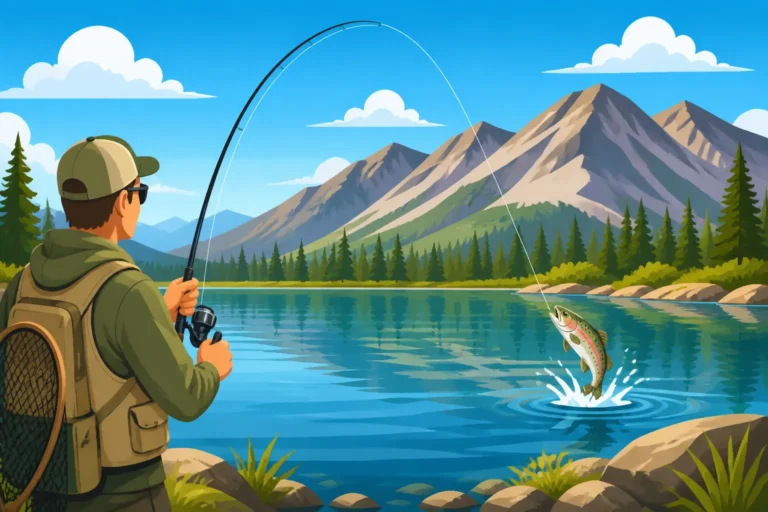
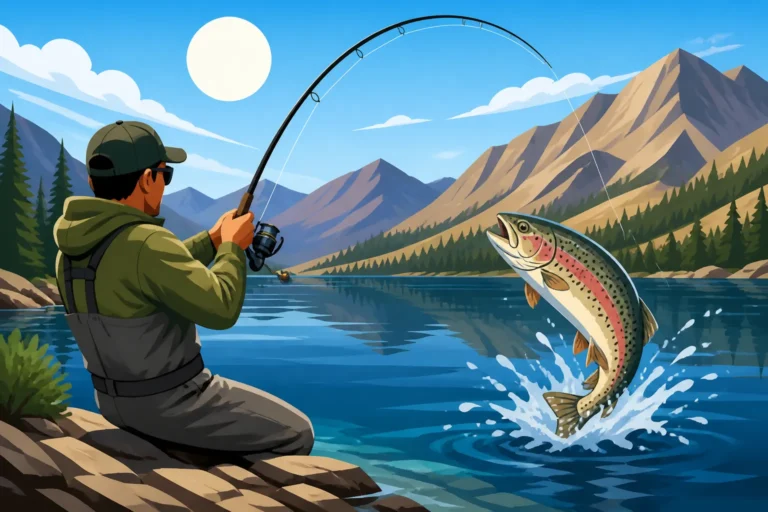
When summer hits Nevada, the scorching heat can make you wonder if any good trout fishing is even possible. The lowland reservoirs turn into warm bathtubs, sending those cold-loving trout deep, or worse, stressing them out. But don't despair! This guide is here to unveil the secret to successful summer trout fishing in the Silver State: heading to the high-elevation lakes where the water stays wonderfully crisp, offering a refreshing escape for both you and the fish.
Escaping the Heat: Why High-Elevation Lakes are Your Summer Trout Haven
There's a reason seasoned anglers in Nevada often pack their bags and head for higher ground when the mercury soars. It’s not just about enjoying cooler air; it's fundamentally about the fish. Trout species, particularly rainbows, browns, and native cutthroats, thrive in colder water. When water temperatures climb too high, typically above 68-70°F, trout become lethargic, stop feeding actively, and can even die from stress. High-elevation lakes naturally combat this heat, making them prime real estate for summer fishing.
The Science of Cold Water: How Elevation Helps
It all comes down to basic physics and geography. For every 1,000 feet you climb in elevation, the air temperature drops by about 3.5 degrees Fahrenheit. This cooler ambient air directly impacts the water temperature of lakes nestled in the mountains. They receive less direct, intense sunlight compared to their desert counterparts, and the surrounding terrain often provides shade. Furthermore, many high-elevation lakes are fed by snowmelt and cold springs, constantly replenishing them with fresh, oxygen-rich, chilly water. This creates an ideal environment where trout can remain active and healthy throughout the summer months, actively feeding and offering anglers a real challenge. It's a stark contrast to the often sluggish fishing you'll find in lower, warmer waters during July and August.
The Species You'll Find: Native and Stocked Trout
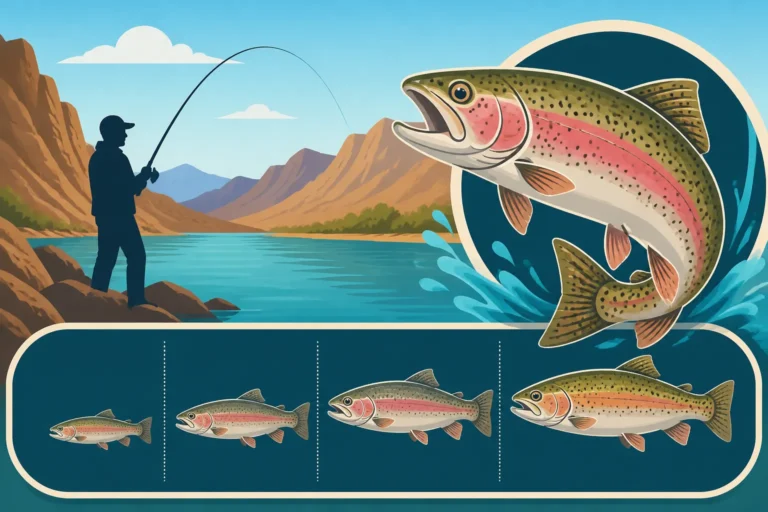
High-elevation lakes are a haven for a variety of trout. You’ll predominantly encounter rainbow trout, which are regularly stocked by the Nevada Department of Wildlife (NDOW) in many of these waters, ensuring a healthy population and good catch rates. You might also find brown trout, especially in lakes with river or stream inlets, as they prefer moving water and can grow quite large. In some specific locations, you might even have the chance to catch brook trout, known for their vibrant colors, or even the native Lahontan cutthroat trout in certain protected watersheds. Each species has its own quirks and preferences, but they all share a love for that refreshing cold water. Knowing which species are present can help you tailor your Nevada Trout Stocking Schedule to your bait and lure choices for better success. Many anglers even consult platforms like FishingBooker to find local guides who specialize in these specific trout species and can offer insights into the unique challenges and rewards of fishing these pristine waters.
Wildhorse Reservoir: Nevada's Premier Summer Trout Destination
When people talk about the "best" high-elevation lake for summer trout fishing in Nevada, one name consistently rises to the top: Wildhorse Reservoir. Located in northeastern Nevada, it's truly a gem for cold-water species.
Where is Wildhorse and What Makes It Special?
Wildhorse Reservoir is situated near the small town of Mountain City, about 65 miles north of Elko, in the beautiful Owyhee Desert mountains. At an elevation of approximately 6,200 feet, its waters remain significantly cooler than most other major Nevada fisheries through the summer. This large reservoir, formed by damming the Owyhee River, boasts diverse habitats, from shallow coves to deep channels, and is surrounded by stunning high-desert scenery. It’s a place where you can truly escape the hustle and bustle and immerse yourself in nature.
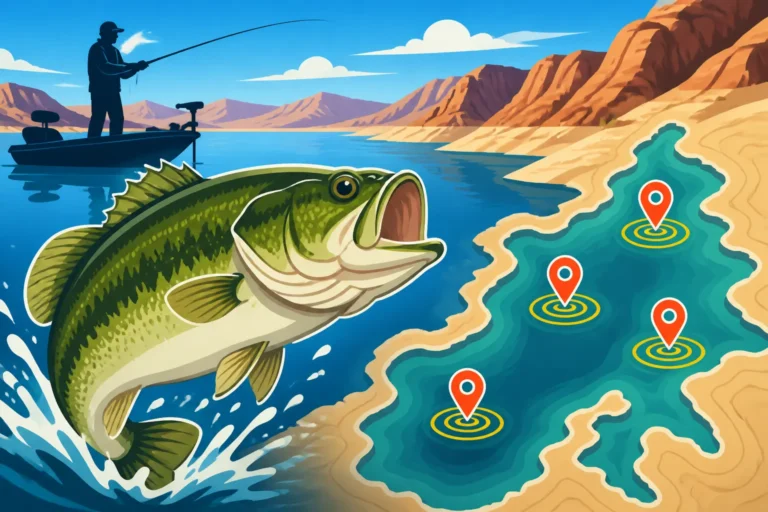
What makes Wildhorse truly special is its thriving population of trophy-sized trout and other game fish. NDOW actively manages and stocks the reservoir, ensuring a robust fishery. Rainbow trout are plentiful, often reaching impressive sizes thanks to the abundant food sources and cool, oxygenated water. Anglers regularly pull out rainbows in the 2-5 pound range, with bigger fish not uncommon. In addition to rainbows, Wildhorse is famous for its tiger trout, a sterile hybrid of brown and brook trout, known for their aggressive strikes and beautiful marbled patterns. These tigers can grow quite large, offering a thrilling fight. You'll also find a healthy population of smallmouth bass, yellow perch, and channel catfish, providing diverse fishing opportunities if you're looking for something different. To learn more about getting your boat ready, check out our Wildhorse Reservoir Boat Ramp and Camping guide.
Targeting Trout at Wildhorse: Techniques and Tips
Fishing for trout at Wildhorse in the summer requires a mix of conventional and sometimes specialized techniques. Because the water is cooler, trout will often be more active throughout the day, not just at dawn and dusk.
- Trolling: This is arguably the most popular and effective method for covering water and finding active trout. Using downriggers or lead core line to get lures down to desired depths is key. Popular lures include spoons like Needlefish, Kastmasters, and Tasmanian Devils, often tipped with a piece of worm or corn for added scent. Trolling speeds typically range from 1.5 to 2.5 mph, and varying your depth is crucial until you find where the fish are holding. Often, trout will suspend in the water column at specific depths where the temperature and oxygen levels are just right.
- Bank Fishing: For those without a boat, bank fishing can still be very productive, especially around points, inlets, and areas with submerged structure. PowerBait, nightcrawlers, and salmon eggs fished on a Carolina rig or under a bobber are classic go-to baits. Early mornings and late evenings are still prime times for bank anglers, but with the cooler water, mid-day fishing can also yield results.
- Fly Fishing: Fly anglers will find success stripping streamers like Woolly Buggers or baitfish imitations, particularly in the mornings and evenings. During insect hatches, dry flies can be effective. A float tube or pontoon boat can significantly expand the accessible water for fly fishermen, allowing them to reach areas that are otherwise difficult from shore.
- Jigging: If you're using a fish finder to locate schools of suspended fish, vertical jigging with small spoons or soft plastics can be incredibly effective. Drop your jig to the depth of the fish and use a subtle jigging motion to entice strikes.
Remember to consult the Nevada Fishing Regulations Explained for specific limits and rules regarding Wildhorse Reservoir before you head out. Finding a local guide on FishingBooker can also provide invaluable, up-to-the-minute information on hot spots and effective techniques for the current conditions.
Beyond Trout: Other Species and Amenities
While trout are the main draw, don't overlook Wildhorse's other residents. Smallmouth bass provide a fantastic fight on light tackle, often found around rocky points and submerged structures. Yellow perch are excellent table fare and can be caught in large numbers, particularly in the shallower, weedier bays. Channel catfish are also present, often hitting baits meant for trout or specifically targeted with stink baits in the evenings.
Wildhorse Reservoir State Park offers excellent amenities for anglers and campers. There are campgrounds with developed sites, restrooms, and boat launch facilities. The boat ramps are well-maintained, but always check conditions, especially during periods of low water. The park is a popular spot, so planning your trip, especially if you intend to camp, is a good idea. For those really digging into the logistics, our guide on Wildhorse Reservoir Boat Ramp and Camping has all the details.
Navigating High-Elevation Challenges and Maximizing Your Catch
Fishing in Nevada's high country isn't without its unique considerations. The mountain environment demands respect and preparation, but with the right approach, it can be incredibly rewarding.
Weather Woes and Preparation: Don't Get Caught Off Guard
Mountain weather can be notoriously fickle, changing rapidly and unexpectedly. A clear, sunny morning can quickly turn into an afternoon thunderstorm with high winds and even hail. Always check the forecast before you go, but be prepared for anything. Layered clothing is crucial; even on a warm day, temperatures can drop significantly when clouds roll in or after sunset. A waterproof and windproof outer shell is a must. Sun protection is also paramount due to the higher altitude; sunscreen, a wide-brimmed hat, and polarized sunglasses (which also help spot fish in clear water) are essential. Carry extra water, snacks, and a first-aid kit. Communication can be spotty in remote areas, so inform someone of your itinerary. For a comprehensive list, check out Nevada Fishing Gear Essentials.
Essential Gear for Mountain Lake Success
Beyond your basic rod and reel, a few pieces of specialized gear can make a big difference in high-elevation lakes:
- Good quality fishing line: Clear, low-visibility fluorocarbon or monofilament leaders are often beneficial in the clear mountain waters. For trolling, ensure your main line has enough strength to handle larger fish and potential snags. Our article on the Best Line for Desert Reservoir Fishing can offer more insights.
- Depth finder/Fish finder: Knowing the water depth and being able to locate schools of fish or underwater structure is a huge advantage, especially when trolling or jigging.
- Trolling motor (if boating): This allows for precise boat control and stealth, which can be critical for spooking wary trout.
- Landing net: A net with a rubberized mesh is ideal for handling fish gently, especially if you plan on catch and release. This minimizes damage to their protective slime coat.
- Cooler with ice: Even though the water is cooler, if you plan to keep fish, getting them on ice quickly is important to preserve their quality.
Best Practices for Catch and Release in Cold Waters
While high-elevation waters are generally better for trout, catch and release still requires careful attention to minimize stress on the fish. This is particularly true for larger, older trout that are valuable to the fishery.
- Handle fish minimally: Try to keep the fish in the water as much as possible. If you must remove it for a photo, do so quickly and support its body horizontally. Avoid touching its gills or eyes.
- Use appropriate tackle: Barbless hooks make removal easier and reduce tearing. Consider a single hook on lures when possible.
- Revive properly: If a fish seems sluggish, hold it gently in the water, facing upstream into a current or moving it back and forth to force water over its gills, until it swims away under its own power. Don't just toss it back if it's not fully recovered. Understanding Catch and Release Techniques for Trout is vital for maintaining healthy fish populations.
Other Gems: Exploring More High-Elevation Options
While Wildhorse Reservoir is a standout, Nevada has other fantastic high-elevation lakes worth exploring for summer trout fishing. Each offers its own unique charm and fishing opportunities. You can often find guides specializing in these areas through FishingBooker, helping you pinpoint the best times and techniques for specific locations.
Ruby Lake National Wildlife Refuge: A Unique Wetland Fishery
Nestled in the remote Ruby Mountains of northeastern Nevada, Ruby Lake National Wildlife Refuge is a truly unique destination. While not a typical deep, alpine lake, its network of spring-fed marshes, ponds, and open water areas sits at an elevation of about 6,000 feet. The cold, clear spring water creates an exceptional habitat for largemouth bass, various panfish, and, importantly for this discussion, abundant trout.
Fishing at Ruby Lake is distinct because of its wetland character. Think more shallow-water angling, often from canoes, kayaks, or float tubes, navigating through reeds and lily pads. Fly fishing can be particularly productive here, targeting cruising trout and bass with poppers, streamers, and nymph patterns. Spin fishermen can use small jigs, spoons, or worms. The remoteness adds to its appeal, offering a serene fishing experience surrounded by diverse wildlife. It's a fantastic option if you're looking for a different kind of high-elevation trout experience. More details can be found in our Ruby Lake National Wildlife Refuge Fishing guide.
Cave Lake State Park: East Nevada's Alpine Delight
Located just southeast of Ely in eastern Nevada, Cave Lake State Park offers another excellent high-elevation retreat for summer trout fishing. At an elevation of about 7,300 feet, the lake here stays delightfully cool, providing a refreshing escape from the summer heat.
Cave Lake is regularly stocked with rainbow trout and also holds brown trout. The clear, cold water makes for excellent fishing conditions, whether you're fishing from the shore, a float tube, or a small boat. PowerBait, worms, and small lures like spinners and spoons are all effective. The park offers camping, picnicking, and hiking, making it a great destination for a family fishing trip. In winter, it transforms into a popular ice fishing spot, but in summer, it's all about those active trout. If you're planning a trip to this region, you'll want to read up on Cave Lake State Park Fishing for comprehensive details.
The Hidden Gems of the Ruby Mountains: For the Adventurous Angler
For those truly seeking solitude and a wilderness experience, the high mountain lakes of the Ruby Mountains themselves offer unparalleled opportunities. These pristine, glacier-carved lakes, often only accessible via strenuous hiking trails, are typically stocked with various trout species, including native cutthroat, brook, and rainbow trout. Elevations here soar above 8,000 feet, ensuring consistently cold water even on the hottest summer days.
Fishing these lakes is an adventure. You'll need to pack in all your gear, which often means lightweight backpacking setups. Fly fishing with small dries, nymphs, and streamers is highly effective. Spin fishermen can use ultra-light gear with small spoons or spinners. These are true wild trout experiences, where the fish are often aggressive and eager to strike. Examples include destinations like Robinson Lake, Lamoille Lake, and Dollar Lakes. Before embarking on such a trip, be sure to check NDOW regulations for specific limits and access information, as these fragile ecosystems are carefully managed. Finding a local outfitter or guide on a platform like FishingBooker can be an excellent way to get precise information and assistance for planning an expedition into these more remote waters.
Summary of Nevada High-Elevation Lakes for Summer Trout Fishing
To help you decide where to cast your line this summer, here's a quick overview of some of Nevada's best high-elevation options:
| Lake Name | Elevation (approx.) | Primary Trout Species | Other Fish Species | Access & Amenities | Best Fishing Method (Summer) |
|---|---|---|---|---|---|
| Wildhorse Reservoir | 6,200 feet | Rainbow, Tiger, Brown | Smallmouth Bass, Perch, Catfish | Paved road, boat ramps, camping, restrooms | Trolling, Bank, Fly |
| Ruby Lake NWR | 6,000 feet | Rainbow, Brown | Largemouth Bass, Perch, Panfish | Gravel roads, small boat launches, camping (limited) | Fly, Canoe/Kayak, Bank |
| Cave Lake | 7,300 feet | Rainbow, Brown | (Limited) | Paved road, small boat launch, camping, hiking | Bank, Float Tube, Small Boat |
| Ruby Mountain Lakes | 8,000-10,000 feet | Cutthroat, Brook, Rainbow | (Limited) | Hike-in only (strenuous), primitive camping | Fly, Ultra-light Spin |
Disclaimer
The information provided in this guide is for general informational purposes only and is subject to change. Always consult the official Nevada Department of Wildlife (NDOW) regulations and local authorities for the most current rules, licensing requirements, and fishing conditions before planning your trip. Fishing conditions, fish populations, and access can vary seasonally and annually. Exercise caution and practice safe boating and outdoor recreation.