Ruby Lake National Wildlife Refuge Fishing
Many anglers dream of finding that peaceful, remote fishing spot away from the crowds, but navigating the vastness of Nevada's wilderness to pinpoint such a gem can feel overwhelming. If you're tired of overfished urban ponds and seeking a truly unique experience, you're in for a treat. This comprehensive guide will take you deep into the heart of Ruby Lake National Wildlife Refuge, revealing everything you need to know to plan a successful and memorable fishing adventure in this incredible eastern Nevada haven.
Getting to Know Ruby Lake National Wildlife Refuge
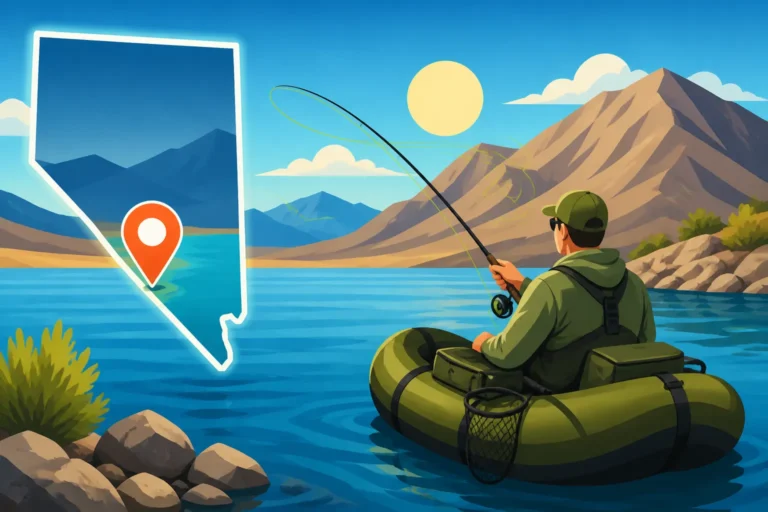
Ruby Lake National Wildlife Refuge is one of those places that feels like a hidden treasure, tucked away in the high desert of eastern Nevada. It's not a quick drive from the major population centers like Las Vegas or Reno, which is precisely what makes it so special for those seeking solitude and an authentic connection with nature. You'll find it nestled at the base of the Ruby Mountains, about 65 miles southeast of Elko. The journey itself is part of the adventure, taking you through some truly stunning, wide-open country.
Location and Access Points
Accessing the refuge generally involves driving on paved roads for a good portion, but don't be surprised if the last stretch turns into a well-maintained gravel road. This isn't your average roadside stop; it requires a bit of commitment, but the payoff is immense. The main entrance and visitor center area are typically easy to find once you get close. Keep an eye out for signs, as cell service can be spotty in this remote region. For many, coming from the north via Elko or the south via Ely is the most common route. Planning your fuel stops is crucial, as amenities become scarce the closer you get to the refuge.
While the remoteness is part of its charm, it also means you need to be self-sufficient. Don't expect a gas station or a convenience store just around the corner. Pack everything you need for the day, or even several days, if you plan an extended stay. Detailed maps, either paper or downloaded to your device, are highly recommended to supplement GPS, especially given the spotty cell service. A little preparation goes a long way in ensuring your focus remains on the fishing and the breathtaking scenery, rather than on logistical headaches.
Unique Ecosystem and Habitat
What truly sets Ruby Lake apart is its incredibly diverse and vital ecosystem, a stark contrast to the surrounding arid landscape. Imagine a vast freshwater marsh, fed by underground springs, creating a vibrant oasis in the high desert. This isn't just a lake; it's a complex network of marshes, open water, and islands, providing critical habitat for an astonishing array of migratory birds, mammals, and, of course, fish. The constant flow of spring water ensures excellent water quality and stable temperatures, making it a fertile ground for aquatic life.
The shallow, marshy environment, dense with cattails and other aquatic vegetation, offers perfect cover and breeding grounds for various fish species, while also attracting a phenomenal diversity of waterfowl. It’s a birdwatcher’s paradise as much as an angler’s. This unique habitat also means that fishing here is a little different than your typical reservoir or high mountain lake. You'll often be targeting fish in and around dense vegetation, making it an exciting challenge. The refuge is managed by the U.S. Fish and Wildlife Service, and their dedication to preserving this delicate balance means that while recreation is encouraged, it's always done with a strong emphasis on conservation and respect for the environment. This commitment to conservation is what makes the fishing here so unique and rewarding, knowing you're participating in a carefully managed natural wonder.
Fish Species and What You'll Catch
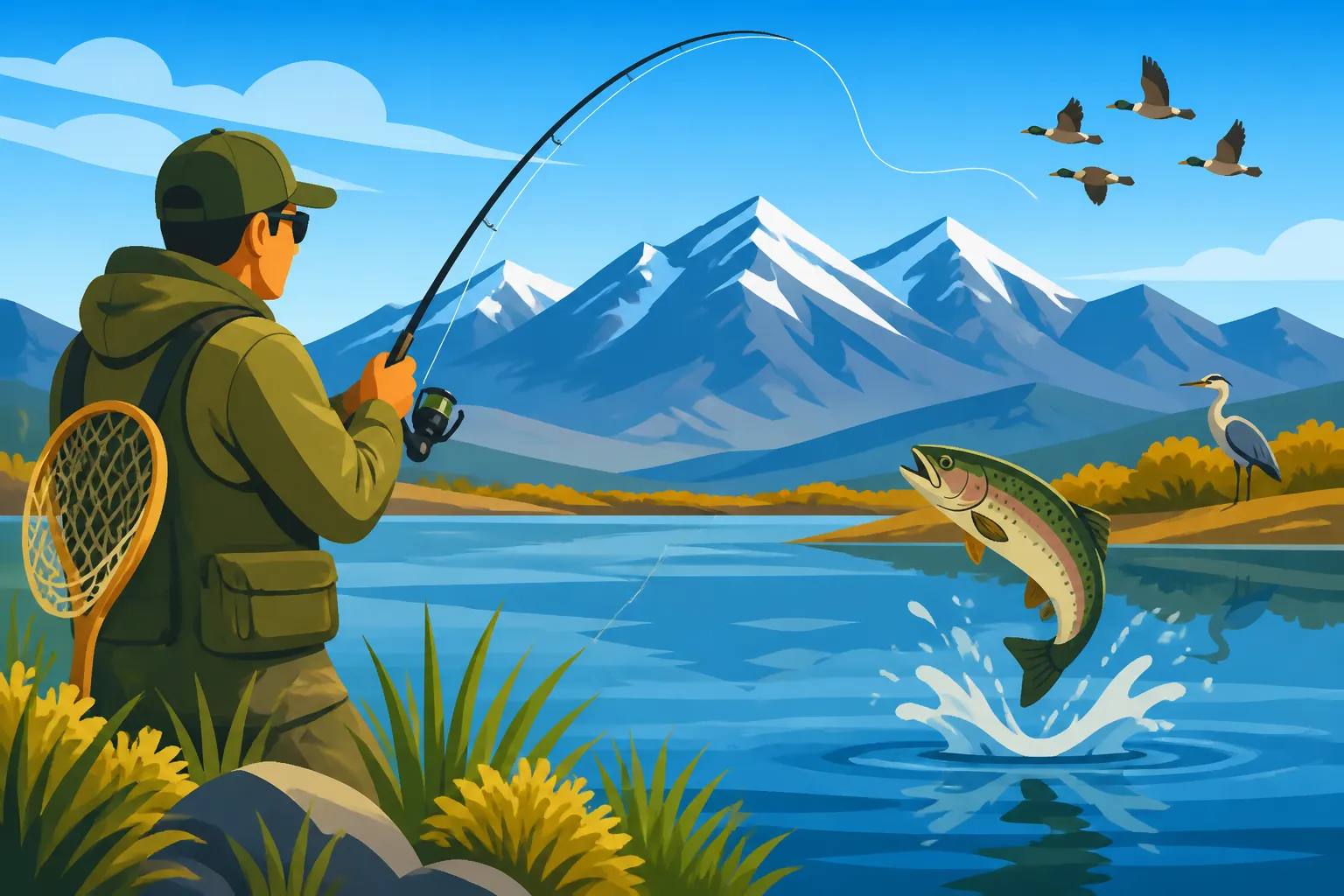
When you head out to Ruby Lake, the star of the show for many anglers is the Lahontan Cutthroat Trout. This isn't just any trout; it's Nevada's state fish, a native species with a rich history, and Ruby Lake is one of its crucial strongholds. These beautiful fish are known for their distinctive red or orange "cutthroat" marks under their jaw, and they put up a fantastic fight. Anglers often come specifically for the chance to hook into one of these truly wild and robust trout, making it a bucket-list destination for many.
Target Species: Lahontan Cutthroat Trout and Others
Beyond the iconic Lahontan Cutthroat, Ruby Lake also boasts healthy populations of other desirable species. You'll find Rainbow Trout, often stocked to supplement the native populations and provide additional angling opportunities. These are typically eager biters and a great option for younger anglers or those looking for more consistent action. Additionally, the refuge has populations of hybrid Bowcutt Trout, a cross between a rainbow and a cutthroat, offering a unique blend of their characteristics. Don't be surprised to also encounter species like Sacramento Perch, which are unique to some Nevada waters, and even some Largemouth Bass in certain areas of the refuge, particularly in the warmer, shallower zones. For specific insights, looking up "Fish Species found in Ruby Lake National Wildlife Refuge" can provide further detail on the full range of possibilities.
The diversity of fish means you might need to adjust your approach depending on what you're targeting. For example, techniques that work for a Lahontan Cutthroat in open water might not be as effective for a Largemouth Bass hiding deep in the cattails. This variety keeps fishing at Ruby Lake exciting and ensures there's always something new to learn or master. It's a place where you can truly hone your skills and expand your angling repertoire.
Identifying Your Catch and Size Expectations
One of the most rewarding parts of fishing at Ruby Lake is the variety of fish you might encounter, and knowing how to identify them is key, especially with species like the Lahontan Cutthroat Trout, which might have specific regulations. The Lahontan Cutthroat typically have larger spots concentrated towards their tail and, of course, those distinct red slashes on their throat. Rainbows, on the other hand, usually have smaller, more evenly distributed spots and a pinkish lateral stripe. The Bowcutt hybrids might show a mix of these features. Learning to tell them apart is not only fascinating but essential for complying with catch limits. For more detailed information on "Lahontan Cutthroat Trout in Nevada", you can consult specific resources.
Size-wise, you can expect a good range at Ruby Lake. Lahontan Cutthroat Trout can grow quite large here, often reaching impressive sizes in the 16 to 20-inch range, with some trophy fish exceeding that. The state record for a Lahontan cutthroat trout often comes from these prime habitats, so you never know what might bite! Rainbows, especially newly stocked ones, might be smaller but still provide plenty of fun, usually ranging from 10 to 14 inches. The Sacramento Perch are generally smaller panfish, perfect for family fishing. Always refer to the current "Nevada statewide trout daily limit" and refuge-specific regulations for legal sizes and bag limits before you head out, as these can change.
Here’s a quick overview of what you might expect:
| Fish Species | Typical Size Range (inches) | Primary Season | Notes |
|---|---|---|---|
| Lahontan Cutthroat Trout | 12-20+ | Spring, Fall | Native, strong fighters, often trophy size |
| Rainbow Trout | 10-14 | Spring, Summer | Stocked, eager biters |
| Bowcutt Trout | 10-16 | Spring, Fall | Hybrid, good fighters |
| Sacramento Perch | 6-10 | Summer | Panfish, unique to certain waters |
| Largemouth Bass | 10-18+ | Summer | Found in warmer, vegetated areas |
Fishing Regulations and Permits
Navigating fishing regulations can sometimes feel like trying to untangle a bird's nest of fishing line, but it's absolutely crucial for a smooth trip. First and foremost, anyone planning to fish at Ruby Lake National Wildlife Refuge will need a valid Nevada fishing license. This isn't optional, even though it's a federal refuge; state laws still apply. You can easily get your "Nevada Fishing License Guide" online through the Nevada Department of Wildlife (NDOW) website, or at many sporting goods stores across the state. Make sure you check the various options like annual or short-term permits, depending on the length of your stay. Knowing the "Nevada Fishing License Cost Breakdown" beforehand can help you budget for your trip.
Nevada State License and Refuge-Specific Rules
In addition to your state license, Ruby Lake National Wildlife Refuge, being a special conservation area, often has its own set of specific rules and regulations. These are designed to protect the unique ecosystem and the native fish populations, especially the Lahontan Cutthroat Trout. These refuge-specific rules might cover things like permitted fishing areas, boat restrictions, or even limitations on certain baits or lures. It's incredibly important to pick up a copy of the refuge's specific regulations booklet, usually available at the visitor center or downloadable from their website, before you cast your first line. Ignorance of the rules won't save you from a fine, and more importantly, it can harm the very resource you're there to enjoy.
Many anglers find it frustrating to keep track of state-wide rules alongside local refuge rules, but it's a necessary step to ensure the long-term health of this unique fishery. Make sure you understand the nuances, such as whether a specific area is catch-and-release only, or if there are size slots for certain species. These regulations are in place for good reason, often protecting vulnerable populations or ensuring a healthy future for the fishery. Checking the NDOW website for "Nevada Fishing Regulations Explained" is always a smart move.
Special Gear and Bait Restrictions
Beyond just needing a license, be prepared for some specific rules regarding what you can and cannot use at Ruby Lake. For instance, many national wildlife refuges are keen on preventing the spread of aquatic invasive species, which means there might be restrictions on live bait. You might find that only artificial lures or specific types of bait are allowed. This is a common frustration for anglers used to fishing with live worms or minnows, but it's a small price to pay to protect the delicate balance of the refuge's waters. Always double-check the current regulations, as rules can evolve to adapt to new conservation needs.
Another crucial aspect to be aware of is the potential for special hook requirements. For certain native trout populations, like the Lahontan Cutthroat, barbless hooks might be mandated, or there might be specific catch-and-release zones. This is to minimize harm to the fish, increasing their chances of survival after being caught. Even if not explicitly required, using barbless hooks is a fantastic practice to adopt, especially when targeting sensitive species. It makes releasing fish so much easier for both you and the fish, reducing stress on the fish and improving their survival rate. Being prepared with the right tackle will save you a headache and ensure you're compliant with all the important rules at Ruby Lake, allowing you to focus on the joy of fishing.
Best Times and Techniques for Ruby Lake
Knowing when to fish can be just as important as knowing where. Ruby Lake offers diverse opportunities throughout the year, but each season brings its own set of conditions and advantages. Understanding these seasonal shifts can dramatically improve your success rate and overall enjoyment.
Seasonal Fishing Opportunities
Spring, particularly April and May, is often considered prime time. The weather is usually pleasant, the fish are active after the winter, and the Lahontan Cutthroat are often aggressively feeding. This is when you'll find the water temperatures are ideal, encouraging fish to be more active in shallower waters. The early season also brings out fewer crowds, offering a more serene experience. The vibrant greens of new growth along the marsh add to the beauty of the experience.
Summer fishing, from June through August, can still be productive, especially in the early mornings or late evenings when the desert heat isn't as intense. The fish might move to deeper, cooler waters during the day, making them a bit harder to target, but a patient angler can still find success. It's crucial to stay hydrated and protect yourself from the sun during these months. Fall, from September to October, is another fantastic window. The crowds tend to thin out, the scenery is breathtaking as the leaves change, and the trout become very active again as they prepare for winter. Winter fishing, while possible, can be challenging due to cold temperatures and potential ice formation; always check conditions before planning a winter trip. For a more general overview of fishing across the state, you might want to check out "Nevada Fishing Seasons by Month" or the "Best Time of Year to Fish in Nevada" guides.
Recommended Lures, Baits, and Fly Patterns
Successfully landing fish at Ruby Lake often comes down to matching the hatch or presenting the right offering. For spin anglers targeting trout, traditional lures like small spoons (think brands like Kastmaster or Daredevle in silver or gold), inline spinners (Mepps, Panther Martin), and small jerkbaits can be incredibly effective. Consider colors that mimic baitfish or natural insect patterns that are abundant in the marsh environment. PowerBait, particularly in neon colors or dough form, can also be very successful for stocked Rainbow Trout, especially when fished off the bottom with a light sinker.
Fly fishing is also immensely popular and productive at Ruby Lake, drawing anglers from all over. Given the marshy, spring-fed nature of the lake, various aquatic insects thrive here. For targeting Lahontan Cutthroat, popular patterns include Woolly Buggers (black, olive, or white), various nymph patterns (Prince Nymph, Pheasant Tail, Hare's Ear), and Chironomid imitations. During certain hatches, dry flies can also provide exhilarating topwater action, especially in the calmer sections of the refuge. For those looking for guided trips or local expertise, services found on platforms like FishingBooker can connect you with experienced guides who know the specific patterns and techniques that work best in these unique waters. Don't forget to pack a variety of options; what works one day might not work the next! For more specific advice on this method, a guide on "Fly Fishing in Nevada" would be very helpful. Knowing your "Nevada Fishing Gear Essentials" will set you up for success.
Navigating the Unique Challenges of Ruby Lake
While undeniably beautiful, Ruby Lake National Wildlife Refuge presents unique challenges that require preparation and flexibility from anglers. It's not always an easy fishing trip, but overcoming these hurdles makes the rewards even sweeter.
Water Levels and Accessibility
Like many natural bodies of water in the high desert, Ruby Lake's water levels can fluctuate dramatically, and this significantly impacts accessibility and fishing conditions. During periods of drought, or sometimes even just seasonally, certain areas that were once prime fishing spots might become too shallow or completely dry. This can be frustrating when you've planned a trip based on past reports, only to arrive and find the landscape has changed. It's always a good idea to check recent refuge updates or call the visitor center before you go, especially if you plan to launch a boat or access specific shorelines.
Fluctuating water levels can also affect boat launch availability. While Ruby Lake isn't known for large motorboats, smaller craft like canoes, kayaks, and float tubes are popular. However, getting these vessels to the water's edge can become a muddy, strenuous affair if the ramps are high and the water is low. For bank anglers, low water might mean a longer walk through marshy terrain to reach fishable water, or conversely, it might expose new areas. Patience and adaptability are key when dealing with these natural variations. A good set of waterproof boots or waders can be a game-changer, allowing you to access areas that others might shy away from.
Weather and Wildlife Encounters
Nevada's high desert weather is nothing if not unpredictable, and Ruby Lake is no exception. While beautiful, conditions can change rapidly. Summers can bring scorching temperatures, requiring ample hydration, sun protection, and a plan to fish during cooler parts of the day. Afternoon thunderstorms are not uncommon and can bring sudden heavy rains and lightning, which can be dangerous on open water. In the spring and fall, strong winds can whip across the lake, making casting difficult and creating choppy conditions that are challenging for small boats. Always check the local forecast meticulously before heading out and be prepared for anything from bright sunshine to sudden squalls.
Beyond the weather, remember that you are in a National Wildlife Refuge – the "wildlife" part is very real! While mostly beautiful, this means being aware of your surroundings. Rattlesnakes are present in the warmer months, so watch your step, especially near rocks or tall grass. Mosquitoes and other biting insects can be a nuisance, particularly around the marshy areas, so insect repellent is a must. And, of course, the refuge is home to larger mammals and a spectacular array of birds. Respect their space, never feed them, and store food properly to avoid attracting unwanted attention. It’s all part of the wild, untamed beauty of Ruby Lake, and embracing these elements is part of the true wilderness experience.
Beyond Fishing: Exploring Ruby Lake NWR
While the primary draw for many is the incredible fishing, Ruby Lake National Wildlife Refuge offers so much more than just angling opportunities. It's a place where you can immerse yourself in nature and witness some truly spectacular wildlife. Taking a break from fishing to explore other facets of the refuge can make your trip even more memorable.
Wildlife Viewing and Photography
Even if you don't land a trophy fish, a trip to Ruby Lake National Wildlife Refuge is an unforgettable experience for nature lovers. The refuge is renowned as a critical stopover point for migratory birds along the Pacific Flyway. During spring and fall migrations, the skies and marshes come alive with thousands of ducks, geese, swans, cranes, and countless other species. Birdwatchers flock here from all over the country to witness this spectacular natural phenomenon. Keep an eye out for rare sightings, as the refuge occasionally hosts species not commonly found elsewhere. The sheer volume and diversity of waterfowl during migration seasons can be truly overwhelming in the best way possible.
Beyond the feathered residents, the refuge also supports a variety of mammals. You might spot mule deer grazing, coyotes prowling, or even a badger scurrying through the sagebrush. Smaller creatures like jackrabbits, ground squirrels, and various reptiles are also common sights. This makes Ruby Lake a phenomenal spot for wildlife photography. Bring your binoculars and a good camera, because every turn can offer a new, breathtaking view or a candid wildlife moment. Even a bad day of fishing can be salvaged by a stunning photograph of a soaring eagle or a deer at sunset, reminding you why places like this are so vital. For those looking for the "Best Places to Fish in Nevada" that offer more than just fishing, Ruby Lake definitely belongs on the list.
Camping and Nearby Amenities
Because Ruby Lake is a more remote destination, planning your overnight stay and essential supplies is crucial. Inside the refuge itself, camping options are typically limited, often to primitive sites or designated areas with very basic amenities, if any. It's best to confirm current camping policies directly with the refuge office, as rules can change. For a more structured experience, you might need to look at nearby public lands managed by the Bureau of Land Management (BLM) for dispersed camping, or consider state parks or private campgrounds further afield.
The closest towns with significant amenities would be Elko to the north or Ely to the south. These communities offer hotels, motels, restaurants, grocery stores, and bait and tackle shops where you can stock up on essentials. However, remember these are still a good drive from the refuge itself, so don't expect to run out for a forgotten item easily. It’s always a good practice to bring everything you think you'll need, from extra water and food to a first-aid kit and spare fuel. For those interested in a more comprehensive Nevada fishing adventure, consider exploring options through FishingBooker for guides and accommodations that might be able to cater to multi-day trips in these more remote areas, providing valuable logistical support. Ruby Lake is an incredible place, but its remoteness demands thorough preparation.
Disclaimer
The information provided in this guide is for general informational purposes only and should not be considered legal advice. Fishing regulations, fees, and conditions can change rapidly. Always consult the official Nevada Department of Wildlife (NDOW) regulations and the Ruby Lake National Wildlife Refuge's specific rules and notices before planning or embarking on your fishing trip. Staying informed ensures a safe and compliant experience.