Nevada lakes stocked most often by NDOW
It can be incredibly frustrating to head out for a day of fishing, only to find the waters barren or the fish just not biting. You've spent money on gas, bait, and maybe even a new lure, all for a disappointing trip. Many anglers, especially those new to the Silver State, wonder which Nevada waters offer the most consistent action, and the truth is often found in the Nevada Department of Wildlife (NDOW) stocking reports. This comprehensive guide will pull back the curtain on which Nevada lakes are stocked most often by NDOW, helping you pinpoint the best spots for a successful and enjoyable day on the water.
Understanding NDOW's Stocking Programs
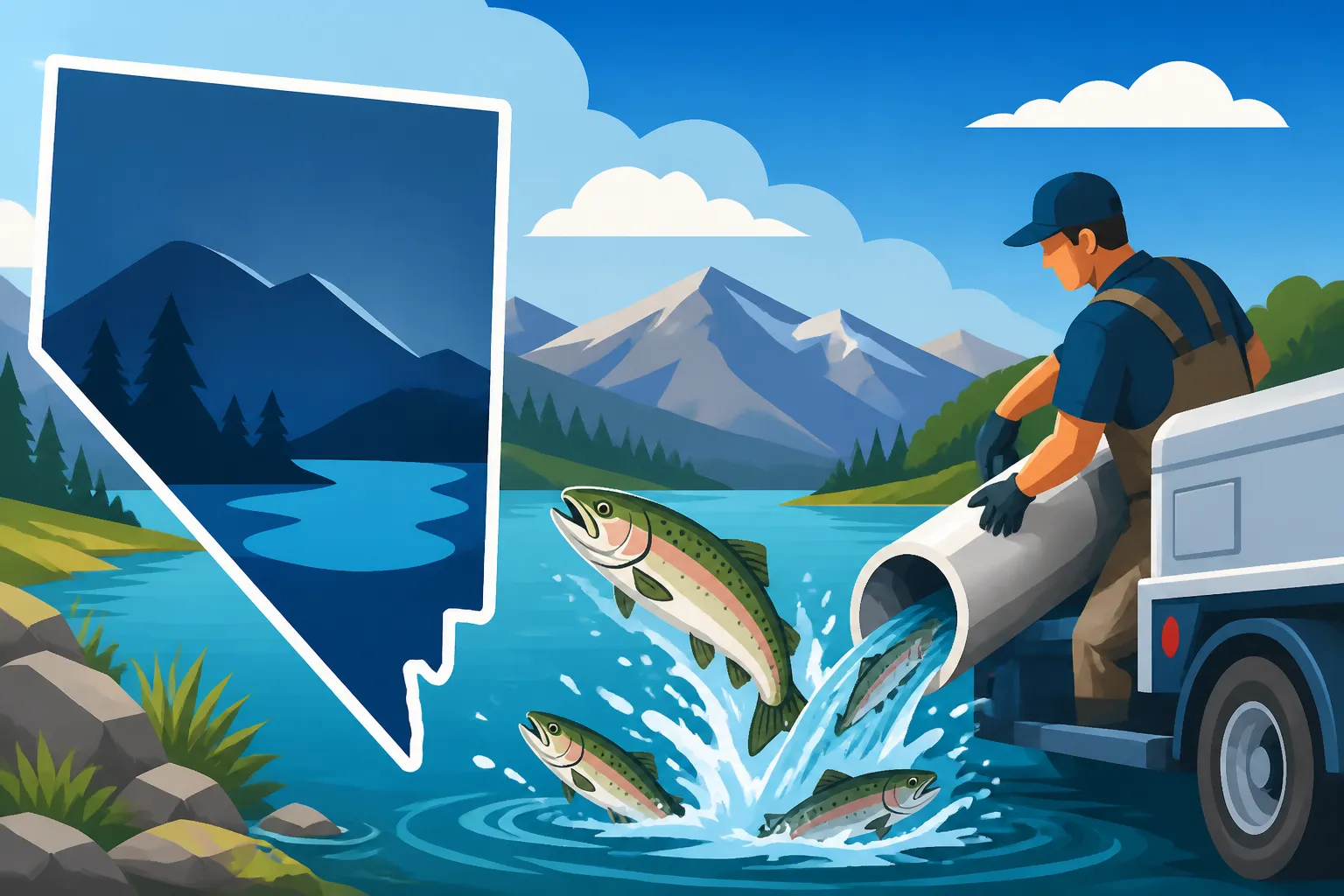
The Nevada Department of Wildlife (NDOW) plays a crucial role in maintaining and enhancing fishing opportunities across the state. They don't just randomly dump fish into water; there's a strategic thought process behind their stocking efforts. Their main goals often revolve around two key concepts: providing "put-and-take" fisheries and supplementing natural populations where reproduction might be limited or fishing pressure is high. This approach ensures that both seasoned anglers and families looking for a fun day out have a reasonable chance of success.
For instance, the urban pond program is a prime example of a "put-and-take" fishery. These ponds are typically stocked frequently with catchable-sized fish, usually rainbow trout during cooler months, to provide immediate fishing gratification. It's designed to be accessible, family-friendly, and to encourage participation in angling, especially for kids. Then there are larger reservoirs and lakes where stocking might be aimed at boosting populations of game fish that don't reproduce well naturally in those specific conditions, or where harvest rates are so high that natural recruitment can't keep up. Knowing the difference can really help you set your expectations and choose the right tackle for the job.
Top Nevada Lakes and Ponds for Frequent Stocking
When you're looking for consistent action, you want to focus on the waters that NDOW frequently replenishes. These are generally the locations that see the most angling pressure or are specifically managed as "community fisheries."
Southern Nevada's Urban Oasis Ponds
For many residents and visitors in the Las Vegas valley, the urban ponds are a lifeline for quick, accessible fishing. These locations are probably the most consistently stocked spots in the entire state, especially with rainbow trout during the fall, winter, and spring months when water temperatures are suitable.
- Floyd Lamb Park: Located in the northwest part of Las Vegas, Floyd Lamb Park is a fantastic family destination with multiple small ponds. NDOW regularly stocks these ponds with rainbow trout, making it a hotspot for kids and beginners. You can often find a schedule for their stockings on the NDOW website, helping you plan your trip for optimal success. Beyond trout, these ponds sometimes get channel catfish when the weather warms up. Learning more about specific spots can really improve your outing, so check out our guide on Floyd Lamb Park Fishing Ponds for detailed tips.
- Lorenzi Park Pond: Another popular urban spot right in the heart of Las Vegas, Lorenzi Park Pond receives frequent trout stockings throughout the cooler parts of the year. Its central location makes it incredibly convenient for a quick fishing excursion after work or school. It’s not just about the convenience, though; the consistent stocking ensures there's almost always something biting. For more local insights, don't miss our article on Lorenzi Park Fishing Pond.
- Sunset Park Pond: Situated near McCarran International Airport, Sunset Park offers a larger pond that is also a regular on the NDOW stocking list. Like its urban pond counterparts, it’s heavily stocked with rainbow trout for winter and spring fishing. In the hotter summer months, NDOW often shifts to stocking channel catfish, which are more tolerant of warmer water temperatures. For those wondering about the best times, our guide on Sunset Park Fishing Pond might offer some strategic advice.
- Boulder City Pond (Veterans Memorial Park Pond): Just outside of Las Vegas, Boulder City's Veterans Memorial Park Pond is another jewel in the urban pond program. This smaller pond also gets consistent stockings, offering a quieter, more intimate fishing experience compared to some of the busier Las Vegas locations. It's a great option if you're looking to avoid some of the weekend crowds.
Northern Nevada's Community Waters
Northern Nevada isn't left out of the frequent stocking game, with several popular spots around Reno and other communities seeing regular visits from the NDOW stocking trucks.
- Sparks Marina Pond: A large, popular recreation area in Sparks, the marina is a consistent recipient of NDOW trout stockings, particularly in the cooler months. Its open access and amenities make it a great spot for both boat and shore anglers. The marina also holds other species like bass and catfish, but the trout stockings are what keep the "put-and-take" anglers coming back.
- Idlewild Park Ponds (Reno): Similar to the Las Vegas urban ponds, the ponds within Idlewild Park in Reno are frequently stocked with rainbow trout, providing easy access for local anglers and families. These smaller, accessible waters are perfect for introducing kids to fishing.
- Wilson Common Pond (Winnemucca): This community pond in Winnemucca is a vital resource for local anglers, consistently stocked with trout, especially during the more temperate seasons. It serves as a great local amenity, providing consistent fishing opportunities for the area.
Eastern and Central Nevada's Trout Havens
Moving further into the state, NDOW strategically stocks certain reservoirs and lakes to bolster their trout populations, making them reliable destinations for anglers seeking these cold-water species.
- Wildhorse Reservoir: While a bit of a drive, Wildhorse Reservoir in northeastern Nevada is a significant trout fishery that benefits from regular NDOW stockings. It’s known for its robust populations of rainbow trout, brown trout, and even tiger trout. The remote setting offers a more wilderness-like experience, and the consistent stocking ensures healthy populations year after year. For a deep dive into this particular spot, you might find our Wildhorse Reservoir Nevada Fishing Guide incredibly helpful.
- Comins Lake (near Ely): This popular lake near Ely is frequently stocked with rainbow trout and occasionally brown trout, making it a go-to spot for anglers in eastern Nevada. Its management focuses on providing a productive fishery, and NDOW’s regular stocking schedule helps achieve that.
- Echo Canyon Reservoir and Eagle Valley Reservoir (Eastern Nevada): These two reservoirs, often mentioned together due to their proximity, are also key components of NDOW’s trout stocking efforts in eastern Nevada. They receive consistent stockings of rainbow trout, providing excellent opportunities for both shore and boat anglers. These waters are often vital for local tourism, and NDOW ensures their productivity through regular infusions of fish.
Why Certain Waters Get More Attention
You might be wondering why some lakes are stocked almost weekly, while others seem to be left to their own devices. There are several strategic reasons behind NDOW's stocking decisions that directly impact which Nevada lakes are stocked most often by NDOW.
Urban Accessibility and Family-Friendly Fisheries
One of NDOW's primary missions is to provide readily accessible fishing opportunities, especially for urban populations and families. This is why places like the Las Vegas and Reno urban ponds are on such a consistent stocking rotation. These smaller, often man-made ponds are designed to be "put-and-take" fisheries, meaning the fish are stocked at a catchable size specifically for anglers to harvest. They create easy-to-reach destinations that don't require extensive travel or specialized equipment, encouraging more people, especially children, to engage with the outdoors. This focus on immediate gratification and convenience is a huge factor in their frequent stocking.
Think about it: for a family in Las Vegas, driving an hour to Lake Mead is one thing, but a 15-minute drive to Floyd Lamb Park for guaranteed action is a game-changer. These locations are vital for fostering new anglers and ensuring the tradition of fishing continues. If you're planning a trip with kids, considering one of these heavily stocked urban ponds is always a good bet. Websites like FishingBooker can sometimes even help you find local guides who specialize in these family-friendly urban excursions.
Supplementing Natural Populations and Managing Fishing Pressure
Beyond urban ponds, NDOW stocks larger reservoirs and lakes to either supplement existing fish populations or create fisheries where natural reproduction isn't sufficient to meet demand. For example, many of Nevada's high-desert reservoirs might not have ideal conditions for trout to reproduce naturally due to fluctuating water levels, warm summer temperatures in shallow areas, or limited spawning habitat. NDOW intervenes by stocking these waters with trout, ensuring that anglers still have a viable target species.
Consider Lake Mohave, particularly around the Willow Beach area, which sees frequent rainbow trout stockings. The cold, clear water from the Hoover Dam outflow creates perfect conditions for trout, but their natural spawning success in the main lake is limited. By consistently stocking these areas, NDOW maintains a vibrant trout fishery that draws anglers from far and wide. Similarly, popular spots like Wildhorse Reservoir receive regular stockings to keep up with the fishing pressure and provide a diverse fishery. These stockings are crucial for sustaining the quality of fishing in highly trafficked areas, preventing overfishing from depleting the fish numbers faster than they can naturally replenish.
Maximizing Your Success on Stocked Waters
Knowing which Nevada lakes are stocked most often by NDOW is just the first step. To truly make the most of your trip, you need to understand when and how to fish these waters effectively.
Checking NDOW Stocking Schedules
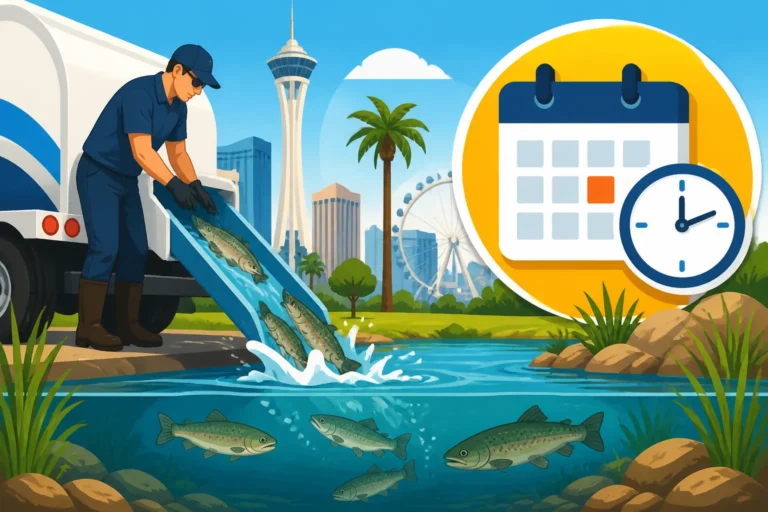
The single most important tool for any angler targeting stocked waters is the NDOW stocking schedule. NDOW is typically very transparent about its stocking efforts, often publishing weekly or monthly schedules on its official website. These schedules will tell you which specific lakes and ponds were stocked, what species were introduced (usually rainbow trout or channel catfish), and sometimes even the quantity and size of the fish.
- Plan Your Trip: By checking the schedule, you can plan your fishing trip for shortly after a stocking event. Freshly stocked fish are often disoriented and eager to bite, making the days immediately following a stocking some of the most productive.
- Regional Focus: NDOW typically breaks down its stocking reports by region (Southern, Western, Eastern). This allows you to focus on the waters closest to you or in the area you plan to visit.
- Beyond the Website: Many local tackle shops and even some online fishing forums will share or discuss NDOW's stocking updates. It's always a good idea to chat with local experts if you're in the area. Our Nevada Trout Stocking Schedule guide provides even more in-depth information on this topic.
Best Baits and Techniques for Stocked Fish
Stocked fish, especially rainbow trout, tend to behave differently than their wild counterparts. They're often raised in hatcheries and are accustomed to a pellet diet, making them less wary of traditional baits.
- PowerBait and Dough Baits: These are arguably the most effective baits for stocked rainbow trout. Brands like PowerBait (in various colors and scents like corn, garlic, or cheese) are incredibly popular. Rig them on a small treble hook with a sliding sinker setup to allow the bait to float off the bottom.
- Worms and Corn: Garden worms or even canned corn (though some anglers debate its effectiveness, it's a common choice) can also be very successful, particularly in urban ponds.
- Small Lures: Spinners like Mepps or Panther Martin, or small spoons, can entice newly stocked trout. Bright colors or those resembling minnows often work well. Retrieve them slowly to give the fish time to react.
- Fly Fishing: For fly anglers, small nymphs, Woolly Buggers, or even dry flies mimicking the local insect hatch can be effective, especially a few days after stocking when the fish have settled in a bit.
- For Catfish: If NDOW has stocked channel catfish, stink baits, cut bait, or even chicken livers are excellent choices. They're scavengers and are drawn to strong scents.
Knowing the fish's habits immediately after stocking is key. They're often in schools, so if you catch one, there are likely more nearby. Our article on Best Bait for Stocked Trout delves deeper into specific bait choices. And if you're looking to book a guided trip to one of these spots, FishingBooker can help you connect with local experts who know the best techniques for newly stocked fish.
Timing Your Visit After a Stocking
The timing of your visit relative to a stocking event can significantly impact your catch rate.
- Immediately After Stocking (0-24 hours): This is often prime time. The fish are disoriented from transport and being released into new waters, and they are usually very hungry. They'll often bite almost anything presented to them. Expect crowds, especially at popular urban ponds.
- A Few Days After Stocking (24-72 hours): The fish start to acclimate to their new environment. They might become a little warier but are still actively feeding. This can be a great time to experiment with different baits or lures. The crowds might thin out a bit.
- A Week or More After Stocking: Fishing can become more challenging. The easiest-to-catch fish have likely been harvested, and the remaining ones have grown more cautious. This is when technique, presentation, and knowing the water become even more important. This is also when conditions like Fishing After a Nevada Cold Front can drastically alter fish behavior.
For the most up-to-date information on Nevada's fishing regulations and daily limits, always consult the official NDOW regulations pamphlet or website, as rules can vary by water body and species. Understanding the Nevada Trout Daily Limit Rules is crucial for a responsible and legal fishing trip.
Regional Stocking Variations
While urban ponds are consistently stocked across the state, the species and frequency can vary slightly depending on the region and the specific water body's characteristics.
Southern Nevada Stocking Focus
In Southern Nevada, particularly around the Las Vegas area, the emphasis is heavily on "put-and-take" trout fisheries during the cooler months (roughly October through April/May). As mentioned, Floyd Lamb Park, Lorenzi Park, and Sunset Park are key locations. During the hotter summer months, when trout cannot survive in the warmer urban pond waters, NDOW often switches to stocking channel catfish. These catfish provide excellent angling opportunities through the summer, as they thrive in warmer temperatures. They are robust fighters and a popular table fish. This seasonal rotation ensures year-round fishing opportunities in easily accessible urban areas. Learn more about year-round possibilities in our Best Time of Year to Fish in Nevada guide.
Western Nevada Stocking Focus
Western Nevada, encompassing areas around Reno, Carson City, and Fallon, also sees frequent trout stockings in urban and community ponds like Sparks Marina and Idlewild Park. These follow a similar seasonal pattern to Southern Nevada, with trout in the cooler months. Beyond urban ponds, NDOW actively manages various reservoirs and lakes in this region for trout. For example, some of the smaller reservoirs and even sections of rivers like the Truckee may receive supplemental stockings to support recreational fishing. Fly fishing for Rainbow Trout Fishing in Nevada is a popular pastime in many of these western waters. Anglers might find more diverse trout species stocked in certain larger bodies of water, depending on specific management plans.
Eastern Nevada Stocking Focus
Eastern Nevada, with its higher elevations and more remote waters, often has a strong focus on maintaining diverse trout fisheries in larger reservoirs and lakes. Waters like Wildhorse Reservoir, Comins Lake, Echo Canyon, and Eagle Valley Reservoir are frequently stocked with rainbow trout. Brown trout and even tiger trout (a sterile hybrid cross between a brown trout and a brook trout) might be stocked in select waters to provide a different angling experience and control other fish populations. These stockings are crucial for sustaining quality fishing in areas that are popular destinations for longer fishing trips and can support larger, more diverse populations due to their size and environmental conditions. If you're looking to plan a trip to one of these spots, exploring guide services through platforms like FishingBooker can provide valuable local expertise.
No matter which region you choose, checking the latest NDOW stocking reports and understanding the seasonal patterns will be your best strategy for a successful fishing adventure in Nevada.
| Region | Commonly Stocked Lakes/Ponds | Primary Species Stocked (Cooler Months) | Primary Species Stocked (Warmer Months) | Typical Stocking Frequency (during season) |
|---|---|---|---|---|
| Southern NV | Floyd Lamb Park, Lorenzi Park, Sunset Park, Boulder City Pond | Rainbow Trout | Channel Catfish | Weekly/Bi-weekly |
| Western NV | Sparks Marina Pond, Idlewild Park Ponds | Rainbow Trout | Bass, Channel Catfish | Bi-weekly/Monthly |
| Eastern NV | Wildhorse Reservoir, Comins Lake, Echo Canyon, Eagle Valley Reservoir | Rainbow Trout, Brown Trout, Tiger Trout | Bass, sometimes Catfish | Monthly/Several times a season |
Disclaimer
The information provided in this guide is for general informational purposes only and is subject to change. Fishing regulations, stocking schedules, and fish populations can vary based on various factors, including environmental conditions and NDOW management decisions. Always consult the official Nevada Department of Wildlife (NDOW) website or their current regulations booklet before heading out on any fishing trip to ensure you have the most up-to-date and accurate information.